The Enfield No. 2 Mk I is remembered as a practical British service revolver, but its most famous redesign has a more complicated story than the usual “tankers hated the hammer” explanation. The original revolver had a spur hammer, while the later Mk I* became hammerless and double-action only. A documented Armoured Corps request did exist, yet production costs, training requirements, and combat doctrine also influenced the change. Here are 8 important facts that put the redesign into proper historical context.
1. The Tank Crew Request Came First
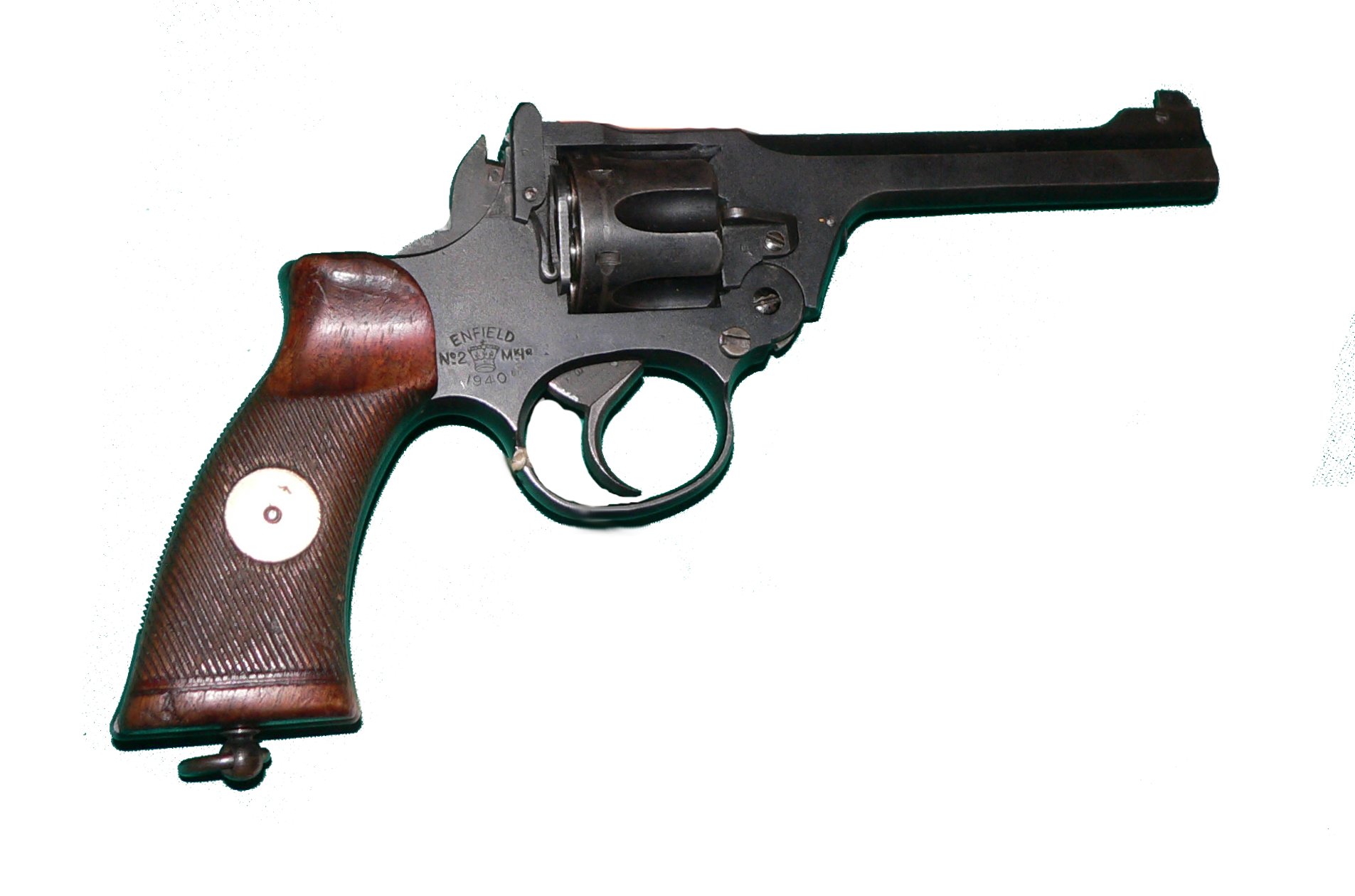
Britain adopted the Enfield No. 2 Mk I in 1931 as a lighter replacement for the .455 service revolver. The original had a hammer spur and could fire in single or double action. In 1936, the Armoured Corps specifically requested a hammerless version, showing that tank crews really did care about snagging. The request matters because the familiar story is often oversimplified. The later Mk I* appeared in 1938, but the official record does not prove that snagging alone caused the redesign. The change was therefore connected to real vehicle use, even if its exact influence is debated.
2. The Original Mk I Was a Six-Shot Service Revolver
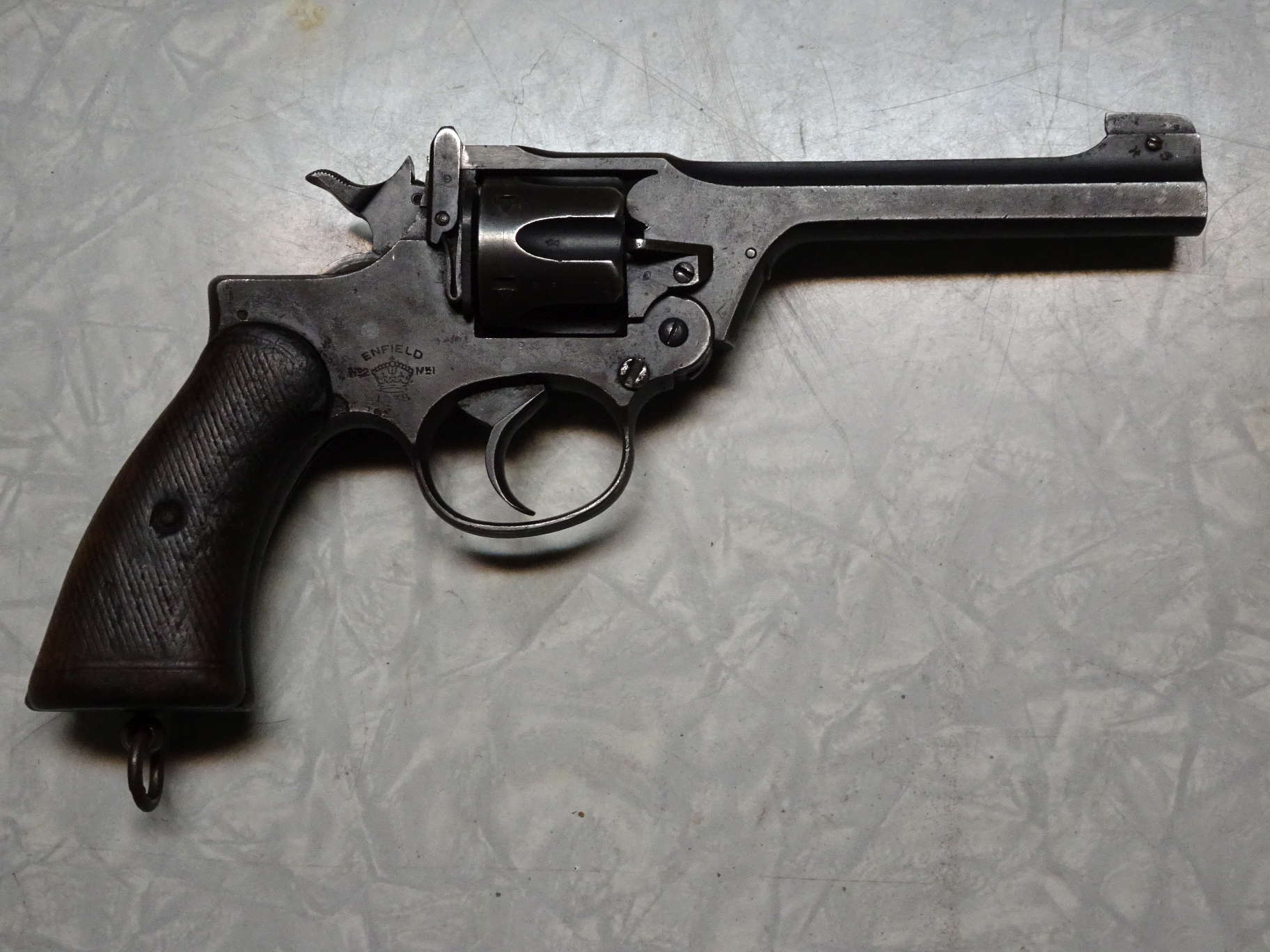
The early Enfield No. 2 Mk I was built around a six-shot cylinder and a .38-inch cartridge, officially associated with the .38 Revolver Mk I and Mk IIz family. It measured about 10.25 inches overall and used a barrel roughly 5 inches long. Unloaded weight was about 1.7 pounds, making it substantially lighter than the older .455 revolvers. Those figures explain its appeal to soldiers who needed a compact sidearm that was easier to carry and produced less recoil. Its top-break action also made extraction and reloading notably straightforward.
3. The Hammer Spur Was the Obvious Projection
On the original Mk I, the exposed hammer spur provided a familiar single-action option: the shooter could thumb the hammer back before pressing the trigger. That feature also created a projection on the rear of the weapon. Inside an armoured vehicle, where equipment, clothing, hatches, and cramped spaces competed for room, such projections were undesirable. The Armoured Corps’ request for a hammerless version in 1936 therefore had a practical basis, even though later evidence challenges the idea that tank snagging was the sole reason for the production change.
4. The Mk I* Removed More Than a Snag Point
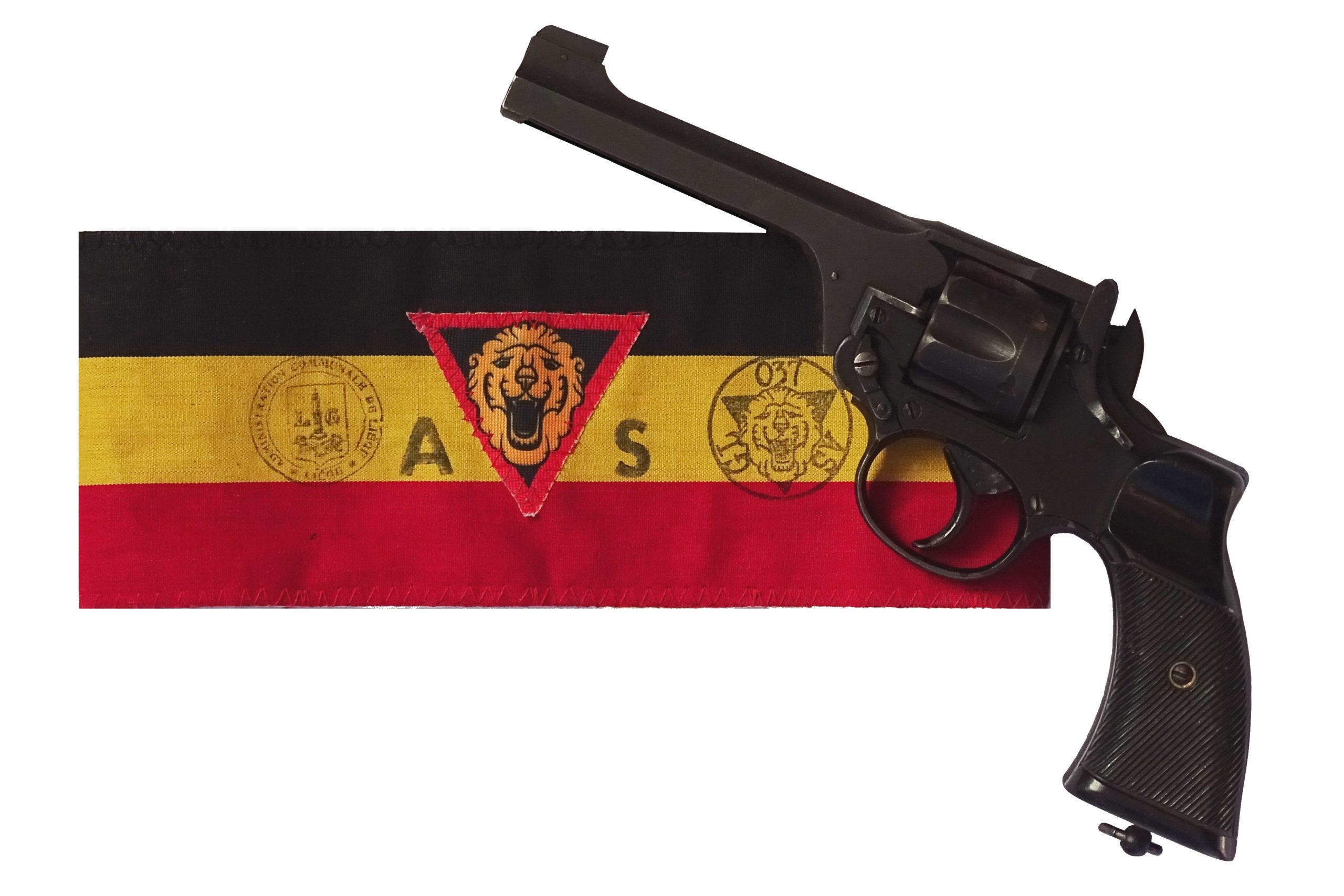
The 1938 Mk I* did not simply trim the hammer spur and leave everything else untouched. It became double-action only, so the hammer could no longer be manually cocked for a lighter single-action release. The design also used revised Mk II pattern grips, intended to give a secure hold during rapid double-action shooting. The change suited the British emphasis on close-range, quick fire. In other words, the redesign altered how the revolver was meant to be used, not merely how smooth its outline looked. It suited personnel trained for rapid fire without manually cocking the hammer.
5. Production Economics Complicate the Famous Story
Here is the twist: the tank explanation is not the whole story. Removing the spur and simplifying the mechanism also reduced manufacturing effort, fitting work, and training demands. The Mk I* could therefore make economic sense for an army preparing for a major war. Roughly 55,000 original Mk I revolvers were made, while about 270,000 Mk I* and Mk I** examples followed. Many earlier Mk I revolvers were also converted to Mk I* standard during wartime repair. The result was a large shift toward the simpler configuration. The numbers make clear that the simpler pattern was not a minor experiment.
6. Double Action Matched the Intended Combat Range
The Mk I* was designed around rapid double-action fire rather than deliberate long-range shooting. Its officially listed effective range was about 15 yards, or 13.7 meters, and published muzzle velocity figures are around 620 feet per second, or 189 meters per second, depending on the ammunition cited. Those numbers place the weapon firmly in the close-range service category. For a crewman moving through a cramped vehicle or facing an immediate threat, fast presentation and simple operation could matter more than a carefully aimed single-action shot.
7. The 1942 Mk I** Went Even Further
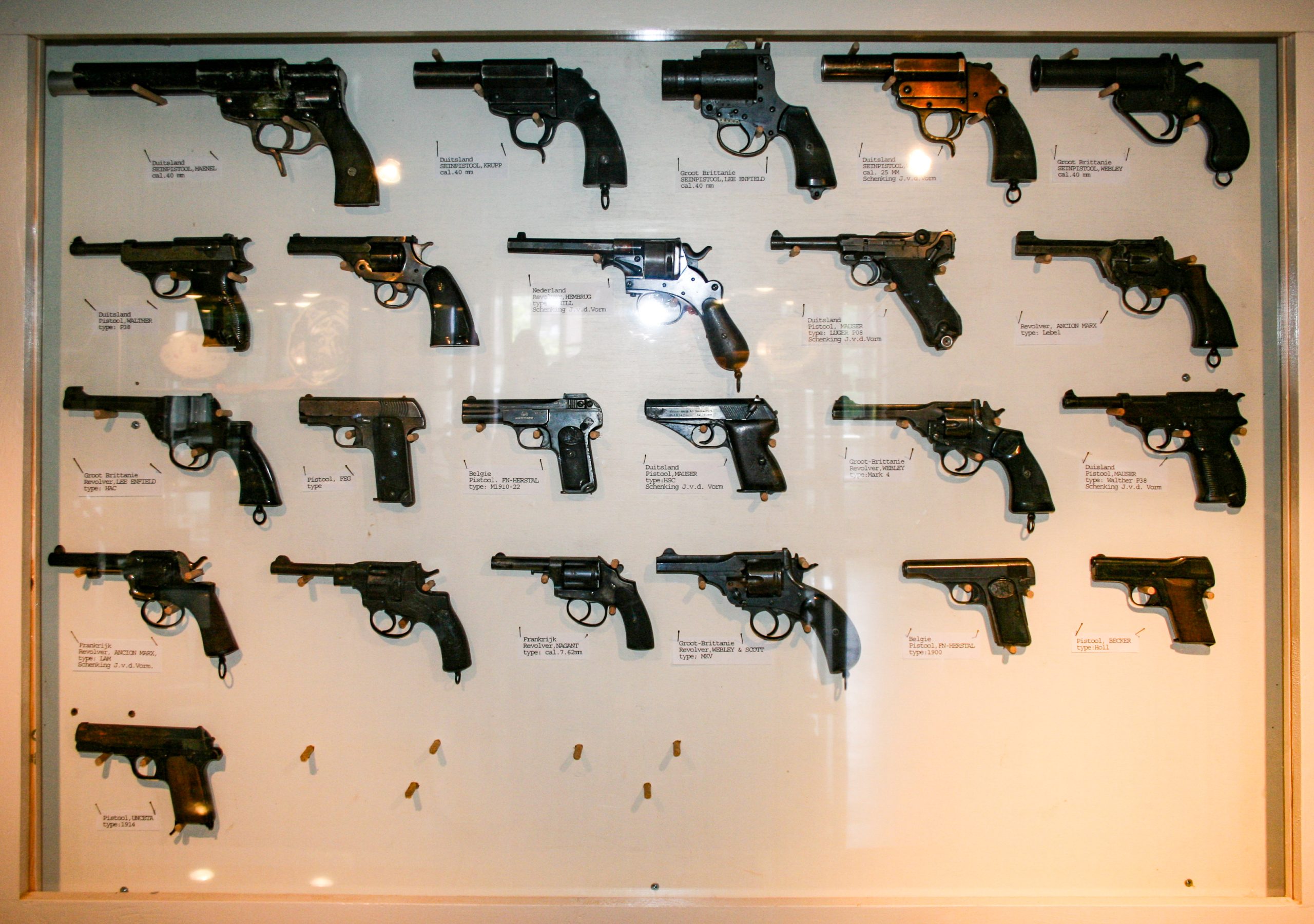
Britain later introduced the Mk I** in 1942 as a wartime simplification intended to speed production. One important change was the removal of the hammer safety stop, reducing parts and manufacturing work. That shortcut created a serious drawback because the revolver could discharge if dropped under certain circumstances. Production was consequently stopped, and postwar examples were commonly returned to the safer Mk I* pattern. The Mk I** story shows that wartime redesign was driven by more than ergonomics: cost, speed, parts count, and safety could all pull the design in different directions.
8. The Tanker Label Tells Only Part of the History
The Enfield No. 2 is often called a tanker revolver, but that nickname can hide its broader service history. The No. 2 became a standard British and Commonwealth sidearm during World War II, and service continued into the 1960s. It was produced in large numbers, with manufacture running from 1932 to 1957. The most important lesson is that the spurless Mk I* was a multi-factor redesign. A 1936 armoured request is documented, but manufacturing efficiency and intended double-action use also shaped the final weapon. That distinction is crucial when describing why Britain changed the revolver.