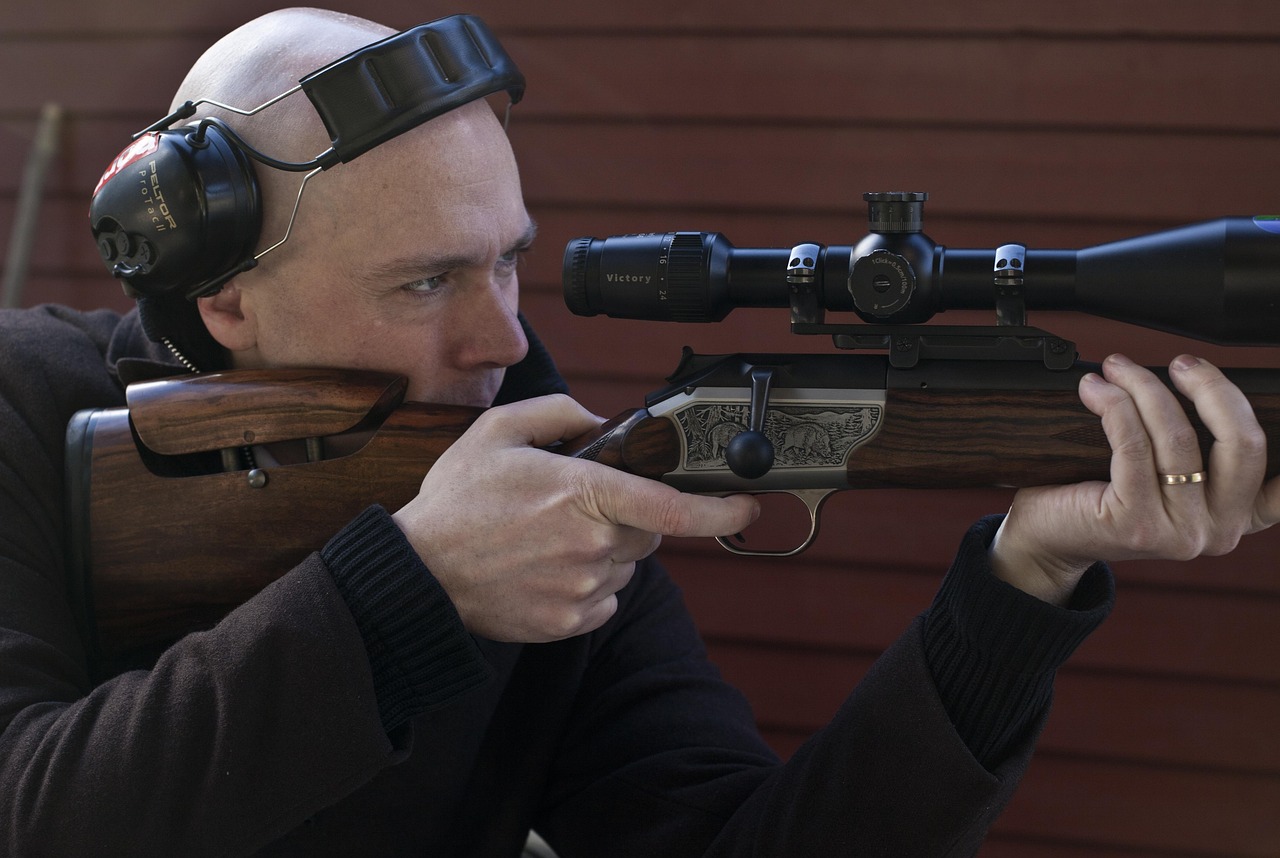
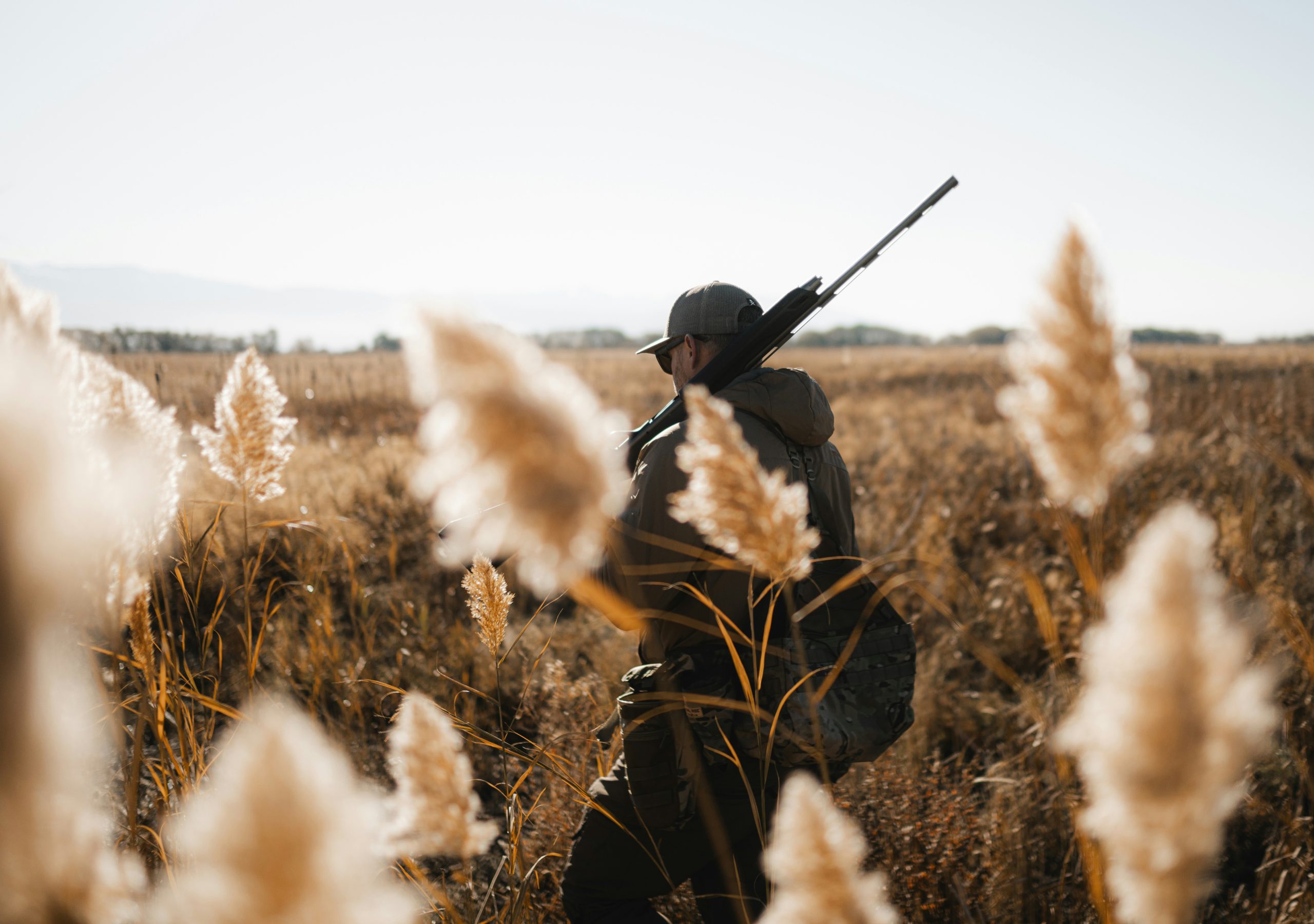
For plenty of hunters, the Bergara B14 starts as a curiosity and ends up becoming the rifle that changes their expectations. People who moved over from bigger household-name brands often say the surprise was not just accuracy, but how complete the package felt in the field. These are the eight details they mention most when talking about what stood out after the switch.
The out-of-the-box accuracy felt unusually consistent
Hunters who came from long-established brands often say the first surprise was how little tinkering the B14 seemed to need. Instead of chasing groups with endless ammo experiments or immediate upgrades, many found the rifle would settle in quickly and print tight, repeatable clusters with quality hunting loads.
What stood out was not just one lucky group on a calm day. It was the steady feeling that the rifle wanted to shoot well every time it came out of the case. For hunters used to sorting through hit-or-miss factory rifles, that kind of consistency tends to leave a strong first impression.
The barrel quality punched above the price
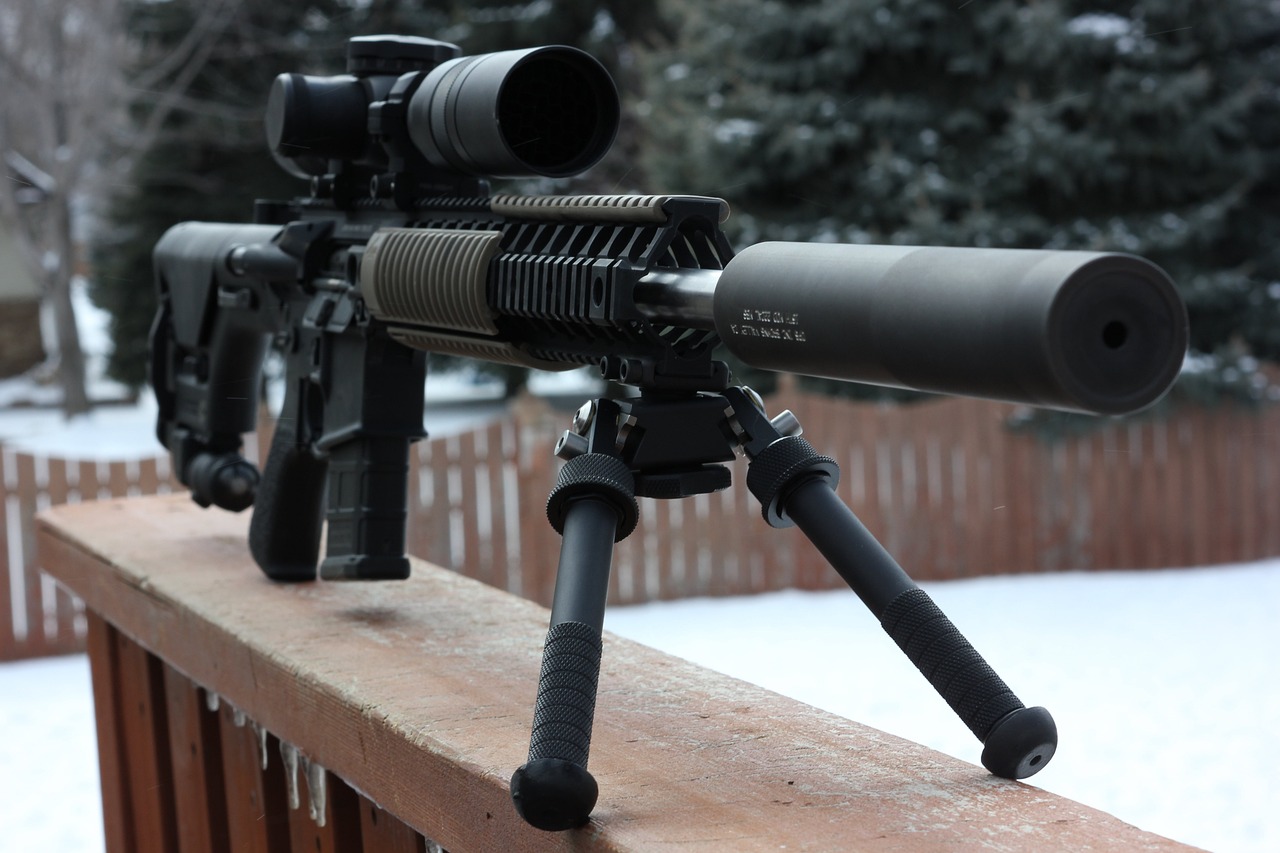
A lot of switchers expected decent performance, but not the kind of confidence that comes from a rifle barrel with a strong reputation behind it. Bergara’s barrel-making background is often the detail people mention once they spend real time behind the B14 and see how it behaves with different loads.
The surprise is that the rifle often feels more refined than its price bracket suggests. Hunters describe it as getting a taste of premium-barrel performance without stepping into a fully custom build. That value equation is where many say the B14 starts to separate itself from more famous names on the rack.
The action felt smoother than expected
For hunters familiar with rougher factory actions, the B14’s bolt travel can be an eye-opener. Many say they expected a serviceable hunting rifle and instead got something that cycled with a cleaner, more polished feel than rifles they had owned from larger brands.
That matters in ways that are easy to overlook until the moment comes fast. Whether working the bolt from a blind, on a hillside, or while staying on target for a follow-up shot, a smooth action makes the rifle feel calmer and more cooperative. It is one of those features owners keep appreciating long after the first range trip.
The trigger needed less immediate replacement
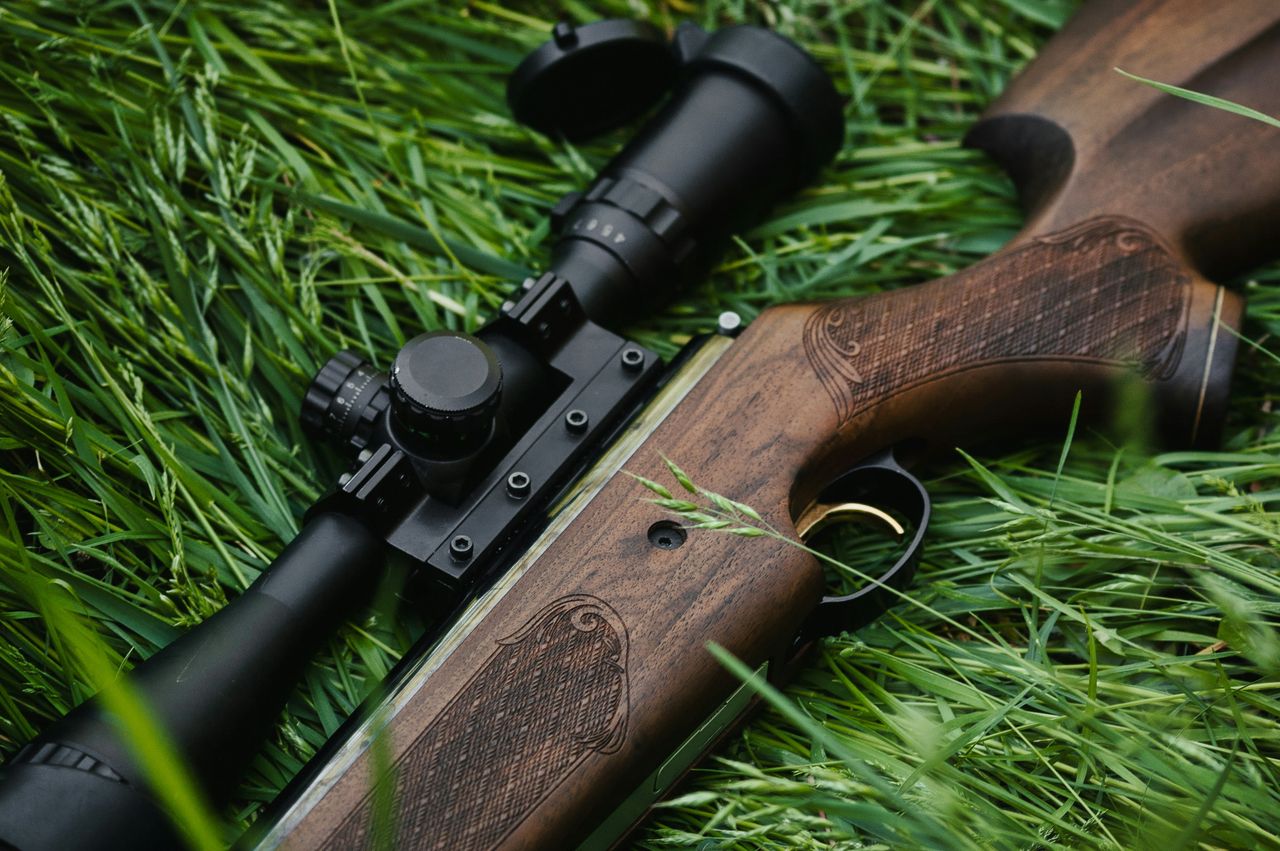
One common story among hunters who switch is that they had already budgeted for a trigger upgrade before even buying the rifle. Then they spent time with the B14 and realized the factory trigger was far better than expected for a production hunting gun.
Owners often describe it as clean, predictable, and easy to shoot well without feeling overly light for field use. That balance is what catches people off guard. Instead of becoming another line item in a post-purchase upgrade list, the trigger often stays exactly as it came, which adds to the sense that the rifle arrives more complete than many competitors.
The stock and overall fit felt more thought-out
Some hunters say the B14 surprised them simply by feeling right in the hands from day one. The stock design, balance, and general ergonomics often come across as more deliberate than they expected from a rifle that sits in a crowded factory-rifle category.
That impression tends to matter most in real hunting positions, not just from a bench. When a rifle shoulders naturally, sits steadily on sticks, and carries without awkward weight distribution, confidence builds quickly. Hunters who switched from better-known brands often say the B14 felt less like a compromise and more like a tool shaped around actual field use.
It handled recoil in a more manageable way
Recoil is always a mix of cartridge, rifle weight, stock shape, and shooter perception, but many B14 owners say the rifle was simply more pleasant to shoot than expected. That can be a major surprise for hunters coming from lightweight rifles that look great on paper but feel sharp and jumpy in practice.
A rifle that is comfortable to shoot usually gets shot more, and that often translates into better field performance. Hunters mention being able to practice longer, spot impacts more easily, and maintain better form. In their view, the B14’s shooting manners helped turn range sessions into something useful instead of something they rushed through.
It accepted customization without demanding it
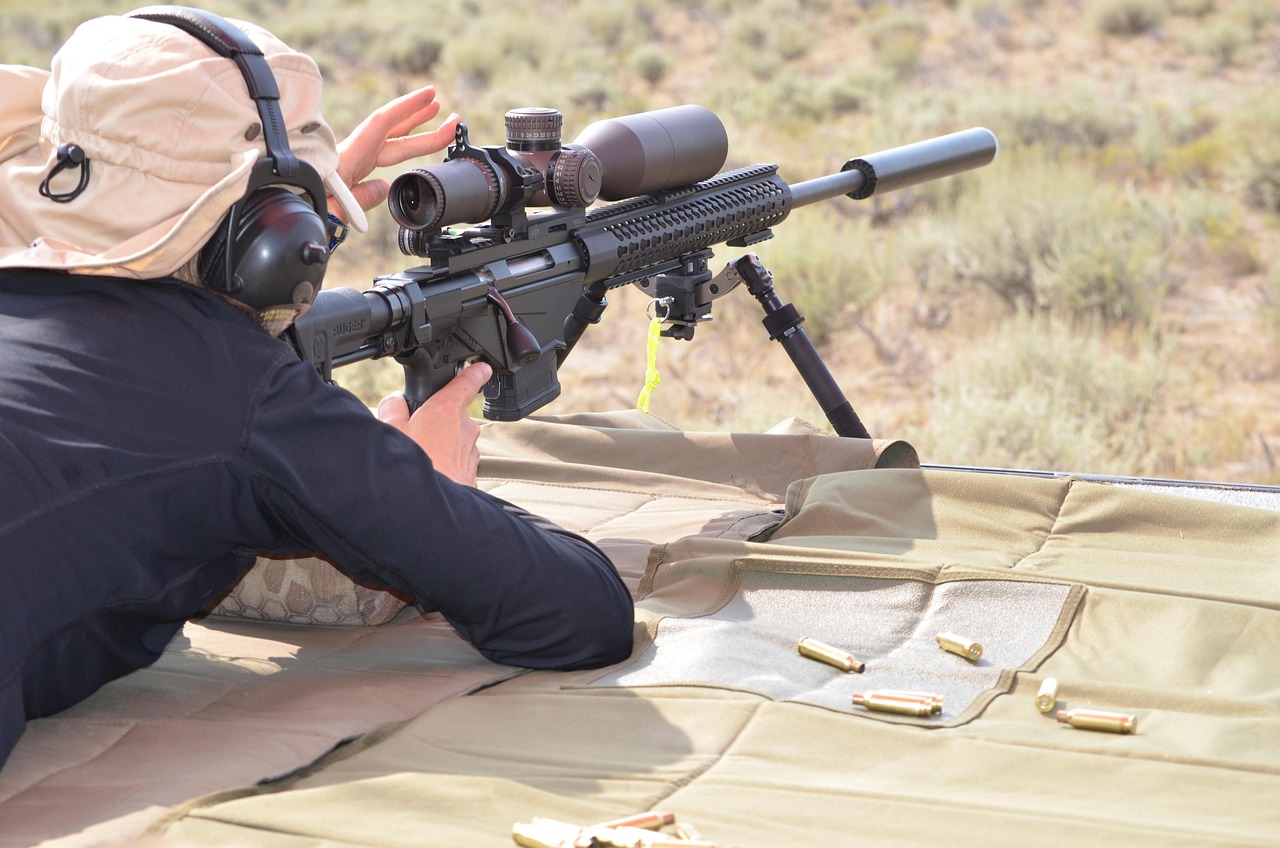
Another surprise for hunters moving away from bigger brands is how easy the B14 is to live with in either stock or upgraded form. Because it has broad compatibility with common accessories and parts, owners like knowing they have room to personalize the rifle later if their preferences change.
What they appreciate even more is that the rifle usually does not feel unfinished without those changes. It performs capably as purchased, then leaves the door open for a different stock, bottom metal, optic setup, or other tweaks down the road. That flexibility gives it appeal for both practical hunters and gear-minded tinkerers.
The value felt more real than the brand prestige
Perhaps the biggest surprise hunters mention is the feeling that they were paying for performance rather than just a famous rollmark. Switching from a major legacy brand can come with assumptions about what quality is supposed to cost, and the B14 often challenges those assumptions quickly.
Owners frequently describe a moment when they realize the rifle is competing with, or even outperforming, models they expected to trust more. That does not erase the appeal of bigger names, but it does shift the conversation. For many hunters, the B14’s strongest shock was how little they felt they had given up, and how much they felt they had gained.