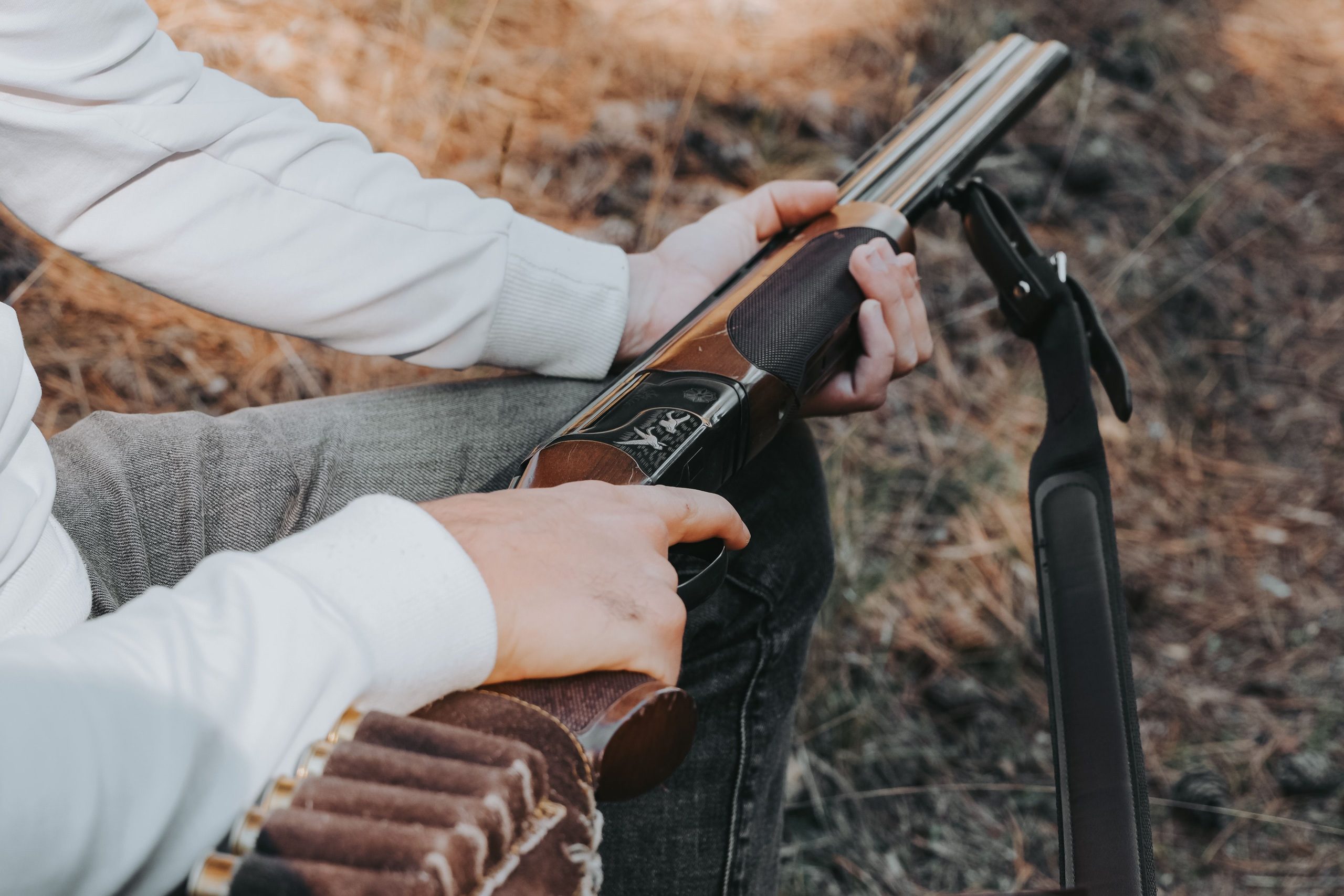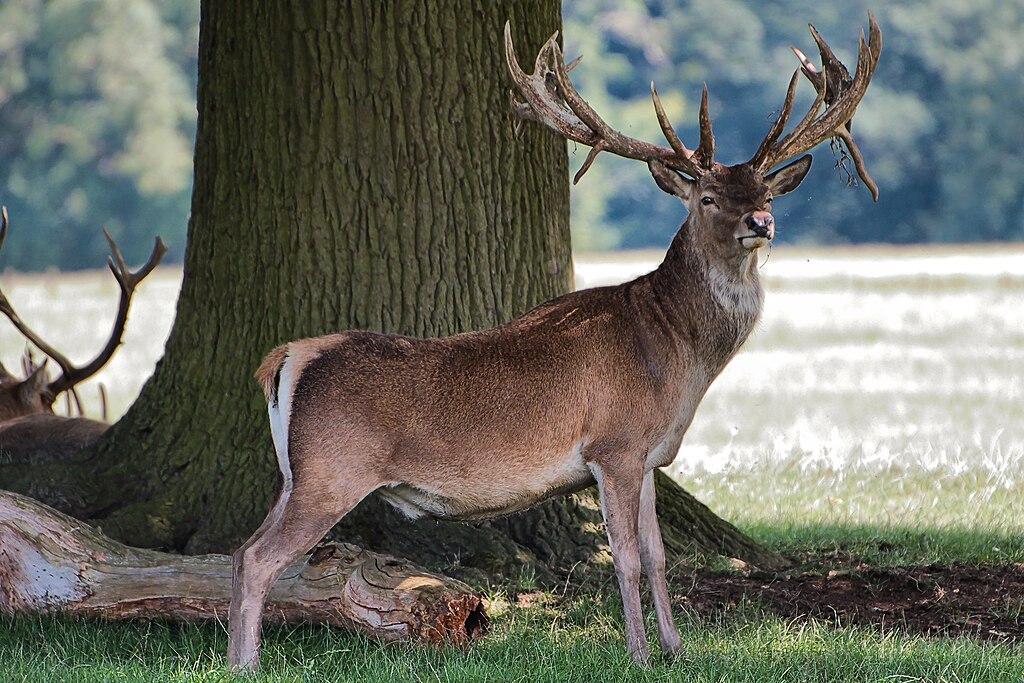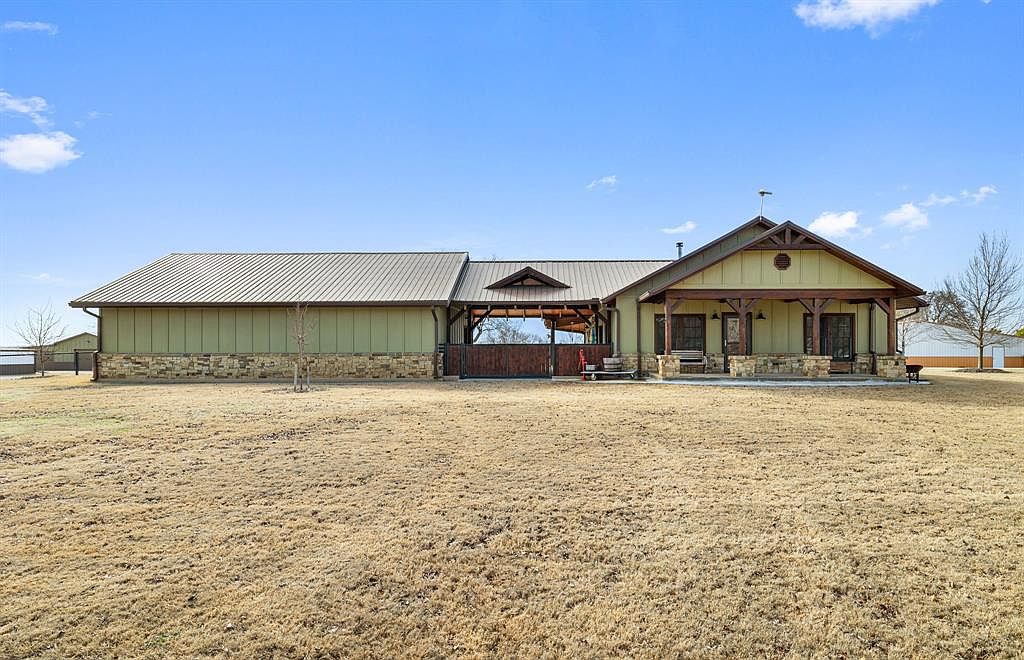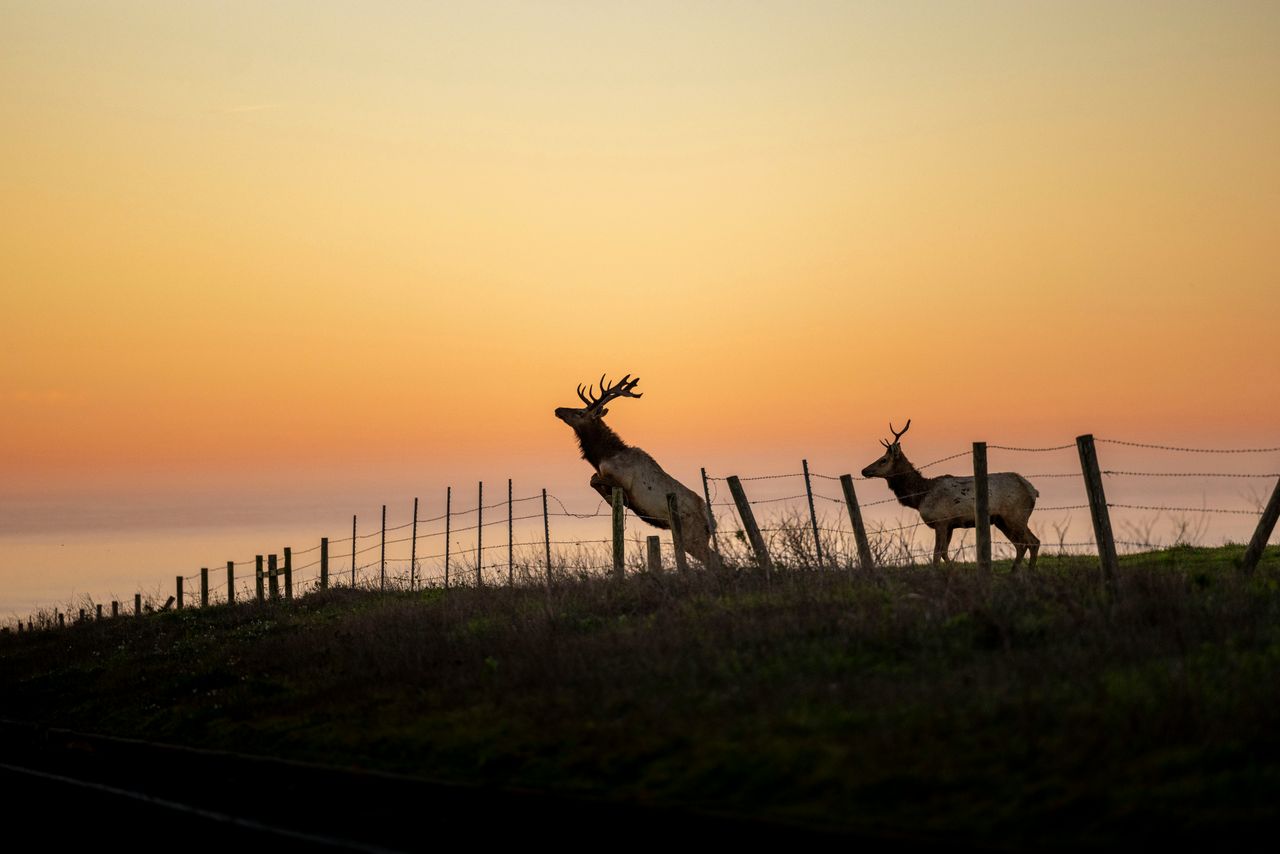
The fight over high fence hunting is not really about fences alone. It is about what hunting is becoming, who gets to define it, and how money keeps reshaping the answer.
The argument is really about control
High fence hunting means different things to different people, and that ambiguity is one reason the business keeps growing. Some operations market themselves as intensively managed ranches where animals still behave warily and roam over large acreage. Critics hear the same phrase and picture canned shoots, engineered trophies, and outcomes tilted too far toward the paying client.
That ethical split matters because fair chase has long been hunting’s core self-imposed boundary. The Boone and Crockett Club defines fair chase as the lawful, ethical pursuit of free-ranging wild game without improper advantage, and it has kept animals taken in escape-proof enclosures out of its records for decades. Boone andCrockett haves also warned that the rise of high fences challenged the idea of public wildlife and the tradition of hunting wild, free-ranging game.
So why are fenced operations growing while opposition gets louder? Because growth is being driven less by ethics than by incentives. High fence properties offer landowners a way to convert habitat, game animals, and exclusivity into a more predictable business model than ordinary fair chase hunting often can. That predictability is exactly what many traditional hunters think should never be for sale.
Predictability is the product being sold

The strongest business case for fenced hunting is simple: certainty sells. A client paying serious money for limited vacation time often wants better odds of seeing mature animals, cleaner logistics, and a shorter path from booking to harvest. High-fence ranches can offer that in a way that public land or low-fence hunts usually cannot.
For landowners, that certainty is even more valuable. They can manage access, limit trespass, hold animals on the property, schedule hunts more tightly, and market packages around antler class, species, lodging, and season length. In parts of Texas and elsewhere, private hunting already operates as a large economic engine, so the leap from leasing hunting rights to selling tightly managed trophy experiences is not a radical business move. The Texas Tribune, citing a 2022 Texas A&M survey, reported that white-tailed deer hunters and fee-charging landowners contribute $9.6 billion annually to the Texas economy.
That kind of money changes behavior. Once deer become part wildlife resource, part managed asset, fences start to look less like ethical flashpoints and more like infrastructure. The more expensive land, labor, feed, genetics, insurance, and amenities become, the more operators value systems that reduce uncertainty and maximize customer satisfaction. Fair chase hunters may hate that logic, but it is a powerful growth engine.
Trophy culture has merged with hospitality.
Another reason these operations are expanding is that they are no longer selling only a hunt. They are selling a curated outdoor experience. That can mean chef-prepared meals, luxury lodging, side-by-side transportation, social media-friendly trophy presentation, and the promise that a client with modest woodsmanship can still go home with an impressive animal.
That formula fits modern consumer behavior. Across travel, fishing, and adventure sports, affluent customers increasingly pay for convenience, packaging, and a higher probability of success. High fence operations speak that language fluently. They are often easier to market to corporate groups, families, first-time hunters, older clients, and people with limited mobility than a rugged fair chase backcountry hunt.
The fair chase camp sees a greater danger here. When the hunt becomes a hospitality product, the animal risks being reframed as inventory and the hunter as a buyer of outcomes. Boone and Crockett have argued that fair chase is not just a trophy rule but a broader ethic of self-restraint. That is exactly why many critics treat high-fence growth as a cultural warning, not just a niche business trend.
Disease pressure has made the issue more urgent, not smaller

If ethics were the only issue, this debate would already be heated. Chronic wasting disease has made it far more consequential. CWD is a fatal neurological disease affecting cervids, and federal and state agencies have spent years expanding surveillance, quarantine, testing, and movement rules around both wild and captive deer. APHIS says CWD has been detected in free-ranging cervids in 34 U.S. states as of July 2024, and the agency continues funding both wild and farmed cervid response efforts.
Captive and farmed cervid systems sit near the center of that policy fight because animal movement creates tracing headaches and transmission risk. APHIS records show CWD has been found in farmed cervids in multiple states, and updated 2026 federal status documents list quarantined breeder and hunt facilities in states including Texas and Pennsylvania.
This is the paradox: disease pressure has intensified criticism of the industry, but it has not erased the underlying demand. In some cases, it may have pushed operators to become even more formalized, better monitored, and more commercially organized. At the same time, fair chase hunters increasingly argue that no amount of management can fix a model that depends on confining and moving deer in the first place.
Texas shows the real engine better than anywhere

Texas is the clearest case study because private land, deer breeding, and fee hunting all intersect there at scale. Texas Parks and Wildlife continues to regulate deer breeder permits and movement rules, while enforcement records specifically list violations tied to hunting captive deer. That alone tells you how established and contested this world is.
The Texas Tribune reported in September 2024 that Texas had seen a record number of CWD cases that year, with 387 positive cases by August and detections in 31 of 254 counties and 34 captive breeding facilities. The same report described how quarantines were trapping some breeders economically while conservationists pushed for tighter restrictions on live deer movement.
That is the real reason growth persists: powerful local economics keep colliding with conservation risk, and commerce does not retreat easily. Breeders, ranchers, and preserve operators have capital tied up in land, infrastructure, genetics, and clients. As long as customers will pay for managed hunts and lawmakers continue to leave room for the business, high fence operations will keep finding ways to expand even under pressure.
Fair chase hunters are pushing back harder because the stakes changed

The backlash has become sharper because many hunters now believe this is no longer a side debate about taste. They see it as a legitimacy issue for all hunting. In an era when hunting already faces public scrutiny, practices that look too controlled or transactional can damage the social license of hunters who spend their seasons on public land or large open landscapes.
That concern is not abstract. Boone and Crockett’s modern statements repeatedly frame fair chase as essential to conservation and to hunting’s place in society, not just to record-book eligibility. When critics say high fence operations hurt all hunters, they mean the public often does not distinguish between a difficult, uncertain pursuit of wild game and a premium harvest inside an enclosure.
This is why the rhetoric has hardened. Fair chase hunters are not merely asking whether fenced hunts are sporting. They are asking whether those hunts shift the moral center of hunting away from humility, wildness, and restraint, and toward customization, certainty, and status. The stronger the business gets, the more urgent that pushback becomes.
The fence is growing because it solves business problems.
In the end, the real reason high fence hunting is growing is not mystery, hypocrisy, or even nostalgia for bigger antlers. It is that fenced operations solve a bundle of expensive business problems at once. They help operators control access, protect investment, stage reliable experiences, market premium outcomes, and compete for customers who value time and certainty more than traditional hunting hardship.
That does not mean the critics are wrong. In fact, the backlash is getting stronger for good reason. Fair chase hunters understand that once predictability becomes the main selling point, the culture of hunting starts bending toward manufactured success. And once that happens, every hunter inherits the reputational cost.
So the conflict is likely to intensify, not fade. High fence operations are growing because the market rewards control. Fair chase hunters are pushing back harder because they believe hunting only keeps its meaning when the outcome is never fully under human control. Both sides understand the stakes. That is why neither side is backing down.