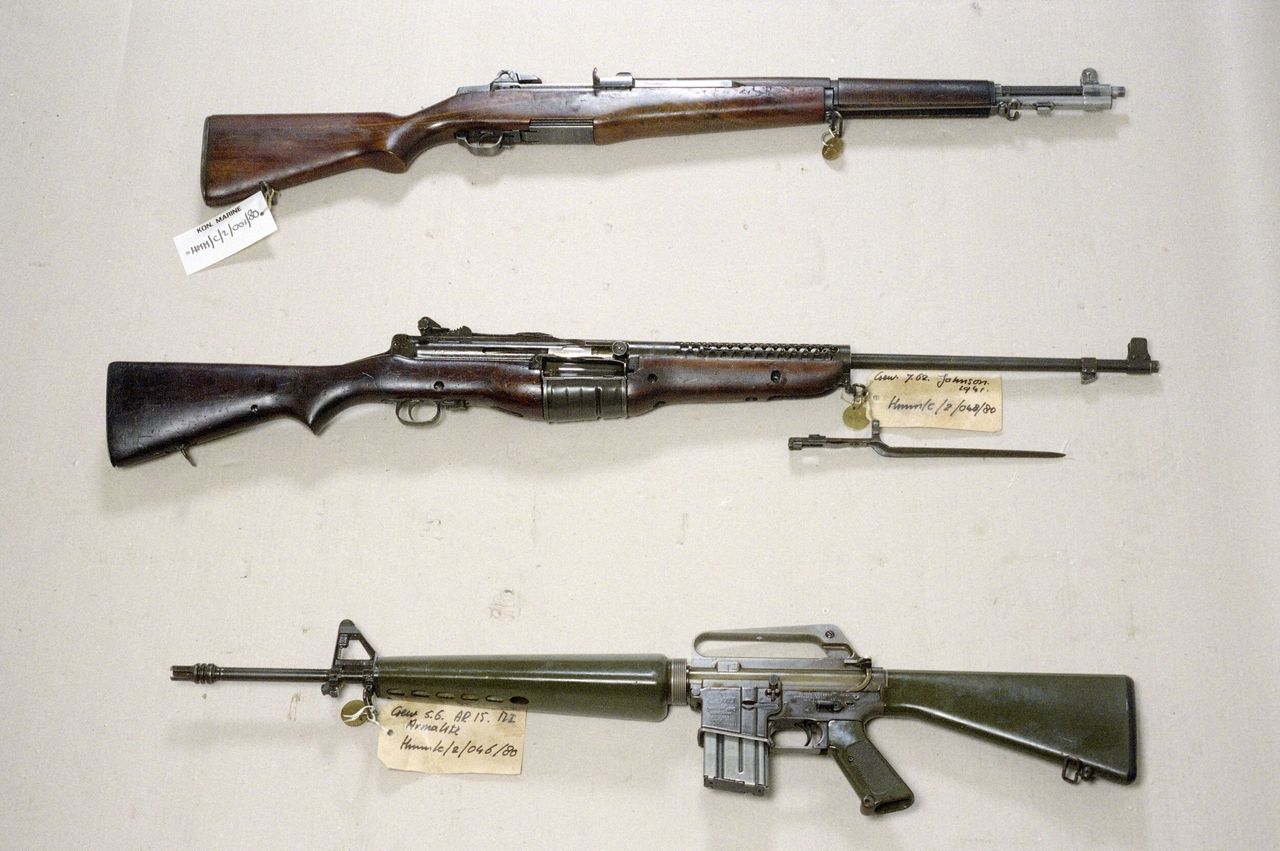
The M1 Garand became an icon for good reason, but it was not the only innovative American semi-automatic rifle of its era. The Johnson M1941 brought a handful of clever features that solved problems the Garand never really addressed. This gallery explores six things the Johnson could do that made it stand out, even if it never replaced America’s better-known battle rifle.
It could be topped off at any time
One of the Johnson M1941’s most practical advantages was its 10-round rotary magazine, which could be fed with single cartridges or stripper clips whenever the shooter had a moment. That meant a rifleman did not have to wait until the gun was empty before adding more ammunition.
The Garand’s en bloc clip system was fast and rugged, but it locked the user into loading a full clip as a unit. In real combat, that mattered. A soldier behind cover might want to replace a few spent rounds immediately, and the Johnson made that simple in a way the Garand did not.
It let shooters use loose rounds more easily
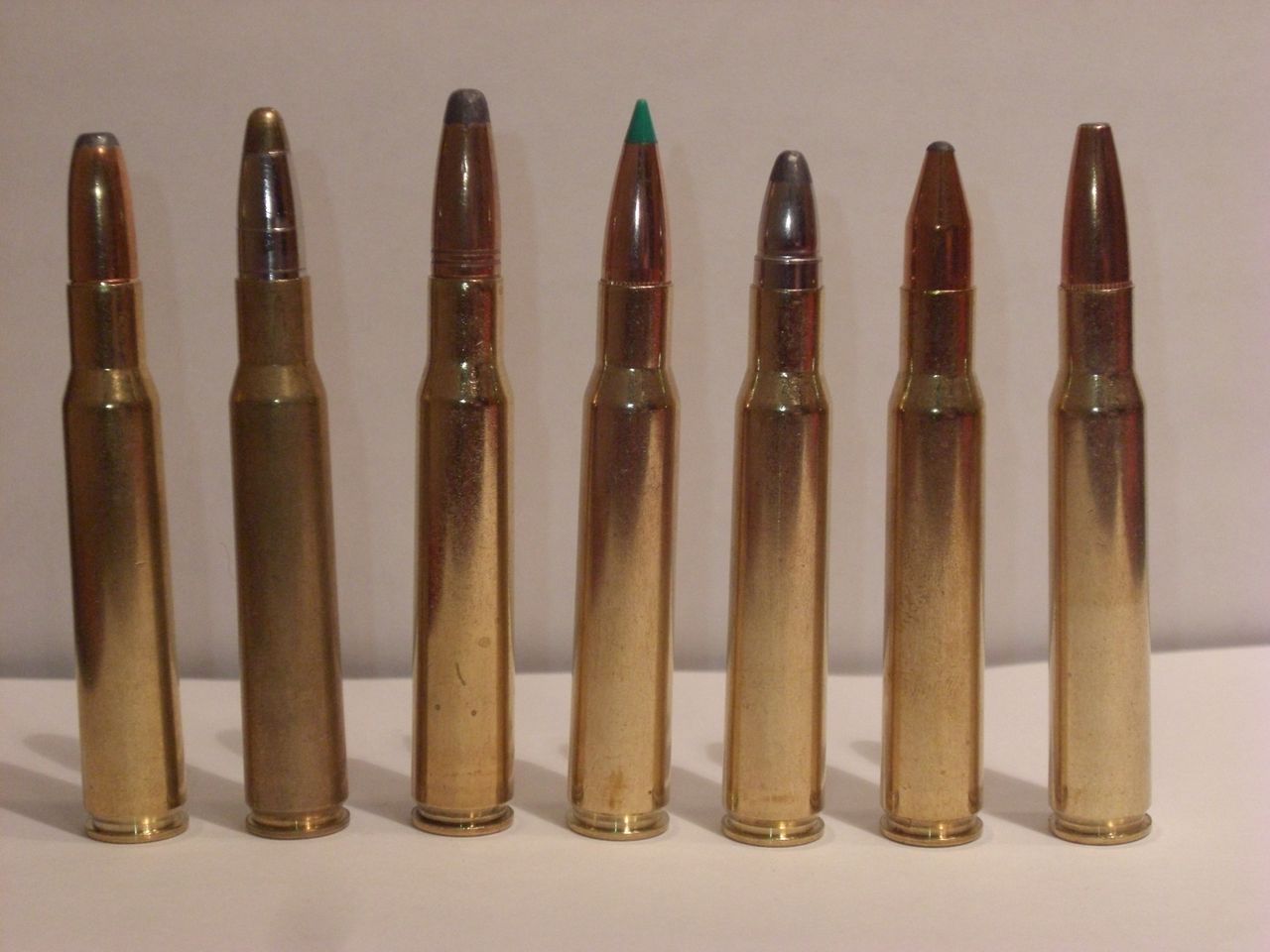
The Johnson was far friendlier to whatever ammunition happened to be on hand. If a shooter had a partial handful of loose .30-06 cartridges, they could feed them directly into the magazine without much fuss and keep the rifle in action.
The Garand could accept a single round in an emergency, but its system was built around the 8-round clip, and that shaped how ammunition had to be managed. The Johnson’s flexibility may sound small on paper, yet in the field it offered a more adaptable answer to the messy reality of resupply, scavenging, and interrupted firing cycles.
Its barrel could be removed quickly
The Johnson M1941 had a quick-detach barrel, a feature that still feels surprisingly modern. With the proper method, the barrel could be removed quickly for transport, maintenance, or replacement, giving the rifle a modular quality that was unusual at the time.
The Garand was robust, but it wasn’t designed for that kind of field-friendly barrel removal. For troops moving by parachute, boat, or cramped transport, the Johnson’s takedown nature had real appeal. It was one reason the rifle attracted attention from Marines and specialized units looking for something more portable than the standard issue alternative.
It worked well in compact transport

Because the Johnson could be broken down more conveniently, it had an advantage when space was tight. Airborne delivery, small landing craft, and packed storage all favored weapons that could be handled in a more compact form without requiring a workshop to take apart.
The Garand was a full-size service rifle through and through, excellent once in hand but less accommodating during movement and packing. The Johnson’s design gave it a certain travel efficiency that fit niche roles better. It was not enough to dethrone the Garand, but it addressed a logistical headache the standard rifle never really solved elegantly.
Its action handled recoil in a different way
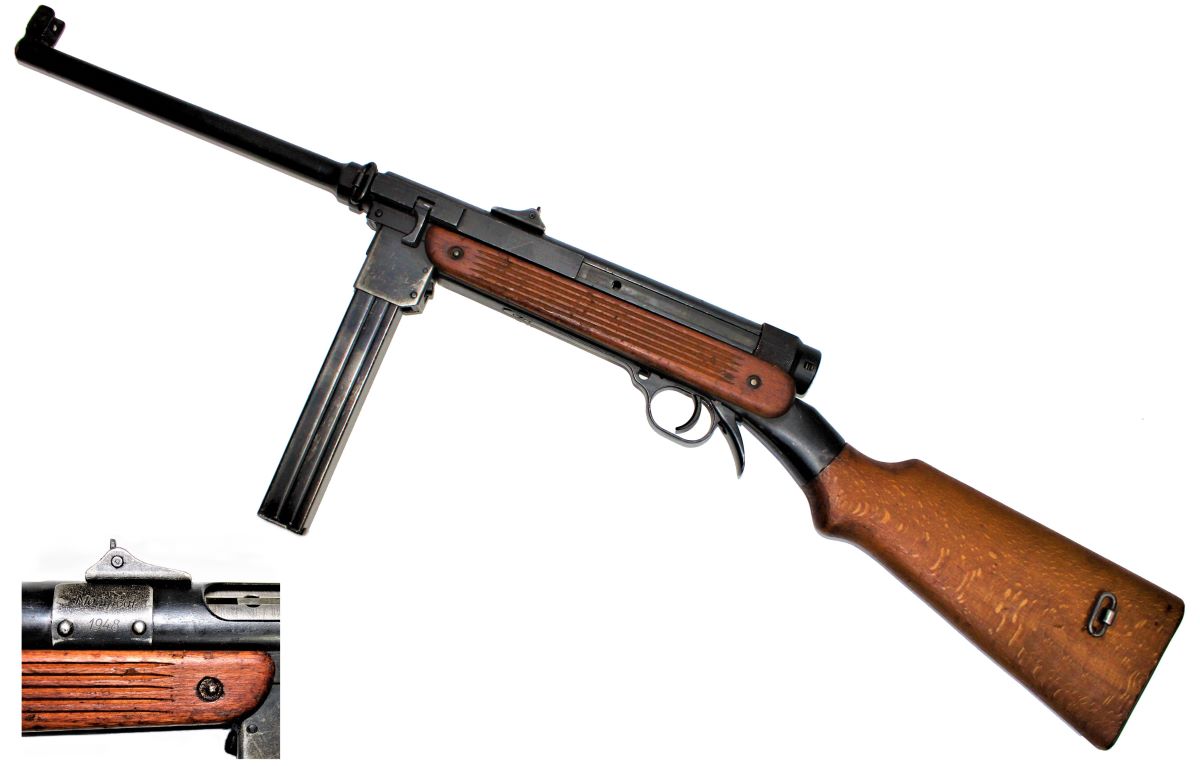
The Johnson used a short-recoil operating system, with the barrel and bolt moving together briefly before unlocking. That gave the rifle a distinct shooting character and made it mechanically very different from the gas-operated Garand that most American shooters came to know.
This did not automatically make the Johnson superior overall, but it did mean it achieved semi-automatic fire through a system the Garand simply did not have. For enthusiasts and ordnance observers, that was part of the rifle’s fascination. It represented a separate engineering path, one that delivered reliable function with a feel and internal rhythm all its own.
It inspired a light machine gun from the same basic system

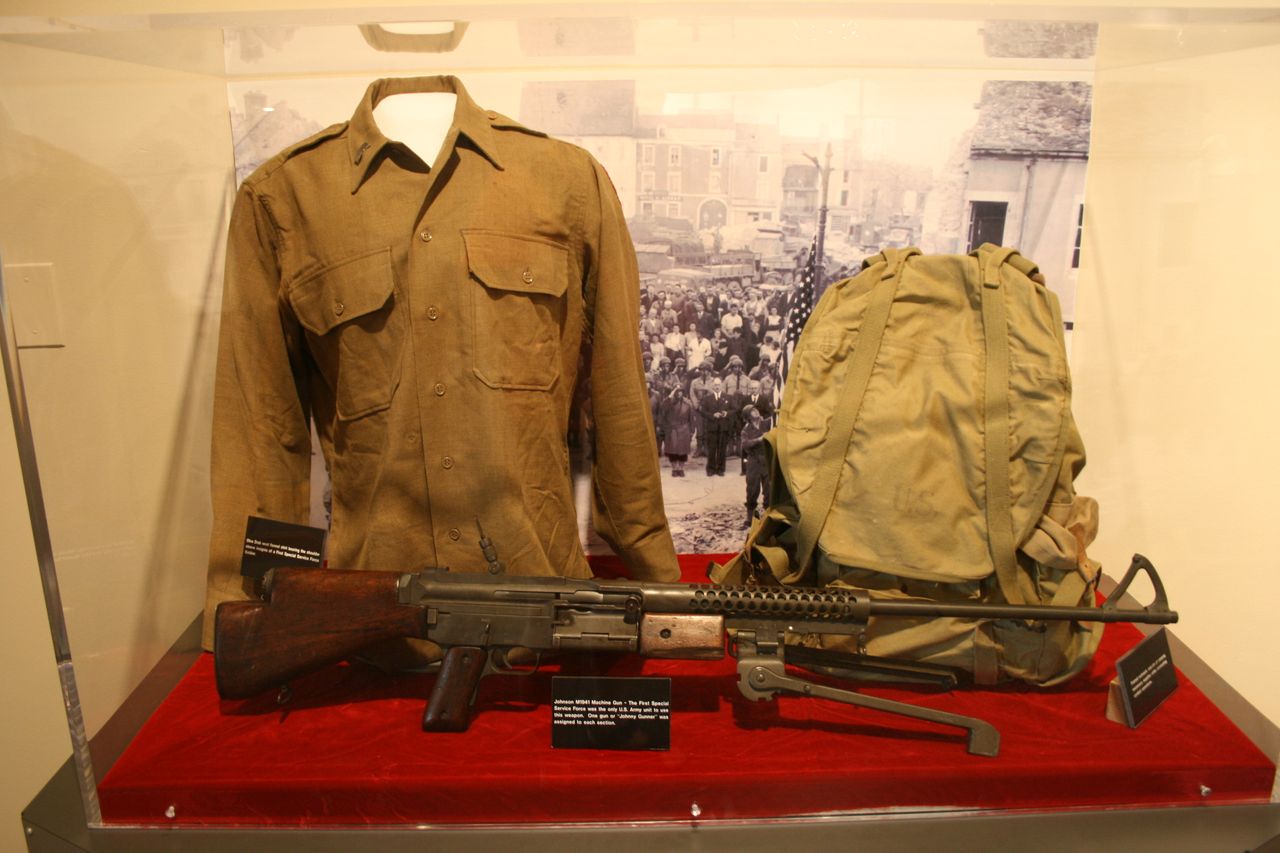
The Johnson rifle’s operating concept proved adaptable enough to spawn the Johnson light machine gun, a weapon that shared important design DNA with the original rifle. That kind of family resemblance showed that Melvin Johnson’s ideas could stretch beyond a standard infantry shoulder arm.
The Garand, famous as it is, did not evolve into a directly related light machine gun in the same way. The Johnson’s platform therefore demonstrated a broader kind of mechanical versatility. Even critics who preferred the Garand often acknowledged that the Johnson design had an inventive quality, especially when viewed as part of a larger weapons concept rather than a single standalone rifle.