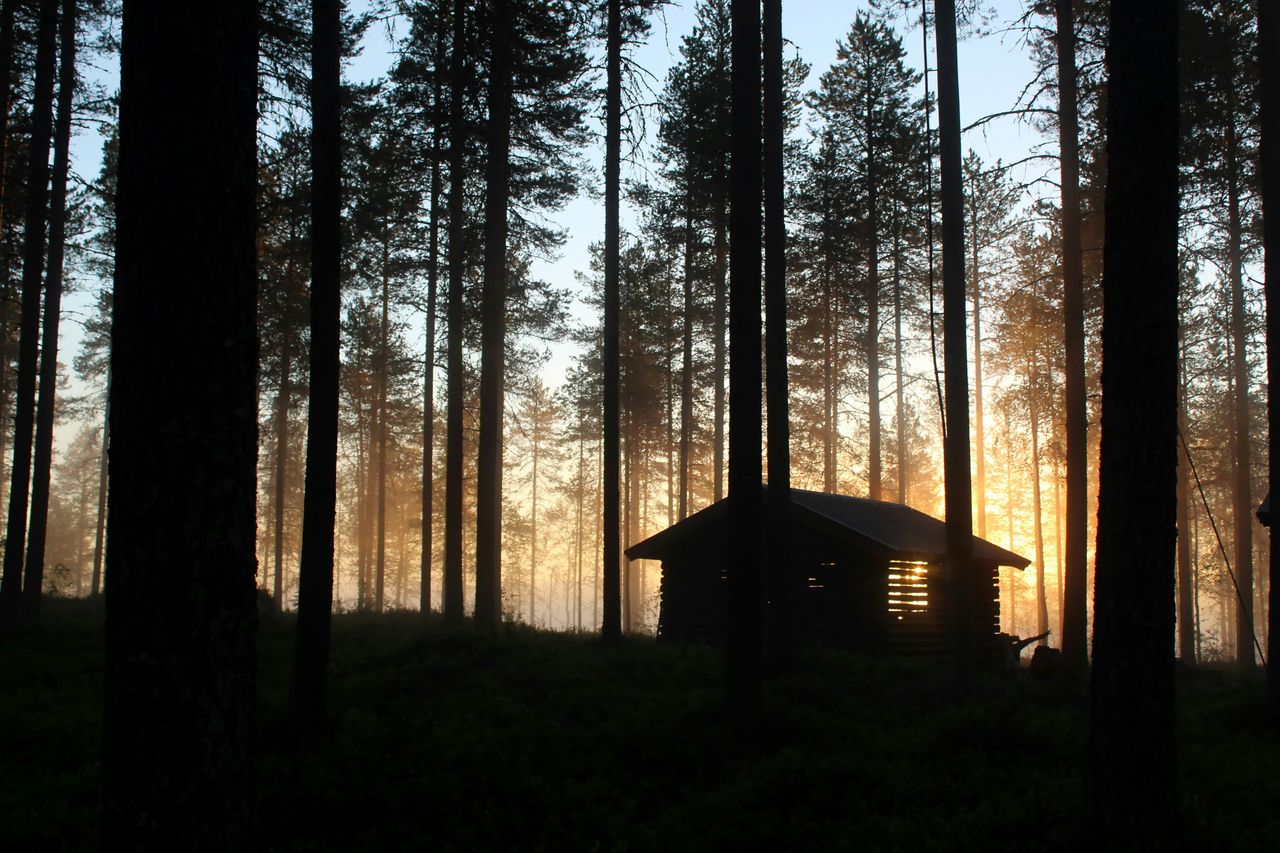
A cabin feels like an escape, but long stretches of emptiness can turn it into an easy mark. Small oversights, from visible spare keys to dark entry points, can invite trouble faster than many owners realize. This gallery walks through the most common security mistakes cabin owners make and the simple habits that can help keep a remote property safer between visits.
Leaving Spare Keys in Predictable Places

Hiding a key under the mat, in a fake rock, or above the door still feels clever to many owners, but those are the first places a trespasser checks. A remote cabin gives someone time to search without much pressure, which makes old-school hiding spots even riskier.
If neighbors, cleaners, or family need access, a sturdy lockbox is the smarter move. A model with a changeable code is far better than a secret key that may have been discovered years ago and never mentioned.
What feels convenient on departure day can become the easiest part of a break-in. At an unattended property, convenience should never outrank control.
Advertising Your Absence on Social Media

Posting that you are leaving the cabin for three weeks may seem harmless, especially when the photos are beautiful and the trip is routine. But public updates can tell strangers exactly when the property will be empty and how long they have before anyone returns.
This risk grows when posts include location tags, recognizable landmarks, or comments about the cabin being off-grid and isolated. Even a casual caption can reveal more than intended.
Share the sunset shots later, once you are back or after a trusted person has checked in. A little delay can protect both your privacy and your property without ruining the memory.
Relying on Weak Locks and Old Hardware

A charming cabin often comes with charmingly outdated doors, latches, and locksets. That rustic look may fit the setting, but worn hardware can be surprisingly easy to force, especially if frames have shifted with age, moisture, or seasonal temperature swings.
A quality deadbolt, reinforced strike plate, and solid screws can make a huge difference. Sliding doors, sheds, and side entries deserve the same attention, since intruders often choose the quietest and least visible access point.
Cabin owners sometimes assume remoteness is protection enough. In reality, distance from town can give a thief more time, not less, to work on a weak door.
Forgetting to Light Entrances and Pathways

Darkness is a friend to anyone who does not belong on your property. When porches, back steps, garages, and walkways disappear into shadow, it becomes much easier for someone to approach unnoticed and test doors or windows without being seen.
Motion-activated lighting is especially useful for cabins because it saves energy while still creating a strong deterrent. A sudden flood of light can draw attention, unsettle a trespasser, and help cameras capture something useful.
Owners often focus on the front door and forget the woodpile side, basement access, or path from the driveway. Those quieter routes are often the ones that matter most.
Ignoring Window Security

Windows are often the most overlooked vulnerability at a cabin, especially around the back, near decks, or at ground level behind brush. A flimsy latch or a half-rotted frame can make entry much easier than owners expect, even if the front door is secure.
Simple upgrades matter here. Stronger locks, security film, trimmed landscaping, and window sensors can all reduce risk without making the place feel fortress-like.
It also helps to think seasonally. In colder months, an intruder can sometimes see from footprints, frost patterns, or shutter positions which windows are rarely checked. The details you ignore are often the details someone else studies.
Letting Mail, Deliveries, and Clutter Pile Up

Nothing says nobody has been here lately like a stuffed mailbox, packages on the porch, or flyers trapped in the door. These small signs can turn a cabin from a quiet retreat into an obvious opportunity for someone looking for an empty property.
The same goes for visual neglect around the cabin. Fallen branches, unshoveled entrances, and trash left near outbuildings can signal long-term absence from a distance.
Ask a trusted local contact to remove obvious buildup and do a quick visual reset when possible. A place that appears watched over is far less inviting than one that looks forgotten, even if the owner is miles away.
Skipping Cameras and Remote Monitoring

Some cabin owners still view cameras as a luxury, but for a property that may sit empty for weeks, they are often one of the most useful tools available. Even a basic setup can provide visibility, alerts, and a timeline when something unusual happens.
Remote monitoring is especially valuable for spotting problems that are not criminal at all, like a broken window after a storm or an open shed door after a windy night. The sooner you know, the more options you have.
Visible cameras can also discourage bad behavior before it starts. In an isolated setting, that extra layer of awareness can make the property feel a lot less unprotected.
Trusting Everyone Who Knows the Property

Cabins often have a long list of people who have had access over the years, including contractors, neighbors, former cleaners, guests, and relatives. Most are trustworthy, but security gets messy when old codes still work, and extra keys are floating around unaccounted for.
Any time relationships, service providers, or routines change, access should change too. That means rekeying locks, updating keypad codes, and reviewing who can still enter the house, garage, and storage areas.
Owners sometimes assume goodwill is a security plan. It is not. Clear control over who has access is one of the simplest ways to reduce risk without changing the character of the cabin itself.
Leaving Valuables in Plain Sight

A cabin can hold more tempting gear than many primary homes, including fishing equipment, tools, generators, electronics, firearms, and recreational vehicles. When those items are visible through windows or left neatly arranged in an unlocked outbuilding, they can attract the wrong kind of attention.
The goal is not just to lock things up, but to make the payoff less obvious. Curtains, secure storage cabinets, and locked utility spaces reduce both temptation and opportunity.
It is also smart to document serial numbers and photograph important items before you leave. If something does disappear, that record can make reporting and recovery much easier during an already stressful situation.
Assuming the Property Will Watch Itself

Perhaps the biggest mistake is believing that a remote cabin can simply be locked and forgotten until the next visit. Properties left alone for long stretches face more than burglary risk. Storm damage, leaks, wildlife intrusions, and power failures can all create security problems of their own.
A reliable check-in plan changes everything. Whether it is a neighbor, local caretaker, or trusted service, regular visits make the cabin look active and help catch issues before they grow expensive.
Security works best as a routine, not a last-minute scramble before you drive away. When someone is paying attention, even from a distance, the cabin is far less vulnerable than one left entirely on its own.