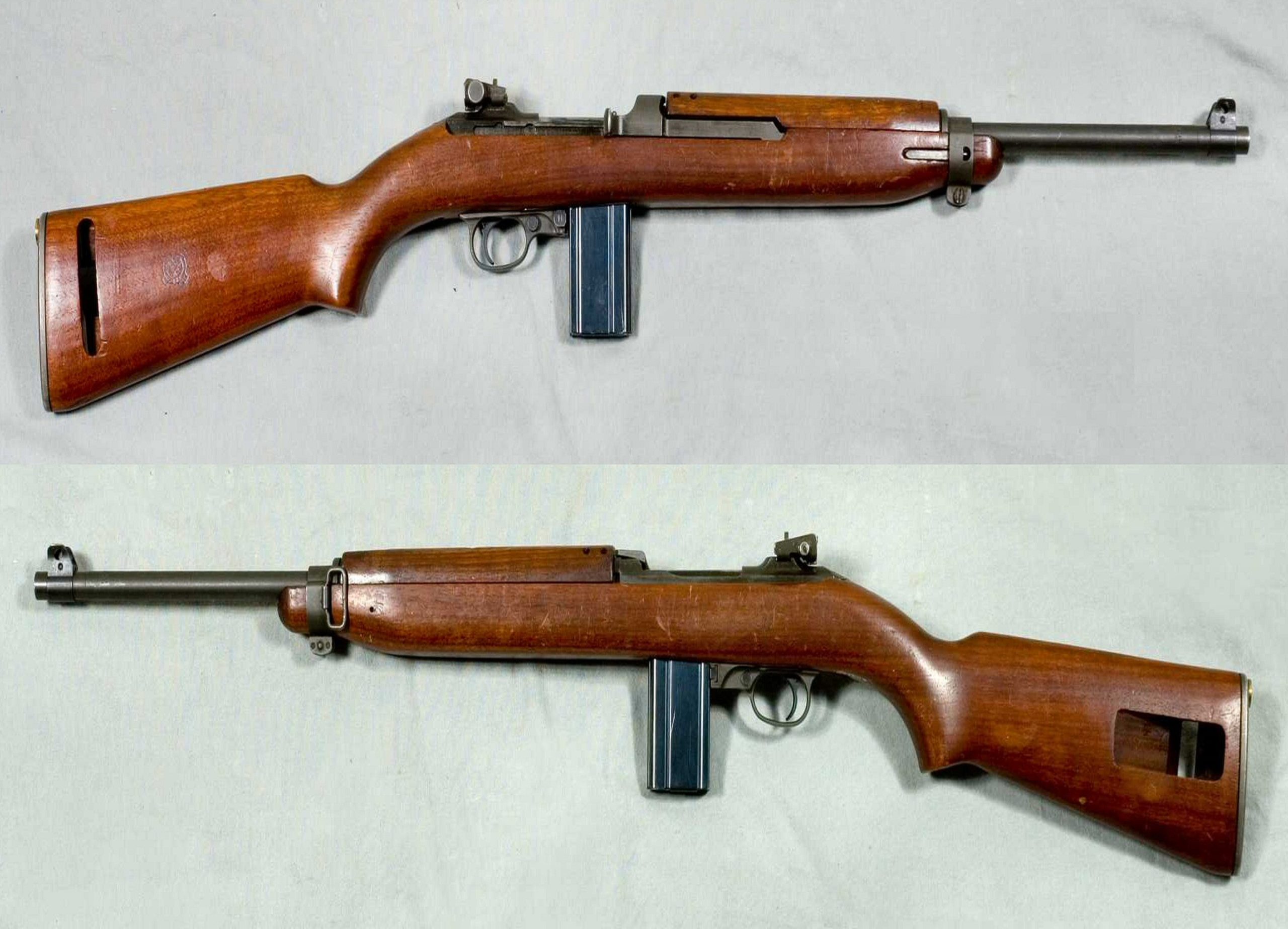
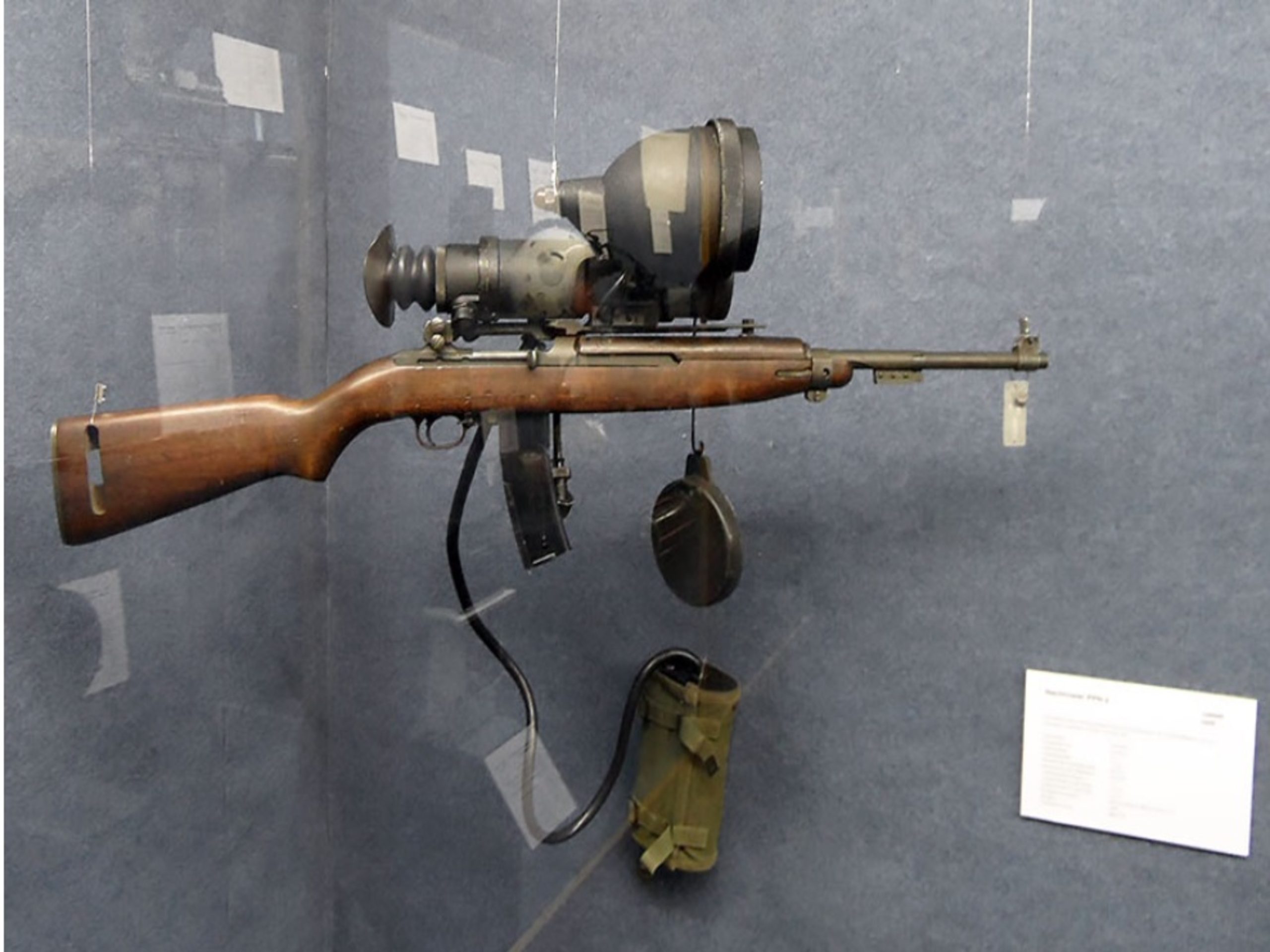
The M1 Carbine occupied an unusual space in World War II small-arms history. It was not intended to replace the full-power M1 Garand, yet its lighter weight, compact dimensions, and reduced-recoil .30 Carbine cartridge made it attractive for troops who valued portability. More than 6 million M1 Carbines and related variants were produced during the wartime period, making it one of America’s most widely manufactured military firearms.
1. It Was Far Lighter Than the Garand
The M1 Carbine’s greatest appeal began with something soldiers could feel immediately: weight. An unloaded M1 Carbine weighed roughly 5.2 pounds, while an M1 Garand was around 9.5 pounds. That difference of more than 4 pounds mattered during long marches, vehicle operations, guard duties, and airborne missions. The carbine was also about 35.6 inches long, compared with approximately 43.6 inches for the Garand. It therefore gave troops a much handier weapon without resorting to a conventional pistol. For soldiers carrying radios, medical equipment, ammunition, or other gear, saving several pounds and inches could make a noticeable difference.
2. Its Recoil Was Easy to Manage
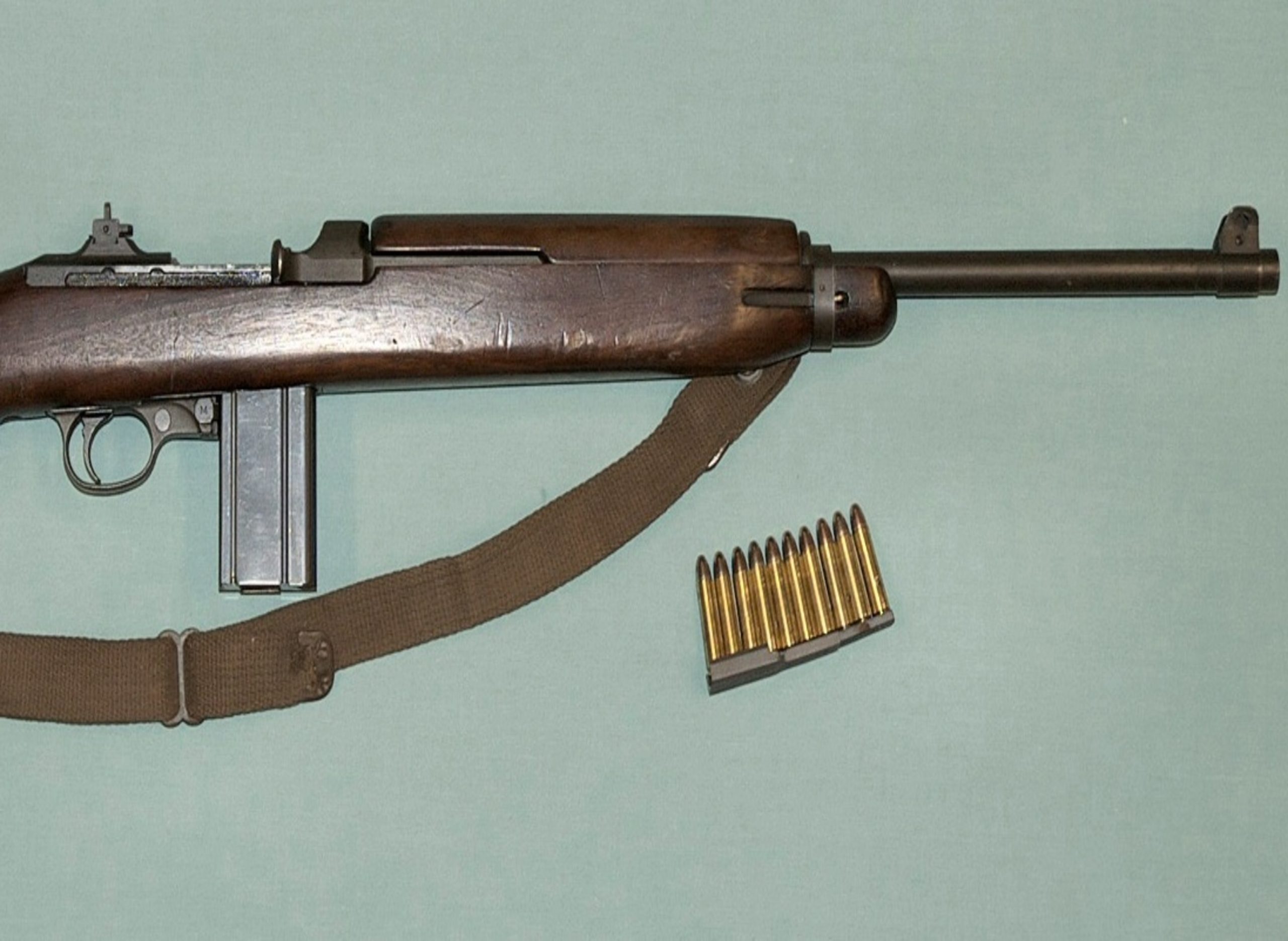
The M1 Carbine fired the .30 Carbine cartridge, a lighter intermediate-power round designed specifically for the weapon. Compared with the .30-06 ammunition used by the Garand, the carbine’s cartridge produced substantially less recoil. That made rapid follow-up shots easier and reduced the physical burden of firing. The standard cartridge used a 110-grain bullet, with a muzzle velocity of roughly 1,990 feet per second from the carbine’s 18-inch barrel, depending on ammunition. Its flatter handling characteristics and modest recoil helped explain why many troops found the weapon comfortable to carry and shoot during demanding field conditions.
3. The Magazine Held 15 Rounds
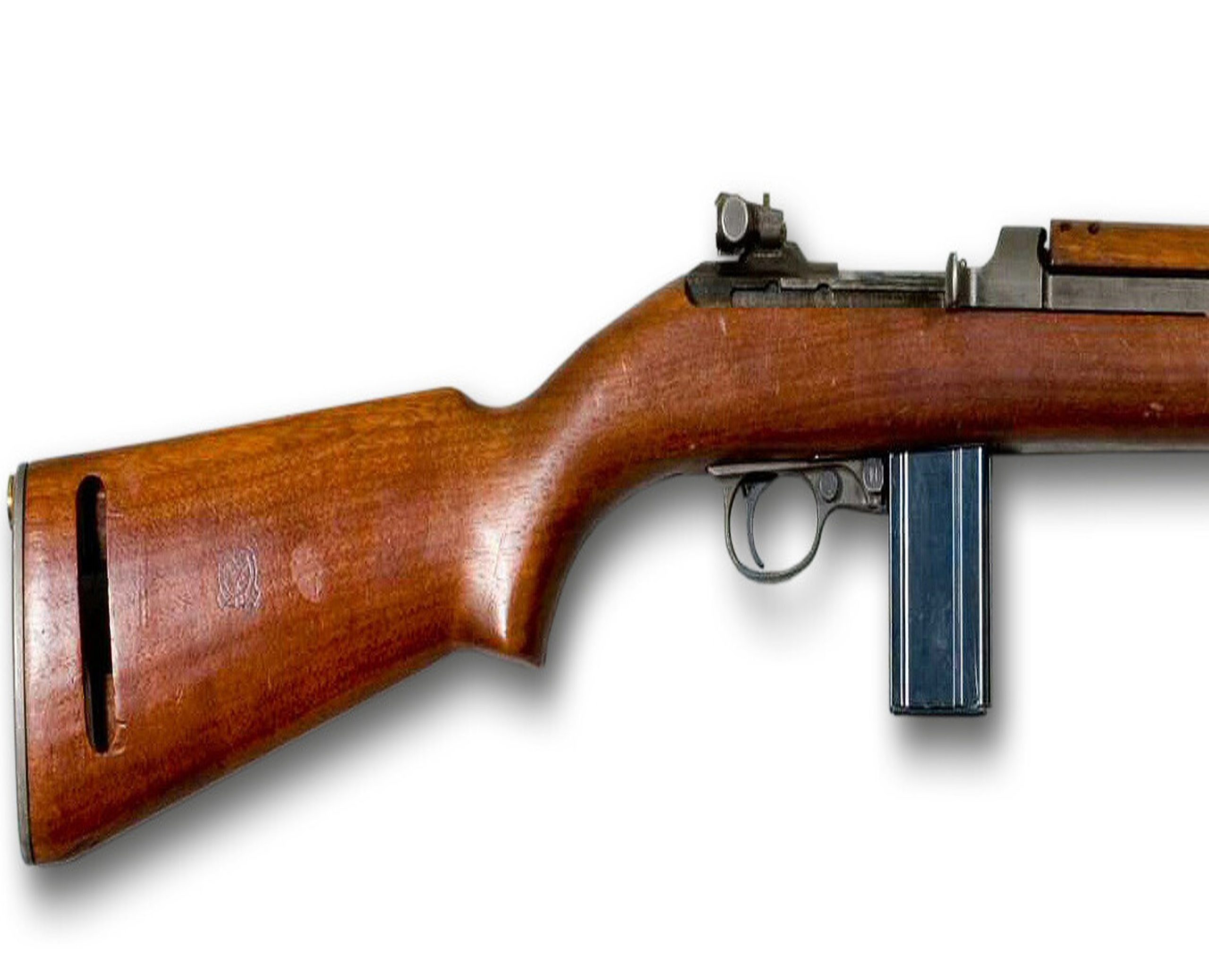
Another advantage was ammunition capacity. The original M1 Carbine used a detachable 15-round box magazine, giving it considerably more ready ammunition than the M1 Garand’s 8-round en-bloc clip. Later developments included a 30-round magazine, particularly associated with the M2 Carbine and later wartime use. The detachable magazine also made ammunition management different from the Garand’s fixed internal system. A soldier could carry loaded spare magazines and replace an empty one relatively quickly. The combination of a compact firearm, detachable magazine, and 15-round standard capacity gave the carbine a distinctly modern feel for its era.
4. It Was Built for Troops Who Needed Something Compact
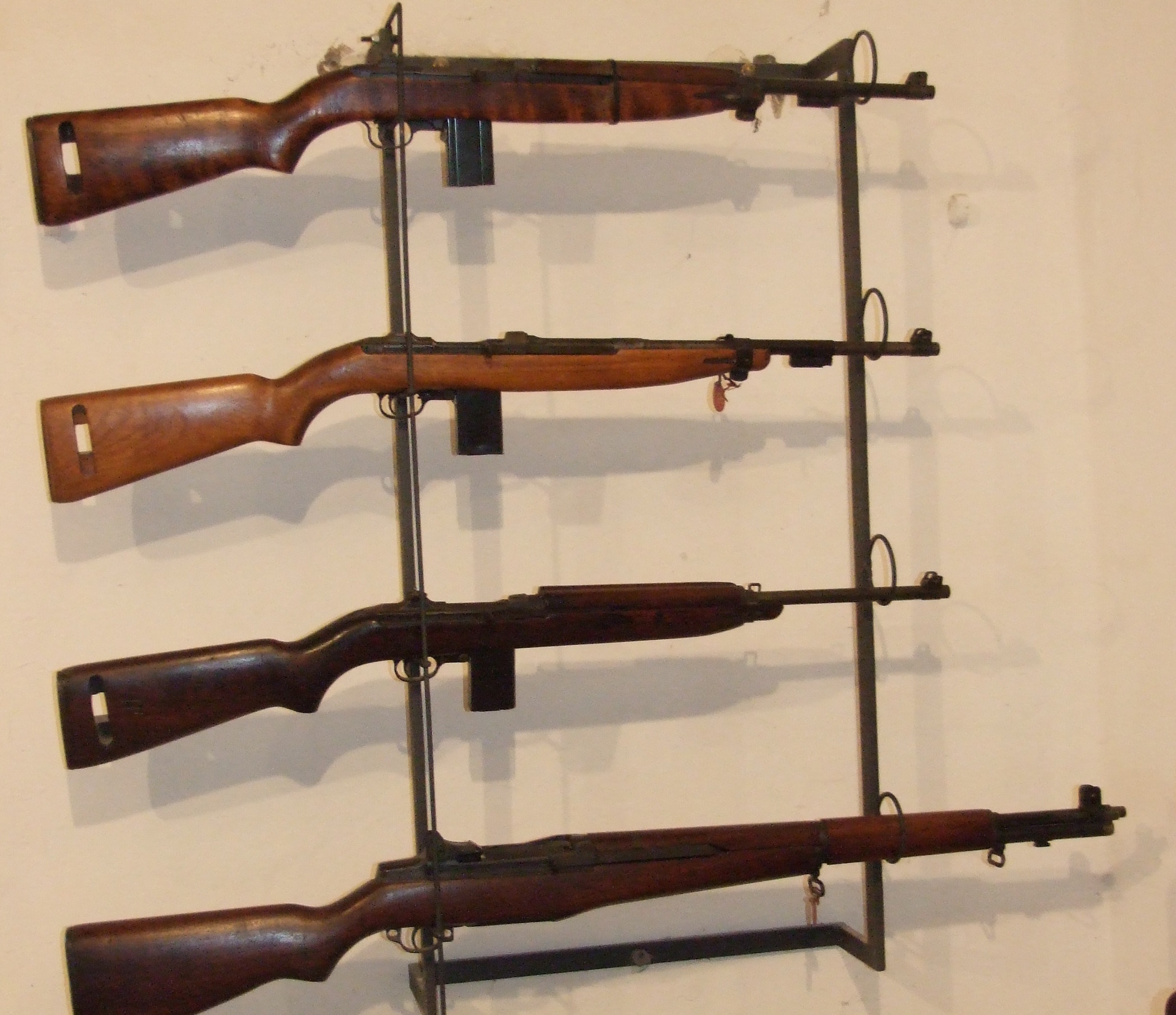
The M1 Carbine was conceived partly for personnel who needed more capability than a handgun without the bulk of a full-size service rifle. That included officers, vehicle crews, artillery personnel, radio operators, and other troops whose primary duties did not require a full-length infantry rifle. Its 35.6-inch overall length made it easier to handle around vehicles, inside buildings, and in cramped positions. The design therefore addressed a practical military problem rather than simply trying to create a smaller Garand. Its role was different, and that distinction helped the carbine find a place across many parts of the U.S. military.
5. Production Numbers Became Enormous
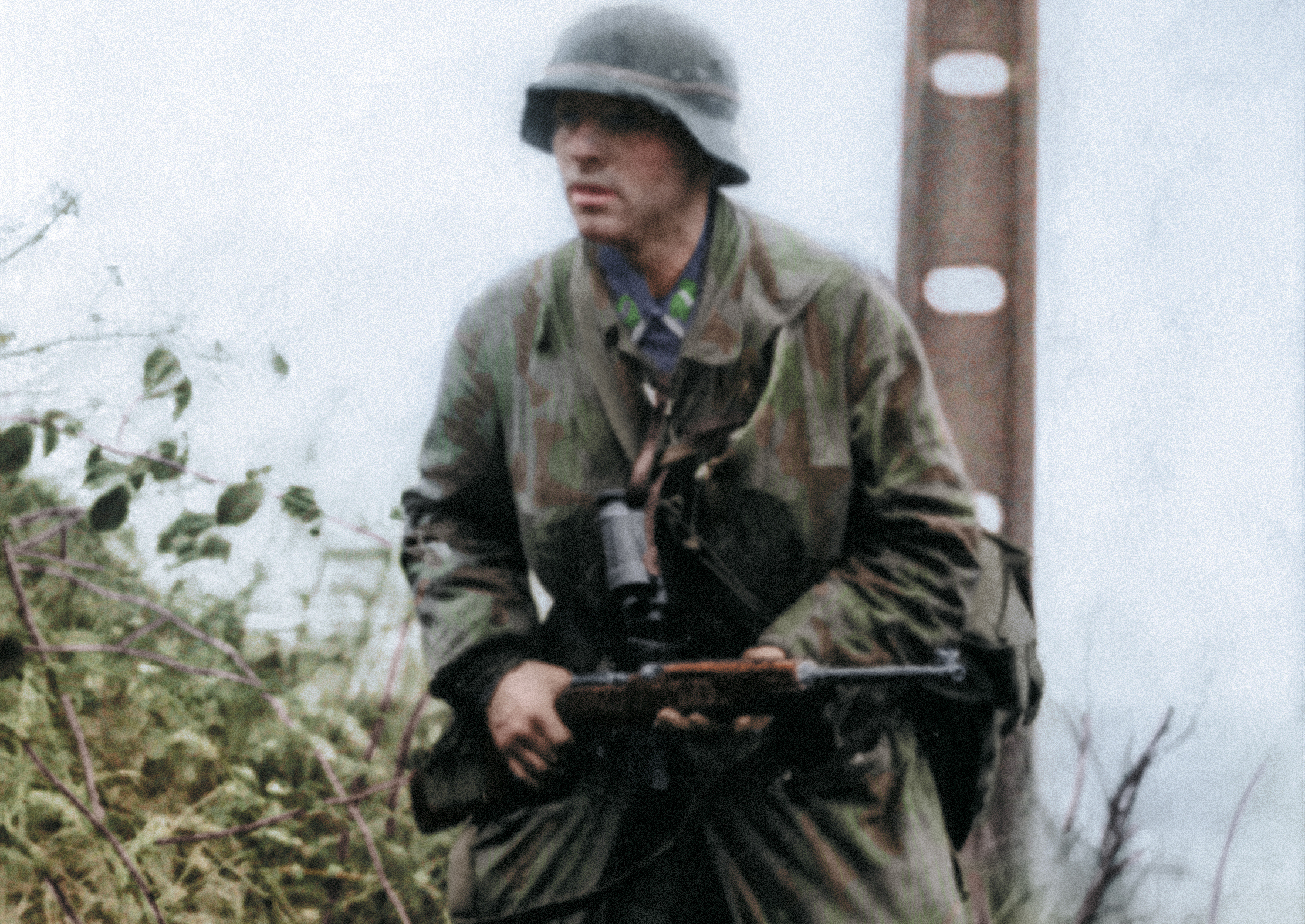
The M1 Carbine was not a niche experiment that disappeared after a few prototypes. American manufacturers ultimately produced more than 6 million examples during World War II, making it one of the most successful U.S. military production programs of the conflict. Companies including Winchester, Inland, Underwood, IBM, Rock-Ola, and several others contributed to production. Inland Manufacturing, a division of General Motors, became particularly important, producing a large share of wartime carbines. The enormous output also meant that the weapon appeared in many configurations and manufacturing combinations, creating a fascinating collecting history that continues to attract attention decades later.
6. Its Design Borrowed From the Garand but Went Smaller
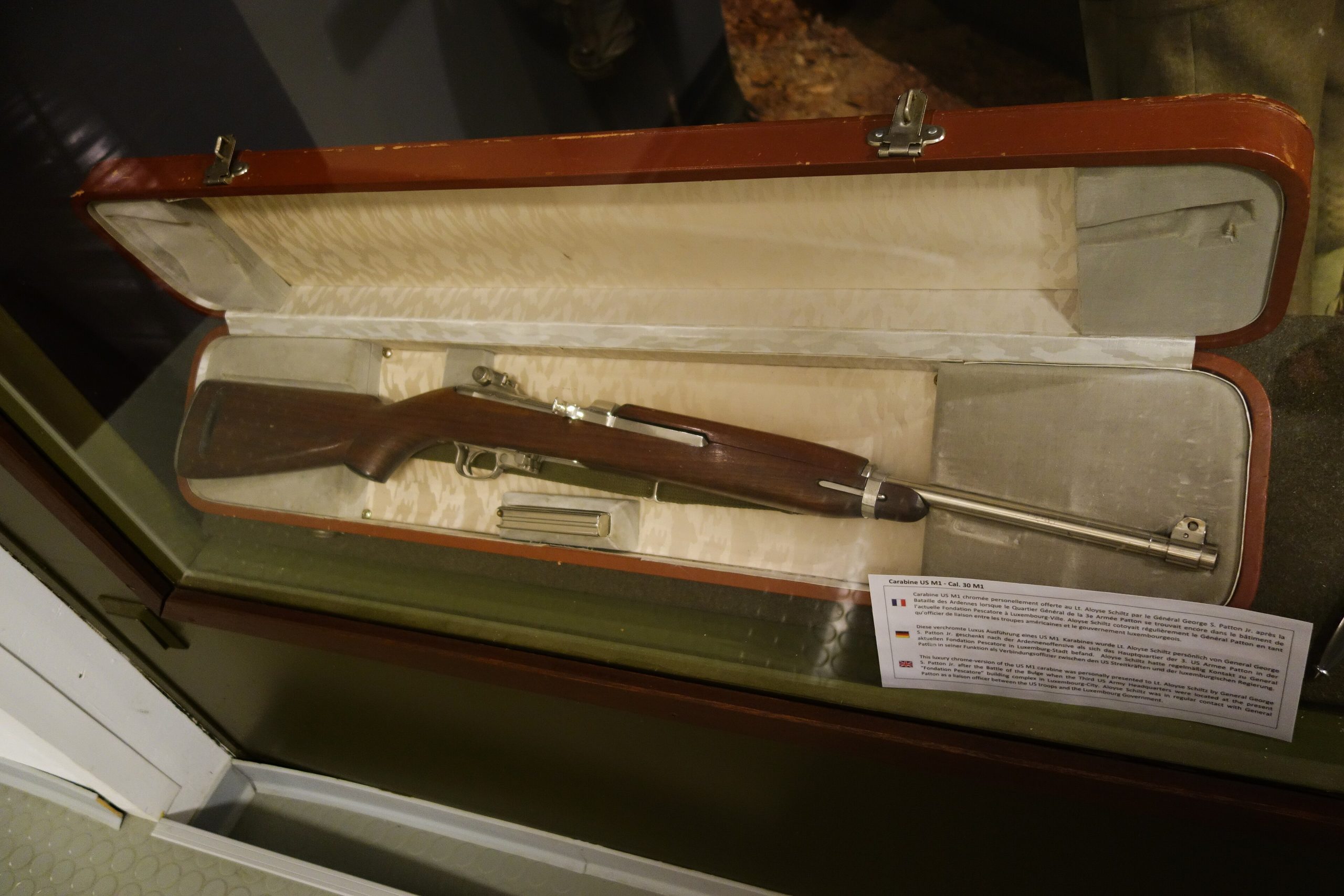
The M1 Carbine clearly reflected lessons from John C. Garand’s M1 rifle, yet it was not simply a shortened Garand. The carbine used a different operating system and a much smaller cartridge. It employed a short-stroke gas piston and rotating-bolt action, while its lightweight construction kept the overall package compact. The barrel measured 18 inches, and the weapon used a wooden stock in its standard configuration. These design choices produced a firearm that shared some familiar American military characteristics while being mechanically distinct. The result was a weapon optimized around portability rather than maximum rifle-cartridge power.
7. Paratroopers Got a Folding-Stock Version
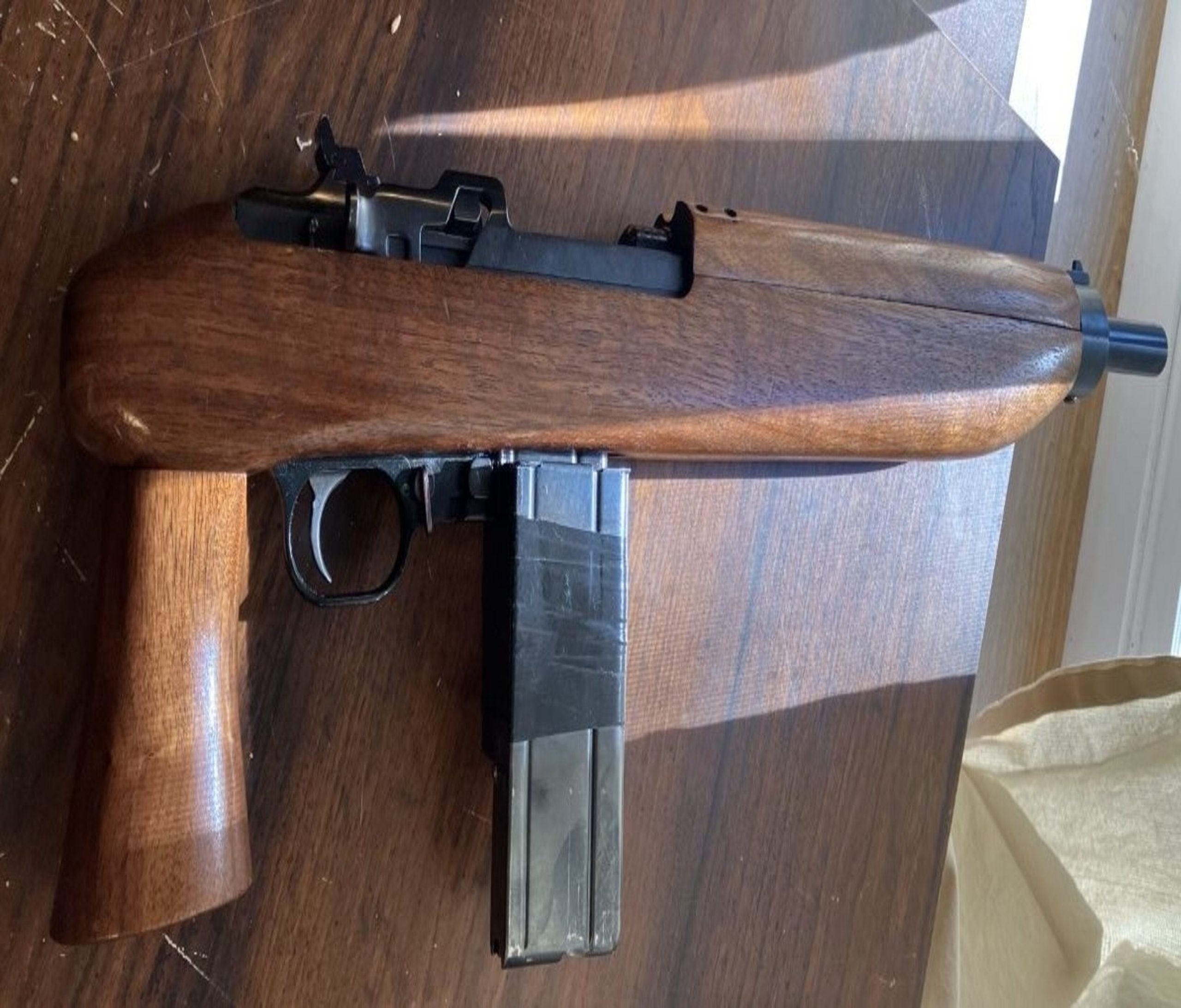
The M1 Carbine became even more versatile when engineers adapted it for airborne troops. The M1A1 variant incorporated a folding metal stock and a distinctive pistol-grip arrangement, allowing the weapon to occupy less space during parachute operations. The M1A1 retained the same basic .30 Carbine chambering and 15-round magazine system as the standard carbine. Its folding stock was not merely a cosmetic variation; it addressed the practical problem of carrying weapons and equipment during airborne operations. Only a fraction of total wartime carbines were M1A1 models, making original examples particularly interesting to collectors today.
8. The M2 Added Selective-Fire Capability
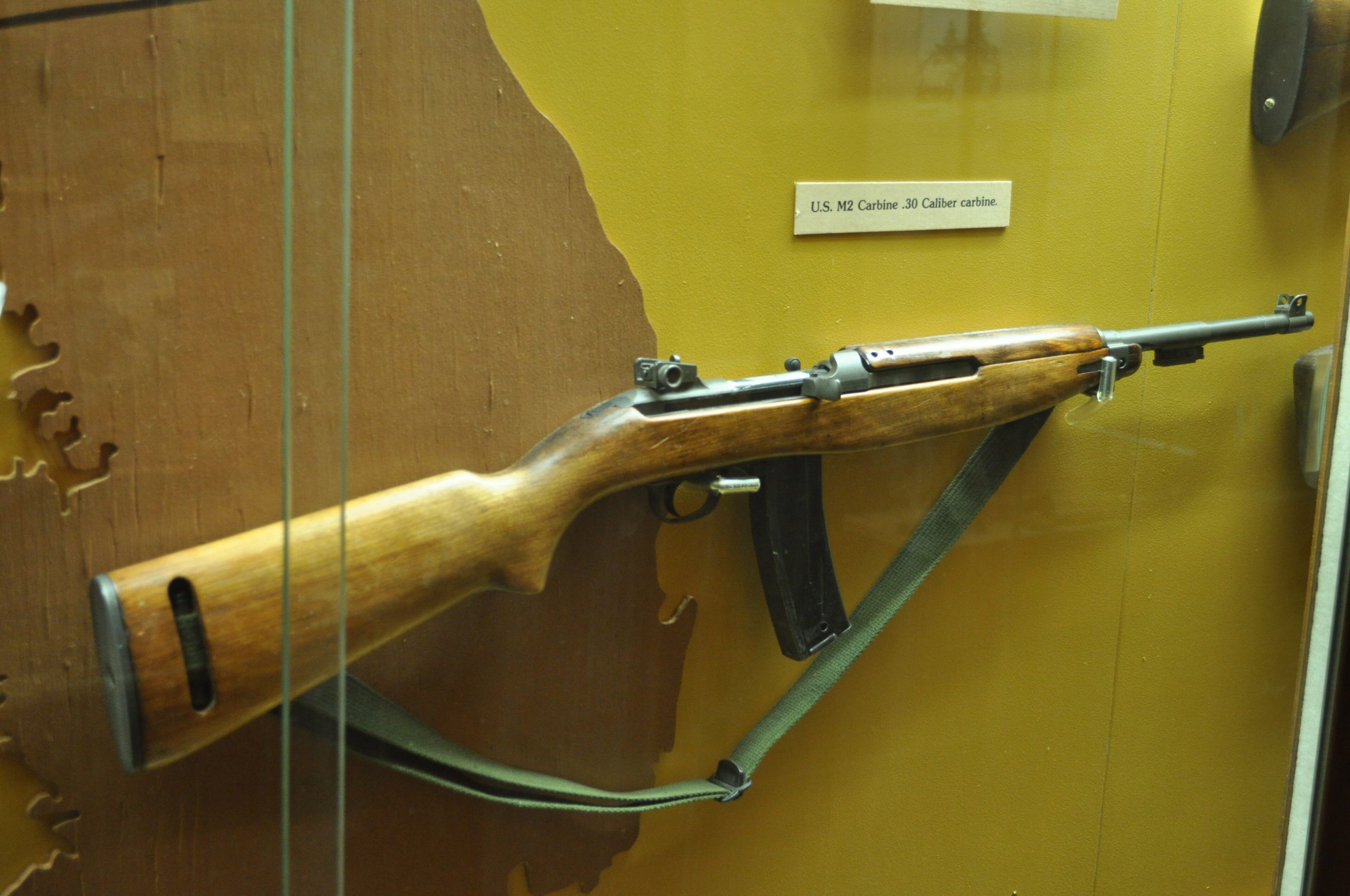
The story changed late in the war when the M2 Carbine introduced selective-fire capability. Unlike the semiautomatic M1, the M2 could operate in both semiautomatic and fully automatic modes. It also commonly used 30-round magazines, increasing available ammunition. The M2 arrived too late to dominate World War II, but it became more significant during the Korean War. Its development demonstrated that the compact .30 Carbine platform could evolve beyond its original role. At the same time, automatic fire made ammunition consumption and controllability more important considerations, showing that increased firepower brought its own practical compromises.
9. Its Popularity Outlived World War II
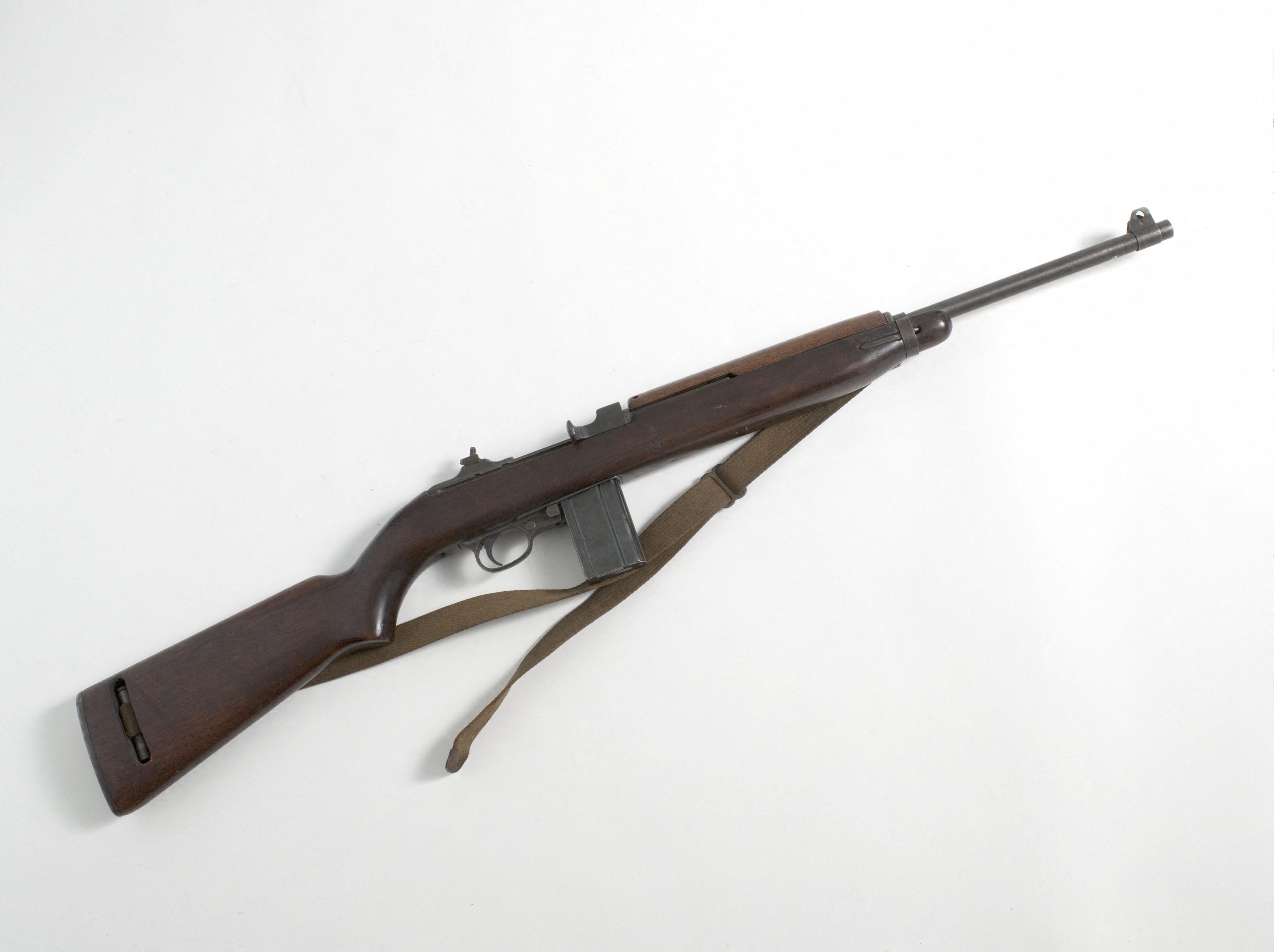
The M1 Carbine’s story did not end in 1945. It remained in American service and appeared in numerous conflicts and military programs around the world during the following decades. Its light weight, manageable recoil, compact dimensions, and detachable magazines continued to make it useful even as newer firearms entered service. More than 80 years after its introduction, the M1 Carbine remains recognizable because it solved a very specific problem unusually well: providing soldiers with a weapon that was substantially more capable than a handgun while being much easier to carry than a full-size battle rifle. That balance explains much of its enduring reputation.