Hog hunting often demands mobility, durability, and quick handling in unpredictable terrain. Rifle choice influences safety, efficiency, and comfort throughout long nights and rough conditions. The SKS remains popular for affordability and rugged design, yet its military origins introduce drawbacks during modern hog hunts. Weight, ergonomics, and operation matter more than many expect when tracking sounders or navigating thick cover. Understanding how specific design traits affect real hunts helps clarify equipment decisions. These seven reasons explain why the SKS can complicate hog hunting situations, even when reliability and power initially seem appealing to many hunters.
Excessive Weight And Balance
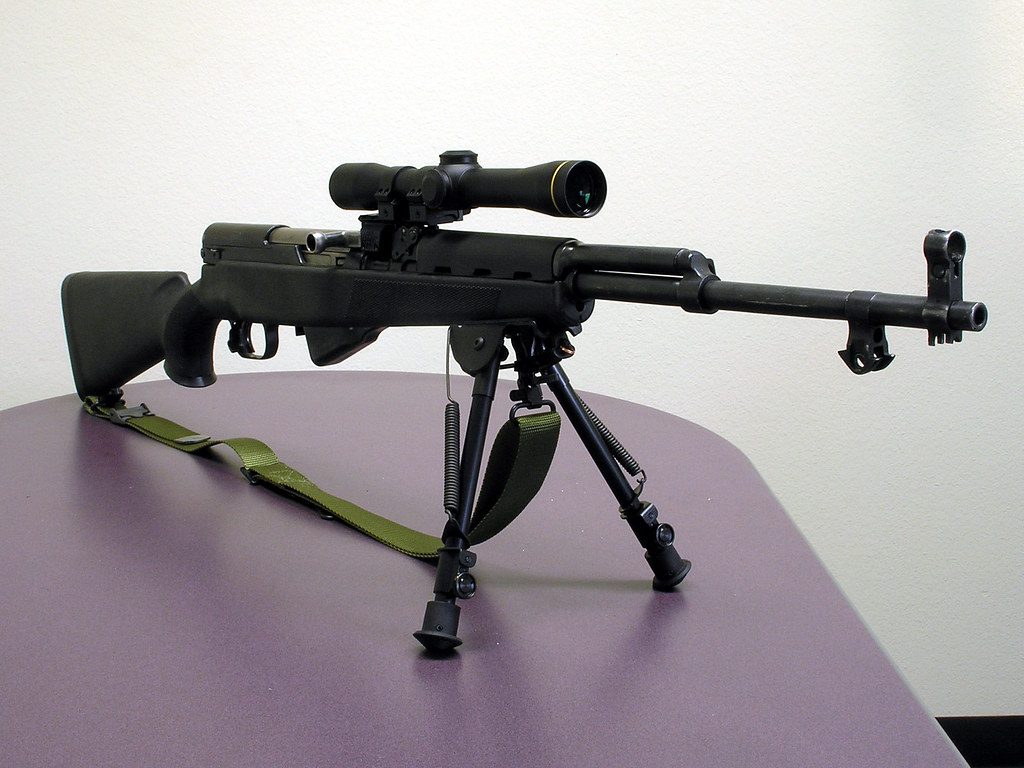
The SKS creates problems on hog hunts because of excessive weight and forward balance. Carrying the rifle across fields, swamps, or brush quickly causes fatigue. Night hunts amplify the strain. The wooden stock and steel construction add pounds compared to modern carbines. Fatigue slows reaction time and reduces awareness. Swinging the rifle onto fast moving hogs becomes harder. Over hours, balance issues affect posture and movement. Hunters covering large areas notice discomfort sooner, making long stalks and repeated repositioning more difficult than expected during active hog encounters in dense terrain at night with heavy gear.
Limited Optics Compatibility
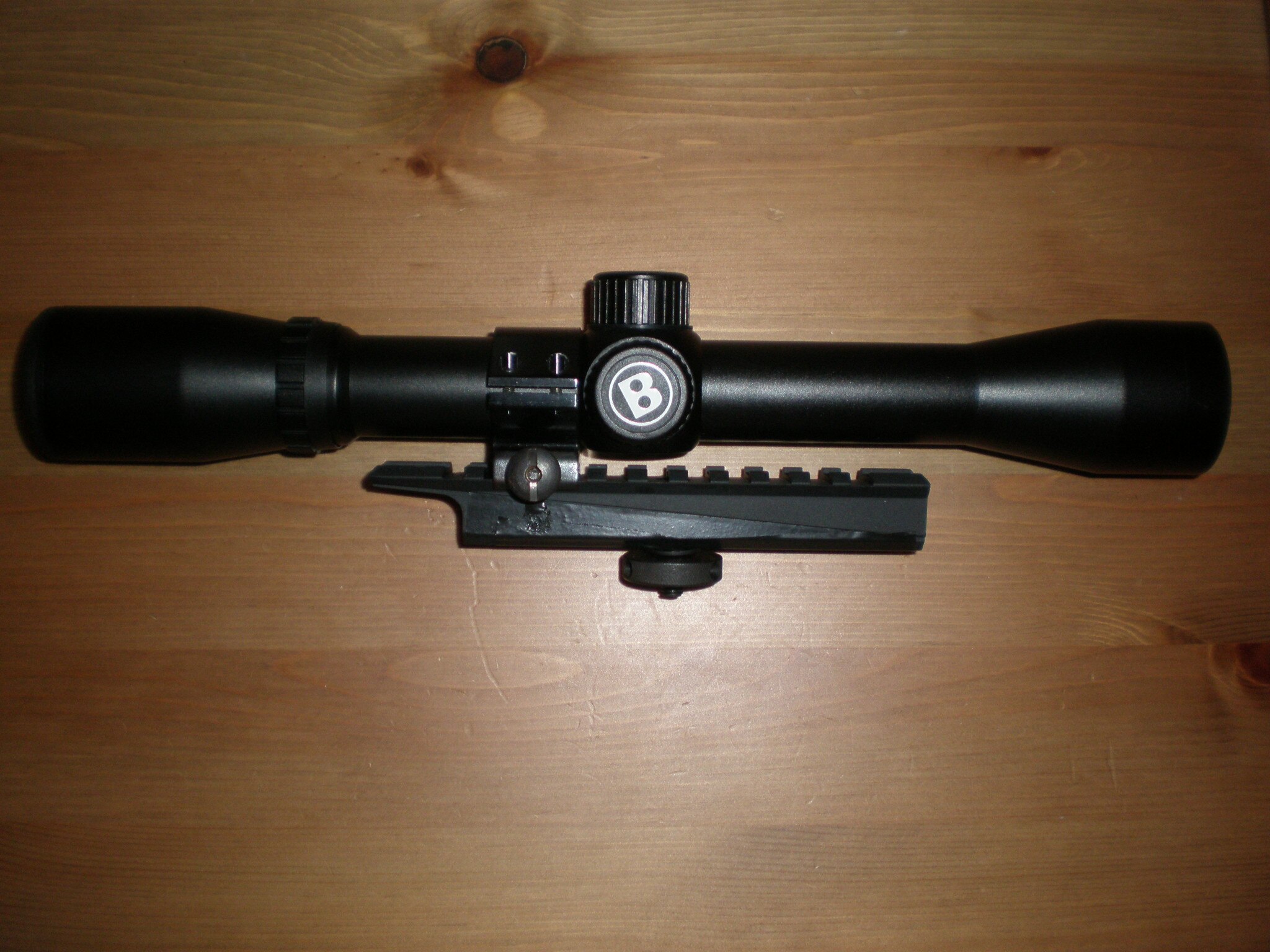
The SKS complicates hog hunts through limited optics compatibility. Traditional designs lack stable mounting options. Aftermarket mounts often lose zero under recoil. Night hunting relies heavily on optics. Thermal and red dot systems require secure rails. Adding mounts increases weight and height over bore. Cheek weld suffers. Quick target acquisition slows. Poor alignment causes missed opportunities. Hunters spend time adjusting equipment instead of scanning terrain. Compared to modern rifles, integrating reliable optics on an SKS proves frustrating, especially during fast moving nocturnal encounters where seconds matter most and visibility changes constantly in thick cover areas.
Slow Reloading With Fixed Magazine
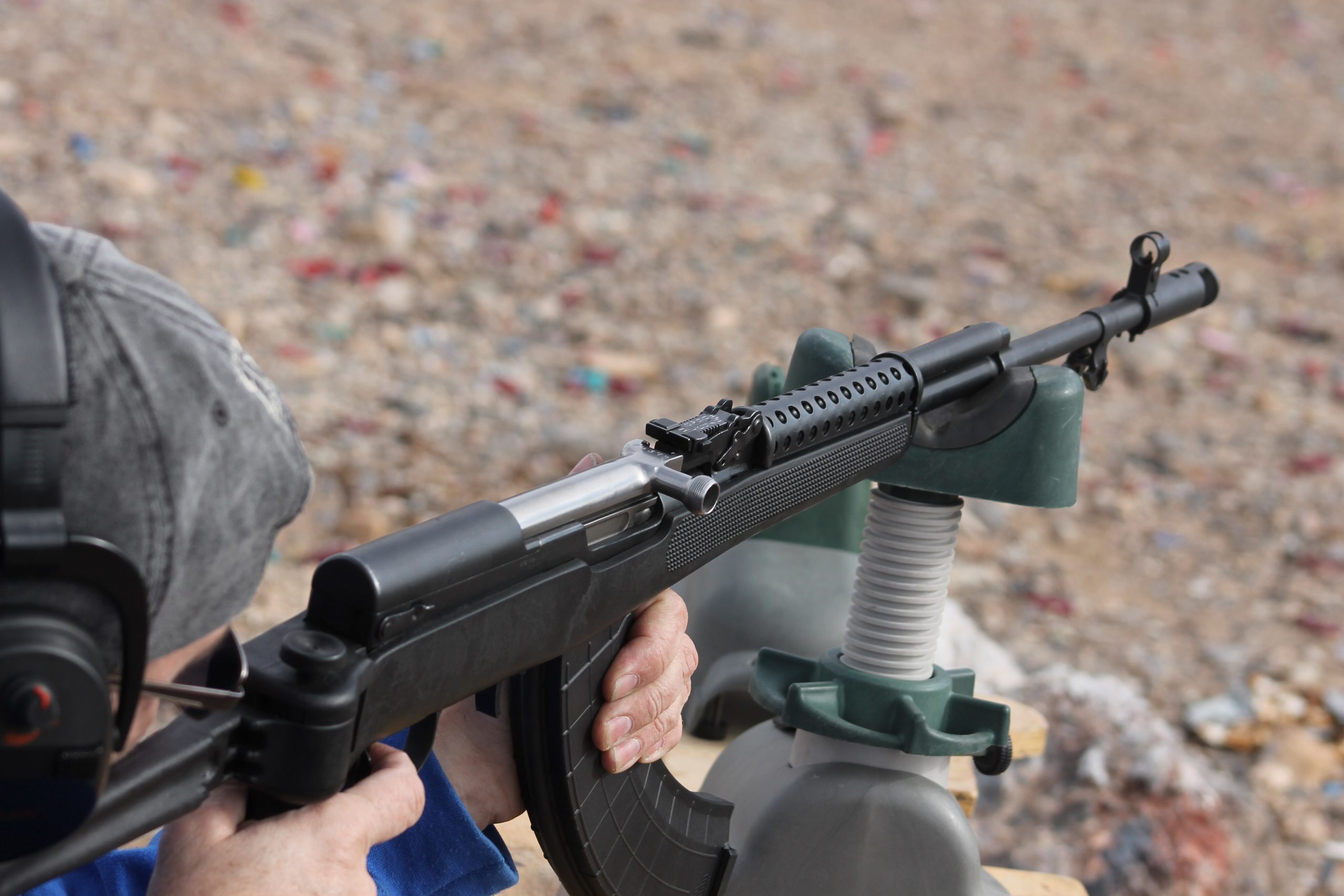
Fixed magazine design creates challenges during hog hunts. The SKS relies on stripper clips rather than detachable magazines. Reloading under pressure becomes slow and awkward. Hogs move in groups and appear suddenly. Missed shots demand quick follow ups. Stripper clips require fine motor control. Gloves and darkness worsen difficulty. Dropping loose rounds wastes time. Hunters cannot easily top off between encounters. Compared to detachable systems, the SKS limits sustained engagement, complicating situations where multiple hogs scatter rapidly through cover and demand continuous readiness during chaotic night hunts in dense southern habitats with uneven terrain conditions.
Long Length In Thick Cover
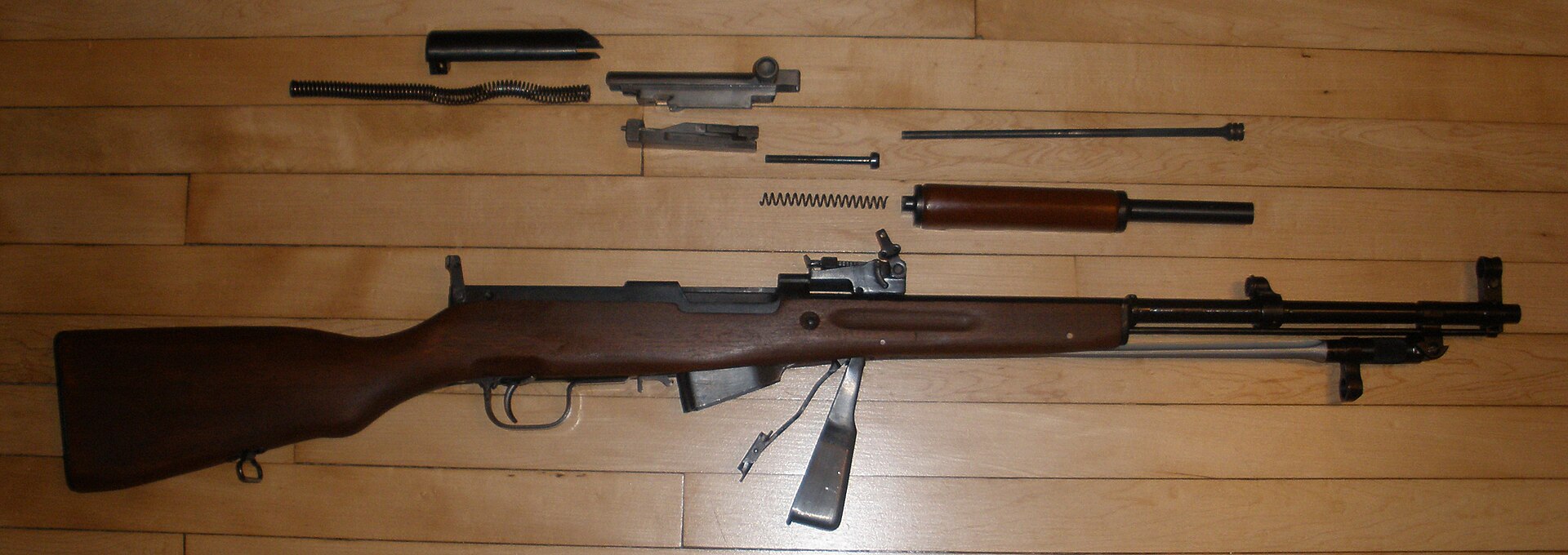
The SKS long overall length complicates movement through thick cover. Hog hunts often occur in brush, palmettos, or timber. The barrel catches vines and branches. Maneuvering quietly becomes difficult. Sudden shots require fast shouldering. Longer rifles snag and swing slowly. Noise alerts hogs immediately. Tracking wounded animals becomes harder. Close range encounters demand agility. Compared to shorter carbines, the SKS reduces mobility in dense environments, increasing missed opportunities and raising safety concerns when visibility drops and hogs change direction without warning during night operations with uneven ground and limited lighting in swampy areas frequently encountered.
Trigger And Safety Ergonomics
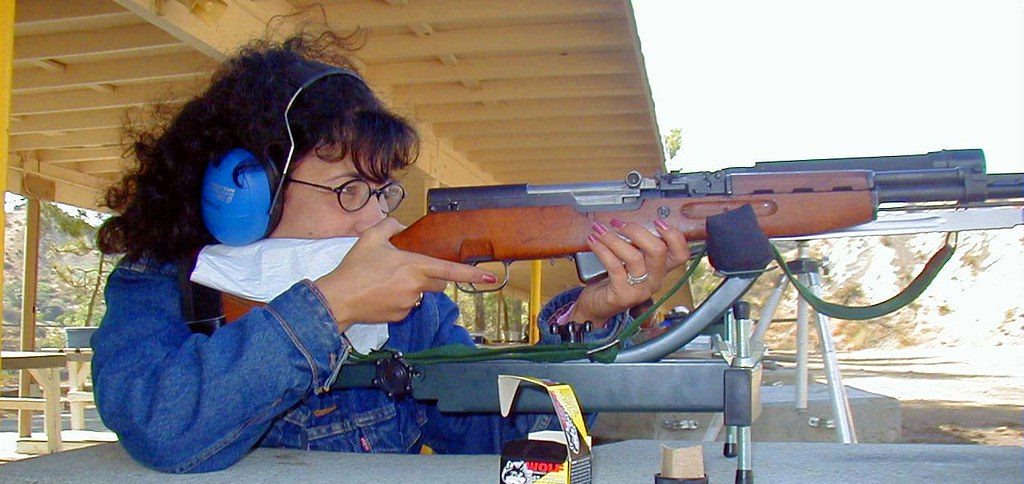
Trigger and safety ergonomics on the SKS complicate hog hunts. The trigger feels heavy and inconsistent. Precise shots become harder under stress. The safety lever sits inside the trigger guard. Engaging it requires shifting grip. Cold fingers slow movement. Night hunts magnify fumbling risks. Quick shots demand instinctive controls. Hunters lose seconds manipulating the safety. Compared to modern designs, the SKS demands deliberate actions that conflict with fast moving hog encounters where reaction time determines success or failure, especially during chaotic night drives and sudden close range confrontations in thick southern cover under pressure conditions.
Reliability With Modern Ammunition
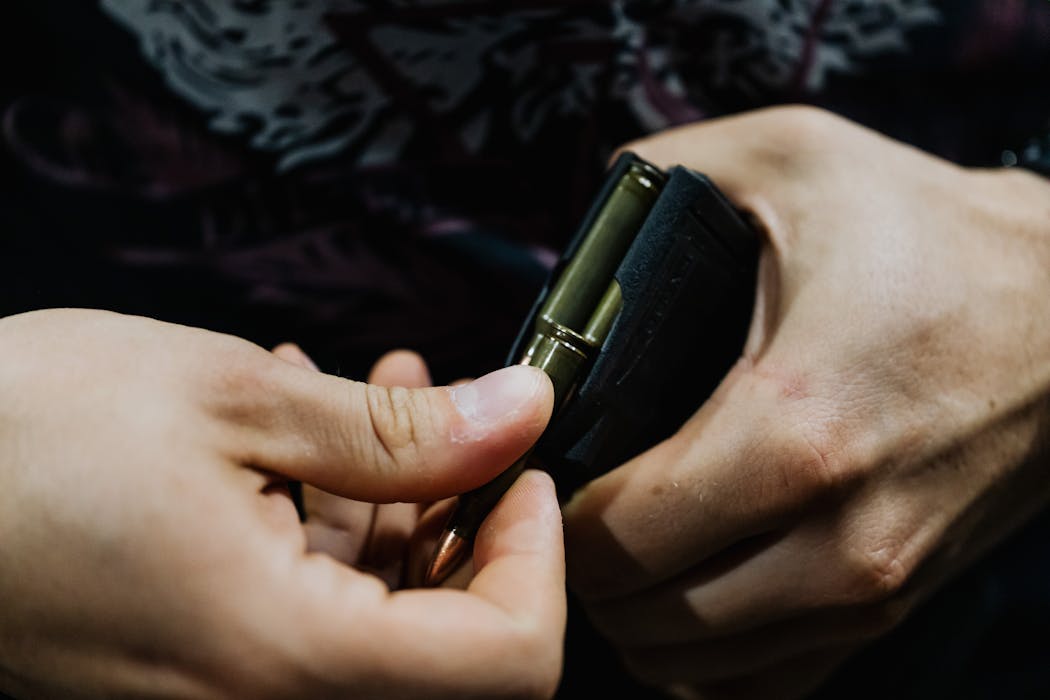
Modern ammunition compatibility creates issues for the SKS on hog hunts. The rifle was designed around military surplus loads. Commercial soft points vary in pressure. Cycling can become inconsistent. Malfunctions interrupt follow up shots. Clearing stoppages wastes time. Hogs rarely pause. Hunters lose momentum during engagements. Magazine and feed ramp geometry complicate bullet selection. Compared to newer rifles, the SKS demands careful ammunition testing, adding preparation steps and uncertainty before hunts where reliability under rapid fire conditions matters most during nighttime encounters in wet muddy environments with limited opportunities for correction and heavy pressure situations.
Legal And Practical Magazine Limits
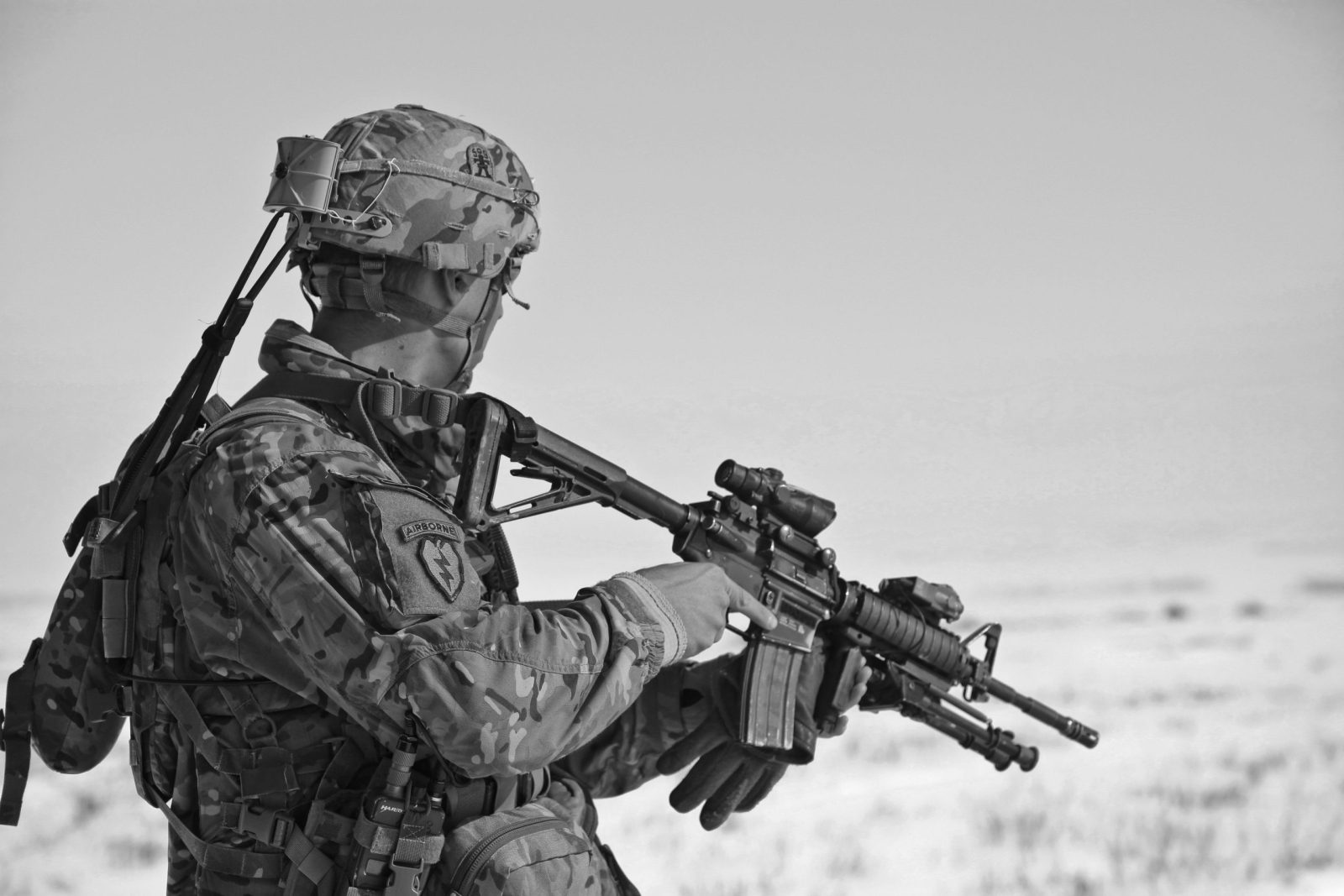
Legal and practical magazine limits complicate SKS use on hog hunts. Many states restrict magazine capacity. The SKS fixed magazine often triggers confusion. Modifications risk legal issues. Hunters must verify compliance carefully. Field enforcement varies. Uncertainty adds stress. Detachable conversions introduce reliability problems. Reload speed remains limited. Compared to compliant modern rifles, the SKS demands extra research and caution. These concerns distract from hunting strategy and add complications during night operations where focus and simplicity support safe effective hog control efforts in pressured regions with varying regulations and enforcement interpretations across multiple jurisdictions each season.