Long before GPS units or synthetic rope became standard tools, Adirondack guides relied on dependable knots to travel safely through the rugged backcountry. These knots weren’t chosen for style but for function, durability, and quick usability in unpredictable conditions. Whether securing boats, building shelters, or hauling gear across uneven terrain, each knot served a specific purpose that helped keep guides prepared for whatever the wilderness delivered. Even today, these time-tested knots remain essential for anyone exploring remote trails, offering practical skills that connect modern adventurers to generations of outdoor knowledge.
1. Bowline Knot

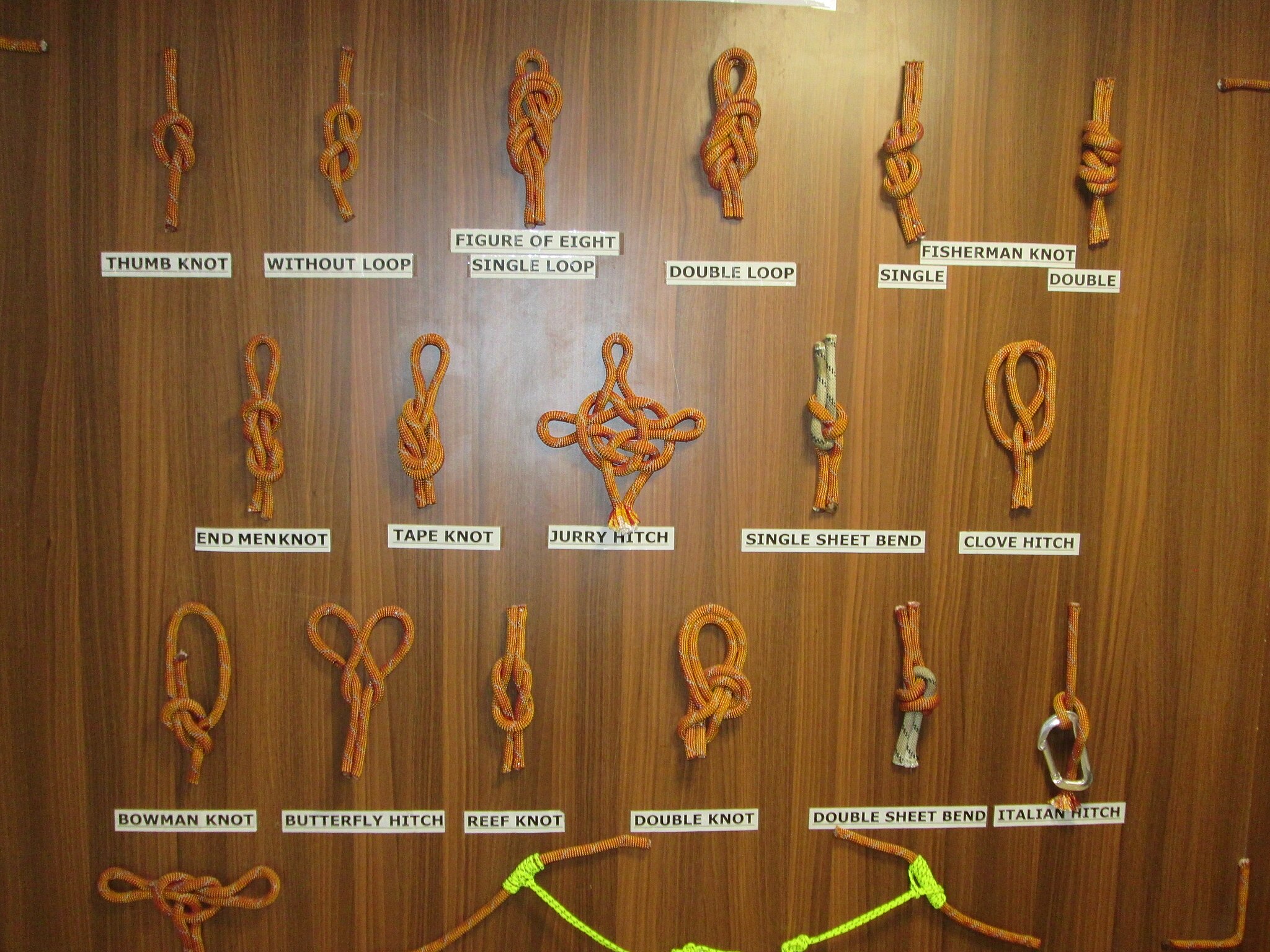
The Bowline Knot is a trusted favorite among Adirondack guides because it creates a strong, secure loop that will not slip under tension. It is easy to tie even with cold hands, and its reliable structure makes it ideal for attaching ropes to canoes, gear handles, or improvised harnesses. Guides appreciate how predictable it behaves when hauling heavy loads on uneven ground or during river crossings. Even after bearing weight, the knot remains simple to untie, which is an advantage when working quickly in demanding wilderness situations.
2. Clove Hitch

The Clove Hitch is valued for its quick setup and ability to anchor a rope to a tree or post without complicated steps. Adirondack guides often used it for securing tarps, cinching packs, or holding canoes steady on windy shorelines. It grips well when tension is applied from a consistent direction, making it reliable for temporary structures in unpredictable weather. While it can loosen if pulled unevenly, its speed and simplicity make it indispensable. The knot excels in fast-moving situations where guides need dependable control with minimal adjustments.
3. Square Knot

The Square Knot is popular because it efficiently joins two rope ends of similar size, allowing guides to extend lines or repair broken cords without specialized tools. It lies flat and tightens evenly, which keeps it stable under moderate pressure, especially when bundling equipment or securing loads for short carries. Adirondack guides favored it for tasks requiring quick solutions during travel. Although not suited for heavy strain or life-critical scenarios, its ease of use, familiarity, and straightforward design made it a regular part of a guide’s essential skillset.
4. Figure-Eight Knot

The Figure-Eight Knot is known for its clean shape and ability to prevent rope from slipping through pulleys, loops, or narrow openings. Adirondack guides often tied it as a stopper knot to maintain control during rappels, river work, or gear hauling. Its bulky structure makes it easy to inspect at a glance, reducing errors when working in low light or harsh conditions. Even when wet or frozen, it maintains integrity without seizing too tightly. This consistency made it a dependable safety measure throughout a guide’s routine tasks.
5. Timber Hitch
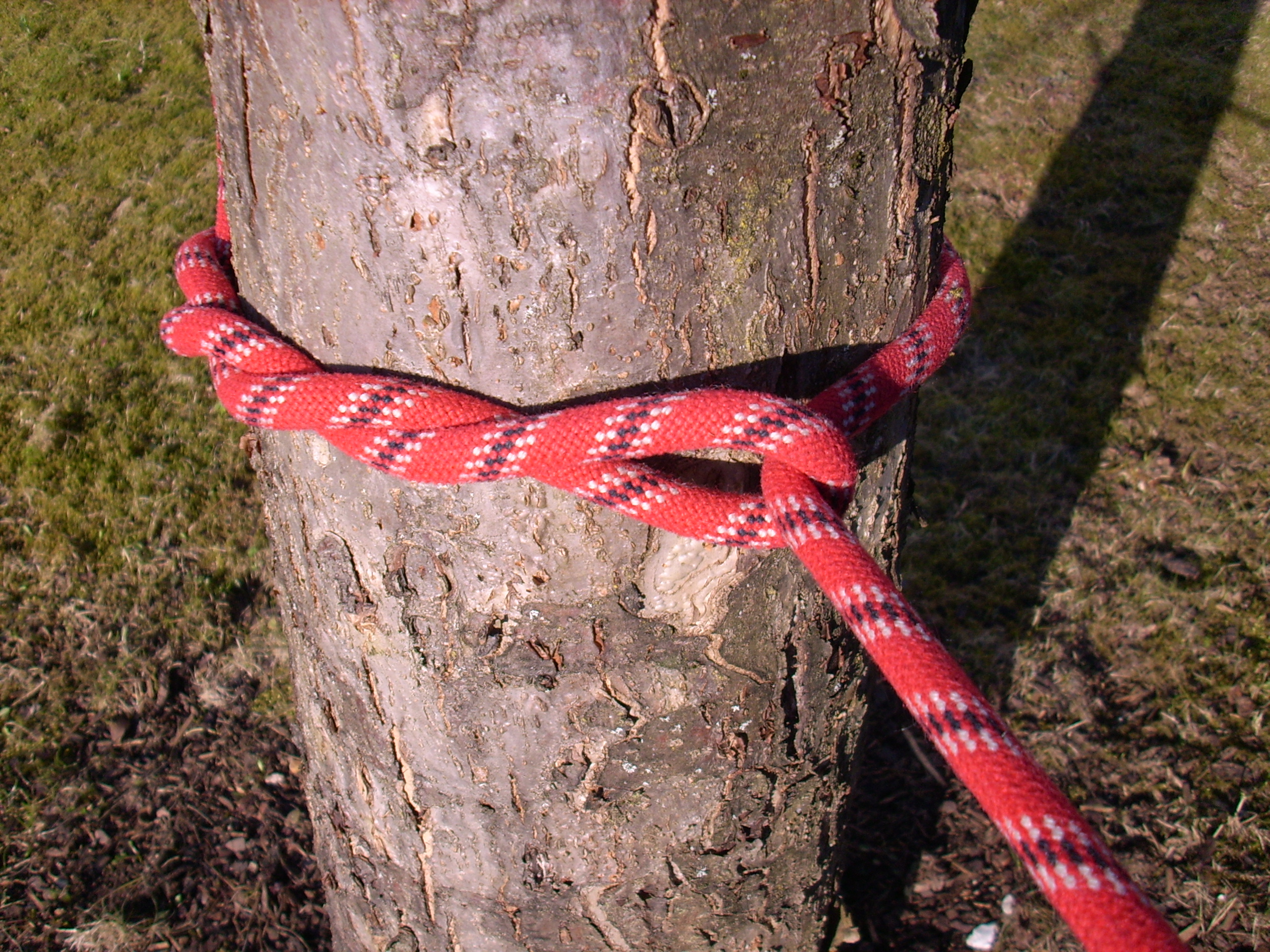
The Timber Hitch excels at gripping logs, poles, or bundled branches, making it perfect for hauling materials through dense Adirondack forests. Guides relied on it when building shelters, dragging firewood, or securing framed structures. The knot tightens naturally as tension increases, providing a strong hold without damaging the rope. Once released, it unties effortlessly, even after bearing substantial weight. Its balance of strength and convenience made it a key tool for wilderness travel, especially in areas where guides had to quickly adapt to changing terrain.
6. Sheet Bend

The Sheet Bend is highly effective for joining ropes of different thicknesses, a common situation for Adirondack guides who often use whatever cordage is available. It forms a dependable connection that stays secure even under shifting tension, making it valuable for makeshift repairs or extending lines for shelters. The knot’s compact structure keeps it from snagging on brush or equipment. Guides appreciated how easily it ties and unties in all weather conditions, ensuring they could rely on it during demanding, fast-paced tasks in remote areas.
7. Taut-Line Hitch

The Taut-Line Hitch allows adjustable tension, making it ideal for shelters, tents, and tarps that need frequent repositioning. Adirondack guides used it to maintain steady lines during storms or when snow weighed down canvas coverings. Its sliding design gives it flexibility without sacrificing strength, allowing quick fine-tuning on uneven terrain. Even when the rope is wet or stiff, the knot stays predictable. This adaptability made it one of the most practical choices for long trips where conditions changed frequently, nd reliability was essential.
8. Trucker’s Hitch

The Trucker’s Hitch provides mechanical advantage, allowing guides to tighten loads far more securely than with standard knots. It is invaluable for lashing gear to sleds, canoes, or pack frames during rugged travel. Adirondack guides used it whenever they needed maximum tension to prevent shifting equipment on steep inclines or slippery trails. Once tied, it holds firmly but can be released without much struggle. Its combination of leverage, stability, and versatility made it one of the most powerful knots in a guide’s skillset.
9. Prusik Knot

The Prusik Knot serves as a friction hitch that grips the main rope under weight but slides when pressure is released. Adirondack guides used it for controlled climbs, gear retrieval, or emergency hauling systems. Its hands-free locking behavior made it especially useful when moving in hazardous terrain or managing difficult ascents. The knot’s reliability increases with tension, giving guides confidence during steep or icy situations. Despite its strength, it remains easy to adjust or remove, adding to its practicality in diverse wilderness scenarios.
10. Reef Knot Loop
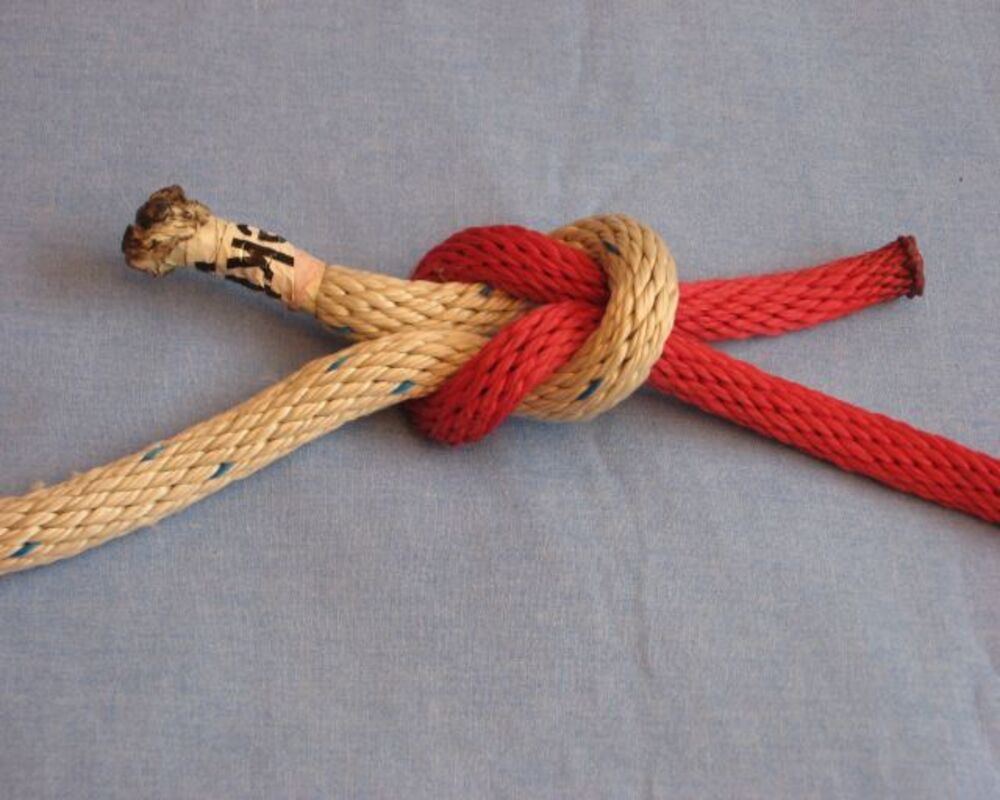
The Reef Knot Loop offers a simple way to secure bundled items, tie down cloth, or fasten lighter equipment without complexity. Adirondack guides appreciated its smooth, flat profile, which reduces snagging during travel and keeps gear neat when packed tightly. Though not designed for heavy loads, it excels in everyday organizing tasks, especially when guides need fast and efficient solutions on the trail. Its familiarity, ease of inspection, and predictable behavior made it a quiet workhorse in the background of many backcountry routines.