Firearms manufacturing has changed dramatically over the past century. Computer-controlled machining, streamlined assembly, and cost-efficient production have made modern guns more consistent and economical to build. Earlier makers worked under a different philosophy, often accepting extensive machining, hand fitting, and slower production when quality mattered more than speed. These 12 firearms stand out because their construction reflects that older approach, offering a fascinating look at what manufacturers once considered normal.
1. Winchester Model 1894
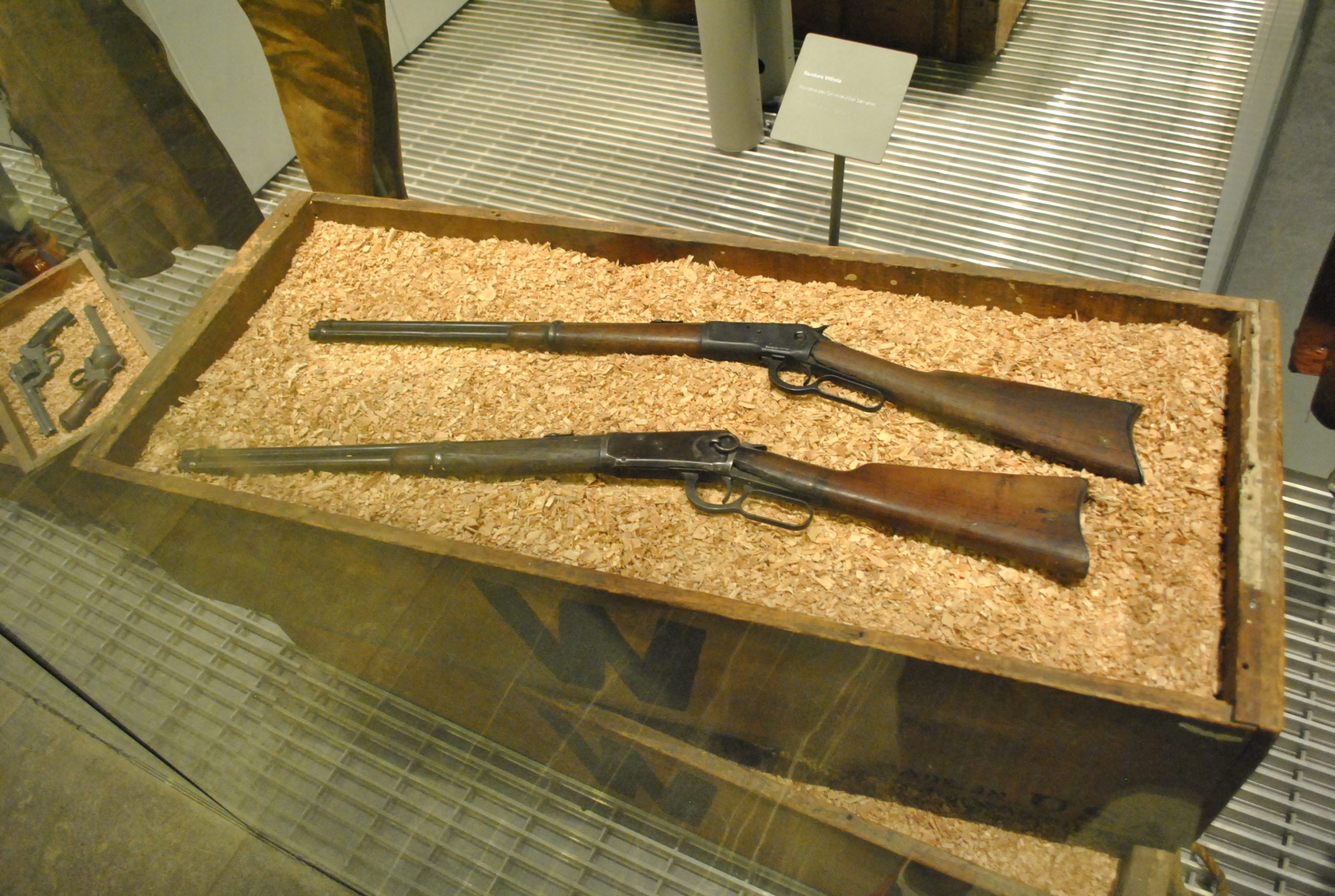
The Winchester Model 1894 represents an era when a sporting rifle could be both practical and finely made. Introduced in 1894, it became closely associated with the .30-30 Winchester cartridge and classic American deer hunting. Early rifles used extensively machined steel parts, while production methods changed after 1964 as Winchester pursued lower costs. By 1983, Winchester had produced more than 6 million Model 1894 rifles, making its long production history part of its appeal. Collectors still distinguish earlier pre-1964 examples for their traditional construction and finish.
2. Mauser 98
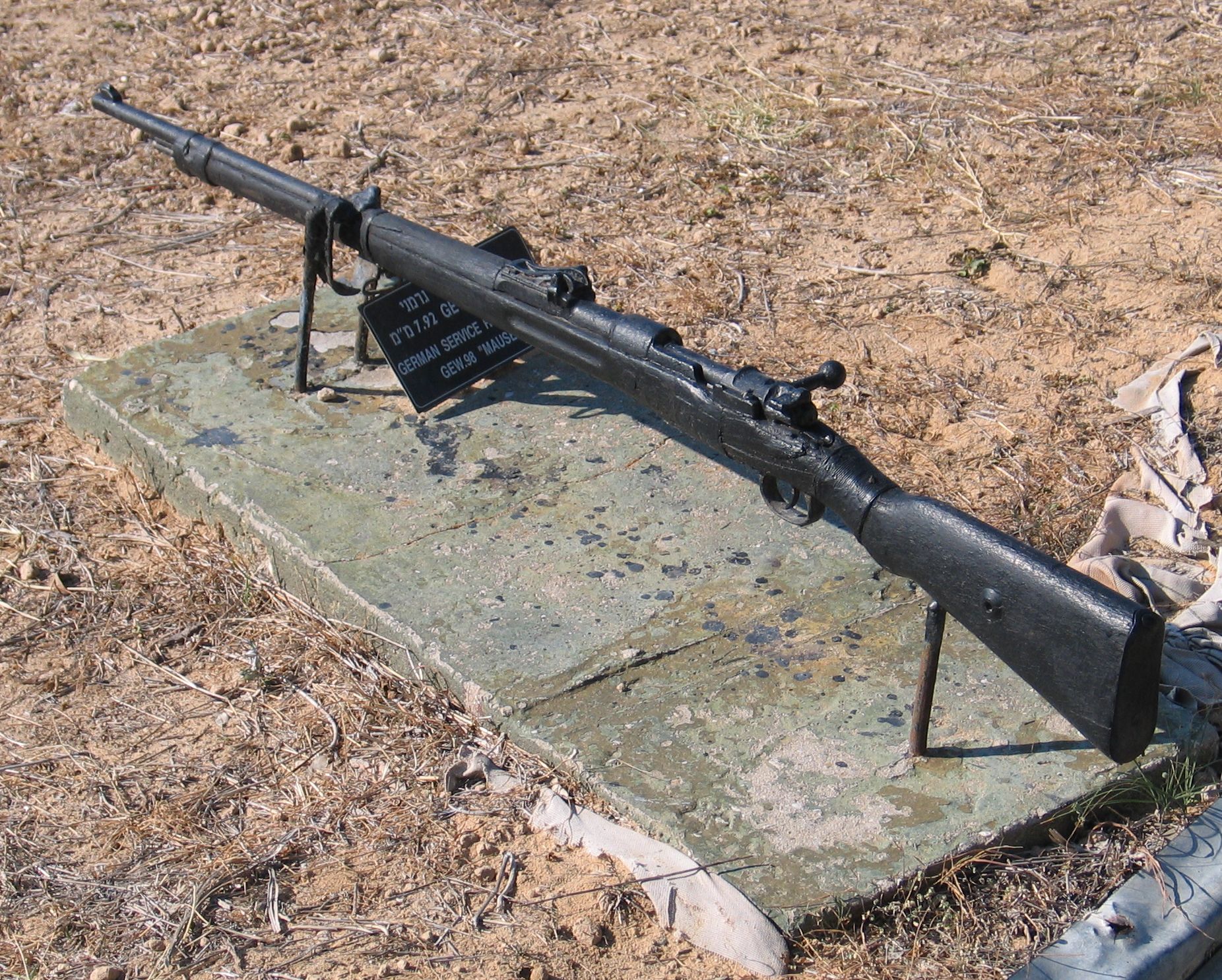
The Mauser 98 is a classic example of engineering built around durability rather than manufacturing speed. Its controlled-feed action, large claw extractor, three-position safety, and additional rear safety lug reflected a careful approach to reliability. The design was difficult to produce cheaply because many parts required substantial machining and fitting. Around 10 million Gewehr 98-style rifles were produced, and the action influenced sporting rifles for decades. Modern CNC machining can reproduce the pattern, but reproducing its old labor-intensive character is a different proposition.
3. Lee-Enfield No. 1 Mk III
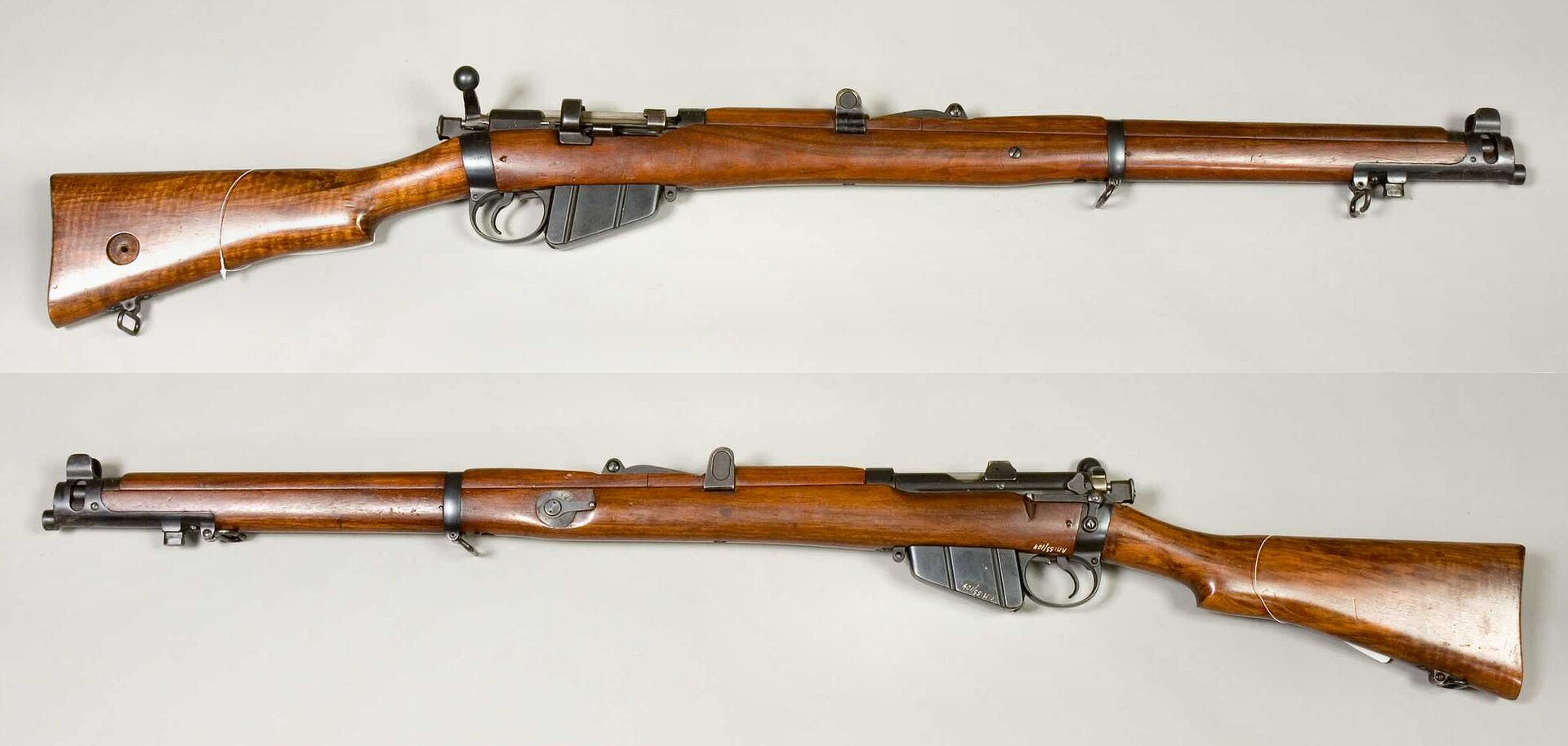
The Lee-Enfield No. 1 Mk III showed how an older rifle could prioritize speed, handling,g and generous ammunition capacity. Its detachable 10-round magazine and short bolt travel helped trained soldiers cycle the action rapidly without completely losing their sight picture. The design was adopted in 1907 and remained important through much of the 20th century. British Army demonstrations became famous for the “mad minute,” with skilled riflemen firing roughly 20 to 30 aimed rounds in 60 seconds. Its proportions and smooth operation remain distinctive today.
4. Browning Auto-5
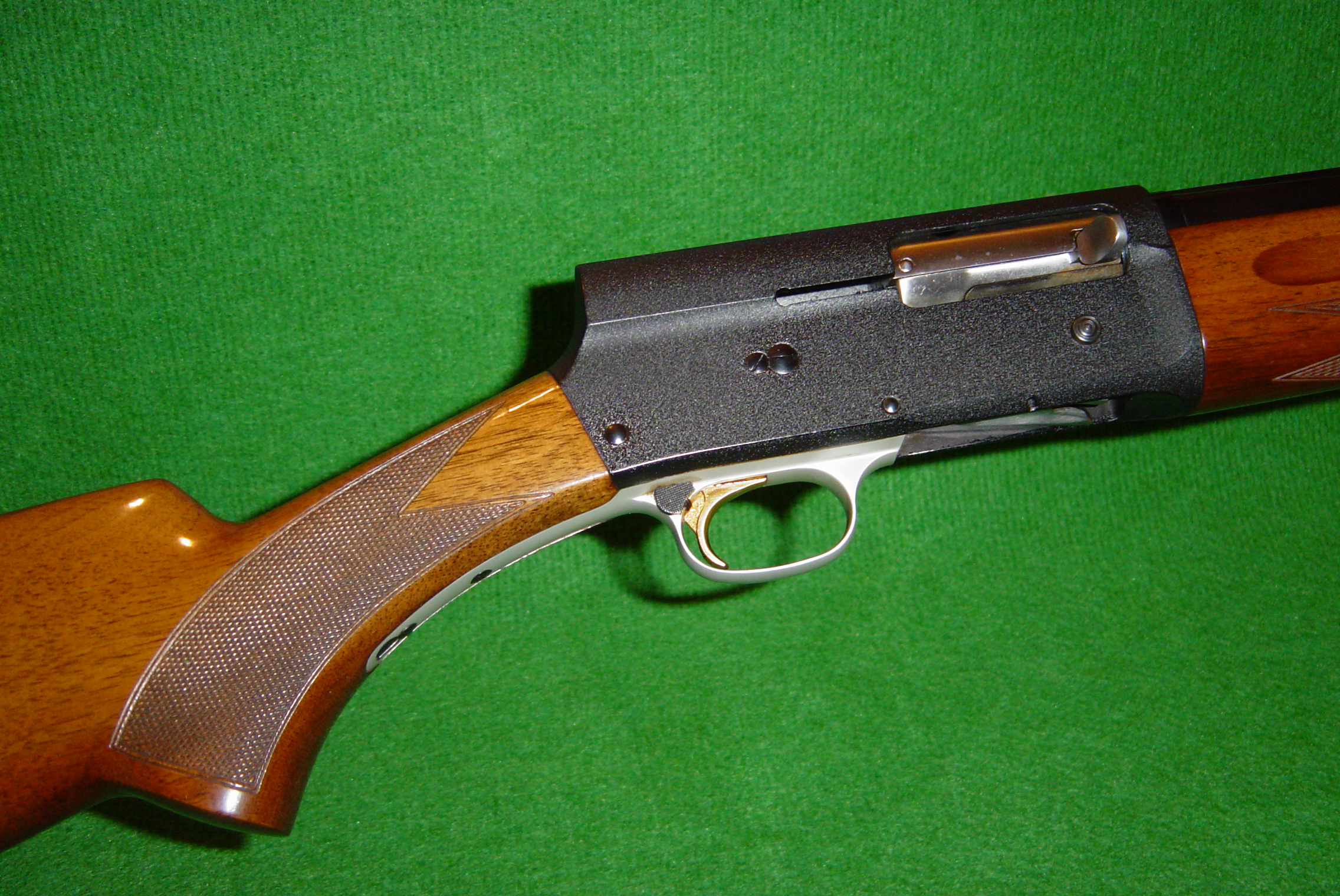
The Browning Auto-5 brought a very different kind of old-world craftsmanship to the shotgun. Designed by John Browning, it used long-recoil operation and became the first commercially successful self-loading shotgun. Production began in 1902 through Fabrique Nationale in Belgium, and the distinctive humpback receiver became its signature. Browning made its two-millionth gun in 1974, illustrating the model’s enormous reach. Its long service life also shows how a carefully developed mechanism can remain relevant even as manufacturing methods and shotgun preferences change.
5. Colt Python
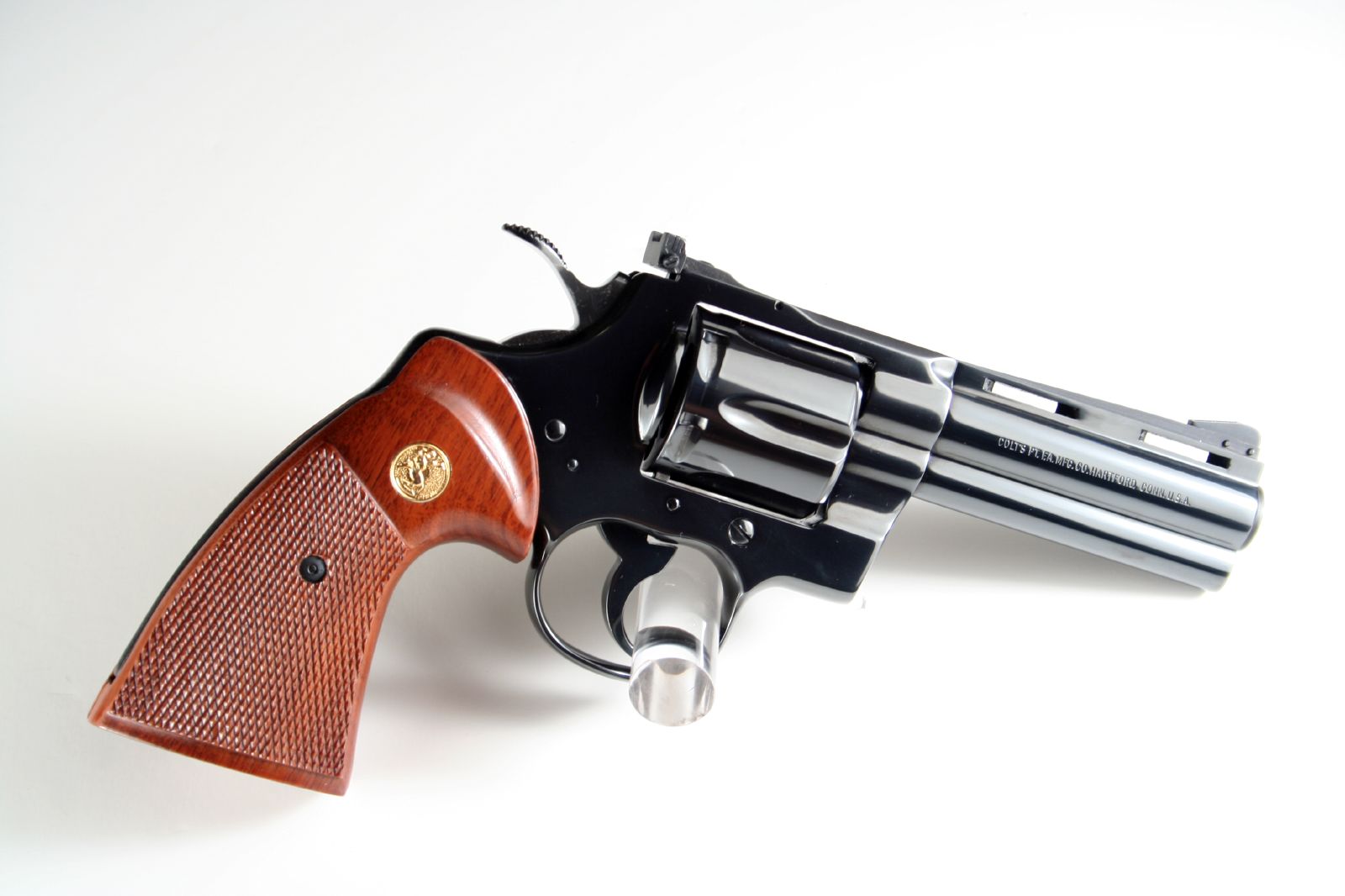
The Colt Python became famous not simply for its appearance, but for the attention traditionally given to its manufacture. Introduced in 1955, the .357 Magnum revolver was built on a substantial frame and became known for its polished finish, ventilated rib, and carefully fitted action. Traditional Pythons developed a reputation for smooth trigger operation and refined finishing. Colt discontinued original production in 2005 before later reviving the model. The original era therefore represents a period when considerable hand finishing was part of the revolver’s identity.
6. Winchester Model 70
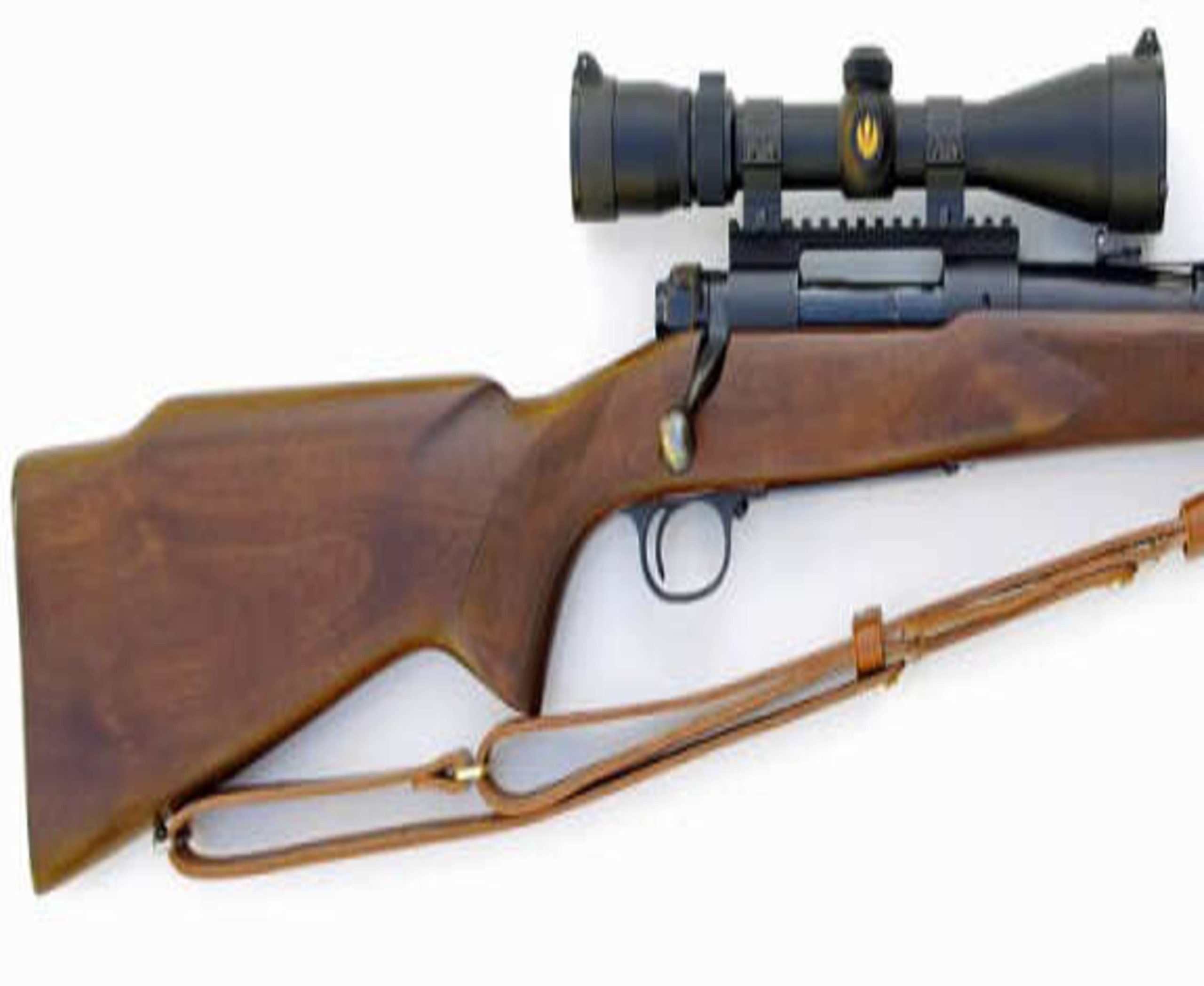
The pre-1964 Winchester Model 70 is often remembered as a benchmark of traditional American bolt-rifle construction. Introduced in 1936, it used a Mauser-influenced controlled-feed action with a claw extractor and three-position safety. Winchester changed manufacturing methods in 1964, including greater use of stamped and other cost-conscious components. The shift became controversial among enthusiasts, helping create strong collector interest surrounding pre-1964 rifles. Later Model 70s evolved again, showing how the same name can represent different production philosophies across decades.
7. Winchester Model 12
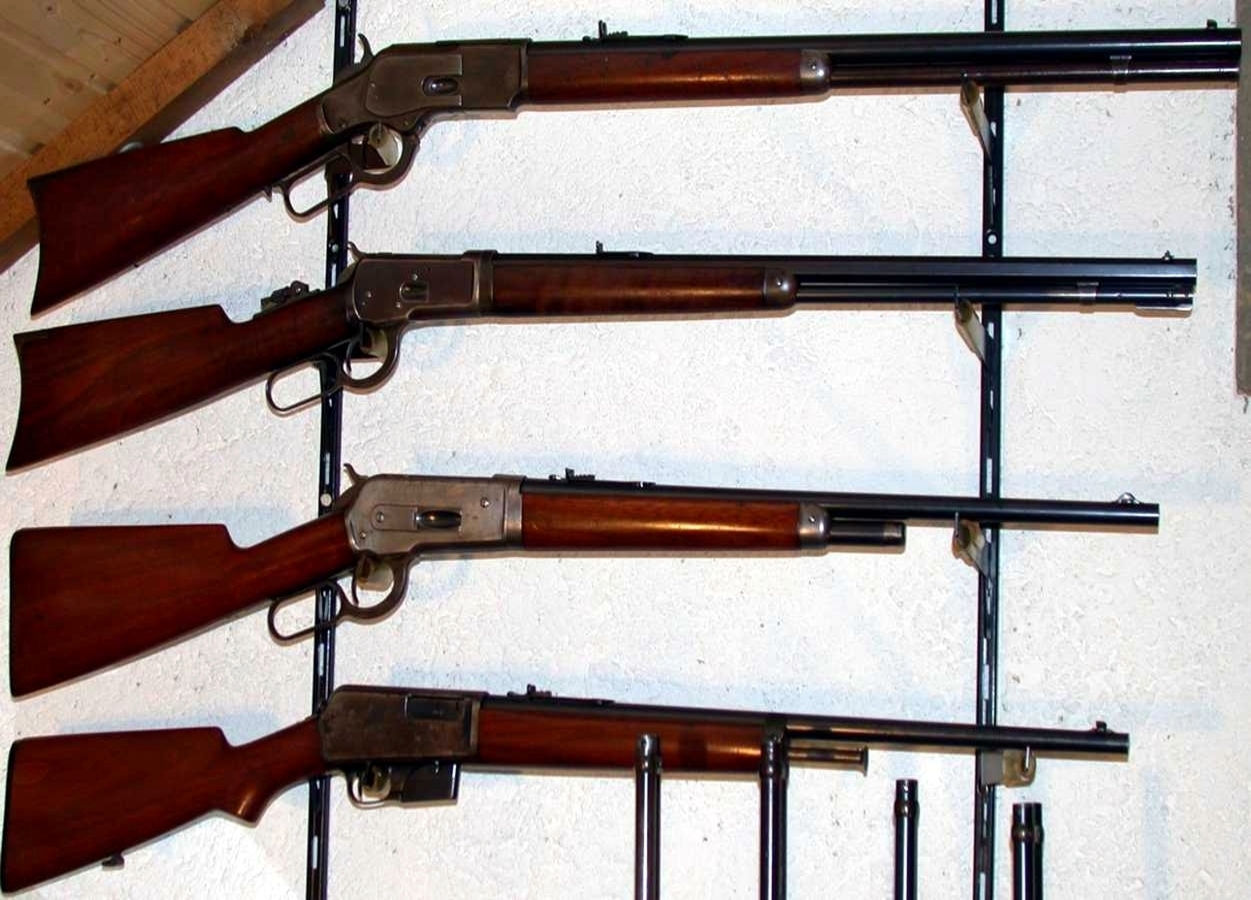
The Winchester Model 12 was a pump shotgun whose construction earned it the nickname “the perfect repeater” among enthusiasts. Introduced in 1912, it used a bottom-loading, bottom-ejecting design with a tubular magazine and a reputation for solid handling. Winchester produced more than 2 million Model 12 shotguns before standard production ended in 1963. Its traditional manufacture involved extensive machining and careful fitting, characteristics that are difficult to justify when factories compete mainly on production cost. That history helps explain its enduring collector interest.
8. Remington Model 8
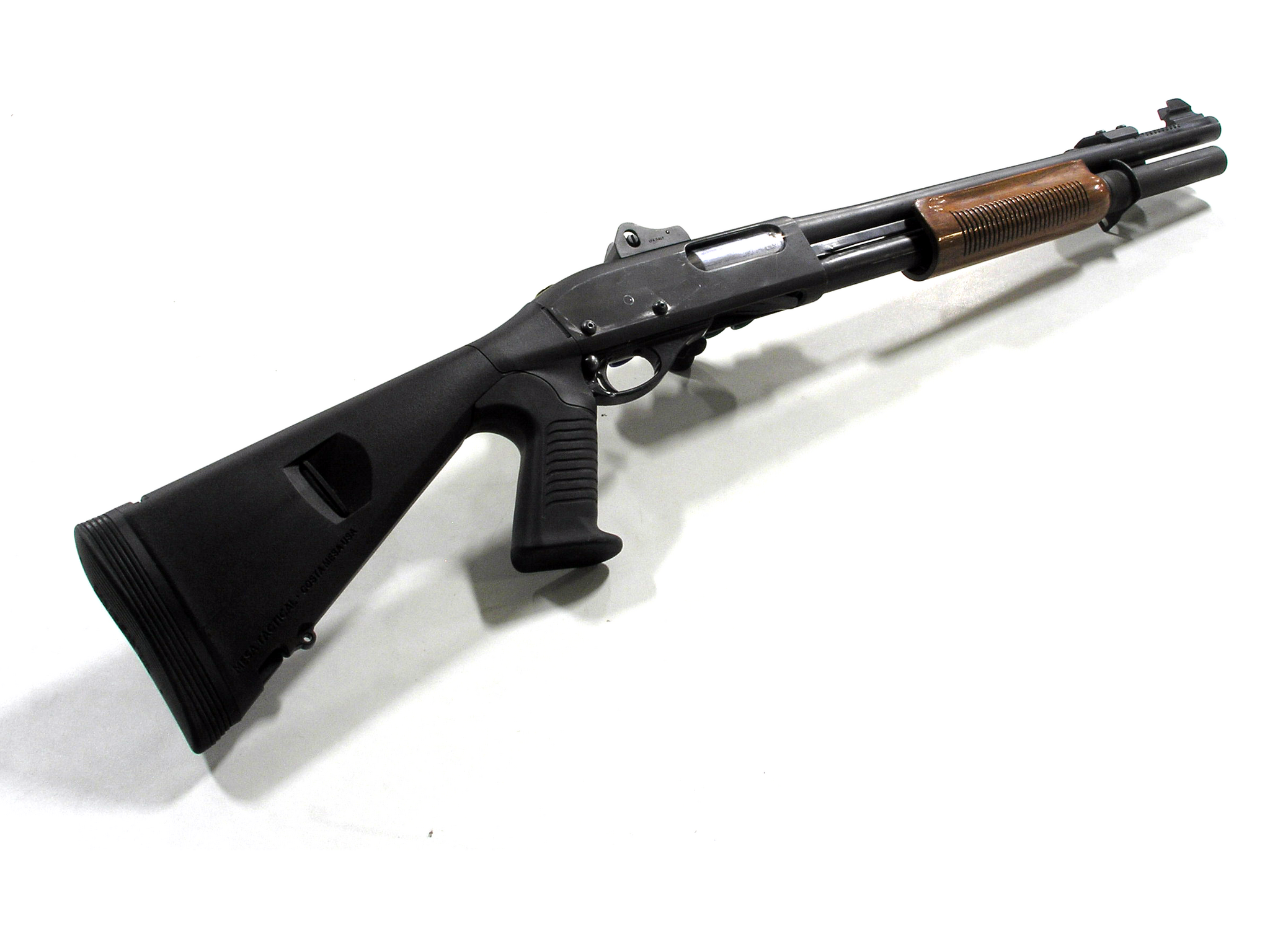
The Remington Model 8 stands apart from most classic sporting rifles because it used John Browning’s long-recoil operating system. Introduced in 1906, it was designed as a practical self-loading rifle and was chambered in several cartridges, including .30 Remington. Its enclosed action and distinctive appearance reflected an engineering philosophy very different from today’s lightweight sporting rifles. The Model 8 also illustrates how earlier manufacturers accepted more complex machining and assembly for a premium product. Fewer than 130,000 were produced during its production run.
9. Springfield M1903
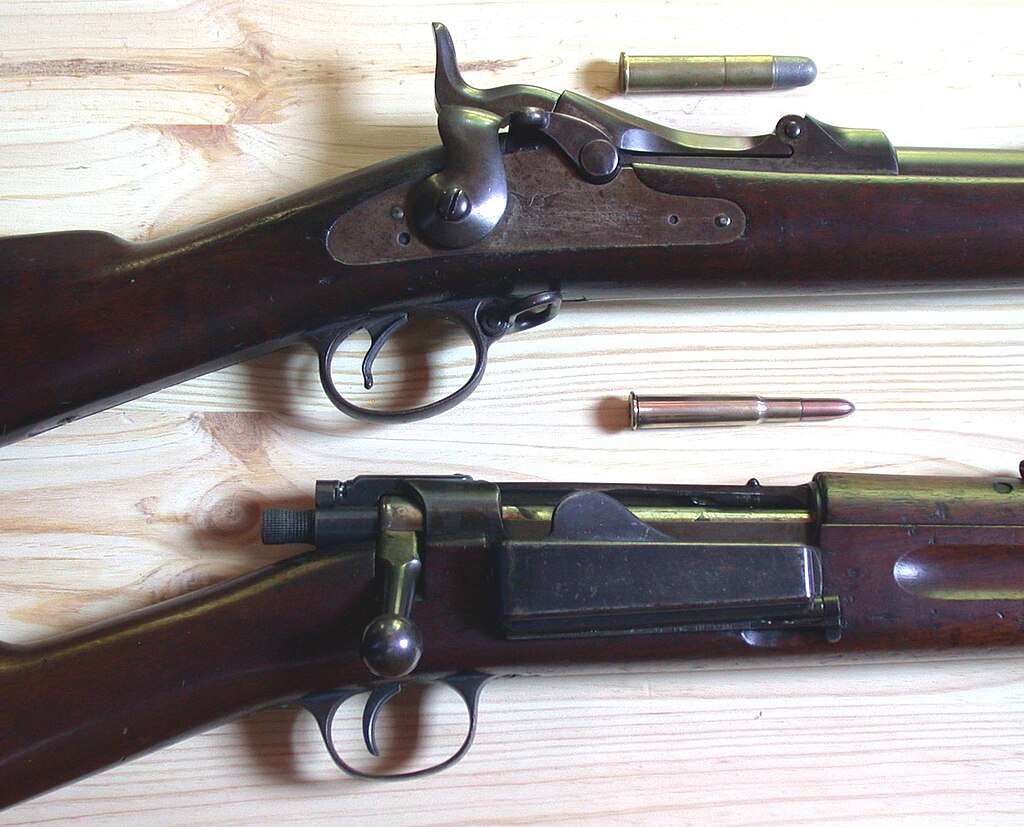
The Springfield M1903 reflected the American military preference for a carefully engineered bolt-action rifle at the beginning of the 20th century. Adopted in 1903, it incorporated features influenced by the Mauser 98 pattern while developing its own receiver, sights, and manufacturing details. Approximately 3 million M1903 rifles were produced across its history. Its construction involved substantial machining and inspection, reflecting an era when military arms were expected to survive demanding service. Its action also influenced later American sporting rifles.
10. Browning Model 1886

The Browning Model 1886 showed what traditional lever-action engineering could accomplish with a stronger action than earlier Winchester designs. Introduced in 1886, it was developed to handle powerful centerfire cartridges that demanded a more robust mechanism. John Browning designed the action around multiple locking surfaces, with Winchester using extensive machining. Its long receiver and substantial construction made it heavier than smaller lever guns. The Model 1886 remains an example of an era when strength, durability, and mechanical refinement often outweighed production simplicity.
11. Mauser C96
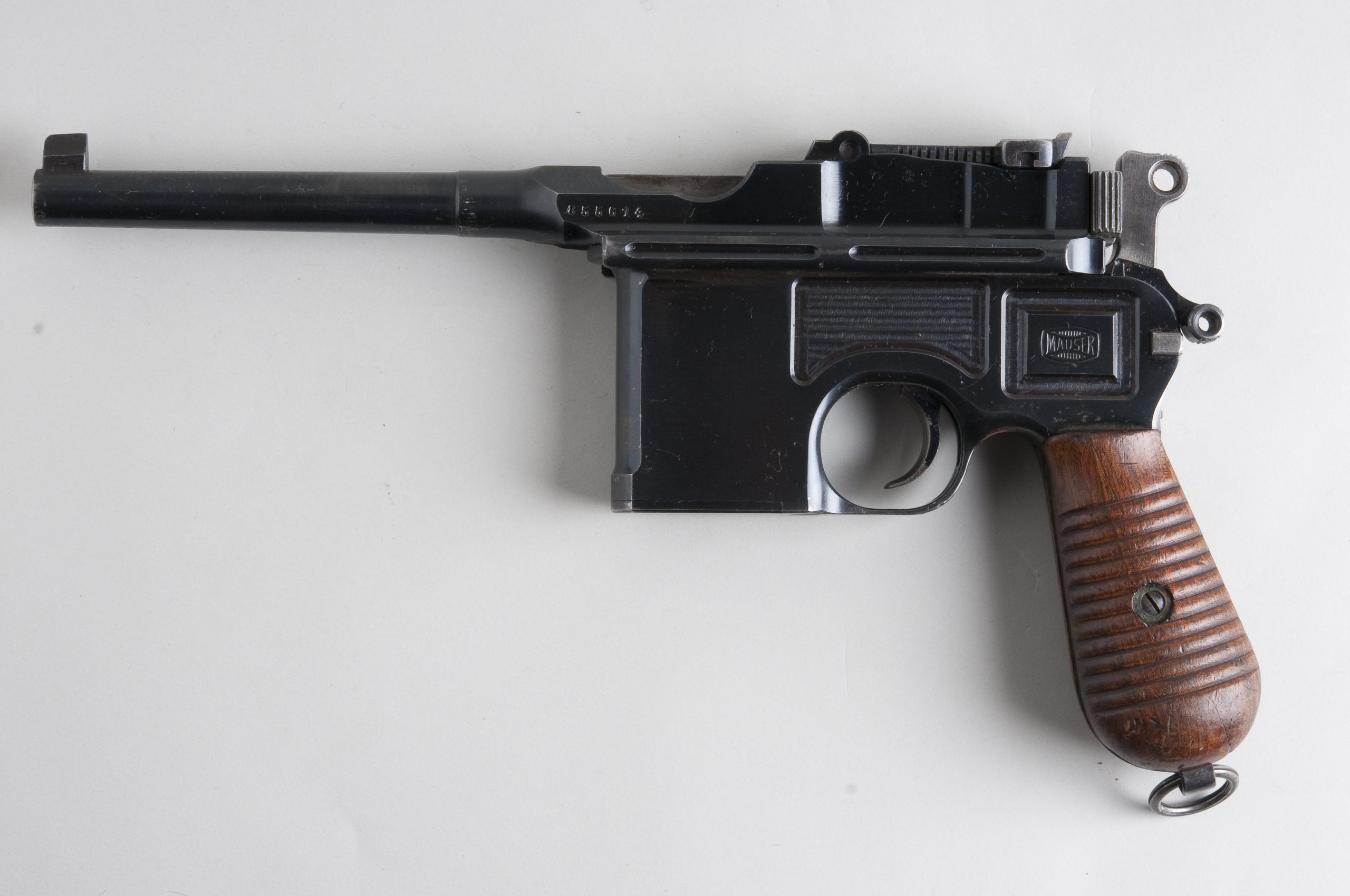
The Mauser C96, introduced in 1896, was an unusually ambitious pistol whose construction reflects the mechanical thinking of its time. It used a fixed magazine ahead of the trigger, a short-recoil locking system, and a distinctive internal arrangement that required considerable machining. Early production emphasized interchangeable parts and controlled dimensions, a major achievement for the period. Produced for decades in numerous variants, its unusual profile became instantly recognizable. Its complexity places it firmly in precision-manufacturing history.