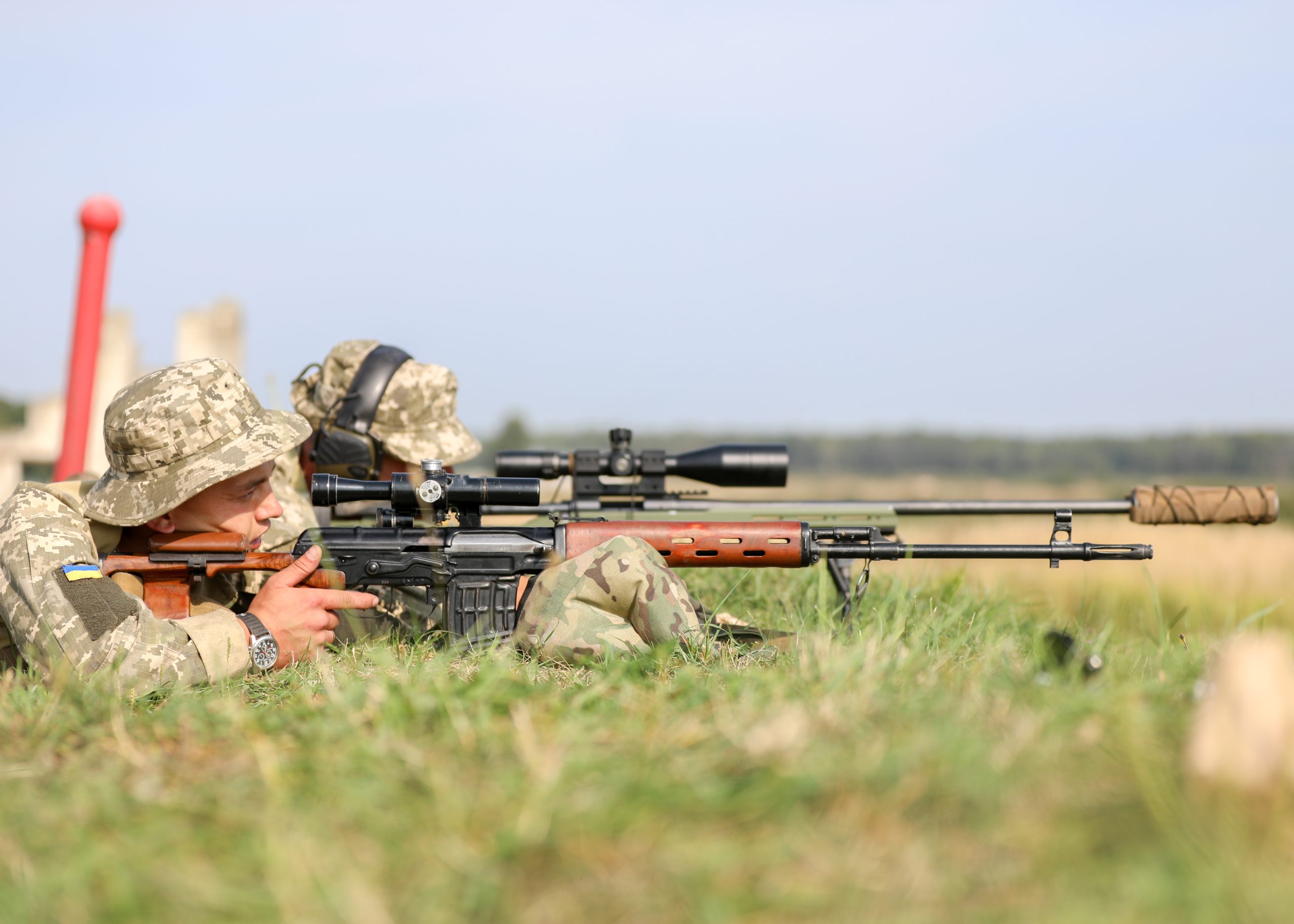
A quiet campsite or hunting cabin can feel like the safest place in the world. But experts say one of the most serious risks outdoors is often the one people never see coming.
Why hantavirus keeps coming up in outdoor safety talks

Hantavirus is not the kind of danger that gets dramatic movie treatment, which is exactly why survival instructors keep bringing it up. In North America, the main concern is exposure to infected deer mice and other rodents that shed the virus in urine, droppings, and saliva. When those materials dry out and get stirred into the air, people can inhale contaminated particles without realising it.
According to the Centres for Disease Control and Prevention, hantavirus pulmonary syndrome is rare, but it is severe and can turn deadly fast. Early symptoms often look like the flu, with fever, fatigue, and muscle aches. That resemblance can delay care, especially after a long trip, when people assume they are just run down or dehydrated.
Survival experts often frame hantavirus as a low-frequency, high-consequence threat. It is not the most common problem hunters and campers face, but it is one of the easiest to underestimate. That combination makes it a staple topic in serious backcountry training.
The reason it matters so much to campers is simple: people often sleep, cook, and store gear in exactly the kinds of sheltered spaces rodents like. Cabins, sheds, trailers, tents near woodpiles, and old hunting blinds all create overlap between human routines and mouse activity.
Where hunters and campers are most likely to run into exposure
The highest risk is usually not while hiking an open trail or glassing a ridge. It is when someone opens a closed-up cabin, sweeps out a garage, rummages through old gear, or shakes out a sleeping bag that has been in storage. Survival trainers routinely warn that the first 30 minutes after entering an unused structure can be the most important.
Rodent droppings behind coolers, in drawers, under bunks, or inside stored clothing are common warning signs. Nesting material made from insulation, paper, grass, or fabric scraps is another red flag. Experts say if you see one sign of rodent activity, assume there may be more in places you cannot immediately inspect.
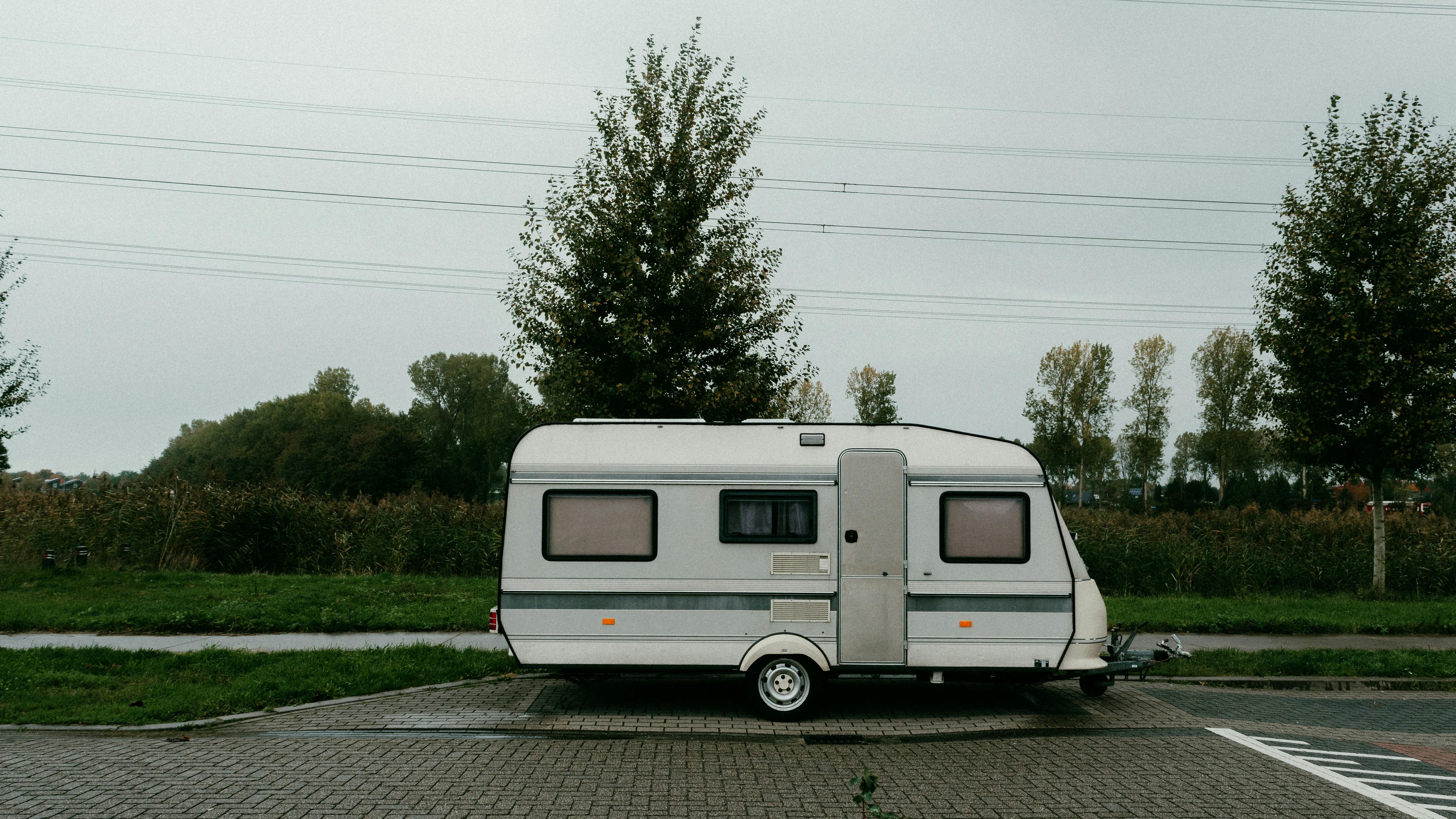
Hunters may face added risk in seasonal camps because many of those spaces sit empty for months. A cabin that seemed clean in the fall can become active rodent territory by spring. Pop-up campers, barns, and outbuildings are especially vulnerable because they offer warmth, darkness, and food crumbs.
Even vehicles can become part of the problem. Trucks, ATVs, and stored trailers sometimes collect nests in air filters, seat foam, or compartments. That means exposure can happen before the trip even starts, particularly when cleaning or repairing equipment in enclosed spaces.
What survival experts say people get wrong about prevention
One of the biggest mistakes is dry sweeping. Public health officials have repeated for years that sweeping or vacuuming rodent droppings can send infectious particles into the air. Yet many people still respond to a dirty cabin the way they would to ordinary dust, which is exactly the wrong instinct.
Survival instructors also say that too many outdoor people trust cold weather to solve the problem. Rodents remain active in many climates, and virus risk does not vanish just because temperatures drop. A winterised cabin or shed can still contain contaminated nesting material months after mice moved through it.
Another common misconception is that seeing no rodents means no danger. Experts point out that exposure often comes from old contamination, not live animals darting across the floor. Droppings tucked under cots, inside boxes, or in corners can remain a hazard when disturbed.
There is also a cultural issue at play. Some longtime campers treat mouse mess as part of rustic life and assume toughness equals safety. Survival professionals tend to reject that mindset completely. In their view, good fieldcraft means respecting invisible risks as much as visible ones.
The cleaning methods experts trust in cabins, sheds, and camps
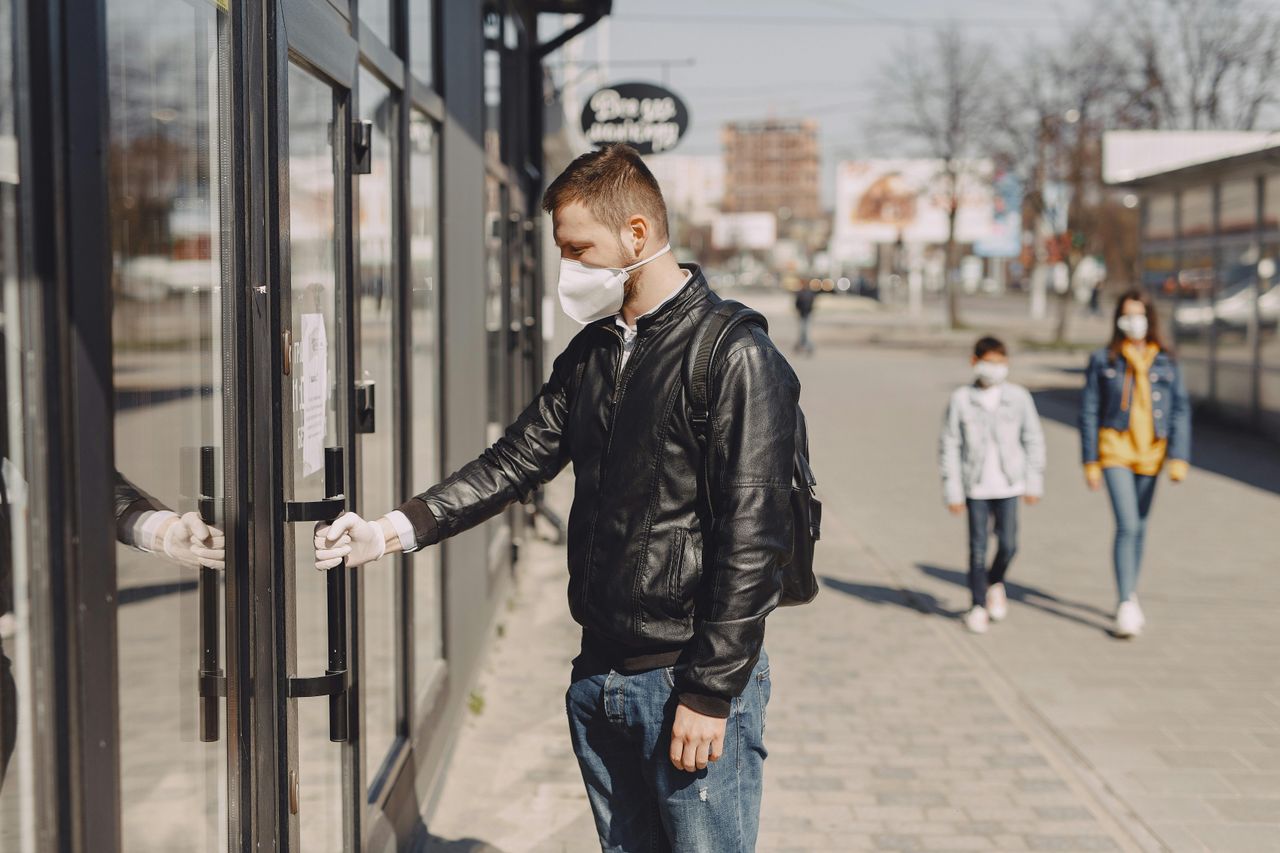
The standard advice is surprisingly specific. Air out closed spaces first by opening doors and windows for at least 30 minutes, and leave the area while ventilation happens. If possible, use gloves and a well-fitted respirator or mask when returning to clean, especially in heavily contaminated areas.
Do not sweep or vacuum droppings. Instead, experts recommend spraying droppings, nests, and contaminated surfaces with a disinfectant or a bleach solution, following public health guidance, then letting it soak before wiping everything up. Paper towels or disposable cloths are preferred because they can be bagged and discarded immediately.
If bedding, cushions, or clothing show signs of rodent contamination, handle them carefully. Some items can be washed with hot water and detergent, while badly contaminated materials may need to be thrown out. Survival trainers often advise people not to save questionable soft goods just because they are expensive.
Food storage is part of the cleanup, too. Dry goods left in cabins, pet food, and trash are magnets for mice. Experts recommend sealed containers, quick removal of garbage, and closing entry points around pipes, vents, and gaps larger than 1/4 inch to reduce the chance of repeat infestations.
Real cases show why this is more than a theoretical risk
Public awareness of hantavirus surged after the 2012 Yosemite outbreak linked to rodent exposure in tent cabins. That event put a national spotlight on how quickly a vacation setting can turn into a serious health concern. It also reminded travellers that scenic, well-known parks are not automatically low-risk environments.
Health departments across western states have continued to report sporadic cases tied to homes, sheds, cabins, and recreational spaces. New Mexico, Colorado, Arizona, and California have all seen cases over the years, often involving ordinary cleaning activity. The pattern is consistent: people are rarely doing anything extreme when exposure happens.
Survival experts pay attention to those reports because they mirror what they see in the field. Many close calls begin with small decisions, like opening a storage bin indoors, sleeping in an old bunkhouse without inspecting it, or sweeping out a hunting shack in a hurry before sunrise.
The important takeaway is not to panic. It is realism. Hantavirus remains uncommon, but severe outcomes are well documented, and the circumstances around exposure are often mundane enough that almost any outdoors person could picture themselves making the same mistake.
How to camp and hunt smarter without becoming paranoid
Experienced guides usually recommend a simple mindset shift: inspect first, settle in second. Before unloading gear, look for droppings, chew marks, burrows, nesting material, and food packaging damage. A few careful minutes on arrival can prevent risky cleanup shortcuts later.
Campers using tents have some advantages because they are less likely to be exposed to old indoor contamination, but they are not immune to rodent problems. Food should be secured, trash managed quickly, and sleeping areas kept free of crumbs. Setting up near rodent-heavy woodpiles, debris stacks, or heavily used outbuildings is a bad bet.
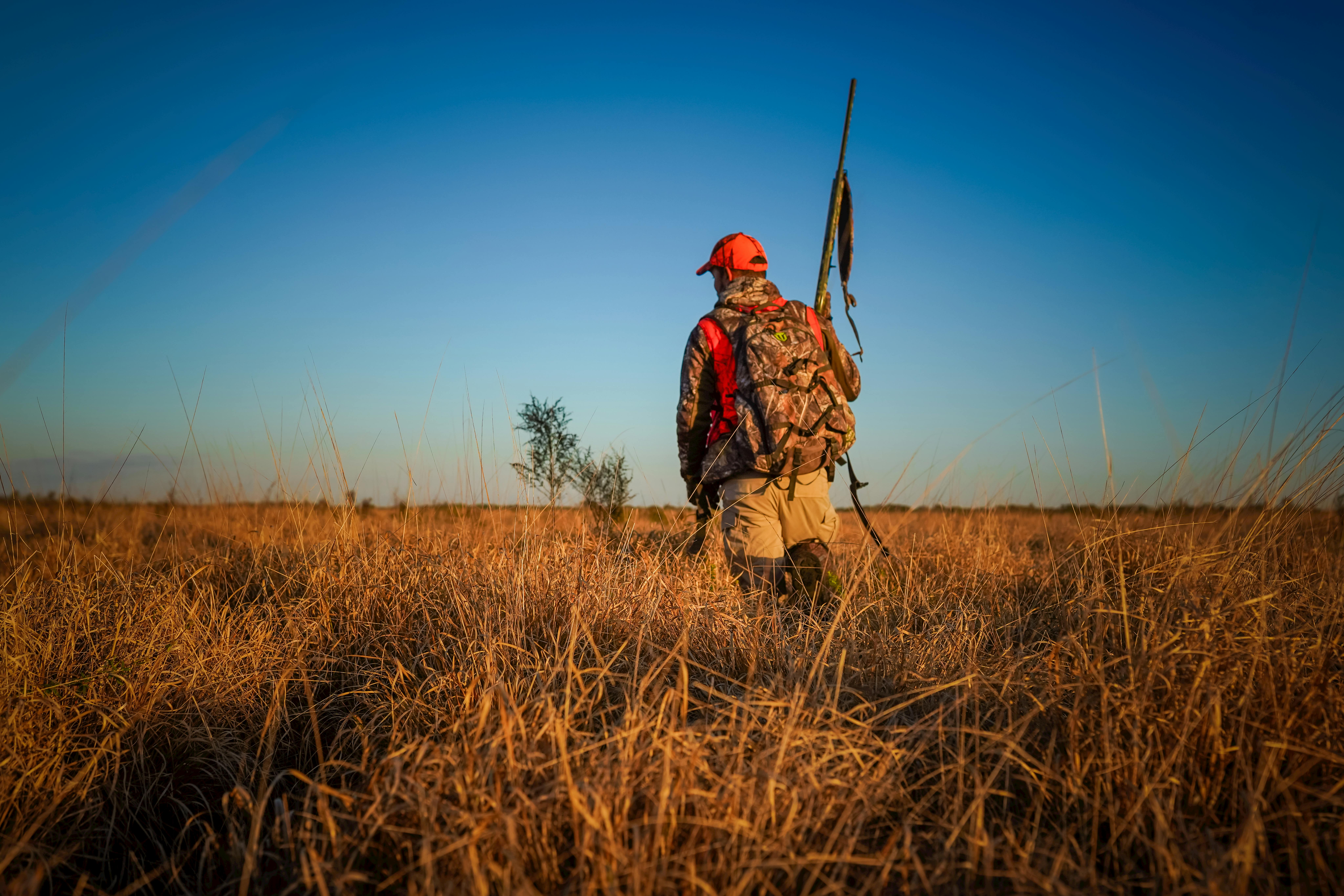
For hunters, clothing and gear storage deserve extra attention. Packs, blinds, decoys, boots, and sleeping bags stored in garages or sheds should be checked outdoors when possible. If droppings are present, handle the gear as contaminated until it is cleaned properly, rather than giving it a quick shake.
Preparedness experts often compare this to water purification or fire safety. You do not have to obsess over it every minute, but you do need a repeatable routine. The people who stay safest are usually the ones who make prevention boring, consistent, and automatic.
Symptoms, timing, and when not to wait for medical help

Hantavirus illness often starts 1-8 weeks after exposure, which makes the connection easy to miss. The first phase commonly includes fever, chills, fatigue, headache, and muscle aches, especially in the large muscle groups. Some people also develop nausea, vomiting, or abdominal pain, which can blur the picture further.
The dangerous turn can come when breathing becomes difficult as the lungs fill with fluid. Experts and clinicians alike stress that shortness of breath after a likely rodent exposure is an emergency, not something to sleep off. Rapid medical attention can make a critical difference in how patients are managed.
That is why survival professionals tell people to document unusual exposures after a trip. If you cleaned a rodent-infested cabin, disturbed a nest, or slept in a contaminated structure, make a note of the date and place. That information can help a doctor connect symptoms to a possible cause faster.
The bottom line from experts is steady, not sensational. Hantavirus should not scare people away from hunting or camping, but it absolutely deserves respect. The outdoors is safest when people treat hidden biological hazards with the same seriousness they give weather, weapons, and wildfire.