Some firearms fade into the background with time. The Browning Hi-Power has done the opposite.
A classic design has returned to the center of attention.
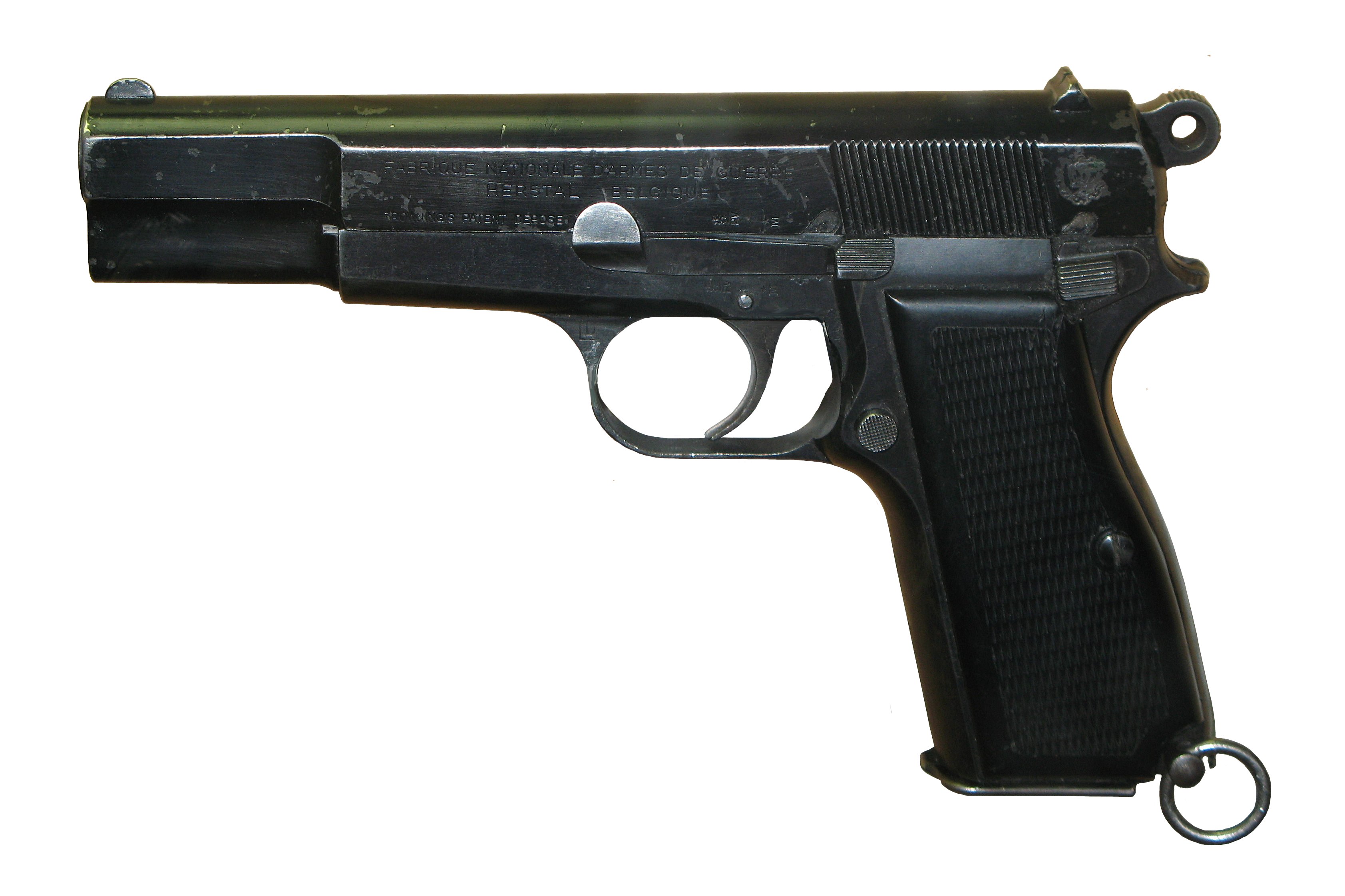
For many years, the Browning Hi-Power lived in a strange middle ground. It was respected, often admired, and deeply important in military history, but it was not always the pistol people talked about every day. In earlier decades, plenty of shooters simply saw it as an old service gun that had already had its moment. It was appreciated by enthusiasts, yet it did not dominate mainstream conversation in the way more contemporary handguns did.
That has changed because the Hi-Power now sits at the intersection of history, design, and nostalgia. People are not just discussing what it was, but what it still offers. The pistol carries the name of John Browning, even though Dieudonné Saive completed the design, and that layered history gives it unusual staying power. Few handguns combine famous lineage, wartime service, and lasting mechanical elegance in quite the same way.
The current firearms market also rewards stories as much as specifications. A pistol with a long military record, worldwide use, and a recognizable profile is naturally going to draw renewed attention. The Hi-Power looks like a classic, feels like a classic, and has enough real-world credibility to avoid being dismissed as mere nostalgia. That makes it easy to discuss across generations.
In the past, conversations about firearms often stayed local, limited to gun shops, print magazines, clubs, and range talk. Today, every interesting old design can be rediscovered daily by new audiences. The Browning Hi-Power benefits enormously from that shift because once people start comparing its history, ergonomics, and legacy to modern pistols, the discussion becomes almost endless.
Social media and video culture changed how old pistols are rediscovered.
Decades ago, if someone wanted to learn about the Hi-Power, they might rely on a magazine review, a gunsmith, or an older shooter at the range. Information moved more slowly, and opinions were filtered through a much smaller group of gatekeepers. That meant a classic pistol could remain admired without becoming part of a broad, active public conversation. Today, that kind of quiet admiration rarely stays quiet for long.
Video platforms changed everything by making side-by-side comparisons easy to watch and share. A single creator can put a Browning Hi-Power next to a Glock 19, a 1911, and a modern double-stack carry pistol, then instantly reach millions of viewers. The audience does not just hear that the Hi-Power has excellent ergonomics or a crisp single-action trigger. They see how it points, how it recoils, and how differently people react to it in real time.
Social media also encourages repeat cycles of rediscovery. One post about a polished blued Belgian-made pistol can trigger thousands of comments from collectors, military historians, and younger shooters who have never handled one. The visual appeal matters here. The Hi-Power photographs beautifully, and in a media environment driven by scroll-stopping images, classic steel-and-wood or steel-and-checkered-grip styling has real power.
Just as important, online debate rewards contrast. The Hi-Power gives people a lot to argue about: magazine disconnects, hammer bite, capacity, trigger feel, military variants, licensed copies, and whether modern clones improve the original. A design that generates both affection and criticism will always stay in circulation online, and that is a major reason it now feels more talked about than ever.
Modern reissues and clones made the Hi-Power relevant again.

One of the biggest reasons for the renewed conversation is simple: the platform came back. For a while, many shooters assumed the Hi-Power was mostly a used-market gun, something to hunt down at shows, inherit, or buy from a collector. That kind of scarcity can create admiration, but it can also limit mainstream attention. Once new production returned through companies introducing updated versions, the discussion widened immediately.
Recent reintroductions and reinterpretations gave people a reason to revisit old opinions. Suddenly,y the question was not just whether a vintage Belgian pistol still mattered, but whether a modernized Hi-Power could compete in the current market. Manufacturers began addressing long-standing complaints with improved sights, better feed ramps, more durable finishes, beavertail changes, and cleaner trigger setups. Those updates invited practical shooters back into a conversation that had once leaned heavily historical.
The economics matter too. Original Brownings and desirable FN-marked examples can be expensive, especially high-condition or collectible variants. Clones and reissues create an entry point for people who like the shape and feel of the design but do not want to pay collector prices. When more people can actually buy and shoot a platform, more people have something concrete to say about it.
This also creates a split audience, which keeps the topic lively. Purists want the original lines and traditional features. Others want a Hi-Power that functions like a modern defensive pistol. That tension between preservation and improvement is exactly the kind of issue that keeps a classic design in public conversation.
Today’s shooters value ergonomics and shootability in a new way.
For years, handgun discussions often centered on ruggedness, caliber, and brand loyalty. Those topics still matter, but modern buyers talk much more about hand fit, pointability, recoil behavior, and how a pistol feels over a long-range session. In that environment, the Browning Hi-Power has a real advantage. Even people who dislike some of its dated features often admit that it sits in the hand exceptionally well.
Its grip shape is one of the biggest reasons it keeps winning new admirers. The pistol feels slim for a double-stack 9mm, and that remains impressive even now. Long before many companies treated ergonomics as a science, the Hi-Power offered a balance and natural pointing quality that many shooters still notice immediately. It often surprises people who expect an old service pistol to feel clumsy.
The 9mm cartridge itself also helps revive interest. As defensive ammunition improved and 9mm became even more dominant in law enforcement, training, and civilian carry, older 9mm pistols started looking more relevant. A handgun that once seemed like a historical artifact now fits neatly into a caliber conversation people are already having. The Hi-Power no longer feels tied to a fading era in the way some older service pistols do.
There is also a reaction against purely utilitarian design. Many shooters appreciate polymer striker-fired pistols, but they do not always love them. The Hi-Power offers a different kind of appeal: steel weight, single-action trigger characteristics, and a sense of mechanical refinement. In a market full of efficient tools, it stands out as something people enjoy discussing as an experience, not just a product.
History, wartime service, and collecting culture amplify every discussion.

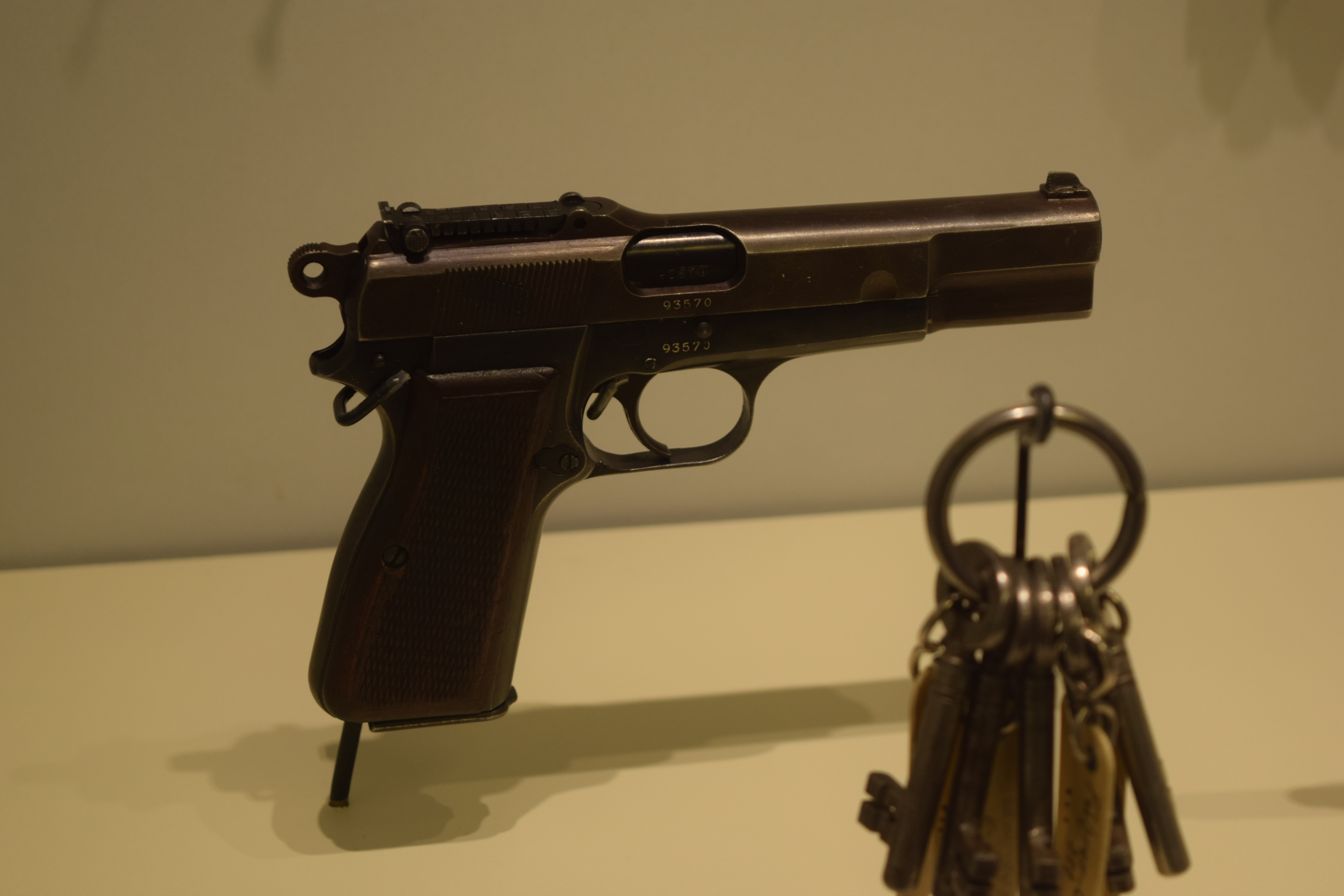
The Browning Hi-Power has one of the richest service histories of any handgun, and that alone guarantees sustained attention. It was used by military and police forces across dozens of countries, from Europe to the Middle East to the Commonwealth world. That broad adoption gives nearly every regional collecting community its own version of the story. A British surplus pistol, a Canadian Inglis example, and a postwar Belgian commercial model can each open a completely different historical conversation.
Its wartime history adds even more depth. The pistol is associated with World War II production under highly unusual circumstances, including use by both Allied and Axis forces through different manufacturing channels. Very few firearms carry that kind of layered geopolitical story. Collectors are drawn to that complexity because it makes each variation more than just a serial number or finish difference.
Today, collecting culture is also more visible and more organized than it once was. Auction houses, specialist dealers, online forums, and enthusiast channels have made variant identification and price tracking far easier. When people can compare tangent-sight models, stock-slot examples, military acceptance marks, and regional contracts in public, the platform naturally becomes a recurring subject. The more details people learn, the more there is to debate.
Importantly, the Hi-Power crosses collecting categories. It appeals to military historians, practical shooters, Browning fans, FN followers, and those who simply admire classic industrial design. That broad appeal means conversation never depends on one niche. It keeps resurfacing because different groups keep finding new reasons to care.
The Hi-Power now symbolizes a bigger debate about old versus new.
Much of the renewed attention is really about something larger than one pistol. The Browning Hi-Power has become a stand-in for a broader argument over what shooters value most. On one side is the modern approach: lighter polymer frames, simpler controls, higher out-of-the-box reliability, easy optics mounting, and fewer manual complications. On the other is the belief that older all-steel pistols offered better craftsmanship, better triggers, and more character.
The Hi-Power sits at the center of that argument because it has enough strengths to make the old-school case feel credible. If it were merely outdated, the conversation would be over quickly. Instead, people still pick one up and notice the balance, the controllability, and the grace of the design. It becomes harder to dismiss once handled, which is why it keeps reentering debates that should, in theory, have moved on.
At the same time, it has obvious limitations. Many examples need modernization for defensive use, and some shooters dislike the original safety, hammer bite risk, or magazine disconnect. Those flaws make it a perfect discussion piece because nobody can claim it is flawless. The best conversations usually happen around products that are excellent but imperfect.
That is why the Hi-Power keeps appearing in comparison pieces, range discussions, and collector arguments. It is not just admired as a museum object. It is used as evidence in an ongoing debate about whether technological progress always produces something more satisfying, or merely something more efficient.
Why the conversation is likely to keep growing from here
The Browning Hi-Power is getting more attention now because the conditions are ideal for renewed interest. Digital media rewards visual classics, manufacturers have revived the platform, and buyers are more curious about heritage than they were during the peak years of no-nonsense polymer dominance. At the same time, the pistol bridges several worlds at once: history, collecting, shooting performance, and design appreciation. Few firearms can do that so effectively.
Generational change is helping too. Older shooters often remember the Hi-Power as a respected service pistol from the background of gun culture. Younger shooters encounter it as a discovery, something that feels fresh precisely because it is old. That difference in perspective creates conversation instead of consensus. One group is revisiting, the other is discovering, and both are talking at the same time.
The current market also favors premium experiences. People are increasingly willing to spend money on firearms that offer heritage, craftsmanship, and emotional appeal, not just utility. The Hi-Power fits that mood perfectly. It can be discussed as a carry gun, a range gun, a collector piece, or a design icon, which gives it uncommon reach.
So the real answer is not that the Browning Hi-Power suddenly became important. It is that the culture around firearms has finally become better suited to noticing everything it has always been. Today, that makes it more than a classic. It makes it a conversation that keeps renewing itself.