World War II was also a contest of engineering. Armies routinely captured enemy weapons, dismantled them, photographed components, translated manuals, and sometimes seized factory drawings. Yet the popular idea that entire guns were simply rebuilt from stolen blueprints is misleading. In many cases, captured weapons served as the starting point, while engineers redesigned parts for local ammunition, machinery, and production methods. The eight examples below separate genuine technical borrowing from simple battlefield capture or later reverse engineering.
1. Großfuß Sturmgewehr, Germany to Soviet Study
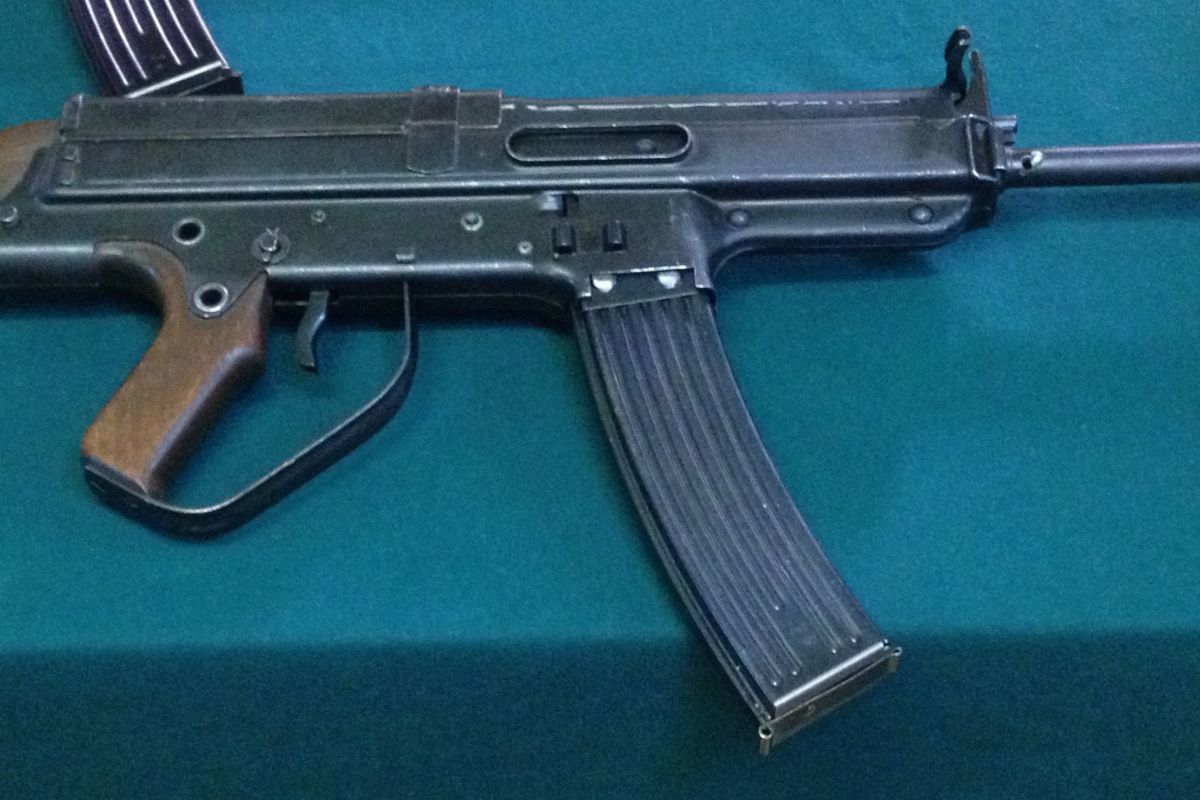
The Großfuß Sturmgewehr is one of the clearest examples of captured German design documentation entering Soviet hands, although it was not a Soviet production copy during WWII. The Red Army captured 9 prototypes, including 5 at Kummersdorf, along with technical drawings and designer Kurt Horn. Soviet engineers examined its gas-delayed blowback system and manufacturing approach after 1945. The experimental rifle weighed roughly 4.7 kg, used 7.92×33mm Kurz, and had a cyclic rate around 500 to 550 rounds per minute. Its importance lies in documented technical exploitation rather than mass Soviet manufacture.
2. StG 44, German Design Studied by the USSR
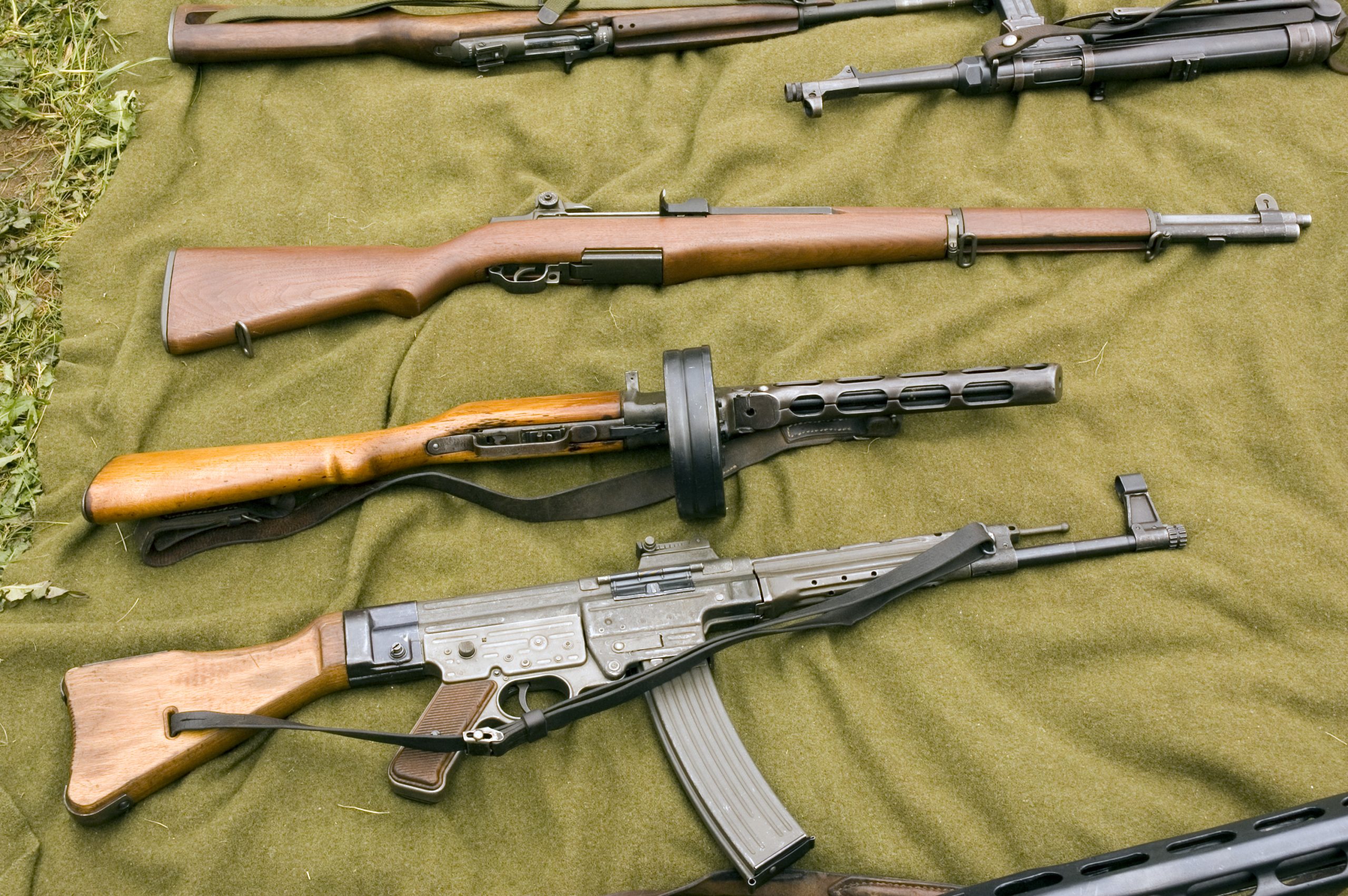
The StG 44 was not copied directly into a Soviet rifle during WWII, but captured examples and technical information clearly influenced Soviet thinking about intermediate cartridges. Soviet authorities studied the German 7.92×33mm Kurz alongside the American .30 Carbine during 1943, helping shape requirements for a new reduced-power cartridge. The resulting Soviet 7.62×39mm concept shared the intermediate-cartridge philosophy, although the later AK mechanism was substantially different. Tens of thousands of StG 44 rifles were eventually captured, making the weapon an important source of technical information rather than a literal blueprint copy.
3. German MP 3008, Built From the British Sten Concept
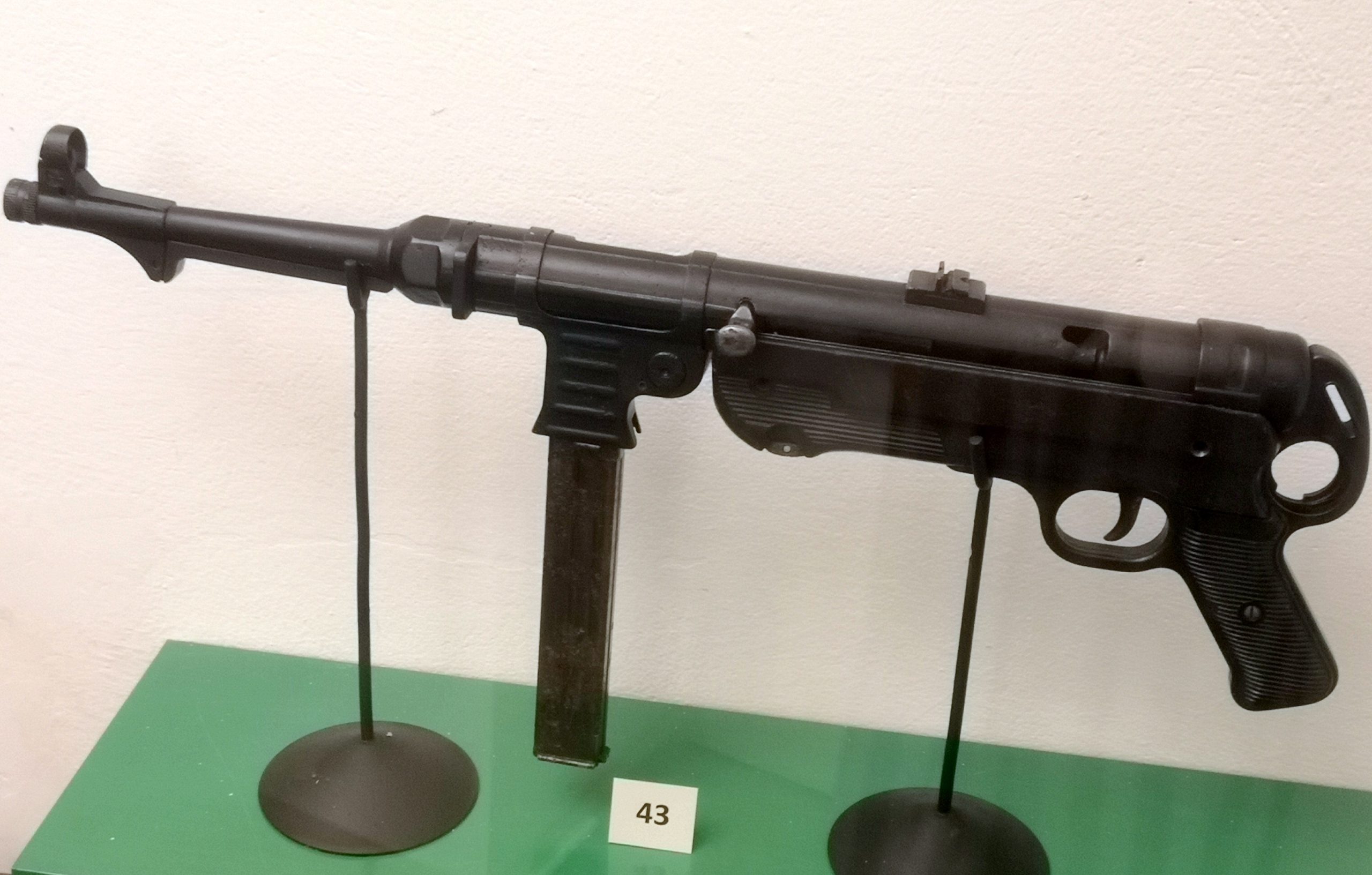
The MP 3008 demonstrates how wartime necessity could turn an enemy weapon into a production template. Germany developed it late in 1944 and 1945 as an emergency substitute for more complicated submachine guns. Its design was heavily based on the British Sten, emphasizing stamped construction and inexpensive manufacture. Unlike a true blueprint clone, German factories adapted the concept to local requirements and production conditions. The weapon is therefore better described as a simplified German copy of an enemy design. Its story illustrates how captured battlefield technology could rapidly influence emergency weapons production when conventional industrial capacity was collapsing.
4. MP 41(r), German Conversion of Captured PPSh-41s
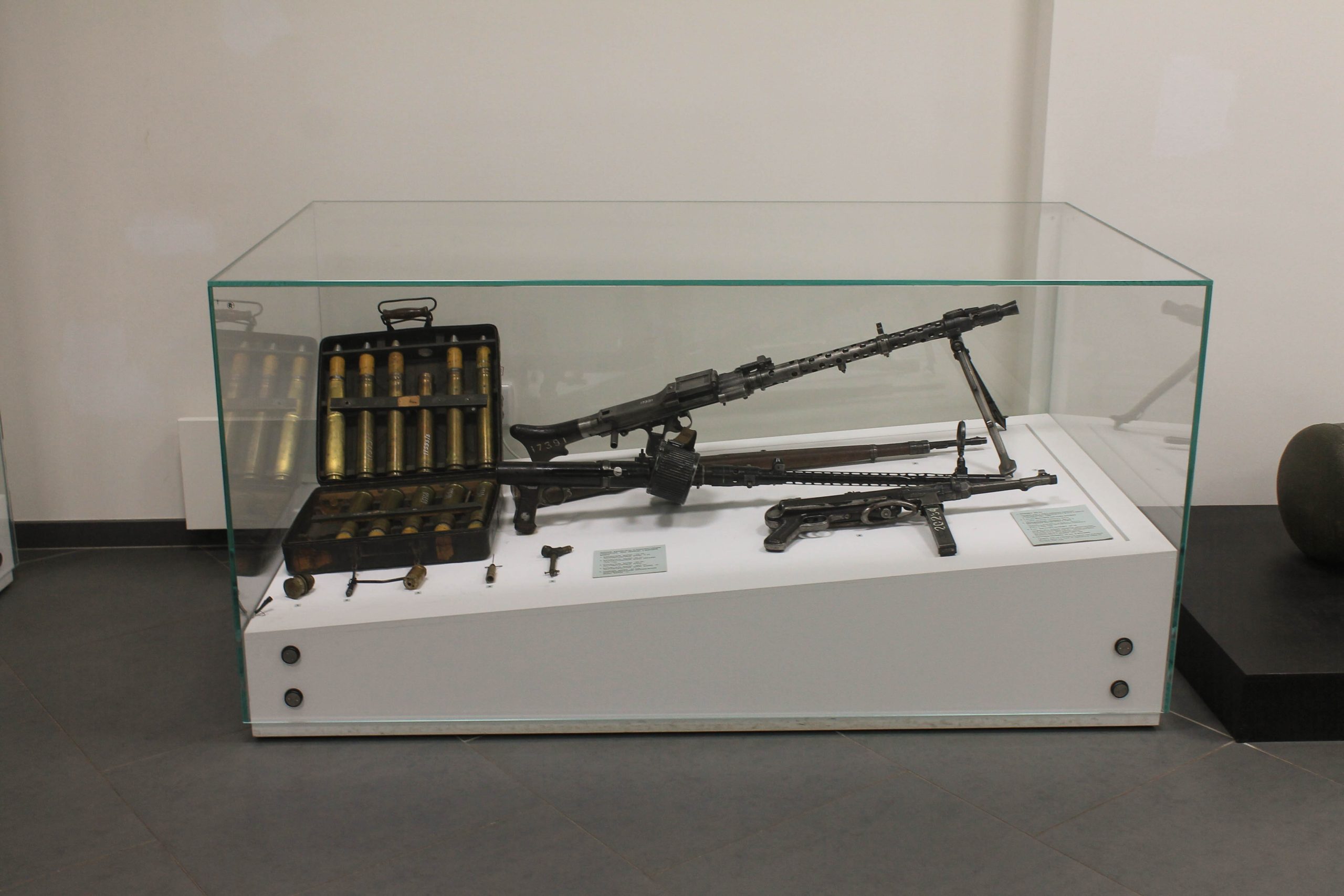
The MP 41(r) was not manufactured from captured Soviet blueprints, but it represents another important form of wartime technical exploitation. German forces captured large quantities of Soviet PPSh-41 submachine guns and modified some to fire the German 9×19mm Parabellum cartridge. The original PPSh used 7.62×25mm Tokarev, and its simple stamped construction made conversion practical. Captured PPSh rifles retained enough of their original architecture to remain recognizable while being adapted to German ammunition. German records designated captured PPSh variants with the MP.717(r) designation, showing how extensively captured Soviet small arms were cataloged and reused.
5. MP 717(r), Direct German Use of Soviet Engineering
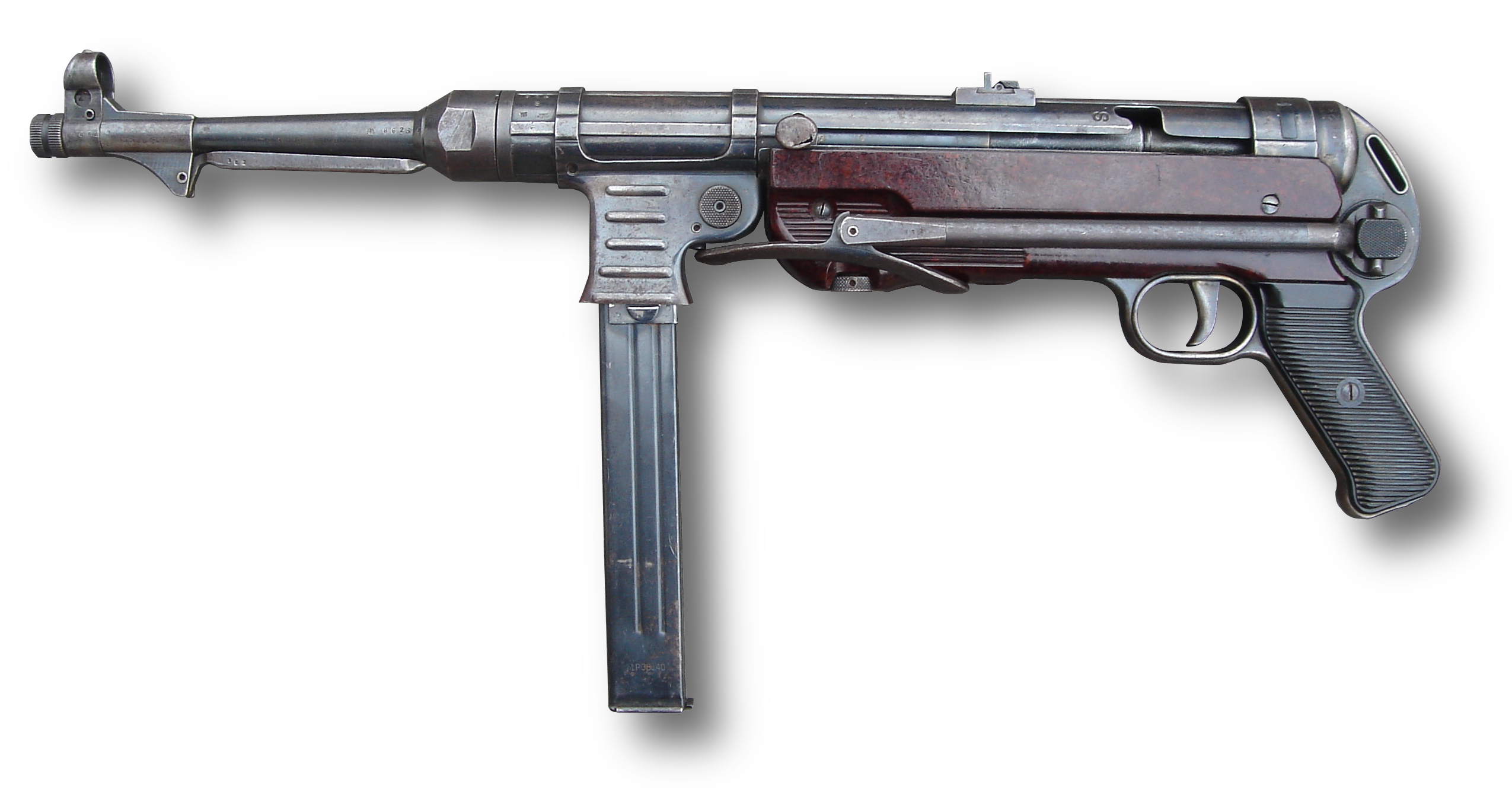
The German MP 717(r) designation covered captured PPSh-41 weapons rather than a completely new German firearm. This distinction matters because WWII armies often exploited enemy technology without manufacturing an identical replacement. The PPSh had been designed around inexpensive production, using only about 87 components, compared with 95 in the earlier PPD-40. Wartime Soviet production eventually reached roughly 1.5 million PPSh-41s in 1942 alone, making captured examples common enough for systematic German reuse. Germany even developed conversion arrangements for 9mm, demonstrating how battlefield captures could become useful logistical assets.
6. MP 715(r), German Use of Captured PPD Designs
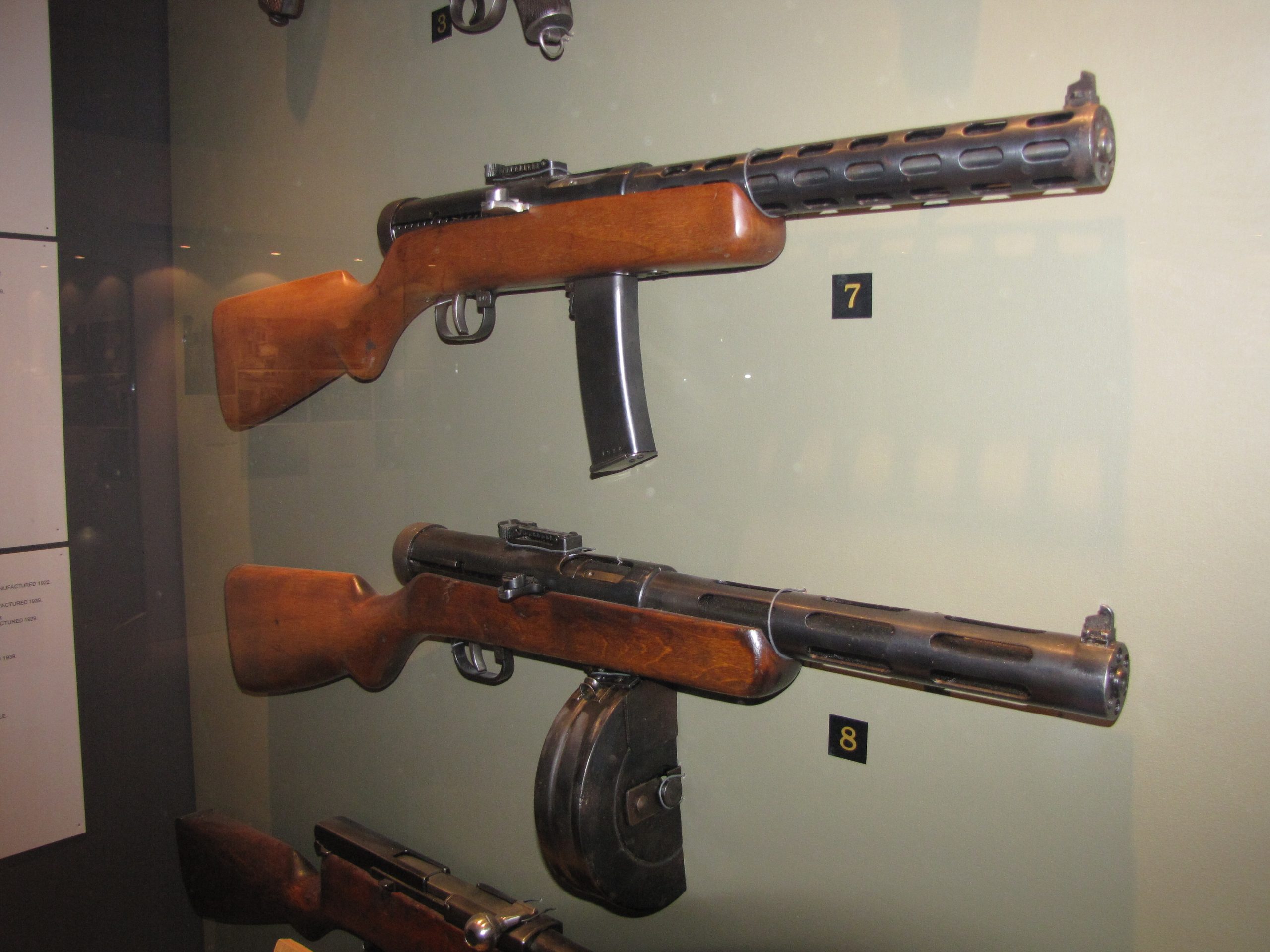
The earlier Soviet PPD series also entered German service after capture. Weapons based on the PPD-34/38 were cataloged as MP 715(r), while PPD-40 examples received a related designation. These were not guns reconstructed from stolen Soviet factory drawings, so calling them blueprint copies would be inaccurate. Instead, they show another pathway by which enemy engineering reached German soldiers: capture, inspection, cataloging, and operational reuse. The German system assigned specific designations to foreign weapons, while captured equipment was broadly treated as Beute or foreign matériel. That organized approach made enemy technology easier to identify and exploit.
7. Czech vz.98N, Postwar Production From German Documentation
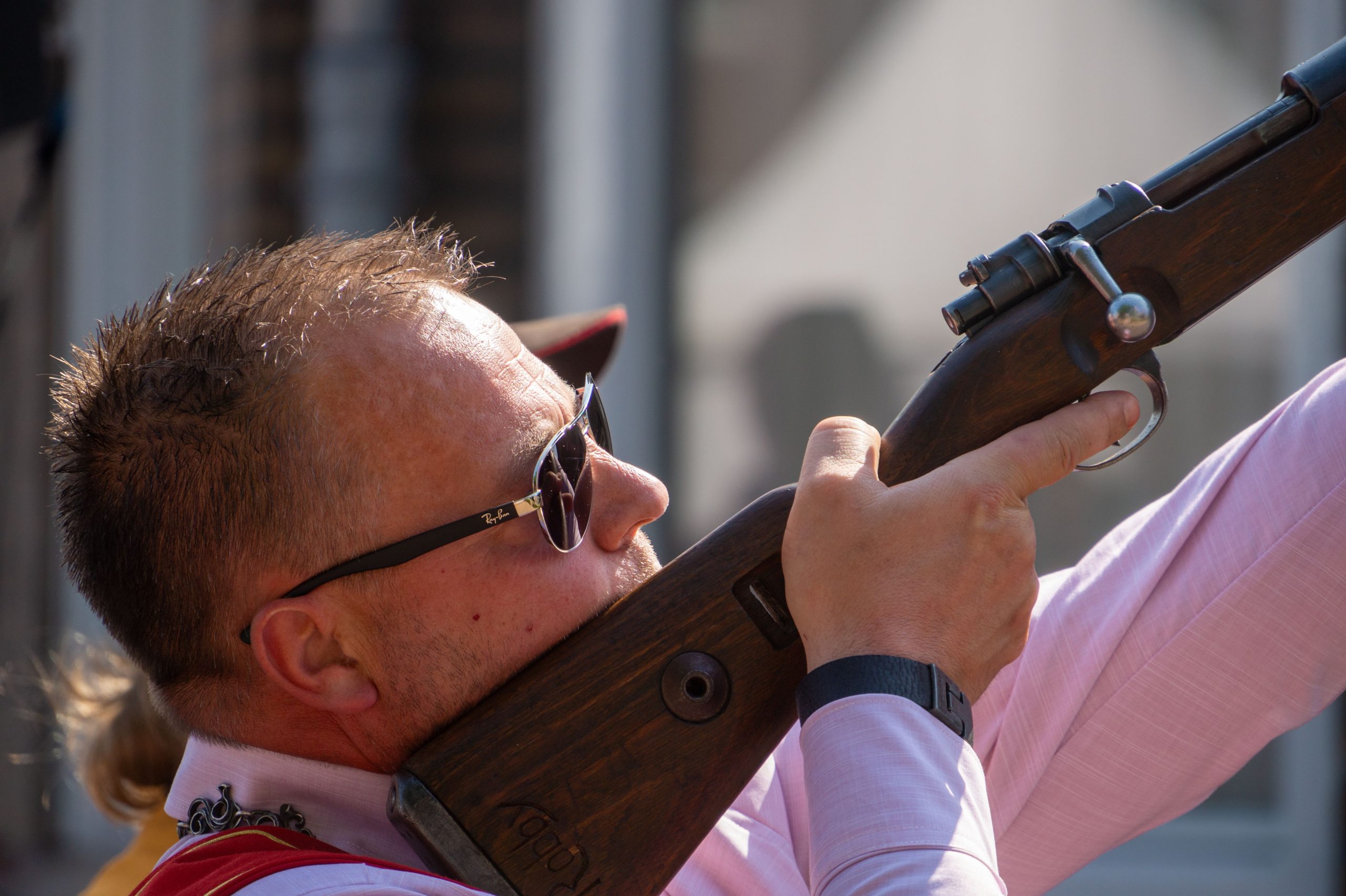
The Czech vz.98N provides a fascinating example of captured German production information being turned into manufacturing capability immediately after the war. Czechoslovakia inherited German Karabiner 98k production equipment and a complete set of blueprints, allowing Brno to recondition existing rifles and briefly manufacture the pattern after 1945. This was not battlefield-era copying, but it demonstrates how captured industrial documentation could preserve a defeated nation’s weapon design. The rifle remained a 7.92×57mm Mauser-pattern arm, and its production history shows that blueprints could be as valuable as captured finished weapons when rebuilding an arms industry.
8. Soviet Reproduction of the StG 44 After 1945
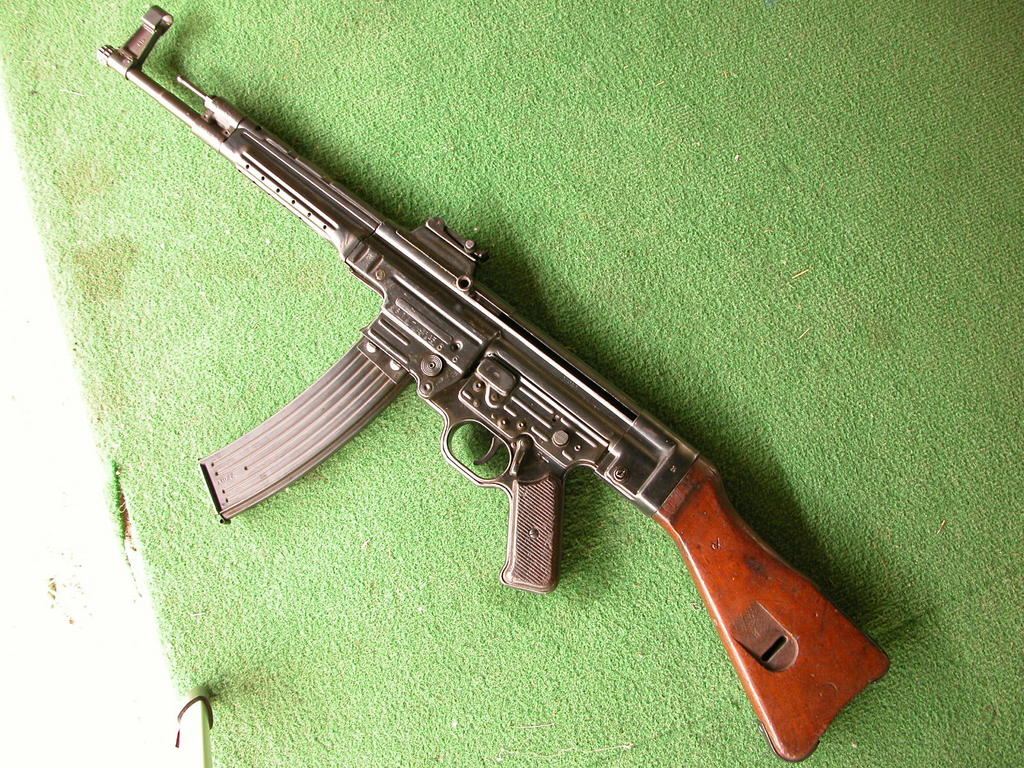
The Soviet examination of the StG 44 became particularly serious after Germany’s defeat. By August 1945, Soviet authorities had assembled 50 StG 44 rifles from existing components while investigating the design. They also confiscated approximately 10,785 technical design sheets connected with German weapons work. German engineers, including Hugo Schmeisser, were subsequently employed in Soviet weapons-development programs. This did not turn the AK-47 into a StG 44 copy, because its operating mechanism was substantially different. Instead, the episode shows how captured drawings, machinery, engineers, and complete firearms could collectively accelerate postwar weapons research.