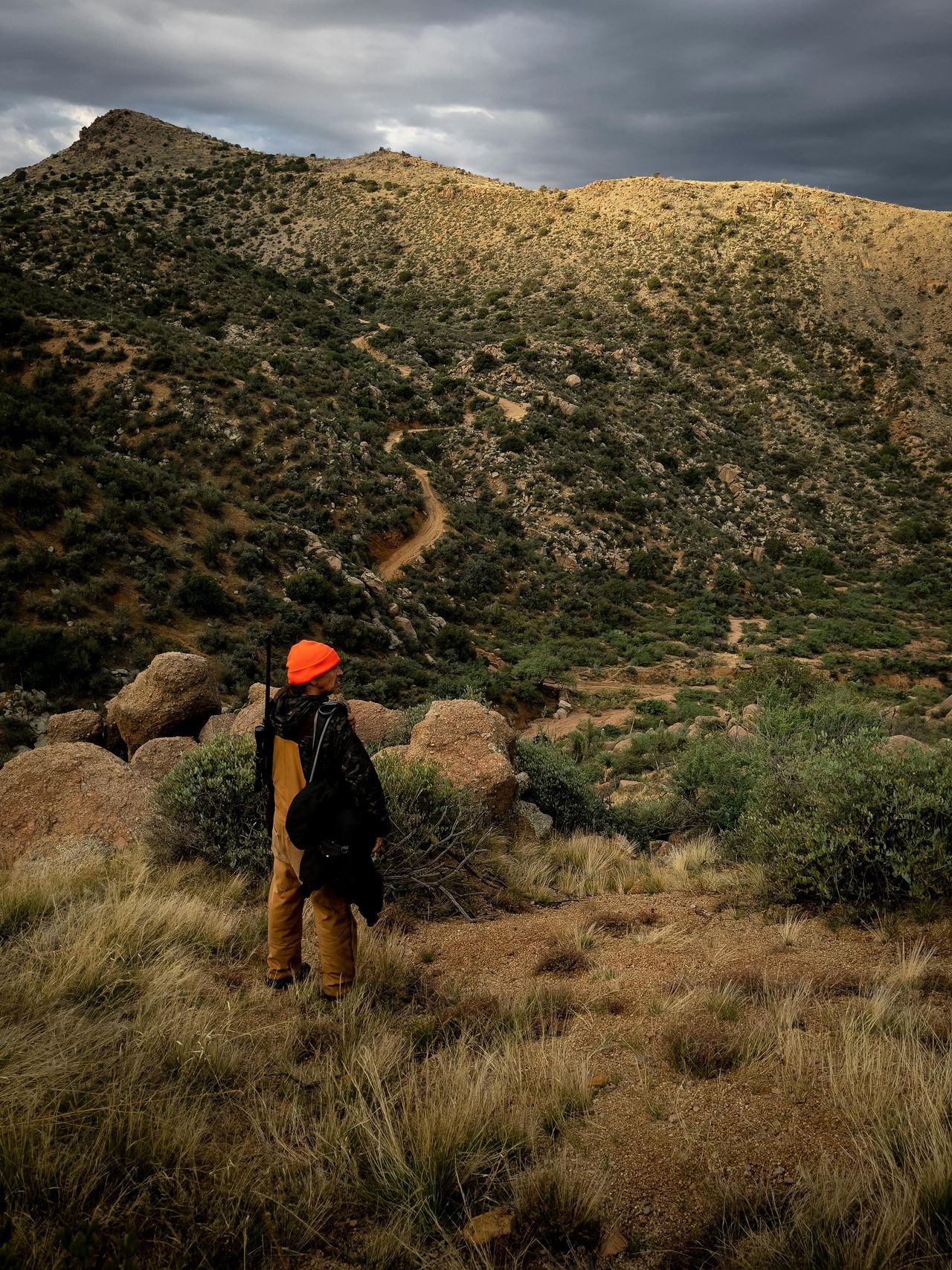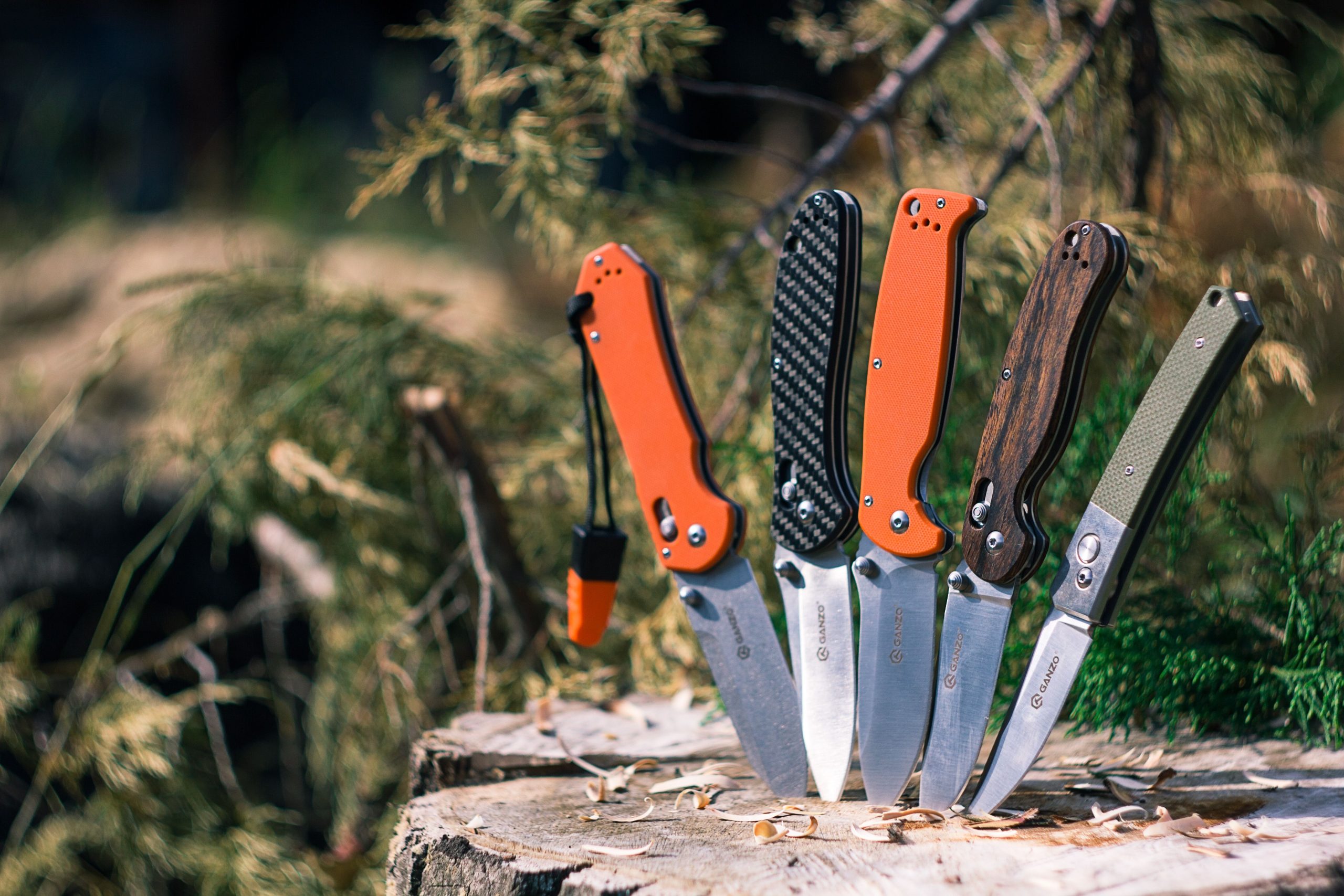
A knife is one of the most useful tools in an outdoor kit, but carrying one is only part of being prepared. Knowing how to handle, maintain, and use a knife safely can make camp chores easier and reduce avoidable injuries. These eight practical skills focus on control, awareness, and responsible outdoor use. They are useful for hikers, campers, hunters, and anyone who spends time away from established facilities.
1. Learn a Secure Grip
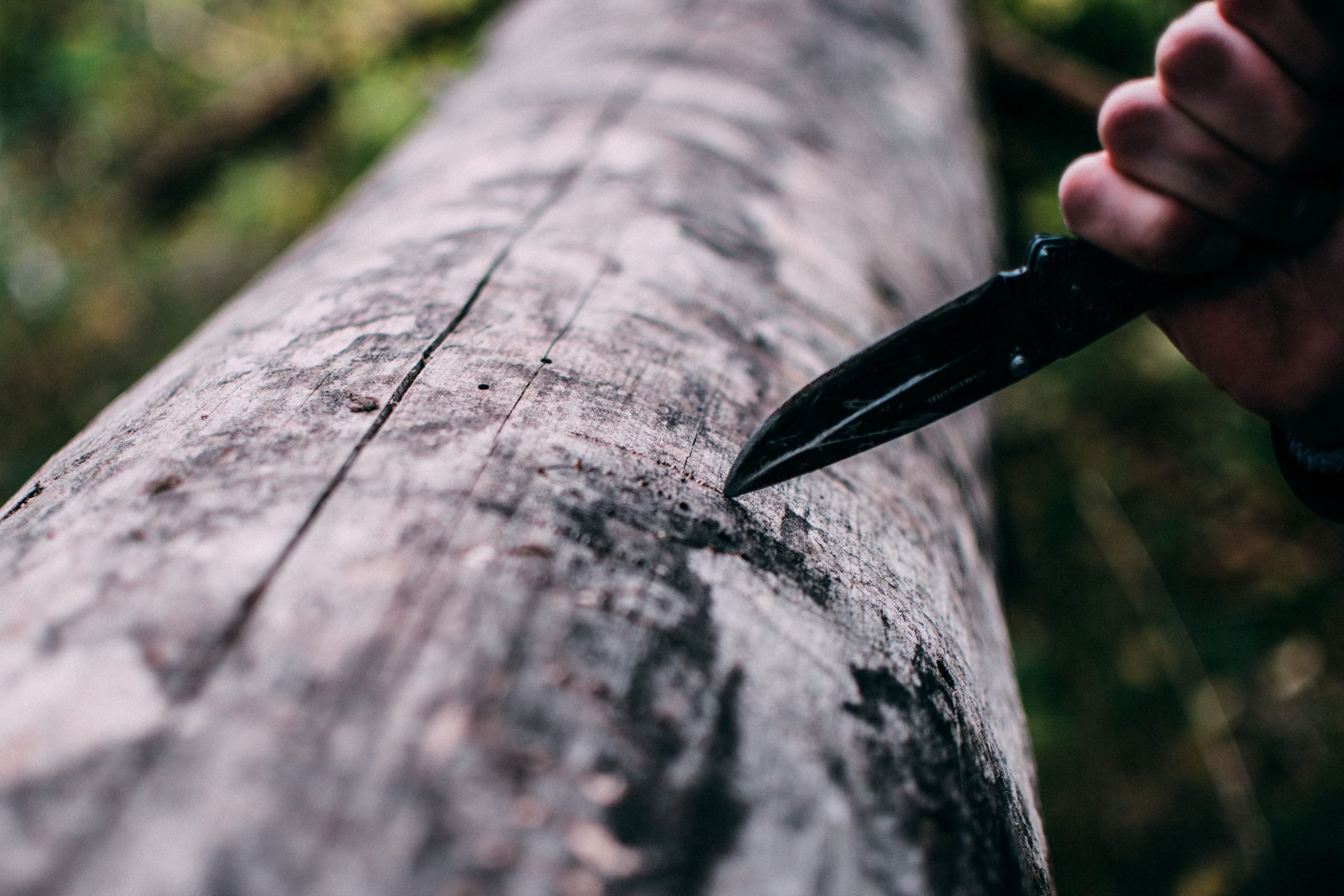
A dependable grip gives you control without requiring excessive force. Hold the handle firmly with your dominant hand while keeping your thumb and fingers positioned comfortably away from the blade. For detailed cutting work, a controlled grip is generally better than squeezing as hard as possible. Keep your other hand clear of the cutting path and avoid placing fingers directly in front of the blade. Practice with the knife closed or sheathed first if you are unfamiliar with it. Spend 5–10 minutes practicing controlled movements before attempting a real camp task.
2. Cut Away From Your Body
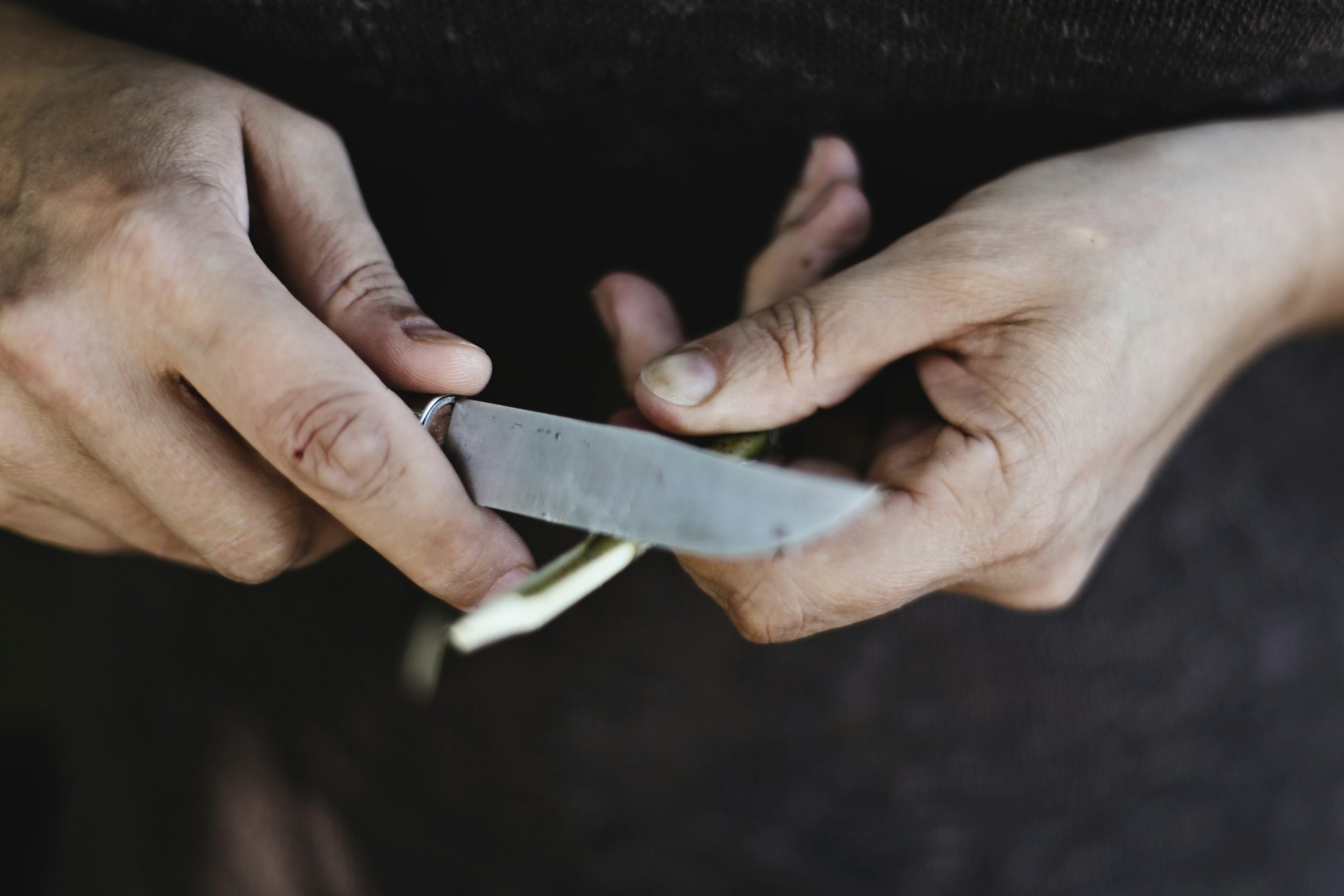
Always think about where the blade will travel if it slips. Position your work so the knife moves away from your torso, legs, and supporting hand rather than toward them. When preparing food, trimming cordage, or performing simple camp tasks, take a stable stance and avoid cutting while walking or balancing on uneven ground. A rushed cut can become dangerous surprisingly quickly. Leave at least 6–12 inches of clear space around the intended cutting path whenever practical, especially when working outdoors where footing can change.
3. Keep the Blade Sharp
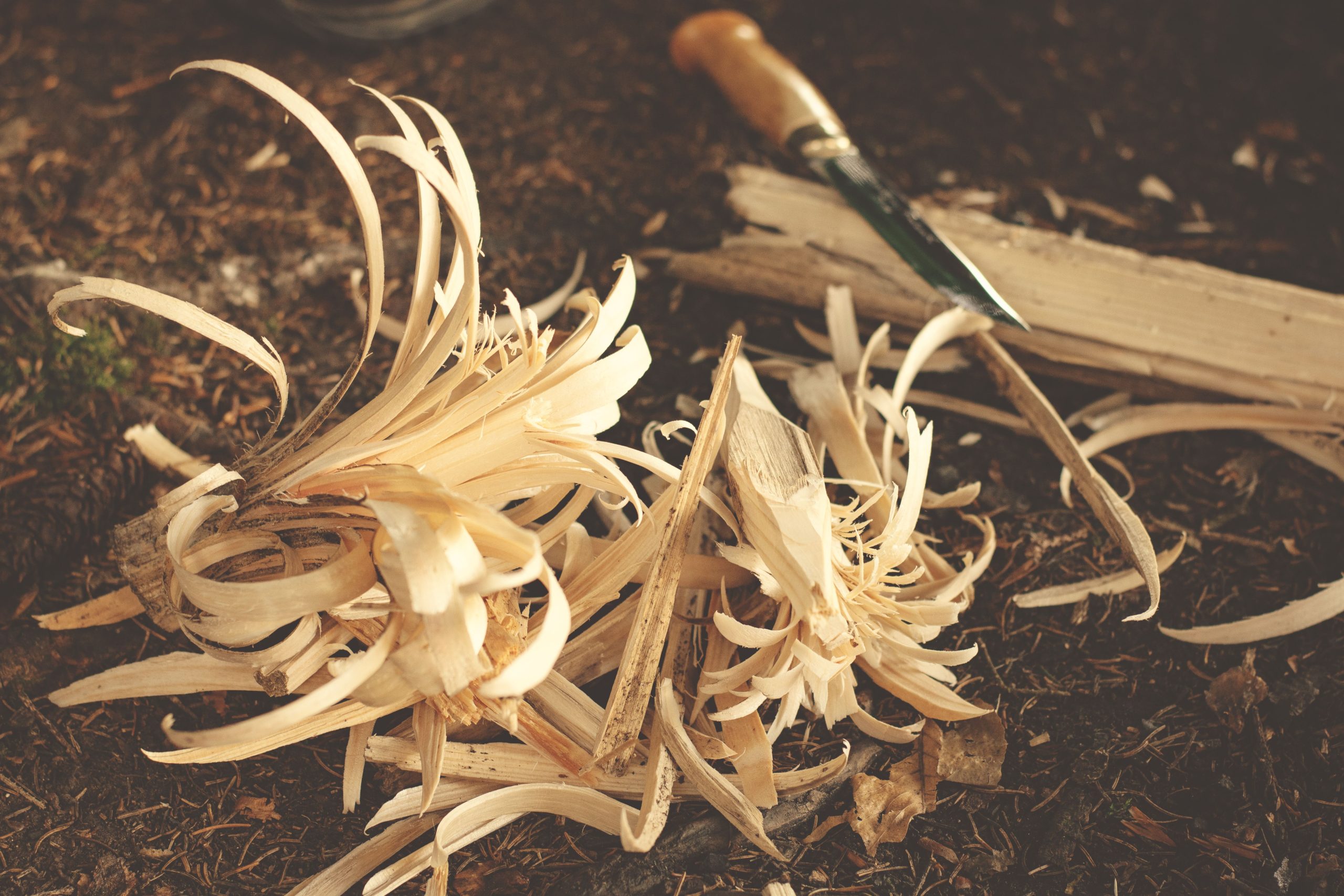
A dull knife is not necessarily safer. When an edge becomes dull, users often apply additional pressure, making an unexpected slip more likely. Learn to recognize when your knife needs maintenance rather than forcing it through material. A basic sharpening system can restore a suitable working edge when used correctly. Check the blade before every trip and inspect it for chips, rust, or damage. Even 2–5 minutes of routine inspection can identify problems before they become inconvenient or dangerous during a camping trip.
4. Use a Stable Cutting Surface
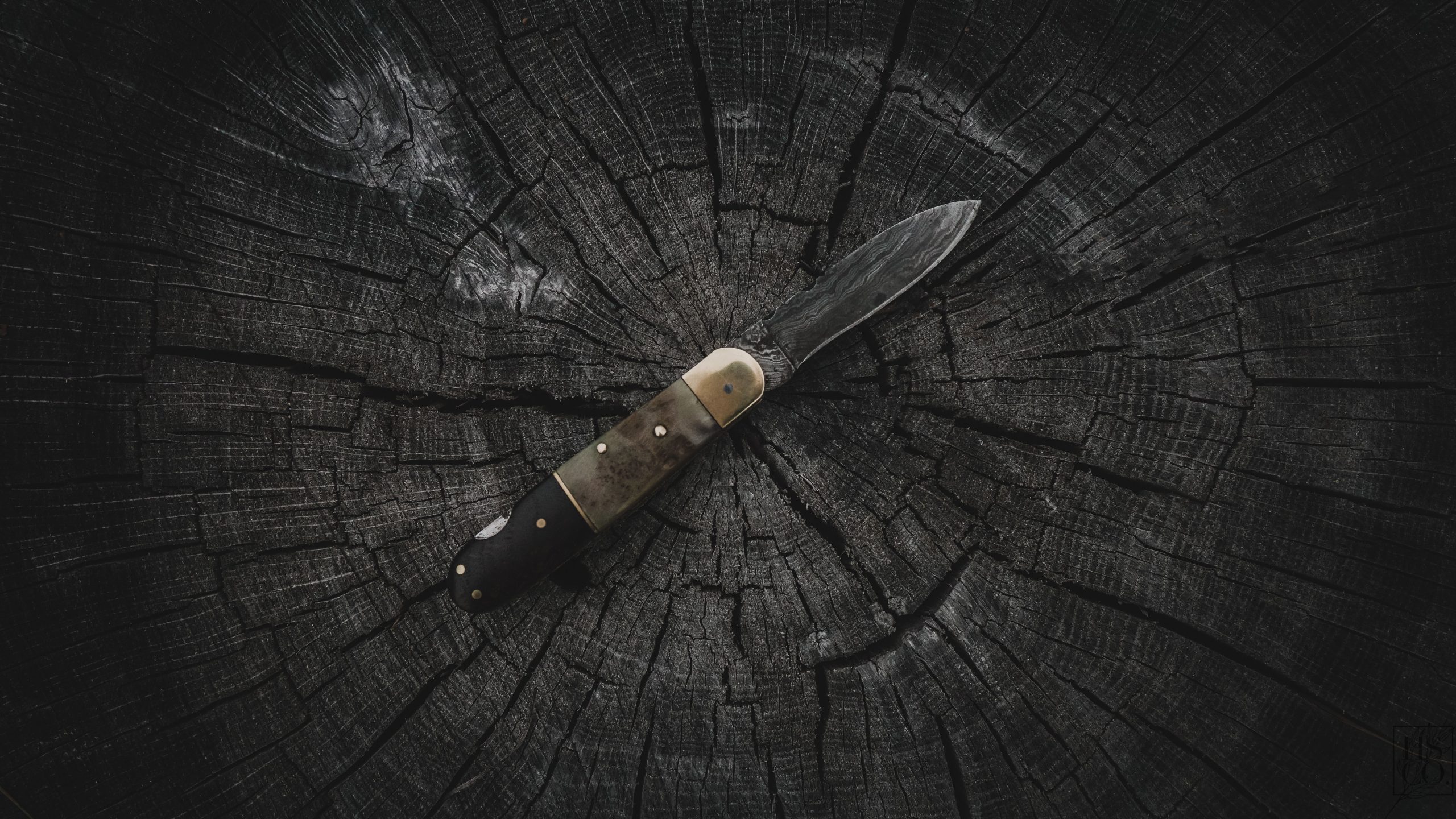
Never assume the ground, your knee, or a loose log is an acceptable cutting surface. Whenever possible, place the material on a stable surface that will not shift unexpectedly. A compact cutting board works well for food preparation, while a suitable piece of stable wood may help with certain camp tasks. Keep the work area clear of loose equipment, clothing, and people. Establish a dedicated cutting zone of roughly 1–2 feet around the task so the blade has room to move without striking another object.
5. Learn Basic Knife Maintenance
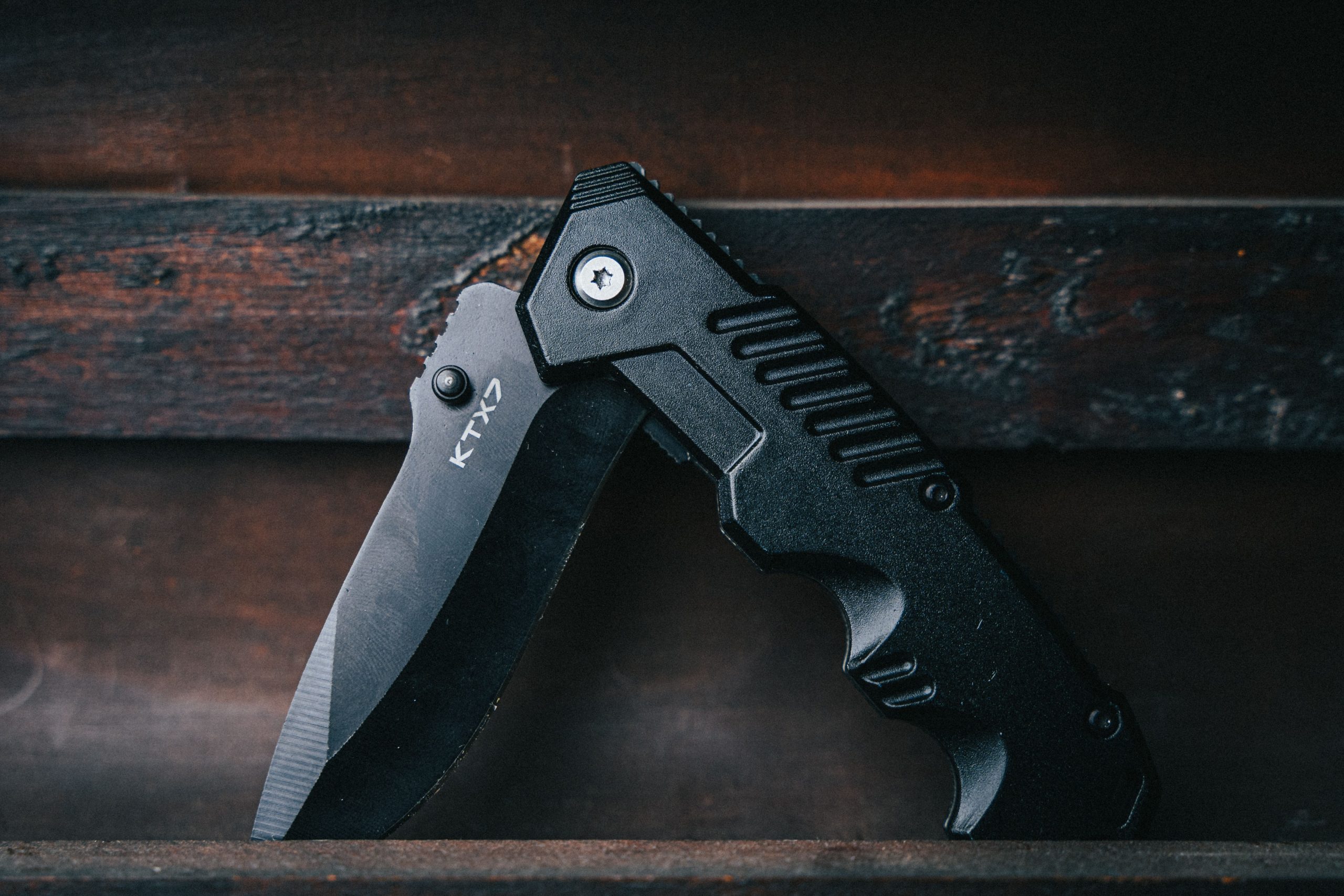
Outdoor conditions can be hard on metal. Rain, humidity, dirt, sap, and food residue can all affect a knife if they are left on the blade or handle. After use, wipe the knife clean, dry it thoroughly, and check the locking or folding mechanism if it has one. Do not store a wet knife inside a closed sheath for extended periods. A quick 3-step routine clean, dry, inspect takes little time and can help prevent corrosion, mechanical problems, and unpleasant surprises when the knife is needed again.
6. Control a Folding Knife Properly
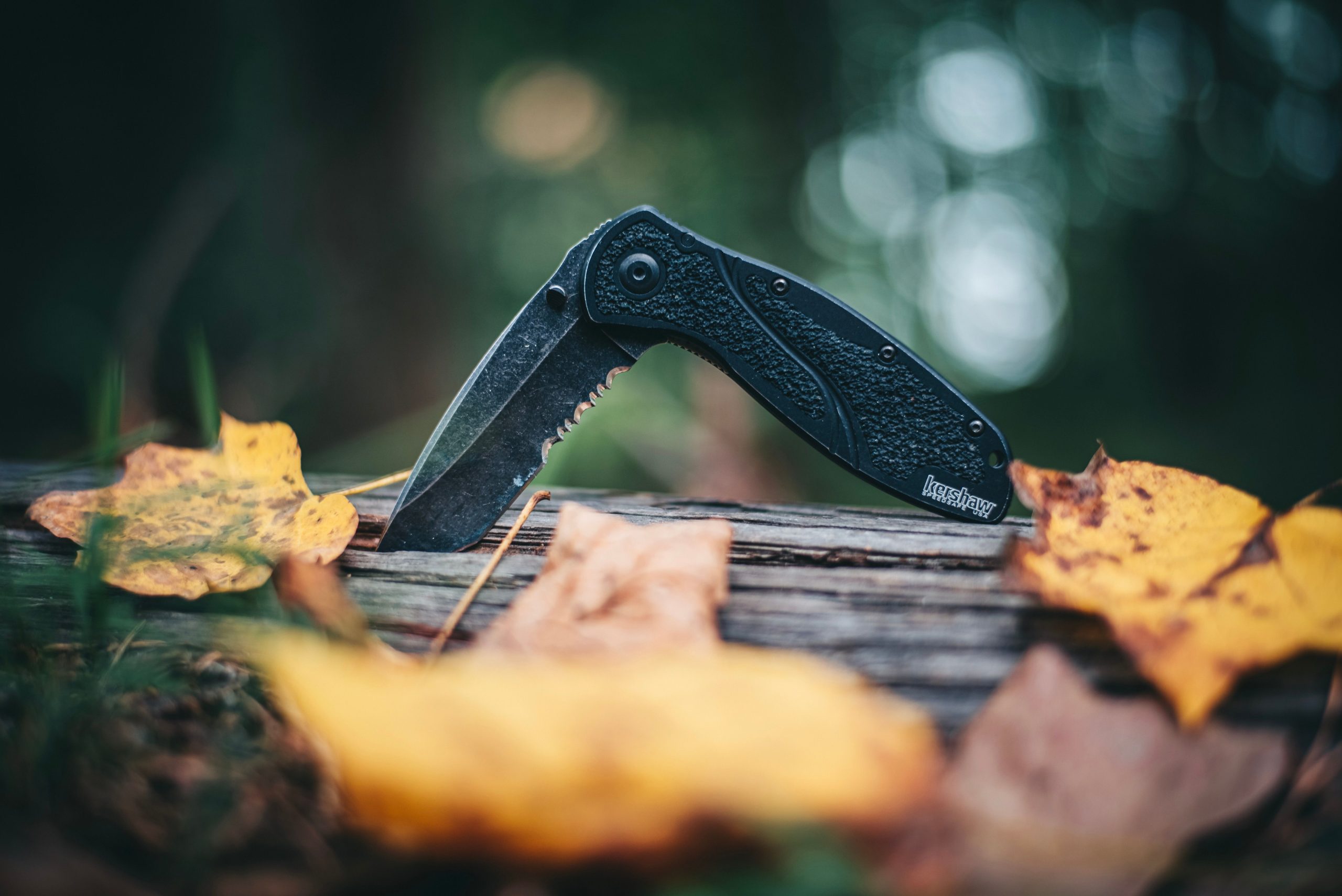
A folding knife demands extra awareness because its moving parts can create hazards if the mechanism is not fully engaged. Before using one, check that the blade opens and locks properly according to the manufacturer’s instructions. Keep your fingers away from the folding path and avoid applying force if the mechanism feels loose or damaged. When closing the knife, use deliberate movements rather than snapping it shut casually. Give the mechanism a 10-second inspection before use, particularly after the knife has been dropped, exposed to dirt, or stored for a long period.
7. Know How to Pass and Store a Knife
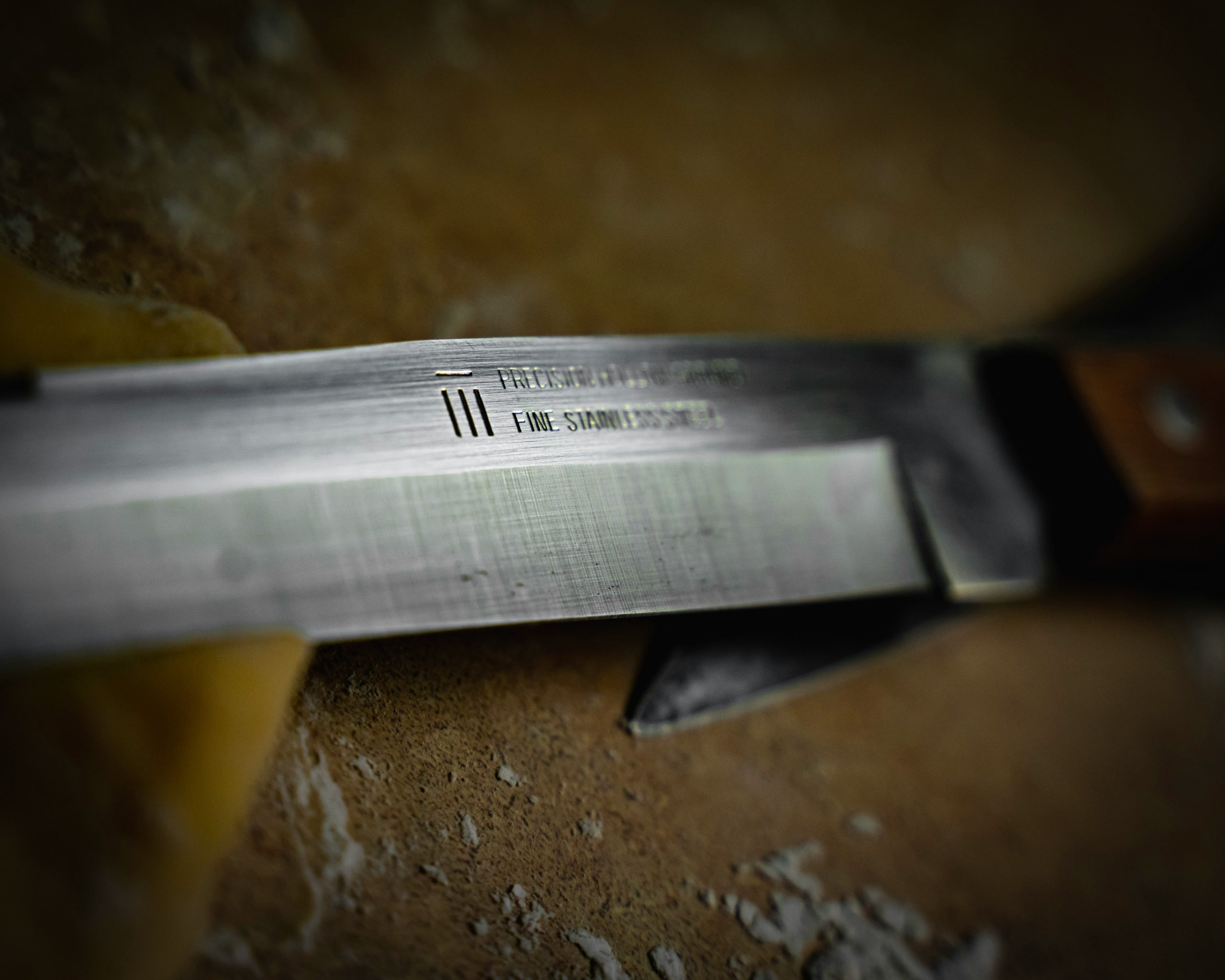
Good knife handling includes what you do when you are finished using it. Never casually toss or slide a knife across a table, campsite, or vehicle floor. If another person needs it, the safest approach is generally to close a folding knife or sheath a fixed blade before handing it over, following the manufacturer’s safety guidance. When not in use, store it securely so children, pets, and other campers cannot reach it accidentally. During camp, establish 1 designated storage spot for sharp tools so everyone knows where they belong.
8. Know When Not to Use the Knife
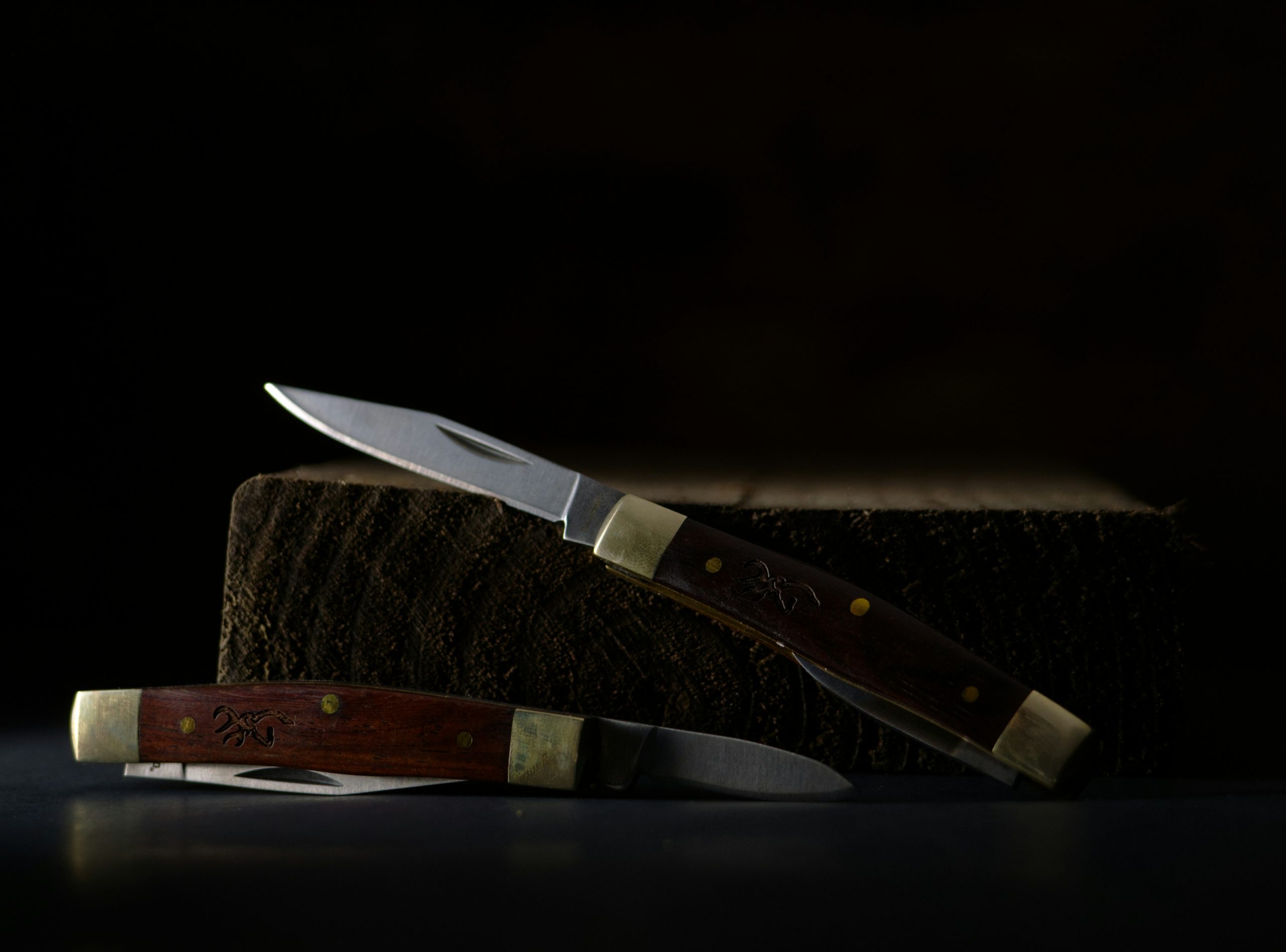
One of the most valuable knife skills is recognizing when a knife is the wrong tool. Do not use a knife as a screwdriver, pry bar, hammer, or substitute for equipment designed for another job. Avoid cutting when you are distracted, exhausted, intoxicated, or struggling to maintain stable footing. If weather or terrain makes the task unsafe, stop and find a better location. Taking an extra 30 seconds to reconsider the job can prevent an injury that could become serious when the nearest medical facility is many miles away.