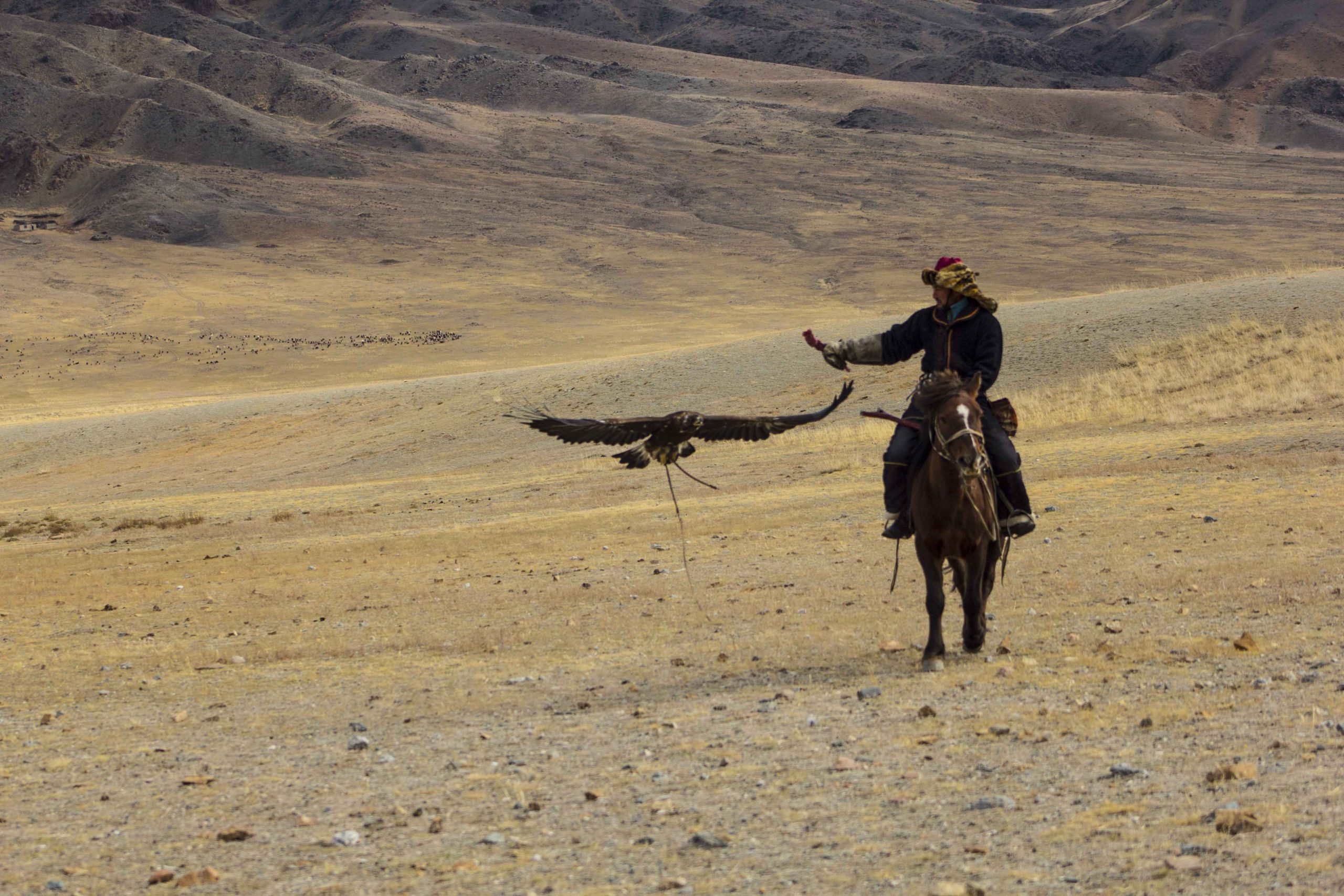
Falconry is an ancient hunting tradition built on patience, careful observation, and a close working relationship between a human and a trained bird of prey. Different raptors bring different strengths to the field. Some rely on explosive speed to catch birds in flight, while others use powerful talons, low-level pursuit, or exceptional maneuverability to capture suitable quarry. The bird a falconer chooses depends on the landscape, available prey, local laws, and the handler’s experience. These eight birds illustrate the variety of raptors used in falconry, from familiar falcons to powerful hawks and eagles. Their abilities are impressive, but each species also has distinct training requirements and welfare needs.
1. Harris’s Hawk
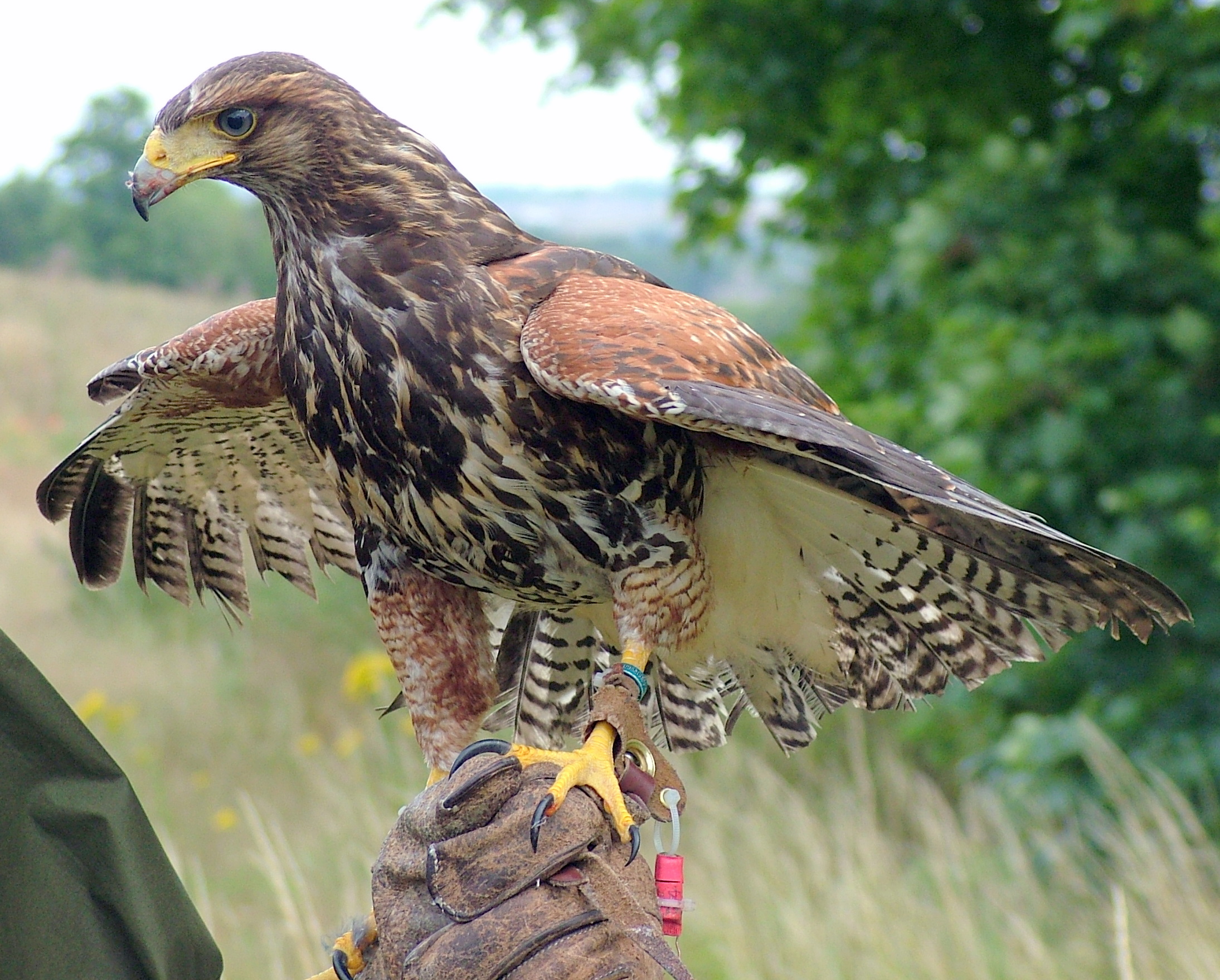
The Harris’s hawk (Parabuteo unicinctus) is a popular falconry bird because of its adaptable nature and unusual social behavior. Unlike most raptors, which generally hunt alone, Harris’s hawks sometimes cooperate in groups in the wild. They are often flown at rabbits and other suitable small game, particularly in scrubland and open country. Adults typically measure about 46 to 59 centimeters long, with females generally larger than males. Their long tails, broad wings, and strong feet help them maneuver through varied terrain. Although often recommended to aspiring falconers in some countries, they still require patient training, proper housing, and experienced supervision.
2. Red-Tailed Hawk
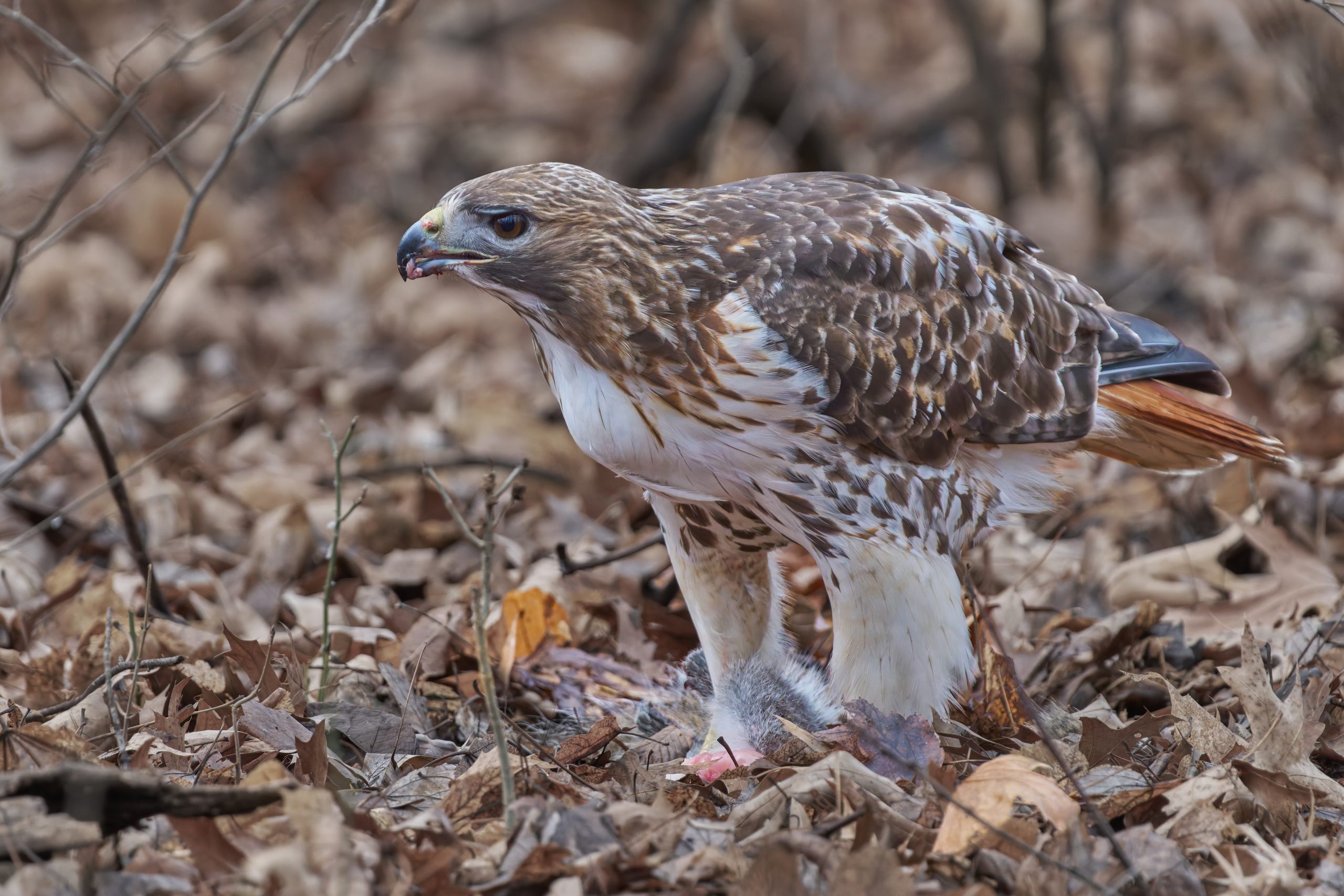
The red-tailed hawk (Buteo jamaicensis) is a familiar North American raptor that has earned a strong reputation in traditional falconry. Its broad wings and powerful build make it well suited to hunting in open fields, grasslands, and woodland edges. Rabbits, hares, and other appropriately sized prey may feature in its hunting work, depending on local conditions. Adults commonly measure around 45 to 65 centimeters in length, with wingspans reaching approximately 1.2 to 1.5 meters. Its adaptability and relative hardiness make it a common choice for apprentices in parts of North America. However, successful handling still depends on proper training, lawful access, and attentive daily care.
3. Northern Goshawk
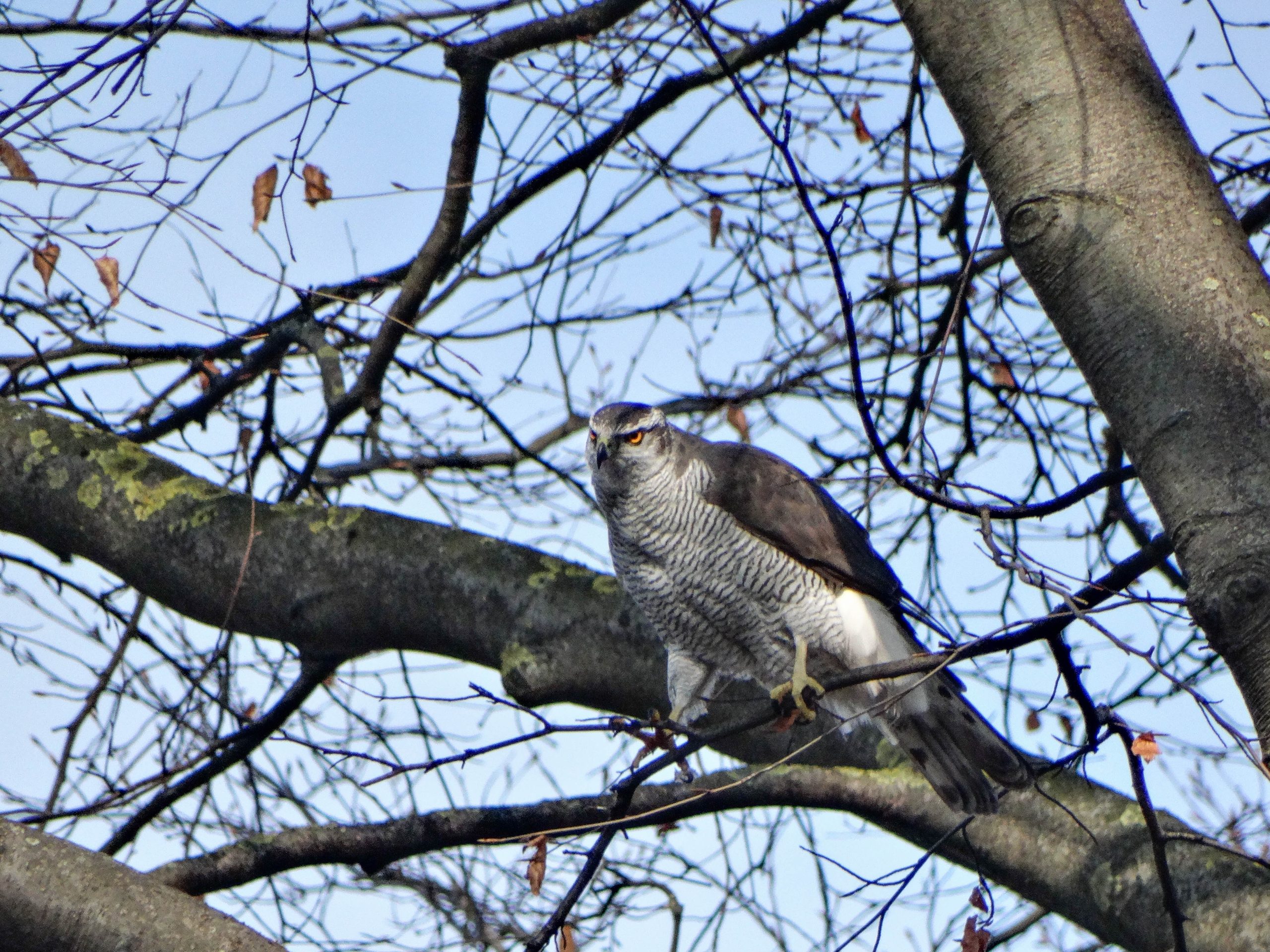
The northern goshawk (Astur gentilis) is known for its muscular body, broad wings, and ability to accelerate through dense woodland. Rather than relying on a spectacular high-altitude dive, it often pursues prey through trees and around obstacles, where fast turns and split-second decisions matter. Its natural diet includes birds and mammals, making it a traditional choice for experienced falconers interested in woodland hunting. Adults generally measure about 48 to 69 centimeters long, and females are substantially larger than males. That size difference can affect the prey each bird can pursue. Goshawks are powerful, alert, and demanding, so their training and management require considerable knowledge of raptor behavior.
4. Peregrine Falcon
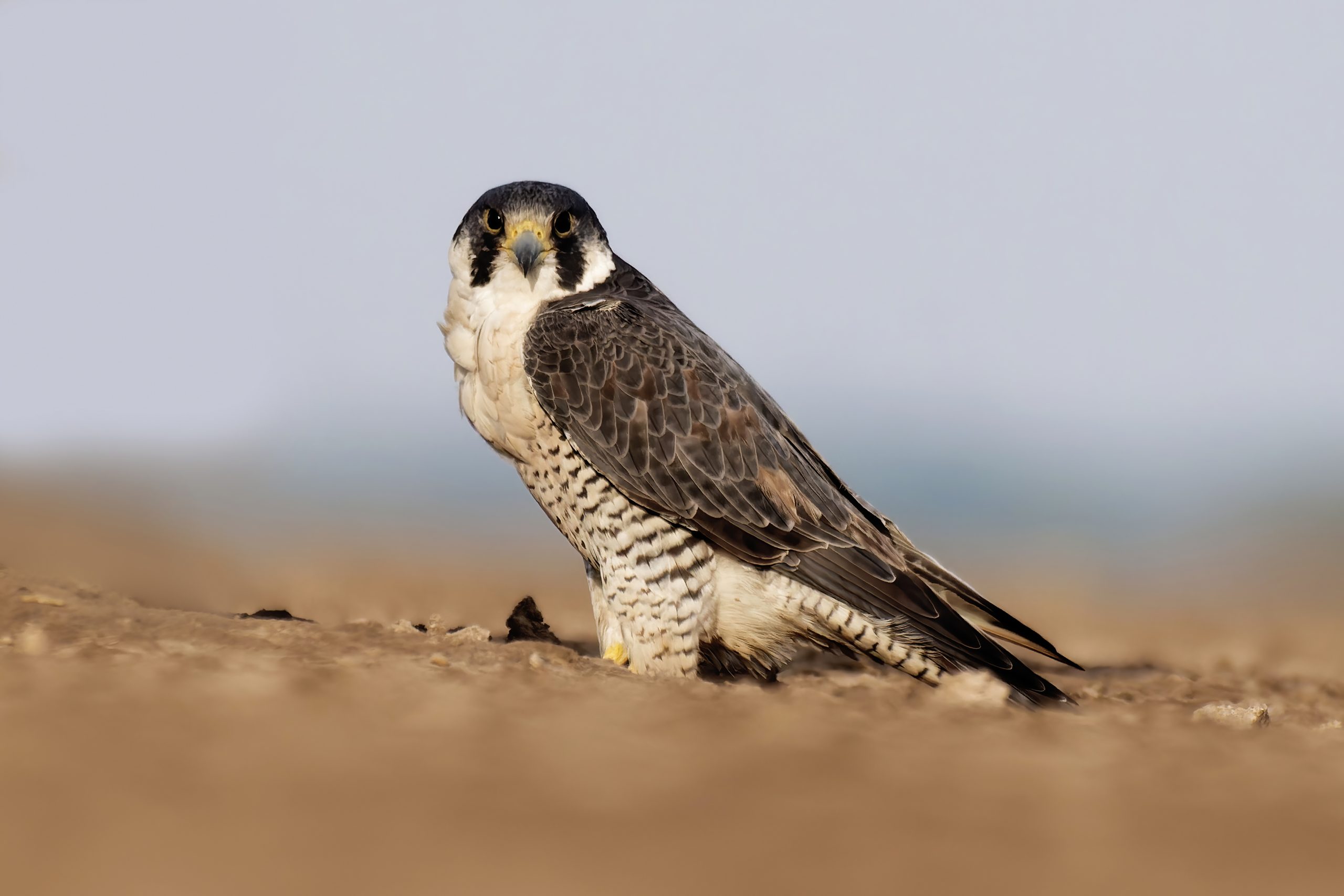
The peregrine falcon (Falco peregrinus) is famous for its aerial hunting technique, particularly its steep, controlled dive, known as a stoop. It typically catches birds in flight, using pointed wings, rapid acceleration, and precise timing to intercept moving prey. Adults measure approximately 34 to 58 centimeters long, while their wingspans usually range from about 74 to 120 centimeters. Females are larger than males, a difference that can influence their hunting capabilities. Falconers value the peregrine for its speed and aerial performance, especially in open landscapes where flying quarry can be pursued. Training one requires careful conditioning, suitable space, and close attention to its fitness and welfare.
5. Gyrfalcon
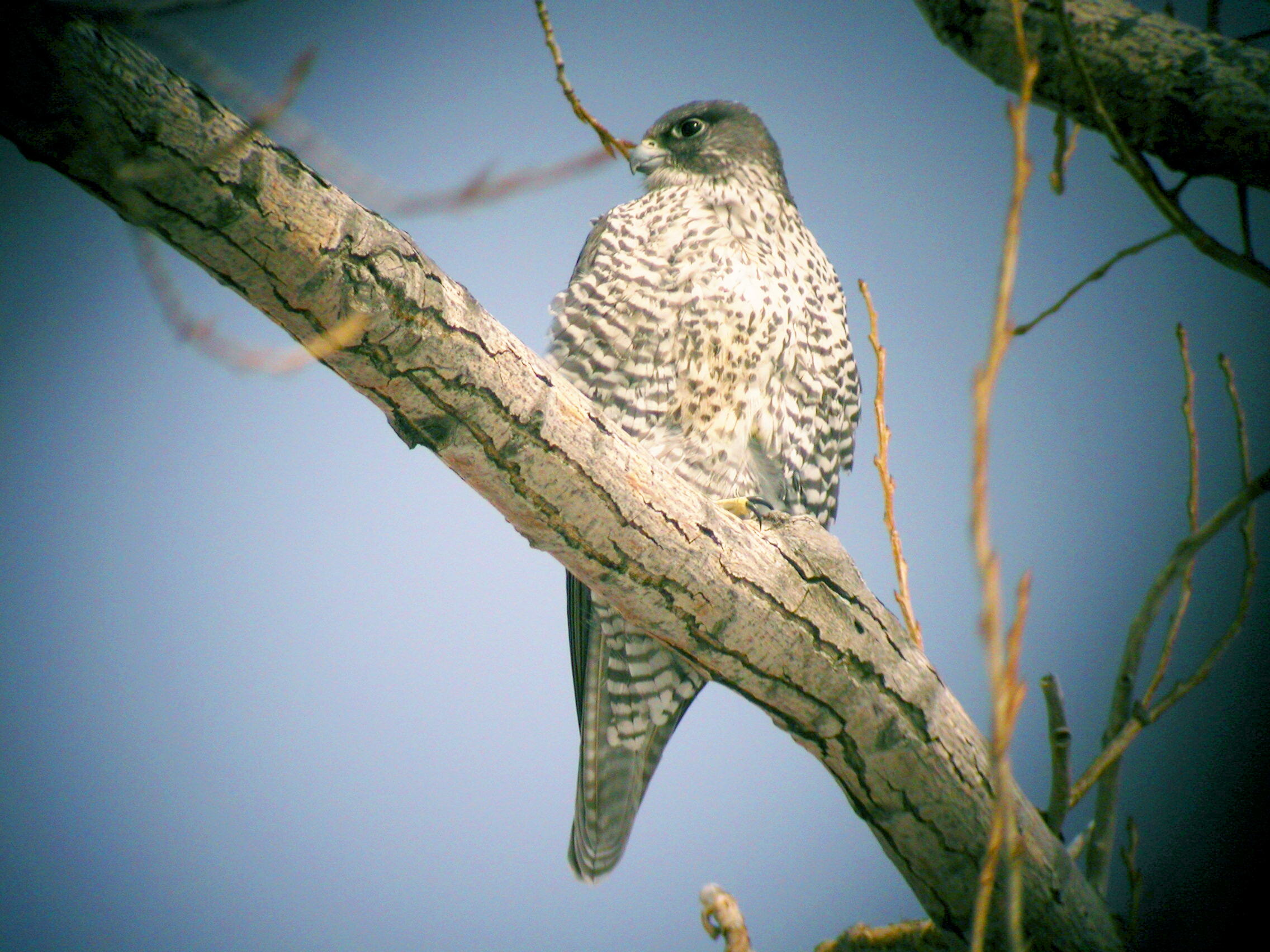
The gyrfalcon (Falco rusticolus) is the largest falcon species and is associated with Arctic and subarctic regions. Its powerful flight and ability to pursue birds across open ground made it prized in historical falconry, particularly in northern Europe and parts of Asia. Adults are commonly around 48 to 65 centimeters long, with wingspans of roughly 110 to 160 centimeters; females are typically larger. Plumage ranges from pale white to gray and darker tones, depending on the individual and population. Gyrfalcons need extensive space, careful conditioning, and knowledgeable care. Their size and demanding needs mean they are generally better suited to experienced falconers than beginners.
6. Saker Falcon
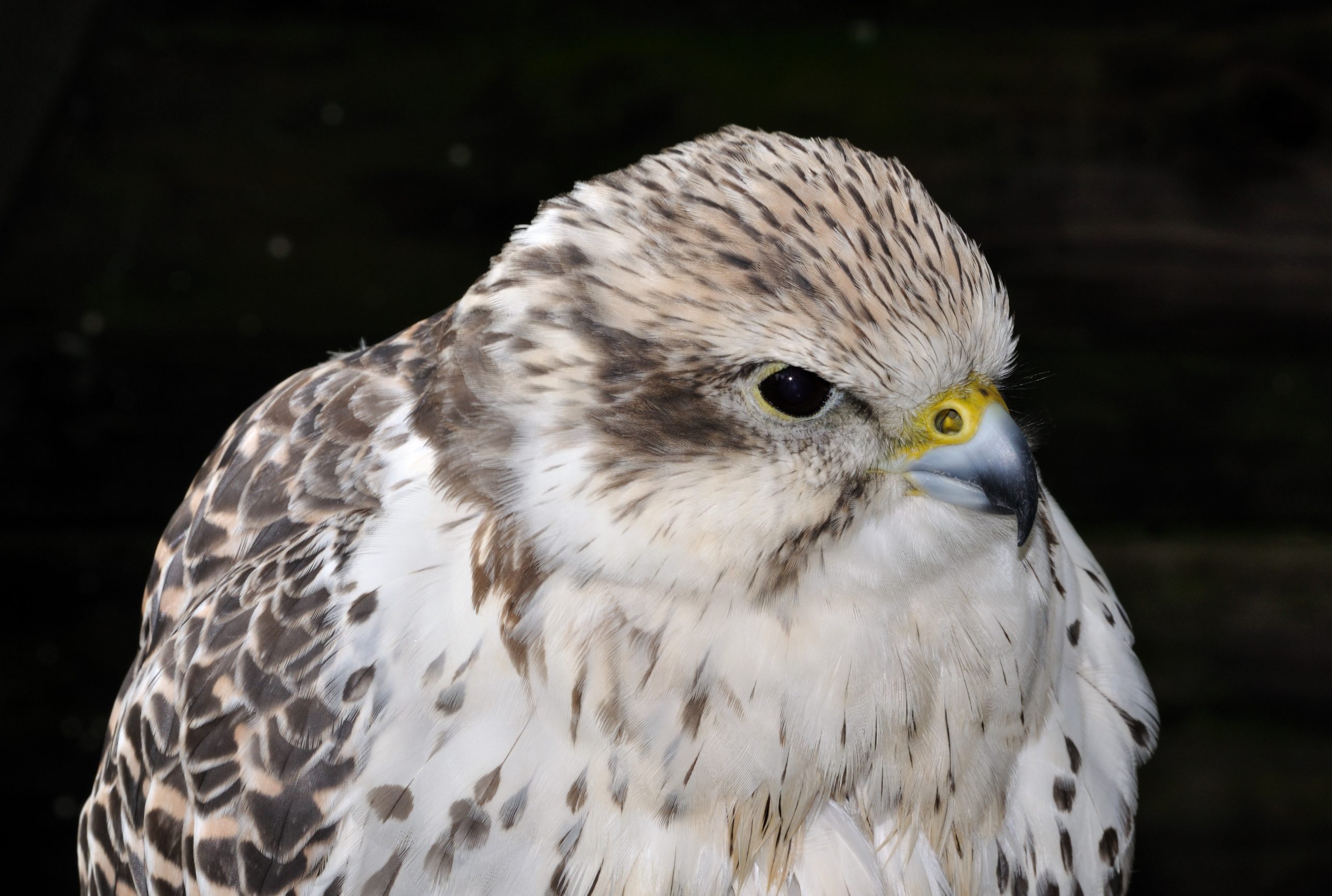
The saker falcon (Falco cherrug) has a long history in falconry in Central Asia and the Middle East. It is a strong, broad-winged falcon that can pursue birds in open country and may hunt small mammals in suitable habitats. Adults generally measure about 45 to 55 centimeters long, with wingspans around 1.0 to 1.3 meters; females are usually larger than males. Its build supports sustained pursuit rather than relying solely on the dramatic vertical stoop associated with peregrines. Sakers need skilled handling, regular exercise, and appropriate veterinary care. Because wild populations face conservation pressures, legal captive-breeding and possession rules are especially important.
7. American Kestrel
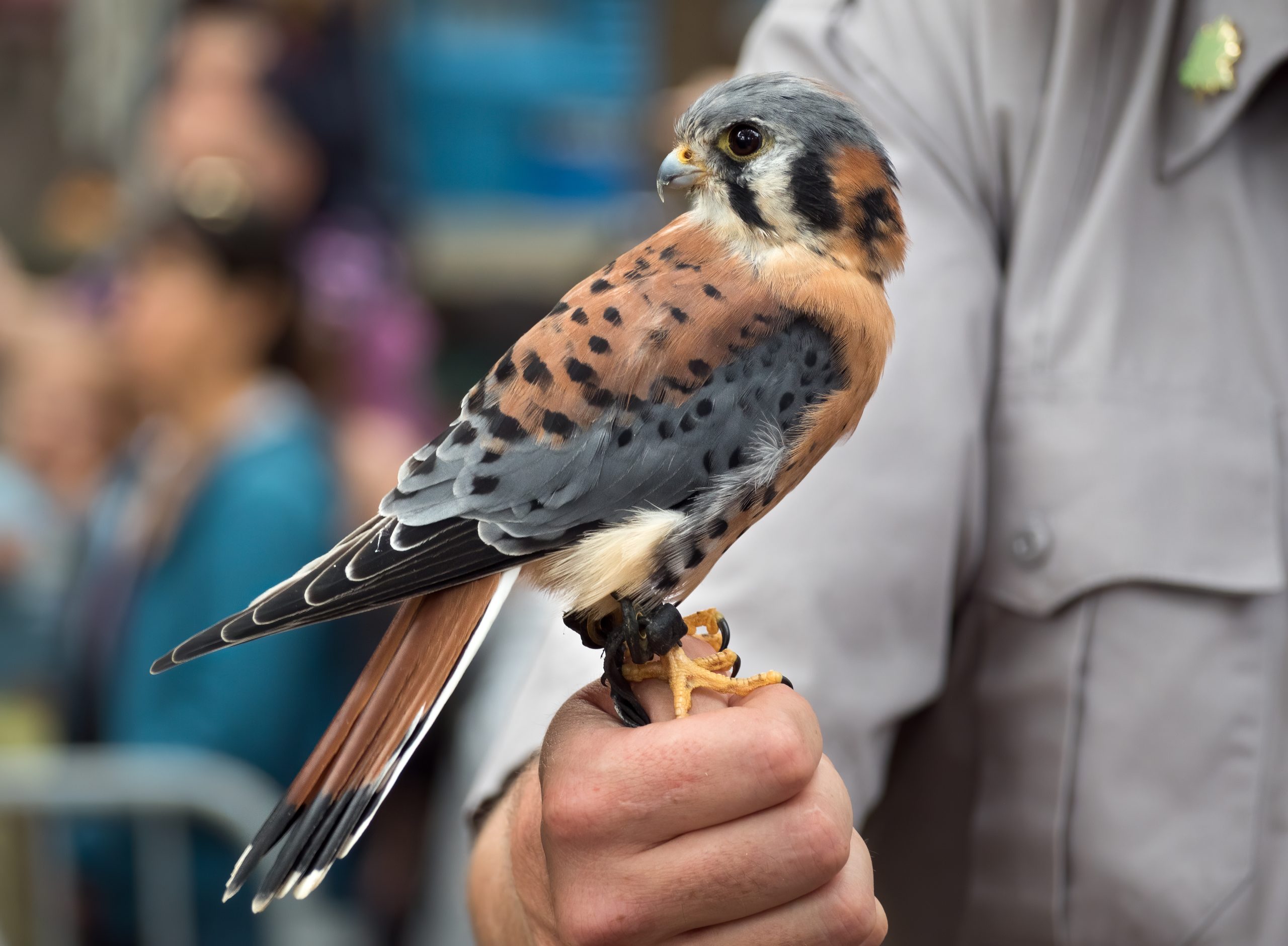
The American kestrel (Falco sparverius) is North America’s smallest falcon and a striking example of how a compact raptor can hunt efficiently. It often watches from a perch or hovers before dropping onto insects, small rodents, and other suitable prey. Adults are usually about 22 to 31 centimeters long, with a wingspan of roughly 51 to 61 centimeters. Their small size makes them fascinating to observe, but it also means they are delicate and can be vulnerable to poor handling, stress, or unsuitable weather. Some falconers train kestrels, though opinions differ about their suitability for beginners. They need specialized care, careful weight management, and legal authorization.
8. Golden Eagle
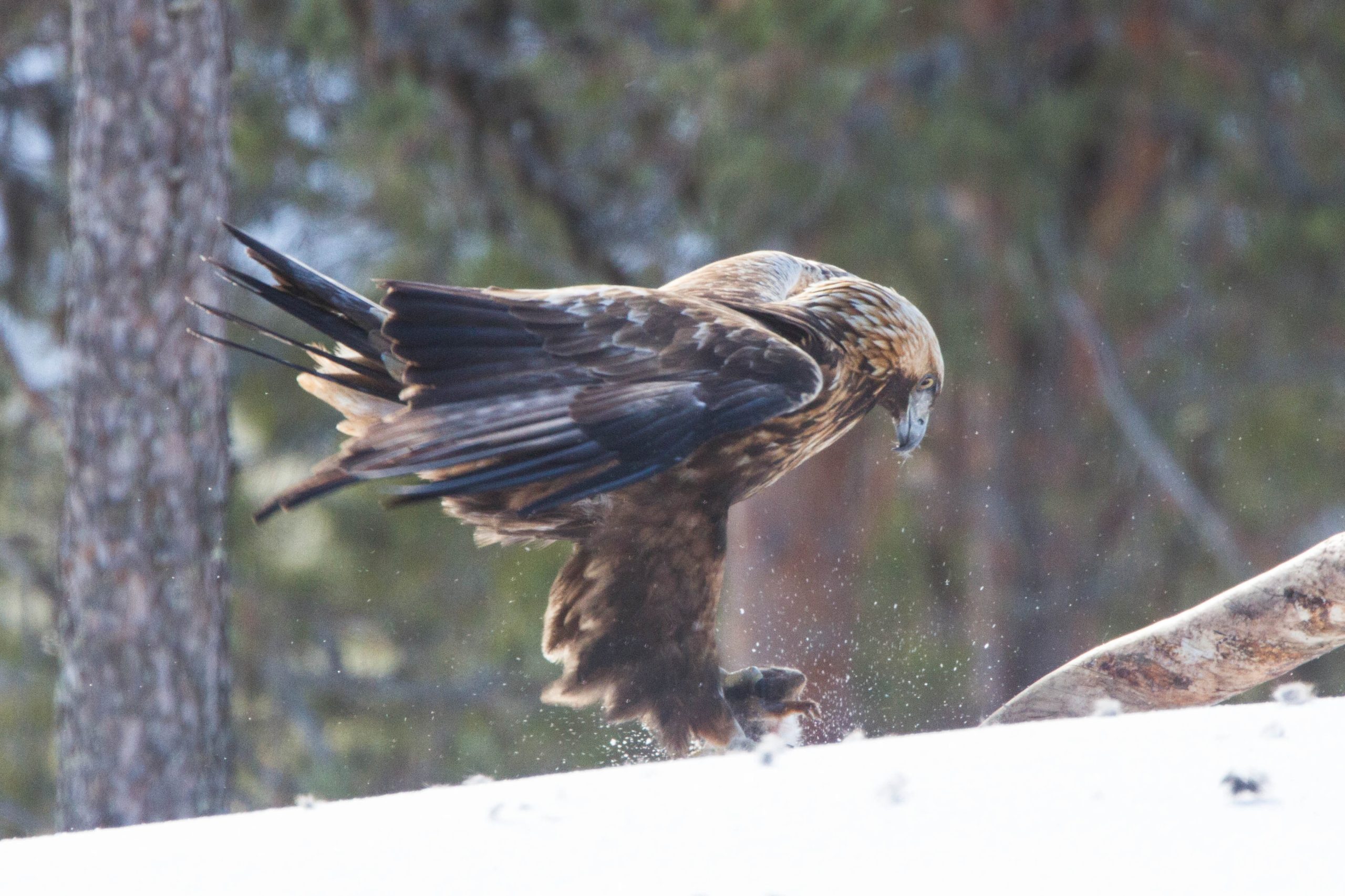
The golden eagle (Aquila chrysaetos) is a powerful raptor used in some traditional falconry cultures, particularly in parts of Central Asia. Unlike smaller hawks trained for rabbits or game birds, it has the strength to pursue larger mammals where such hunting is lawful and culturally established. Adults measure about 66 to 102 centimeters long, and their wingspans can reach roughly 1.8 to 2.3 meters. This impressive size comes with major responsibilities: golden eagles require extensive space, expert handling, substantial food, and specialist veterinary support. They are not suitable for casual ownership or inexperienced handlers, and strict permits may apply to their possession and use.