Most gun owners have heard of a dealer’s FFL. Far fewer know there is a federal license built specifically for collectors.
What the license actually is

The license in question is the Type 03 Federal Firearms License, better known as the Curio and Relic, or C&R, license. It is issued by the Bureau of Alcohol, Tobacco, Firearms and Explosives for people who collect qualifying historic firearms, not for people running a gun shop. That distinction is the whole story, and it is where most confusion starts.
According to ATF, a collector’s license applies only to transactions involving firearms classified as curios or relics under federal rules. ATF also says the license allows a collector to acquire eligible C&R firearms in interstate commerce and bring them back to the collector’s home state. In plain English, that is why people often describe it as the license that can let certain old guns ship directly to the collector.
The cost is one reason the license stays under the radar. ATF lists the Type 03 application fee at $30, and the renewal is also $30 for a three-year term. Compared with other firearms licenses, that is an unusually low barrier to entry, especially for people who are focused on collecting military surplus rifles, classic revolvers, or historically significant sporting arms.
Why people say it lets guns come through the mail
The phrase “through the mail” is catchy, but it needs context. The real benefit is that a licensed collector can receive qualifying C&R firearms across state lines without routing every purchase through a standard retail dealer, provided the firearm and the transaction are lawful under federal, state, and local law. That is a big deal for collectors who chase uncommon pieces from auctions, estate sales, and specialty sellers in other states.
Historically, many collectors associated the license with old surplus rifles showing up at the front door. That image is not entirely wrong, but it is incomplete. Shipping method matters, the type of firearm matters, and state law matters, so the license is not a magic bypass for all gun purchases.
ATF is also clear that the Type 03 license is limited in scope. It does not turn the holder into a dealer, and it does not apply to modern non-C&R firearms just because the buyer is licensed. The collector’s license is basically a narrow federal tool for building a lawful collection of eligible historic arms, not a shortcut into the commercial gun trade.
What counts as a curio or relic firearm

This is where the details get interesting. Federal regulations generally recognize curios or relics as firearms with special value to collectors because of qualities other than ordinary sporting use or offensive or defensive use. One major category includes firearms manufactured at least 50 years before the current date, not including replicas.
That 50-year rule is why so many mid-20th-century military firearms fall into C&R territory. A World War II service rifle, a Korean War-era handgun, or a Cold War bolt-action trainer may qualify simply because of age, assuming it remains in its original configuration. ATF also publishes a Curios or Relics list covering specific models and historically significant arms.
Original configuration matters more than many new collectors realize. A military rifle built in 1943 may qualify, but if it has been heavily sporterized, rebarreled, or otherwise substantially altered, its C&R status can become questionable. That is why experienced collectors look carefully at matching parts, arsenal markings, import marks, and whether a gun still reflects the characteristics that give it collector value.
What the license does not let you do

This is the most important section for anyone tempted by the idea of a cheap federal license. A Type 03 C&R license does not authorize you to engage in the business of dealing firearms. ATF says that plainly, and the regulation draws a bright line between collecting and operating as a seller for livelihood and profit.
That means you can improve your collection, trade pieces, and dispose of firearms as a collector, but you cannot use the license as a stand-in for a storefront or side-hustle gun business. If someone starts buying primarily to resell for profit, the federal government is going to view that very differently from a hobbyist who occasionally sells one rifle to fund another.
The license is also of no force or effect for non-C&R guns. If a firearm is not a curio or relic, the collector stands in the same position as any ordinary unlicensed buyer for that transaction. That is a point many people miss when they hear the words “federal firearms license” and assume broad privileges follow.
The paperwork and compliance side collectors need to respect
One reason serious collectors like the C&R license is that it creates a cleaner paper trail for a focused collection. But that also means recordkeeping matters. Licensed collectors are expected to maintain acquisition and disposition records, often called a bound book, for C&R firearms received and transferred under the license.
ATF’s application process for Type 03 licenses is simpler than for dealer licenses. ATF says onsite inspections are not required for C&R applicants in the way they are for most other FFL categories. Even so, the license is still a federal credential, and holders should treat it with the same seriousness they would give any regulated activity involving firearms.
The practical lesson is simple: know your state law, know whether the firearm actually qualifies, and document everything properly. Some states impose additional rules on possession, transfer, waiting periods, registration, or direct shipment. So while collectors often talk about federal privileges, the real-world experience depends on the overlapping rules where the buyer lives.
Why collectors love it anyway
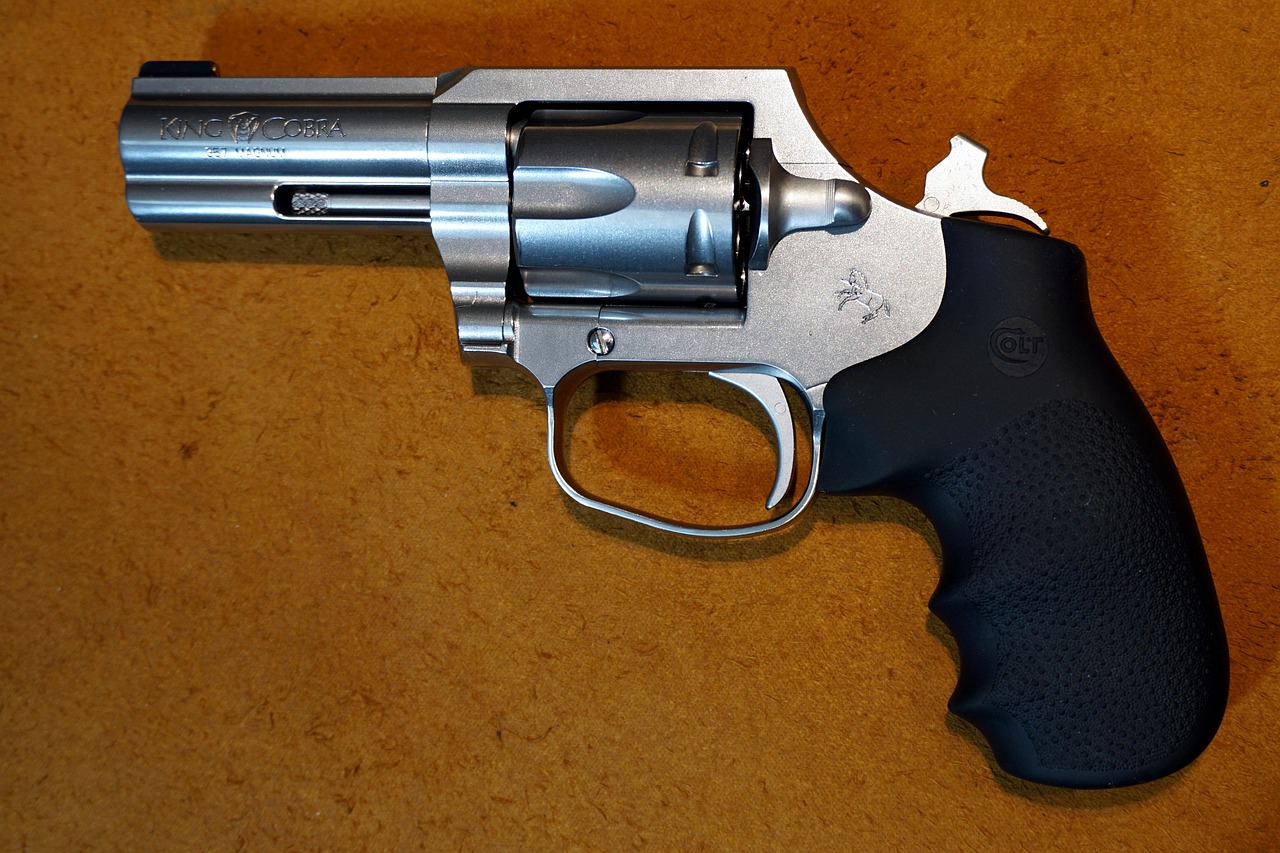
For the right person, the C&R license is one of the best values in the firearms world. It gives historians, military collectors, and enthusiasts of classic arms a more direct path to lawful interstate acquisition of eligible guns. If your passion is U.S. service rifles, pre-1970 revolvers, or European surplus arms, the license can save time and simplify transactions.
It also changes how collectors shop. Instead of limiting the search to whatever is sitting in a local rack, a licensed collector can browse specialized sellers, regional auctions, and estates with more confidence about interstate purchases of qualifying pieces. That broader reach can make the difference between owning a common example and finding one with real provenance or unusual markings.
There is also an educational upside. People who get serious enough to apply for a C&R license usually become more careful students of gun history, model variations, and federal definitions. In that sense, the license does more than facilitate purchases. It nudges collectors toward the habits that separate accumulation from true collecting.
The bottom line for anyone considering one
The Type 03 Curio and Relic license sounds mysterious, but it is really a narrow legal tool for a specific kind of enthusiast. If you want to collect qualifying historic firearms and you are willing to follow the recordkeeping and legal rules, it can be remarkably useful. If you want to buy and sell guns as a business, it is the wrong license, and using it that way is asking for trouble.
The best way to think about it is as a historian’s license, not a dealer’s license. It exists to help collectors acquire, hold, and dispose of eligible firearms that carry age, rarity, or historical importance. That is why it remains one of the most interesting corners of federal gun law, even if plenty of gun owners have never heard of it.
And yes, in the right circumstances, it can mean an old rifle or other qualifying C&R firearm arrives directly from out of state instead of going through the usual retail process. That is exactly why the license has fascinated collectors for decades. It is not broad; it is not glamorous, but for people who love firearms history, it is one of the most practical licenses in America.