Hunting regulations are not static. In 2026, federal agencies and states are revisiting access, equipment, seasons, ammunition, and other rules that shape how hunters can legally pursue game. Some changes are already proposed or finalized, while others remain active points of debate. These 12 issues show where existing rules are being tested by new technology, changing participation, wildlife-management needs, and different views about how hunting should be regulated.
1. Sunday Hunting Restrictions
Sunday hunting remains one of the most debated access rules because states treat the same issue very differently. Massachusetts still lists hunting on Sunday among prohibited activities, while the federal government in 2026 directed agencies to encourage states to expand Sunday hunting where legally possible. The question is whether a traditional day-of-rest rule fits modern hunting schedules. Supporters of change point to access and participation, while opponents can raise concerns involving land use, wildlife disturbance, and conflicts with other recreation. Changes still depend on state law and the species being hunted.
2. Lead Ammunition Restrictions
Rules governing lead ammunition are being reconsidered as agencies balance wildlife concerns with hunter choice, cost, and ammunition performance. In 2026, the U.S. Fish and Wildlife Service created voluntary lead-free incentives at 26 refuges across 19 states, offering payments of up to $50 per eligible rifle box. At the same time, federal policy limited when refuge-specific lead restrictions could be imposed, generally requiring documented scientific evidence or consistency with state or Tribal law. The debate is therefore moving beyond a simple ban-or-no-ban choice. Rules may differ by refuge, species, evidence, and management goals.
3. Electronic Calls for Game
Electronic calling devices remain a patchwork issue because their legality can change by species and state. Texas allows electronically amplified calls for game animals and game birds, but specifically excludes migratory game birds from that allowance. Massachusetts, meanwhile, prohibits electronic calls for migratory birds, wild turkey, and deer. The question is whether technology gives hunters an advantage beyond traditional calling. Regulators must also consider fair chase, species behavior, enforcement, and conservation. A device legal for one hunt can therefore be illegal on another, even within the same state.
4. Baiting on Public Land
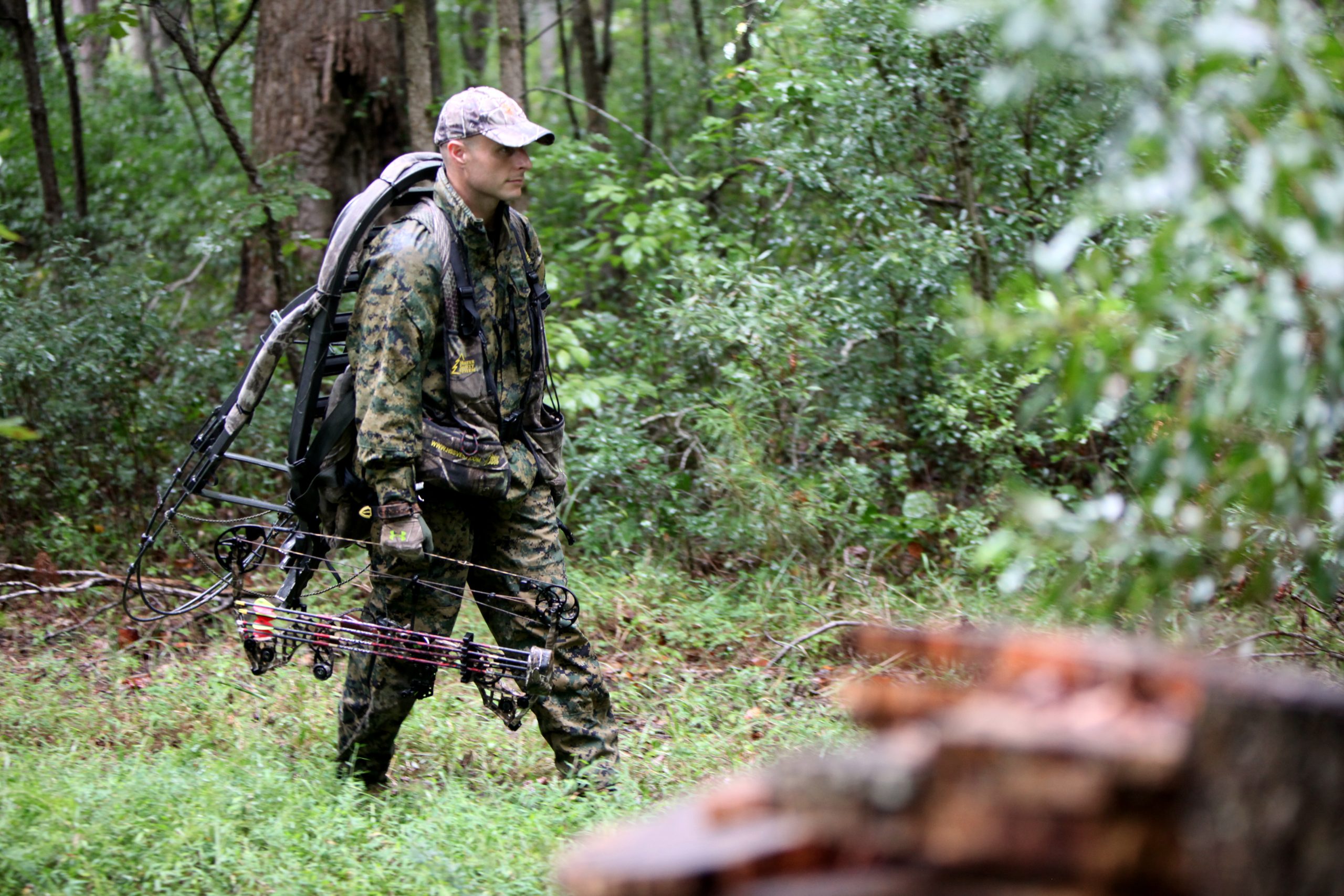
Baiting rules are being questioned because private and public lands often operate under very different standards. Texas, for example, permits baiting for several game categories but states that baiting is unlawful on most public property, with site-specific rules requiring additional checks. Supporters cite concerns about wildlife concentration, disease transmission, fair chase, and hunter conflicts. Others argue that regulated baiting can improve access and hunter success without harming populations when properly controlled. The challenge is writing rules that account for species, habitat, property status, and disease risks.
5. Night-Vision and Thermal Equipment

Thermal scopes and night-vision devices are creating new questions about where the line should be drawn between modern equipment and prohibited advantage. Their legality varies sharply by species, state, land type, and purpose. Some jurisdictions allow advanced optics for predators or nuisance animals while restricting them for traditional big-game hunting. Regulators must consider identification, shot safety, fair chase, and enforcement of time-of-day rules. As thermal equipment becomes more common, agencies face pressure to explain when digital optics remain legal under specific hunting rules and seasons. This makes equipment wording increasingly important.
6. Sunday and Extended Hunting Hours
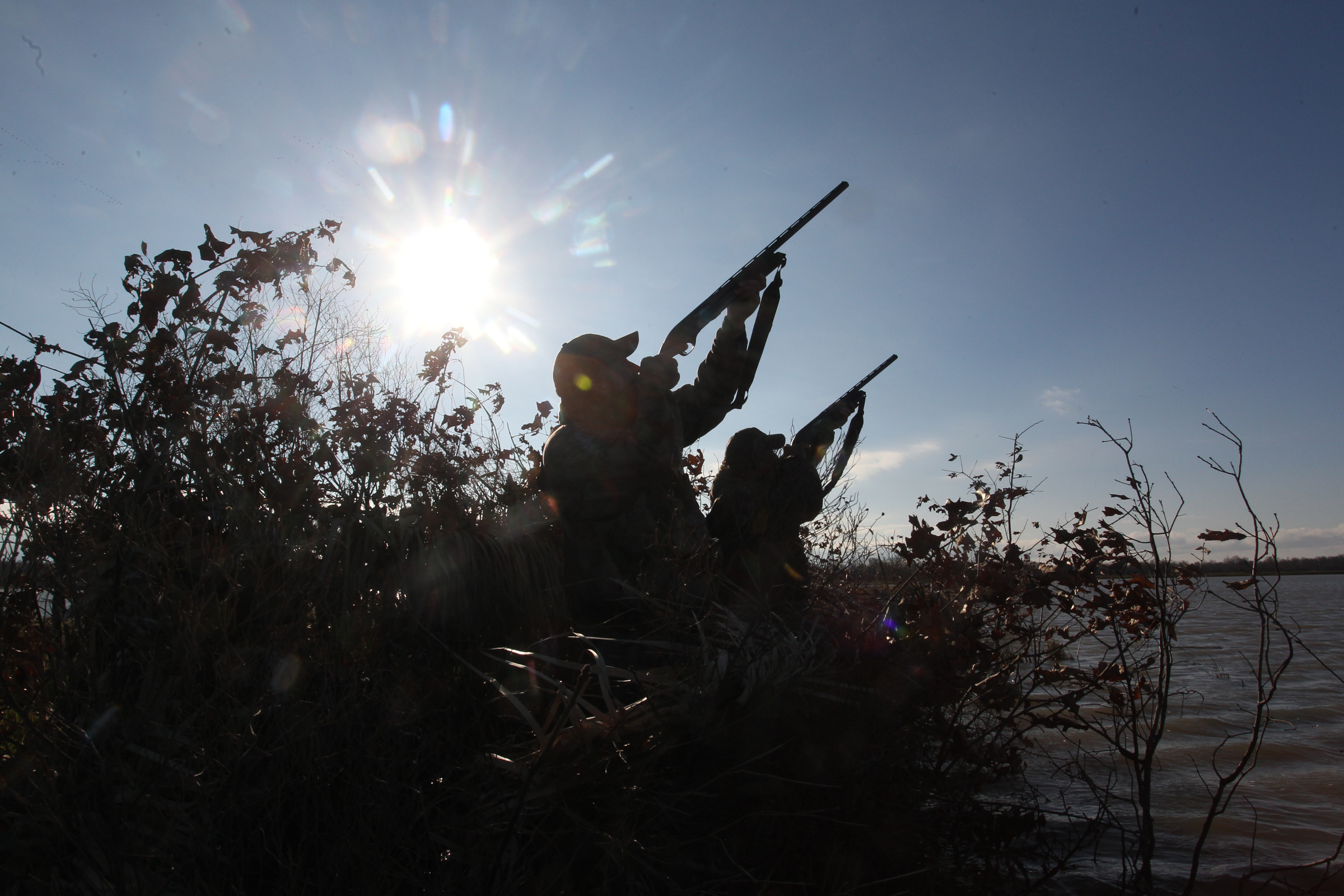
Rules limiting hunting hours are also under scrutiny as agencies examine whether older schedules match current wildlife-management needs. Federal migratory bird conditions for 2026 continue to specify shooting hours, season dates, areas, and bag limits, while states set detailed rules within those boundaries. Changing work patterns and technology can create pressure for additional hours. Yet extending legal shooting time can also affect safety, identification, enforcement, and wildlife disturbance. The question is how much flexibility hunters should receive without weakening safety and biological safeguards. Even a change of several hours can significantly alter when hunters enter and leave the field.
7. Hunter Education Requirements
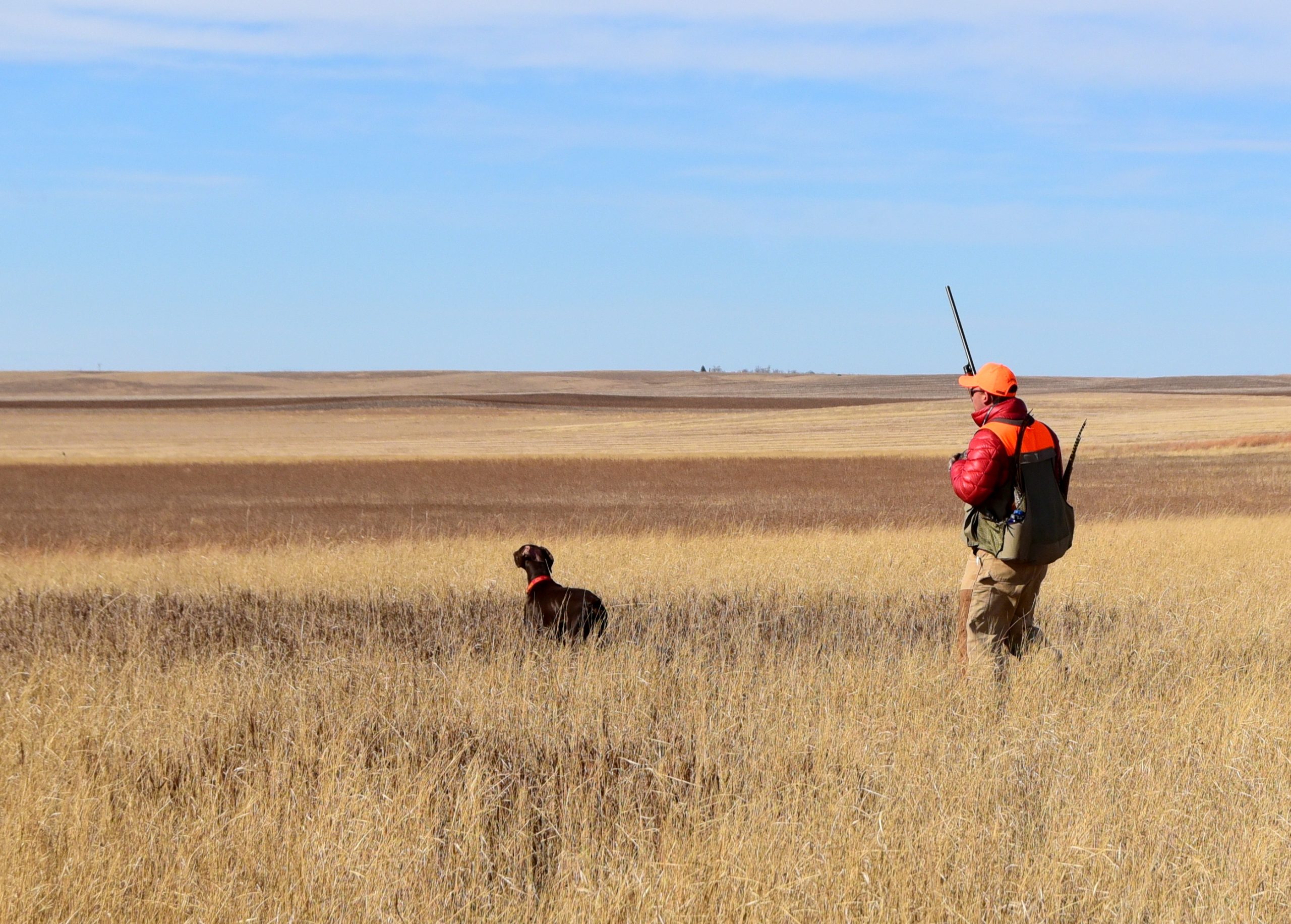
Mandatory hunter education is another rule being discussed as states try to recruit new participants without weakening safety standards. Requirements differ by age, residency, hunting method, and experience, so a new hunter may face different obligations after crossing a state line. This can make interstate hunting especially confusing. The debate matters as agencies seek to attract people who did not grow up hunting. In 2026, federal policy specifically called for identifying opportunities to cultivate hunting among young Americans and veterans. The challenge is preserving safety training while making licensing easier to understand and complete.
8. Restrictions on Hunting From Vehicles
Rules governing hunting from vehicles remain controversial because accessibility, safety, and fair chase can point in different directions. Texas currently allows hunting certain animals from a motor vehicle or floating device on qualifying private property, while other situations remain restricted. Rules elsewhere can differ by species, land ownership, disability accommodations, and vehicle status. Mobility aids add another layer. Regulators must distinguish reaching a hunting location from using a vehicle to locate or take game. Clear definitions matter because small wording differences can change what conduct is legal. The same vehicle can therefore be treated differently depending on the property and species involved.
9. Bows, Crossbows, and Equipment Seasons
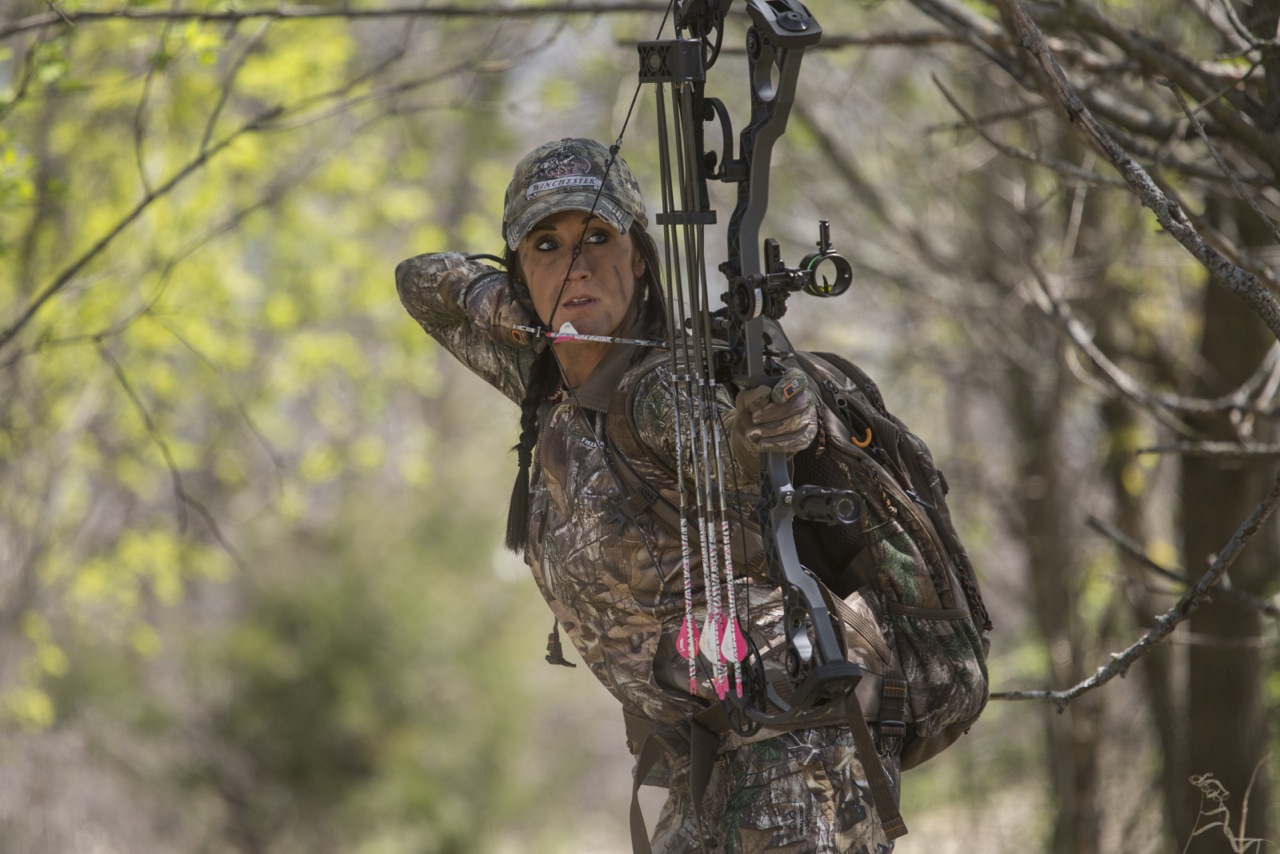
Separate archery and crossbow rules continue to raise questions about equipment, opportunity, and season structure. States may establish different seasons for conventional bows, crossbows, muzzleloaders, and firearms, with variations in draw weight, broadhead design, or mechanical features. Broader equipment access can increase participation, while managers must consider harvest rates and species behavior. Federal refuge rules are also being reviewed in 2026 to identify outdated or unnecessary restrictions. The question is whether equipment rules should stay tightly defined as technology changes while still keeping seasons predictable. Even small equipment changes can affect licensing and season eligibility.
10. Access Rules on Federal Refuges

Hunting access on national wildlife refuges is being actively reconsidered. The Interior Department proposed more than 1,450 new or expanded hunting and fishing opportunities across 111 stations in 32 states, along with more than 500 regulatory revisions or deletions. Restrictions do not disappear automatically. Refuge hunts must remain compatible with conservation purposes and federal law. The issue is how much station-specific regulation remains. Agencies are reviewing whether restrictions remain justified by biology, safety, law, or refuge purposes. The proposal includes opportunities at 107 national wildlife refuges and 4 national fish hatcheries, making access a major 2026 regulatory issue.
11. Migratory Bird Season Rules

Migratory bird hunting rules are changing in how they are established, even though biological limits remain important. In August 2026, the Fish and Wildlife Service finalized a process using annual Migratory Game Bird Hunting memoranda instead of repeating full federal rulemaking each year. The memoranda establish conditions such as season dates, shooting hours, areas, and daily bag and possession limits. The change reduces repetitive administrative work while retaining annual science-based decisions. The question is whether the streamlined process makes rules easier to follow while preserving public understanding. The 2026 memorandum covers the framework states and Tribes use when setting their seasons.
12. State Versus Federal Hunting Authority
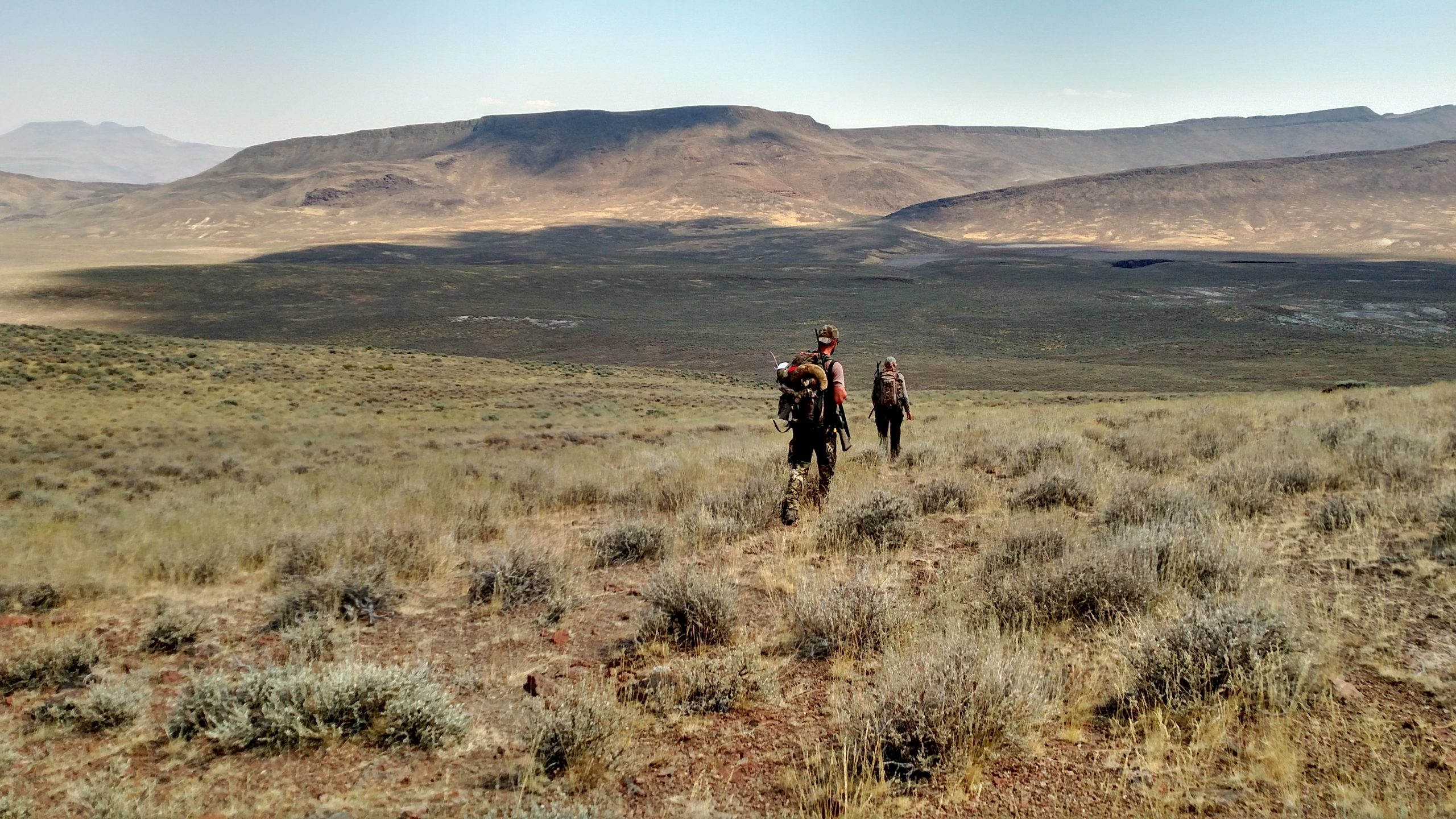
The biggest question behind many hunting rules is who should have the final say. Federal agencies can establish requirements on federal lands or for federally protected and migratory species, while state wildlife agencies generally manage resident game under state law. In 2026, federal policy has pushed for greater alignment between federal and state hunting frameworks. That does not erase federal statutes or land-specific responsibilities. It raises a question about where national standards are essential and where state rules should provide detail. Hunters increasingly need to understand both layers before entering the field, particularly when one hunt involves federal land and state-managed wildlife.