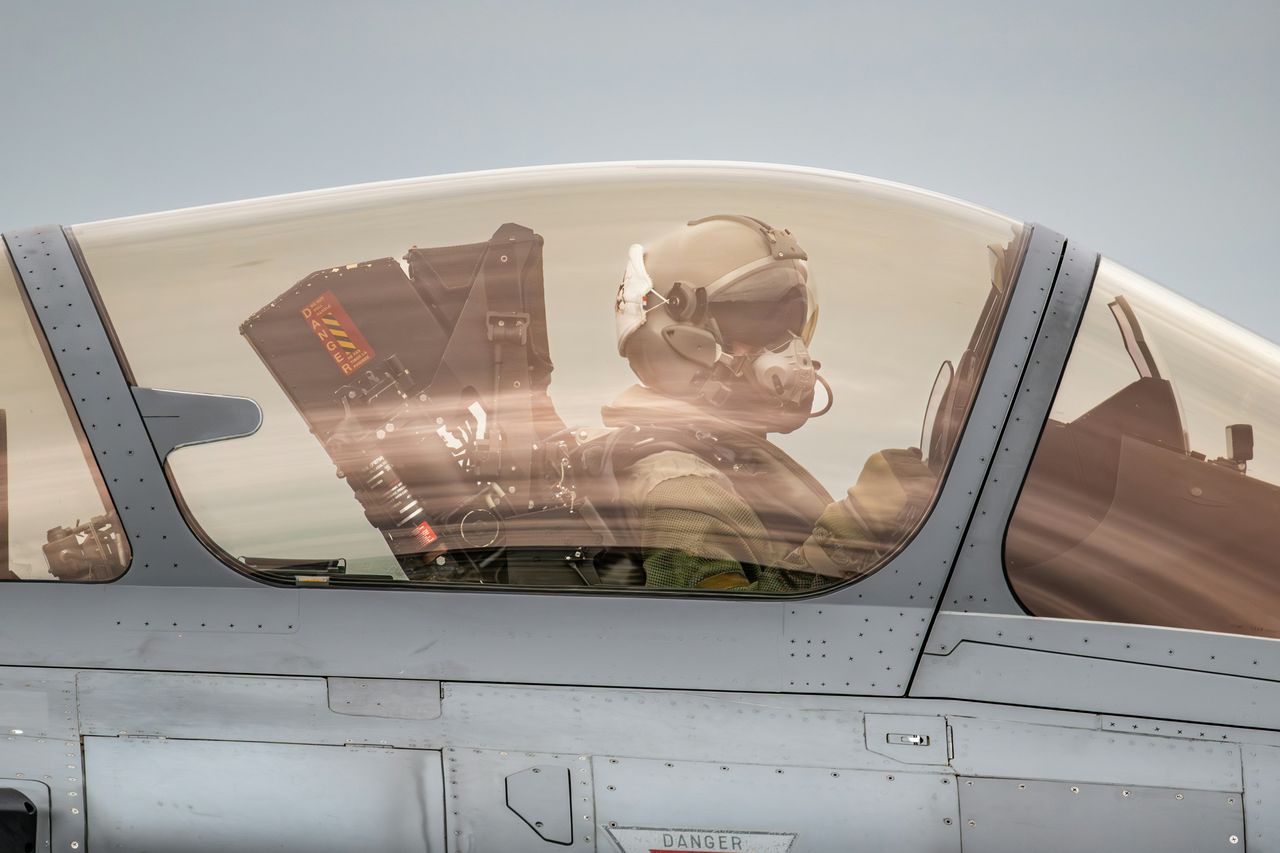
He kept falling out of the sky and somehow kept coming back. That alone would be enough to make Robert E. Galer unforgettable.
The Man At The Center Of The Story
If you want a real-world answer to the headline, Robert E. Galer is one of the strongest examples. Galer was a United States Marine Corps aviator, a Medal of Honor recipient, and one of the most important Marine fighter leaders of the Pacific war. Marine Corps history and the Congressional Medal of Honor Society both place him at the center of the air battle over Guadalcanal, where his reputation was forged.
Galer was born in Seattle in 1913 and entered the Marine Corps in the 1930s, earning his wings before the United States entered World War II. By the time America was fully engaged, he was already the kind of pilot the service trusted with hard assignments. That matters, because surviving three shoot-downs is never just a story about escape. It is also a story about why someone kept being sent back into the worst fighting.
He was not a daredevil in the cartoon sense. He was a disciplined combat leader who combined aggression with technical skill, and that made him dangerous in the air and valuable on the ground.
Why Guadalcanal Was So Deadly

To understand how Galer survived repeated shoot-downs, you have to understand the environment he flew in. Guadalcanal was one of the ugliest air campaigns of the Second World War, with Marine pilots operating under constant pressure, thin logistics, and frequent combat against experienced Japanese aviators. According to Galer’s Medal of Honor record, he led Marine Fighter Squadron 224 during sustained operations in late August and September 1942.
This was not occasional contact with the enemy. It was a grinding cycle of interception, escort, and defense over sea and jungle, often at high altitude and with little margin for error. Pilots who got hit might ditch in open water, crash in dense terrain, or come down near hostile forces. Survival depended on more than parachutes. It depended on where you fell, who saw you go down, and how fast help could move.
Galer’s squadron still managed remarkable results. His unit was credited with destroying 27 enemy aircraft during the period cited for his Medal of Honor, a measure of how relentlessly they were being tested.
What Being Shot Down Really Meant

People often hear “shot down” and imagine one neat cinematic moment. Real air combat was messier. A pilot could be hit by fighters, torn up by ground fire, forced into a crash landing, or pushed to bail out over water. In Galer’s case, multiple historical accounts agree that he was shot down three times during World War II and survived each one.
That survival was not magical. It came from training, aircraft knowledge, physical toughness, and split-second decision-making. Pilots learned how long they could stay with a damaged airplane, when to bail out, how to ditch, and how to avoid turning a bad hit into a fatal one. The difference between panic and procedure was often the difference between life and death.
Combat pilots also carried a hard mental truth: the airplane was expendable, but the pilot had to keep thinking. Men who survived were often the ones who could stay methodical while everything around them was breaking apart.
The Skills That Kept Him Alive
So how did Galer keep surviving? First, he was an exceptionally experienced aviator. By the time he became famous, he already understood aircraft behavior, emergency handling, and the rhythm of combat flying. Experienced pilots recognized the signs of catastrophic damage early, conserved energy in a wounded aircraft, and bought themselves precious seconds to escape.
Second, he flew as part of a system, not as a lone wolf. Even the best fighter pilot depended on wingmen, radios, rescue efforts, and unit coordination. When a pilot went down, survival odds improved if others saw the descent, marked the location, or could report it quickly. In the Pacific, that could mean the difference between recovery and disappearance.
Third, he had unusual toughness. Later accounts of his career note that even after repeated crashes and combat stress, he kept flying and leading. That resilience was physical, but it was also emotional. Some men survived a shoot-down once and never psychologically came back. Galer did.
He Was Still Flying Years Later
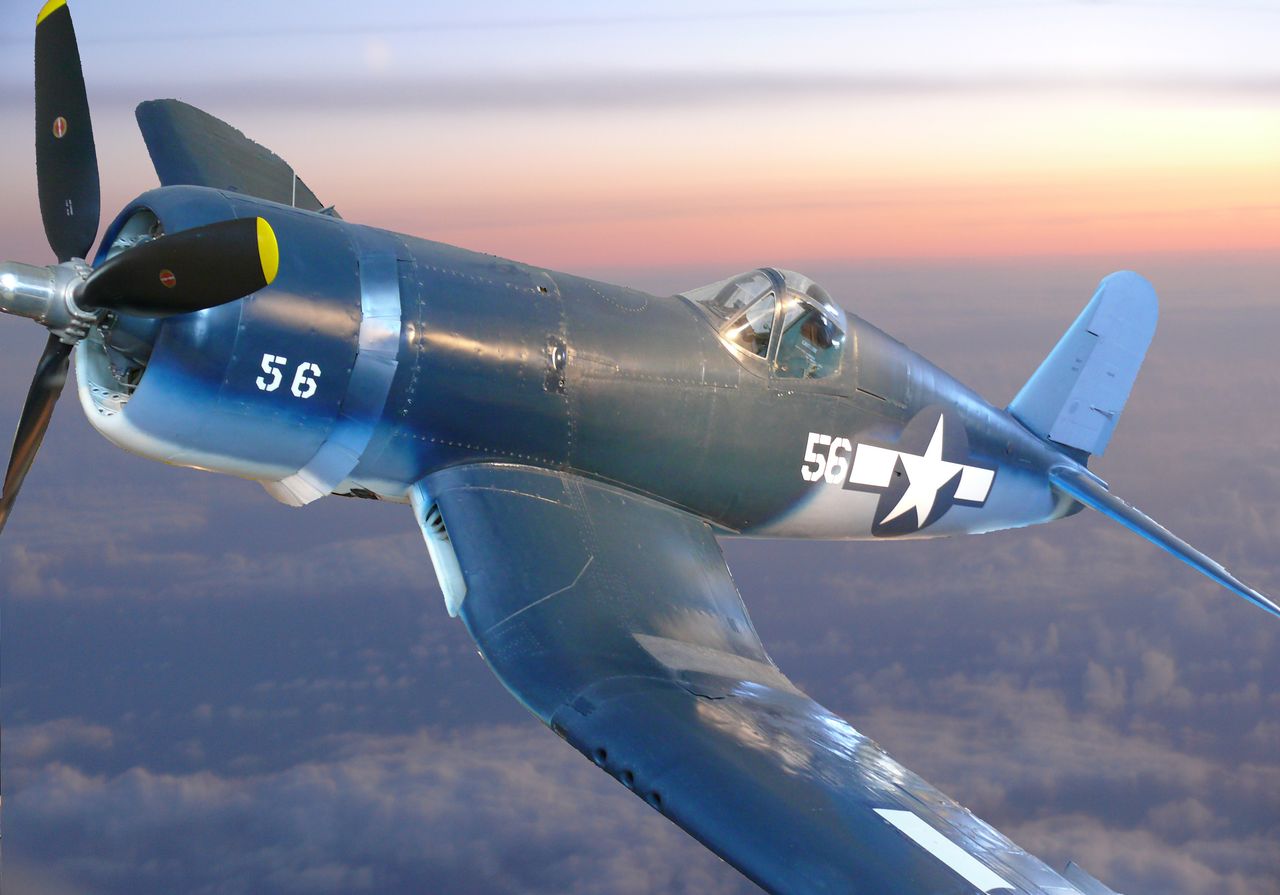
The most revealing part of Galer’s story is that surviving three wartime shoot-downs did not end his exposure to danger. After World War II, he continued his Marine Corps career, and during the Korean War he was shot down again, this time by anti-aircraft fire in 1952 while leading an attack near Wonsan, according to Marine Corps history. He was later rescued by helicopter.
That fourth survival changes the way you read the first three. It suggests a pilot who was not merely lucky in one campaign, but one who had built habits that traveled with him from war to war. He understood risk, but he also understood mission discipline and survival procedure at a level few people ever will.
It also reminds us how primitive combat rescue could still be. In 1942, rescue in the Pacific was uncertain and often improvised. By Korea, helicopters had begun to change the odds, though not by much and never safely.
Luck Was Real, But It Was Not The Whole Story
No honest account of surviving multiple shoot-downs can leave luck out of it. A shell fragment an inch to the left, a crash angle slightly steeper, a rescue delayed by weather, and the story ends differently. Galer benefited from chance because every combat pilot did. The men who lived were skilled, but they were also operating inside a universe of brutal randomness.
Still, luck alone does not explain repeated survival. The Los Angeles Times and Marine historical accounts both portray Galer as the kind of pilot who could absorb punishment, keep his head, and return to command. That combination is rare. Plenty of brave men were shot down once and killed. Plenty of skilled men never got the chance to prove themselves again.
What stands out is repetition. When someone survives disaster multiple times, you are looking at a mix of preparation, instinct, and composure under pressure that goes beyond ordinary courage.
Why His Story Still Matters

Galer’s story endures because it strips away the romance and leaves the substance. Air combat was not just speed and heroics. It was exhaustion, fear, mechanical failure, anti-aircraft fire, and the constant possibility that the next hit would be the last. Surviving three shoot-downs did not make him invincible. It proved how narrow the line was between survival and death.
It also shows what military leadership looks like when it is earned in the hardest possible way. Galer did not become a legend through publicity. He became one because he stayed in the fight, led from the front, and kept coming back after experiences that would have ended almost anyone else’s war.
That is the real answer to the title. One fighter pilot survived being shot down three times because he had skill, nerve, discipline, and just enough luck to let those qualities matter.