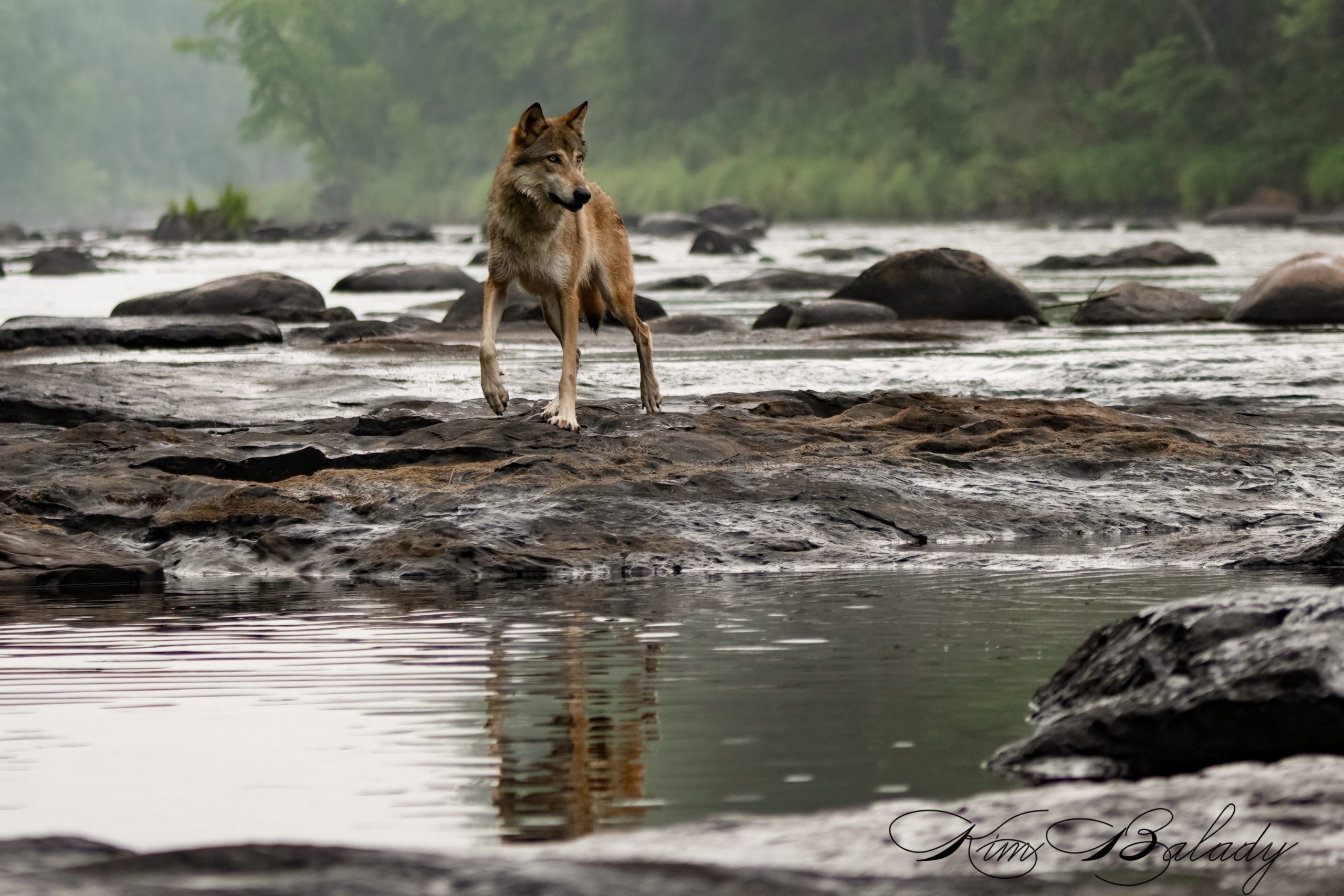
Wolf hunting is entering a complicated period in the United States. Population recovery, changing wolf ranges, livestock conflicts, court decisions, and shifting federal and state responsibilities could all influence what hunters are allowed to do. Some states already have established hunting systems, while others are managing newly established populations under different rules. Here are 10 questions that could shape the future of wolf hunting and determine how wildlife agencies handle this controversial predator in the years ahead.
1. Will More States Gain Authority Over Wolf Hunting?
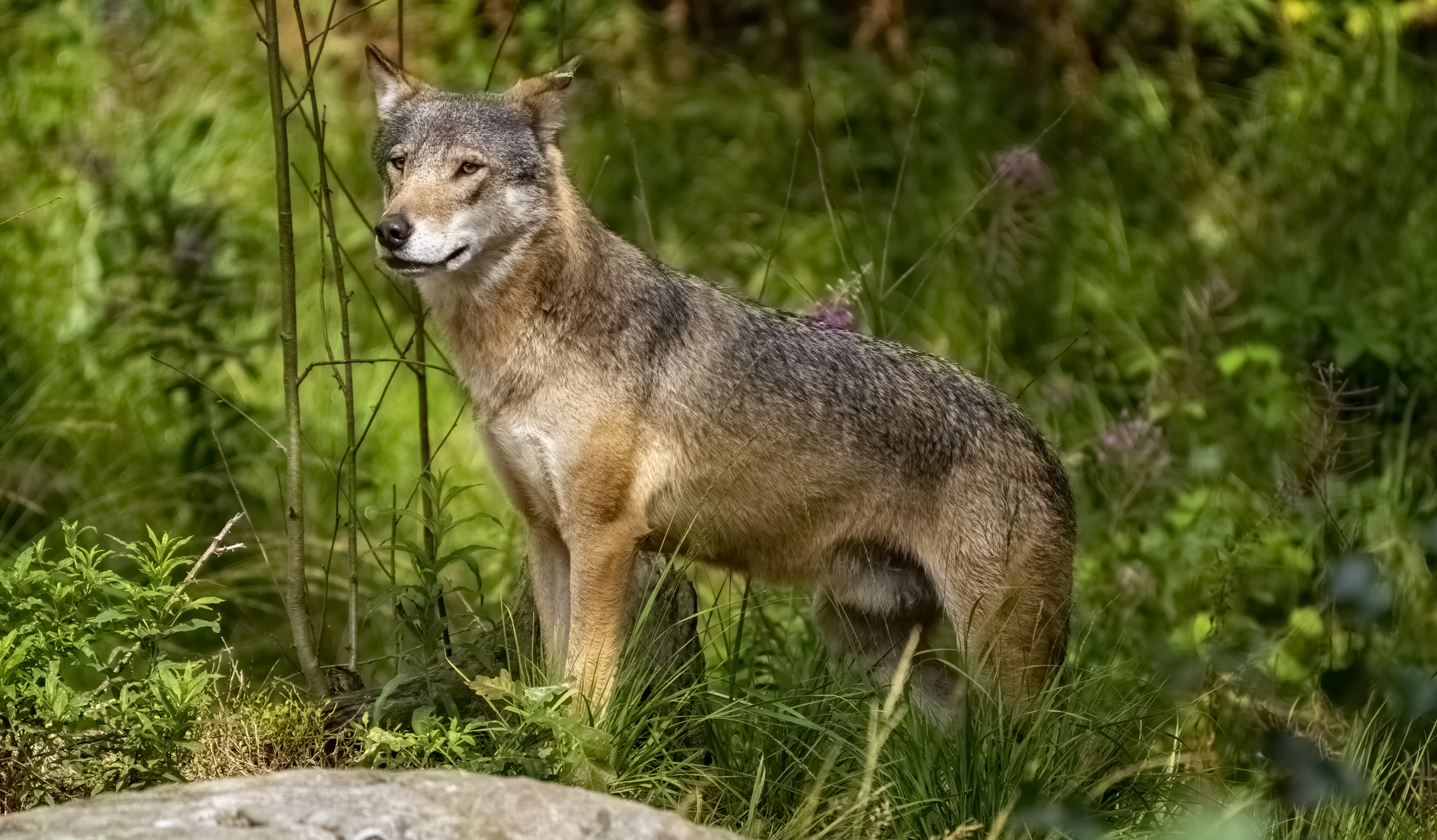
The legal status of wolves remains the biggest question surrounding future hunting opportunities in the United States. After earlier federal delisting actions, court decisions restored Endangered Species Act protection to wolves in much of the lower 48, while the Northern Rocky Mountain population remains under state management. As of September 2026, the U.S. Fish and Wildlife Service says wolves are federally protected in most of the contiguous 48 states. Any future change could shift authority toward state wildlife agencies, but that would not automatically create hunting seasons. Each state would still need its own rules, seasons, quotas, and monitoring system.
2. How Will Wolf Numbers Affect Harvest Rules?
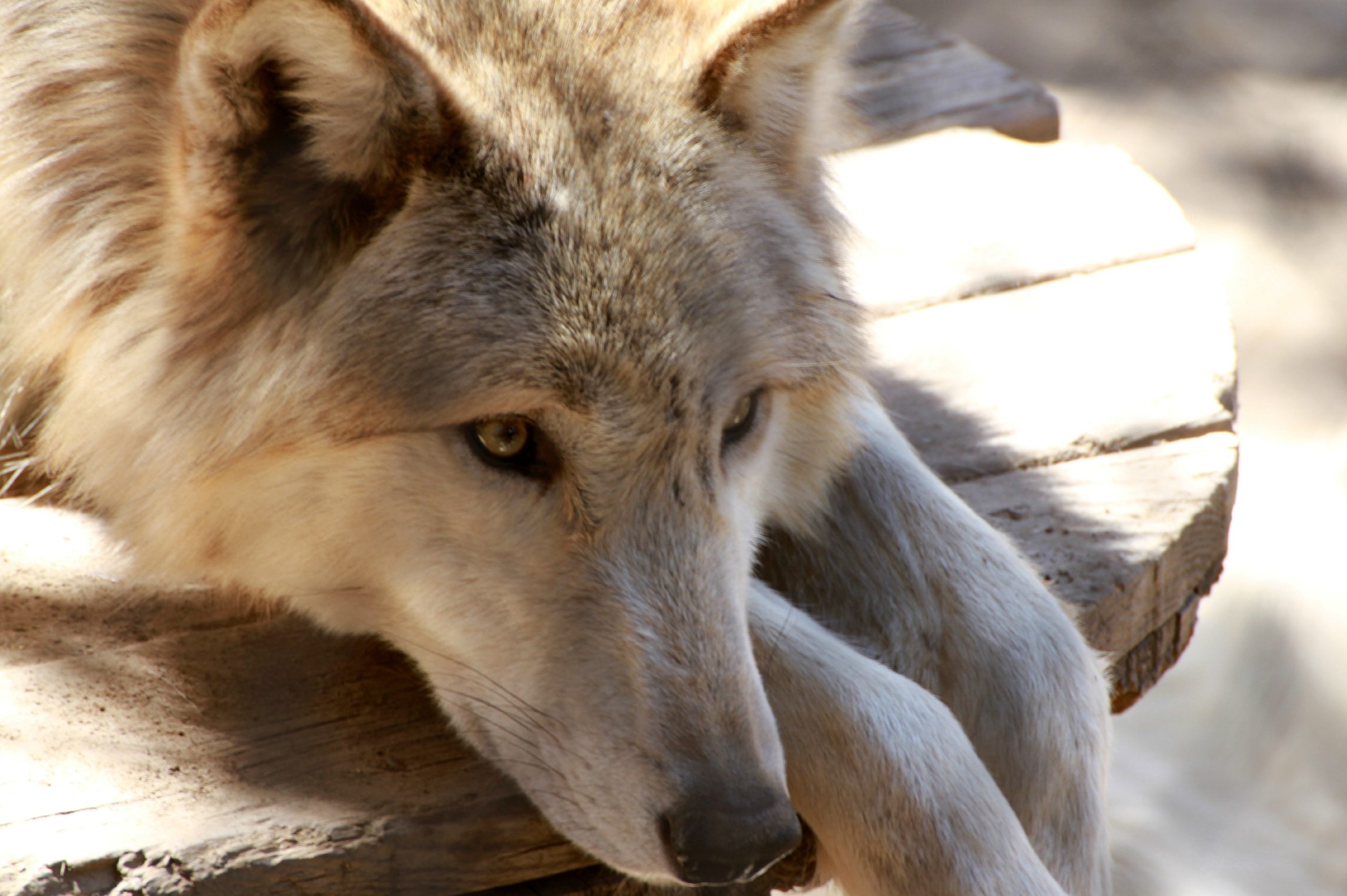
Future hunting rules will depend heavily on population size, distribution, and biological monitoring rather than a single national target. Wildlife agencies examine reproduction, pack structure, mortality, territory, prey availability, and breeding animals before setting harvest controls. A state with 1,000 wolves could approach management differently from one with 200, even if both allow limited hunting. The key question is not simply how many wolves exist, but how many can be removed while maintaining a stable population. Montana’s 2026 rules, for example, allow licensed hunters to take wolves under specified limits, with a regional cap in Region 3.
3. Could Hunting Expand Into New Wolf Territory?
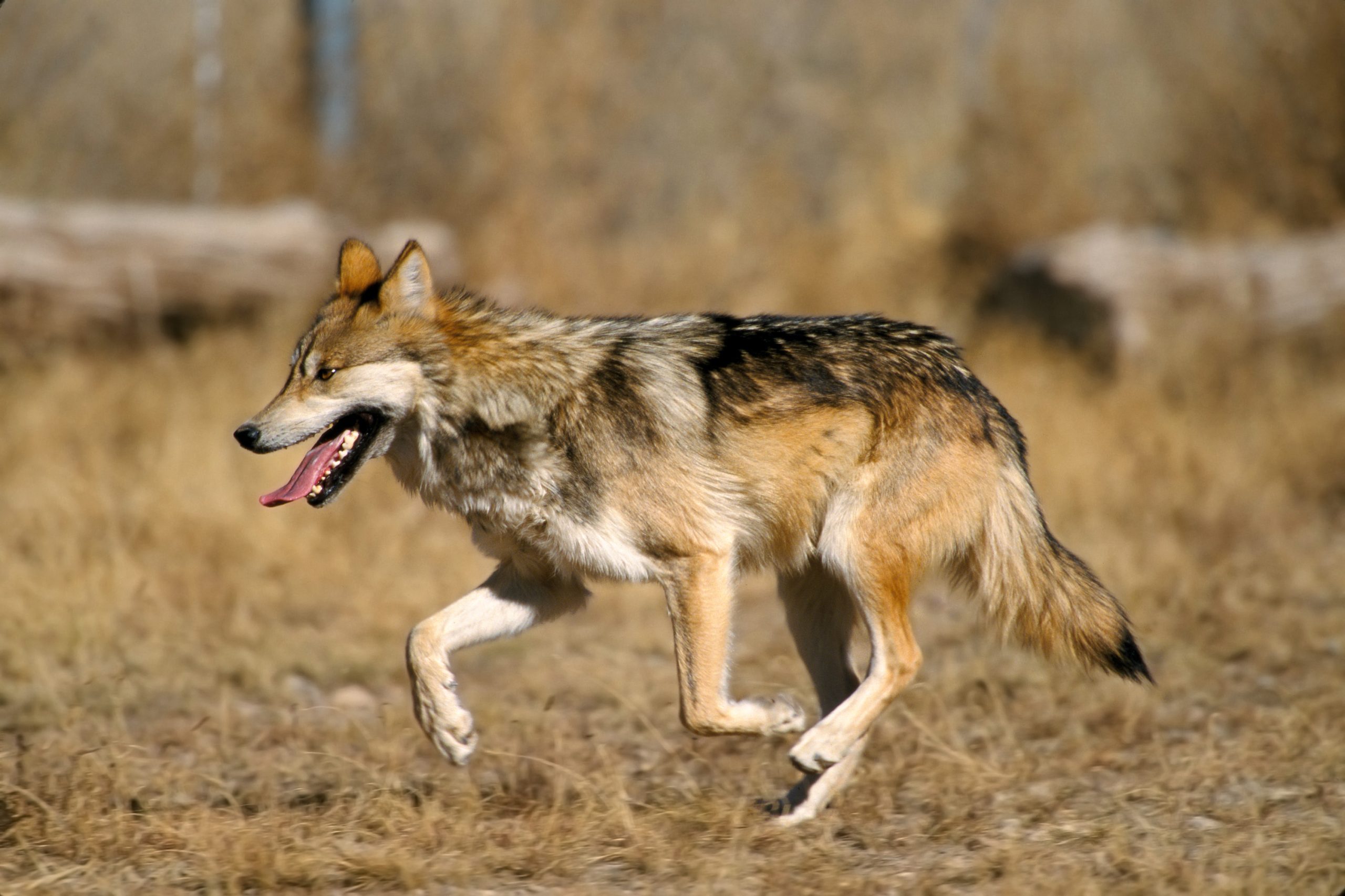
Wolf range is changing, creating another uncertainty for future hunting. Wolves have recolonized parts of the West and expanded into areas such as Colorado, where a federal experimental-population rule governs specific management actions. When wolves establish themselves in new areas, agencies must balance population growth, livestock conflicts, public safety, and conservation requirements. A newly established population may receive different protections from a long-established one. That makes a single nationwide approach difficult. Colorado’s 2026 federal review sought information about conflict prevention, livestock losses, wild ungulates, and the state’s implementation of wolf management measures.
4. How Much Will Livestock Conflict Matter?
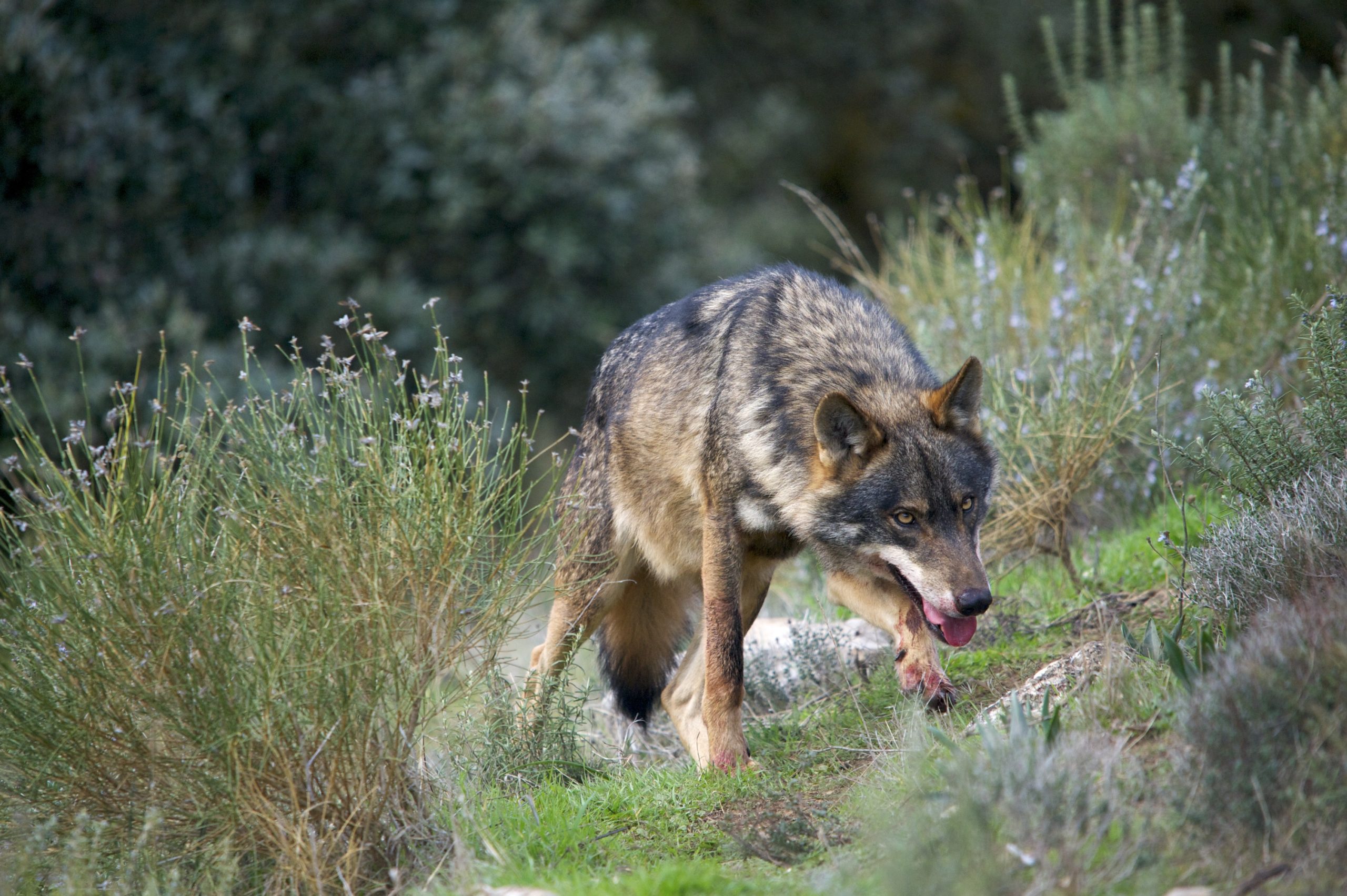
Livestock losses could strongly influence wolf-management decisions. Ranchers and wildlife officials may document confirmed depredations, investigate incidents, and use nonlethal measures before considering lethal control where the law permits it. The issue becomes more complicated when repeated attacks occur or compensation programs face financial pressure. In April 2026, the U.S. Fish and Wildlife Service said verified wolf-livestock depredations in Colorado had exceeded available compensation funds. That does not automatically create a hunting season, but it shows why conflict management is likely to remain closely connected to future wolf policy.
5. Will Wolf Hunting Remain Separate From Trapping?
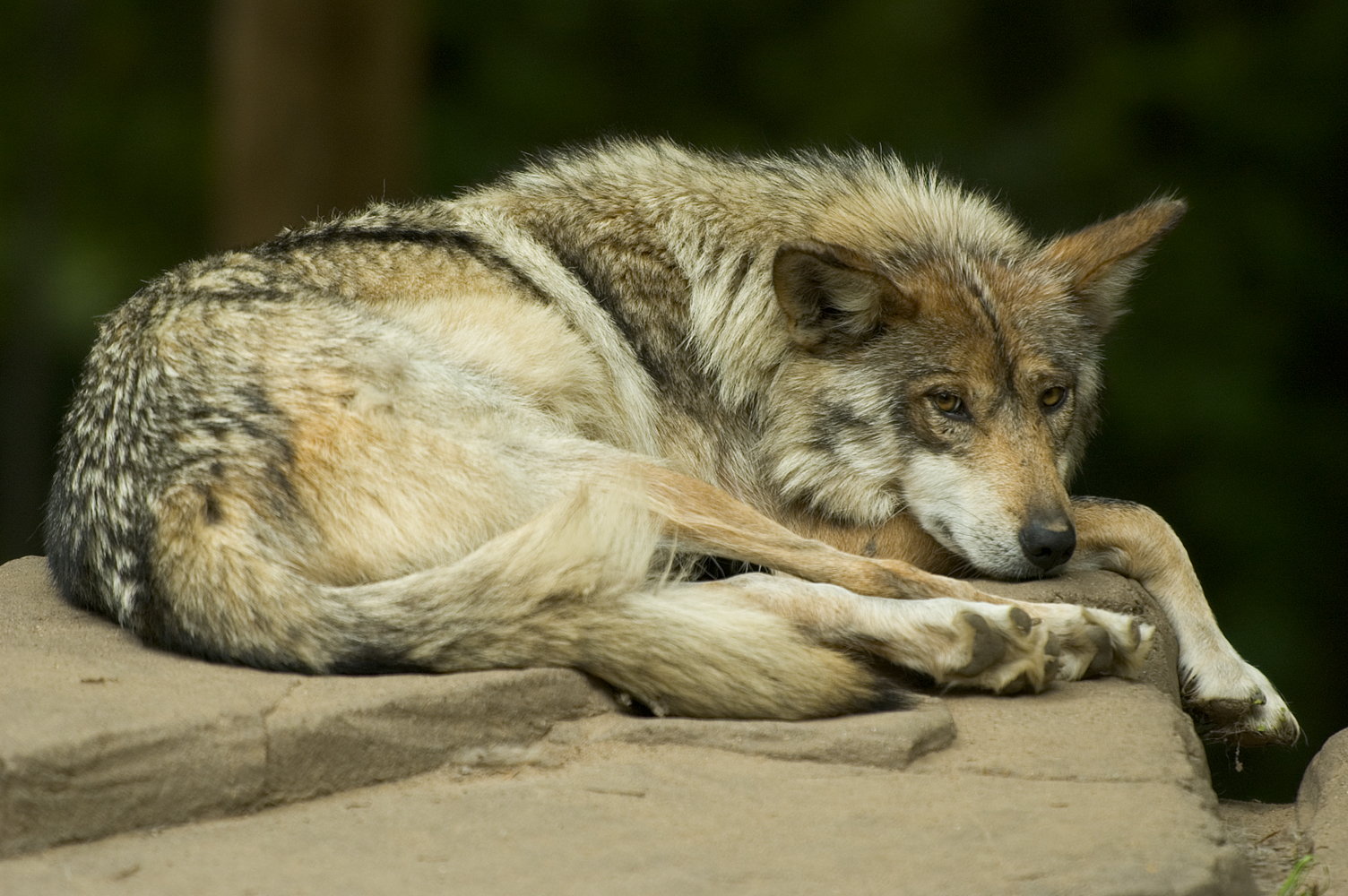
Hunting and trapping may remain separate activities, even when both affect wolf numbers. Different seasons, equipment rules, reporting requirements, training standards, and bag limits can apply to each method. Montana’s 2026 regulations illustrate the distinction: licensed hunting and trapping have separate provisions, while first-time wolf trappers must complete a certification course. Harvest reporting also matters because agencies need timely information to compare actual take with biological limits. If managers adjust wolf numbers, they may change hunting and trapping rules independently rather than treating every form of human-caused mortality as one category.
6. How Will Public Attitudes Shape the Rules?
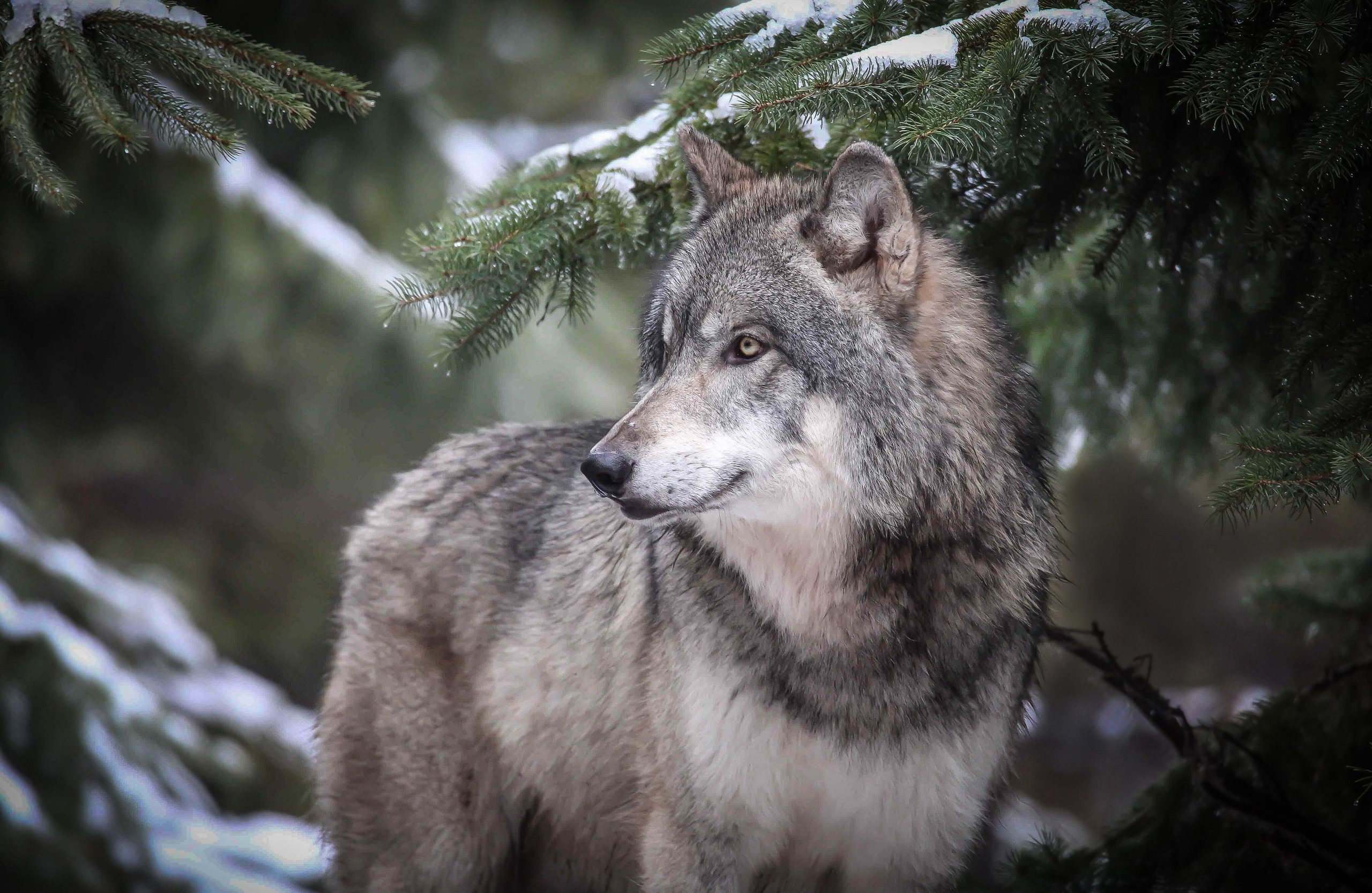
Wolf hunting is unusual because the animal carries strong cultural and ecological significance for different groups. Hunters may focus on game populations and predator numbers, while ranchers may emphasize livestock losses and rural impacts. Conservation groups can place greater weight on connectivity, genetic diversity, and viable wolf populations. State agencies must consider these interests while following federal law and scientific requirements. The U.S. Fish and Wildlife Service has described stakeholder dialogue as part of its approach to wolf recovery and coexistence. Public input is therefore likely to remain an important part of future decisions, particularly during 2026 and beyond.
7. Could Federal Court Decisions Change Everything?
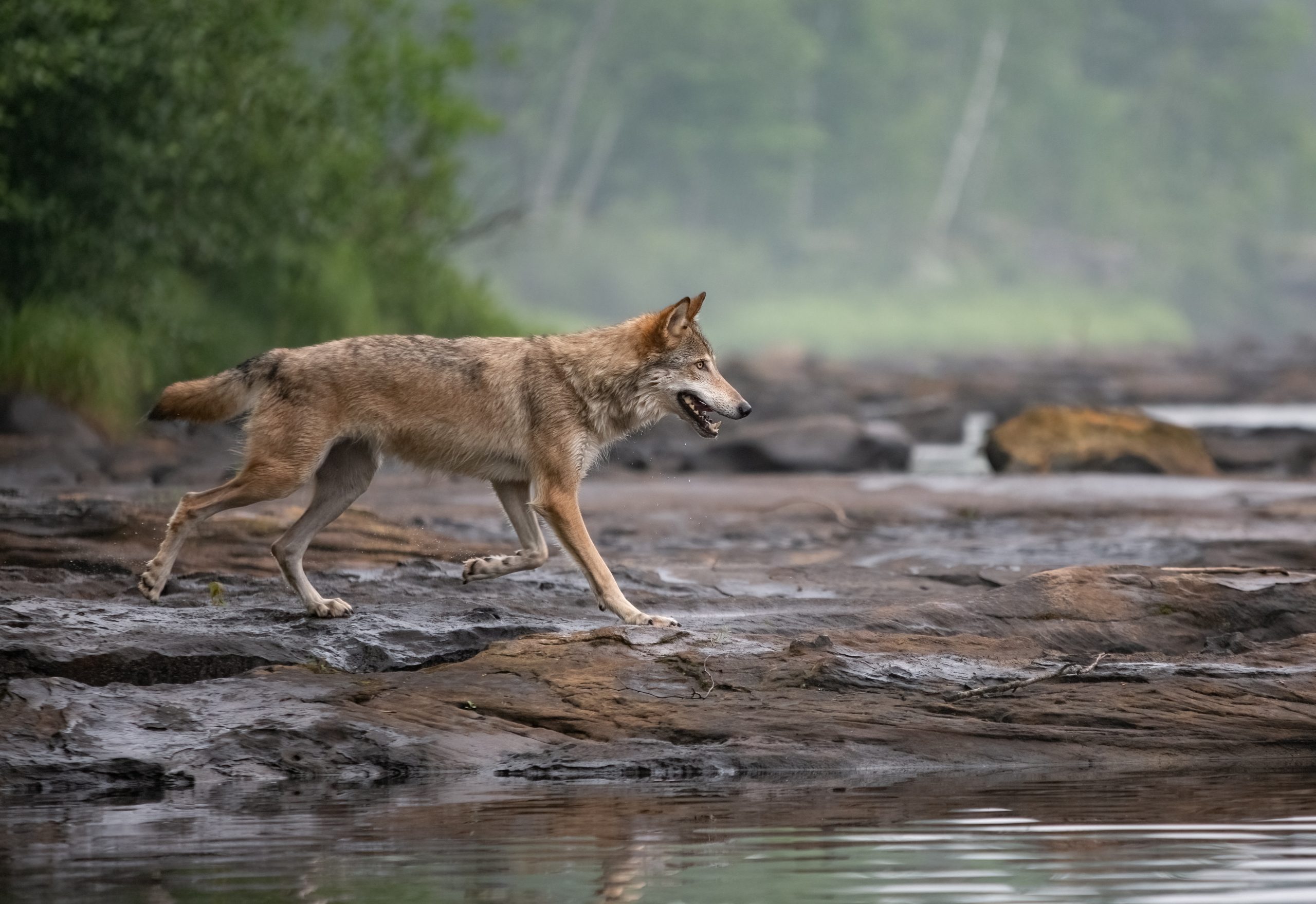
Court decisions have repeatedly affected wolf management, making litigation another major uncertainty. A rule that appears settled can change when a federal court reviews the legal basis for delisting, listing, or management authority. The history of gray wolves shows how quickly responsibility can move between federal and state systems. The Fish and Wildlife Service currently states that wolves in most of the lower 48 remain protected under the Endangered Species Act following a 2022 court order. Because legal status determines which agency can authorize different forms of take, future lawsuits could directly affect whether, where, and how wolf hunting is permitted.
8. What Role Will Science Play in Setting Quotas?

Scientific monitoring will remain central if wolf hunting expands or changes. Agencies need estimates of population size, breeding success, survival, pack distribution, and harvest before deciding how many animals can be taken. Monitoring can combine radio collars, trail cameras, genetic samples, field observations, and reported harvests. No single method gives a perfect count, so agencies often compare several sources before changing regulations. The five-year post-delisting monitoring period described by the Fish and Wildlife Service also shows why population tracking matters after protections change. Future quotas are likely to depend on updated field data.
9. Could Wolf Hunting Affect Deer and Elk Management?
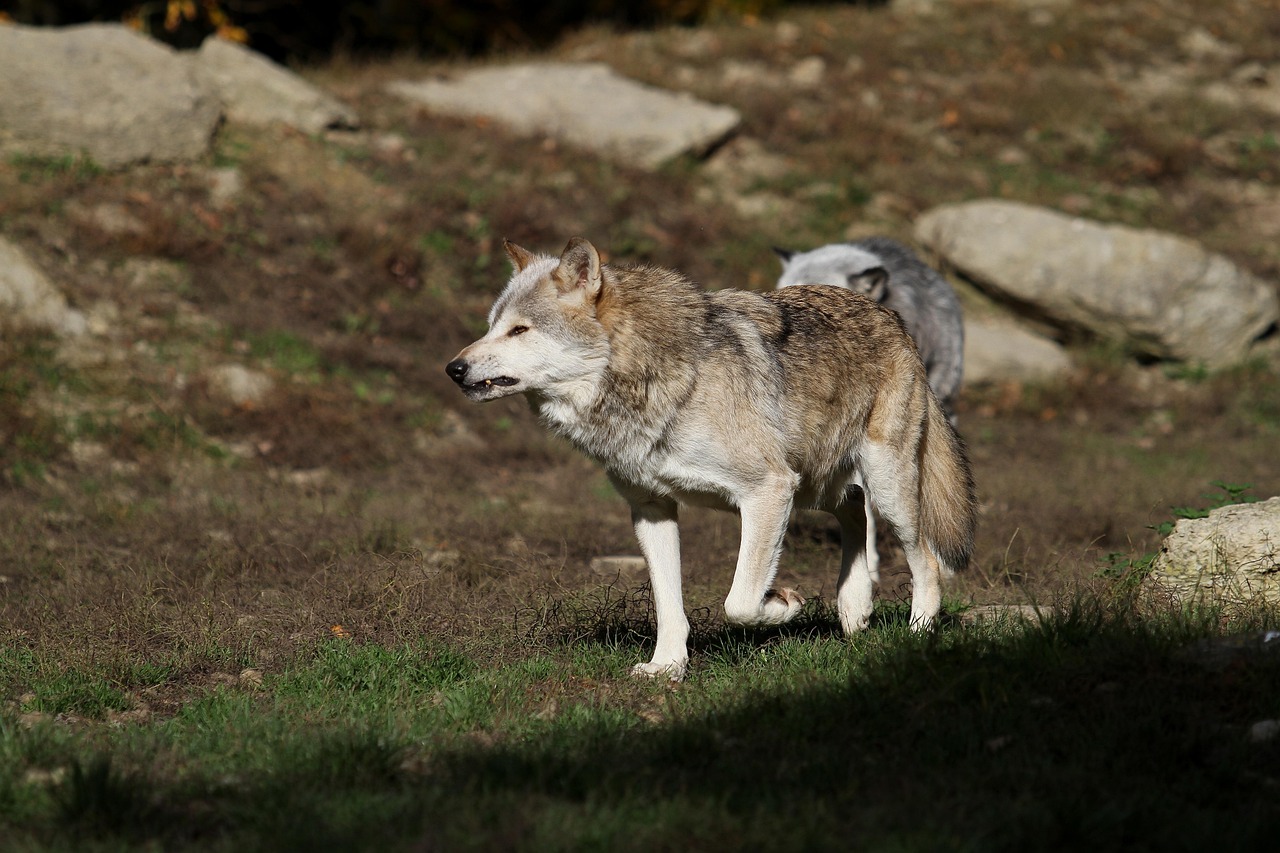
The relationship between wolves and ungulate populations will remain closely watched. Wolves prey on deer, elk, moose, and other animals, but predator effects vary with habitat, weather, prey abundance, disease, and other predators. A decline in deer or elk cannot automatically be attributed to wolves without examining those factors together. Agencies may still consider wolf distribution when managing hunted game species. Colorado’s 2026 federal information request specifically asked about potential effects of its experimental wolf population on wild ungulate herds and populations. That connection will likely remain part of future management discussions.
10. What Will the Next Decade of Wolf Hunting Look Like?
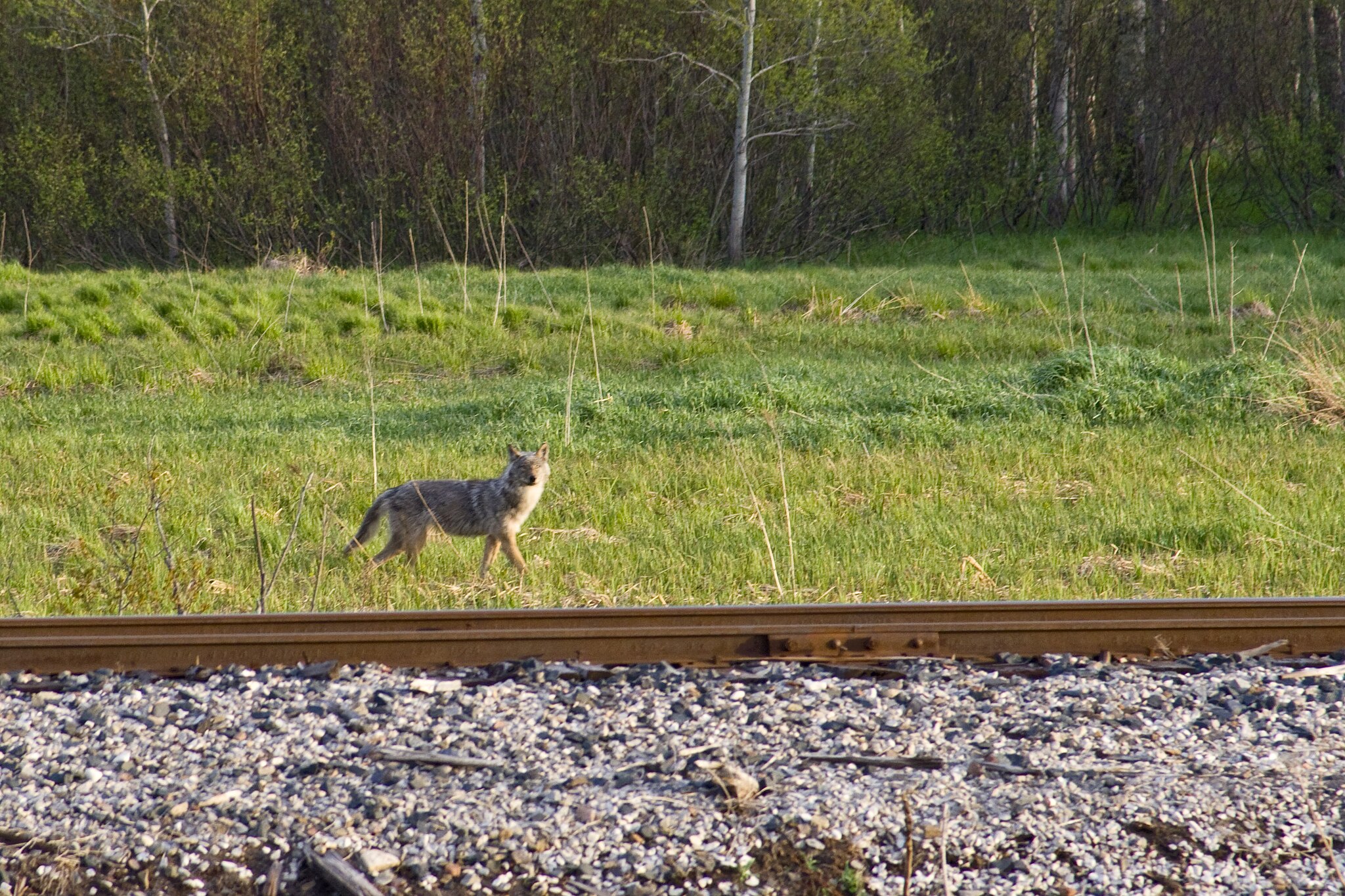
There may not be one national answer to the future of wolf hunting. The next decade could produce a patchwork of rules shaped by federal court decisions, population trends, state management plans, new wolf territories, livestock conflicts, and public input. Some states already have established systems, while others are dealing with newly returning populations under different legal frameworks. Montana’s 2026 season, for example, includes an archery period beginning September 5 and a general season running from September 15 through March 14, 2027. Future seasons could change as agencies gather more data and legal responsibilities evolve.