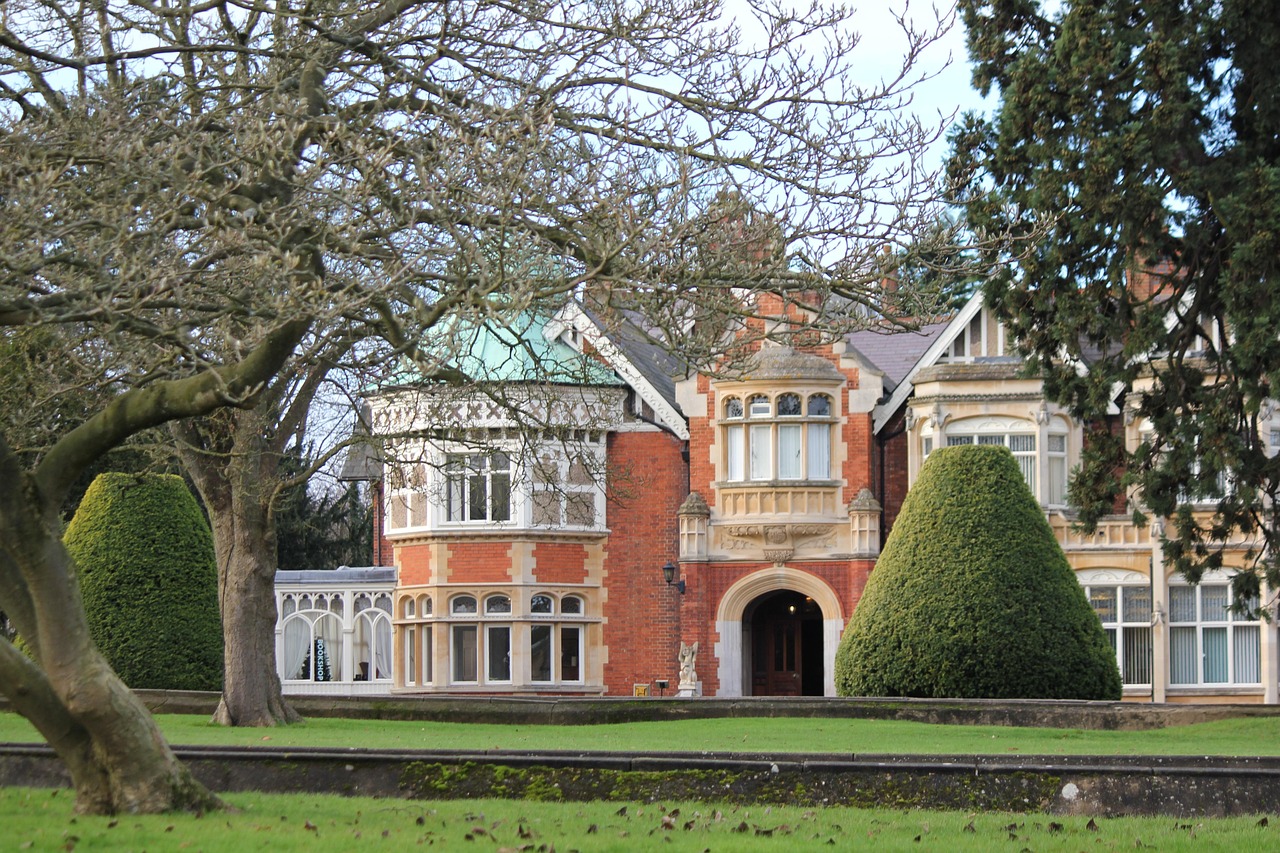
Some wartime victories happened with tanks and bombers. Others happened in quiet rooms filled with paper tape, logic, and people who refused to believe “unbreakable” meant impossible.
Why This Code Was Different From Enigma
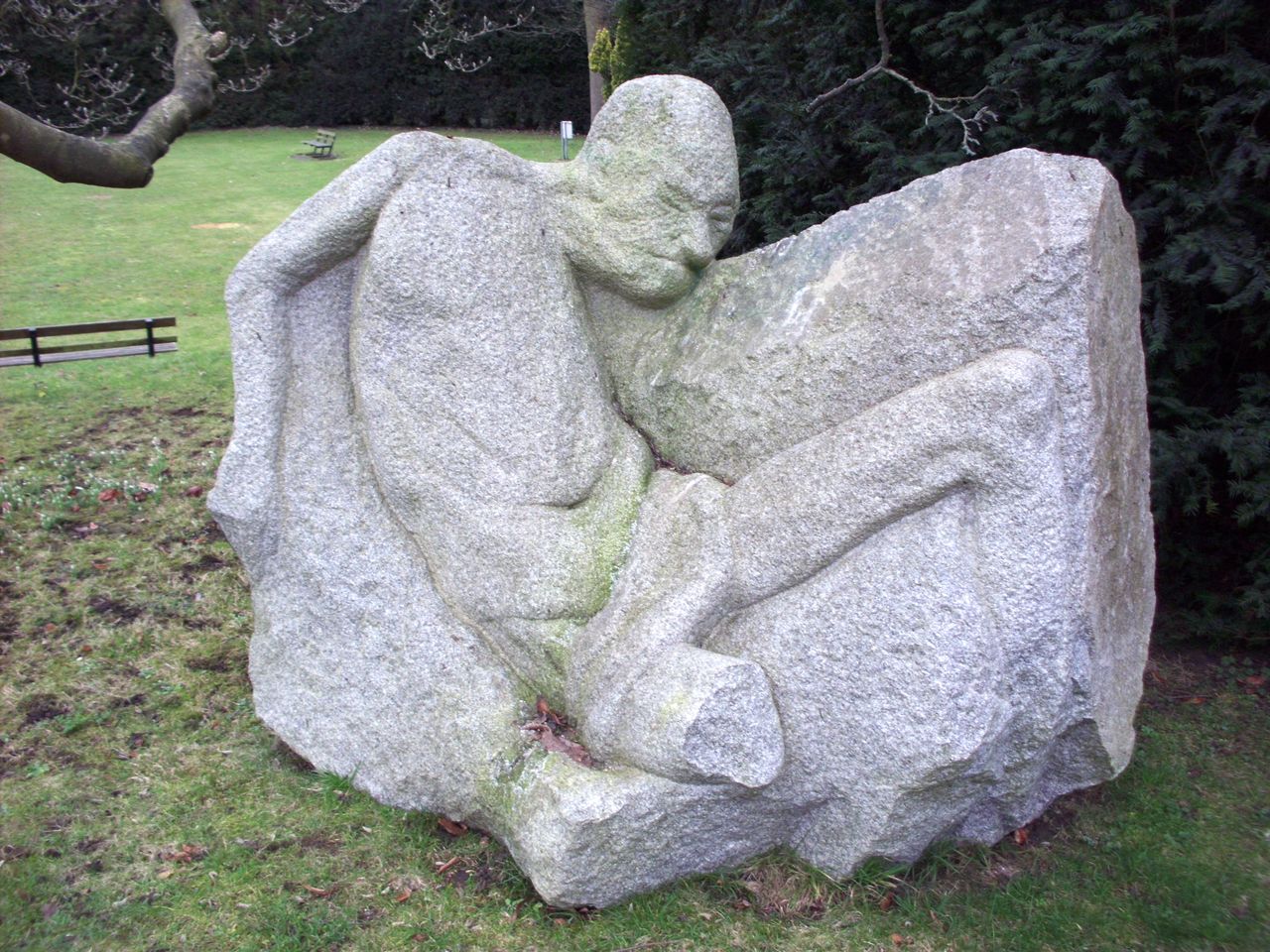
When most people think about Bletchley Park, they think of Enigma. But the code the Nazis trusted for their most sensitive strategic traffic was a different system entirely: the Lorenz SZ40/42 cipher machine, known to the British by the codename Tunny.
Unlike Enigma, which was widely used across German military units, Lorenz was designed for top-level teleprinter traffic between senior commanders and Berlin. According to GCHQ and Bletchley Park materials, it carried messages linked to the German High Command, giving the Allies access to thinking at the highest strategic level.
That mattered because teleprinter traffic was richer and longer than many battlefield signals. These were not just short tactical bursts. They could contain operational discussions, assessments, and instructions that revealed intent as much as action.
The Nazis considered the system exceptionally secure for good reason. It was more complex than Enigma, used wheel patterns to generate a pseudo-random stream, and was built for machine-sent text rather than Morse. In plain English, it was a tougher lock on a more important door.
The Mistake That Opened The Door
The breakthrough began not with a machine, but with a German operator’s mistake. In one famous incident, the same long message was transmitted twice with small differences, creating the kind of cryptographic accident codebreakers dream about but rarely get.
That slip gave British analysts a way to compare two related ciphertexts and begin teasing out the structure underneath. From there, mathematician Bill Tutte performed one of the great intellectual feats of the war. Working without having seen the Lorenz machine itself, he reconstructed how it functioned from intercepted traffic.
Bletchley Park’s own historical material describes Tutte’s discovery as foundational. He determined that Tunny was an additive stream cipher and worked out the arrangement of its wheels and patterns. That was astonishing enough on its own.
It also changed the nature of the contest. Once the machine’s logical structure was understood, the problem shifted from pure mystery to industrial-scale analysis. The challenge was no longer whether the cipher had a hidden design, but how fast human beings could exploit it before the intelligence went stale.
The People Who Turned Theory Into Results
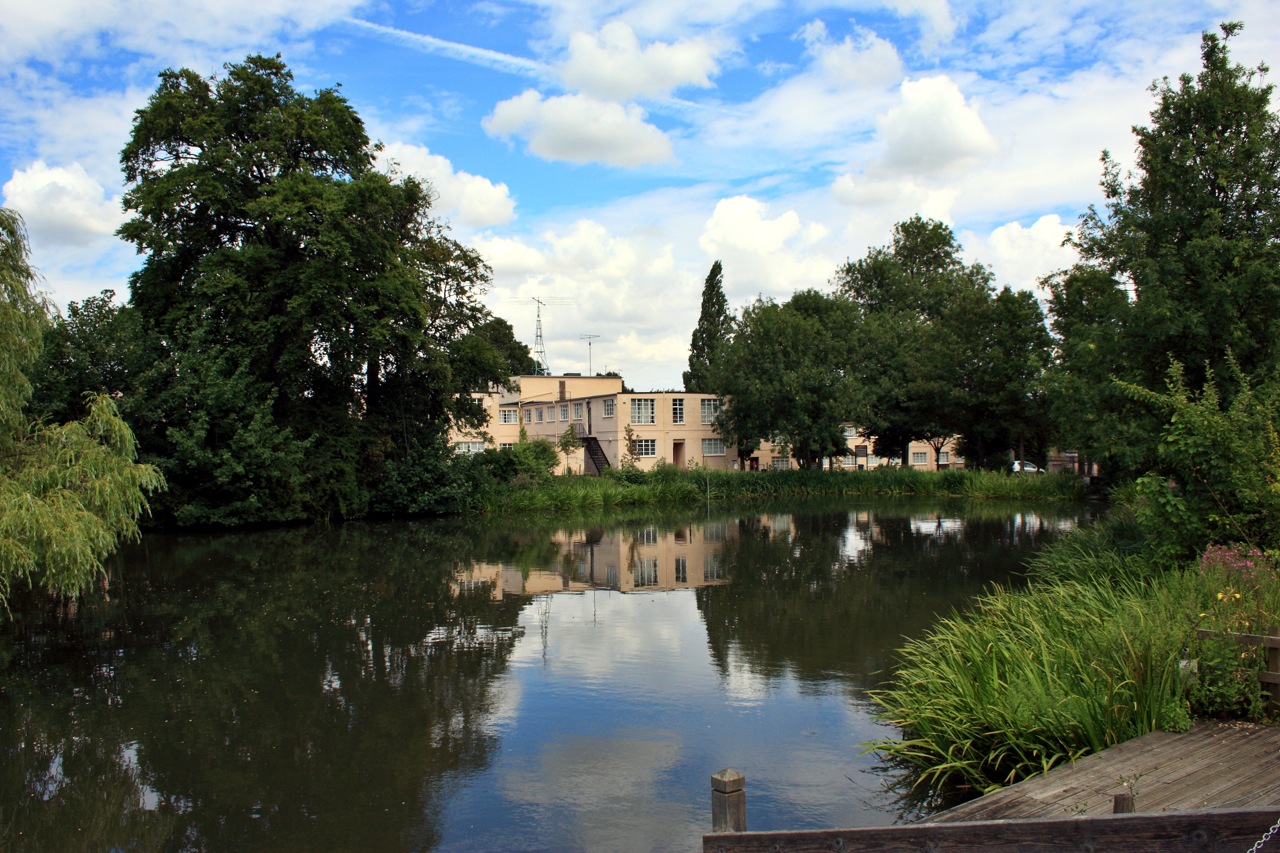
Bill Tutte’s reconstruction was the cerebral breakthrough, but it took a broader team to make it operational. Max Newman led the section that pushed the attack on Tunny forward, turning mathematical insight into a repeatable codebreaking process.
GCHQ notes that Newman and colleagues identified a vulnerability in the German system and developed statistical methods to attack it. In wartime cryptanalysis, that was everything. A clever idea was useful only if it could be applied again and again under pressure.
Alan Turing also contributed important earlier thinking to the attack, although Tunny is not as closely tied to his public image as Enigma. The real story is more collaborative than popular culture often suggests. Bletchley Park succeeded because mathematicians, linguists, radio operators, and engineers all fed into the same pipeline.
That collaboration is one of the most impressive parts of the story. No single genius cracked Tunny alone. It was a relay race of insight, with one person’s deduction becoming another person’s procedure, and another person’s machine, until the whole system began to move at wartime speed.
Why Ordinary Machines Were Not Enough

By 1943, the team had a serious problem. They understood enough about Tunny to attack it, but the calculations needed to test wheel settings and statistical patterns were too slow for conventional mechanical methods.
GCHQ’s history of Max Newman says the team concluded that no mechanical device could perform the necessary arithmetic fast enough to be useful. That is a remarkable sentence, because it marks the point where codebreaking collided head-on with the limits of available technology.
The answer came from Tommy Flowers, an engineer at the Post Office research station at Dollis Hill. Flowers believed an electronic machine using thermionic valves could do the job at the required speed, even though many people doubted large valve-based systems could run reliably enough.
His confidence was not blind optimism. Flowers had practical experience with electronics and switching systems, and he trusted engineering discipline over received wisdom. In effect, Bletchley Park’s cryptographic crisis helped force a leap into a new kind of computing.
Colossus Changed The Pace Of The War
Flowers’ solution became Colossus. GCHQ states that the first machine was delivered to Bletchley Park on January 18, 1944, after about 10 months of work, and that further Colossus machines followed.
Colossus was built to process paper tape at extraordinary speed and help codebreakers determine likely wheel settings for Tunny messages. It was not a modern general-purpose computer in the way people now imagine laptops or servers, but it was a groundbreaking electronic digital machine built for real operational use.
Its effect was immediate because speed was the entire point. Intelligence is perishable. A brilliant decryption that arrives after a military move is history, not help. Colossus let Bletchley Park move from heroic one-off effort toward a production system for high-grade signals intelligence.
According to GCHQ, Colossus had a marked effect on intelligence support for D-Day and the opening of the second front in Europe. That does not mean it won the war alone, but it gave Allied planners a sharper picture of German intentions at a moment when clarity was priceless.
What The Allies Actually Gained
Breaking Tunny gave the Allies access not just to orders, but to the German command mind at work. GCHQ says Newman’s team opened access to the very highest strategic plans and thinking of the German High Command and Hitler himself.
That kind of intelligence is different from raw battlefield reporting. It can reveal priorities, anxieties, internal disagreements, and assumptions about enemy behavior. In wartime, knowing what your opponent believes can be nearly as valuable as knowing what your opponent has done.
The Lorenz decrypts helped Allied leaders judge the strength of German defenses, read reactions to deception plans, and understand wider strategic movements. Historians have long treated this stream of intelligence as one of Bletchley Park’s most consequential successes.
What makes the story especially powerful is that the gains came from layered effort. Intercept operators captured the traffic. Analysts identified patterns. Mathematicians built attacks. Engineers built machines. Operators ran them. Intelligence staff then turned decrypted text into decisions commanders could actually use.
Why The Story Stayed Hidden For So Long
For decades after the war, many people knew Enigma had been broken, but Colossus and the Tunny story remained far less visible. GCHQ says the work was kept secret for almost six decades, and that most of the wartime Colossus machines were destroyed after the war.
That secrecy shaped public memory. It left generations with an incomplete understanding of what Bletchley Park really achieved. Enigma became the emblem, while the attack on Lorenz remained in the background despite its extraordinary technical and strategic significance.
Once the details emerged, the Tunny story also changed computing history. Colossus was built for codebreaking, not for public demonstration, and its achievements were buried under classification. Yet it stands as one of the clearest wartime ancestors of modern electronic computing.