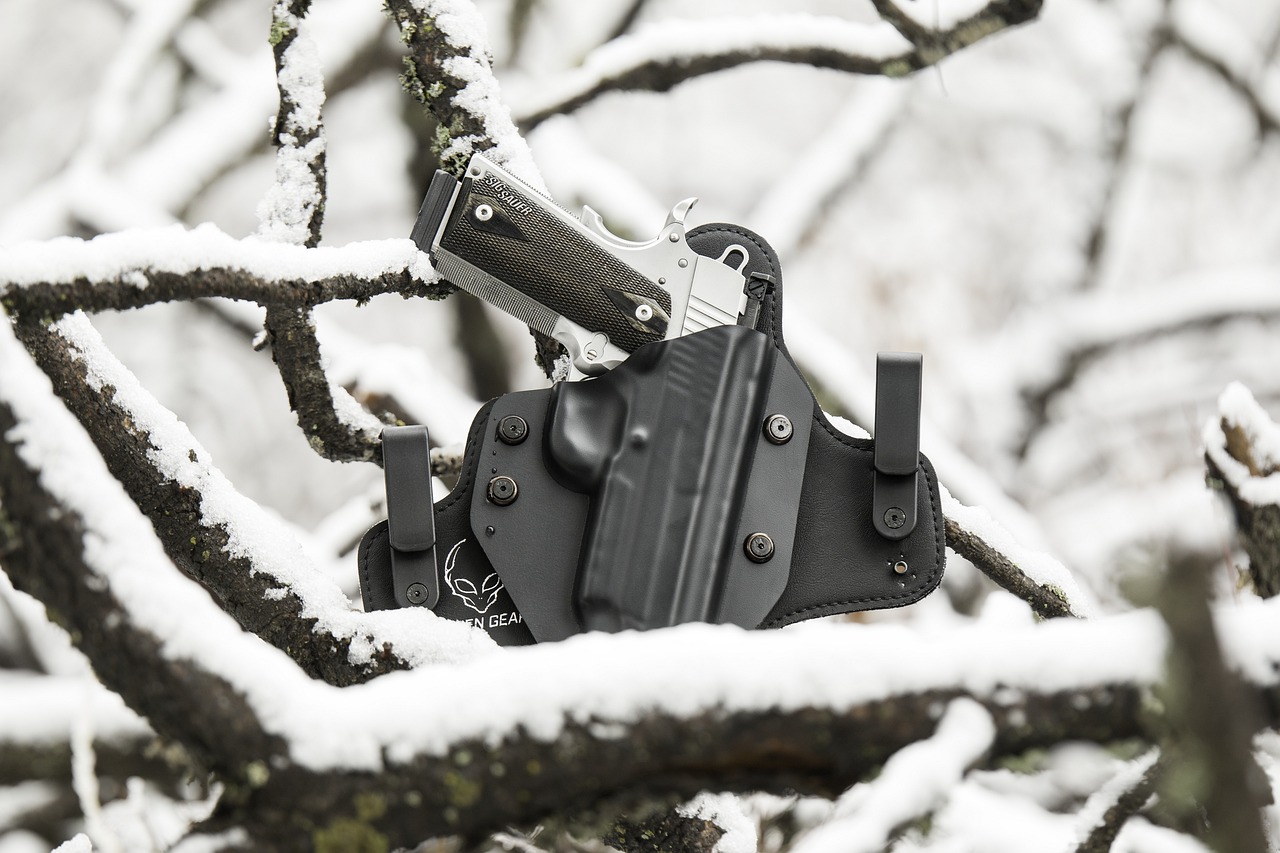
A gun permit fee usually sounds like dull paperwork. In San Jose, it has turned into a constitutional showdown.
The Fight Starts With A $1,600 Price Tag
The Justice Department sued San Jose on September 16, 2026, arguing that the city’s concealed-carry permit fee is unconstitutionally high. According to the DOJ, San Jose charges nearly $1,600 for a license to lawfully carry a firearm, making it the highest local fee in the nation.
That number did not appear overnight. The federal complaint says San Jose’s City Council raised the fee to $1,591 in June 2026, continuing a sharp upward climb over a relatively short period.
For the DOJ, that price is not just expensive. It is the core legal problem, because the department says a fundamental constitutional right cannot be reserved for people wealthy enough to afford a premium application process.
Why Federal Lawyers Think The Fee Crosses The Line

The government’s theory is straightforward. A city can regulate permits, but it cannot use costs so steep that ordinary residents are effectively blocked from exercising their Second Amendment rights.
The DOJ leans heavily on the Supreme Court’s 2022 Bruen decision, which recognized an individual right to carry a handgun publicly for self-defense. That same opinion also warned that permitting systems could become unconstitutional if they rely on “exorbitant fees” that deny ordinary citizens meaningful access.
That warning matters here. Federal lawyers argue San Jose has moved from routine cost recovery into a pricing structure that functions more like a barrier than an administrative fee.
San Jose’s Side Is Likely To Focus On Cost Recovery
San Jose has long defended aggressive gun regulation as part of a broader public-safety strategy. The city has previously backed measures like its gun harm reduction ordinance, including requirements tied to insurance and fees supporting violence-prevention efforts.
On the permit issue, city officials have treated the charges as part of a fees-and-charges system tied to municipal costs. Public city budget documents for recent fiscal years show concealed-carry application fees rising from $1,328 to $1,443, before the federal complaint says the total climbed again to $1,591 in 2026.
That gives San Jose a likely argument: the city is not punishing gun ownership, but billing applicants for the real administrative burden of processing licenses in a heavily regulated state.
The Comparison Problem Could Hurt The City
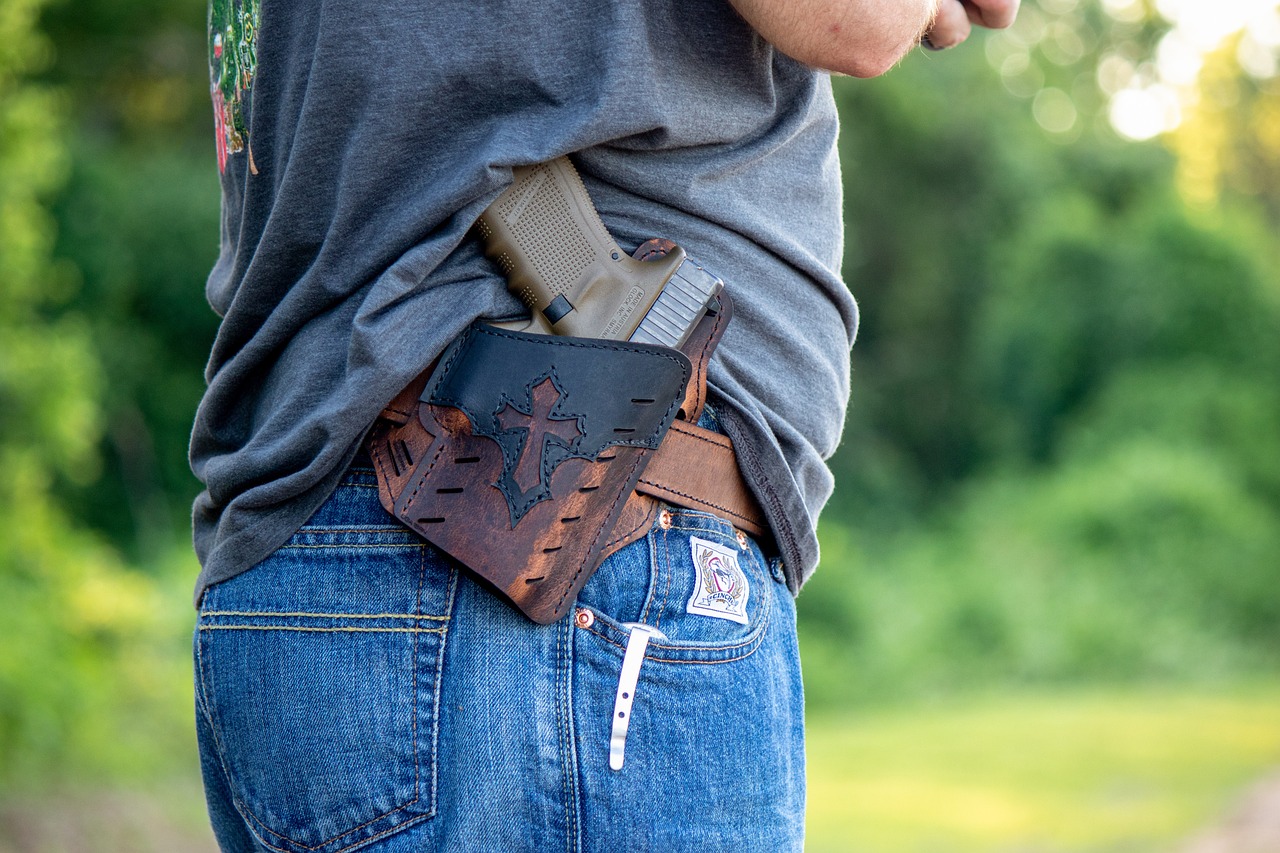
One of the strongest points for the DOJ is comparison. The federal complaint says San Francisco charges $144 for the same type of permit, a huge gap that makes San Jose’s price look less like ordinary administration and more like outlier policy.
The DOJ press release also says other major cities, including New York, Washington, Boston, and Chicago, charge only a fraction of what San Jose demands. That kind of side-by-side framing is powerful because courts often ask whether a regulation is genuinely tailored or plainly excessive.
If San Jose cannot explain why its costs are so dramatically higher, the fee itself may start to look like the evidence against it.
This Case Is About More Than One California City

This lawsuit is also a signal. The DOJ’s Civil Rights Division has been taking a more aggressive posture on Second Amendment enforcement, including a newly emphasized Second Amendment Section and other recent legal actions challenging firearm restrictions.
That broader context matters because San Jose may be the first target, not the last. If the federal government wins, other cities and counties with unusually expensive permitting systems could face immediate legal pressure to lower fees or defend them in court.
In other words, this is not just about one invoice in Silicon Valley. It is about whether local governments can make a constitutional right costly enough to discourage ordinary people from using it.
What Happens Next And Why People Should Pay Attention
The case will likely turn on a practical question dressed up as constitutional law: when does a permit fee stop being administrative and start becoming exclusionary? Courts tend to tolerate paperwork, training, and background-check structures, but they get much more skeptical when price becomes the obstacle.
San Jose will probably argue its numbers reflect staffing, review, and compliance demands under California law. The DOJ will counter that no city can charge so much that the right to carry becomes a luxury product.
That is why this case matters beyond gun politics. It tests a basic principle with implications far outside firearms: the government may regulate rights, but it cannot put them behind a paywall.