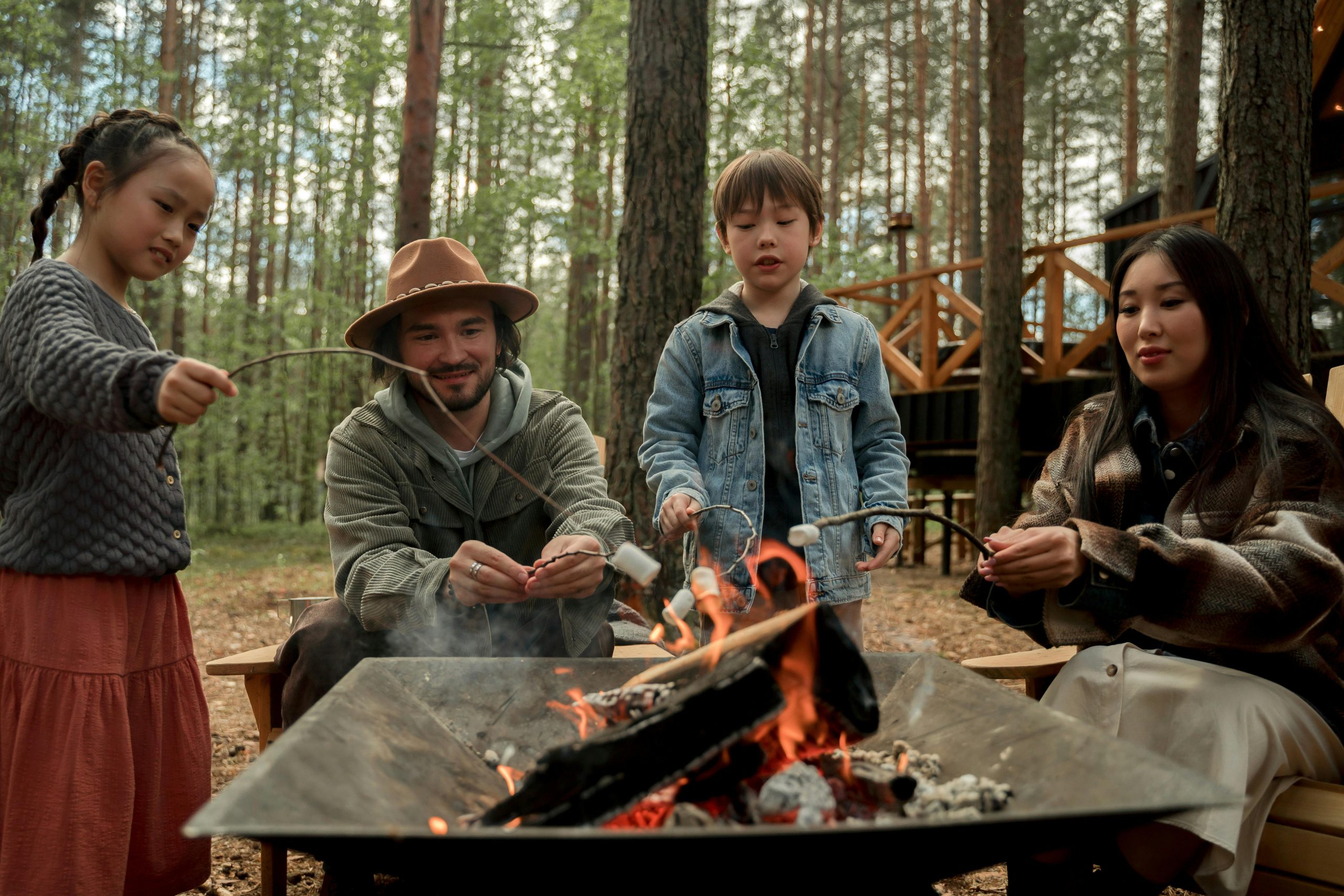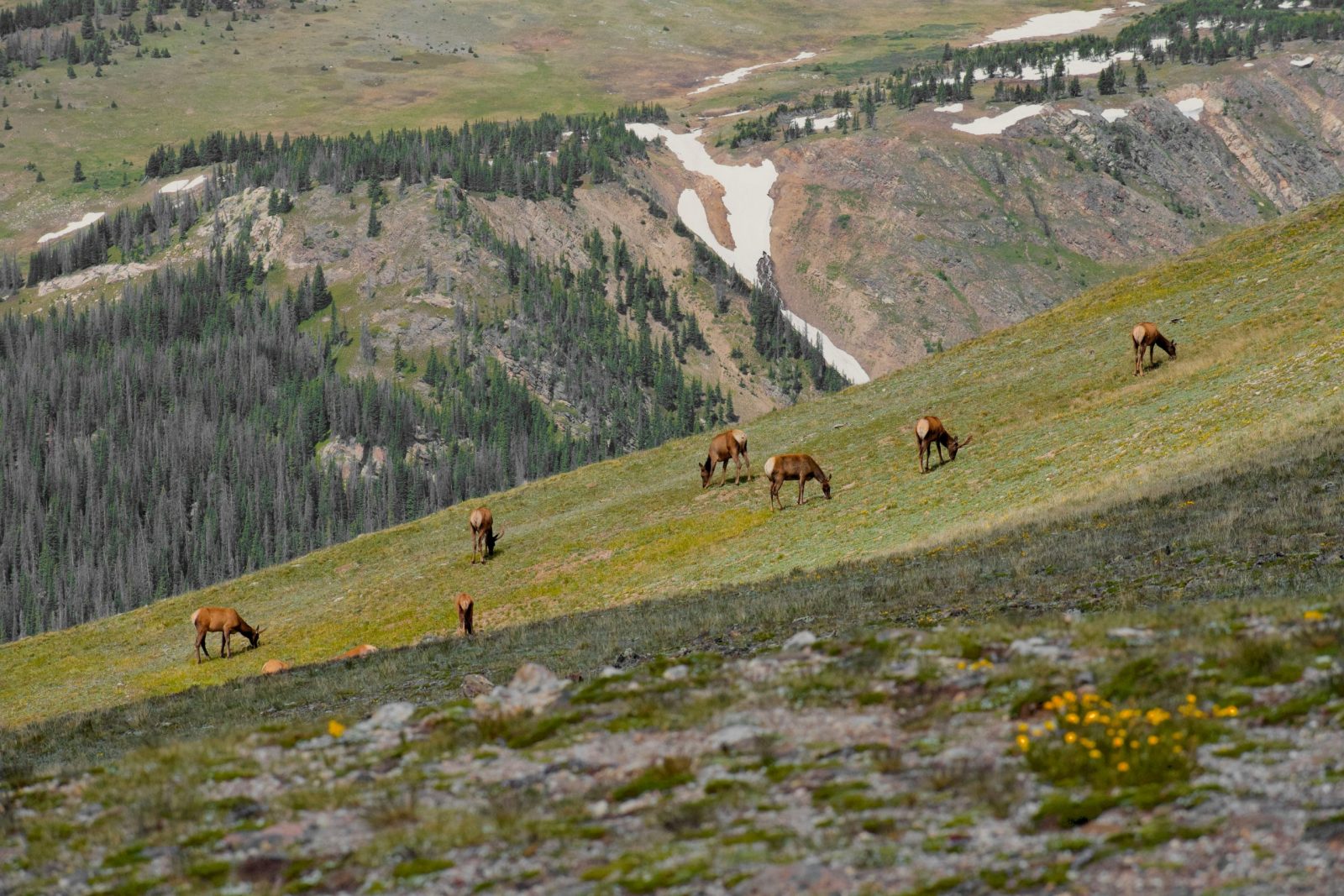
Rural Colorado has reported a noticeable rise in predator sightings across ranchlands, mountain valleys, and small communities. Residents increasingly encounter mountain lions, wolves, bears, and coyotes near homes and roads. Wildlife officials link the trend to environmental shifts, human development patterns, and changing animal behavior. These sightings rarely stem from a single cause but reflect overlapping pressures shaping rural landscapes. Understanding the factors behind the increase helps explain why predators appear more frequently and how communities adapt. Seasonal cycles, land use decisions, and conservation successes all play measurable roles statewide today across rural Colorado areas.
Habitat Expansion And Climate Shifts
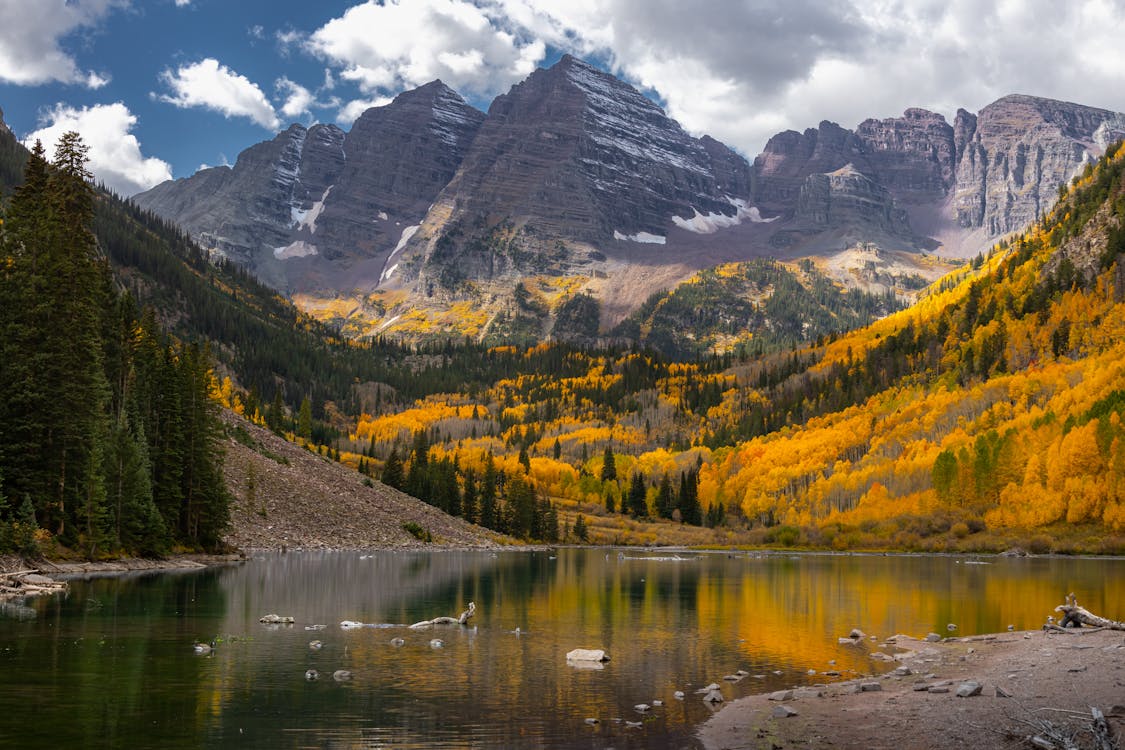
Expanding predator ranges contribute significantly to increased sightings across rural Colorado. Warmer temperatures alter habitats, allowing species to occupy higher elevations and new territories. Reduced snowpack changes migration patterns for both predators and prey. As animals explore unfamiliar areas, encounters with people become more common. Climate variability also affects food availability, pushing predators closer to settled zones. These environmental adjustments gradually reshape wildlife movement throughout the state. Longer warm seasons and disrupted ecosystems encourage predators to test expanded ranges repeatedly, especially near valleys, foothills, and agricultural corridors used by wildlife daily for survival needs statewide.
Shifts In Prey Populations
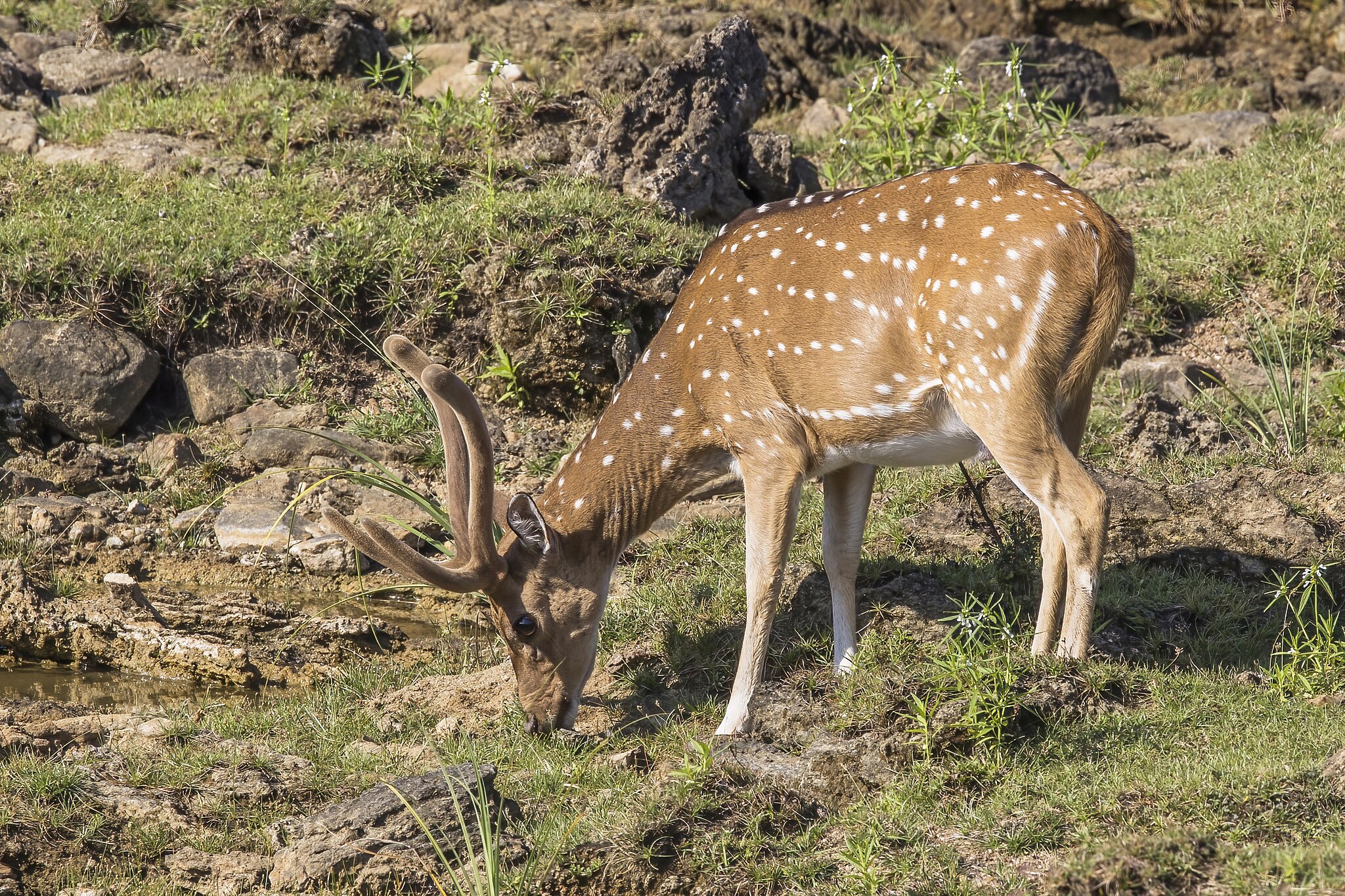
Changes in prey populations influence predator movement and visibility in rural areas. Deer and elk numbers fluctuate due to drought, disease, and land management practices. When natural prey becomes scarce or relocates, predators follow food sources. Livestock operations and small mammals around farms can attract opportunistic hunters. Human influenced prey distribution unintentionally redirects predator travel routes. This shift increases sightings near barns, pastures, and open fields. Predators adapt quickly, learning predictable feeding patterns tied to agricultural activity, which raises visibility during daylight and early evening hours for residents monitoring surrounding properties across rural counties statewide.
Expanding Human Development
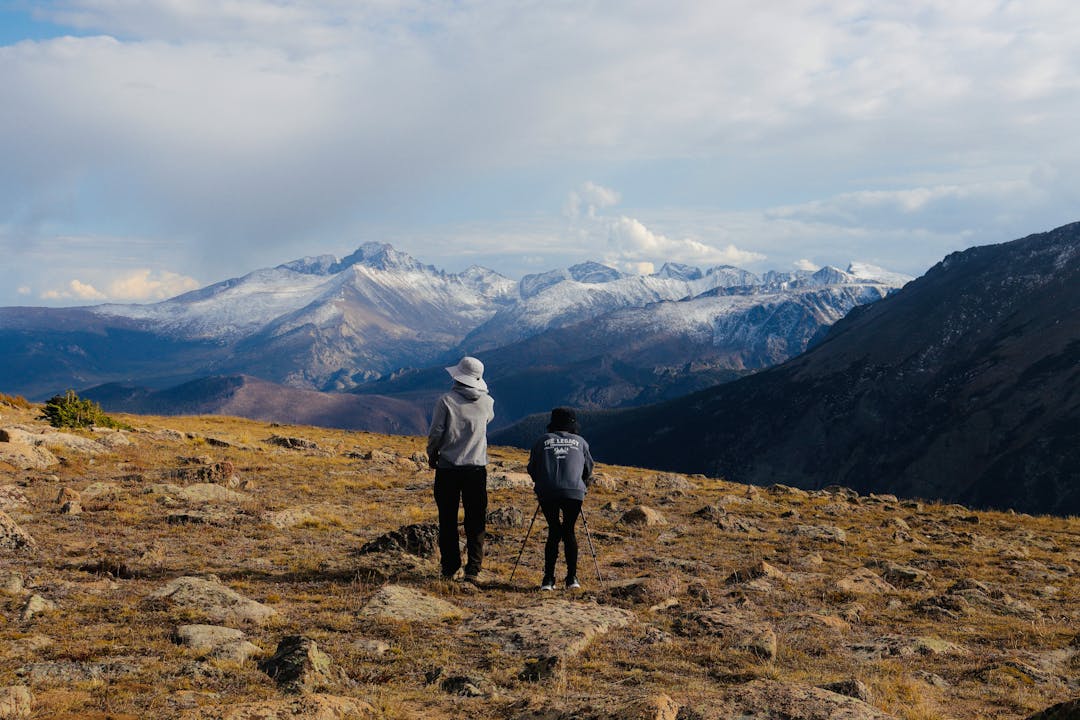
Rural development places homes, roads, and recreation closer to wildlife habitats. New construction fragments open land, reducing buffer zones between people and predators. Trails, cabins, and energy infrastructure increase human presence in remote regions. Predators do not necessarily increase in number but become more visible. Garbage, pet food, and livestock feed unintentionally draw animals closer. Road networks also create travel corridors used by wildlife. These overlaps heighten chances of sightings without reflecting aggressive behavior as predators navigate landscapes increasingly shaped by human activity throughout Colorado’s rural mountain and plains communities during daily movement cycles statewide.
Conservation And Wildlife Management Success
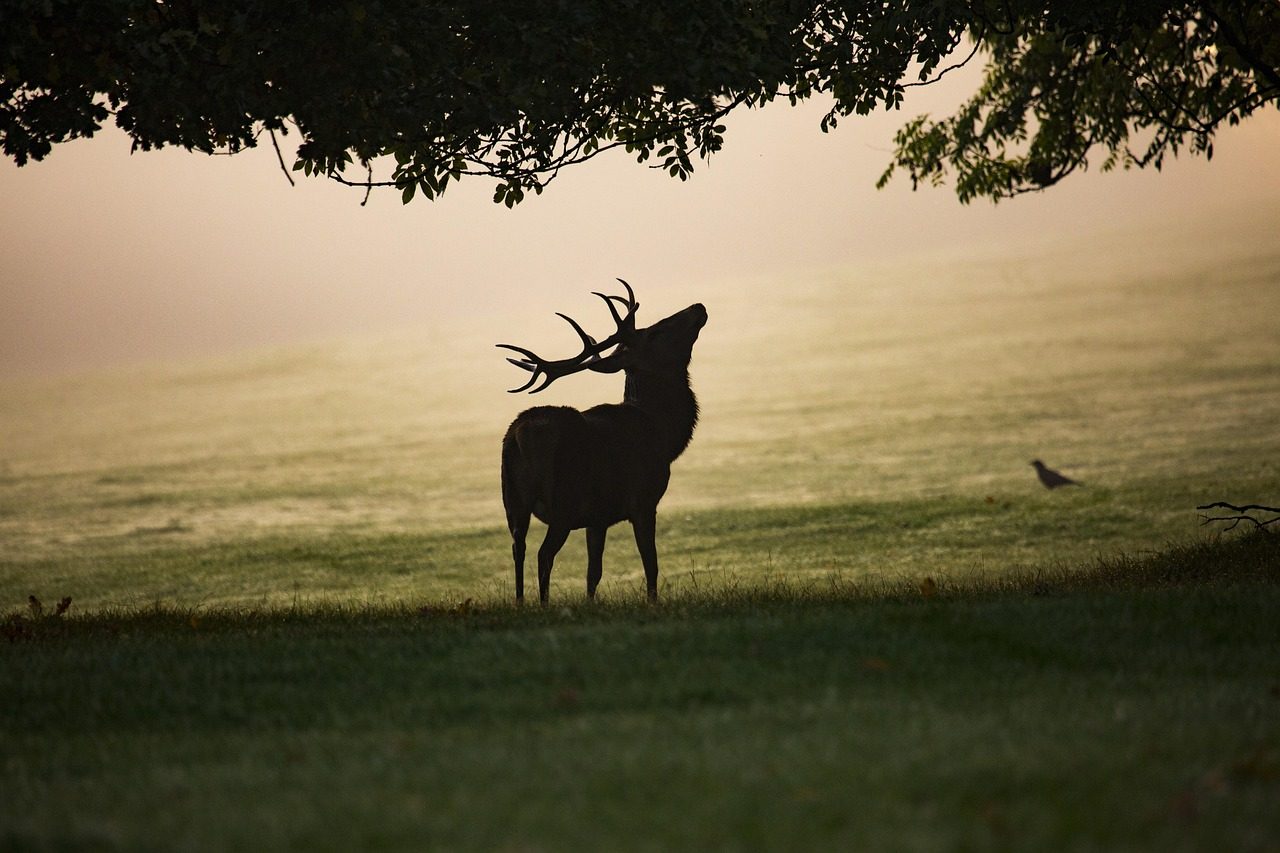
Successful conservation efforts contribute to healthier predator populations across Colorado. Reintroduction programs and protective regulations support species recovery. With stable populations, animals expand territories and explore available habitat. Monitoring programs improve reporting, increasing documented sightings. Public awareness campaigns encourage residents to report encounters. This combination creates a perception of sudden increase. In reality, coexistence strategies and data collection now capture more accurate information. Wildlife agencies emphasize prevention, education, and habitat management over removal to support balanced ecosystems and reduce conflict across rural communities while maintaining long term ecological stability statewide for future generations and ecosystems.
Improved Reporting And Visibility

Advances in technology and communication contribute to the perception of increased predator presence. Trail cameras, security systems, and smartphones allow residents to document sightings quickly and accurately. Social media and local alert networks spread information rapidly across communities. Wildlife agencies now receive more detailed reports than in past decades. This heightened visibility does not always reflect a sudden population surge, but rather improved detection. Greater awareness encourages reporting rather than avoidance or dismissal. As a result, predator activity that once went unnoticed is now recorded, shared, and discussed more frequently across rural Colorado communities.