A lot of hunting now looks like a showroom with a tag attached. That does not mean hunters are wrong to buy good equipment, but it does mean the industry has become very good at selling the idea that more gear equals better hunting.
The Old Argument Meets A Very Modern Marketplace

Walk into any sporting goods store or scroll through hunting media, and the message is hard to miss: better optics, lighter packs, quieter fabrics, smarter rangefinders, more specialized boots. None of that is imaginary. Much of it works exactly as advertised, and some of it is genuinely impressive in the field.
But there is a difference between useful and necessary. That distinction has blurred as hunting has become more influenced by premium branding, niche categories, and a content economy built around product reviews, pack dumps, and “must-have” lists. A first-time deer hunter can easily come away thinking the sport requires a mini-warehouse.
That impression clashes with reality. According to the U.S. Fish and Wildlife Service’s 2022 national survey, 14.4 million Americans hunted in 2022, and average hunting expenditures per participant were $3,146, including trip, equipment, and other costs. The same report put average hunting equipment spending at $550, with auxiliary gear at $275 and special equipment at $539, figures that show hunting is already expensive before anyone starts layering on luxury purchases.
Why Hunters Keep Buying More Than They Strictly Need
The gear race is not only driven by vanity or consumer weakness. Hunters buy extra equipment because hunting is uncertain, uncomfortable, and often unforgiving. When success depends on weather, wind, distance, terrain, and a tiny shooting window, buying one more tool can feel like buying control.
Manufacturers understand psychology extremely well. They rarely sell a jacket as just a jacket. They sell dryness in cold rain, silence in bow range, scent reduction in pressured timber, and endurance on day four of a backcountry hunt. In other words, they sell outcomes, not objects, and that is powerful because failure in hunting feels personal.
There is also a social layer. Hunting media increasingly rewards aspiration. Photos of minimalist success do exist, but premium optics, dialed rifles, satellite communicators, carbon tripods, and ultralight shelters photograph better and signal seriousness. The result is a subtle pressure system where newer hunters may feel underprepared, not because they lack skill, but because they lack the visual language of modern expertise.
The Industry Is Selling Real Performance, Not Pure Fiction

It would be too easy to say the gear industry has simply conned hunters. In many categories, equipment has improved dramatically. Today’s waterproof membranes breathe better, technical merino layers regulate temperature more effectively, and modern binoculars and laser rangefinders can reduce mistakes that once ruined hunts.
In western and backcountry hunting especially, weight matters. Ounces saved on boots, packs, shelters, and optics become real energy by mile eight. Better clothing can help hunters stay out longer, glass more carefully, and make cleaner decisions when weather turns ugly. That is not marketing fluff. That is field performance.
The same is true of some precision tools. A dependable rangefinder, a stable shooting support, and quality binoculars can materially improve judgment and shot selection. The problem is not that these products are useless. The problem is the leap from “this improves performance” to “you cannot hunt well without a premium version of it.” That is where rational investment turns into creeping dependency.
The Essentials Are Fewer Than Marketing Suggests
When you strip hunting down to what actually matters, the essentials remain surprisingly basic. Legal weapon, safe ammunition or arrows, blaze orange where required, weather-appropriate clothing, a way to navigate, water, a light, a knife, and a plan. Add a basic first-aid kit and means of communication, and you have the core of a responsible setup for many common hunts.
Safety experts consistently point toward fundamentals over gadgets. Hunter education materials widely emphasize blaze orange, first-aid readiness, navigation backup, and lights for low-visibility travel. State guidance also continues to stress basics like visibility and tree-stand safety rather than endless add-ons. Minnesota’s DNR says blaze clothing has helped make hunting safer, and Hunter Ed notes that falls are the number one cause of injury or death from tree stands, with most falls occurring while climbing up or down.
That is an important reality check. If a hunter skips a harness but spends heavily on camouflage patterns, or upgrades optics before buying dependable rain gear, priorities have been rearranged by desire rather than actual risk. Essential gear exists. It is just not always the gear with the most dramatic ad campaign.
Beginners Are The Most Vulnerable To Gear Inflation
New hunters are especially susceptible because they do not yet know which discomforts matter and which ones are just part of the experience. Without field time, every product claim sounds plausible. If you have never sat through a wet November morning, a heated seat cushion can seem as essential as a safety vest.
Research on recruitment and retention suggests that simpler introductions work better. The Wildlife Management Institute summarized a multistate R3 study showing that basic, introductory events tended to produce better participation and engagement outcomes, while events centered on advanced techniques, difficult quarry, or specialized equipment were less effective. That matters because it suggests complexity can discourage people before the hunt itself ever hooks them.
The lesson is bigger than recruitment. If the pathway into hunting is presented as highly technical and heavily gear-dependent, many people will assume the sport is too expensive, too elite, or too intimidating. Some will never start. Others will start by overspending on equipment instead of investing in access, mentorship, scouting time, and range practice, which usually matter more.
Where Specialized Gear Truly Earns Its Keep
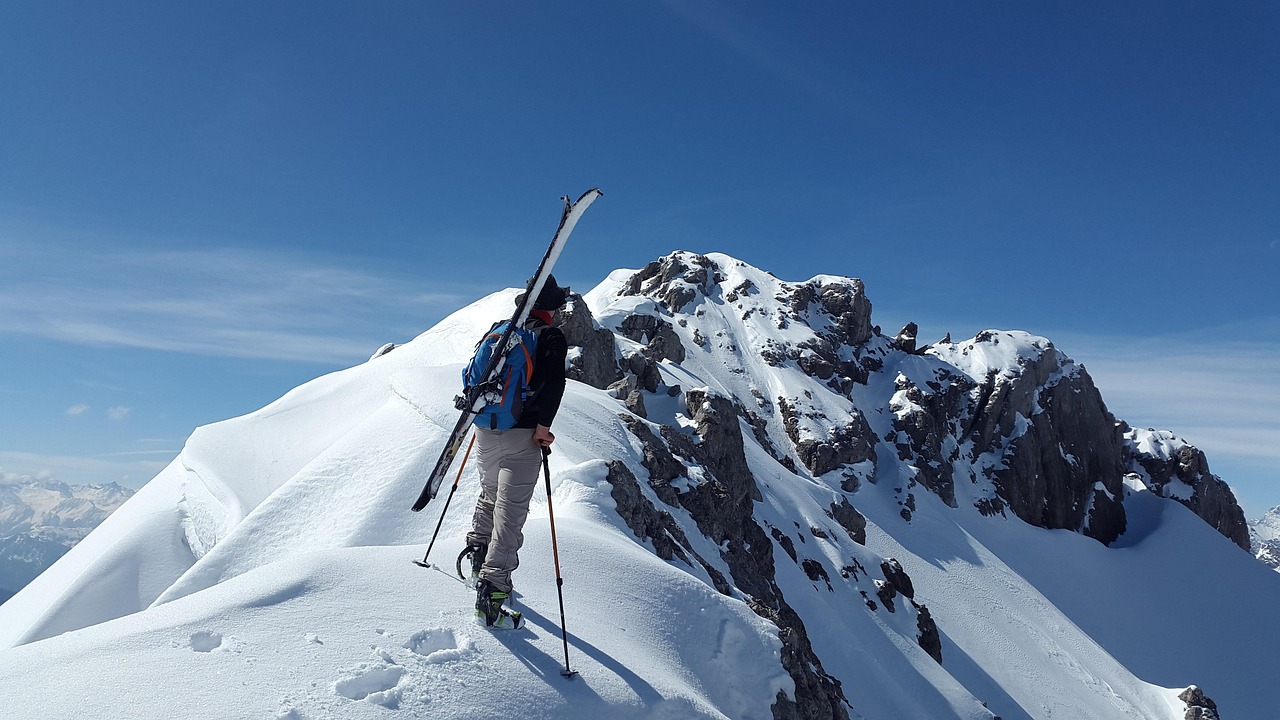
There are, of course, hunts where specialized equipment is not an indulgence but common sense. Late-season waterfowl, western backpack hunts, dangerous weather, steep country, or long glassing sessions all impose real demands. In those situations, premium gear can mean safety, endurance, and ethical shot opportunities rather than just comfort.
The same goes for body-specific or health-related needs. Hunters with old injuries may genuinely need lighter stands, trekking poles, better boots, or more supportive packs. Parents hunting with kids may prioritize simpler communication tools, brighter safety gear, and easier carry systems. Older hunters may depend on clearer optics not for luxury, but for responsible identification.
So the honest answer is not anti-gear. It is pro-fit. Gear should match terrain, species, climate, physical ability, and style of hunt. A whitetail hunter walking 400 yards to a ladder stand in the Midwest does not need the same loadout as an elk hunter living out of a pack above timberline. Trouble starts when the industry markets both hunters as if they do.
A Better Standard: Buy For Problems, Not Identity
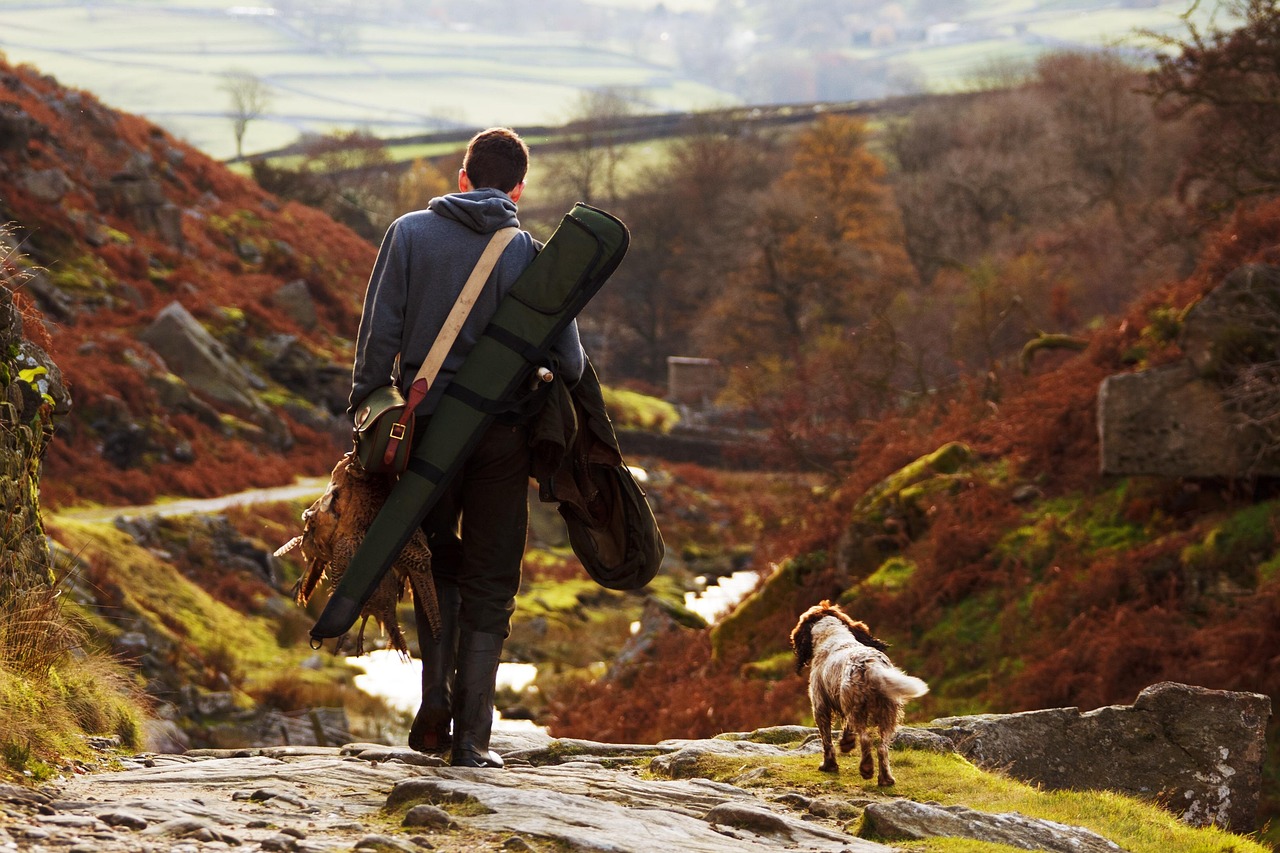
The healthiest way to resist gear inflation is to ask one blunt question before every purchase: what actual problem does this solve? Not what the dream is, not what the influencer carries, not what makes a pack photo look complete. What field problem does it solve, and how often does that problem truly happen?
Hunters who think this way usually end up with better kits, not smaller ones for the sake of purity. They spend more on boots that prevent misery, on orange that keeps them visible, on optics clear enough for confident identification, and on safety systems that prevent devastating falls. They spend less on duplication, novelty camo, and marginal upgrades that promise transformation but deliver convenience.
So yes, the gear industry has probably convinced many hunters they need too much equipment. But the reason that message lands is that hunting invites preparation, and preparation is easy to commercialize. The smartest hunters are not the ones with the most stuff. They are the ones who can tell the difference between tools that truly expand their capability and products that merely flatter their identity.