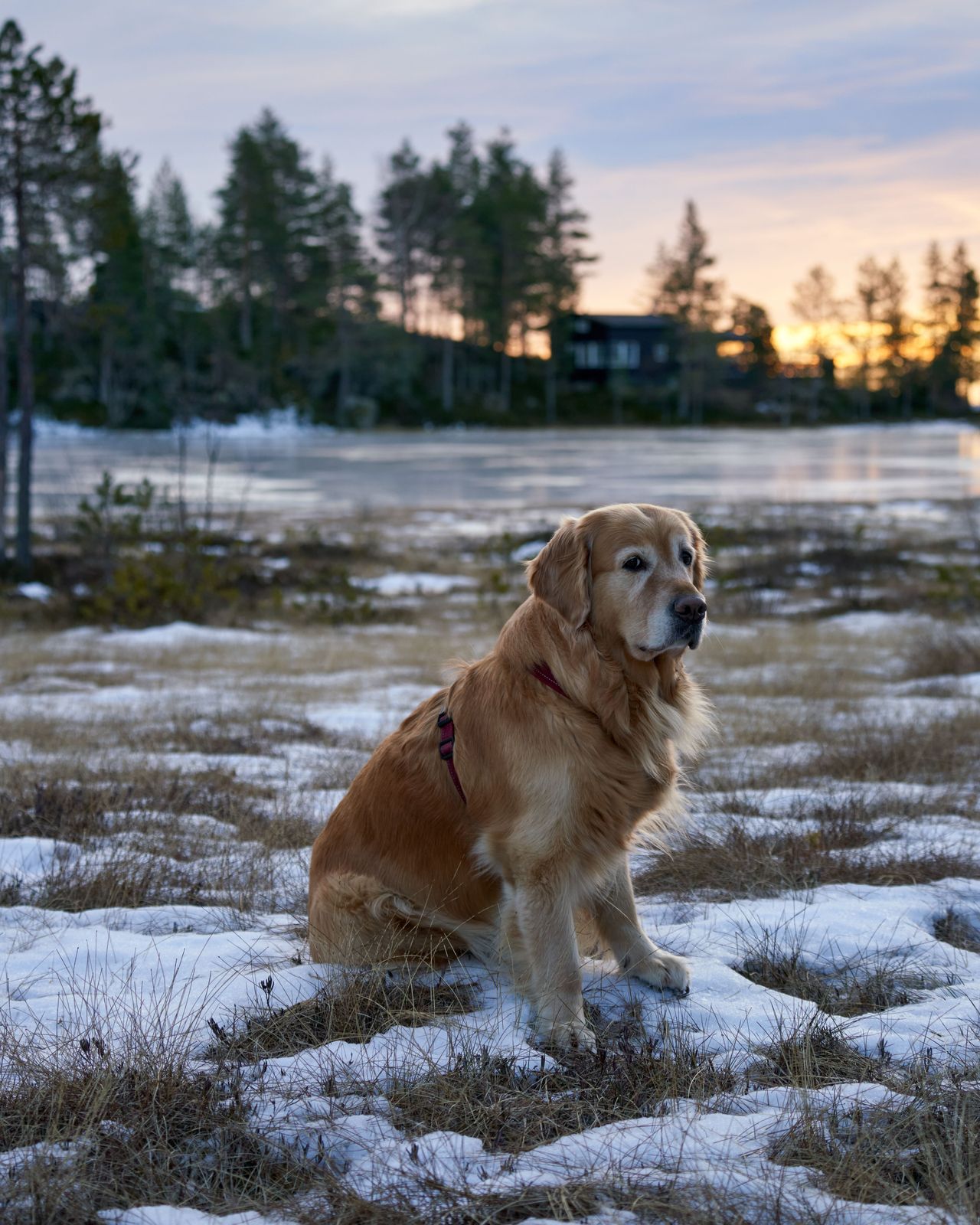
Labrador Retrievers dominate duck blinds for good reason, but they are not the only dogs built for icy marshes and late-season retrieves. Across cold climates, hunters often point to several lesser-discussed retriever breeds that deserve more respect for their toughness, water attitude, and reliability. This gallery highlights eight breeds that regularly earn quiet praise when the weather gets harsh and the birds keep flying.
Chesapeake Bay Retriever
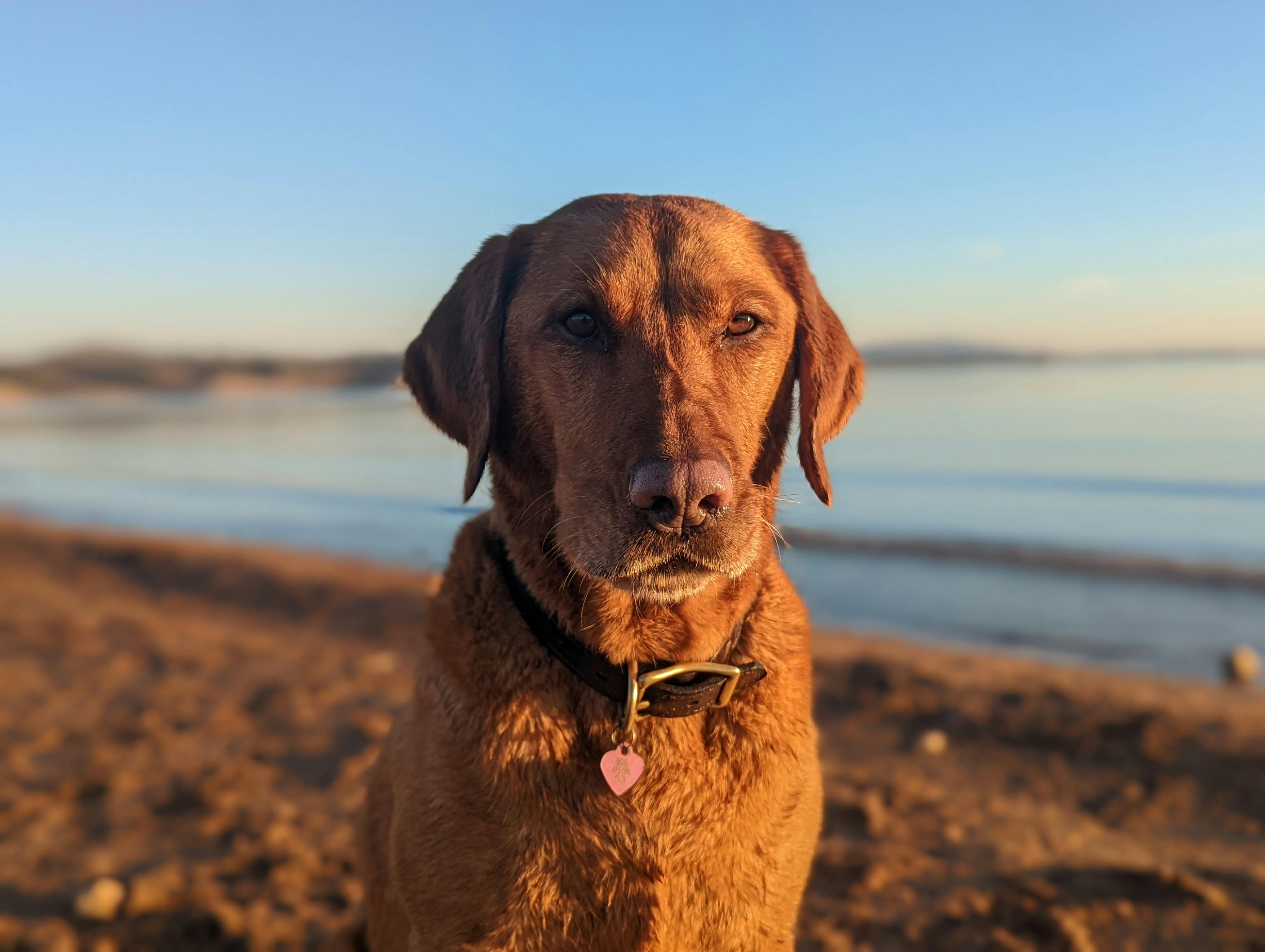
If any breed is tired of living in the Labrador shadow, it is the Chesapeake Bay Retriever. Hunters in icy coastal bays have long valued the Chessie for a dense oily coat, strong build, and a no-nonsense approach to cold water that can look almost stubborn in the best possible way.
This is not always the easygoing family comic many people expect from a Lab, and that is part of the point. In rough conditions, a Chesapeake often works with serious focus and remarkable grit. Owners who know the breed well say it tends to shine when sleet, wind, and frigid chop make a retrieve feel like real labor.
Curly-Coated Retriever

The Curly-Coated Retriever does not get nearly the same public attention as more common sporting breeds, yet cold-weather hunters often speak highly of its durability. That tightly curled coat is more than a style point. It offers useful protection against cold water and miserable weather while the dog keeps pushing through reeds and chop.
There is also a calm, self-possessed quality to many Curlies that experienced handlers appreciate. They can be independent thinkers, but in seasoned hands that trait often translates to confidence rather than chaos. When conditions are raw and repetitive retrieves wear dogs down, the Curly’s resilience is exactly what earns loyal fans.
Flat-Coated Retriever

The Flat-Coated Retriever is usually introduced as the cheerful extrovert of the retriever world, and that image is not wrong. What gets missed is how capable the breed can be in ugly, cold hunting weather when properly trained and conditioned. Good Flat-Coats bring enthusiasm that does not fade just because the water has ice along the edges.
Hunters who like them often talk about their balance. They combine drive, athleticism, and a willing temperament that keeps them plugged in during long sits and sudden bursts of action. Their coat is not as specialized as a Chessie’s, but the breed deserves more credit for determination in cold marsh work than it often receives.
Nova Scotia Duck Tolling Retriever

The Nova Scotia Duck Tolling Retriever is sometimes underestimated because of its smaller size, but seasoned hunters know that compact does not mean fragile. Tollers were developed around harsh coastal conditions, and many show an impressive mix of energy, intelligence, and cold-weather willingness that makes them far more than a novelty in the blind.
Their quickness can be a real advantage in uneven shorelines, frozen edges, and cramped cover. Add in a water-resistant coat and a famously intense work ethic, and the picture changes fast. For hunters who want a dog that handles cold with speed and heart, the Toller has a strong case.
Golden Retriever
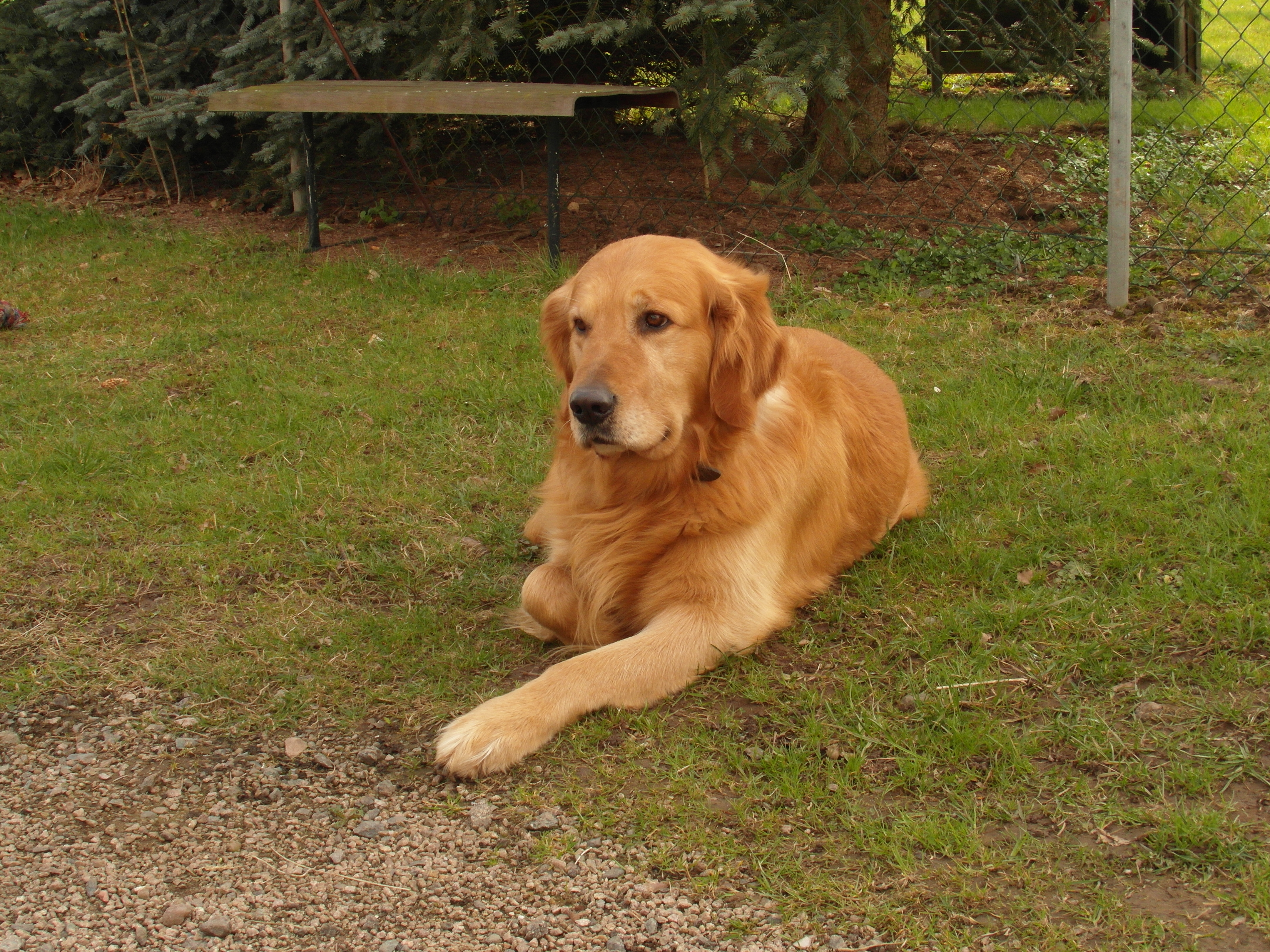
Golden Retrievers are so closely associated with family life that people sometimes forget how serious many field-bred Goldens can be. In cold climates, hunters who run the right lines of the breed often praise their trainability, water desire, and willingness to keep working through numb fingers and ugly skies.
A Golden may not carry the same hard-edged reputation as a Chesapeake, but that does not mean it lacks toughness. Plenty of field Goldens handle icy retrieves with real composure, especially when they are fit and properly acclimated. Their softer public image can hide a genuinely effective cold-weather hunting partner.
Irish Water Spaniel
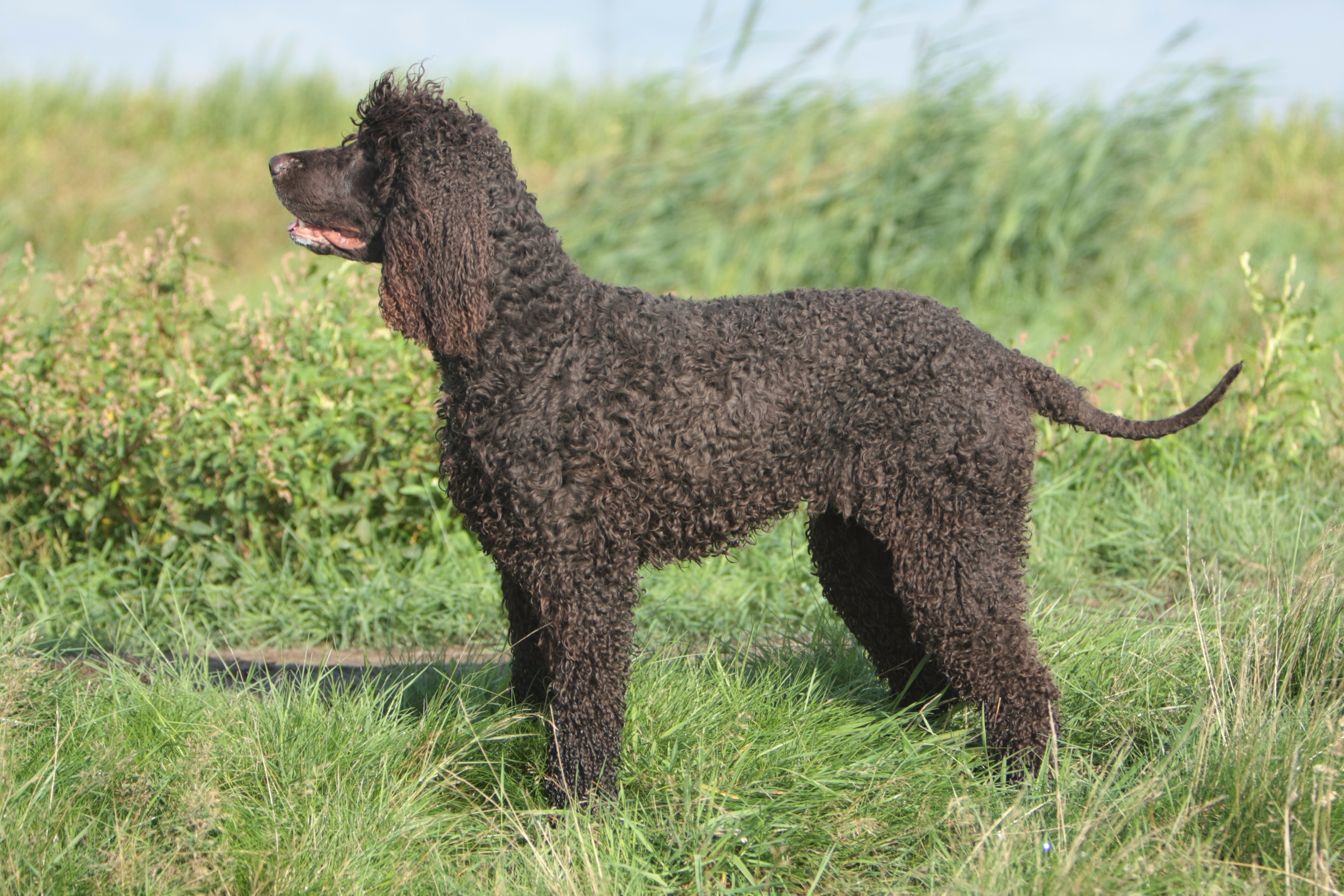
The Irish Water Spaniel sits just outside many mainstream retriever conversations, which is exactly why experienced hunters bring it up with a knowing smile. This breed’s dense curly coat and natural love of water make it a logical candidate for late-season work, especially when icy wind strips the glamour out of a hunt.
Its personality can be playful, but the breed has real substance in the field. Hunters who spend time with them often point to stamina, agility, and a surprising ability to stay effective in rough weather. When people talk about underappreciated cold-water workers, the Irish Water Spaniel belongs near the front of the discussion.
American Water Spaniel

Uploaded by Awsguy1 at en.wikipedia/Wikimedia Commons
The American Water Spaniel is not the first breed many casual observers picture in a freezing duck marsh, yet hunters in the Upper Midwest have long respected its practicality. Bred for versatile work from boat and shore, this compact dog brings grit, water sense, and a weather-ready coat that can surprise anyone who judges it by size alone.
There is a workmanlike quality to the breed that appeals to people who care more about performance than popularity. In tight cover, small craft, and mixed conditions, the American Water Spaniel often proves efficient and unbothered. It may not dominate the conversation, but in cold-country hunting circles, it has earned real credibility.
Boykin Spaniel

The Boykin Spaniel is more often linked with Southern hunting, so it may seem like an odd inclusion in a cold-climate conversation. Still, some hunters argue the breed gets too little credit for adaptability, especially well-conditioned dogs with strong drive and a real appetite for water work. In the right setup, a Boykin can be much tougher than outsiders expect.
No one is claiming it replaces every heavier-coated retriever in brutal northern weather, but that is not the point. The point is that Boykins are sometimes dismissed too quickly. Hunters who know the breed say heart, trainability, and determination can carry a lot of weight when the morning turns raw.