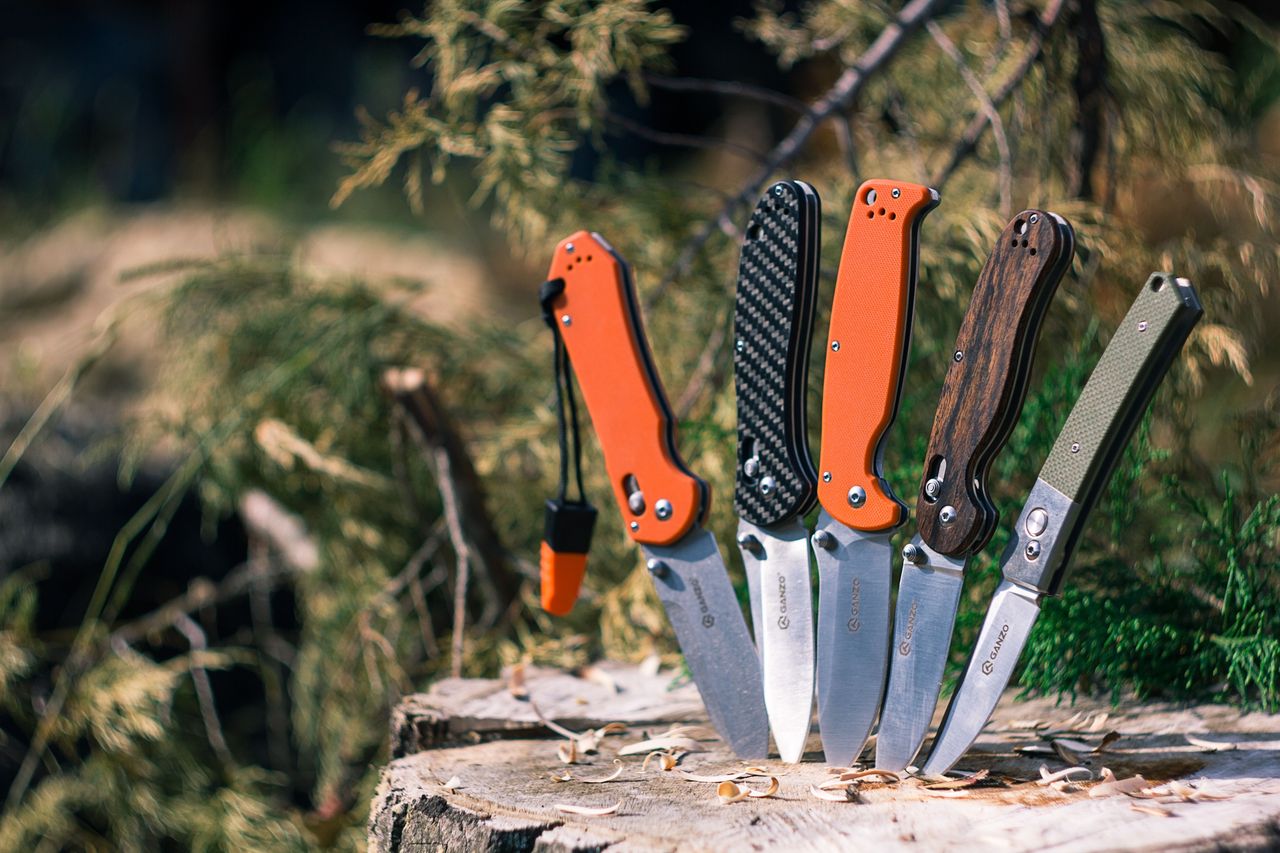
A lot of hunters swear by American-made knives. Yet the display case tells a different story.
Price Wins the First Battle

The biggest reason imports keep gaining ground is simple: they are easier to price for the average buyer. A hunter walking into a sporting goods store may admire a U.S.-made skinner with premium steel, tight tolerances, and a hand-finished edge, then hesitate when the tag reads $180 while an imported alternative sits nearby for $49.99. In a market shaped by inflation, rising fuel costs, and expensive tags, optics, and ammunition, that gap matters more than most knife enthusiasts want to admit.
Experienced hunters often argue that the cheaper knife is inferior in edge retention, fit, heat treatment, or sheath quality. They are usually right. But many buyers are not making a lifetime purchase. They are making a seasonal one, or even an impulse buy on the way to deer camp. Retailers understand that reality, which is why lower-priced imports move faster and generate less resistance at checkout.
Labor costs are also part of the picture. American manufacturers face higher wages, stricter regulations, and more expensive materials sourcing. Those factors often produce a better product, but they also raise the final price. When two knives appear similar under bright store lighting, the cheaper one often gets the sale, even if the long-term value is worse.
Most Buyers Are Not Testing Knives Like Veterans Do
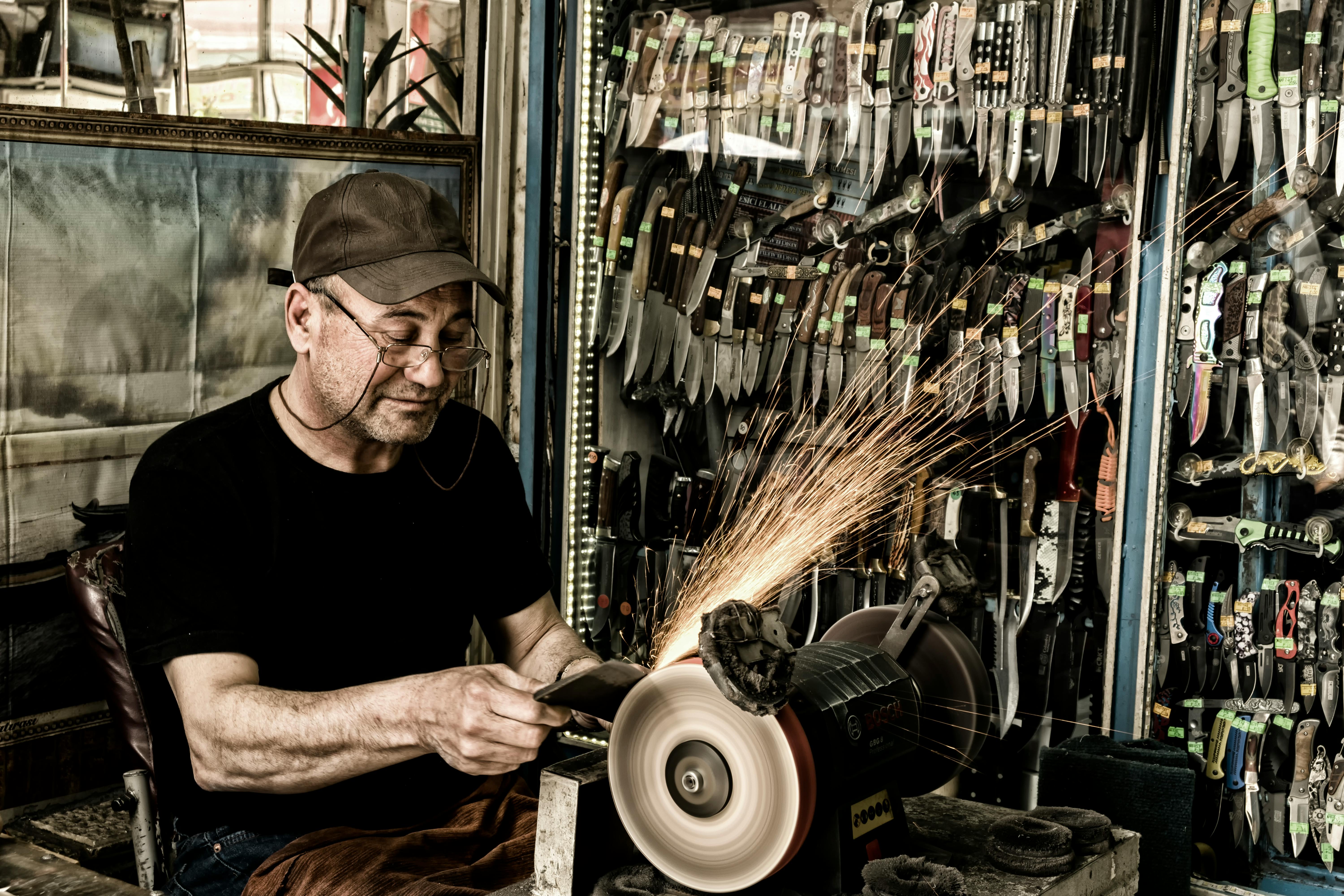
American-Made Hunting Knives
There is a major gap between how seasoned hunters judge a knife and how casual buyers shop for one. Veteran users notice whether a blade rolls when separating joints, whether the handle stays secure with blood or rain on the scales, and whether the steel sharpens cleanly in camp. Those are field-use metrics. Newer buyers, meanwhile, often compare blade shape, finish, branding, and package claims.
That difference gives imports a real advantage. Many overseas makers have become extremely good at producing knives that look rugged, tactical, or premium at first glance. Stonewashed finishes, contoured synthetic handles, oversized pommels, and bold packaging create a strong visual impression. In a retail environment, appearance often stands in for performance, especially when the buyer has never broken down an elk or skinned multiple deer in cold weather.
Hunters with decades in the field tend to value consistency over flair. They want dependable heat treatment, corrosion resistance that matches real use, and geometry that actually cuts well. But those traits are harder to communicate on a shelf tag than buzzwords like “surgical stainless” or “combat grip.” Imports often win that presentation battle before the knife ever touches hide.
Retailers Follow Turnover, Not Sentiment

Many hunters assume stores stock imported knives because buyers no longer care about quality. The truth is more practical. Retailers are driven by inventory turnover, margins, return rates, and supplier terms. If an imported knife line offers lower wholesale pricing, attractive packaging, dependable availability, and promotional support, it becomes an easier business decision than carrying a slower-moving domestic line with tighter margins.
Big-box chains especially favor products that fit planograms, hit target price points, and can be replenished in volume. That system does not always reward the knife with the best field reputation. It rewards the one that can be consistently delivered, sold quickly, and merchandised across dozens or hundreds of stores. A respected American knife maker may have superior craftsmanship, yet still lose shelf space because it cannot match the same cost structure or distribution scale.
There is also the issue of assortment strategy. Stores want opening price point products, mid-tier options, and a few premium models. Imports dominate the first two tiers because they can be produced cheaply and styled broadly. Once those categories are filled, domestic brands are left competing for narrower premium slots, where sales volume is naturally smaller.
Branding and Storytelling Have Changed the Market

American knife makers traditionally sold on reputation. Hunters knew certain names because fathers, uncles, and guides carried them. That kind of trust once mattered enormously. Today, however, the market is shaped by online reviews, influencer culture, social media videos, and aggressive packaging language. A flashy imported knife can gain momentum quickly if it photographs well and arrives with a compelling brand story, even if long-term performance is only average.
Some import brands are especially skilled at blending rugged aesthetics with accessible pricing. They borrow the visual language of custom hunting knives, add modern materials, and present the product as high value. To a younger buyer, that can feel more relevant than an old domestic brand that relies on heritage alone. Heritage still matters, but it no longer closes the sale by itself.
This is where experienced hunters become frustrated. They see proven American products being displaced not by clearly better knives, but by better marketing. The field gap may remain obvious to anyone who has processed game repeatedly. Yet in a media environment driven by first impressions, concise review scores, and visual appeal, marketing often narrows or even masks that difference.
Imports Have Improved Enough to Be “Good Enough”
Another uncomfortable truth is that many imported hunting knives are no longer junk. They may still be inferior in steel treatment, grind consistency, sheath durability, or long-term toughness, but they are often good enough for occasional users. A hunter who dresses one or two deer a year may never push a knife hard enough to expose its weaknesses. If the blade arrives sharp and survives a season, that buyer may feel fully satisfied.
Manufacturing in places like Taiwan and parts of mainland Asia has also improved significantly over the last two decades. CNC machining is more precise, quality control is better than many people assume, and some factories now produce for respected global brands. That does not mean every import is excellent. It means the performance gap is often narrower than the old stereotypes suggest, at least in light use.
For American makers, this creates a serious challenge. They are not just competing against cheap junk anymore. They are competing against decent knives that hit a lower price point and satisfy a broad middle market. Experienced hunters may still recognize the differences immediately, but the average consumer often sees only diminishing returns above a certain price.
Domestic Makers Face a Squeeze from Both Ends
American hunting knife companies are caught in a brutal middle position. At the low end, imports undercut them on price. At the high end, custom makers and elite boutique brands attract enthusiasts willing to spend more for specialized steels, handmade construction, and exclusivity. That leaves many domestic production brands fighting for customers who want quality but are increasingly reluctant to pay for it.
Material costs have not helped. Premium steels, handle materials, leather, domestic labor, shipping, and compliance all cost more than they did a decade ago. According to manufacturing surveys across U.S. consumer goods sectors, smaller producers have been especially exposed to rising input costs because they lack the buying power of large global competitors. Knife makers feel that pressure directly every time they quote wholesale pricing.
The result is a market where some U.S. brands seem overpriced to casual buyers and not exotic enough for collectors. That is a difficult place to live. Even when the knife is genuinely better for actual hunting use, the value proposition can be hard to communicate in a few inches of packaging or a thumbnail image on a retail site.
What Would Help American Knives Regain Ground
If American-made hunting knives are going to win back share, they will need more than patriotic labeling and nostalgia. They need sharper product segmentation, clearer education, and stronger storytelling around actual field performance. Hunters respond when brands explain why blade geometry matters for skinning, why heat treatment affects edge retention, and why handle design changes safety in wet conditions. Those practical lessons sell better than vague claims about craftsmanship alone.
There is also room for smarter pricing ladders. Not every domestic knife needs to be a premium heirloom piece. Brands that can offer a truly solid U.S.-made field knife at a realistic mid-market price may find an audience among hunters who are tired of replacing disposable imports. Some companies are already experimenting with leaner designs, simpler finishes, and fewer cosmetic extras to protect performance while containing cost.
In the end, imports are not winning because hunters suddenly stopped valuing quality. They are winning because retail economics, presentation, and consumer behavior favor lower-priced products that seem good enough at first glance. Experienced hunters may still know better, but knowing and buying are not always the same thing.