Your first hunting trip can be exciting, but it is not something to improvise your way through. Before you pack a cooler or lace up your boots, there are a few smart, non-negotiable steps that can make the experience safer, more ethical, and far more enjoyable. Think of this as the groundwork every first-time hunter should handle before opening day.
Learn Your State’s Hunting Laws
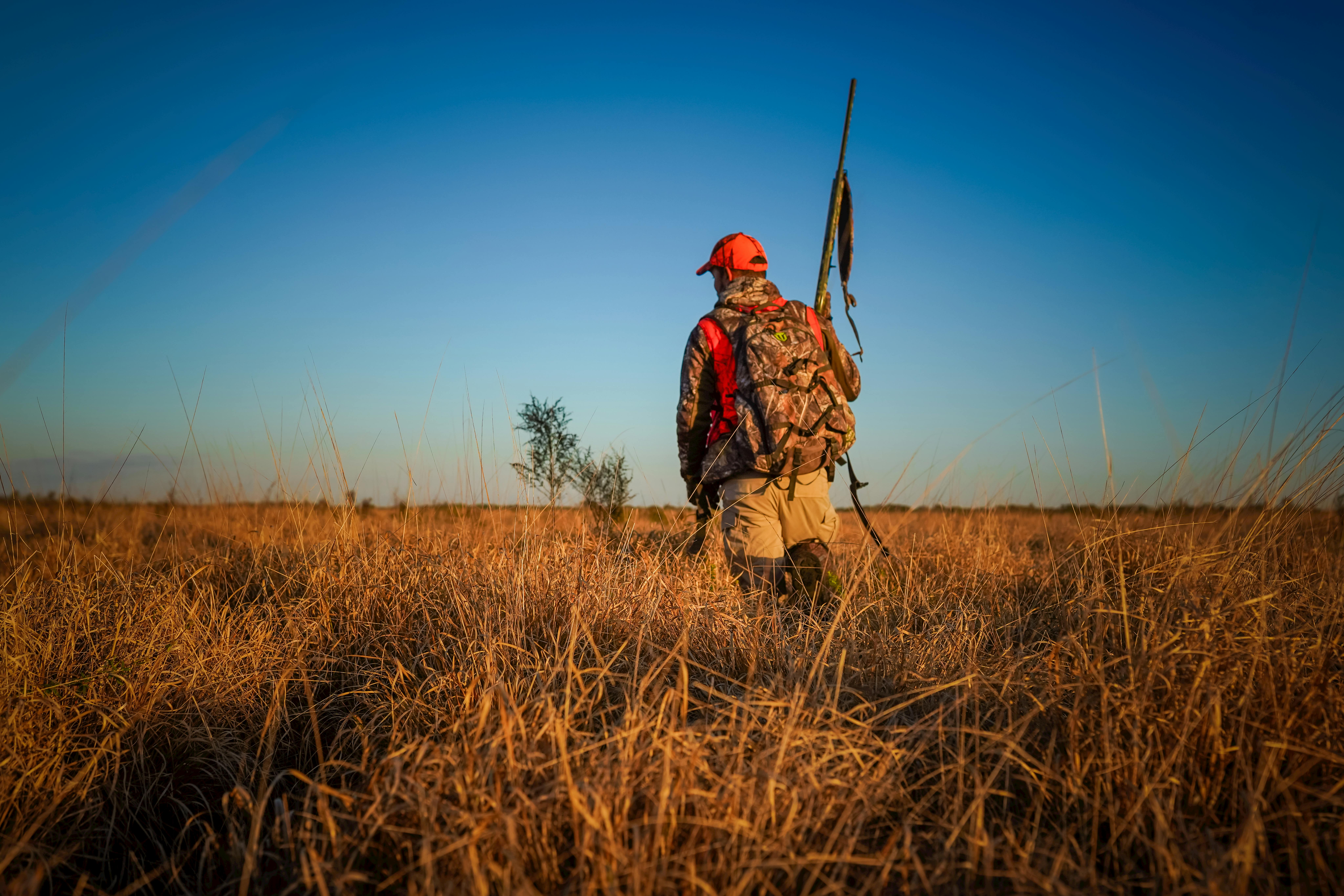
Before anything else, get familiar with the rules where you plan to hunt. Seasons, legal hunting hours, bag limits, weapon restrictions, blaze orange requirements, and public land access can vary widely from one state, or even one zone, to another. Assuming the rules are basically the same everywhere is a fast way to make a costly mistake.
Spend time reading the current regulations from your state wildlife agency and double-check any updates before your trip. The legal side of hunting is not just paperwork. It shapes where you can go, what you can carry, and what you are allowed to harvest. Knowing the rules early helps you plan with confidence instead of scrambling later.
Take a Hunter Education Course

A hunter education course is one of the smartest investments a beginner can make. In many places, it is required before you can legally buy a license, but even where it is not, the class gives you the kind of foundation that YouTube clips and secondhand advice usually miss.
You will learn firearm handling, safe zones of fire, wildlife identification, ethical shot selection, and what to do in real-world field situations. Just as important, the course introduces the mindset behind responsible hunting. It teaches you to think ahead, stay calm, and understand that safety and ethics are part of the experience, not extras you tack on later.
Choose the Right Species and Season
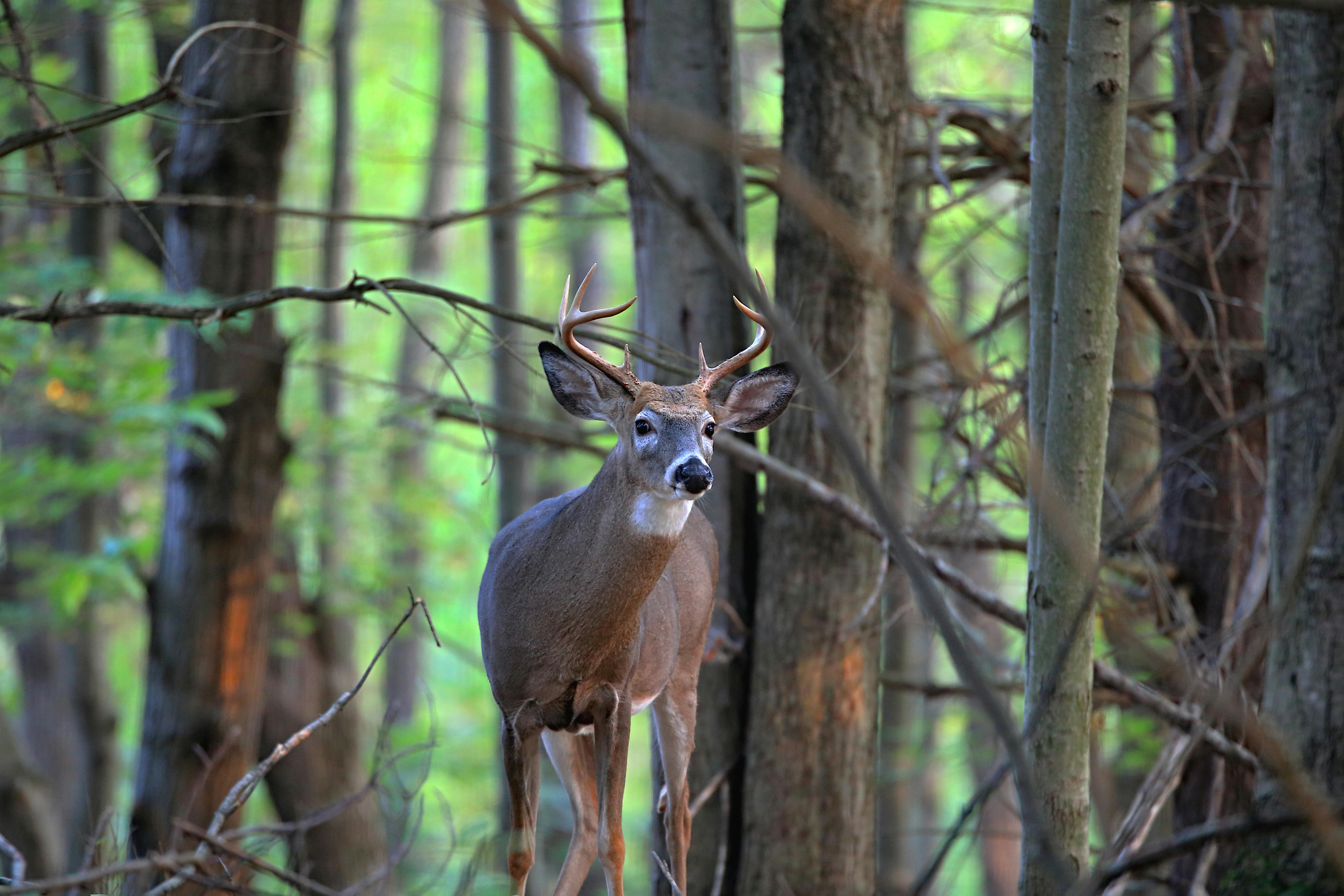
Not every hunt is ideal for a first-timer. Chasing elk deep in backcountry terrain sounds thrilling, but for many beginners, starting with a more accessible species and a simpler setup makes much more sense. The goal is to build skills and confidence, not turn your first outing into an exhausting survival test.
Think about terrain, weather, physical demands, and how much scouting the hunt requires. A beginner-friendly deer, turkey, or small game season may offer a much better learning environment than an ambitious dream hunt. Matching your first trip to your experience level helps you focus on fundamentals and actually enjoy being in the field.
Get Comfortable With Your Firearm or Bow

Owning a firearm or bow is not the same as being ready to hunt with it. You should know exactly how your equipment operates, how it feels in your hands, and how to use it safely without hesitation. That kind of familiarity only comes from repetition, not good intentions.
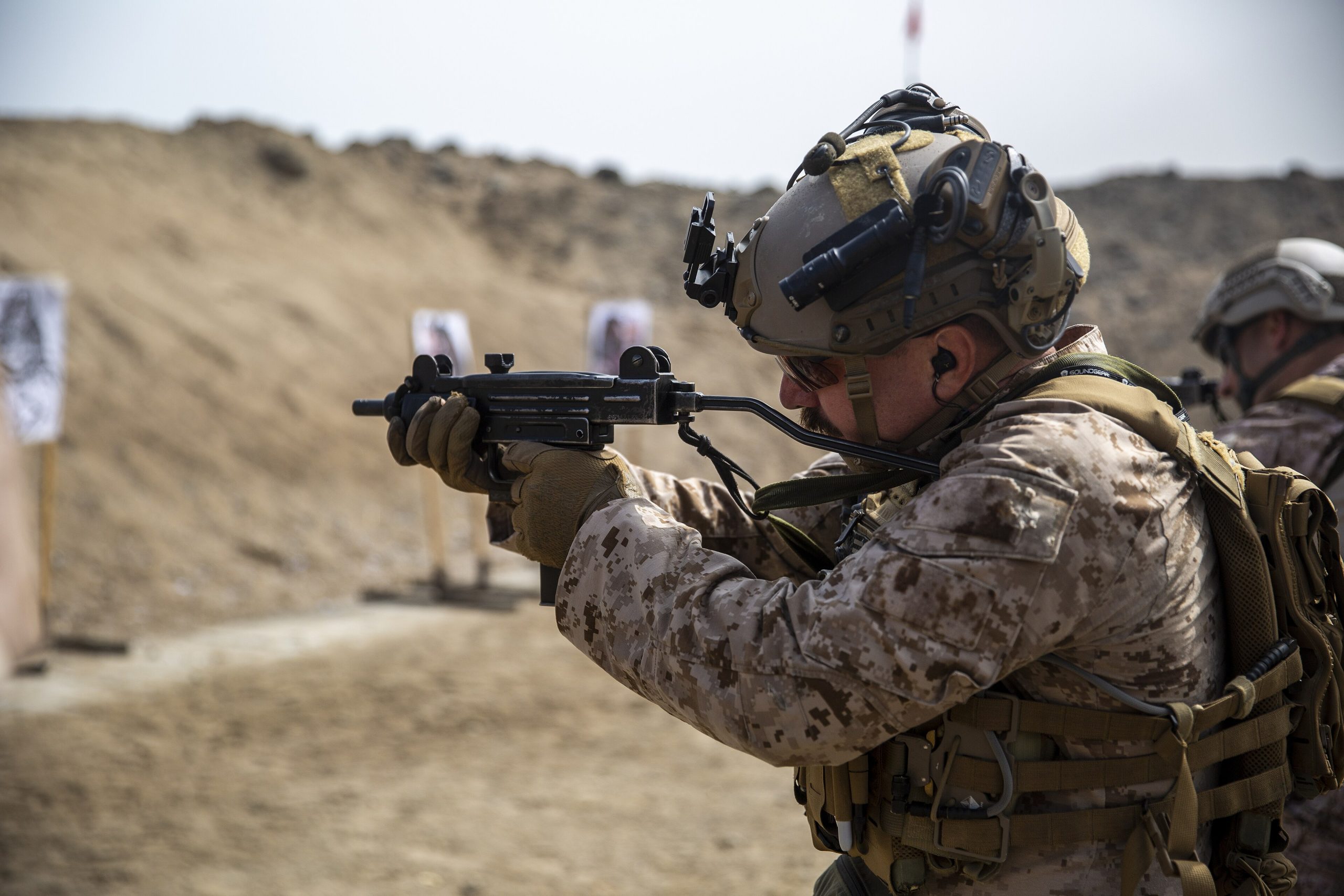
Spend serious time at the range and practice from realistic positions, not just a bench. Work on loading, unloading, sighting in, trigger control, and handling your gear with cold fingers or under mild stress. The more comfortable you are before the trip, the less likely you are to make a rushed decision when a real shot opportunity finally appears.
Wear in Your Clothing and Boots
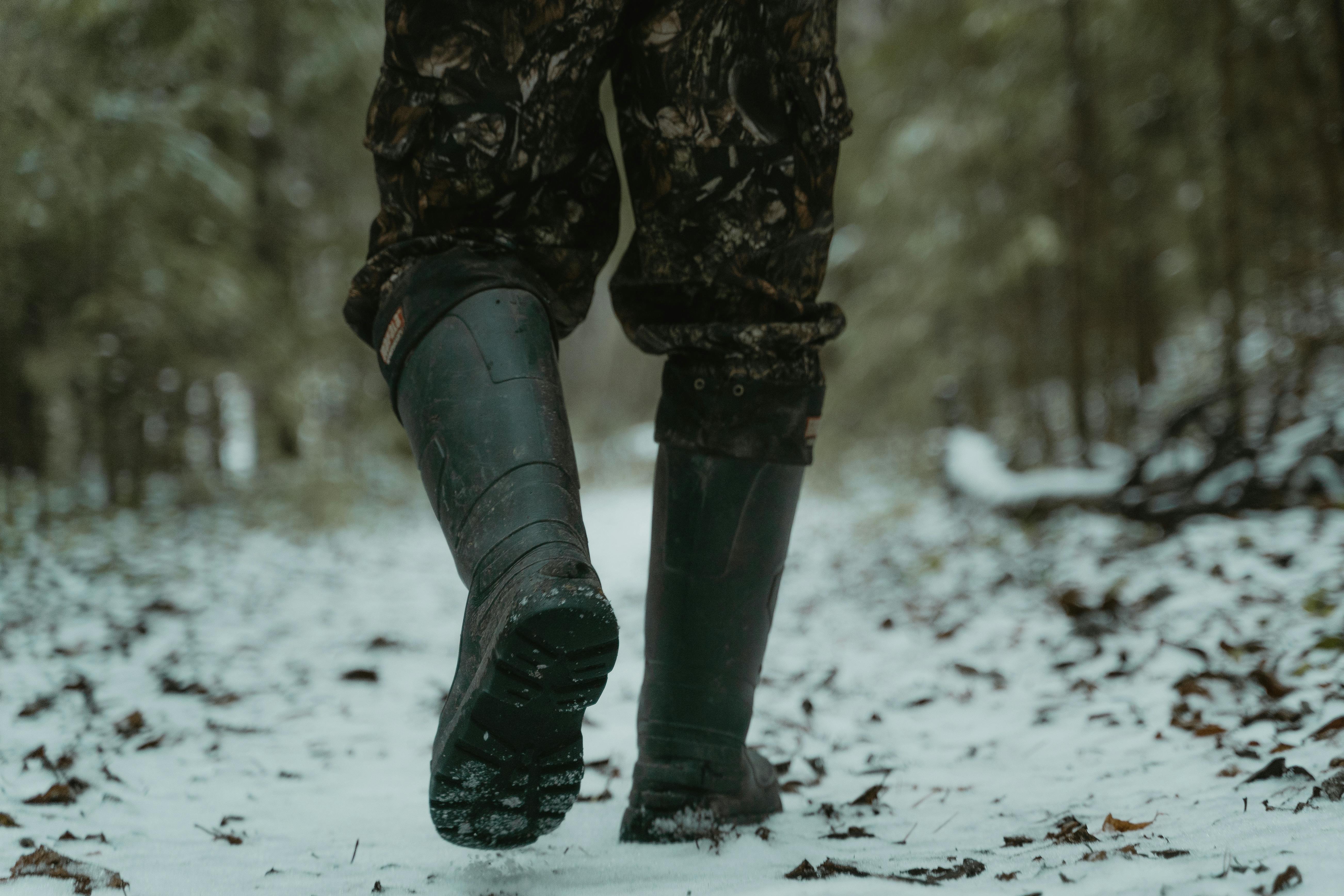
New gear can look great in the store and feel awful three miles into a hunt. Boots that pinch, jackets that swish loudly, or base layers that trap sweat can turn a promising day outside into a distraction-filled slog. Comfort matters more than many beginners realize.
Wear your full setup before the trip, including socks, outerwear, gloves, and pack. Walk in your boots, sit in your layers, and see how everything performs in temperatures similar to what you expect. Breaking in clothing and footwear early lets you spot problems while there is still time to fix them, instead of discovering them halfway through your first morning in the field.
Practice Field Skills Before You Go
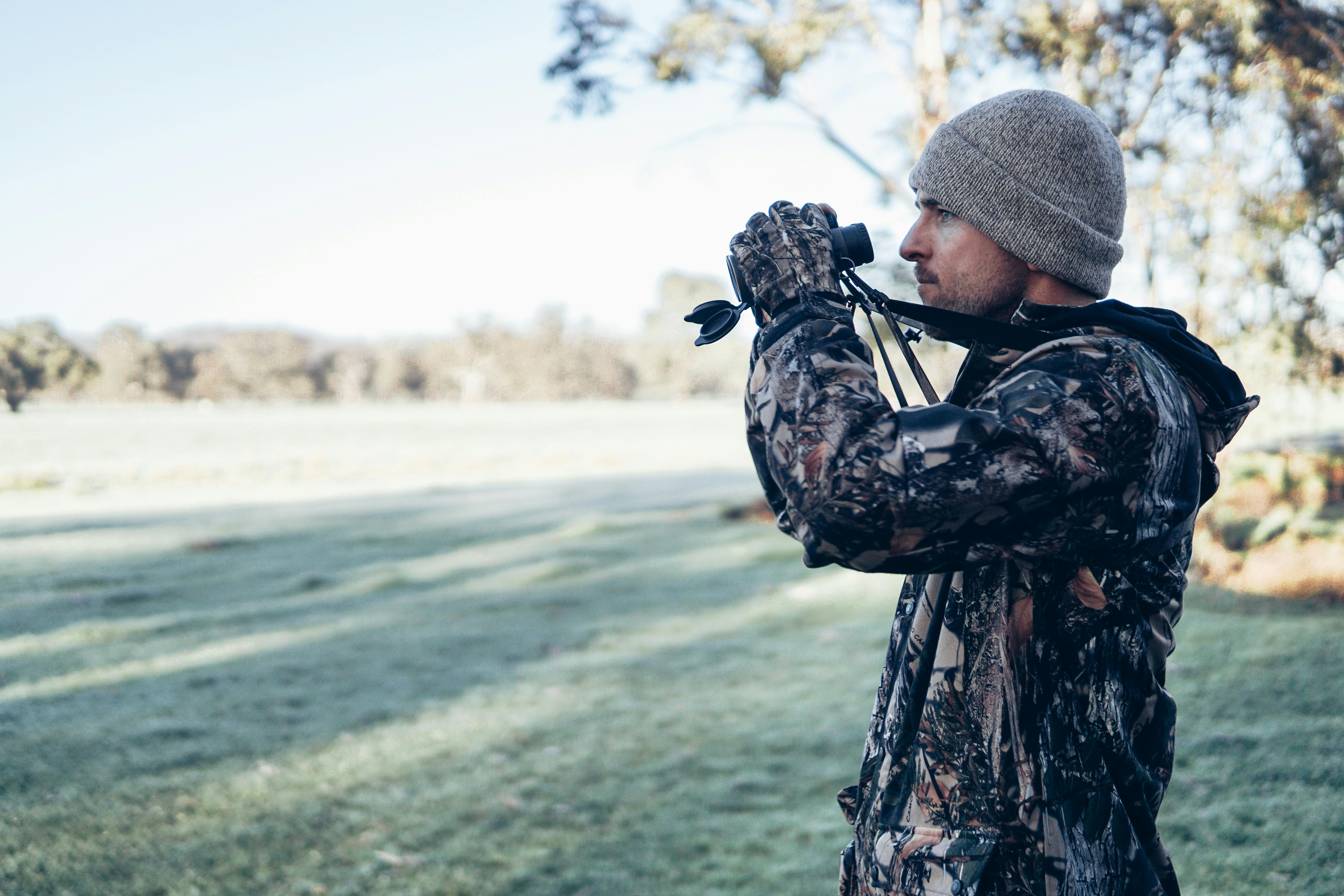
Hunting is not just about taking a shot. It also involves moving quietly, reading wind, spotting animals before they spot you, and staying patient when nothing seems to happen. These are field skills, and they deserve practice before opening day.
Try walking through likely terrain, glassing with binoculars, and learning how to sit still longer than feels natural. Practice using maps, identifying tracks, and recognizing animal sign like scat, bedding areas, or rubs. Even a few informal practice sessions can make the woods feel less mysterious. That confidence changes the whole experience when your first real hunt begins.
Line Up a Mentor or Hunting Partner

Going with someone experienced can shorten your learning curve dramatically. A good mentor does more than point out where to stand. They help you understand pace, decision-making, safety, and the small habits that experienced hunters barely think about anymore but beginners absolutely need.
If you do not have a family member or friend who hunts, look into local conservation groups, hunting clubs, or mentored hunt programs. The right partner can answer questions in real time and help you avoid beginner mistakes that are hard to catch on your own. For a first trip, shared knowledge is often just as valuable as any piece of gear you can buy.
Plan for Safety and Emergencies
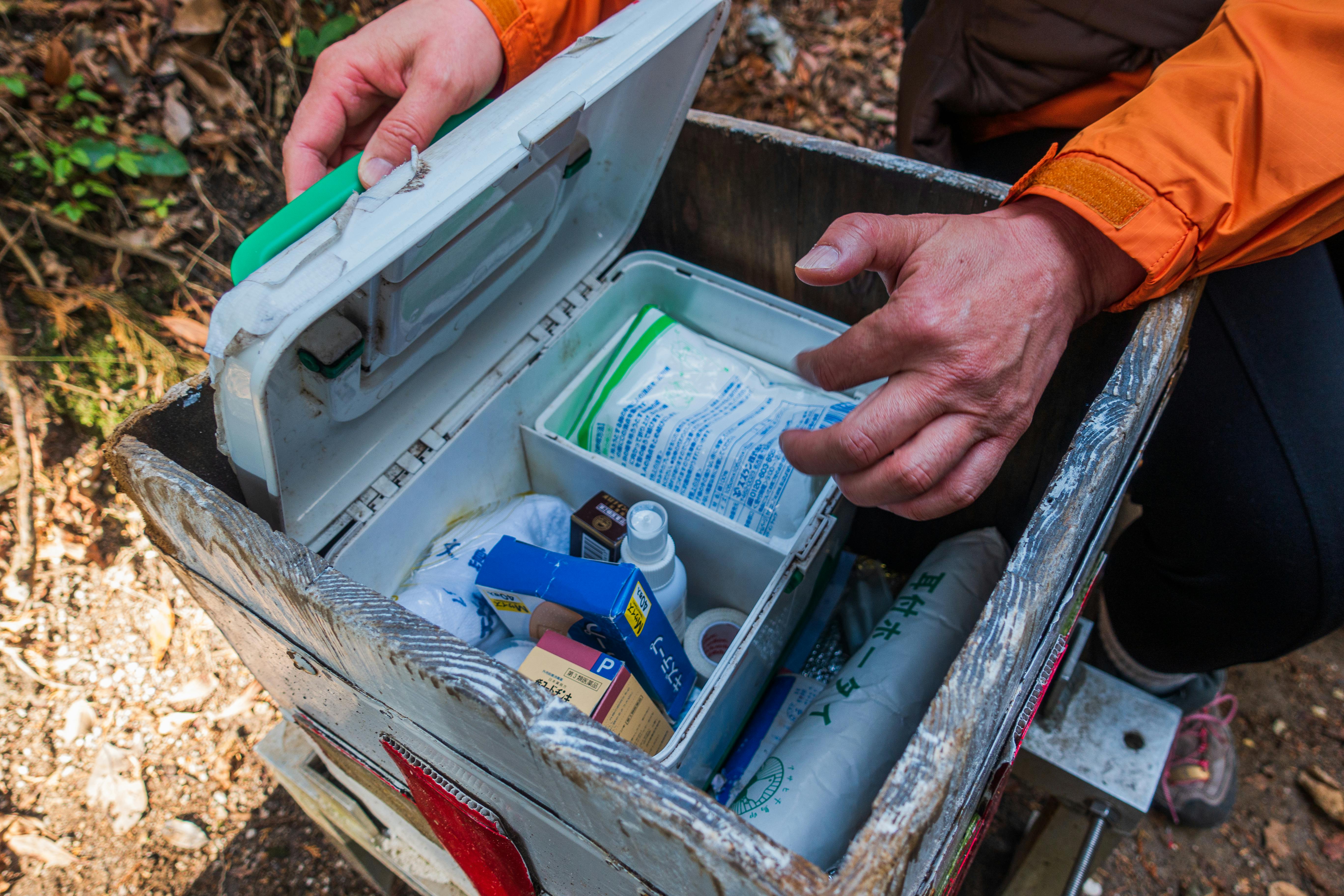
Even a short, local hunt deserves a real safety plan. You need to know where you are going, how long you expect to be there, what the weather might do, and how you would respond if something went wrong. Hoping for the best is not the same as being prepared.
Tell someone exactly where you will be and when you expect to return. Carry the basics, including navigation tools, water, extra layers, a light, and a simple first-aid kit. If you are hunting remote land, communication becomes even more important. A calm, organized approach to emergencies can turn a bad moment into a manageable one, and that is a habit worth building from the start.
Understand Shot Placement and Game Recovery

Before your first hunt, you should know where an ethical shot belongs and what to do after the trigger pull. This is one of the most serious parts of hunting, and it deserves more thought than many beginners give it. A quick harvest starts with preparation long before you step into the woods.
Study animal anatomy for the species you are pursuing and learn how angles affect the shot. Just as important, understand the basics of tracking and recovery if the animal runs after being hit. The moment after the shot can be emotional and confusing, so having a plan matters. Ethical hunting means respecting the animal from the first decision to the final recovery.
Know How You Will Handle the Animal After the Hunt

Many first-time hunters spend all their energy thinking about the hunt itself and very little on what comes next. But once an animal is down, the real work begins. You need a plan for field dressing, transport, cooling the meat, and getting it processed properly.
Read up, watch reliable demonstrations, and if possible, learn hands-on from someone experienced before your trip. Bring the right knives, gloves, game bags, and cooler space, and know where the nearest processor is if you are not doing it yourself. Being prepared for the post-harvest stage is part of being a responsible hunter. It also helps ensure your effort results in meat that is handled cleanly and well.