Long range hunting inspires admiration, skepticism, and fierce argument in equal measure. For some, it represents hard-earned marksmanship and disciplined preparation; for others, it pushes hunting too far from woodsmanship and too close to risk. These nine debates reveal why even serious hunters who share many values still disagree about where the ethical line should be drawn.
How Far Is Too Far

The most obvious argument starts with a simple question: at what distance does a challenging shot become an irresponsible one? Some hunters say there is no universal number because terrain, wind, rifle setup, and individual skill matter more than raw yardage. Others believe every extra hundred yards increases uncertainty in ways that no confidence can fully erase.
That is why the debate never really ends. One hunter may see a 500-yard shot as measured and ethical, while another sees it as the point where too much can go wrong after the trigger breaks. The disagreement is less about ballistics alone and more about how much uncertainty an ethical hunter should ever accept.
Skill Versus Technology

Modern optics, ballistic apps, laser rangefinders, custom turrets, and precision rifles have transformed what is possible in the field. Supporters argue that better tools reduce guesswork and lead to cleaner kills, which is exactly what ethical hunting should prioritize. In that view, refusing technology can be more romantic than responsible.
Critics are not convinced that more gear automatically means better ethics. They worry that equipment can create an illusion of mastery, encouraging hunters to attempt shots beyond their real abilities. The deeper question is whether technology sharpens judgment or sometimes substitutes for it, especially when adrenaline and ambition are part of the equation.
Practice on the Range Versus Performance Under Pressure

Many long range hunters spend countless hours shooting from stable positions and carefully documenting dope at known distances. That level of preparation matters, and it separates serious shooters from casual ones. Still, even impressive range performance does not fully replicate a cold hillside, shifting wind, elevated heart rate, and a living animal that may move in the final second.
This is where the ethical split gets sharp. Some believe repeated success in practice earns the right to take difficult shots in the field. Others say the emotional pressure of a real hunt changes everything, making field conditions the true test. The concern is not whether someone can hit steel, but whether they can predict every variable that matters when the target breathes.
Clean Kill Standards and the Risk of Wounding

Nearly every hunter agrees on one principle: the goal is a quick, humane kill. The dispute begins when people assess how much extra risk long range introduces. Supporters say disciplined shooters can place bullets with remarkable precision and may actually be more careful than hunters who rush closer shots without proper rests.
Opponents focus on what happens after the bullet leaves the barrel. Wind drift, animal movement, delayed impact time, and imperfect visibility can all turn a good-looking setup into a wounded animal and a difficult recovery. For them, the ethical issue is not whether long shots sometimes work beautifully, but whether the margin for failure is too serious to treat as acceptable.
Fair Chase or a Different Kind of Advantage

Fair chase has always involved tension between human skill and human advantage. Some hunters argue that long range shooting still demands patience, scouting, wind reading, and self-control, all of which fit squarely inside traditional hunting values. They see it as another expression of expertise, not a shortcut around the spirit of the hunt.
Others believe distance can alter the relationship too much. If an animal has little chance to detect danger or react before the shot arrives, critics ask whether the encounter still feels like a hunt rooted in pursuit rather than remote execution. The disagreement often comes down to whether fair chase is defined by difficulty, proximity, or the animal’s realistic opportunity to evade.
Open Country Realities Versus Timber Hunting Traditions

Geography shapes ethics more than people sometimes admit. In wide western basins or alpine country, getting close may be impossible without blowing the stalk, and long shots can seem like a practical response to the landscape. Hunters in those places often view distance as part of the environment, not a deliberate attempt to make hunting feel more clinical.
Meanwhile, hunters raised in woods, brush, or broken cover may see things very differently. Their traditions emphasize reading sign, closing the gap, and taking shots at ranges where variables are minimized. Neither side necessarily doubts the other’s sincerity, but each is working from a different picture of what hunting is supposed to look and feel like in the first place.
When Confidence Becomes Ego
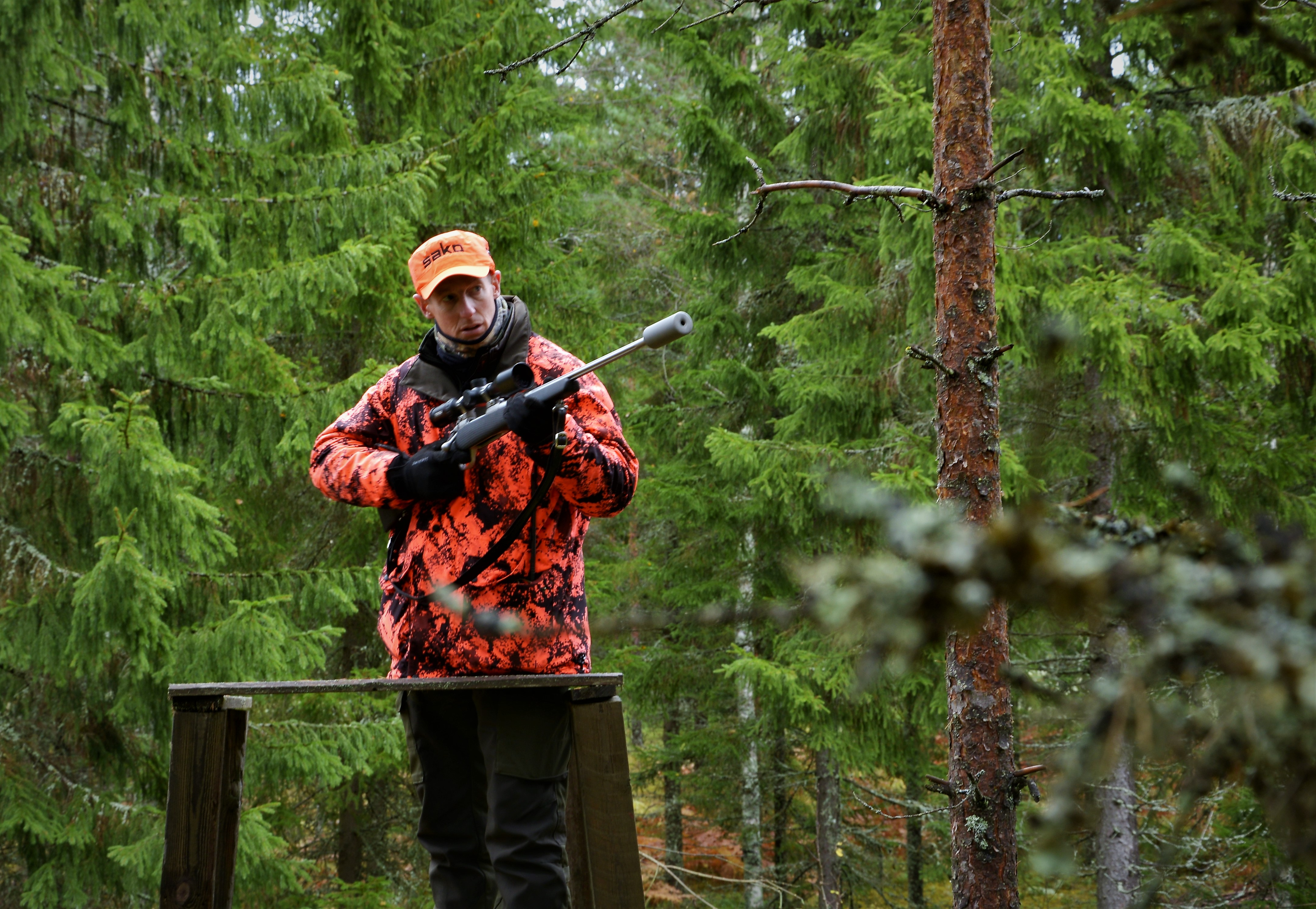
Confidence is essential in any ethical shot, but many hunters worry about the moment confidence turns into performance. Social media, branded gear culture, and dramatic long-shot storytelling can blur the line between competence and showmanship. A person may begin by proving discipline and end by chasing a personal highlight that has little to do with the animal.
That concern resonates because hunting has always demanded humility. Even highly skilled shooters can be tempted to stretch limits when conditions look just good enough. Critics say ego often appears disguised as certainty, while defenders argue that outsiders too easily label genuine expertise as arrogance. The difficult part is that the two can look very similar from a distance.
The Ethics of Follow-Up and Recovery

Long range debates rarely stop at the shot itself. Experienced hunters also ask what happens in the minutes that follow, especially when the animal disappears into a draw, timber pocket, or canyon. At greater distances, reaching the impact site takes time, and that delay can complicate blood trailing, visual confirmation, and fast second-shot opportunities.
Defenders note that many long range hunters work in teams, use spotters, and prepare carefully for recovery before they ever pull the trigger. Skeptics respond that even with good planning, distance creates a practical handicap once something goes wrong. The ethical question is whether a hunter should take any shot that makes immediate follow-up meaningfully harder than it needs to be.
What Experienced Hunters Owe New Hunters

One of the most sensitive arguments involves example. New hunters often absorb their standards by watching respected veterans, outfitters, and online personalities. When long range success is showcased without equal attention to failed attempts, years of practice, and strict self-limits, beginners may come away thinking the shot is simpler and safer than it really is.
That does not mean experienced hunters must hide what is possible. But many believe they have a responsibility to teach restraint as clearly as they teach marksmanship. The ethical divide here is about influence: whether promoting difficult shots elevates standards through education or normalizes risk for people who have not yet earned the judgment to say no.