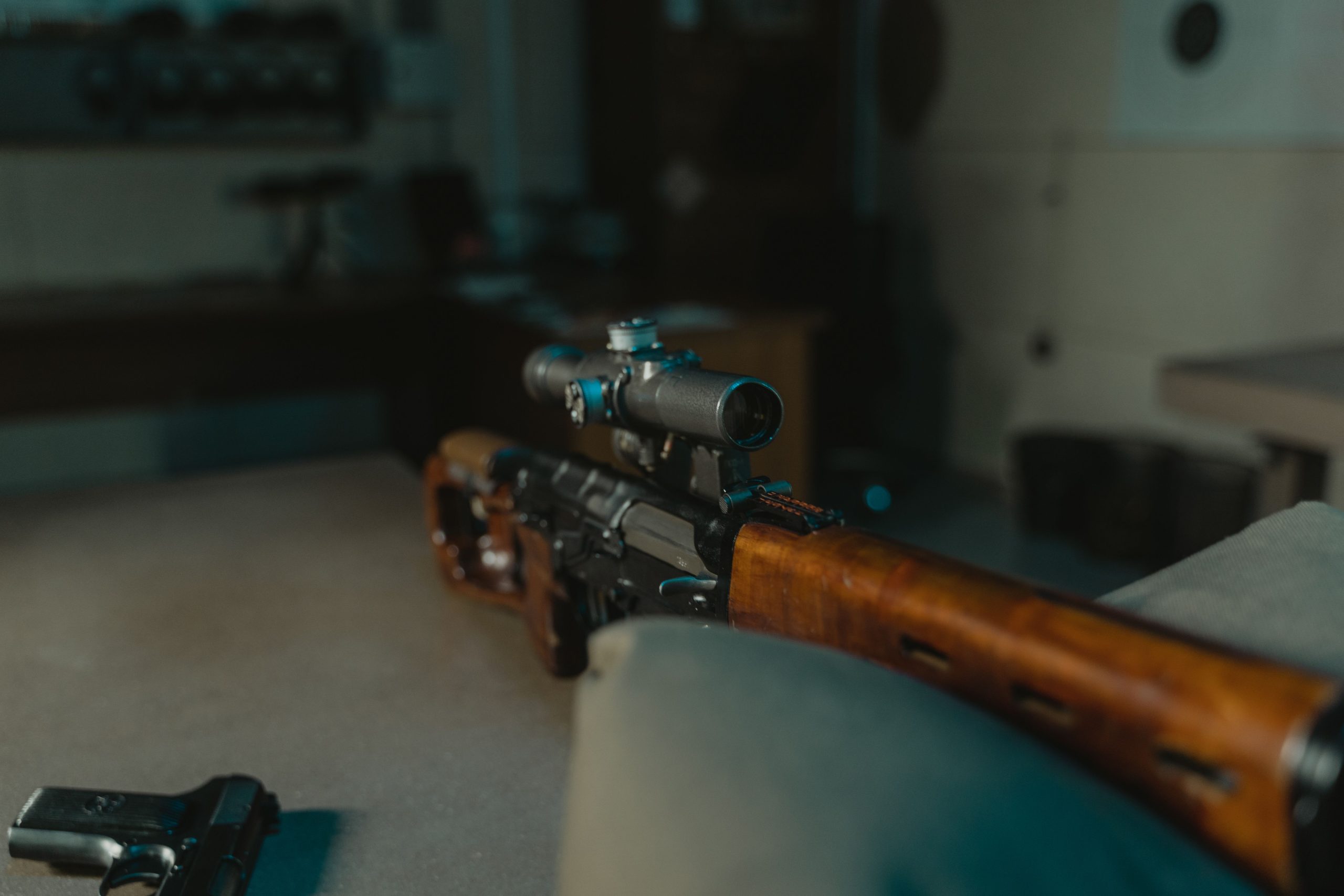
The 2026 SHOT Show revealed just how quickly shooting optics are evolving. This year’s standout products focused less on gimmicks and more on practical improvements such as larger viewing windows, multispectral imaging, longer battery life, better reticles, and more accessible premium glass. From compact red dots to sophisticated thermal systems and spotting scopes, these nine products attracted attention for offering useful technology rather than simply adding features. Here are the releases that generated the most interest and deserve a closer look.
1. Cyelee Chameleon FLEX
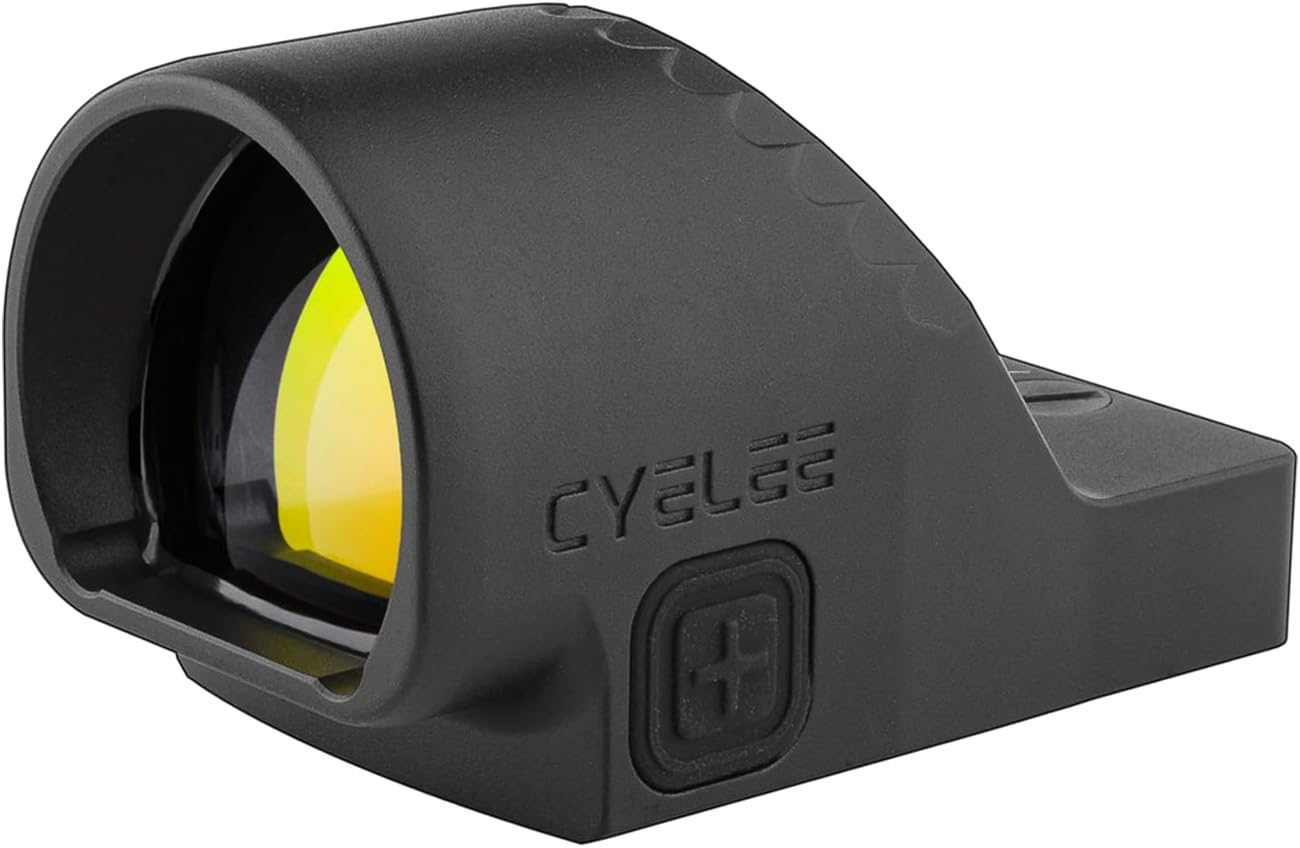
The Chameleon FLEX stood out for packing two aiming options into one compact pistol optic. Its combined 2 MOA dot and 6 MOA reticle lets users favor a fine point or faster visual pickup, while the RMR/407C/507C footprint simplifies mounting on compatible slides. The sight also includes motion activation and a claimed battery life of up to 50,000 hours. At a listed price of $199.99, it targets shooters who want modern features without jumping into premium pricing. The biggest appeal is flexibility: one optic can suit different lighting and aiming preferences.
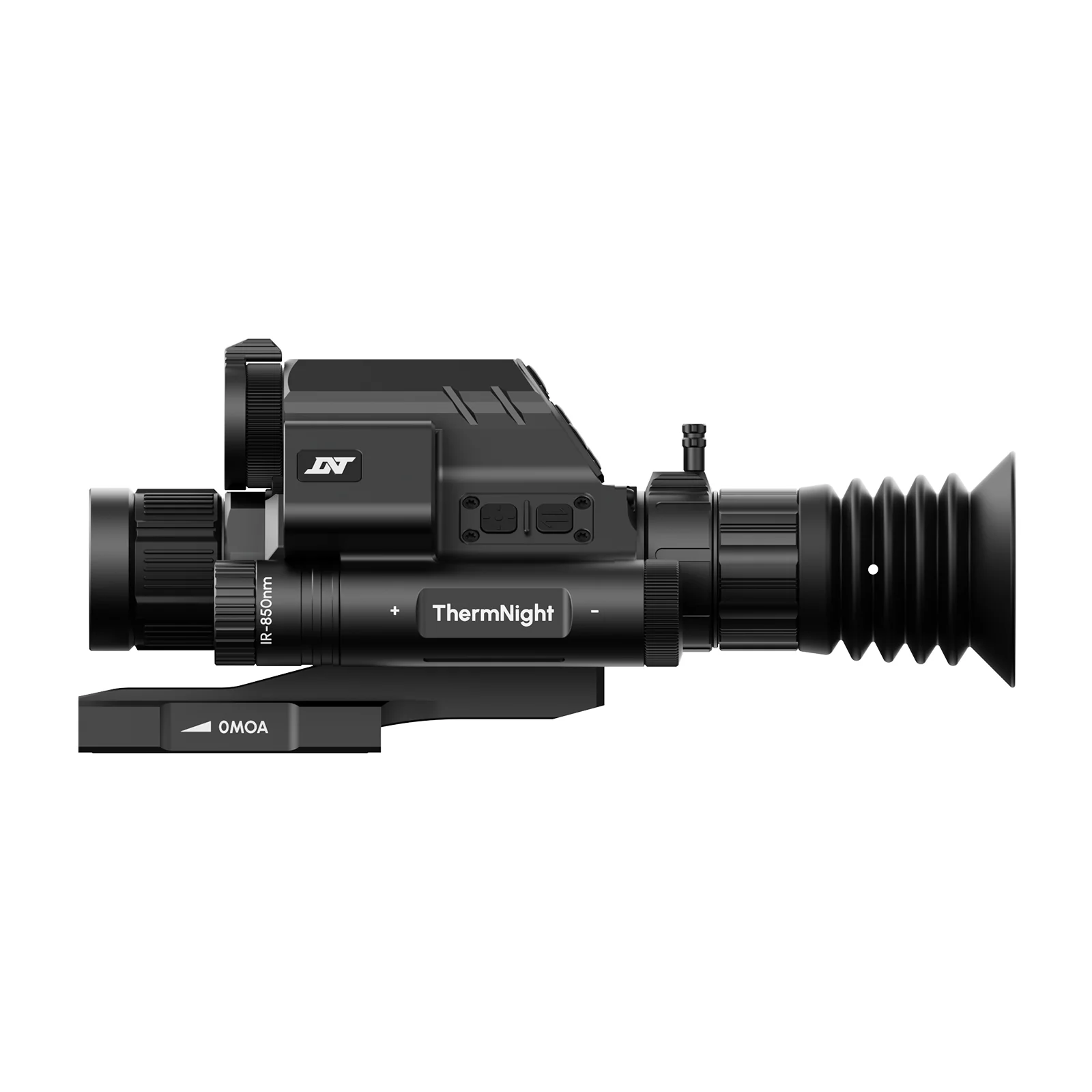
2. DNT ThermNight TNC635R
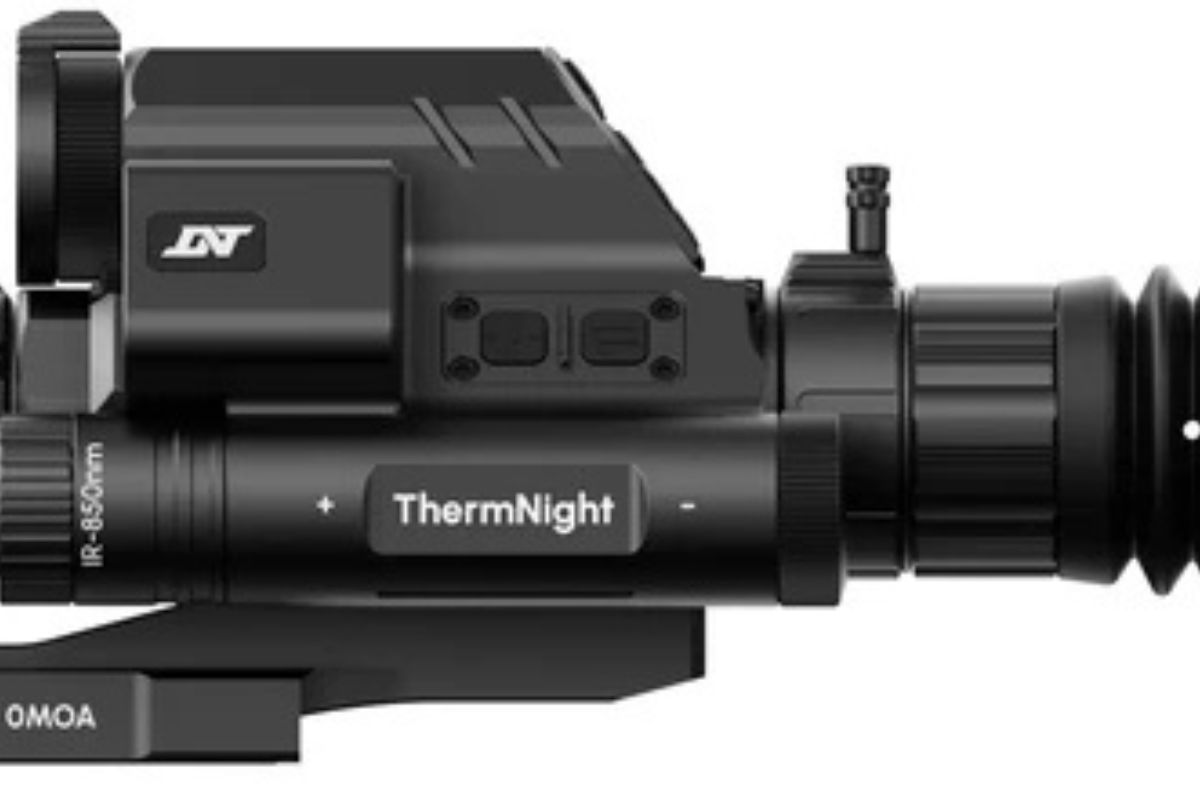
The ThermNight TNC635R represents the growing push toward multispectral viewing. It combines a 640×512 thermal sensor with a 1920×1080 digital night-vision sensor, allowing users to switch between thermal and digital views or use picture-in-picture. A built-in laser rangefinder reaches from 5 to 1,100 yards, while an onboard ballistic calculator handles the ranging data. The unit is IP67-rated, weighs about 724 grams, and runs for roughly 5 hours on two 21700 batteries. Its $3,159.99 SRP places it firmly in the advanced optics category. Its five-hour endurance makes battery planning important.
3. EOTECH EFLX-CE
EOTECH’s EFLX-CE adds a closed-emitter design to its pistol optic lineup, giving users a protected aiming system in a compact package. The 7075 aluminum housing surrounds a large square viewing window, while eight daytime brightness levels include an ultra-bright setting and night-vision compatibility. Buyers can choose a 3 MOA dot, 42 MOA circle, or combined circle-and-dot reticle. A single CR2032 battery is rated for up to 25,000 hours. With a $479 SRP, the EFLX-CE sits in the middle of the market while emphasizing durability and quick sight acquisition.
4. EOTECH EXPS3 HD
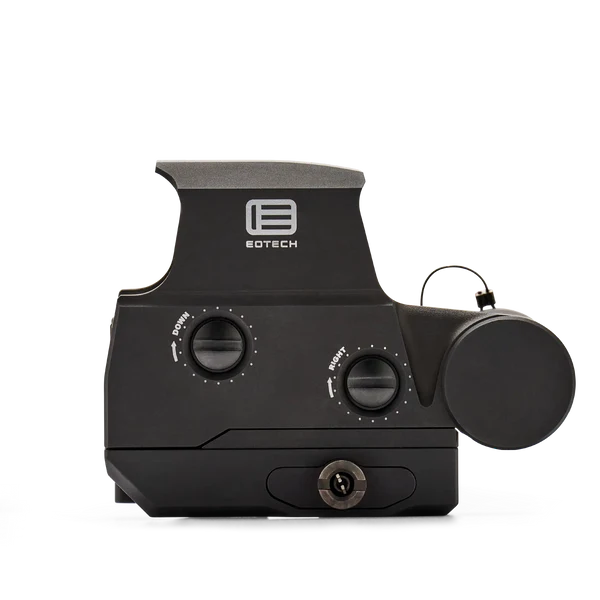
The EXPS3 HD updates EOTECH’s established holographic platform with a redesigned control layout and added flexibility. A left-side rotary dial preserves compatibility with magnifiers, while the optic supports a 1/3 co-witness arrangement. The 2026 model carries a $999 SRP and targets users who value a familiar holographic sight picture with newer controls. The optic is less about adding unnecessary complexity and more about refining a proven format. For buyers comparing premium red dots and holographic sights, its combination of rugged construction and established ergonomics makes it one of the year’s notable launches. That balance is its strongest selling point.
5. GPO Passion HD
GPO’s Passion HD series shows how premium-looking riflescope features are moving into more accessible price brackets. The 2026 range includes 3-12x40i, 3-12x50i, and 3-12x56i versions priced from $399.99 to $499.99. Each uses a 30mm tube and an illuminated 4i reticle, giving hunters three objective sizes without immediately entering four-figure territory. The lineup offers useful magnification, illuminated aiming, and a choice of light-gathering objectives. For buyers comparing value-focused hunting scopes, this lineup deserves attention because the feature set is competitive on paper. That balance makes it especially interesting for value-focused hunters.
6. Hawke Vantage 34 FFP
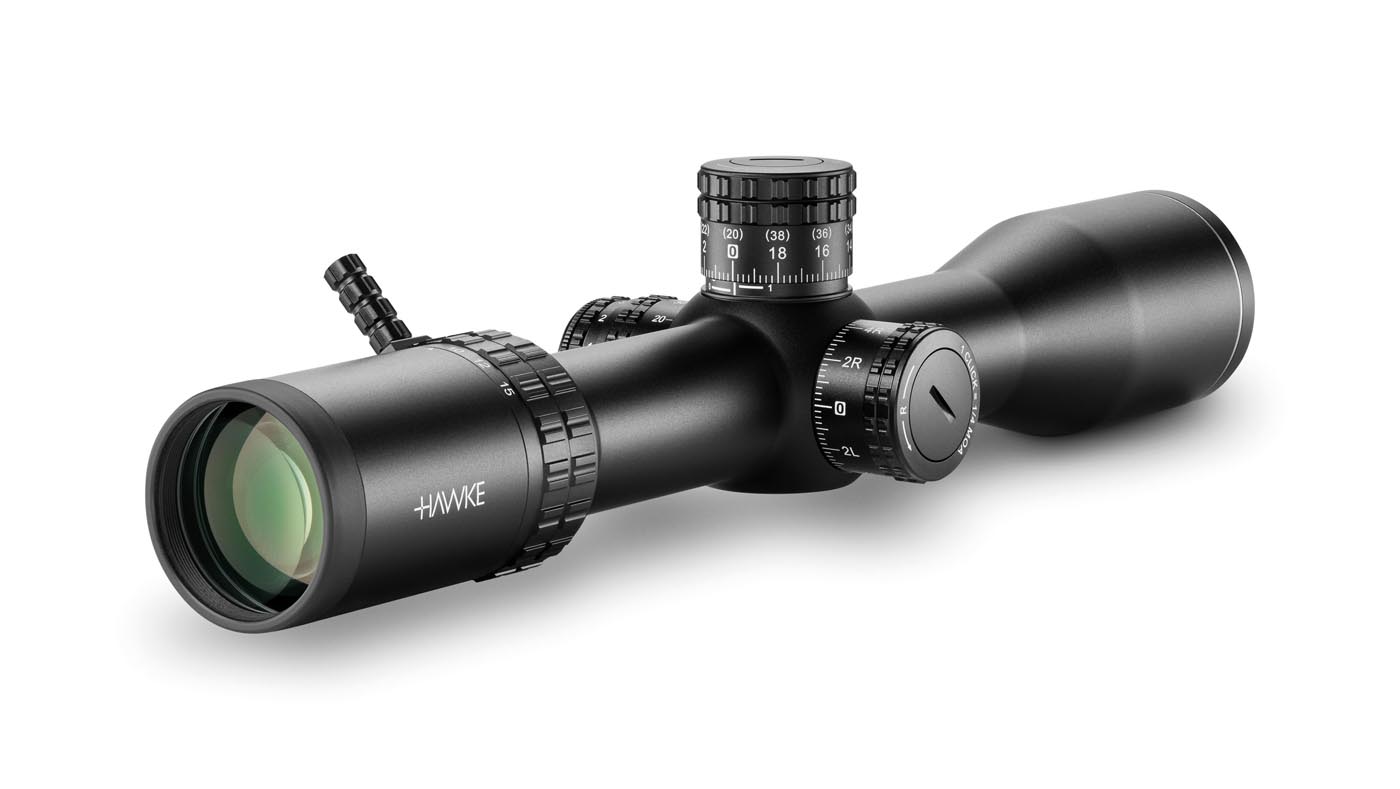
Hawke’s Vantage 34 FFP series brings first-focal-plane features into a price range that is easier to approach than many premium tactical scopes. The 3-15x model is listed at $649, while the 5-25x version is $669. Both use a 34mm tube, fully multi-coated optics, illuminated Mil or MOA reticles, and about 4 inches of eye relief. That combination gives users a useful adjustment range without an extreme price jump. The series is particularly interesting for anyone wanting a versatile optic that can cover closer work and longer-distance observation in a single package.
7. Riton 3 Tactix MPRD XL
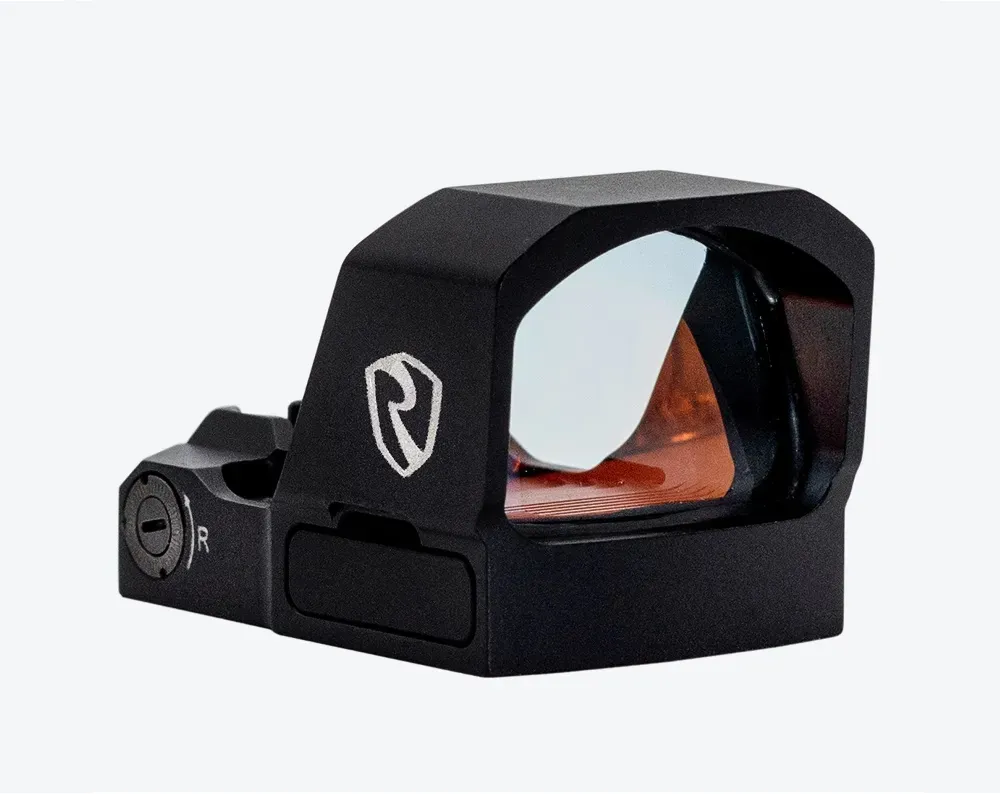
Riton’s 3 Tactix MPRD XL focuses on one of the simplest improvements an optic can make: giving the shooter a larger aiming window. It offers three reticle choices, including a dot, circle, and circle-dot combination, plus 10 brightness settings. Motion activation wakes the optic when movement is detected, while a CR1632 battery is rated for as much as 50,000 hours. The listed $329.99 price keeps it below many premium pistol optics. Its appeal comes from practical features rather than novelty, especially for users who prioritize fast dot acquisition.
8. Swarovski AT Balance 18-45×65
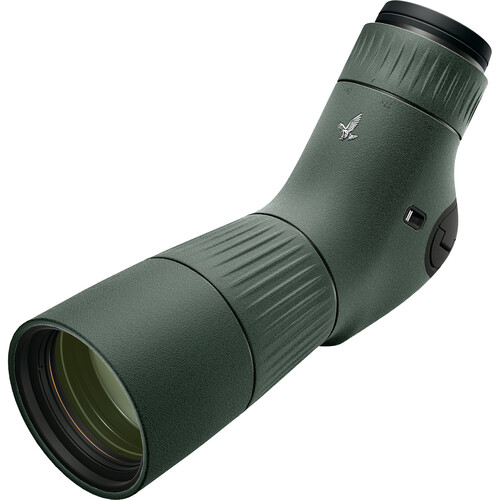
Swarovski’s AT Balance 18-45×65 spotting scope demonstrates how premium observation equipment is becoming more ergonomic as well as optically capable. The 18-45x magnification range gives users flexibility for scanning and detailed viewing, while the 65mm objective balances light collection with a more manageable size than larger spotting scopes. Its $3,999 SRP places it firmly in the premium class. The interesting part is the balance-focused design, which aims to make prolonged glassing less tiring. For hunters and observers spending hours behind a tripod, that ergonomic emphasis can matter as much as raw magnification. Its ergonomic emphasis may matter most during long tripod sessions.
9. GPO Rangeguide 10×40
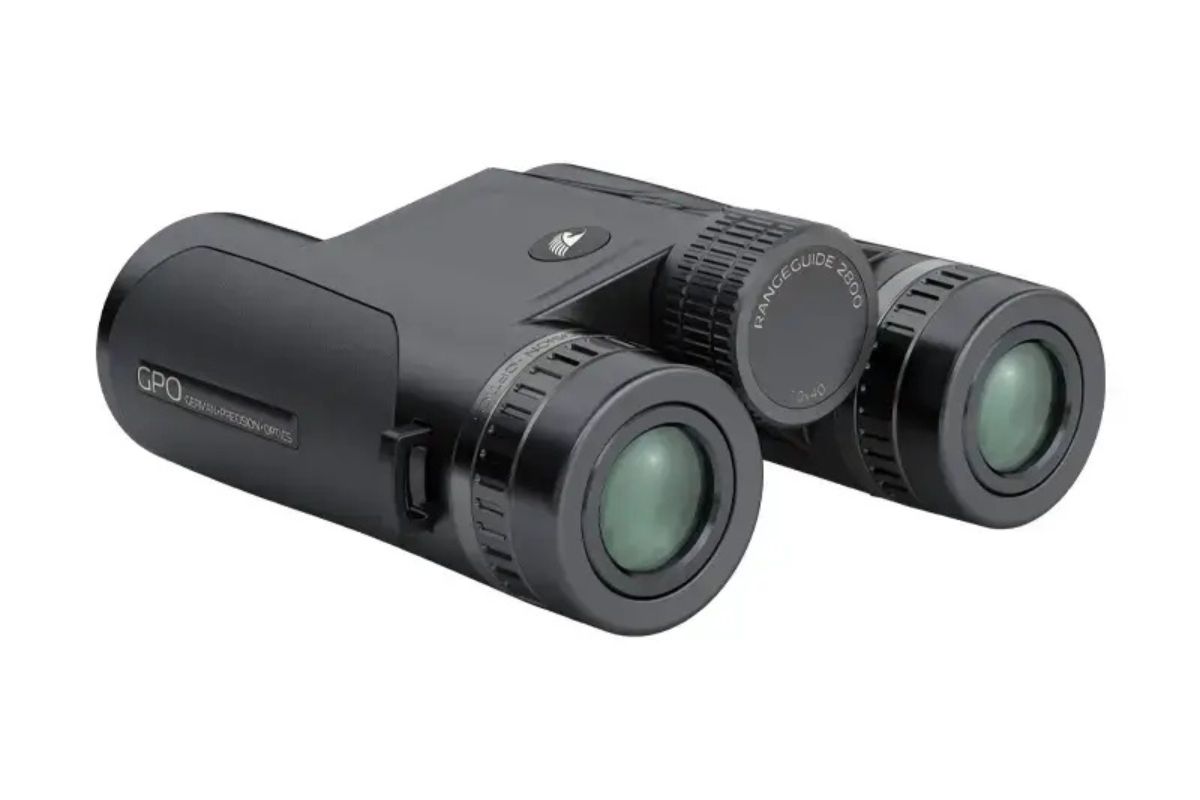
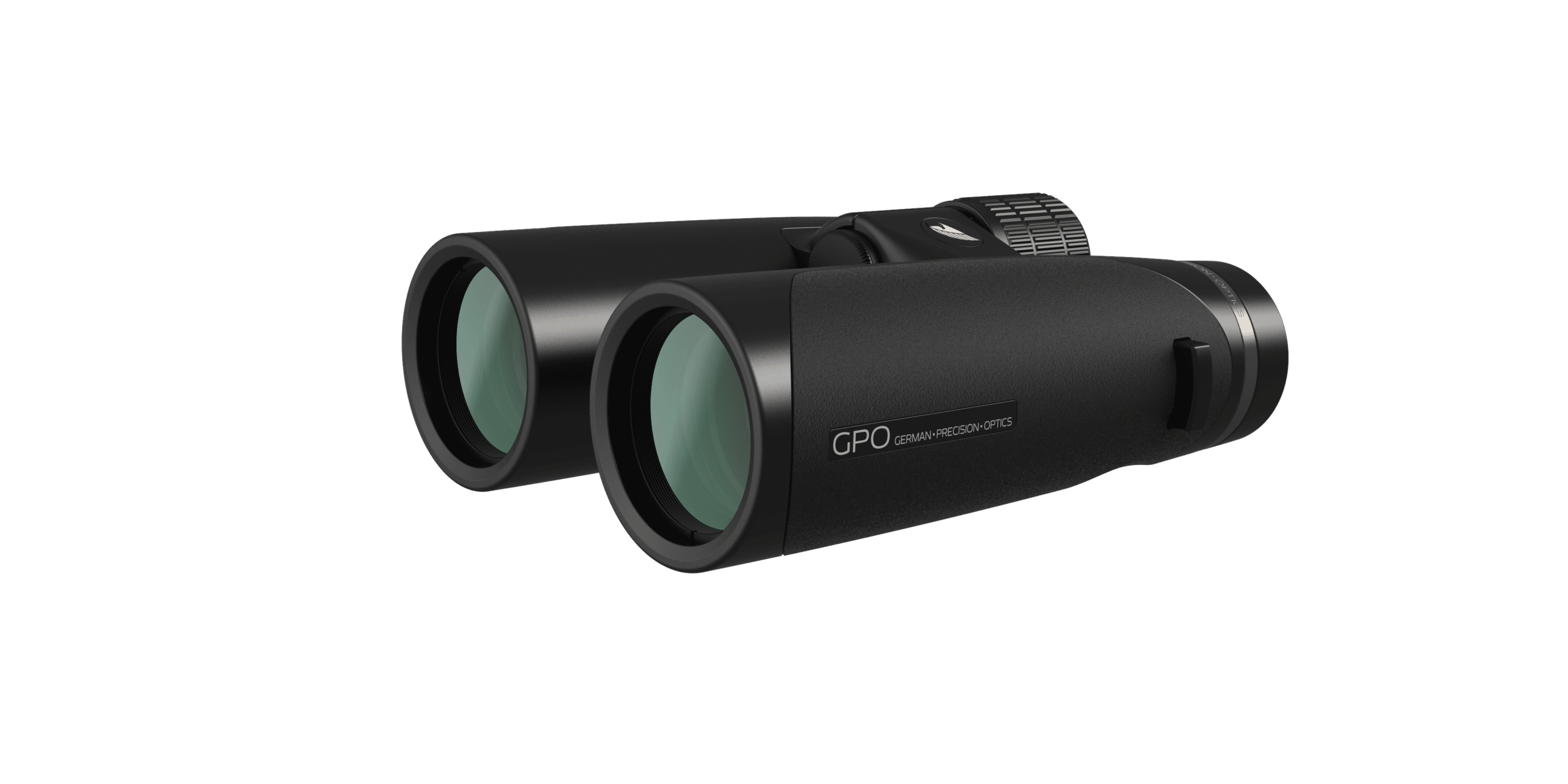
GPO also brought attention to its Rangeguide 10×40 binocular, which combines conventional observation with built-in ranging technology. The model carries a listed $1,349.99 SRP and can range targets from approximately 6 to 3,500 yards. Its magnesium body keeps the design relatively light, while the OLED display provides nine brightness settings. A scan mode can produce three readings per second, and an integrated sensor automatically adjusts reticle illumination. For hunters who want binoculars and ranging capability in one device, the combination can reduce the equipment carried into the field. The result is a useful blend of observation, ranging, and compact functionality.