Every few years, a fresh wave of rifle chamberings promises flatter trajectories, better terminal performance, or smarter recoil management. For 2026, the chatter is already building among serious hunters who want cartridges tuned for modern bullets, suppressors, and real-world field use. This gallery looks at nine new chamberings generating early interest, plus the bigger trends explaining why they matter now.
Why 2026 could be a big year for new chamberings

The cartridge market is moving faster than it did a decade ago, and hunters are a major reason why. They want efficient cases, high-BC bullets, and chamberings that work well from compact rifles without giving up downrange authority.
Manufacturers also know buyers are more educated than ever. People compare velocity charts, barrel life, and recoil before they ever step into a shop, so a new chambering has to solve a real problem, not just wear a flashy name.
That helps explain why 2026 is shaping up as a serious launch window. The chamberings drawing early questions tend to be practical, specialized, and designed around how hunters actually shoot today.
7mm Backcountry Compact
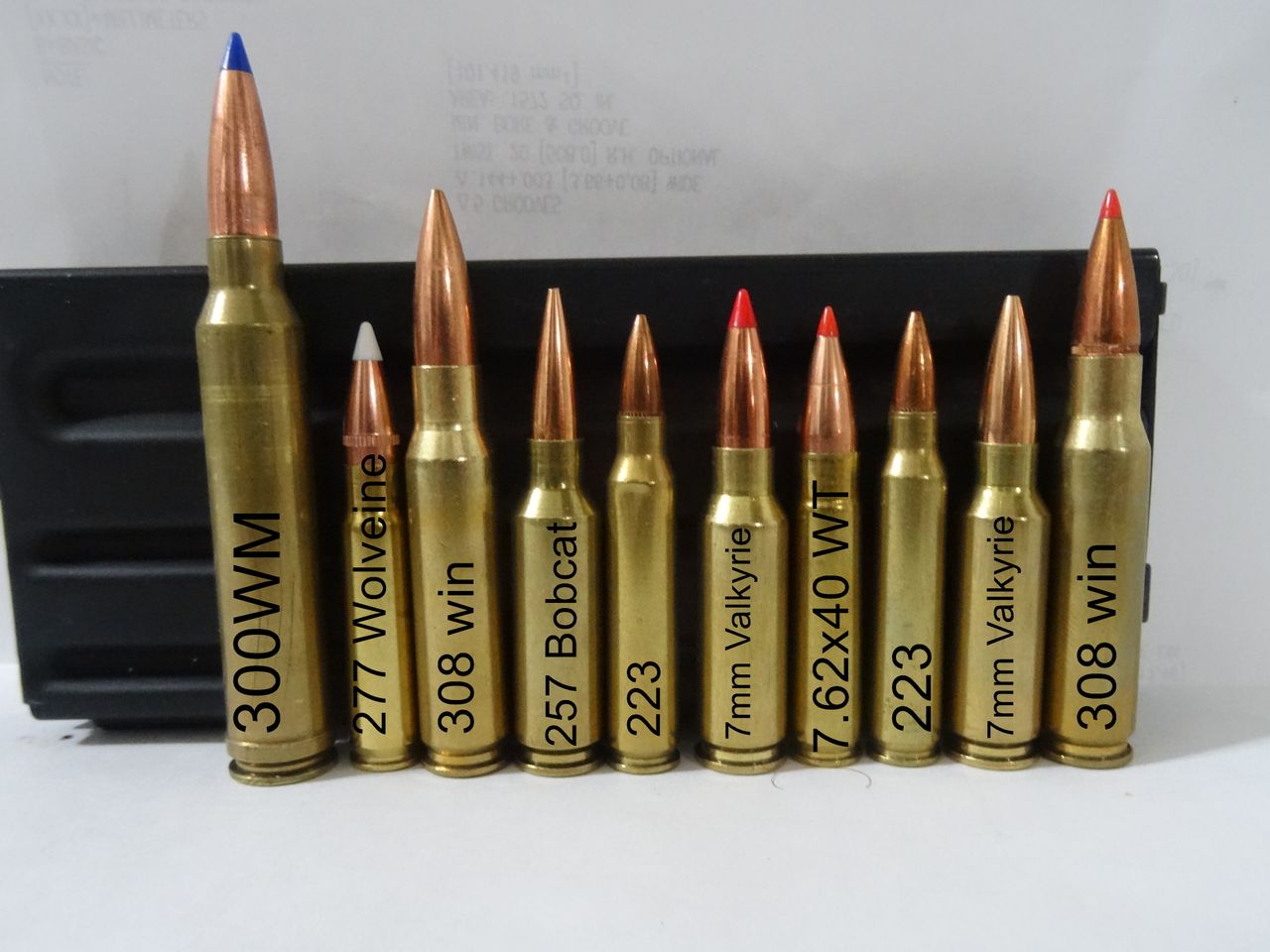
Among the most talked-about rumored arrivals is a short, efficient 7mm built for mountain rifles and suppressed hunting setups. The idea is simple: deliver sleek 7mm bullet performance from a compact action while keeping recoil and rifle weight manageable.
That formula makes immediate sense to western hunters who hike hard and shoot across unpredictable distances. If it launches with factory loads in the 160- to 175-grain class, it could appeal to elk hunters who want reach without stepping up to a bulkier magnum.
The real question will be velocity versus barrel length. If this chambering performs well from a handy 20- or 22-inch tube, interest could spike quickly.
.25 Creedmoor Magnum
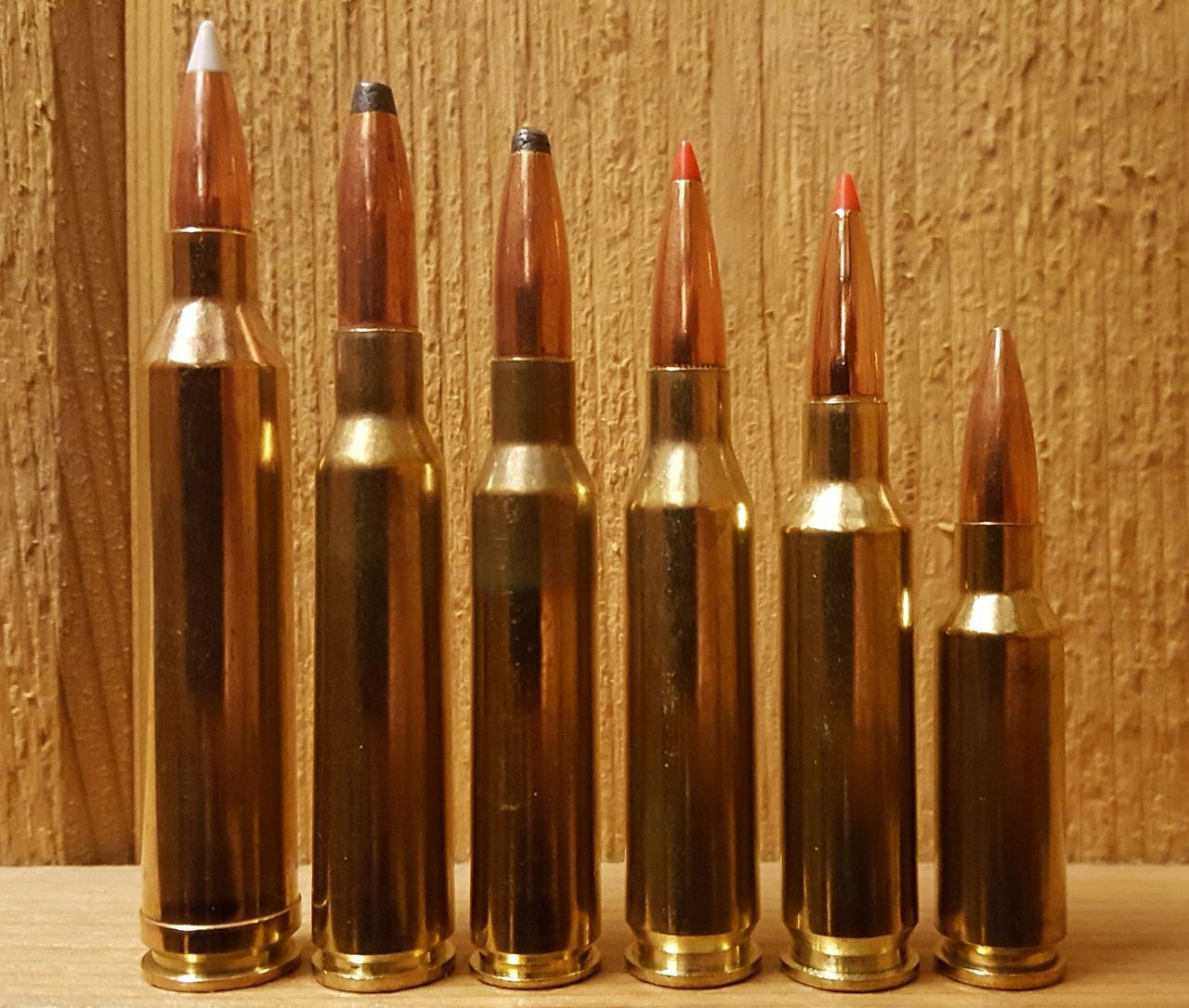
Hunters have been asking for a hotter .25-caliber option that takes full advantage of modern long-for-caliber bullets. A magnum-leaning .25 built on a modern case could answer that call, especially for those who love flat trajectories on deer, pronghorn, and similar game.
The appeal is easy to understand. A fast .25 can be wonderfully forgiving in wind and drop, and it often carries mild enough recoil for precise shot placement from field positions.
If ammunition makers load it with tough, aerodynamic hunting bullets rather than pure speed gimmicks, this chambering could become a favorite among open-country hunters. Its success would hinge on balancing speed, barrel life, and consistent factory support.
.338 ARC Hunter

Big-bore efficiency is having a moment, especially among hunters using short-barreled rifles and suppressors. A hunter-focused .338 ARC variant or closely related chambering would fit that trend by emphasizing heavy bullets, solid terminal effect, and useful performance from compact platforms.
This kind of cartridge is not about chasing the flattest arc on the chart. It is about dependable energy at moderate ranges, quick handling in timber, and a recoil impulse many shooters find easier to manage than old-school big magnums.
If released with well-designed hunting loads, it could draw attention from hog hunters, black bear hunters, and woods hunters who prioritize authority over distance bragging rights.
6.5 PRC Lite

The 6.5 PRC proved there is a large audience for a cartridge that stretches beyond the Creedmoor without becoming excessive. A lighter, more efficient offshoot aimed at shorter barrels and lower recoil would land directly in a sweet spot many hunters have been asking about.
That sweet spot matters because not every buyer wants maximum speed at any cost. Plenty want a cartridge that keeps the 6.5’s familiar manners while improving real hunting performance from practical rifles carried all day.
If a 2026 launch delivers strong factory accuracy and useful terminal performance with 140- to 156-grain bullets, it could become a highly attractive all-around option. The name matters less than the balance it promises.
The return of modern .30-caliber standards

Not every new chambering is a radical departure. Some of the strongest 2026 buzz surrounds updated .30-caliber concepts that rethink case efficiency, magazine compatibility, and performance with today’s long, heavy hunting bullets.
That could mean a cartridge designed to slot neatly between the .308 Winchester and the .300 PRC, giving hunters more reach and energy without demanding a full magnum rifle. For many people, that middle ground is where the smartest real-world choices live.
The broad appeal of .30 caliber never went away. If a new standard emerges with sensible recoil, strong factory offerings, and good availability, it may earn attention faster than more exotic chamberings.
22 Advanced Hunter
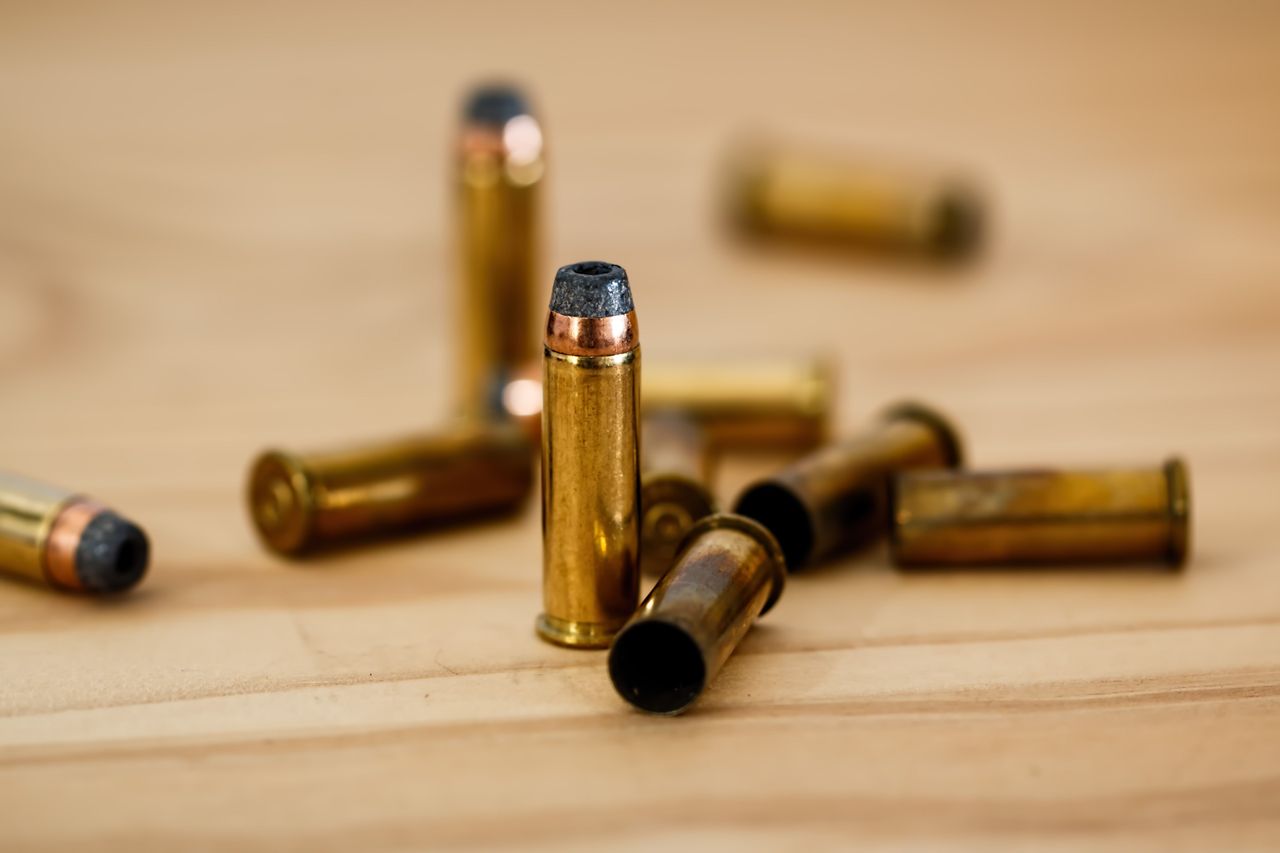
A new .22-caliber centerfire aimed specifically at hunters might sound niche, but demand is real. Predator callers, varmint shooters, and even some deer hunters in states where legal rules allow small bores are watching for a design that pushes sleek bullets faster and more efficiently.
The key would be avoiding the old tradeoff between velocity and practicality. Hunters want a cartridge that stays laser-flat yet still feeds well, handles heat reasonably, and comes with bullets built for clean, decisive terminal performance.
If 2026 brings a refined .22 built around modern projectiles instead of legacy varmint assumptions, it could win over a crowd that values precision above all. Coyotes would be the obvious proving ground.
The short-action elk cartridge race

One of the liveliest segments in hunting rifles is the short-action elk category. Hunters love the handiness of short rifles, but they still want a cartridge capable of driving deep-penetrating bullets with confidence on large-bodied game.
That pressure has created room for several 2026 candidates, especially in 6.8mm, 7mm, and efficient .30-caliber formats. The winning formula will likely be a cartridge that handles modern bonded or monolithic bullets well without needing an overly long barrel.
This race says a lot about today’s buyer. People are not just shopping for raw numbers anymore. They want cartridges that fit better in packs, vehicles, blinds, and suppressor-ready hunting setups without surrendering elk-worthy performance.
Suppressed hunting is shaping cartridge design

Suppressors are no longer a niche accessory in hunting circles, and cartridge developers know it. That shift is influencing chamberings with more efficient powder columns, better short-barrel performance, and recoil profiles that feel smoother when paired with a can.
For hunters, the benefits are practical. Suppressed rifles are easier on hearing, often more pleasant to shoot, and can improve confidence during long practice sessions before season.
That is why several chamberings expected in 2026 seem tailored to this reality. They are being imagined not for a 26-inch barrel and a shooting bench, but for a compact field rifle carried through timber, canyons, or crop edges all fall.