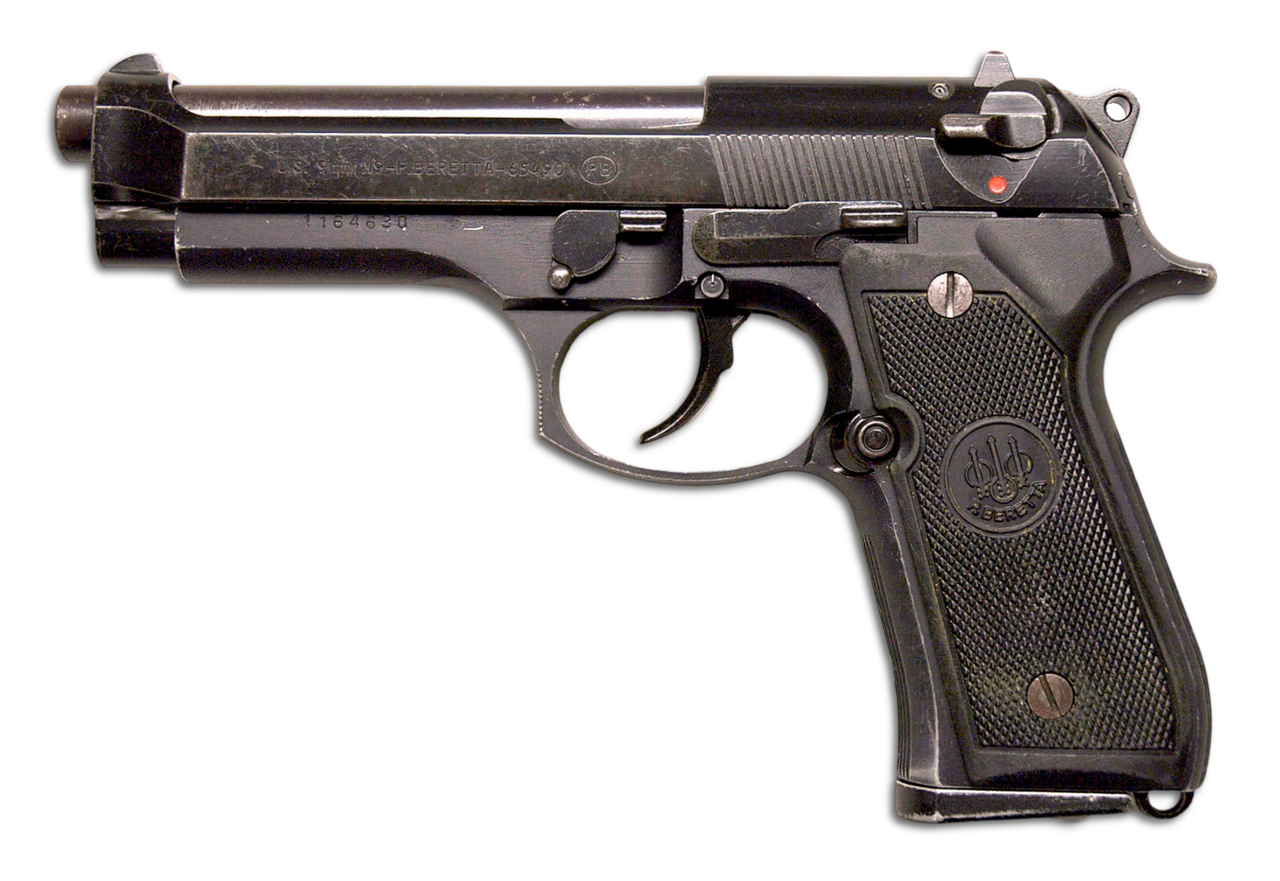
For a generation of American troops, the Beretta M9 was the military pistol. Its replacement was less a sudden rejection than the final result of changing standards, new requirements, and a hard-nosed procurement process.
The M9 earned its place, but time changed the equation
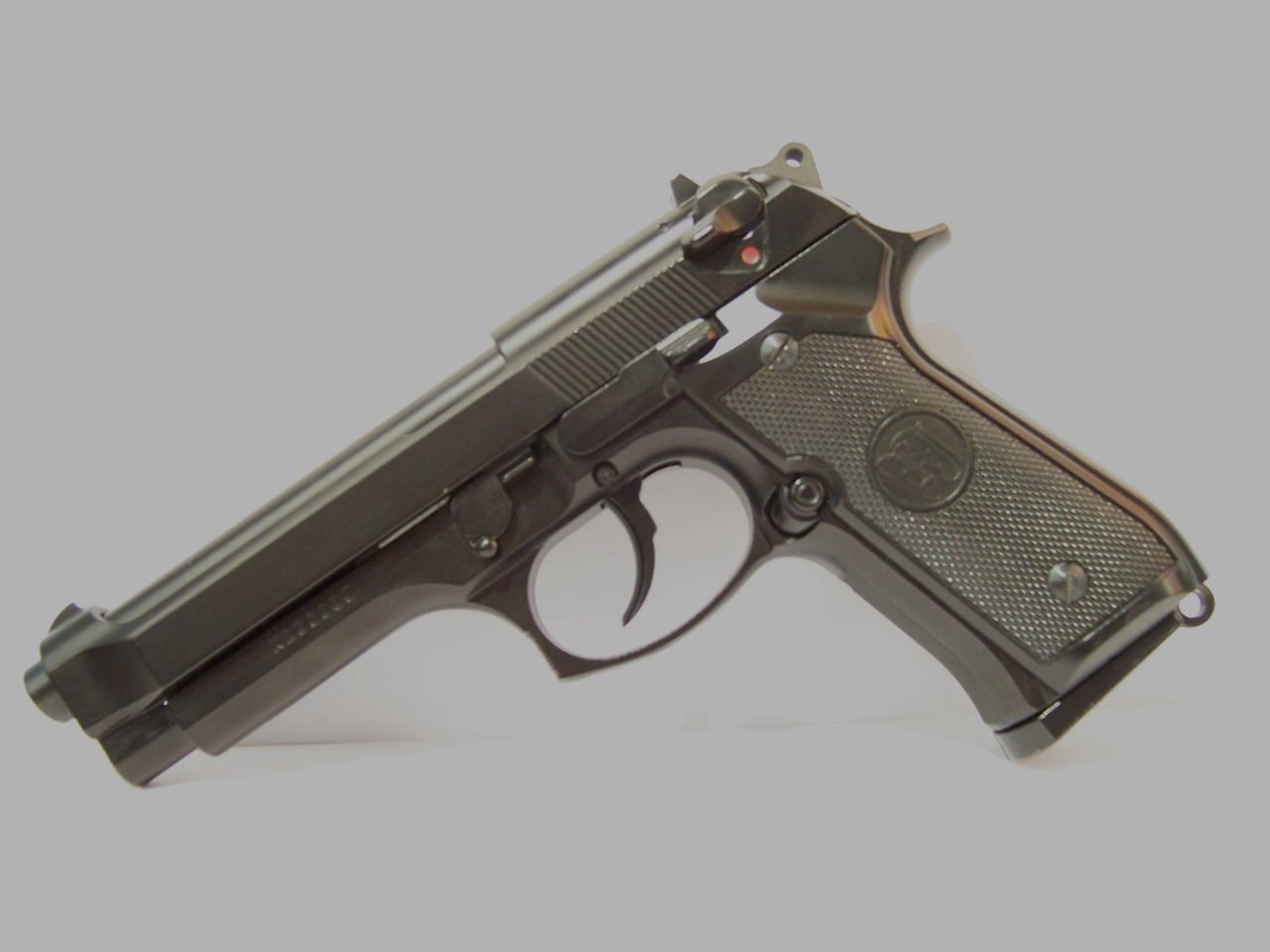
When the US military adopted the Beretta 92F as the M9 in the 1980s, it solved a real problem. The armed services wanted a common 9mm sidearm to replace a patchwork of aging pistols, especially the venerable M1911A1 in .45 ACP. Beretta won because it met the technical requirements and came in at a competitive price, which mattered enormously in a large military contract.
Over the next three decades, the M9 built a strong reputation for reliability in normal service use. Many troops found it accurate, soft-shooting, and easy to handle thanks to its full-size frame and open-slide design. It also benefited from huge institutional familiarity, with armorers, holsters, spare parts, and training programs built around it across the force.
But a long service life cuts both ways. By the 2010s, the M9 was no longer being judged against the pistols it had beaten in the 1980s. It was being judged against a much newer generation of handguns that reflected changes in materials, ergonomics, optics readiness, accessory mounting, and user expectations.
The military was no longer looking for just a replacement M9
A lot of people talk about the M9 losing the contract as if Beretta simply got outperformed by a better pistol in a straight duel. That is not really how the Modular Handgun System competition worked. The Army, which led the effort, was not asking industry to send in another traditional metal-framed service pistol with familiar controls and dimensions.
Instead, it wanted a handgun system built around flexibility. That meant modular grip options, adaptability for different hand sizes, easy configuration changes, accessory compatibility, and a design that could support multiple mission profiles. In other words, the requirement had shifted from choosing a pistol to choosing a platform.
This was especially important because sidearms serve a wide range of users. Pilots, military police, special operators, vehicle crews, and conventional troops do not all want exactly the same package. A system that could be tailored more easily had a major advantage over an older one-size-fits-most service pistol, even if that older pistol was still fundamentally capable.
Modularity became the deciding feature of the new era
Sig Sauer’s winning submission, which became the M17 and compact M18, was based on the P320 family and fit the modular concept extremely well. Its serialized fire-control unit allowed the core regulated component to be moved among different grip modules and configurations. That gave the military a cleaner path to adapting the handgun without redefining the weapon from scratch.
By contrast, the Beretta M9 was a product of an earlier philosophy. It was robust and proven, but it was not built around easy modular reconfiguration. Grip size, frame dimensions, and core architecture were much less flexible, and that mattered once the military decided flexibility was one of the central goals of the program.
The Army also emphasized ergonomics and shooter accommodation. Modern striker-fired handguns with interchangeable grip modules gave procurement officials a practical answer to a persistent issue: one standard pistol does not fit every soldier equally well. A better fit can improve qualification scores, confidence, and safe handling, which are not glamorous procurement factors but often become decisive when evaluating sidearms at scale.
Cost, logistics, and life-cycle value mattered as much as performance
Military procurement is never just about which weapon enthusiasts prefer at the range. Officials look at the total package value, including unit cost, sustainment, parts, accessories, training implications, and projected life-cycle expense. In that environment, an incumbent product can lose not because it is bad, but because a competing system promises better long-term value under new requirements.
According to reporting at the time of the award, Sig Sauer’s proposal was highly competitive on cost while also checking the modularity boxes the Army wanted. That combination is powerful. If one company offers both technical alignment and an attractive financial bid, the incumbent has very little room for nostalgia to save it.
Beretta did challenge the outcome, which is common in major defense contracts. But the protest did not reverse the decision. Once the award stood, the logic became clearer: the military saw the future sidearm program not as an M9 refurbishment effort, but as a chance to reset around a more adaptable pistol system with favorable economics.
The M9 also carried baggage from years of user complaints
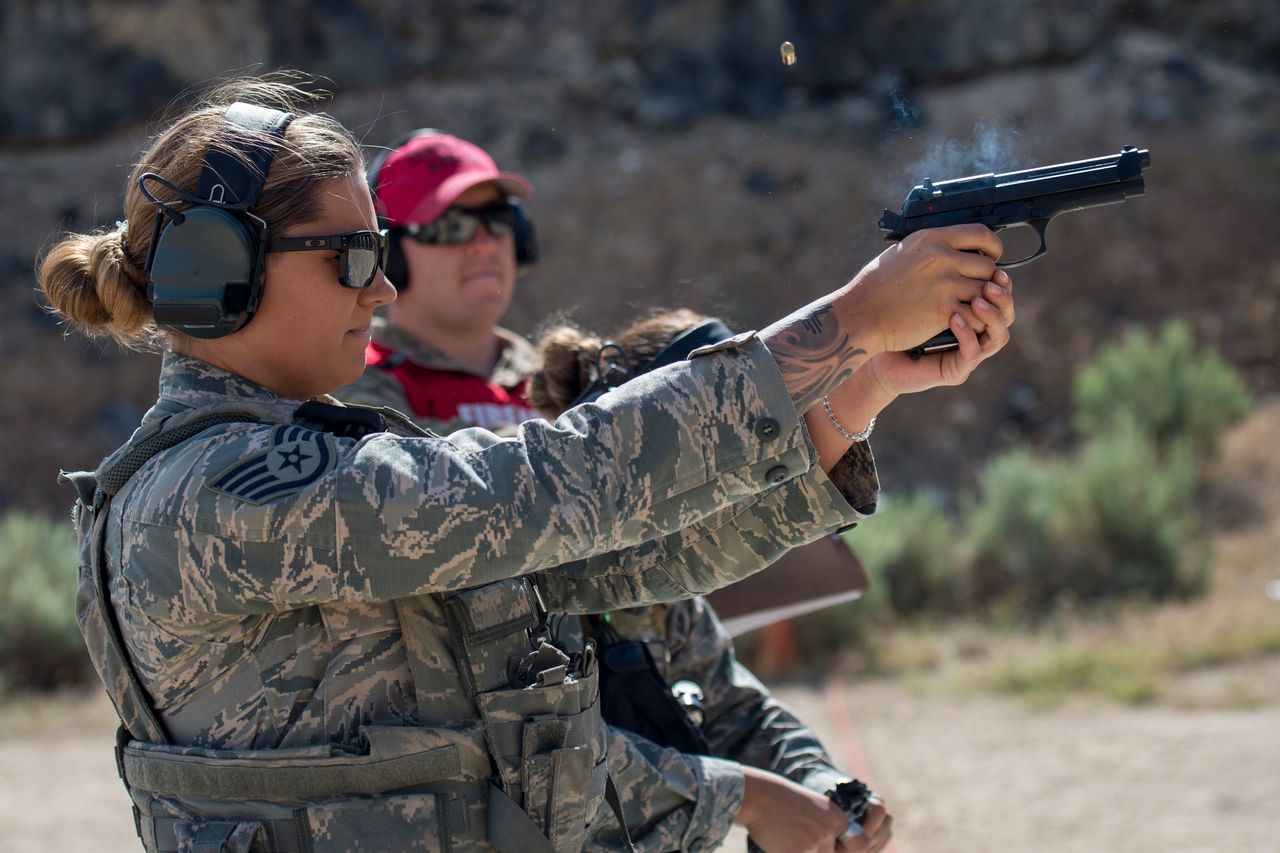
The Beretta M9’s defenders are right to say many criticisms were overstated. A lot of troops who spent serious time with the pistol considered it dependable when maintained properly and fed good magazines. Still, the gun accumulated years of complaints that shaped its image inside the ranks, and perception matters more than many people admit in military evaluations.
Some of those complaints involved size and ergonomics. The M9 has a relatively large grip circumference, and for shooters with smaller hands, reaching the trigger comfortably in double-action mode could be challenging. Others disliked the slide-mounted safety and decocker arrangement, which some users felt was less intuitive under stress than frame-mounted or simpler striker-fired setups.
Then there were the magazine controversies from the Iraq and Afghanistan years. In dusty conditions, some contract magazines were widely criticized for poor performance, and many troops blamed the pistol itself. Even when the root causes were more complicated than “the M9 is unreliable,” the experience damaged confidence. Once a weapon develops a reputation problem in the field, replacing it becomes politically and institutionally easier.
Sig’s design matched where military handguns were already heading
By the time the contract changed hands, the broader handgun market had already moved. Polymer-framed, striker-fired pistols had become dominant in law enforcement and increasingly common across military and security circles worldwide. That trend was not just fashion. These pistols often offered simpler manuals of arms, lighter weight, lower parts complexity in some areas, and easier adaptation to modern accessories.
The military does not copy the commercial market blindly, but it rarely ignores mature trends either. When a design direction proves itself across thousands of agencies and millions of users, procurement officials notice. Sig Sauer’s submission looked contemporary not only because it was new, but because it aligned with a larger shift in how professional users thought about duty handguns.
Beretta was not asleep during this transition. The company later pushed newer offerings, including the APX, that better reflected modern preferences. But the M9 name and the platform behind it belonged to an earlier era. In the Modular Handgun System competition, that was a serious handicap because the contest rewarded where the market and the military were going, not where they had been.
Beretta did not fail so much as the requirements outgrew it
It is tempting to frame the story as a dramatic fall from grace, but that oversimplifies what happened. The Beretta M9 was not pushed out because it suddenly stopped working or because it had no combat record worth respecting. It lost because military procurement priorities changed after three decades, and the new checklist favored a different kind of handgun.
That distinction matters because the M9 can be both historically successful and no longer the best fit for a fresh contract. Plenty of durable military weapons eventually age out this way. They are replaced not by direct condemnation, but by a combination of improved manufacturing approaches, better user fit, easier modularity, and stronger long-term contract value.
So why did Beretta lose the sidearm contract after all those years? Because the contest stopped being about whether the old pistol was still serviceable and became a question of which platform best matched the next 30 years. On that question, Sig Sauer offered the military what it wanted more convincingly.