Fall 2026 is bringing a mixed wildlife picture across North America. Some deer and elk herds are benefiting from mild winters, while drought, wildfire, habitat changes, and disease concerns are influencing where animals survive and move. Waterfowl conditions are equally varied, with improved wetlands in some regions and weaker breeding numbers in others. For hunters, these changes can affect animal distribution, migration timing, access, and regulations.
1. Deer Are Concentrating Around Better Habitat
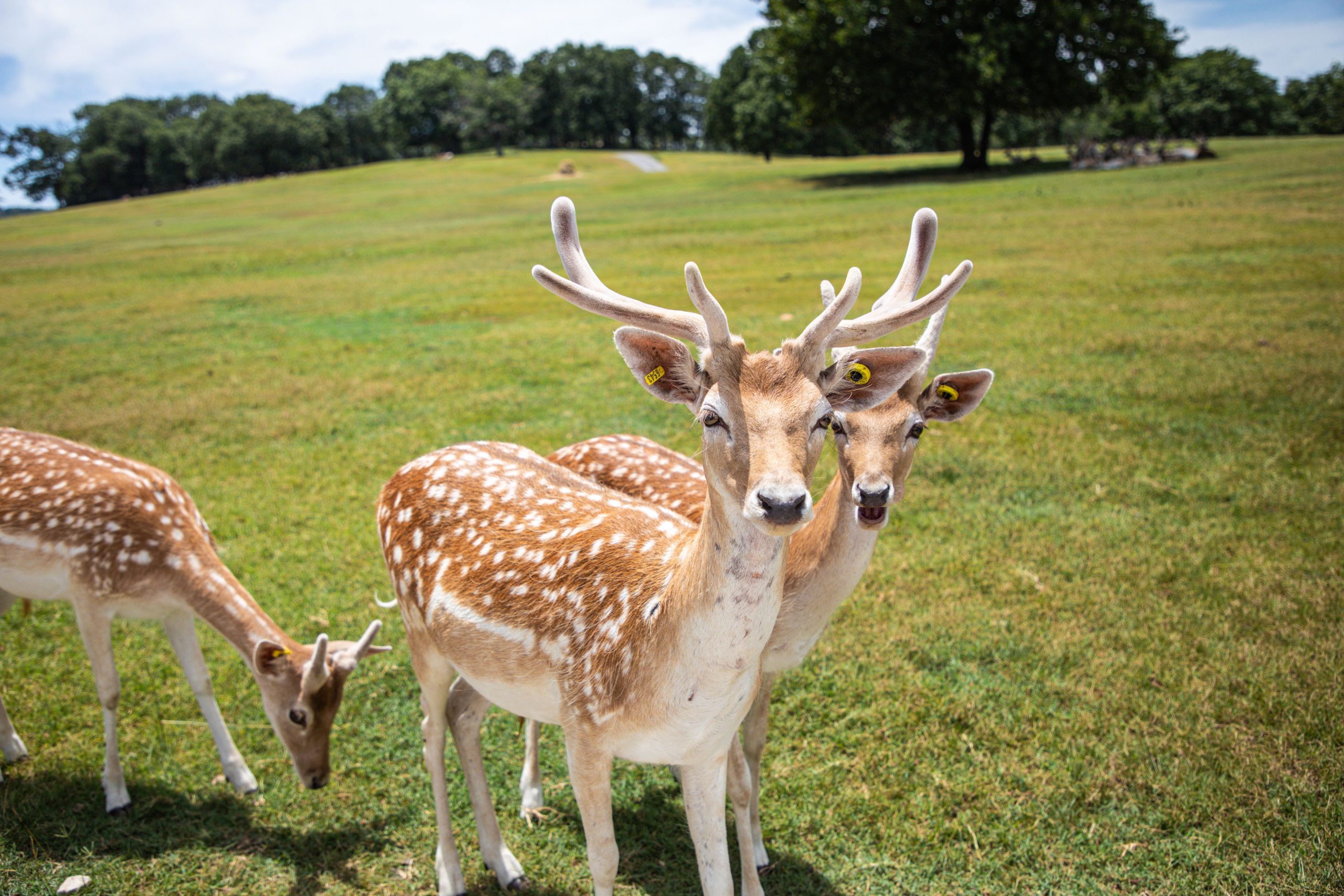
Across several regions, deer are entering fall with distributions shaped more by food and water than by simple population totals. Idaho reports that hot, dry conditions may concentrate mule deer around productive forage and remaining water, while Oregon expects deer and elk to become more localized where vegetation has dried earlier. That can make a familiar hunting area feel different. Watch green pockets, north-facing cover, creek bottoms, and young clear-cuts. In Idaho, recent winters also improved mule deer survival, adding more yearlings in some areas.
2. CWD Testing Is Becoming More Routine
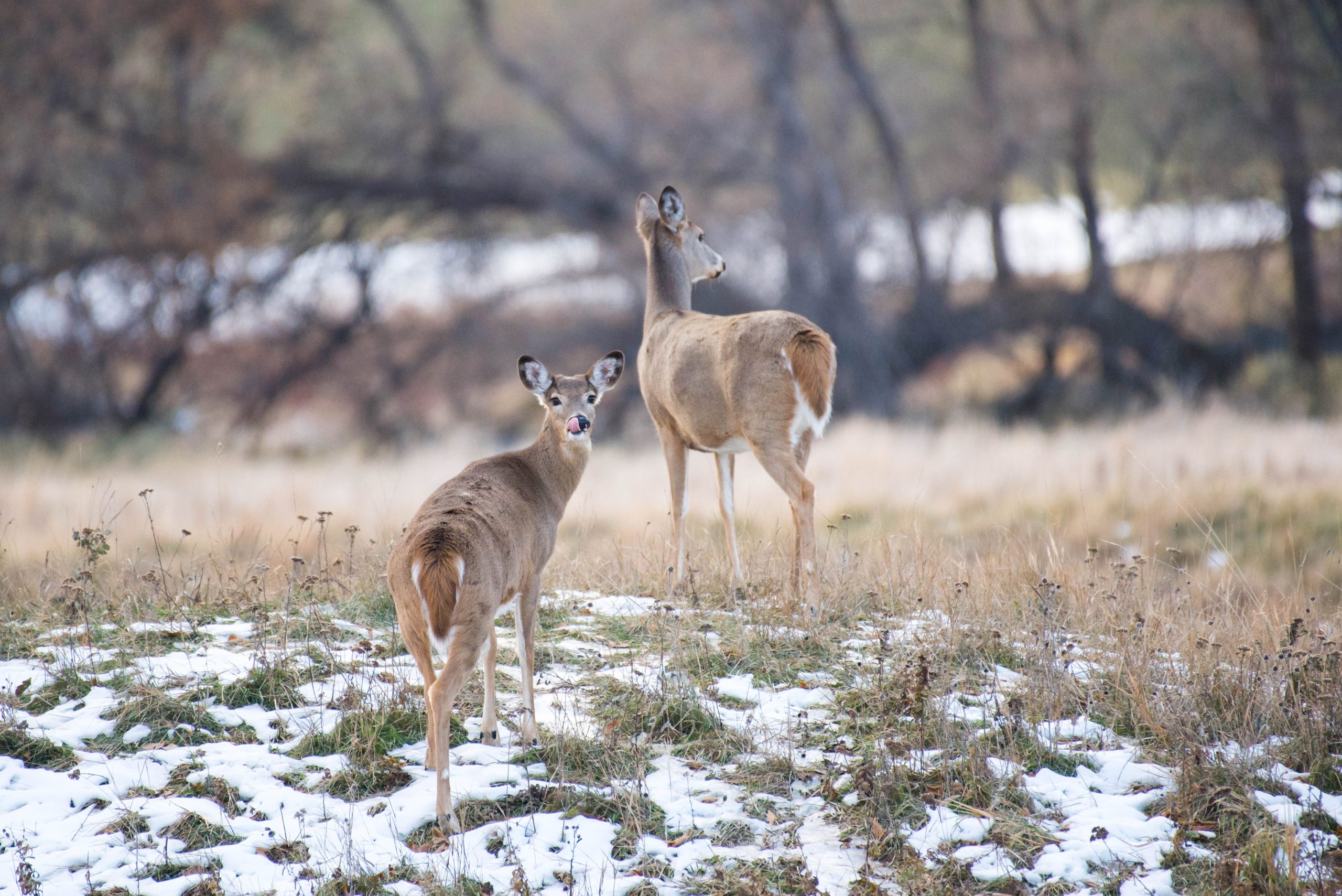
Chronic wasting disease remains one of the biggest wildlife-management changes hunters are watching. Testing rules vary by state and unit, but 2026 brings mandatory sampling in 7 Idaho units, while North Dakota is focusing surveillance on 12 units after 16 positive deer were found in 2025. CWD can spread through infected animals and contaminated environments, so carcass handling matters. Before hunting, check whether your unit requires a sample, whether whole carcasses may leave a management zone, and where samples can be submitted. Rules also differ on disposal.
3. Waterfowl Migration Is Starting With Uneven Conditions
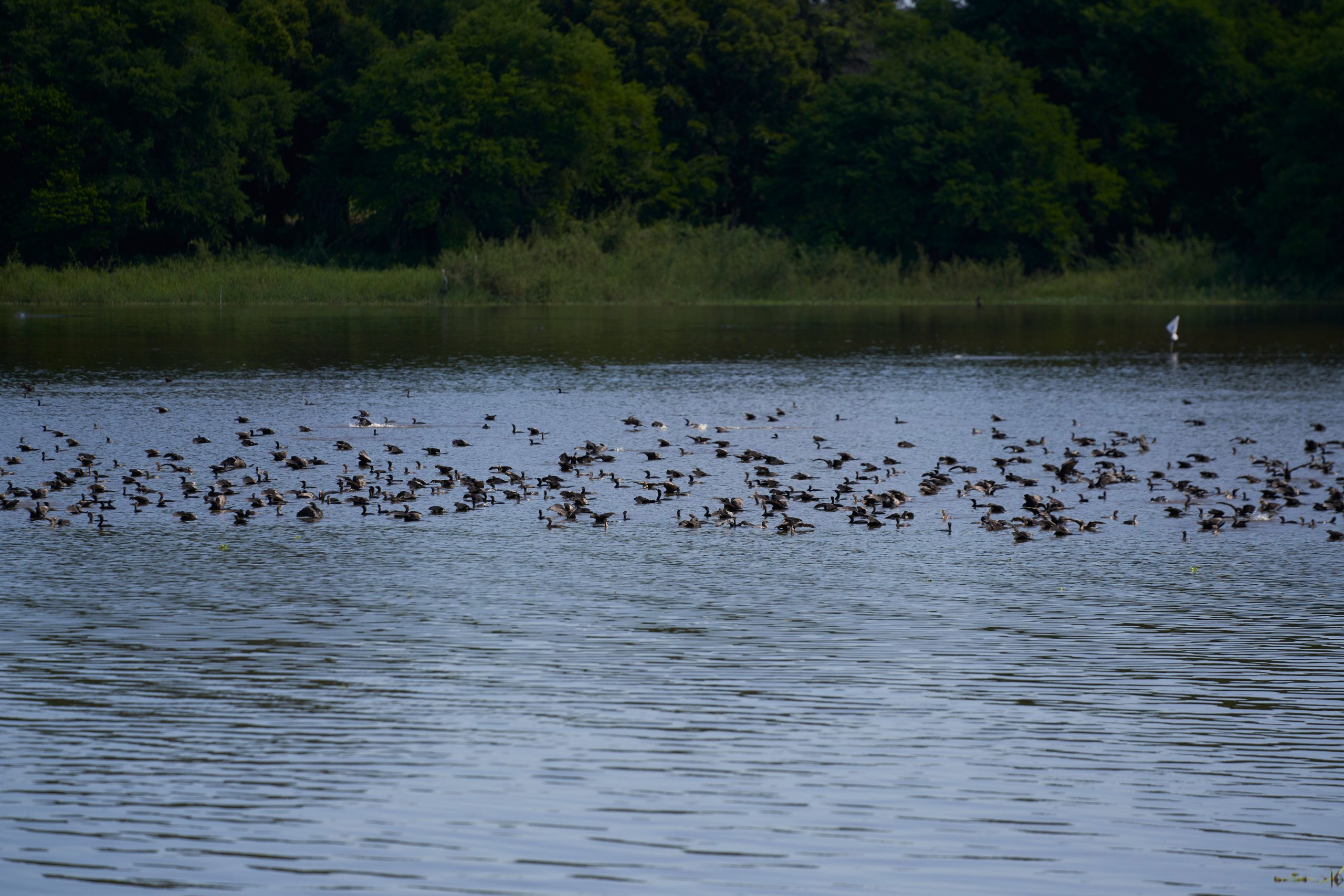
Duck and goose numbers can look very different from one flyway to another because rainfall, wetlands, and breeding success are changing at different speeds. North Dakota’s 2026 duck index fell 9.5% from 2025, yet its July brood count rose 55%, producing a fall flight estimate 8.7% above last year. In the Central Flyway, improved water in northern Alberta has already brought more waterfowl into areas that endured years of dryness. Hunters should track water levels and weather, not rely only on last season’s spots. Fresh weather can quickly change where birds settle.
4. Mild Winters Are Leaving More Young Big Game
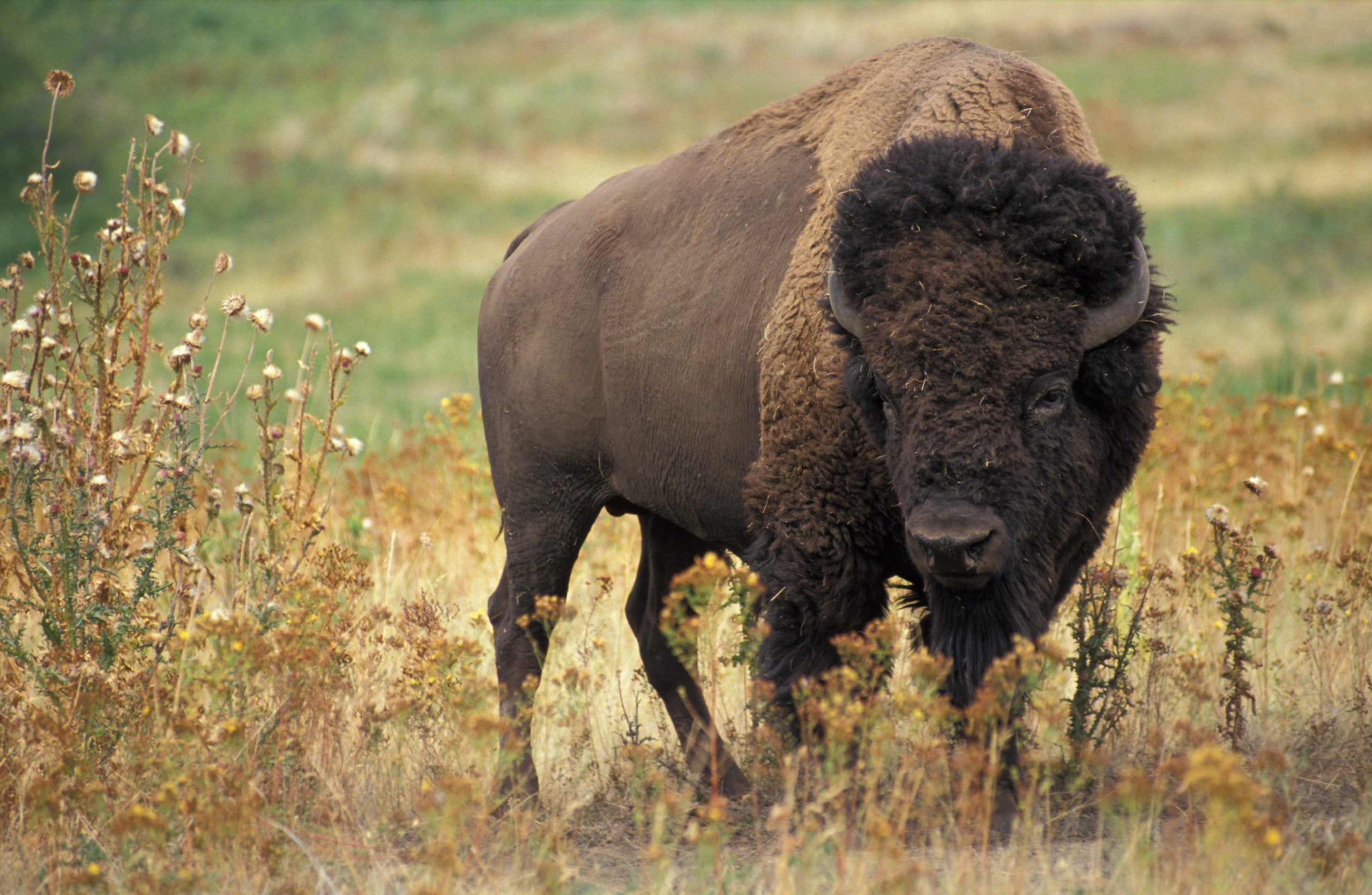
Mild winter conditions have helped several western herds carry animals into fall, but the benefits are not uniform. Idaho expects some elk populations to be similar to or slightly higher than last year, while mule deer have continued recovering from the severe 2022-23 winter. North Dakota also reports recovering deer and pronghorn populations. In some Idaho areas, managers expect more yearling bucks after strong winter survival. These changes can alter age structure, distribution, and what hunters see during the first weeks of the season locally.
5. Drought Is Changing Where Animals Feed
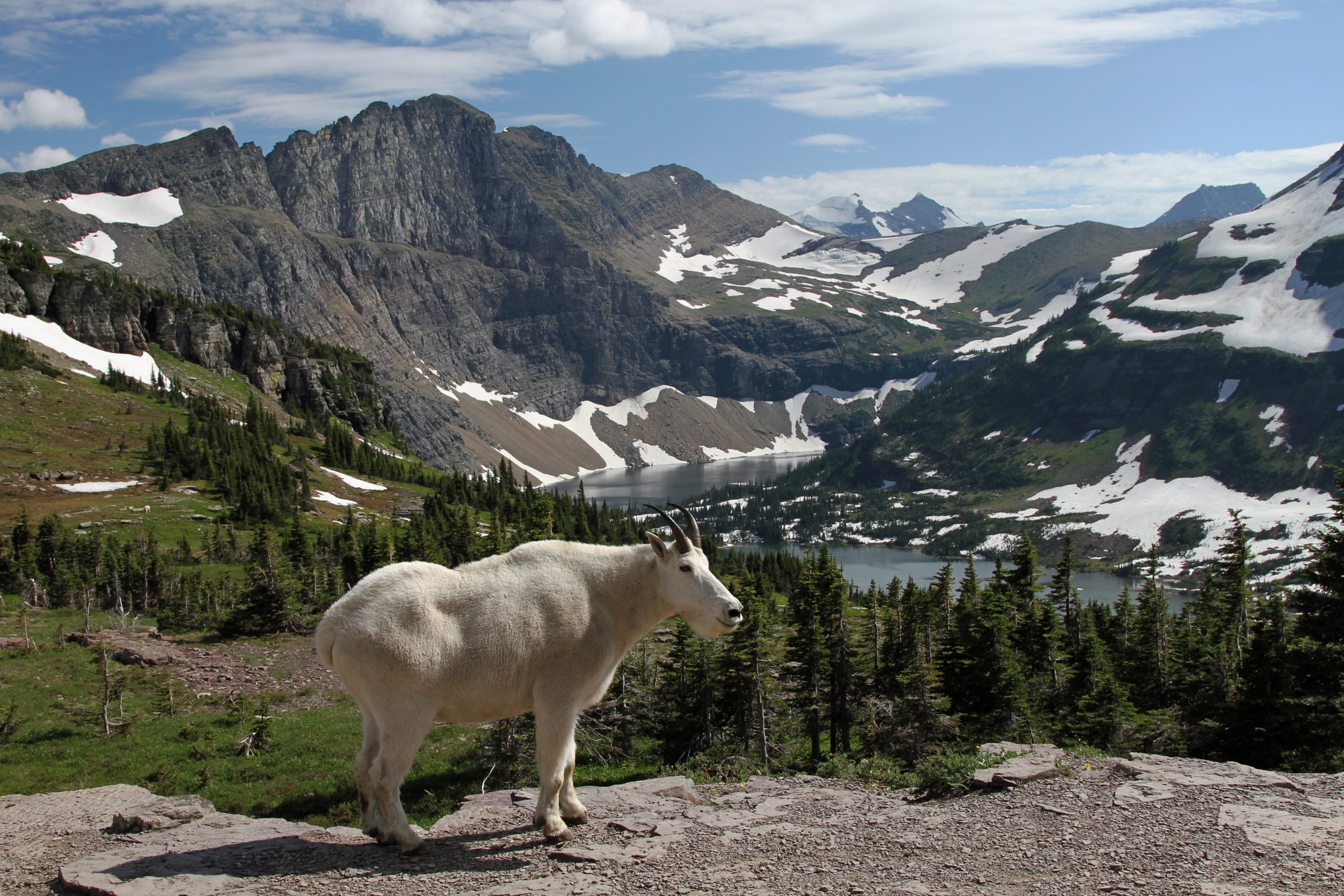
Dry weather can reshape a hunt even when the overall herd appears healthy. Idaho reports that hot, dry conditions may reduce forage and water, concentrating mule deer in smaller productive pockets as fall progresses. Oregon likewise expects deer and elk to become more localized where vegetation has dried early. Hunters may need to move less and glass more carefully, especially around dependable water and late-season green forage. A familiar ridge can lose its value when nearby springs, grasses, or browse dry out earlier than normal. Small water sources can become valuable.
6. Wildfires Are Affecting Both Habitat and Access
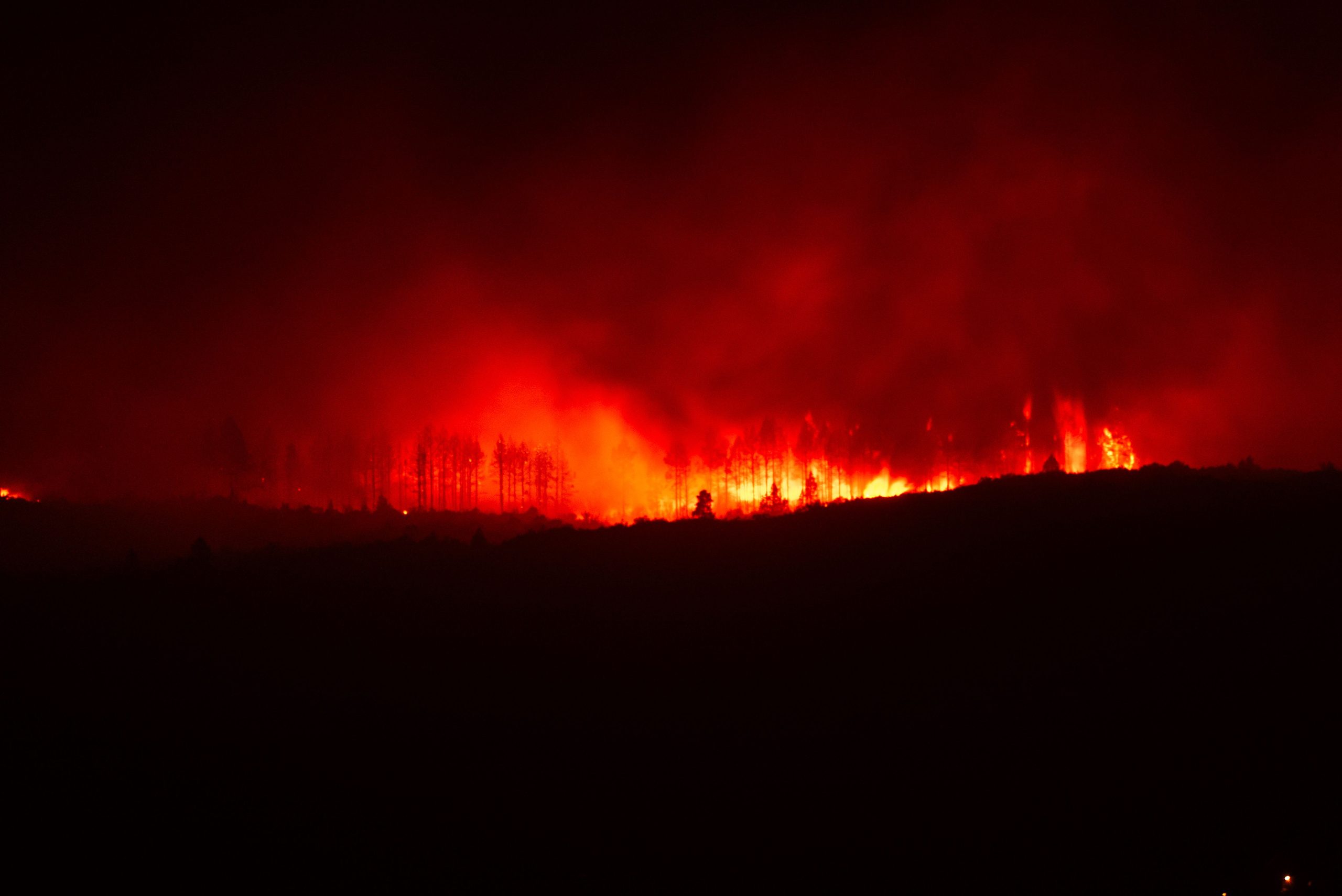
Wildfire is producing a complicated fall picture. Burned areas can eventually create productive forage, but active fires and closures can remove familiar access at the exact time hunters need it. Idaho reports continuing fire-related restrictions in parts of its 2026 hunting areas, while Oregon notes closures and access concerns around several large fires. Hunters should check official closure maps before each trip because conditions can change quickly. A hunt plan should include at least 2 backup access points and an alternate unit or route when fire risk is high.
7. Wetlands Are Still Driving Duck Production
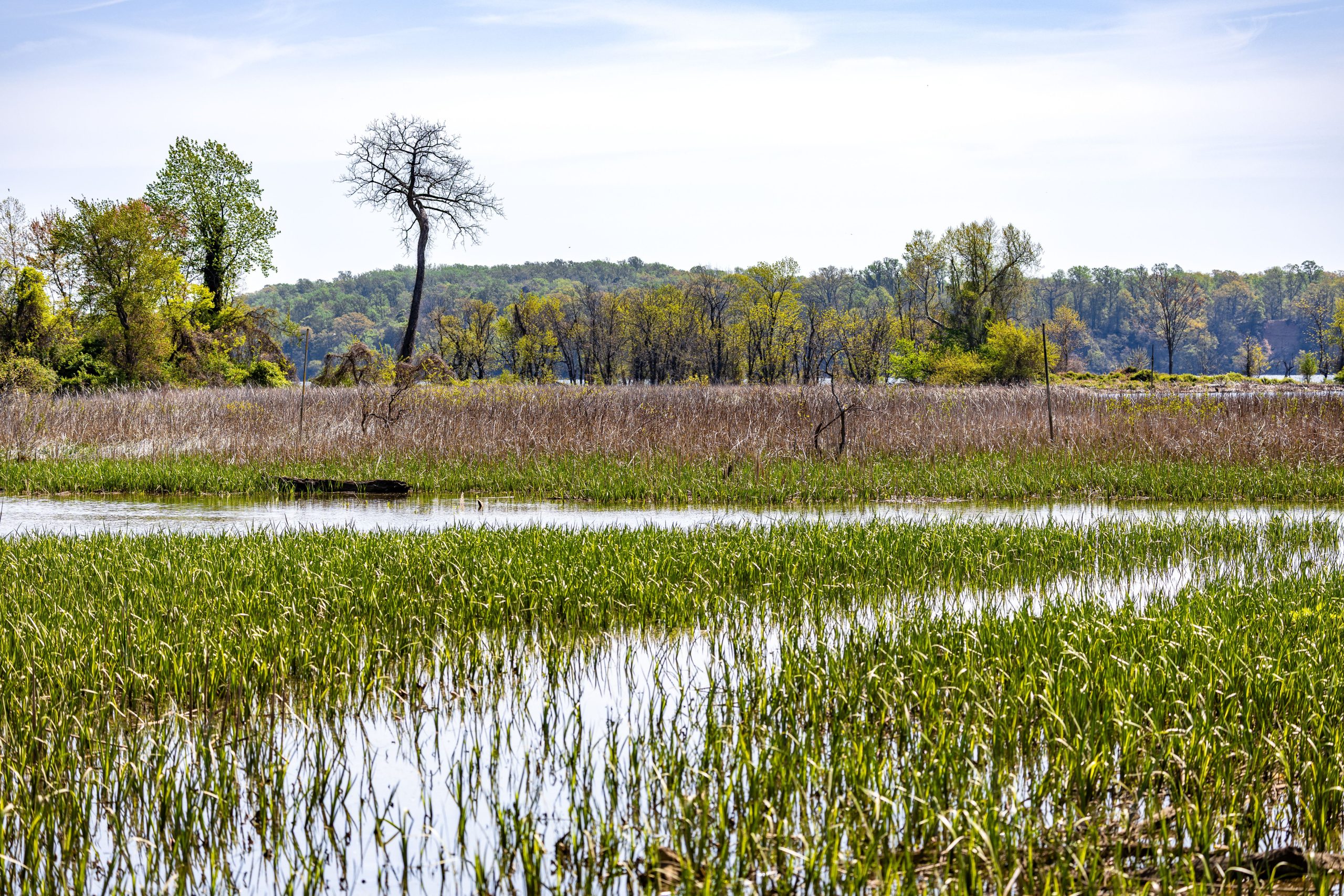
Water conditions remain one of the clearest signals for fall waterfowl habitat. North Dakota’s 2026 breeding duck index was below its long-term average, but timely precipitation improved key breeding areas and helped raise the mid-July brood count by 55%. Redhead production reached the highest level recorded in that survey. Wisconsin, meanwhile, reports stable spring waterfowl populations and habitat conditions. These numbers show why a single spring survey does not tell the whole story. Hunters should watch current wetland conditions as migration develops.
8. Regulations Are Shifting With Wildlife Data
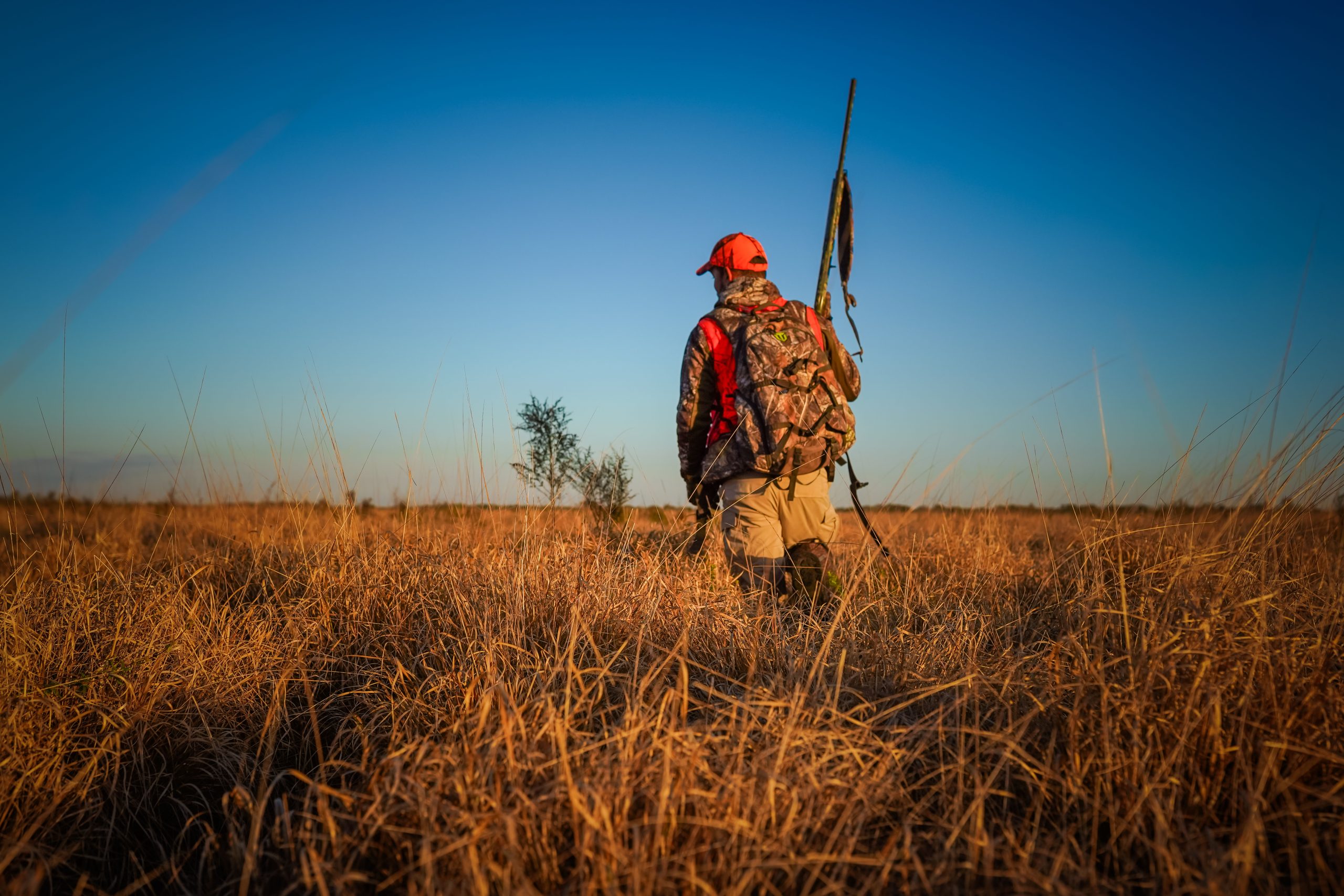
Hunters are seeing more rules tied closely to local wildlife conditions, from CWD sampling to season timing and migratory-bird frameworks. Idaho added mandatory CWD testing in 7 hunting units for 2026, while Utah’s general deer and elk seasons use different dates and weapon periods across August, September, October, and November. Federal migratory-bird authorization also moved to a streamlined process for 2026-27. The practical lesson is simple: do not assume last year’s rules still apply. Check the current guide for your exact unit, species, weapon, and season.
9. Migration Will Still Depend on Weather
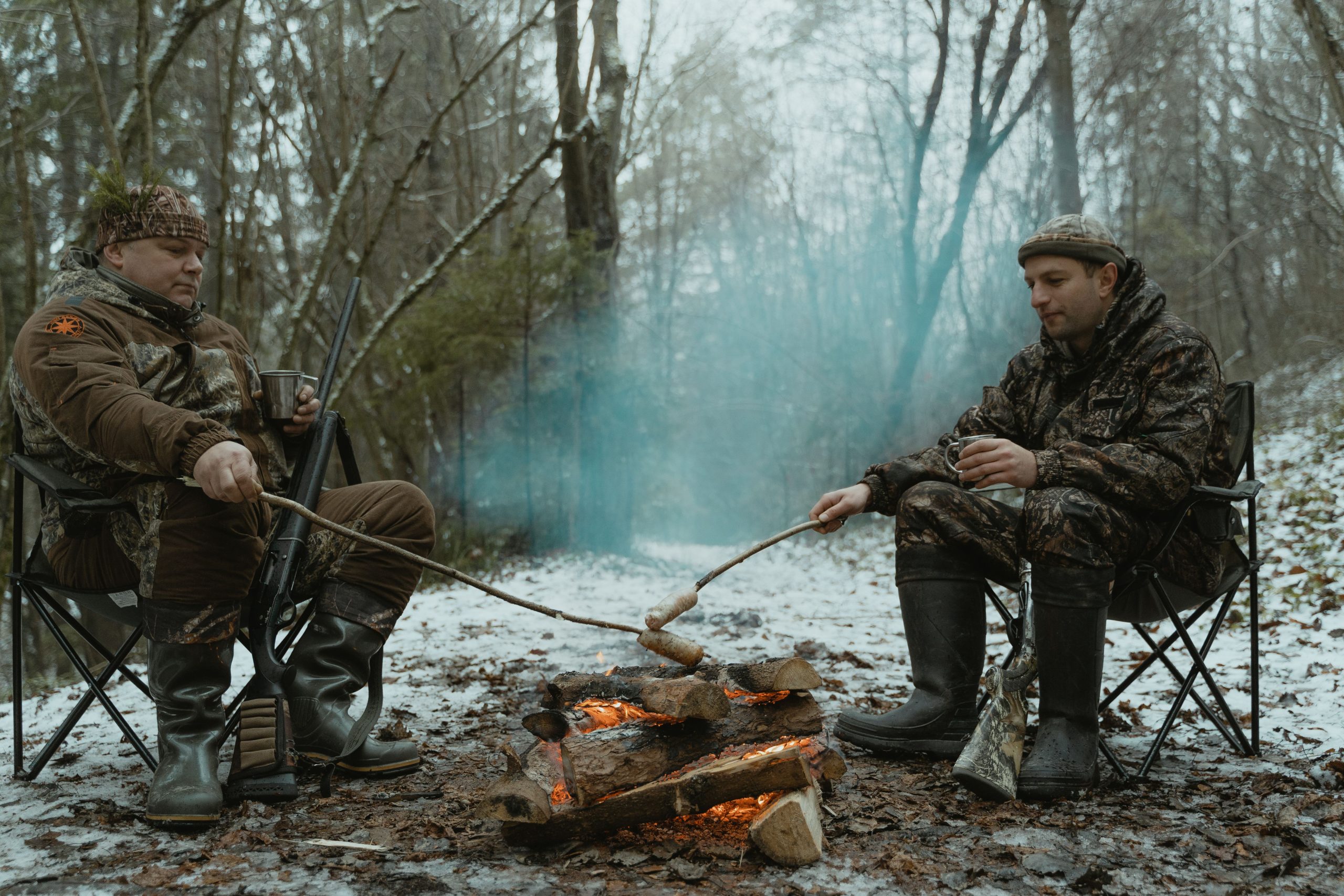
Even with strong population surveys, fall wildlife movement can change rapidly with temperature, rain, snow, and wind. North Dakota notes that weather will ultimately determine when and where waterfowl move, while Oregon expects cooler fall weather to influence elk distribution toward lower elevations. That makes the calendar only part of the equation. A cold front can shift birds, fresh snow can move deer and elk, and rain can reopen forage. Hunters watching forecasts alongside habitat conditions may understand these changes sooner than those relying on fixed dates alone.