Not every great hunting cartridge stays in the spotlight. Some were pushed aside by newer marketing trends, short magnum hype, or the simple appeal of whatever was latest on the gun store rack. These older rounds still have plenty to offer, from mild recoil to practical game-taking power, and they may be more relevant today than many hunters realize.
.257 Roberts
The .257 Roberts has long lived in the shadow of flashier quarter-bores, yet it remains one of the smartest deer and antelope cartridges ever designed. It offers flat enough trajectory for open country, mild recoil for new or recoil-sensitive shooters, and a reputation for clean performance that older hunters still talk about with real affection.
Part of its charm is balance. It does not try to be a magnum, and that is exactly why it works so well in the field. In a light bolt rifle with modern bullets, the .257 Roberts still feels like a cartridge made for long walks, careful shots, and practical hunting instead of marketing hype.
.264 Winchester Magnum
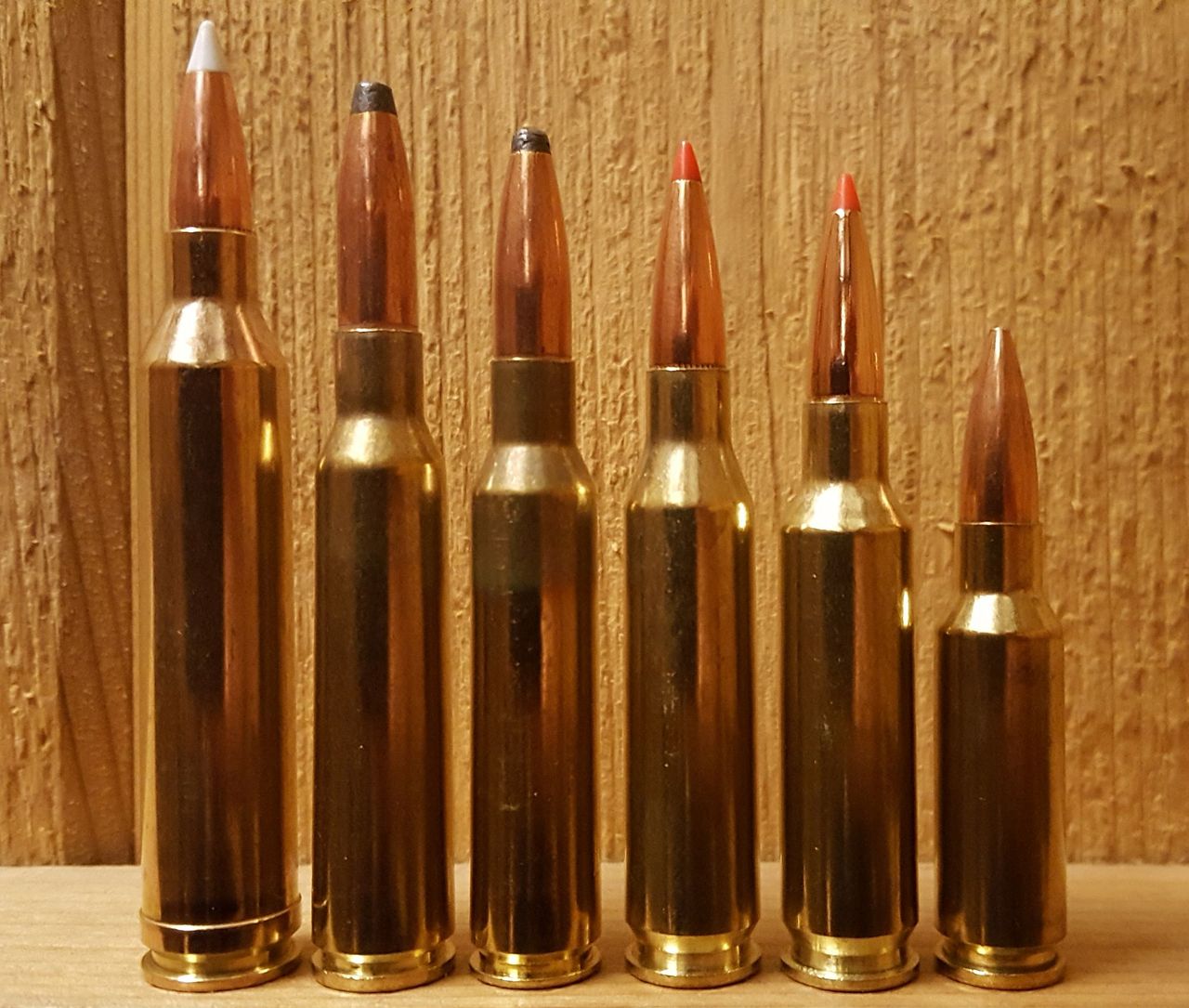
The .264 Winchester Magnum arrived with serious speed and serious ambition, then spent decades being treated like an interesting relic. That is a little unfair. For mule deer, pronghorn, sheep, and similar game, it still delivers the kind of flat shooting performance that modern hunters continue to chase under different labels.
Yes, barrel life helped give it a mixed reputation, but many hunters never shoot enough rounds for that to matter in real life. With better powders and modern 6.5 mm bullets, the .264 feels less like a forgotten experiment and more like a cartridge that was simply ahead of its time.
.280 Remington
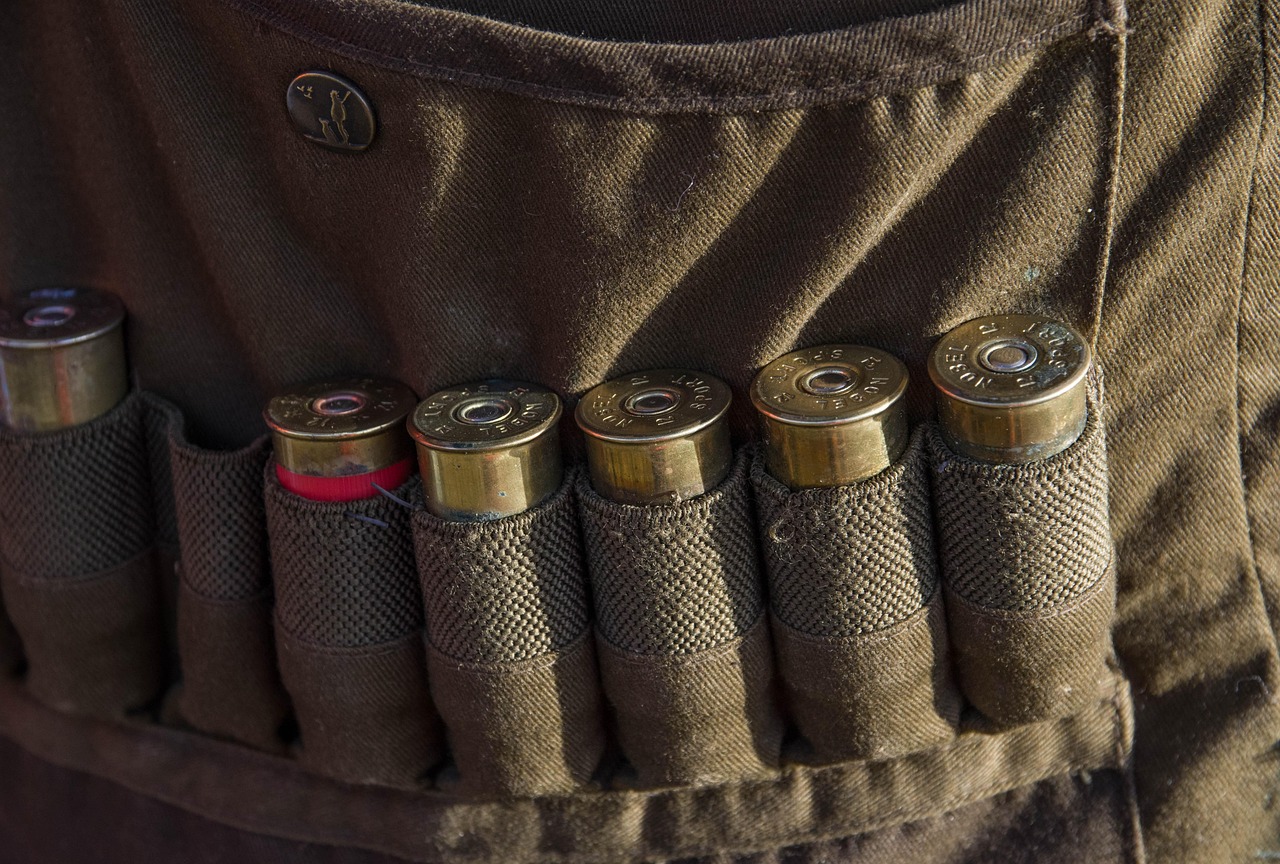
The .280 Remington may be the most obvious comeback candidate of the group because it has always made sense on paper and in the field. It sits beautifully between the .270 Winchester and .30-06 Springfield, giving hunters excellent versatility without punishing recoil or unnecessary drama.
For deer, elk, black bear, and western mixed-bag hunting, it remains one of the most complete standard-length cartridges ever offered. The problem was never performance. It was timing, branding, and competition from better known neighbors. In today’s market, where shooters appreciate efficient 7 mm bullets, the .280 looks less like a compromise and more like a near-perfect all-arounder.
6.5×55 Swedish
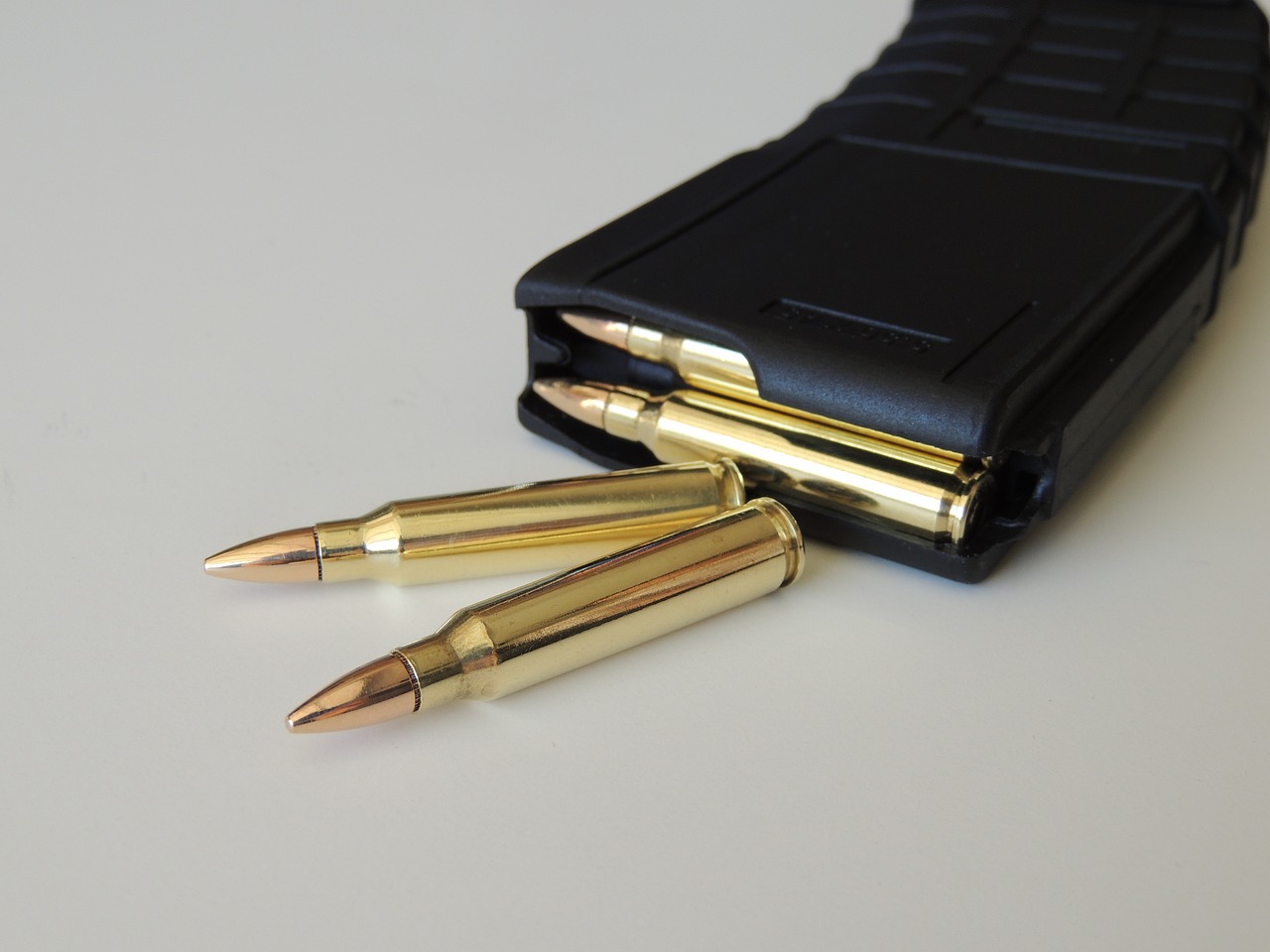
The 6.5×55 Swedish has the kind of résumé that should keep it permanently popular. It is accurate, easy on the shoulder, wonderfully efficient, and backed by a hunting history that stretches across generations and continents. Few cartridges have done so much so elegantly.
In North America, it sometimes gets treated as a niche import, but that misses the point. The 6.5×55 has taken everything from deer to moose with calm reliability for well over a century. At a moment when 6.5 mm cartridges dominate conversation, this old Swede deserves renewed respect as one of the originals and still one of the best.
.300 Savage
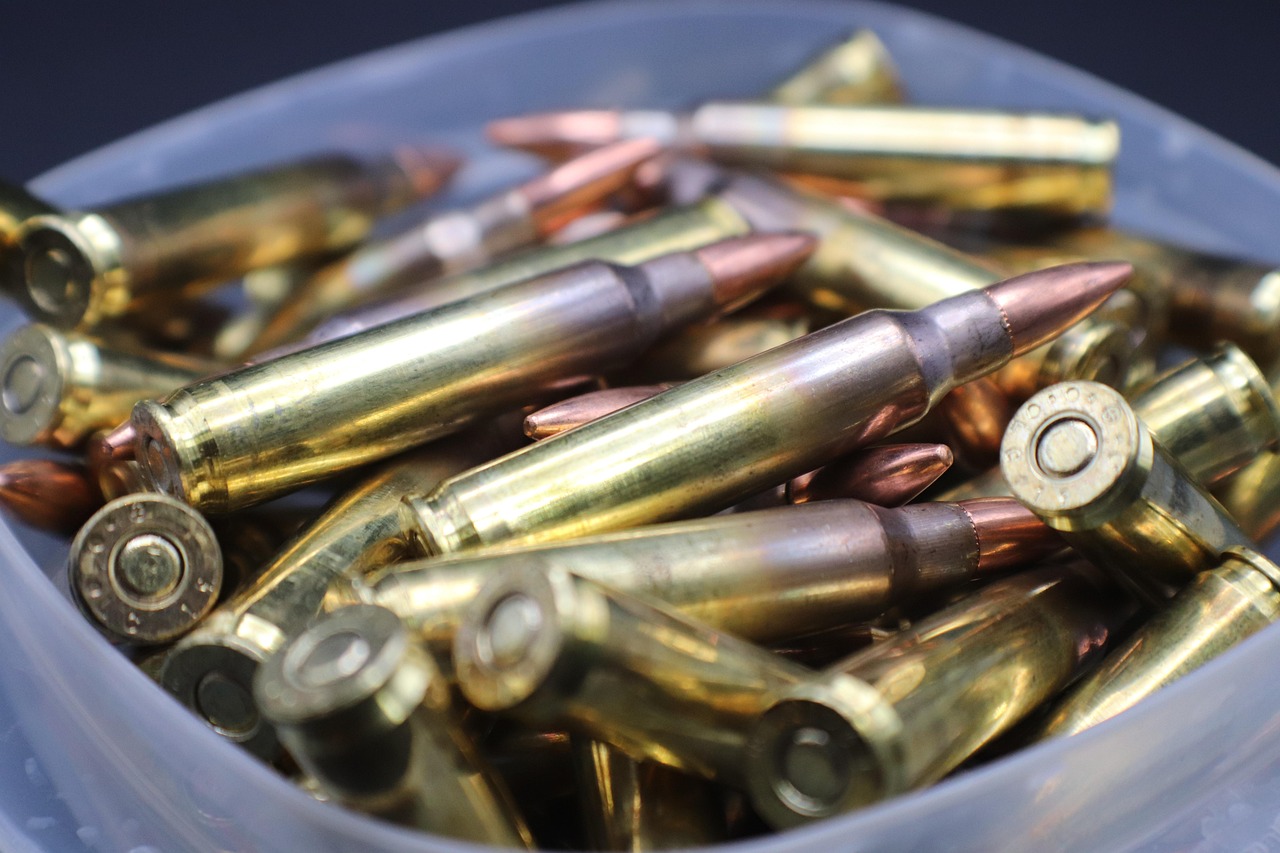
The .300 Savage once represented fast, modern hunting performance in a compact package, especially in handy lever guns and short bolt actions. Today it is often overlooked, which is a shame because it still does exactly what many whitetail hunters need and nothing more.
Inside sensible hunting distances, the .300 Savage remains a dependable deer cartridge with a pleasant blend of power, manageable recoil, and traditional appeal. It also carries a real connection to the golden age of American sporting rifles. For hunters who value woods handling over long-range posturing, this cartridge feels ready for a very believable second act.
.358 Winchester
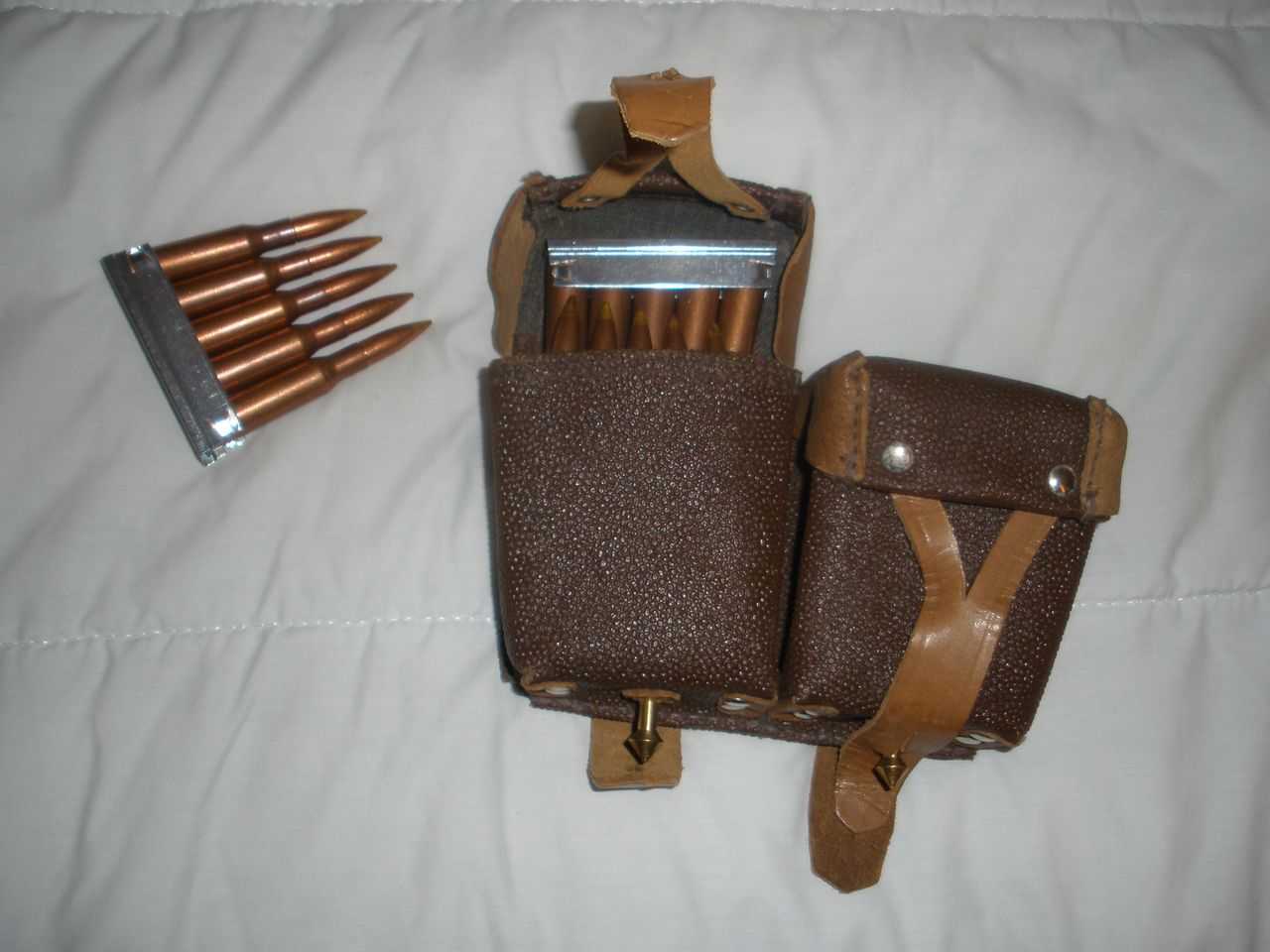
The .358 Winchester is one of those cartridges that makes immediate sense once you stop reading sales brochures and start thinking about actual hunting. It launches a larger, heavier bullet from a short-action rifle, hits hard at normal field ranges, and shines in timber, brush, and rough country where fast shots matter more than stretched trajectories.
Its fans have always understood the appeal, especially for black bear, elk in the woods, and big-bodied deer. The wider market never fully caught on. That could change, because more hunters are rediscovering practical rifles and honest distances. In that world, the .358 Winchester feels refreshingly direct and very hard to dismiss.
.35 Whelen
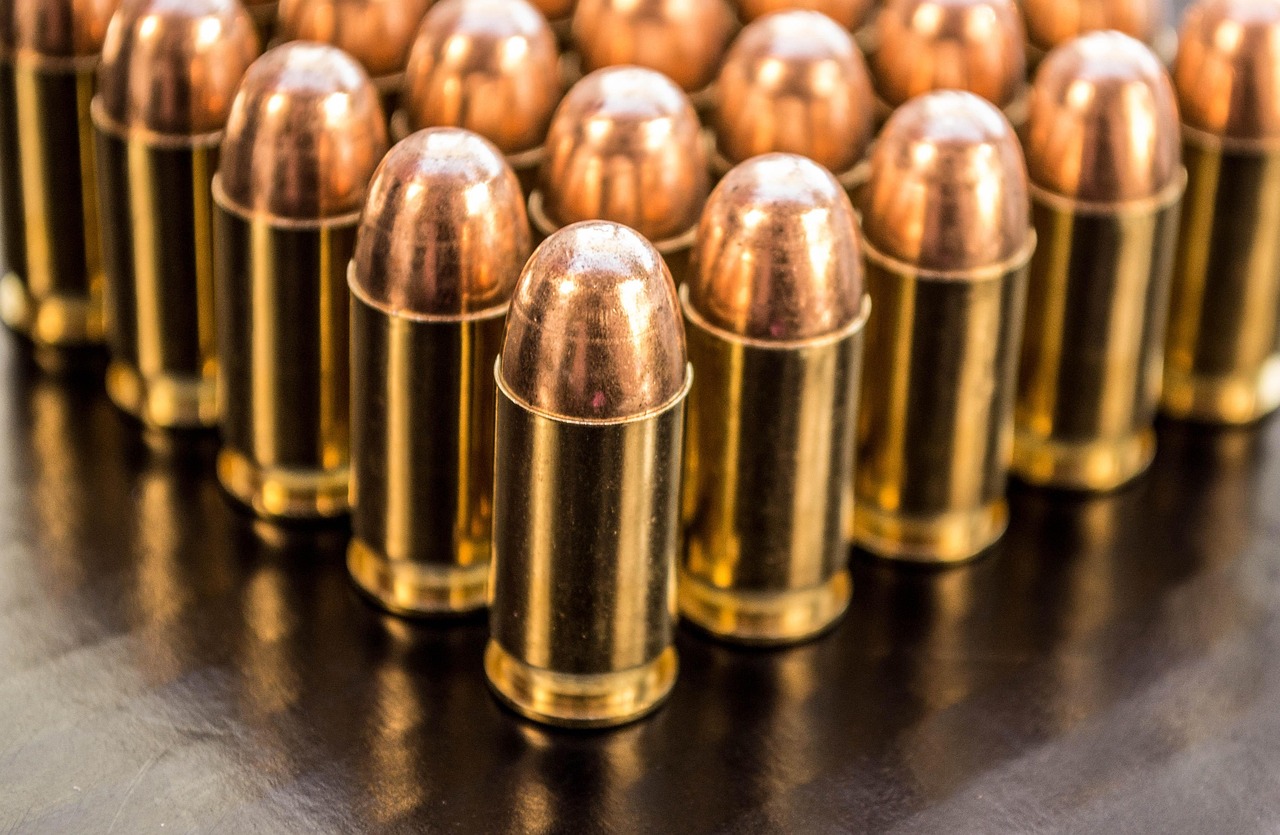
The .35 Whelen has a loyal following for good reason. It turns the familiar .30-06 case into something heavier hitting without becoming exotic, overcomplicated, or punishing to shoot. That recipe still has a lot of appeal for hunters chasing elk, moose, bear, and other large game in places where authority matters.
What makes the .35 Whelen especially interesting now is how neatly it fits the modern appetite for practical power. It does not demand a magnum action, a muzzle brake, or heroic recoil tolerance. It just works. In an era crowded with specialized cartridges, the Whelen stands out by being big enough, versatile enough, and reassuringly straightforward.
.250-3000 Savage
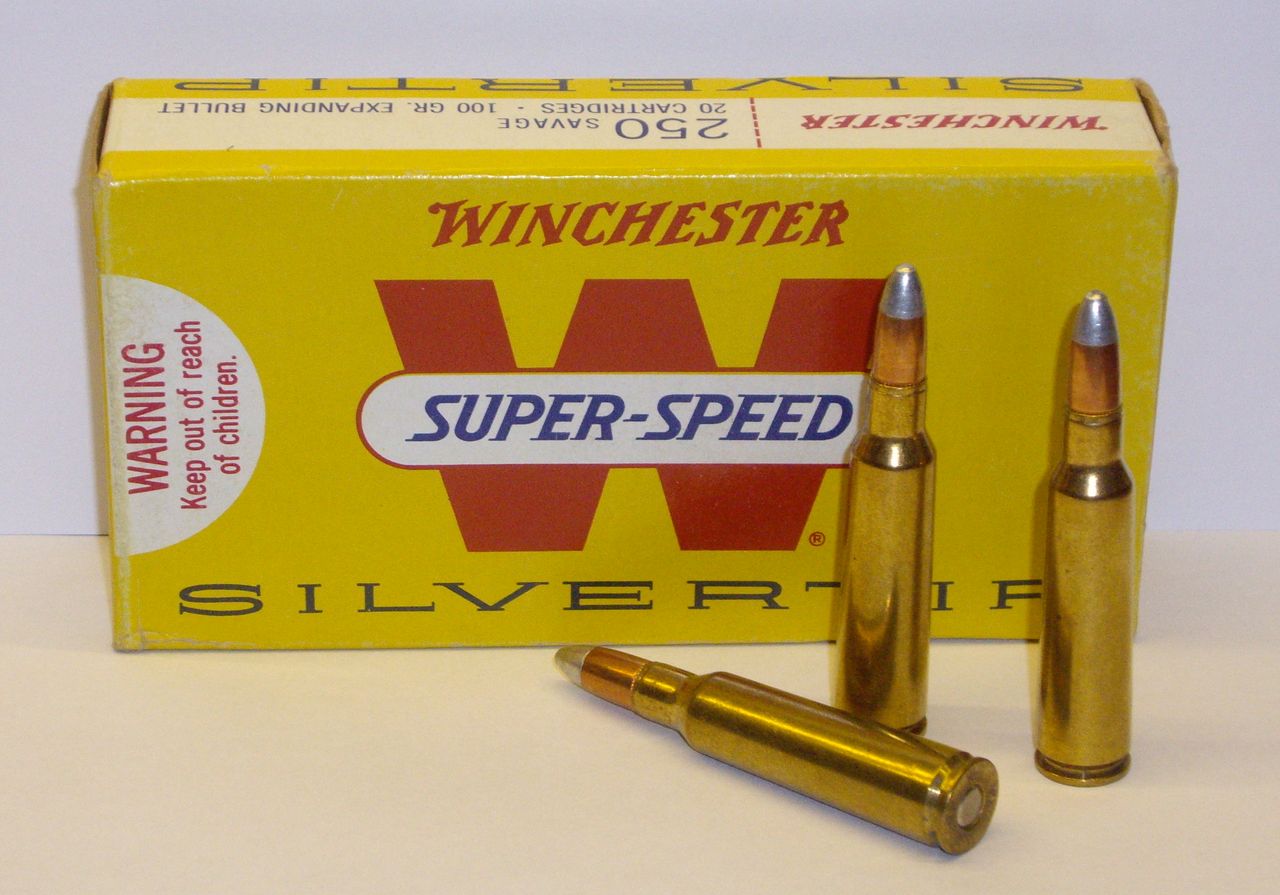
The .250-3000 Savage was once famous for reaching 3,000 feet per second, which made it a sensation in its day. Strip away the historic headline and what remains is still appealing: a light recoiling, efficient cartridge that handles varmints, predators, and deer-sized game with real grace.
For younger hunters, small-framed shooters, or anyone tired of pretending every deer rifle needs excess horsepower, the .250-3000 offers a refreshing alternative. It is quick, polite, and wonderfully shootable. Modern bullet design only strengthens the case. This is exactly the kind of cartridge that could win fresh fans if more rifle makers gave it another serious look.
7×57 Mauser
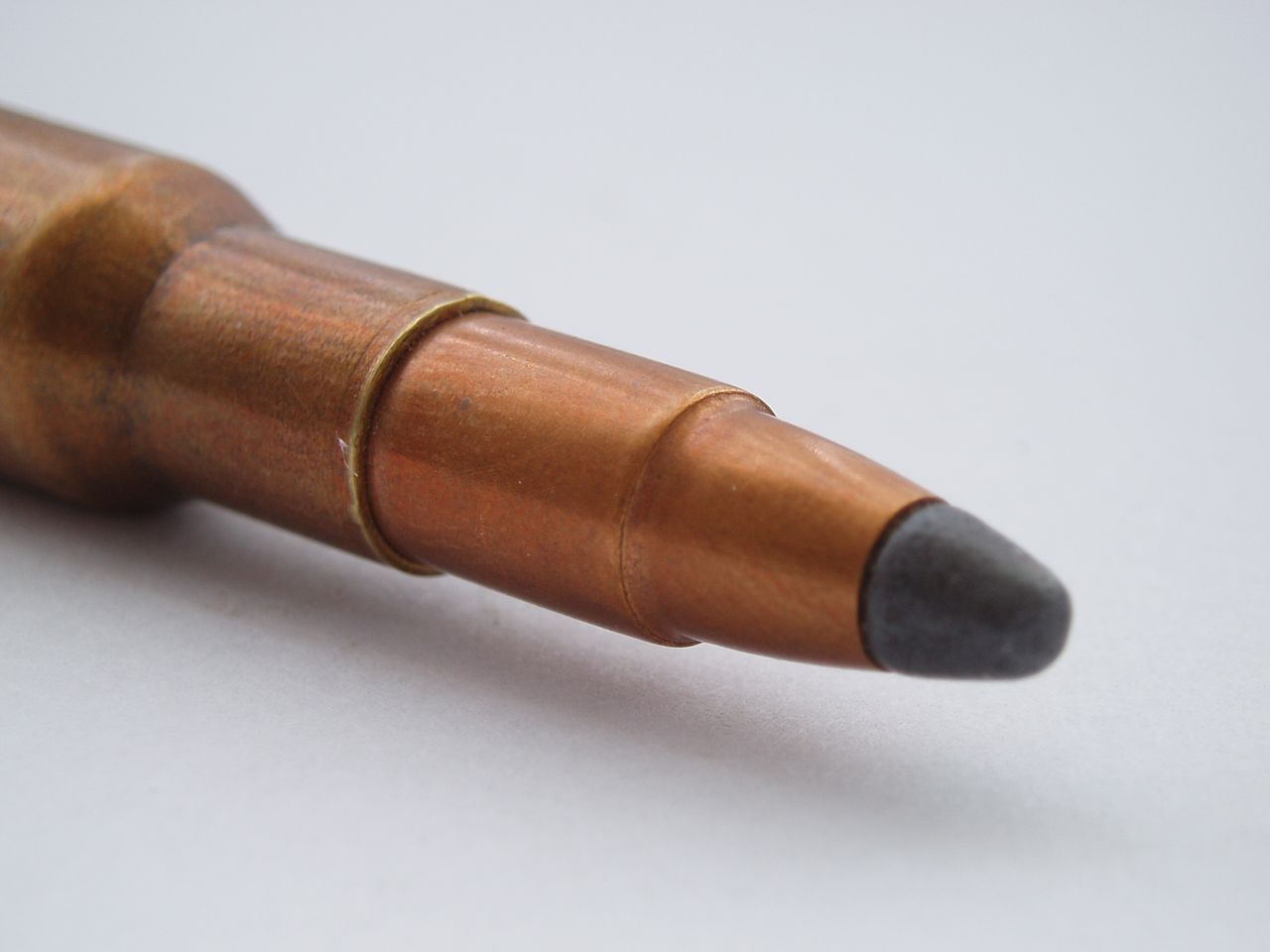
The 7×57 Mauser has one of the most distinguished hunting pedigrees in existence, yet it rarely gets the mainstream attention it deserves today. Smooth feeding, moderate recoil, and excellent field performance have kept it respected among serious rifle people for generations.
This cartridge has always excelled by doing nearly everything well. It is suitable for deer and antelope, perfectly capable for larger game with proper bullets, and pleasant enough to encourage accurate shooting. That last point matters more than ever. In a market obsessed with speed and numbers, the 7×57 still makes a quietly powerful argument for balance, confidence, and old-school effectiveness.
.444 Marlin
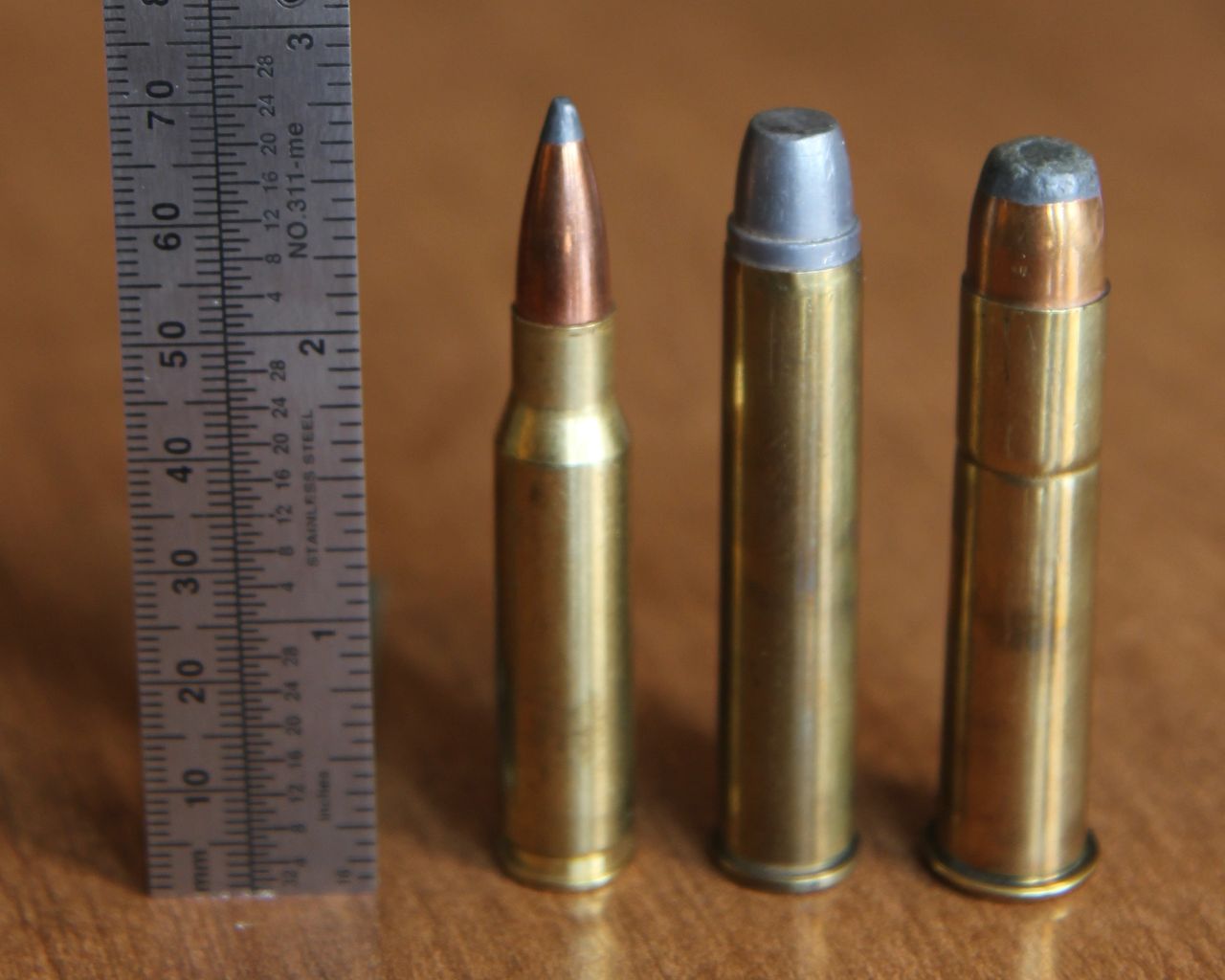
The .444 Marlin deserves more love from hunters who appreciate lever actions and close-range authority. It delivers substantial punch for big-bodied deer, hogs, black bear, and similar game, especially in thick cover where shots are quick and ranges stay honest.
It was overshadowed at times by the resurgence of the .45-70 Government, but the .444 still brings its own distinct strengths. It can be fast, hard-hitting, and surprisingly versatile with the right loads. Just as important, it gives a classic lever rifle a bold personality in the field. For hunters craving something traditional but not timid, the .444 Marlin is overdue for renewed enthusiasm.