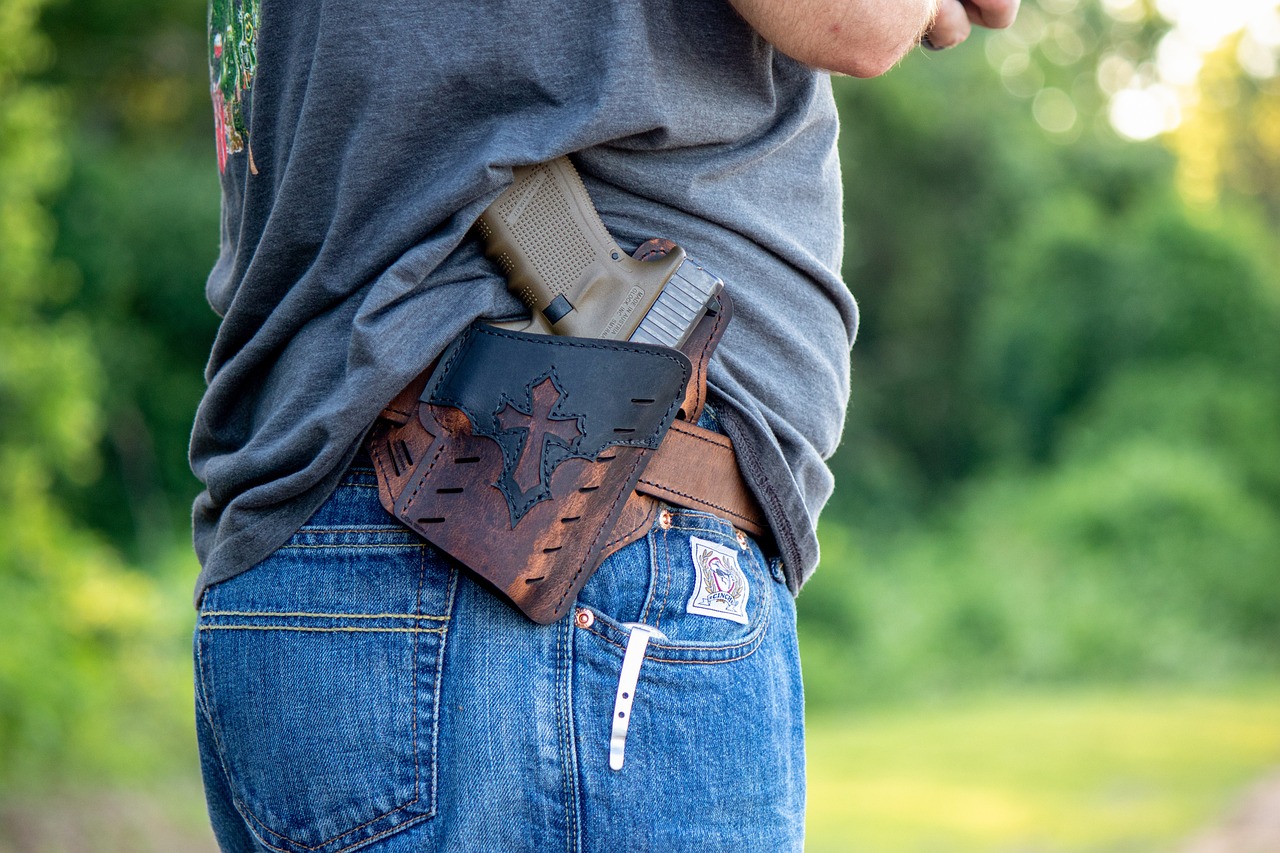
For decades, many pistols were bought not as luxuries, but as plain tools for ranch hands, shopkeepers, guards, and tradesmen who needed something dependable on the job. Time has a way of transforming the ordinary into the desirable, and these once utilitarian sidearms now draw serious attention from collectors. This gallery explores eight models that earned their reputations through hard use long before display cases and auction catalogs gave them a second life.
Colt Police Positive
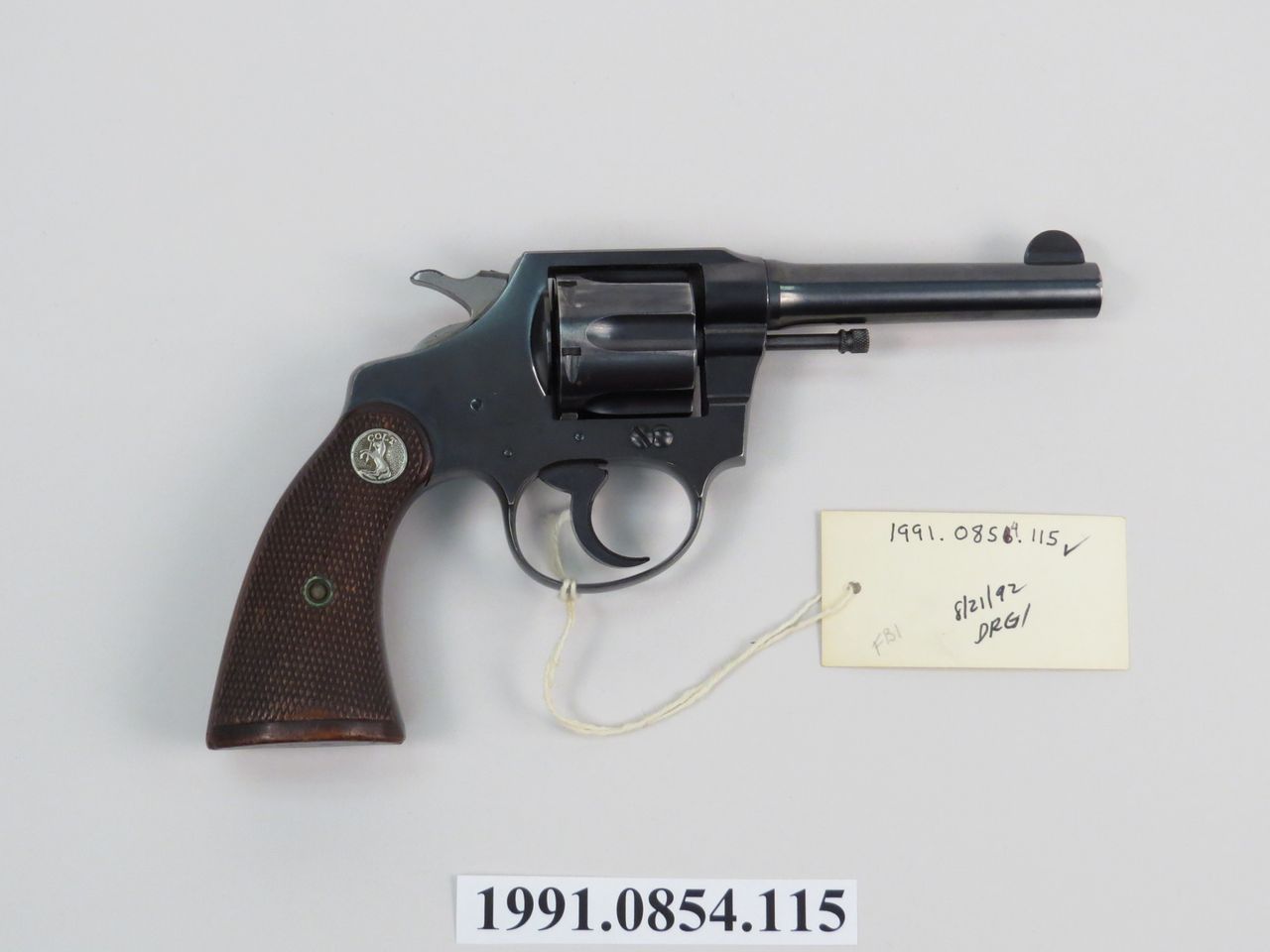
The Colt Police Positive was exactly the kind of revolver a hardware store owner, small-town officer, or night watchman might have trusted without giving it a second thought. Introduced in the early 20th century, it was compact, sturdy, and easy to carry, which made it a practical companion rather than a status symbol.
What changed was history. Collectors now admire the model for its clean lines, Colt pedigree, and the many variations produced over the years. A revolver that once rode quietly in a coat pocket or desk drawer has become a window into everyday American life, and that working-man backstory is a big part of its appeal.
Smith & Wesson Model 10
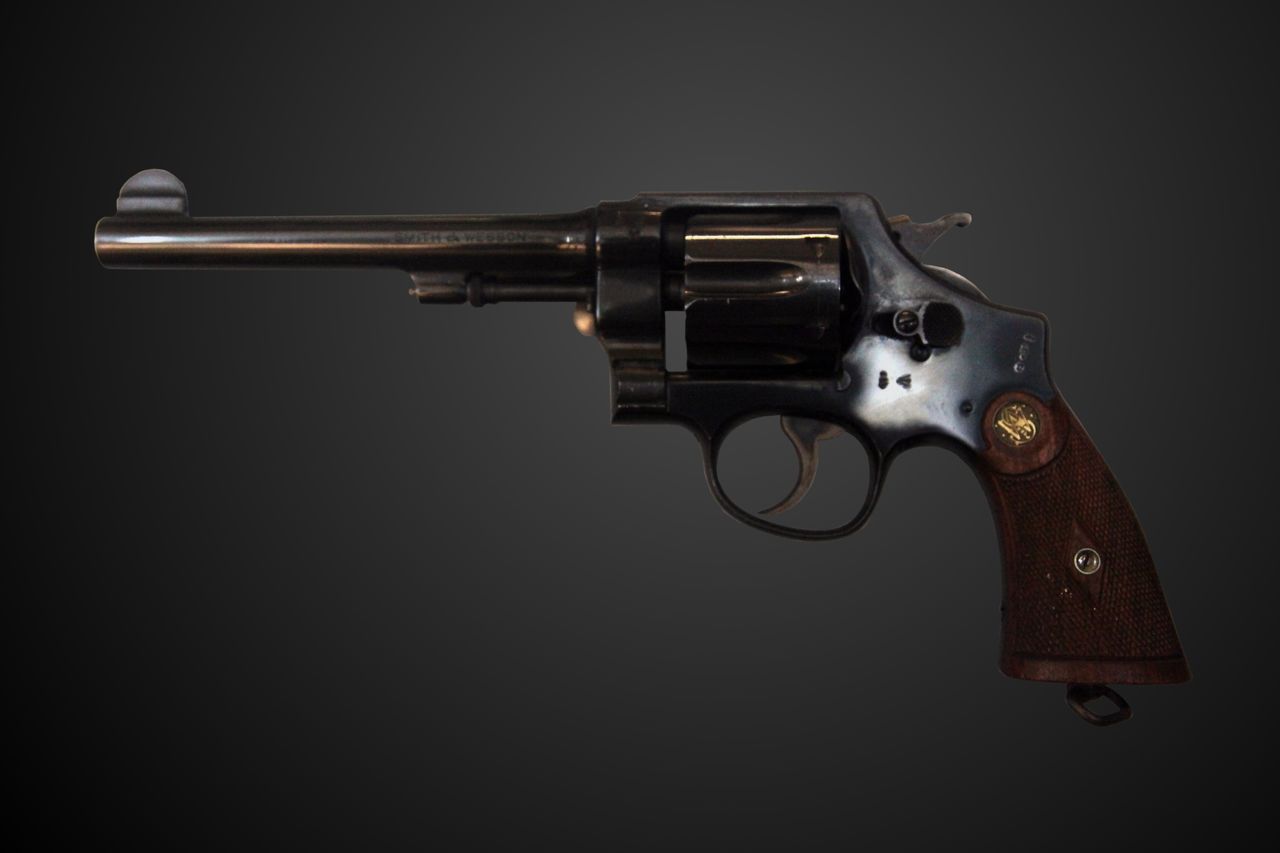
Few handguns better represent honest daily use than the Smith & Wesson Model 10. It was the sort of revolver carried by railway agents, security guards, and local policemen, but it also found its way into civilian hands because it was reliable, straightforward, and built to last through years of routine work.
That broad popularity is exactly why it matters to collectors today. There are countless variations in barrel lengths, finishes, grips, and markings, and each tells its own small story. What was once a common sight in holsters across America has become a favorite for people who appreciate craftsmanship hiding in plain sight.
Colt 1903 Pocket Hammerless
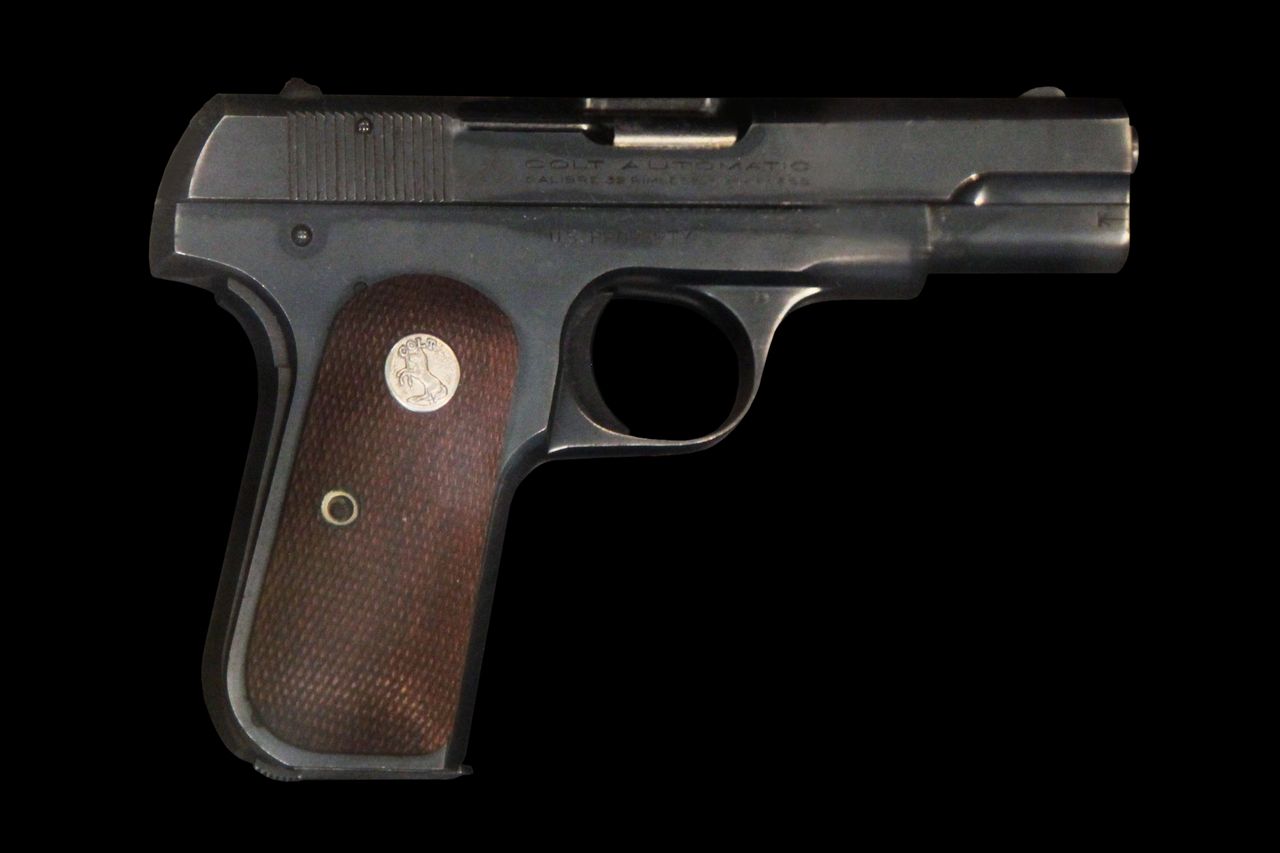
The Colt 1903 Pocket Hammerless was made for discreet, everyday carry, and that made it especially attractive to working men who needed a pistol that stayed out of the way. Bank clerks, salesmen, and business owners appreciated its slim profile and smooth shape, which slipped easily into a pocket without snagging.
Today, that understated elegance is a huge part of its charm. Collectors love the balance between refinement and practicality, along with the model’s long production run and numerous finish variations. It feels like the kind of pistol that belonged to real people with real routines, and that sense of personal history gives it lasting collector gravity.
Iver Johnson Safety Automatic
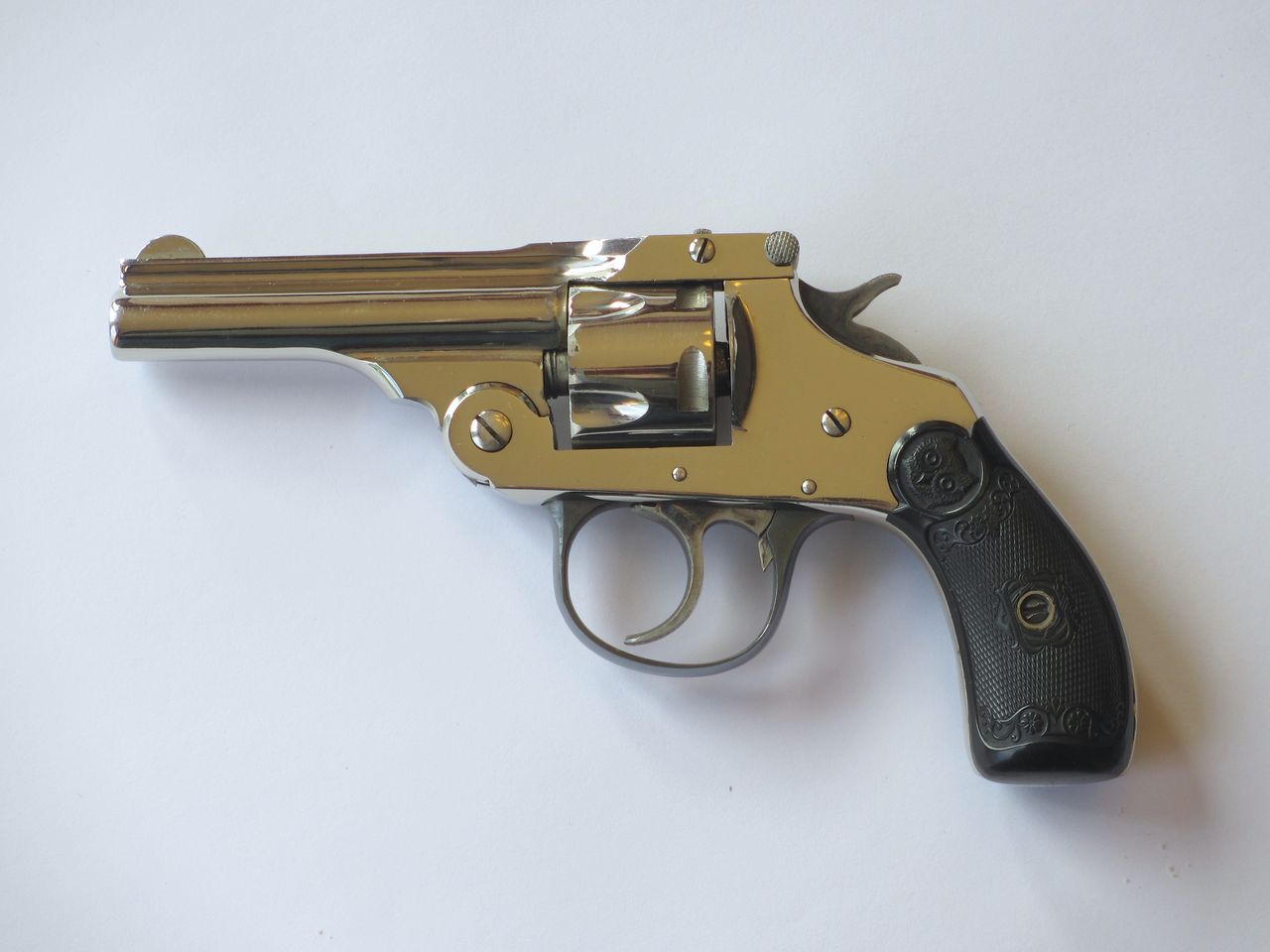
The Iver Johnson Safety Automatic was never marketed as a glamorous firearm. It was affordable, accessible, and aimed at ordinary buyers who wanted a bit of protection in a coat pocket or tackle box. For many laborers and shopkeepers, that was enough. They were buying peace of mind, not a future collectible.
Its appeal now comes from exactly that blue-collar simplicity. Surviving examples speak to a period when modest pocket pistols filled a real need in American households and workplaces. Collectors are drawn to the distinctive design, the recognizable name, and the reminder that even budget-minded firearms can become fascinating pieces of social history.
Webley Mk IV Revolver
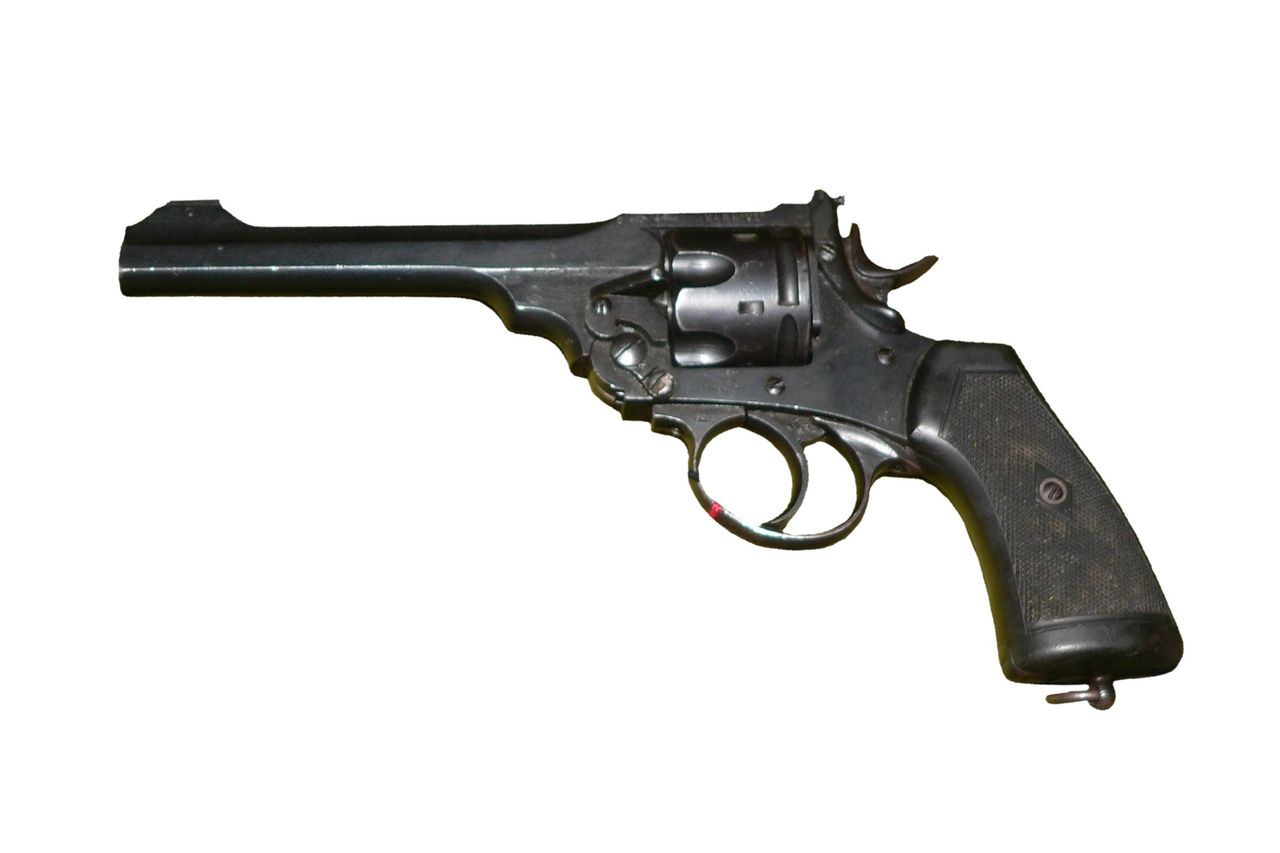
The Webley Mk IV earned a reputation as a no-nonsense revolver, and that practical image carried over well beyond military service. In civilian life, surplus examples often ended up with guards, outdoorsmen, and working men who wanted something durable and familiar. It was valued less for style than for the confidence it inspired in the hand.
Collectors now see much more than utility. The Webley name, its solid British design, and the stories attached to service and post-service ownership all add layers of fascination. A revolver once chosen because it could take hard use is now prized because it still reflects that toughness so clearly.
Browning Hi-Power
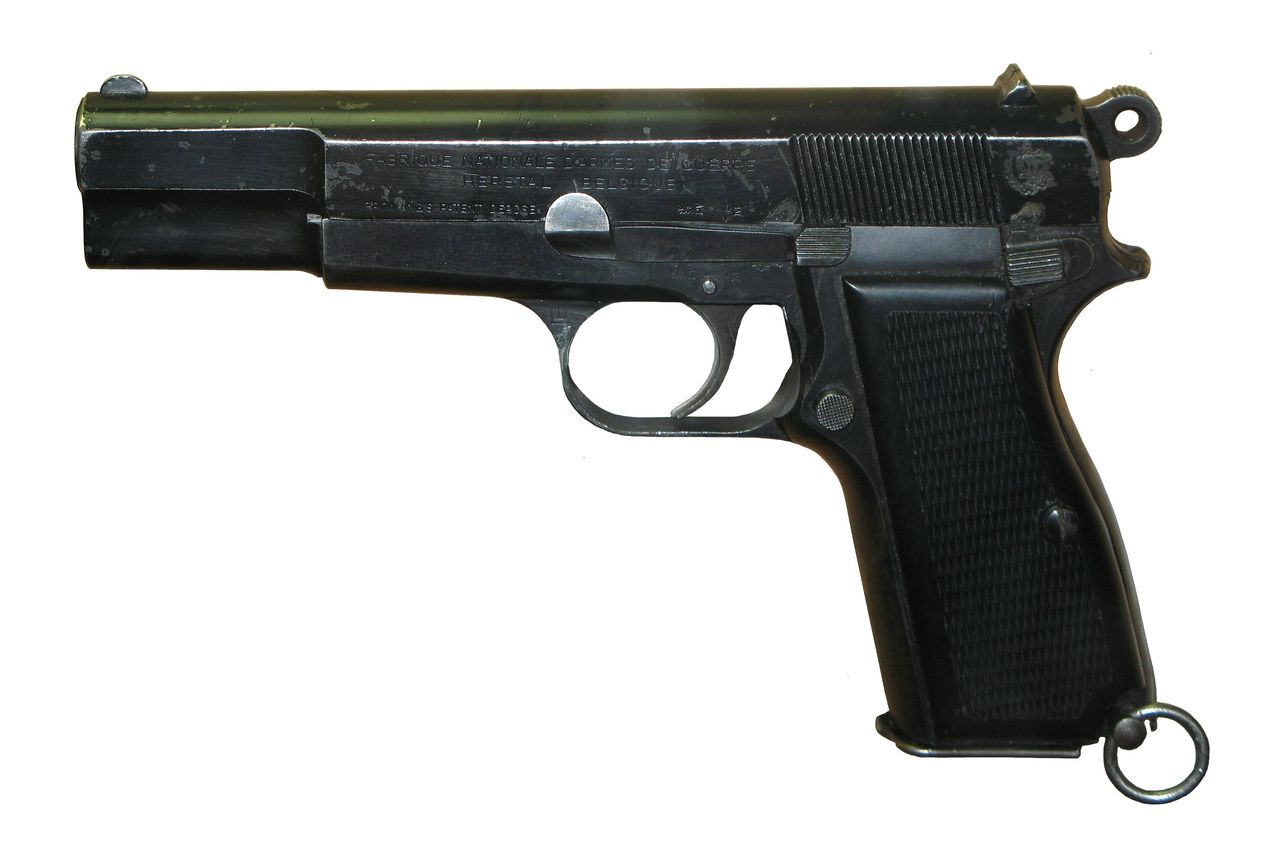
The Browning Hi-Power eventually became famous worldwide, but for many users it started as a working sidearm, plain and simple. Security personnel, contractors, and professionals in rougher environments appreciated its capacity, handling, and reputation for dependability. To them, it was a trusted tool that did its job without much fanfare.
That practical legacy is part of what makes the Hi-Power so collectible today. Enthusiasts chase different wartime, postwar, and commercial versions, each with subtle details that matter. What elevates it is not just design brilliance, but the fact that it served ordinary roles so well that generations of owners kept relying on it.
Ruger Standard
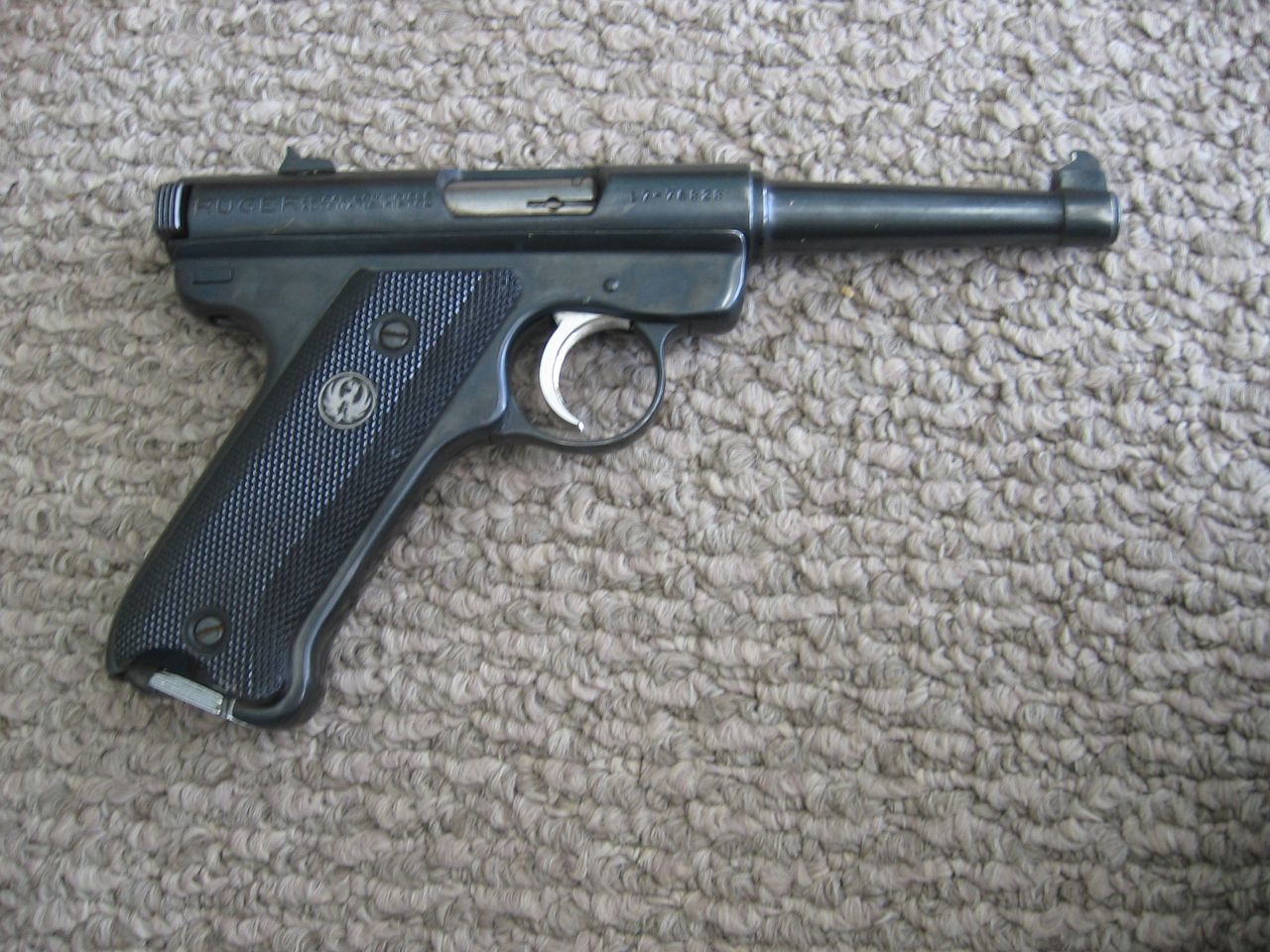
The Ruger Standard was not a defensive sidearm in the usual sense, but it absolutely belonged to the world of working men. Farmers, mechanics, and outdoorsmen bought it as an affordable, durable .22 for pest control, target practice, and informal use around property and camp. It was dependable, handy, and free of pretension.
Collectors have since embraced the pistol for its distinctive profile and major role in Ruger’s rise. Early production examples, original markings, and condition all matter now in ways the first buyers probably never imagined. A simple .22 once tossed into a truck or tackle kit can now be a surprisingly admired piece.
Savage Model 1907
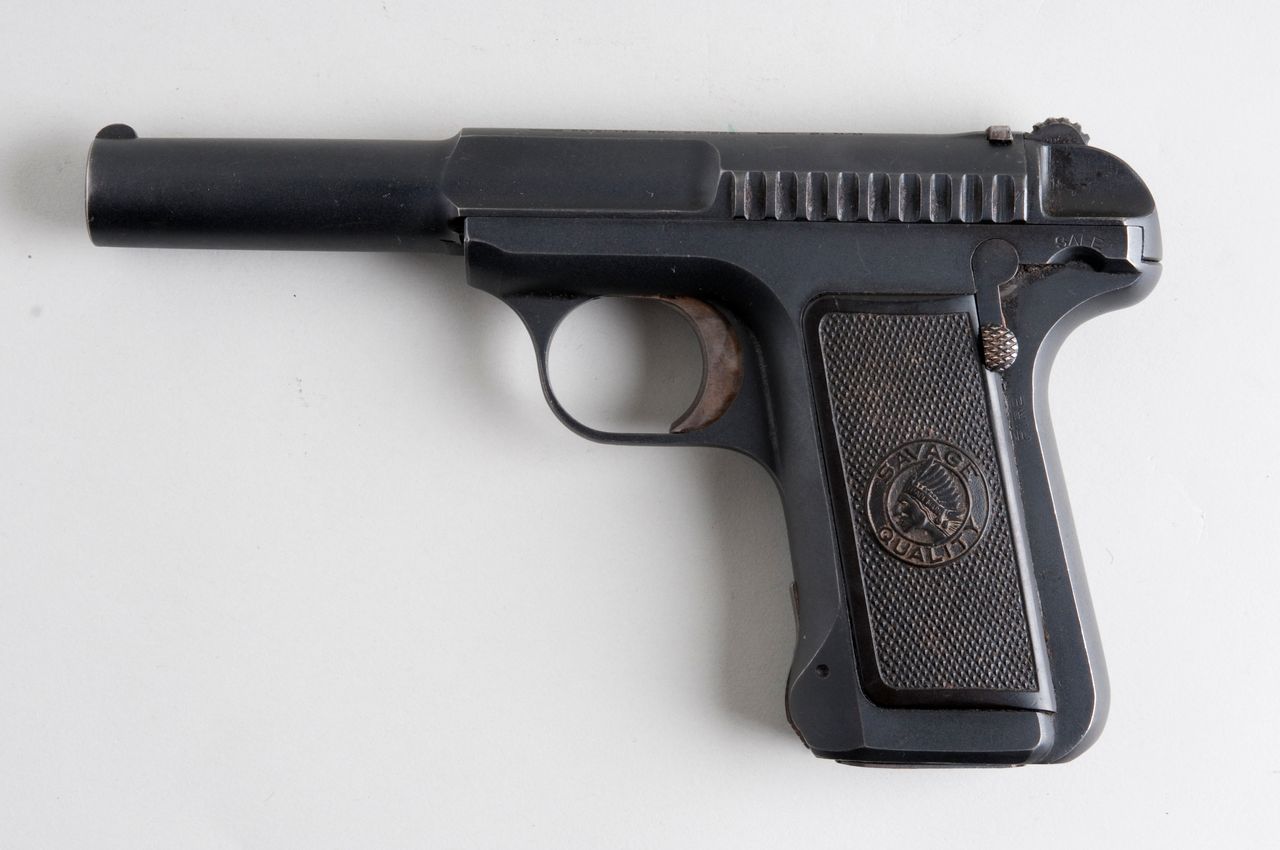
The Savage Model 1907 had a look all its own, but it was still rooted in practicality. It appealed to men who wanted a compact self-loading pistol for everyday carry, whether they worked in business, traveled often, or simply preferred a modern sidearm to an older revolver. It was current, useful, and made for regular life.
That unusual profile and early semi-automatic history have turned it into a collector favorite. People are drawn to its innovative engineering, distinctive grip shape, and the sense that it represents an era of rapid change in handgun design. What once felt modern and ordinary now feels like a preserved snapshot of industrial ambition.