Some revolvers earn instant respect for their history, craftsmanship, or mystique, yet still leave owners hesitating at the range. In many cases, the issue is not whether they work at all, but whether repeated use might test an old design, stress scarce parts, or chip away at collectible value. This gallery explores seven wheelguns collectors love to own, while unpacking the one lingering doubt that keeps enthusiasm slightly in check.
Colt Python
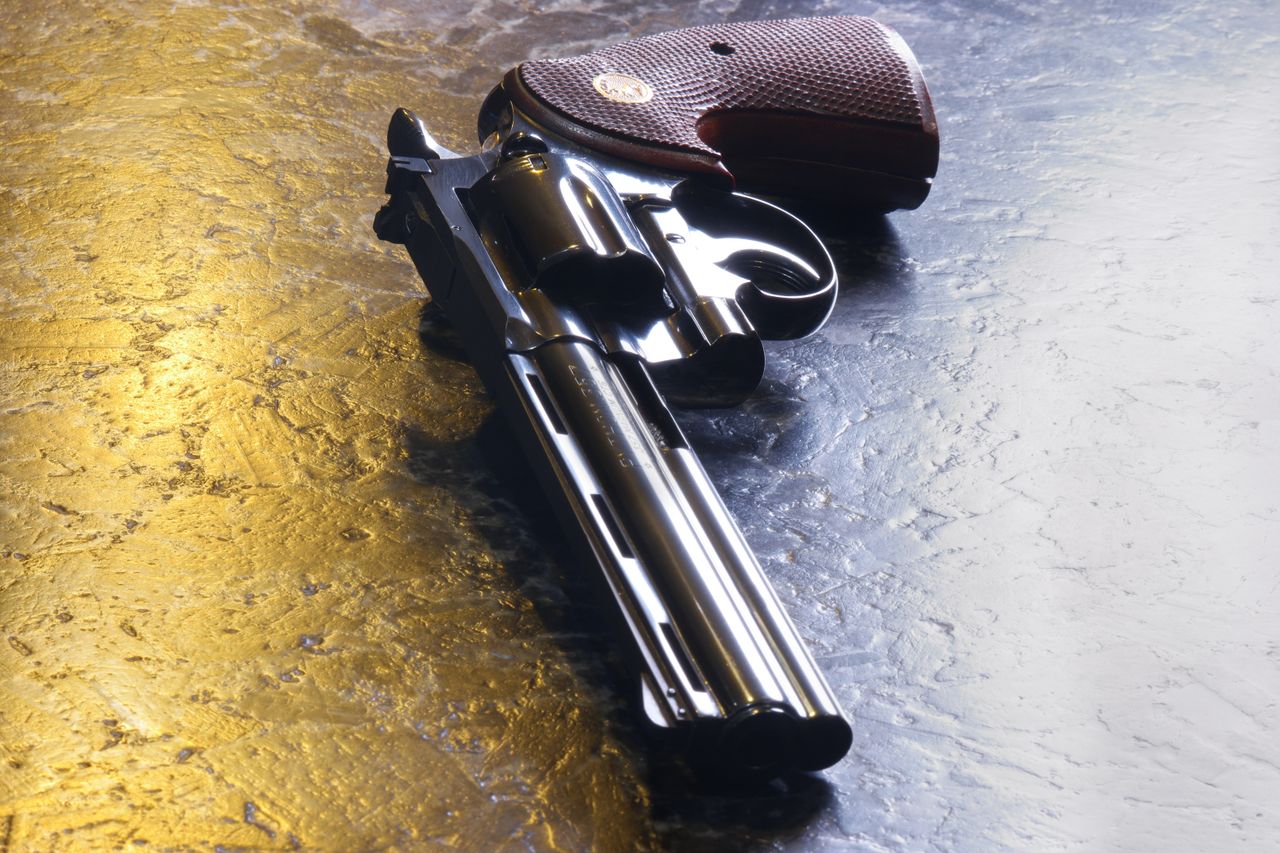
The Colt Python has a near-mythic reputation, and it is easy to see why. The polish, the ventilated rib, and that famously smooth trigger make it one of the most admired double-action revolvers ever built. Even people who do not follow firearms closely tend to recognize a Python as something special.
The hesitation comes from a familiar collector worry: timing and hand-fitting. Older Pythons are celebrated for their precision, but that same intricacy can make owners nervous about shooting them heavily. When a revolver is both expensive and increasingly hard to service exactly as originally built, every box of .357 Magnum can feel like a small gamble against long-term perfection.
Colt Single Action Army
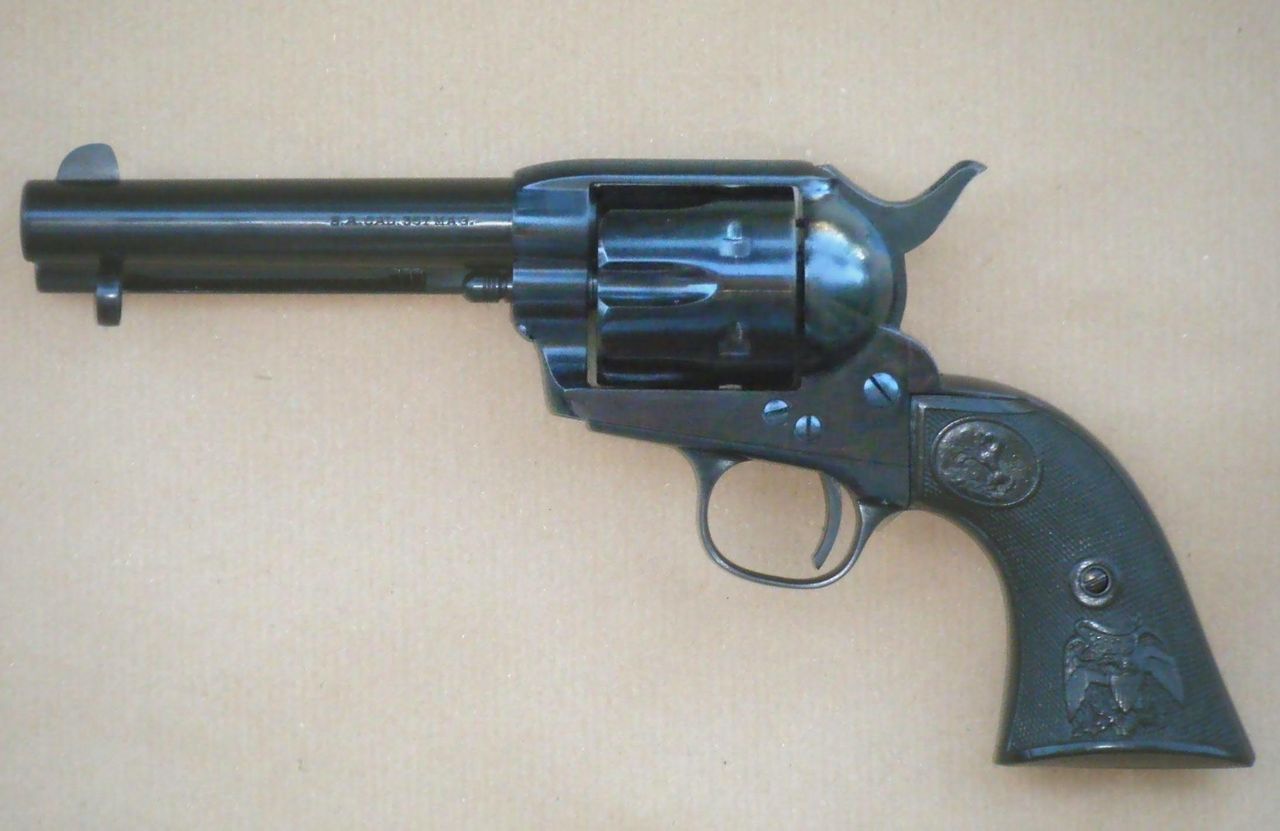
Few handguns carry the romance of the Colt Single Action Army. It is tied to frontier history, Hollywood iconography, and the idea of the American West in a way almost no other revolver can match. Collectors admire not just the gun itself, but the stories it seems to bring into the room.
The lingering doubt is usually less about function than metallurgy and age. Many original examples date to eras when ammunition and steel standards were very different from modern expectations. Owners may fire a few gentle loads for the experience, but they often stop short of regular use because the fear is simple: one cracked part or stretched frame could erase both history and value in an afternoon.
Smith & Wesson Registered Magnum
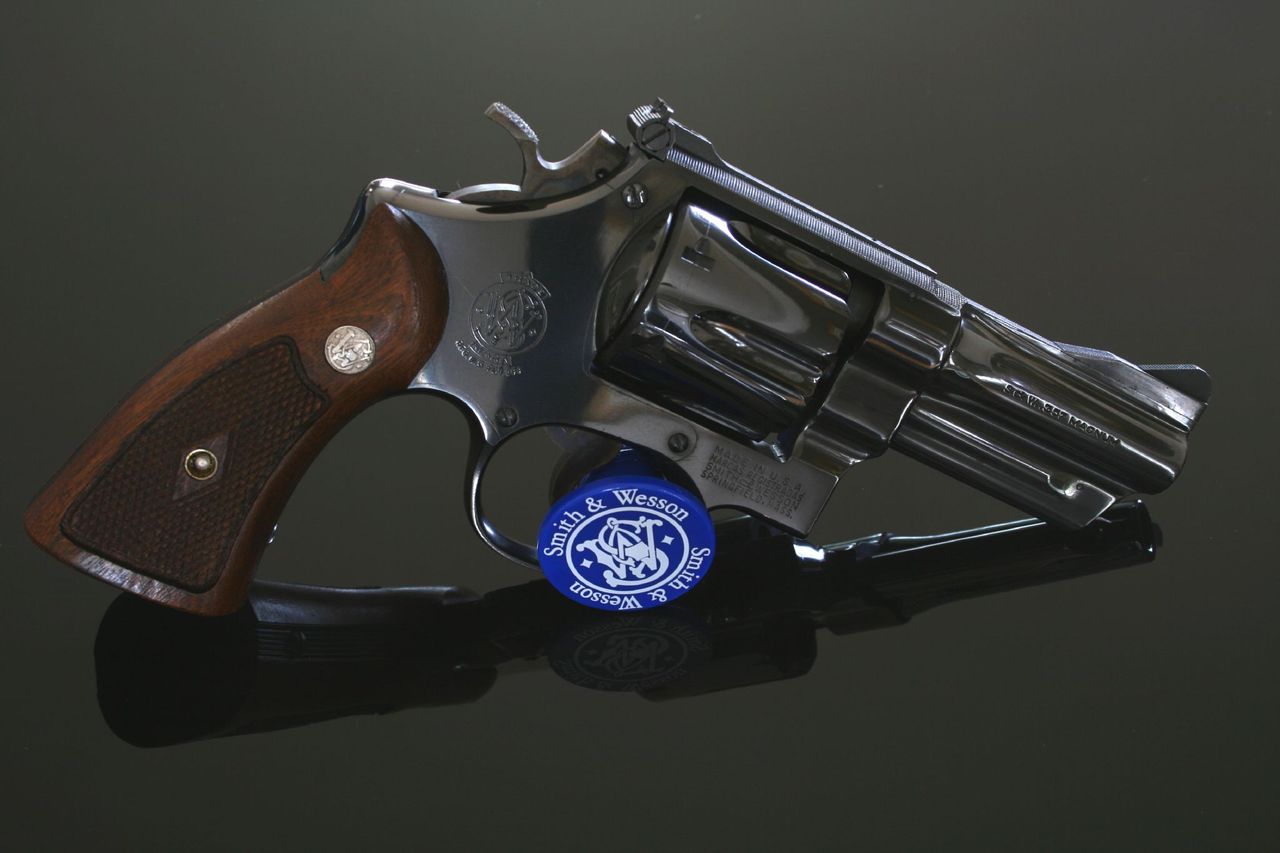
The Registered Magnum sits at the intersection of performance, prestige, and rarity. Introduced with a custom-order aura and backed by a serious law-enforcement legacy, it remains a crown jewel for Smith & Wesson enthusiasts. Just handling one can feel like touching the birth of the high-powered .357 Magnum era.
That admiration is exactly why many collectors go easy on them. These revolvers are not just old, they are significant, and originality matters enormously. The doubt is whether repeated shooting risks wear that cannot be invisibly reversed, especially on finely finished early examples. A little cylinder line or mechanical looseness might be ordinary on a shooter, but on a Registered Magnum it can feel like a permanent subtraction from history.
Webley Mk VI
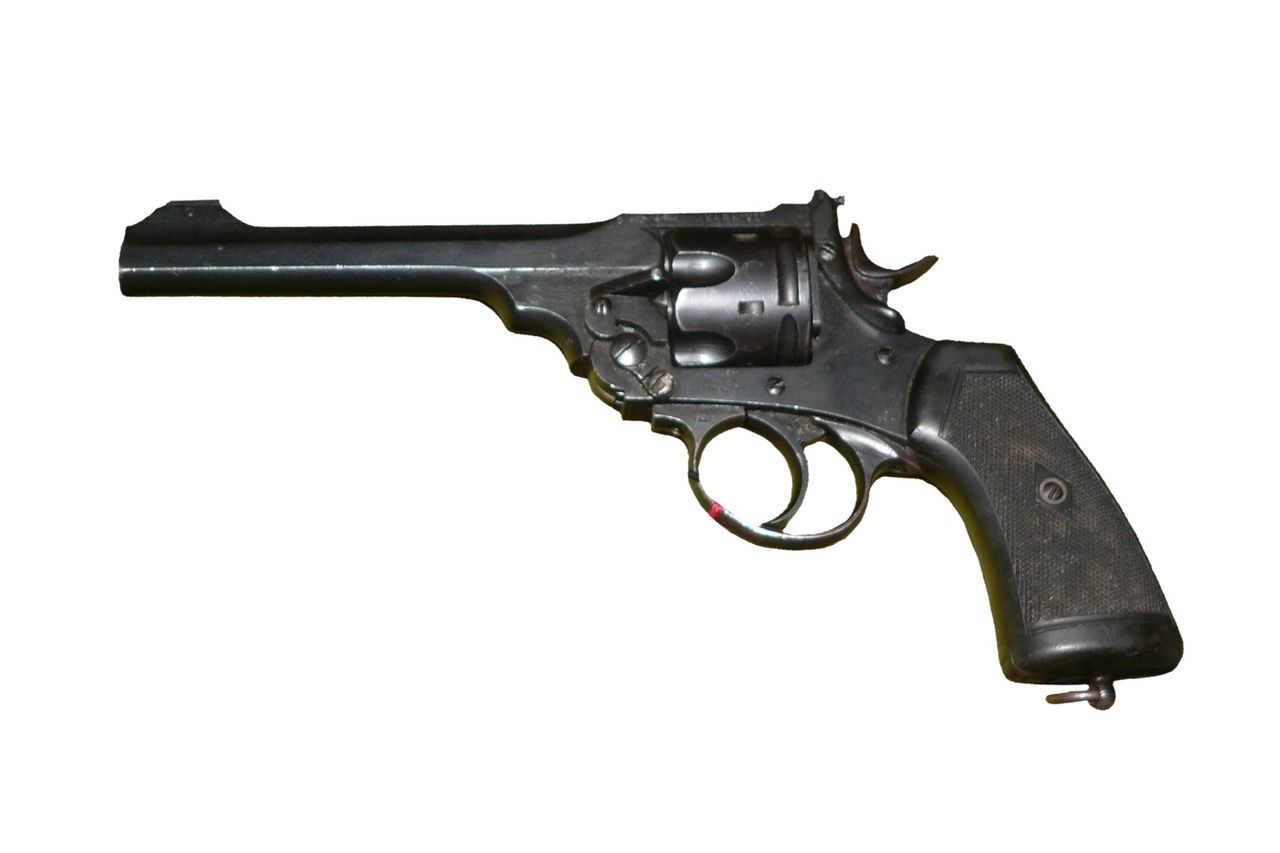
The Webley Mk VI has a presence all its own, with its top-break action and unmistakably British military character. It is the sort of revolver that attracts collectors who love engineering as much as history. Open it once and you immediately understand why so many people find it charming.
The doubt usually centers on ammunition and altered chambers. Many examples on the market were modified over the years, often to accept different cartridges, and that creates uncertainty for modern owners. Even when a revolver appears sound, collectors may wonder whether it should be fired at all, and if so, with what pressure level. That question mark turns an otherwise rugged service arm into something many admire more in the safe than on the firing line.
Manurhin MR73
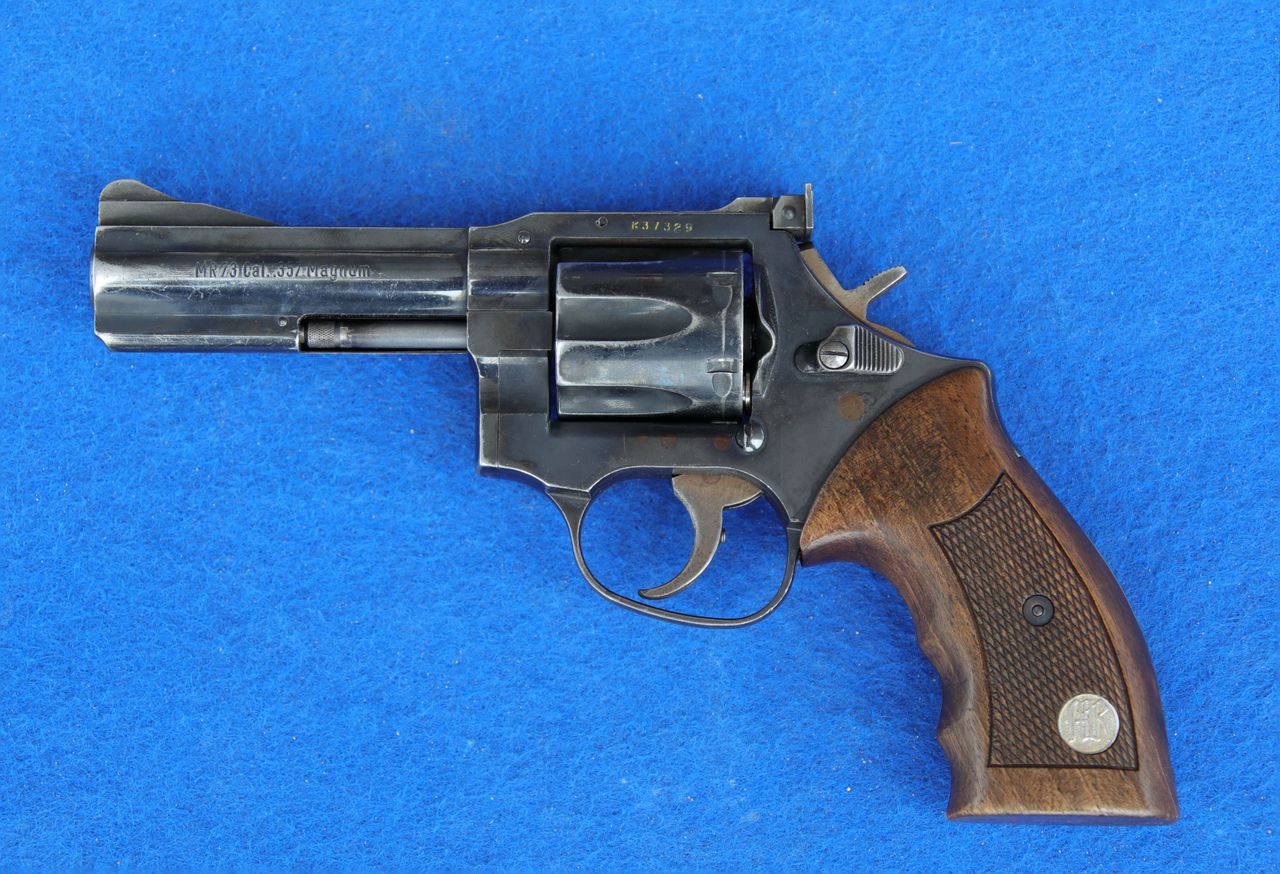
The Manurhin MR73 has built an almost legendary reputation for durability and precision. It is often spoken of with a kind of reverence, the revolver for people who appreciate meticulous machining and elite-service pedigree. For many collectors, it represents European craftsmanship at its most serious and refined.
So why the hesitation? Ironically, part of it comes from scarcity rather than fragility. Original examples, especially desirable configurations, can be expensive and not especially easy to repair with off-the-shelf parts in every market. That leaves owners with one nagging thought: even if the revolver can handle hard use in theory, is it wise to subject a rare, valuable specimen to steady wear when replacement pieces and expert service may not be close at hand?
Korth Combat Revolver
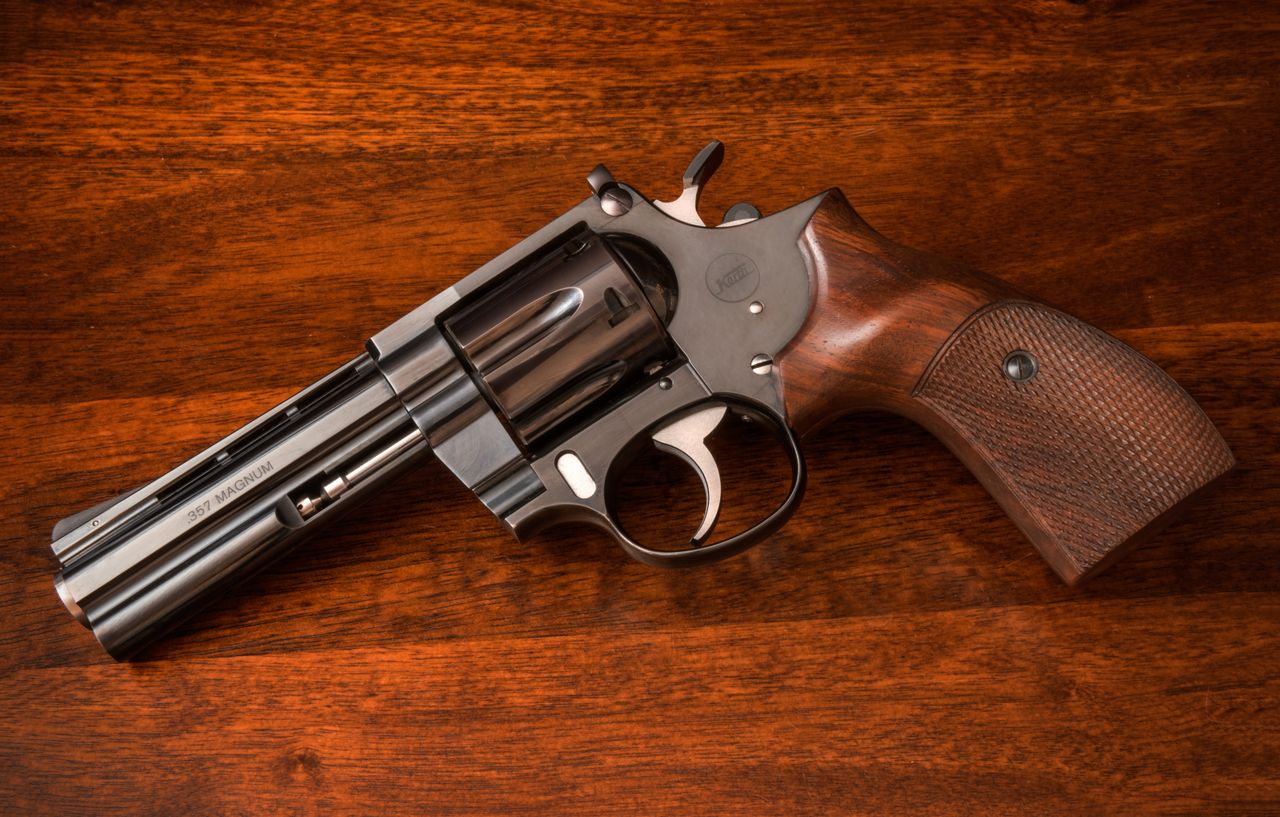
A Korth revolver tends to stop conversations. The finish, the tolerances, and the boutique aura all signal that this is not an ordinary sidearm. Collectors admire them because they feel like mechanical luxury goods, built to satisfy people who notice every click, seam, and contour.
The lingering doubt is almost painfully practical: cost changes behavior. When a revolver commands premium prices and specialized support, owners often become reluctant to shoot it the way they would a sturdy production model. It is not that the gun lacks quality. It is that every scratch, every bit of forcing cone erosion, and every hard-to-source part carries outsized emotional weight. A Korth can absolutely be used, but many owners instinctively treat it like a watch you admire before you wear.
Colt New Service
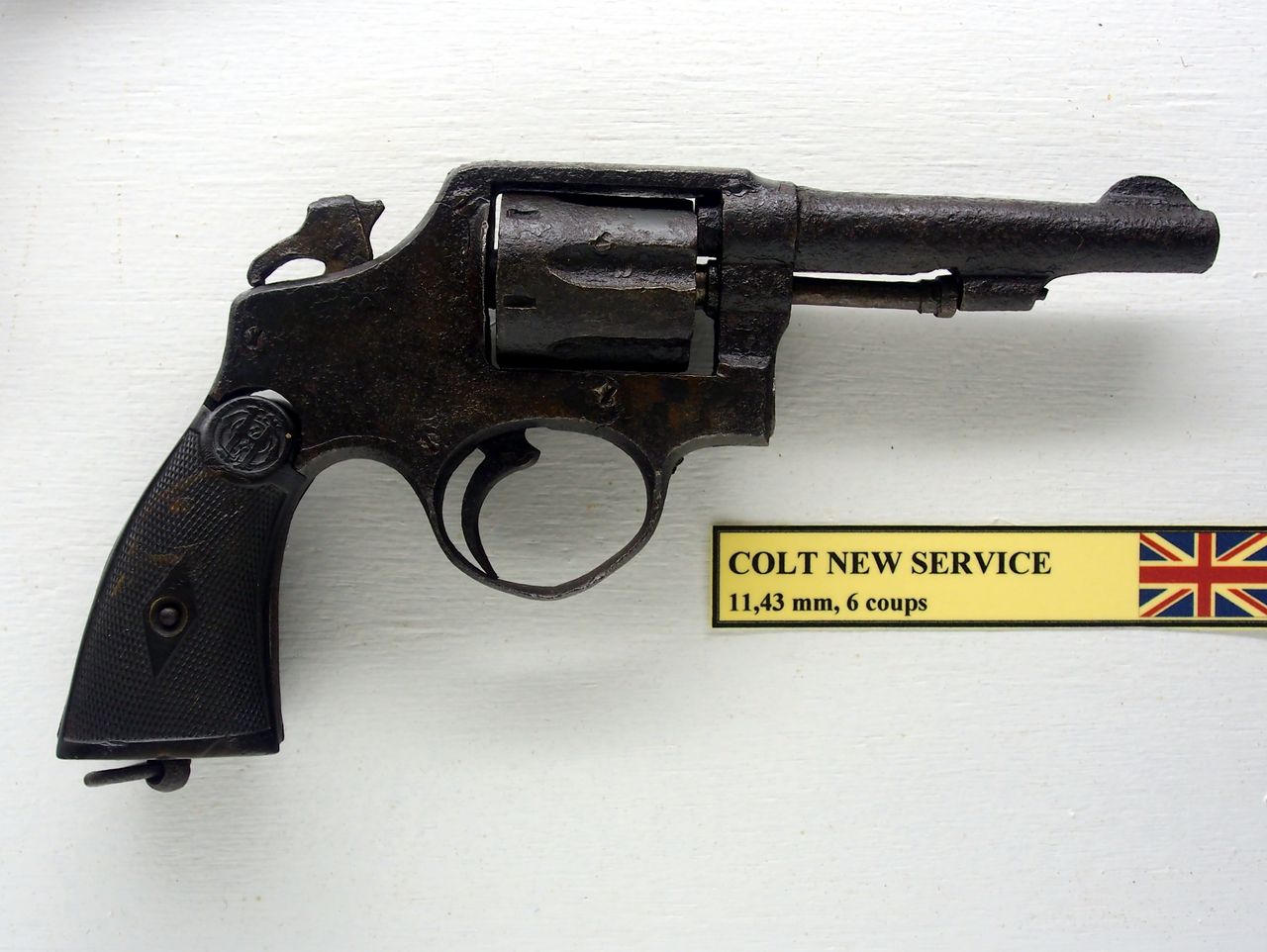
The Colt New Service is big, authoritative, and steeped in early 20th-century military and law-enforcement history. It has the kind of broad-shouldered profile that makes collectors pause and stare. In an age of compact handguns, its scale alone feels like a statement from another world.
Collectors tend to hold back because these revolvers often come with age-related uncertainty. Many have lived long, complicated lives, with mixed-condition internals, varying chamberings, and ammunition questions that are not always straightforward. The lingering doubt is whether a handsome old giant can be trusted for sustained shooting without inviting expensive trouble. For many owners, that uncertainty nudges the New Service into a role it fills beautifully: admired artifact first, occasional shooter second.