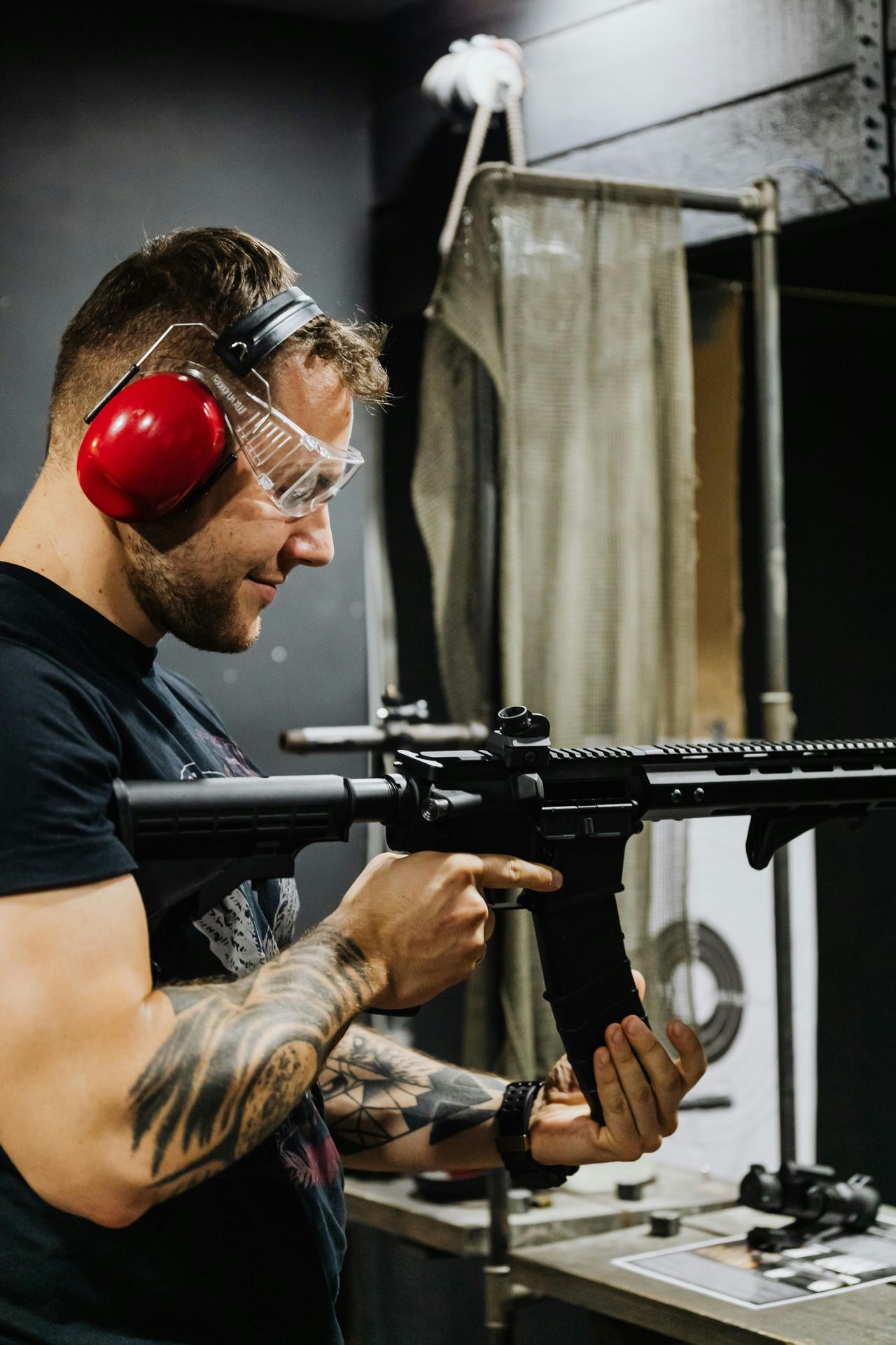
Few rifles in America inspire more devotion, argument, and marketing than the AR-15. The real question is not whether it is popular, but whether it truly deserves its near-mythic survival status.
Why the AR-15 Became the Default Survival Rifle
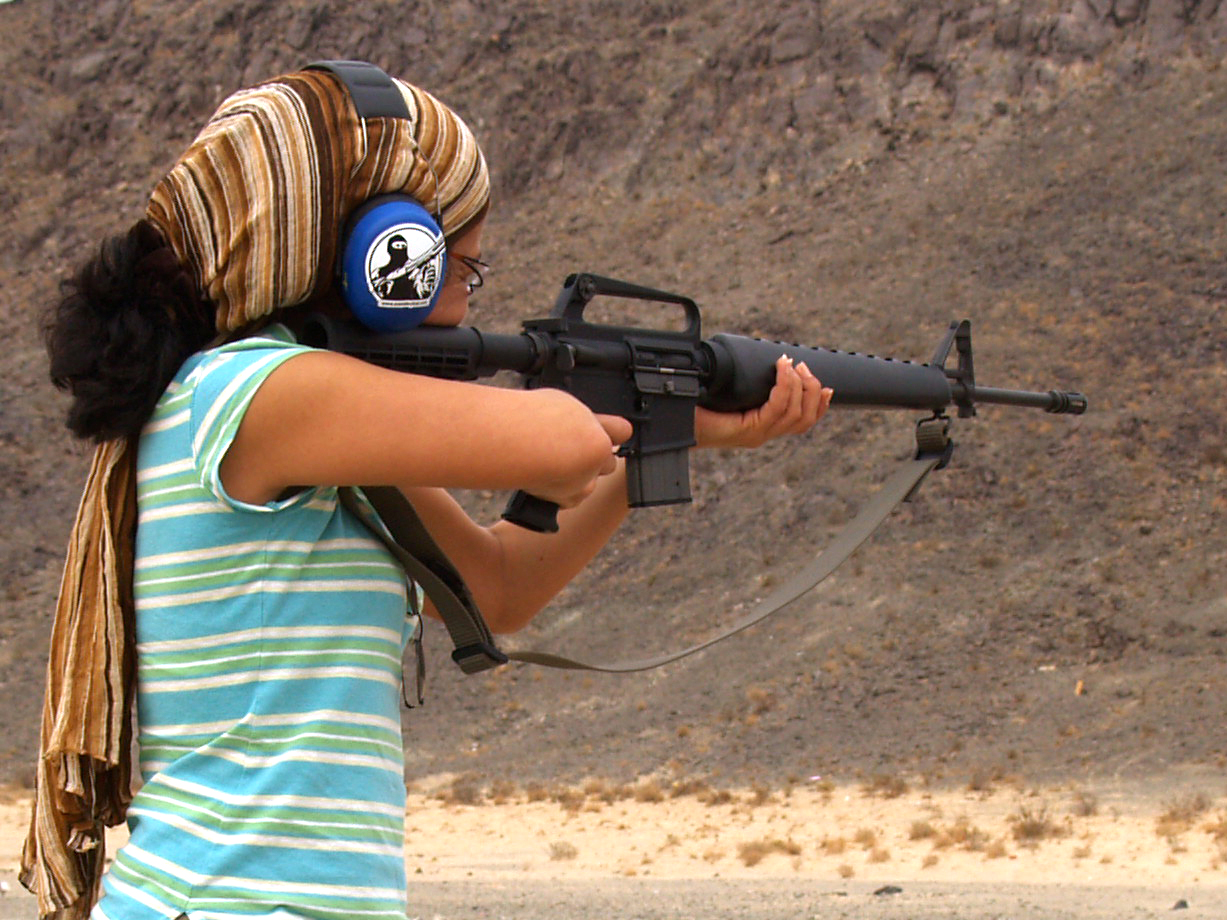
The AR-15 earned its reputation through a mix of practicality, timing, and sheer visibility. It is lightweight, easy to shoot, and widely available in the United States. For many gun owners, it was the first rifle platform that felt modern, adaptable, and unintimidating compared with older battle rifles or heavy hunting guns.
Its rise also tracks with decades of military influence and civilian marketing. Americans saw versions of the platform in service rifles, competitive shooting, training schools, and gun store displays. That constant exposure built familiarity, and familiarity often becomes confidence, especially in emergency planning where people gravitate toward what they already know.
Another major factor is modularity. A person can start with a basic carbine and add optics, lights, slings, upgraded triggers, or alternate uppers without learning an entirely new system. In survival culture, that flexibility is irresistible because buyers imagine one rifle covering home defense, hunting, patrol, and general preparedness.
Ammo availability helped lock in the platform’s status. .223 Remington and 5.56 NATO have long been among the most common centerfire rifle cartridges in America. In a country where preparedness often overlaps with concerns about supply disruptions, owning a rifle chambered in a common round feels like a rational hedge, not just a trend purchase.
What the AR-15 Actually Does Well in a Survival Role

To be fair, much of the AR-15 praise is earned. Recoil is mild, which means faster follow-up shots and easier training for smaller-framed shooters, older users, and beginners. In a stressful event, a rifle that people can control consistently matters more than one with heroic ballistics on paper.
The platform is also mechanically efficient when properly built and maintained. Modern AR-15s from reputable manufacturers are generally reliable, and the manual of arms is straightforward. Magazine changes are quick, controls are familiar to millions of shooters, and spare parts are far easier to find than for many competing rifles.
Accuracy is another legitimate advantage. Even basic rifles can produce respectable groups with common ammunition, and better barrels or optics can tighten performance significantly. That versatility lets one rifle handle close-range defense, pest control, and medium-distance shooting more capably than many old-school “survival rifles” that were really just light utility carbines.
Then there is the support ecosystem. Training classes, armorer knowledge, aftermarket magazines, and accessory options are everywhere. In practical preparedness, that matters. A rifle is not just a tool by itself; it is a whole support network of magazines, replacement springs, optics mounts, and collective knowledge, and the AR-15 dominates that category in America.
Where the Hype Gets Ahead of Reality
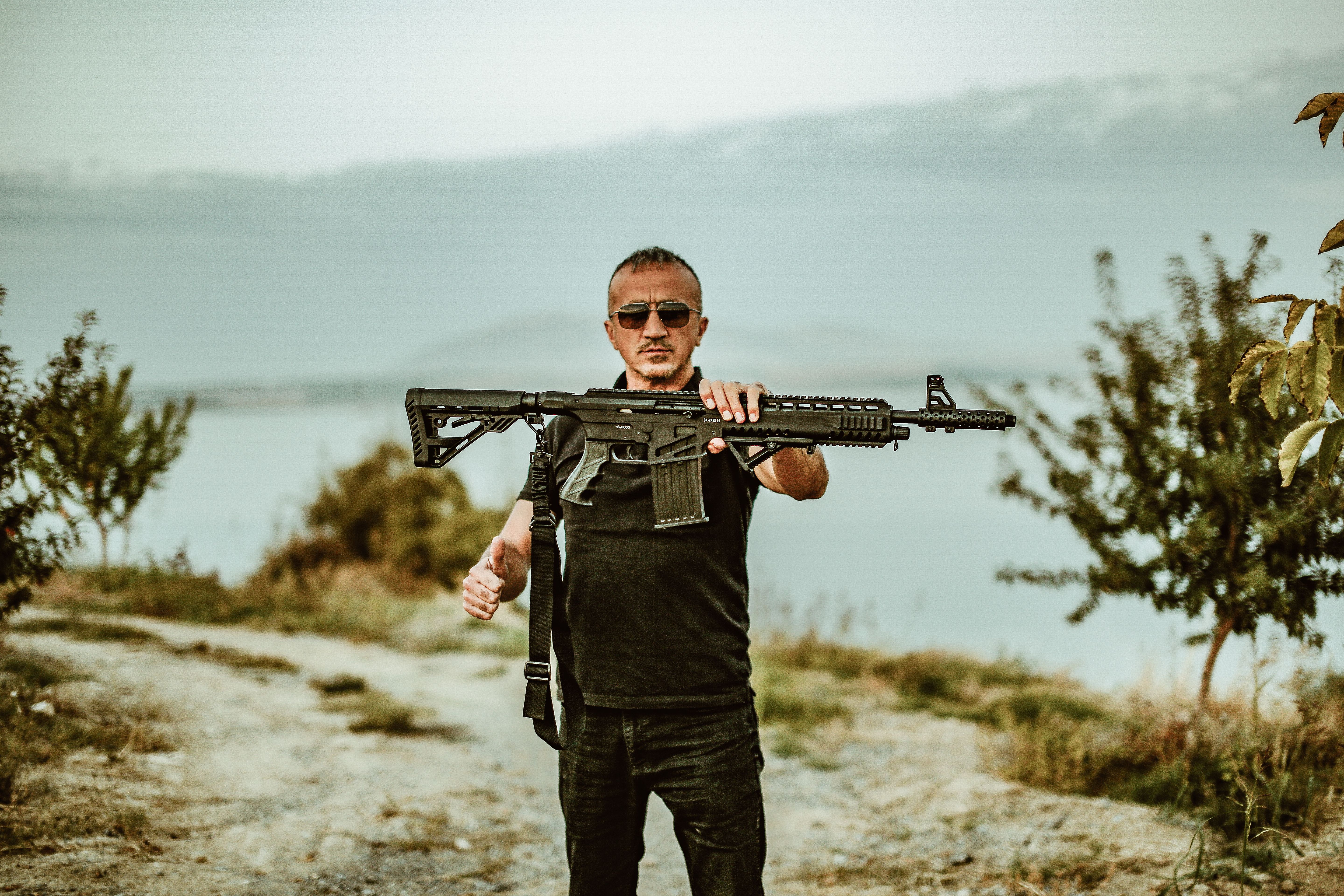
The hype starts when people treat the AR-15 as universally optimal instead of broadly useful. Survival is not one problem. It can mean defending a suburban home during civil unrest, living through a hurricane aftermath, traveling on foot, or procuring food in remote terrain. One rifle may perform differently across all those roles.
The AR-15 is also more maintenance-sensitive than many enthusiasts admit. A quality rifle will run very well, but magazines, lubrication, extractor wear, gas system tuning, and ammunition choice all matter. People who speak of it like an indestructible magic wand often ignore the fact that dependable performance still depends on setup and user discipline.
Noise and blast are underappreciated drawbacks, especially from common 16-inch carbines with muzzle devices designed around recoil control. Indoors or around vehicles, the concussion can be punishing. In a real emergency without hearing protection, that is not a small issue, and it is one reason some professionals prefer simpler muzzle setups over flashy compensators.
There is also a cultural distortion effect. Because the AR-15 sits at the center of American gun media, it gets discussed as the answer to every question. That media ecosystem rewards certainty and identity more than nuance. A rifle can be excellent without being the best choice for every climate, budget, skill level, and legal environment.
The Best Arguments for Other Survival Rifles
A .22 LR rifle remains one of the strongest alternatives for long-term utility. Ammunition is lighter, cheaper, and easier to store in quantity. For small game, pest control, training, and quiet practical use, a reliable .22 often solves more day-to-day survival tasks than a centerfire rifle, even if it is obviously weaker defensively.
A 12-gauge shotgun also deserves serious respect in the discussion. It can handle defense, birds, and larger game with the right loads. The downside is recoil, slower reloads, and bulky ammunition, but in rural survival contexts, a shotgun often offers broader food-gathering flexibility than an AR-15 firing 5.56.
Bolt-action rifles in .308 Winchester, 6.5 Creedmoor, or similar calibers make a better case where range, barrier penetration, and big-game hunting matter. They are simpler, often more tolerant of neglect, and effective far beyond the distances where most AR carbines shine. In mountainous or open-country settings, those strengths are not theoretical.
Even the AK-pattern rifle still enters the debate for good reason. While the AR usually wins on accuracy and ergonomics, the AK family has a reputation for durability and simpler field use under abuse. The point is not that these platforms are categorically better, but that survival needs are so varied that the AR-15 cannot claim an automatic win.
Survival Depends More on Context Than on Platform

An apartment dweller in a major city faces a very different preparedness problem than a rancher in Wyoming. In an urban environment, compact size, controllability, and common magazines make the AR-15 attractive. But overpenetration concerns, legal restrictions, and the realities of defensive distances may make a pistol-caliber carbine or even a handgun the more practical daily tool.
In rural America, the equation changes again. People may need to protect livestock, deal with predators, or take medium-sized game at longer distances. Here, a lightweight AR still has value, especially with suitable loads, but it may sit beside a scoped bolt gun or shotgun rather than replace them.
Budget also changes the answer. A dependable AR setup is not just the rifle. It includes magazines, sling, optic, white light, spare parts, ammunition, and training time. For a working family, the most realistic survival firearm may be the one they can actually afford to buy, maintain, and practice with regularly.
Skill matters even more than gear selection. A person with thousands of rounds of meaningful practice on a lever gun, shotgun, or bolt action is often better prepared than someone who owns a trendy AR and rarely trains. Competence, judgment, and consistency are still the true force multipliers in any emergency.
The Marketing Machine Behind the AR-15 Myth
The AR-15 did not become a survival icon by accident. The firearm industry spent years presenting it as the rifle that can do everything. Advertising leaned heavily into images of readiness, self-reliance, and uncertainty, turning a modular semiautomatic rifle into a symbol of modern preparedness as much as a piece of equipment.
Gun media amplified that message. Review channels, magazines, podcasts, and social feeds often center the AR because it drives attention. New optics, rails, suppressors, slings, and accessories all need a host platform, and the AR-15 is the ideal consumer canvas. That creates a constant cycle where relevance feeds more relevance.
Political attention also contributed to the hype. Because the AR-15 became a focal point in national debates, it gained a strange kind of status boost among supporters. For many owners, buying one was not only a practical decision but also a cultural statement about rights, identity, and resistance to restriction.
None of that means the rifle is undeserving. It means its reputation has been shaped by forces beyond pure field performance. When a product lives at the intersection of commerce, politics, and identity, hype is inevitable. The smart buyer separates those emotional layers from the plain, sometimes boring realities of actual survival use.
So, Is the AR-15 the Most Hyped Survival Rifle in America?
Yes, it probably is, but that does not make it overrated in the lazy sense. The AR-15 is hyped because it genuinely offers an unusual combination of light weight, manageable recoil, good accuracy, fast handling, and unmatched parts support. Few rifles in America can match that blend across so many common preparedness scenarios.
At the same time, the rifle’s fans often oversell its universality. It is not the quietest option, not the simplest in every condition, not the best hunting rifle for all game, and not always the cheapest system to own well. Treating it as the one rifle to rule every emergency creates unrealistic expectations.
The better conclusion is that the AR-15 is America’s most hyped survival rifle because it sits at the sweet spot between real capability and exaggerated mythology. It deserves a place near the top of the list, but not on a throne above all alternatives. In survival planning, context beats hype, and capability beats branding every time.
If you already own an AR-15 and know how to run it, that is a serious asset. If you are still choosing, ignore the tribal noise and ask a harder question: survival for whom, where, and doing what? Once you answer that honestly, the right rifle usually becomes a lot clearer.