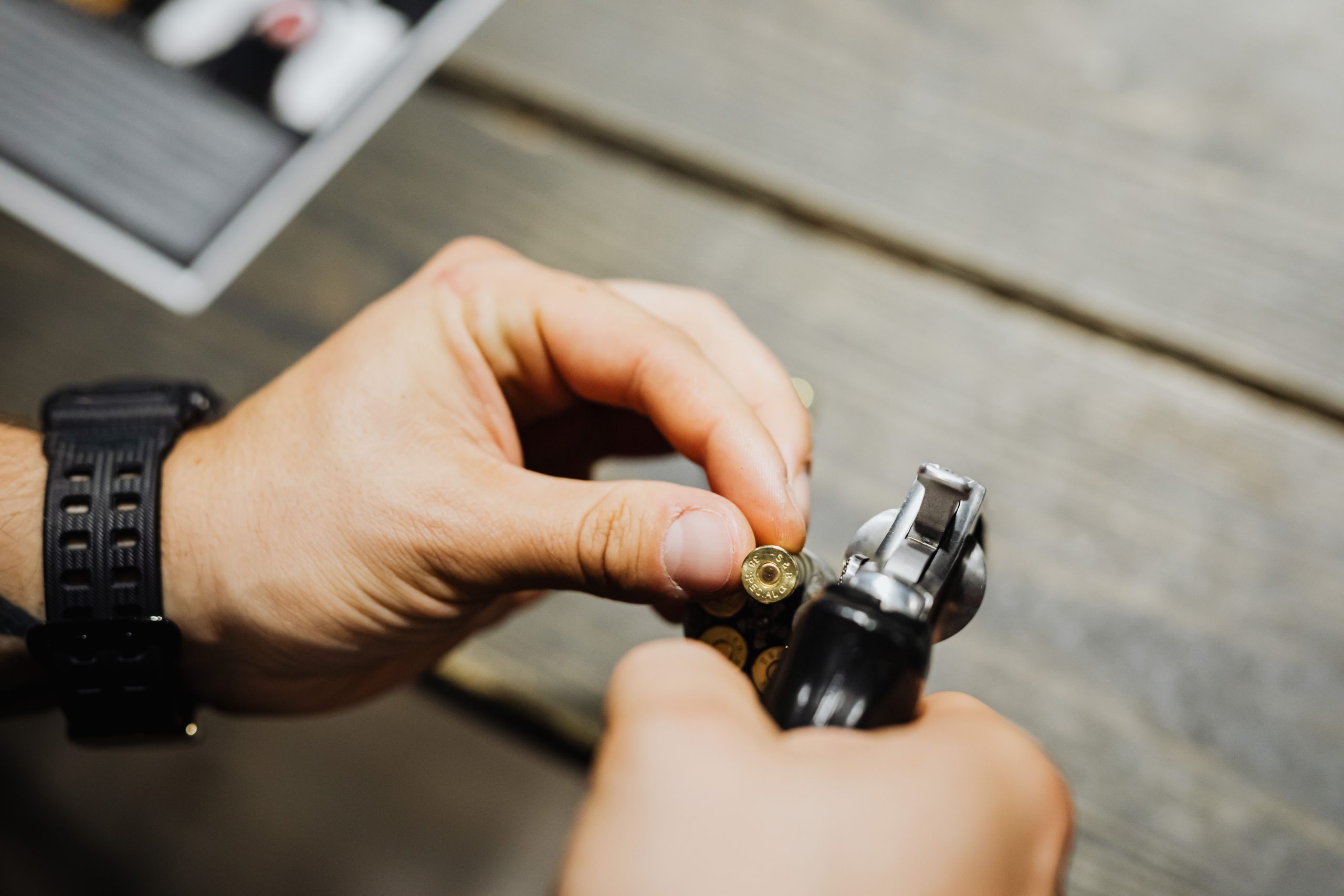
Military sidearms are often changed for reasons that sound simple on paper but emerge from years of combat experience, procurement problems, and uncomfortable lessons. A failed raid can expose a weakness, but it is rarely accurate to say one mission alone caused a new pistol to be adopted. The examples below therefore focus on foreign-designed sidearms whose selection or wider acceptance followed a clearly identified battlefield, operational, or procurement problem. Each case shows how capacity, reliability, logistics, weight, or handling could reshape military thinking.
1. Colt M1911
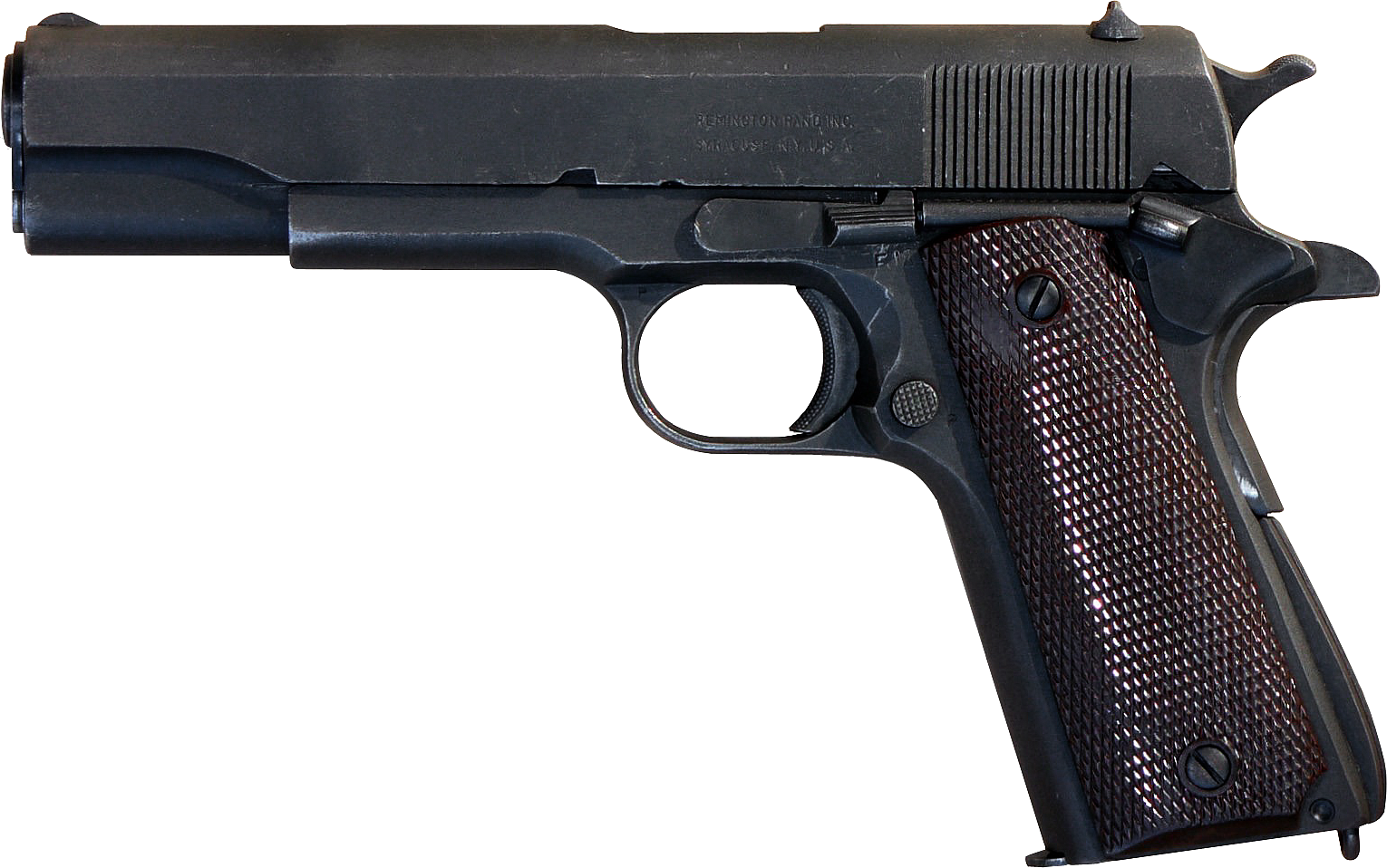
The U.S. Army’s move toward the M1911 was driven by hard lessons from fighting in the Philippines, where .38-caliber revolvers were criticized in close combat. The response was not an overnight adoption after one raid, but the experience helped revive demand for a heavier service pistol. In 1911, the .45 ACP M1911 was adopted after trials, giving troops a new sidearm with a 7-round magazine. The episode showed how field experience could overturn assumptions about handgun power and ammunition. The change also influenced later American thinking about standard ammunition.
2. Beretta M9
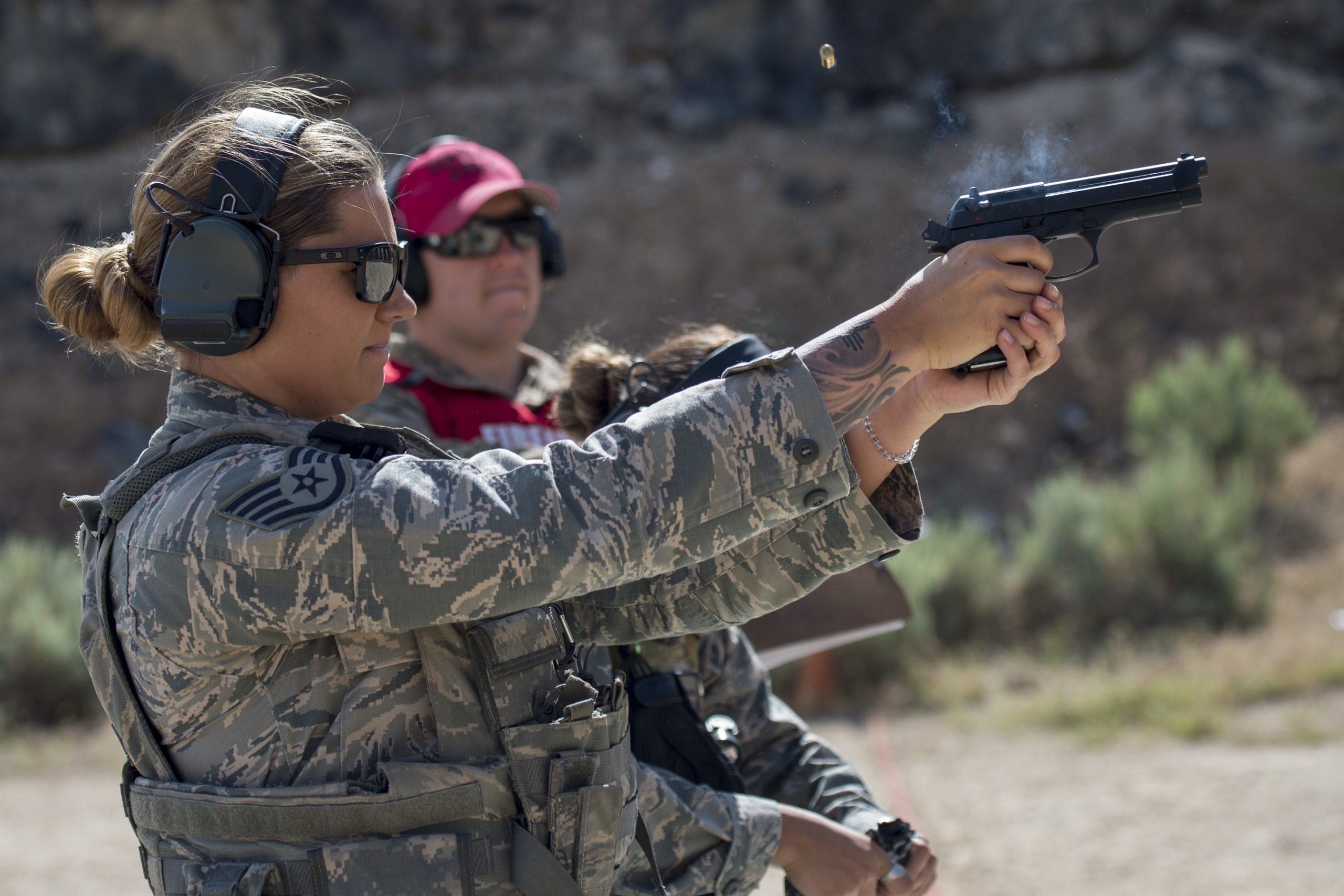
The Beretta M9 was not selected because of one failed mission, yet battlefield and training experience helped expose weaknesses in a fragmented sidearm inventory. By 1978, U.S. officials found 25 different handgun types and multiple calibers across the services, complicating supply and maintenance. The search eventually favored a 9mm NATO pistol, and the Beretta 92F was selected in 1985. Its 15-round magazine also represented a major capacity increase over the M1911’s 7 rounds. It was a logistical lesson as much as a tactical one.
3. Glock 17
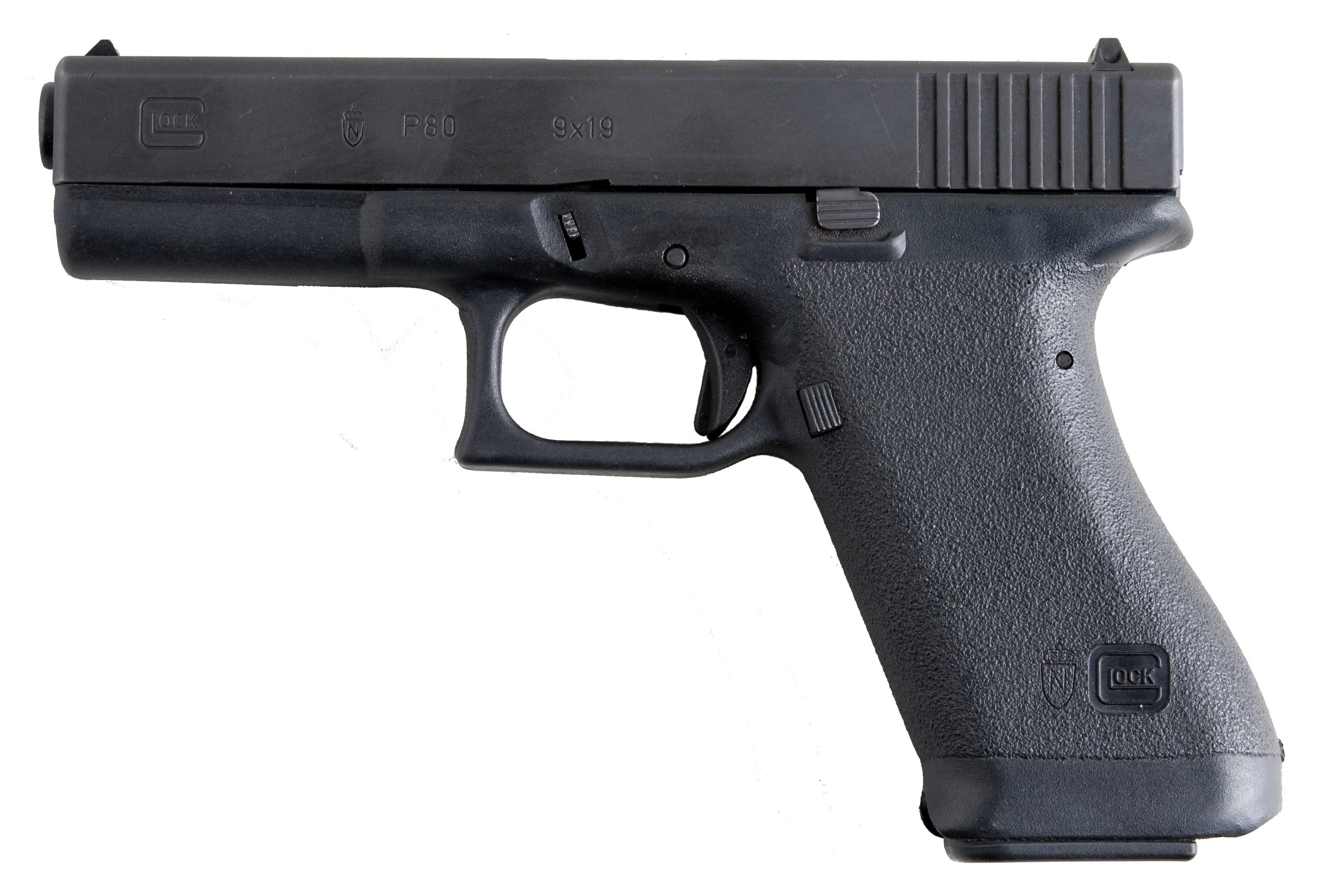
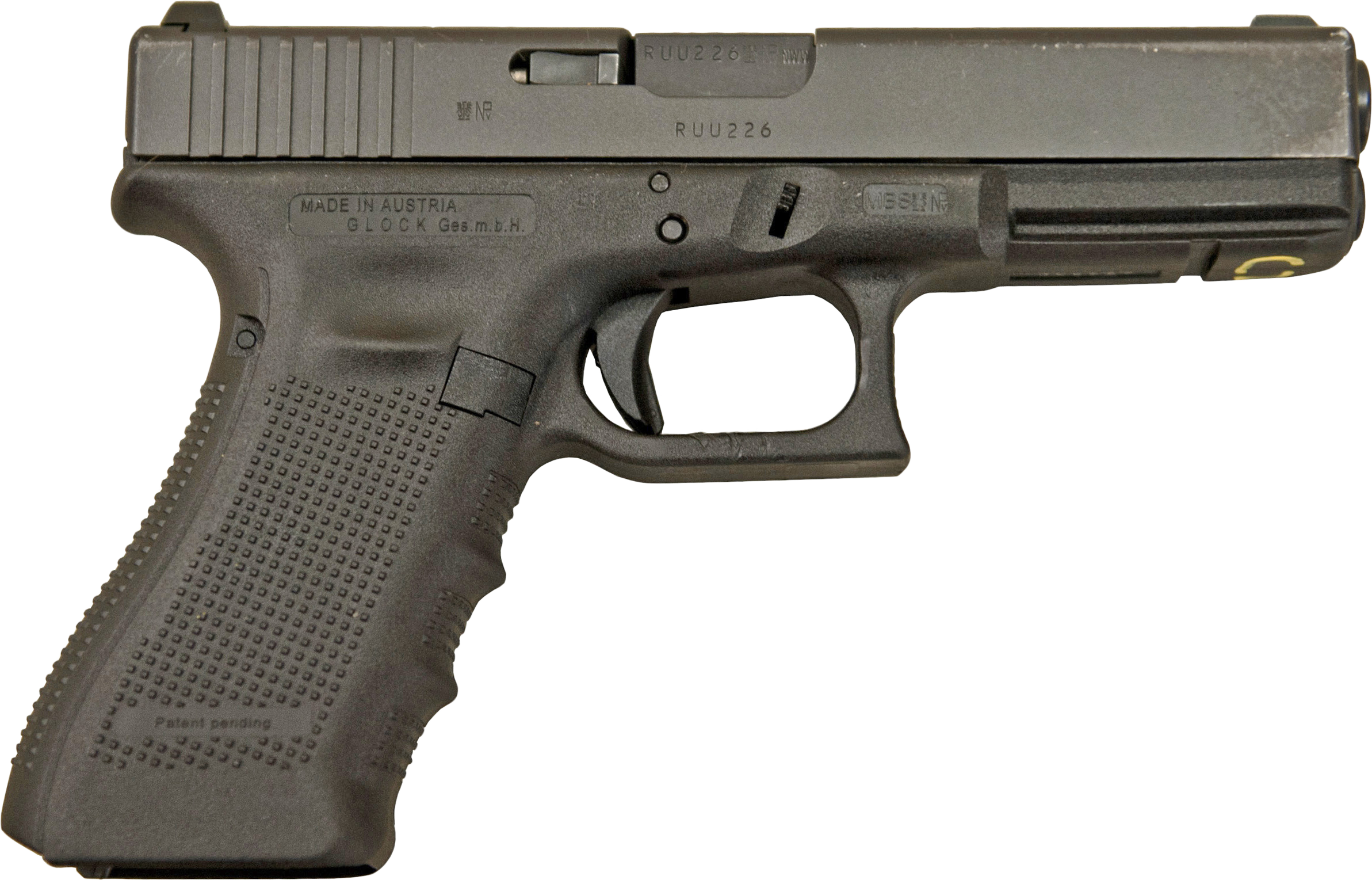
Austria’s adoption of the Glock 17 was a response to changing military requirements rather than one disastrous operation. The Bundesheer sought a lighter, modern 9mm service pistol, and Glock’s polymer-framed design offered a different approach from traditional metal handguns. Adopted as the Pistole 80 in 1982, it held 17 rounds, giving soldiers substantially more capacity than older service pistols. Its selection demonstrated that reliability, weight, simplicity, and capacity could matter as much as familiar construction. The 1982 decision proved significant.
4. FN Browning Hi-Power
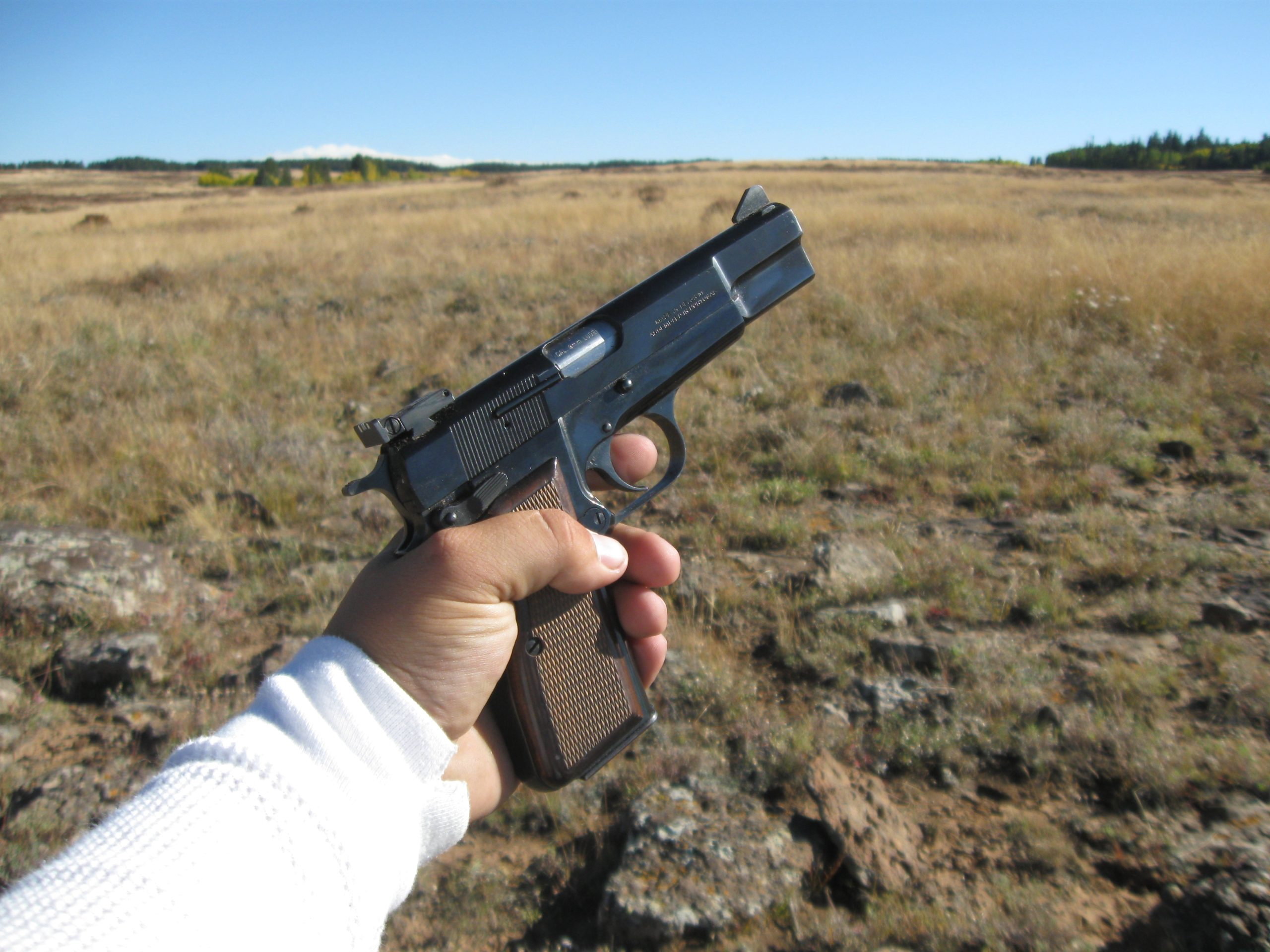
The FN Browning Hi-Power emerged from a period when armies were reconsidering what a service pistol should provide. Earlier combat experience had highlighted the inconvenience of low-capacity pistols, especially when a soldier had to reload under pressure. Introduced in 1935, the Hi-Power carried 13 rounds of 9mm ammunition, a striking figure for its era. Belgium adopted it for military service, and the design later spread widely. Its story reflects a broader lesson: ammunition capacity can influence doctrine as much as mechanical reliability. That became a lasting advantage.
5. Walther P38
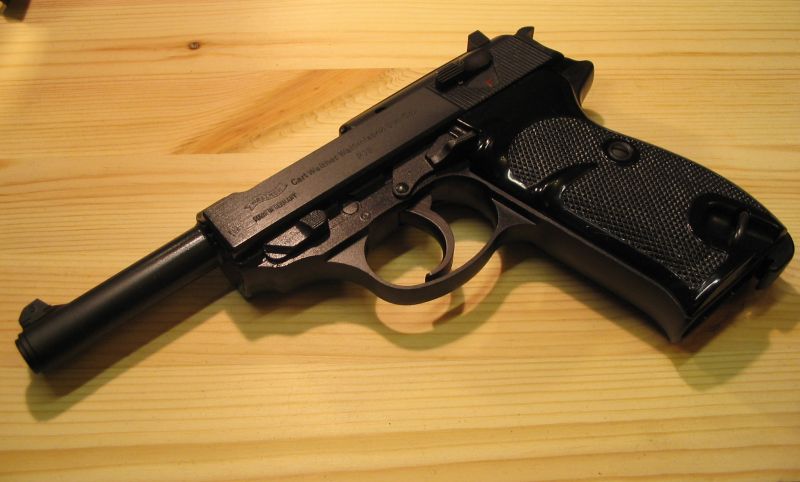
The Walther P38 followed Germany’s effort to replace the aging Luger with a pistol better suited to mass military service. The change was not triggered by one failed mission, but by practical wartime demands for simpler manufacture, safer handling, and modern double-action operation. Adopted in 1938, the P38 used a 9mm cartridge and an 8-round magazine. Its locking system and decocking arrangement made it an important step in service-pistol development, while wartime production eventually exceeded 1 million examples. It became a defining German service pistol.
6. SIG P226
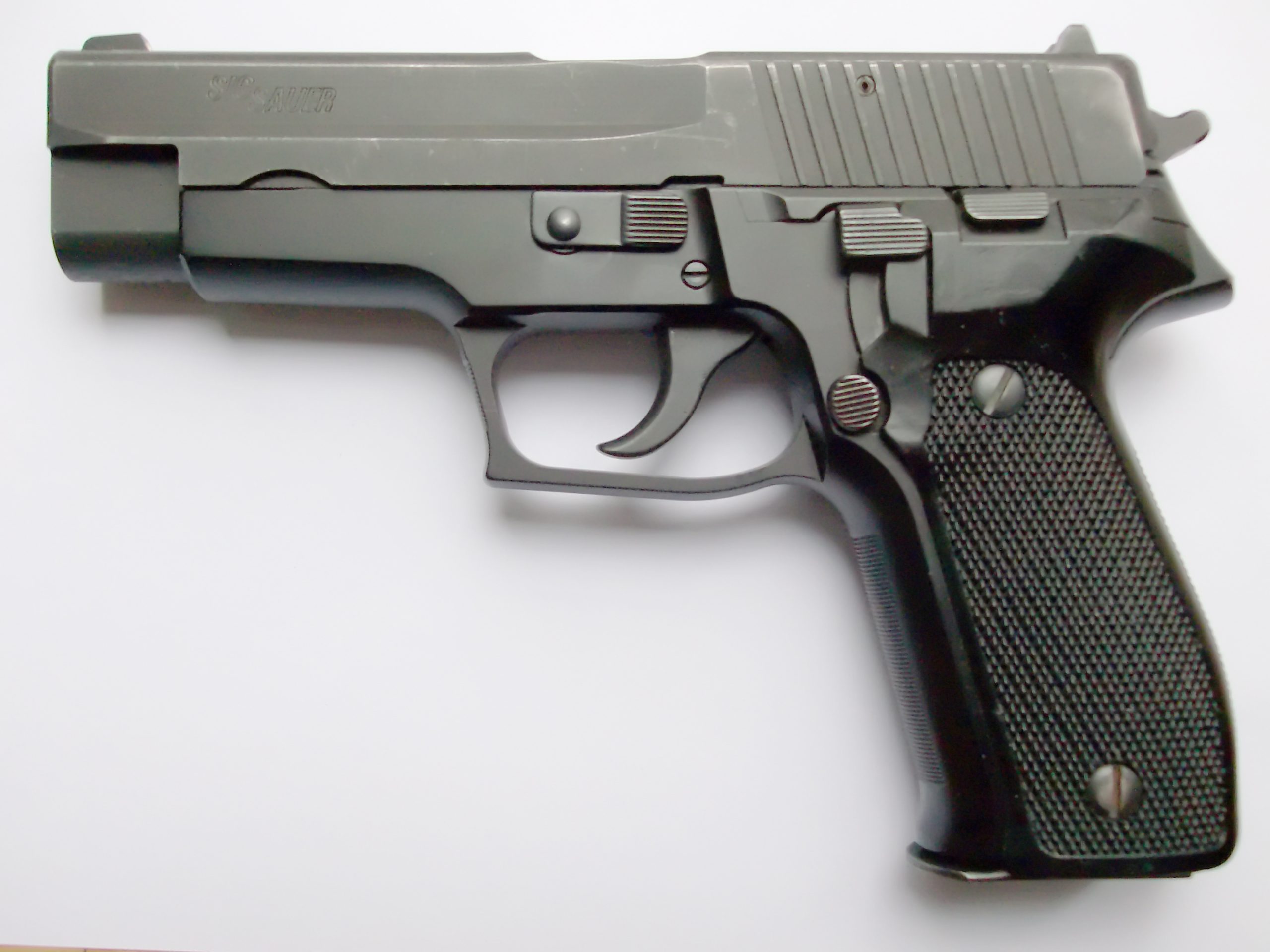
The SIG P226 offers a different kind of procurement lesson. During the U.S. military’s 1980s pistol competition, the design performed strongly but lost the final selection to Beretta’s 92F. That rejection did not end its story. The P226 subsequently won important contracts with other military and law-enforcement users, including British special forces. Its 15-round 9mm magazine and robust construction helped establish a reputation for service use. The episode shows how losing one evaluation can reveal strengths that another customer values. Its career outlasted the failed bid.
7. Beretta M1951
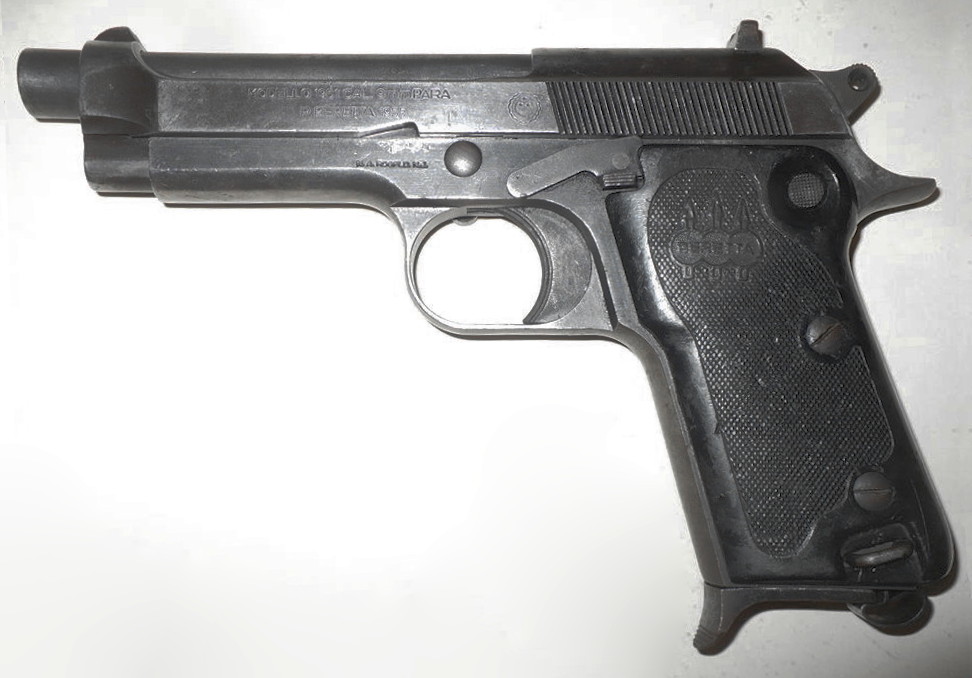
The Beretta M1951 illustrates how one country’s successful design could solve another nation’s sidearm problem. Egypt adopted and produced a version known as the Helwan, while Iraq later manufactured the design as the Tariq. The pistol used 9mm ammunition and a single-column 8-round magazine. Its spread was driven less by one failed mission than by the practical need for an established, manufacturable service pistol. In Iraq, domestic production allowed a foreign design to become part of a national weapons industry. Licensed manufacturing reduced dependence on imports.
8. Browning Hi-Power in Britain
Britain’s postwar adoption of the Browning Hi-Power reflected a broader reassessment of service pistols after the experience of World War II. The British military had long relied on .38 and .455 revolvers, but modern combat encouraged interest in a compact 9mm pistol with greater ammunition capacity. The Hi-Power’s 13-round magazine offered a clear advantage over many older designs. It entered British service in the 1950s and remained important for decades, demonstrating how wartime experience could accelerate acceptance of foreign small arms. Its longevity reinforced that choice.