Few hunting cartridges have lasted this long at the center of the argument. The .308 Winchester is old enough to be called classic, yet modern enough to keep winning new fans and frustrating its critics.
It arrived at the perfect moment.
The .308 Winchester entered the civilian market in the 1950s, right when hunters were embracing shorter bolt-action rifles,s and manufacturers were getting better at efficient smokeless powder design. It was essentially the commercial sibling of the 7.62×51mm NATO, which immediately gave it credibility. Hunters saw a cartridge that promised strong performance from a short-action rifle without the long case of older classics.
That timing mattered more than people sometimes admit. Postwar shooters were receptive to anything that felt modern, practical, and versatile. The .308 looked like progress because it delivered near-.30-06 class performance in the handyr package. That alone was enough to start a long-running argument over whether the old standard had just been replaced.
It also benefited from broad rifle support almost immediately. Major gunmakers chambered it, ammunition makers loaded it in many bullet weights, and shooters discovered that rifles in .308 often grouped very well. Once a cartridge becomes common, affordable, and accurate, it stops being just another option and starts becoming a benchmark everyone compares against.
It sits in the sweet spot of real-world performance

The core of the .308 argument is simple: it does almost everything well, but almost nothing in a dramatic way. With common hunting bullets from 150 to 180 grains, it has enough energy for deer, black bear, hogs, and elk within sensible distances. In practical field use, that covers an enormous share of North American hunting.
This is why supporters sound so confident. They are not claiming it is the fastest, flattest, or hardest-hitting cartridge on paper. They are saying it works in the conditions where most animals are actually taken: moderate ranges, imperfect rests, cold weather, and quick shooting windows. That kind of usefulness is hard to dismiss and even harder to replace.
At the same time, critics point out that “good enough” is exactly what makes it debatable. If you want more reach, there are better long-range rounds. If you want less recoil, there are milder cartridges. If you want more impact on large-bodied game, there are more powerful options. The .308 lives right in the middle, and the middle is where arguments never die.
Recoil, accuracy, and confidence keep it relevant.
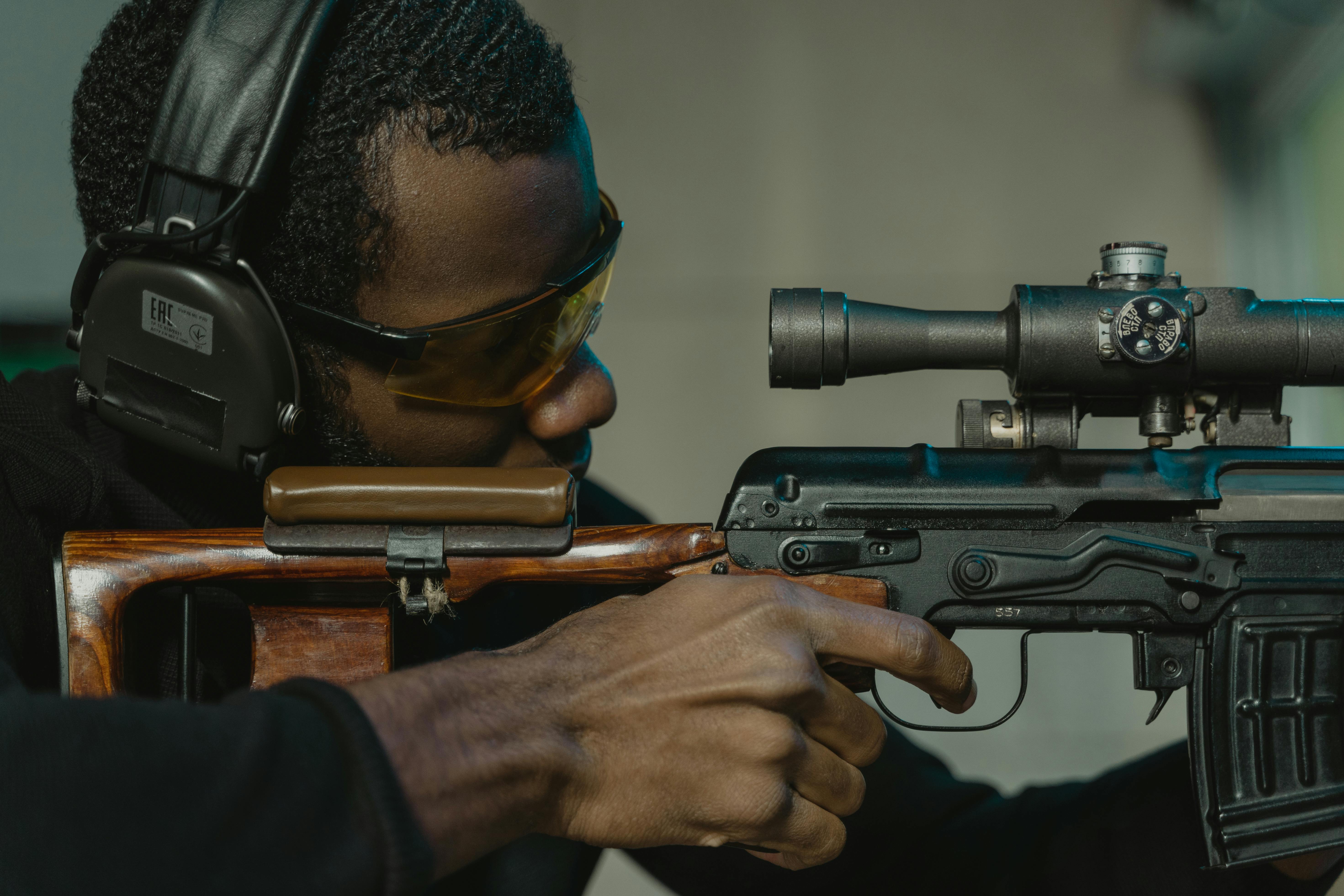
Ask experienced hunters why they stay loyal to the .308, and many will start with recoil instead of terminal ballistics. The cartridge has enough punch to hunt broadly, but not so much kick that average shooters dread practice. That balance matters because the best hunting round is often the one a person shoots calmly and often.
The .308 also developed a reputation for accuracy that is not just marketing folklore. Short-action cartridges can be easier to build into stiff, efficient rifles, and the .308 has long been favored in target shooting, law enforcement marksman rifles, and practical precision training. When people hear that a cartridge is trusted for precision work, that reputation spills into the hunting world as well.
Confidence is a major part of the story. Hunters who have taken several deer or elk with a .308 tend to trust it deeply, and confidence affects shot placement more than caliber arguments usually acknowledge. A familiar rifle, a manageable recoil impulse, and predictable ammunition create a kind of field certainty. That certainty is why many people defend the .308 with almost personal intensity.
The .30-06 comparison never really ended.

No discussion of the .308 lasts long before someone brings up the .30-06 Springfield. The two are tied together historically and emotionally. The .30-06 came first, built a legendary reputation, and offered more case capacity and flexibility with heavier bullets. The .308 arrived later and claimed it could do nearly the same job from a shorter, lighter rifle.
In truth, both sides of that argument have evidence. The .30-06 generally holds an edge in velocity, especially with 165-, 180-, and heavier bullets. That can translate into somewhat more energy and a little more flexibility for larger game. Handloaders have long appreciated the extra room the .30-06 gives them.
But in ordinary hunting conditions, the gap is often smaller than the rhetoric suggests. Many animals would never reveal the difference if the same bullet were placed through the same vital zone. That is what keeps the argument hot. The .308 threatens the prestige of a legend by being close enough to matter, while the .30-06 preserves its loyalists by still being measurably more capable.
New cartridges keep challenging it, and keep proving its point.t
The .308 has spent decades being told it is outdated. First came waves of magnums promising more speed and flatter trajectories. Later came short magnums, then efficient long-range rounds, then a new generation of 6.5 and 7mm cartridges celebrated for high ballistic coefficients. Each new challenger seemed ready to retire the old standard from serious conversation.
And yet the .308 never leaves. Part of the reason is that many newer cartridges solve narrower problems than the average hunter actually has. A hunter shooting whitetails from 75 to 250 yards may gain very little from a cartridge designed to shine past 500. The market loves novelty, but the field rewards reliability and availability.
Ammunition supply also strengthens the .308 in ways enthusiasts often overlook. In periods of scarcity, common chamberings tend to survive better than niche ones. Walk into enough rural stores, etc.,s and you will understand the cartridge’s staying power immediately. It remains one of the easiest rifle rounds to find in a broad range of loads, and accessibility keeps old arguments alive.
The hunting world argues values as much as ballistics.
What makes the .308 such a persistent subject is that the debate is rarely just about numbers. It is really a proxy argument about what hunters value most. One camp values versatility, ammunition availability, moderate recoil, and a long record of dead game. Another values specialization, maximum range, and squeezing every bit of ballistic advantage from modern design.
That is why two equally experienced hunters can look at the same cartridge and reach opposite conclusions. One sees a nearly ideal all-around tool. The other sees compromise dressed up as tradition. Neither position is irrational because each starts from a different definition of what matters most in the field.
The .308 also benefits from being easy to inherit, borrow, and recommend. Fathers pass them to sons, outfitters keep them on hand, and gun writers have praised them for generations. Once a cartridge becomes part of hunting culture instead of just catalog data, criticism only makes it more visible. People do not argue this hard about calibers that no longer matter.
Its reputation survives because it still works.
The final reason the .308 remains controversial is the simplest one: it keeps doing the job. In deer camps, mountain hunts, hog blinds, and mixed-bag trips, it still performs with a boring consistency that both impresses and irritates people. Supporters see proof of enduring excellence. Critics see evidence that hunters are too loyal to habit.
Modern bullet design has only helped its case. Bonded bullets, copper monolithics, and improved ballistic tips have expanded what hunters can reasonably expect from the cartridge. A well-constructed 150- or 165-grain .308 bullet today often performs better than older generations of ammunition, which means the cartridge has quietly improved without changing its identity.
That combination of tradition and adaptability is hard to beat. The .308 Winchester is not the answer to every hunting question, and that is exactly why people keep talking about it. It is close enough to ideal, common enough to know, and imperfect enough to challenge. Decades after its release, it still gives hunters what every enduring caliber needs: results, rivals, and just enough room for argument.