Some rifle brands get famous fast. These 13 did it the slower, tougher way, by proving themselves over decades in hunting camps, competition lines, military contracts, and everyday range use. Their reputations were not built on hype, but on consistency, durability, and the kind of trust that only comes from real-world performance.
Winchester
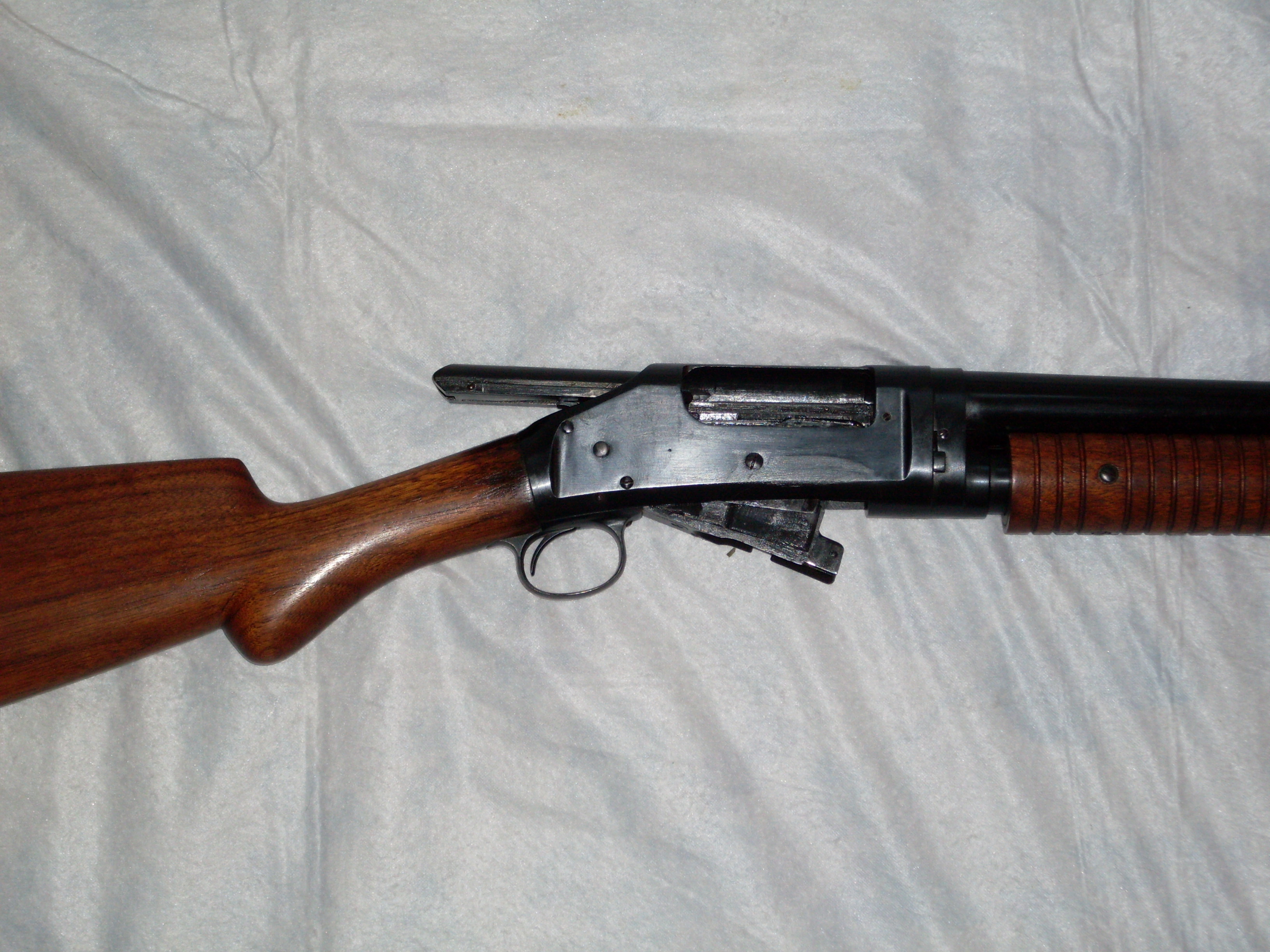
Winchester became a household name long before modern marketing had much to do with it. The brand earned its place through rifles that traveled west, worked hard, and became part of American folklore without needing much embellishment.
What makes Winchester endure is that the legend was supported by real utility. Lever actions like the Model 94 were approachable, dependable, and deeply tied to hunting culture for generations.
Even as ownership and manufacturing changed over time, the Winchester name kept its weight. People still associate it with practical performance, classic lines, and a reputation built honestly in the field.
Remington

Remington’s story is one of scale, staying power, and enormous influence on the American rifle market. It built trust by producing rifles that ordinary hunters could afford and rely on season after season.
The Model 700 became central to that reputation. Its accuracy potential, familiar handling, and broad aftermarket support helped make it one of the most recognized bolt actions ever built.
The company has seen hard years and public scrutiny, but its historical reputation was earned the old-fashioned way. For many shooters, Remington still means generations of deer camps, target benches, and rifles that simply became part of family tradition.
Ruger

Ruger did not inherit an old frontier myth. It built its reputation in the modern era by making firearms that felt rugged, sensible, and accessible to a wide range of shooters.
Its rifle lineup earned respect because it emphasized durability and practical design over flash. Models like the 10/22 and the M77 became fixtures precisely because they were easy to live with and hard to dismiss.
That blue-collar credibility still defines the brand. Ruger has long appealed to people who want a rifle that works, holds up, and does not ask for much ceremony before heading into the woods or onto the range.
Savage Arms

Savage earned admiration by doing something the market never forgets. It gave shooters excellent accuracy for the money and kept doing it long enough that the point became impossible to argue with.
For years, Savage rifles were praised by people who cared less about prestige and more about results on paper and in the field. The brand’s practical engineering and accuracy-first identity helped it stand apart.
That reputation was not built in a luxury lane. It came from hard comparisons, tight budgets, and countless shooters discovering that a Savage often outperformed expectations by a wide margin.
Browning

Browning carries one of the most respected names in firearms history, but reputation alone never guarantees longevity. The brand stayed relevant by continuing to produce rifles that blended refinement, innovation, and reliable field performance.
The appeal has always been broader than nostalgia. Browning rifles often feel thoughtfully designed, with a touch more polish than purely utilitarian competitors, yet they still earn their keep where it matters.
That balance is why the name remains strong. Browning built trust through function first, then reinforced it with style, handling, and a sense that the rifle in your hands was made by people who understood shooters.
Marlin

Marlin won loyalty the straightforward way, by making lever actions that hunters and woodsmen genuinely liked carrying. Its rifles earned a following through handling, reliability, and a practical feel that made them easy companions in thick cover.
The brand’s side-ejecting designs and strong association with hard-hunting calibers gave it a distinct place in the lever-action world. It was never just an alternative. For many owners, it was the better fit.
Even through production changes and periods of uncertainty, Marlin kept its emotional hold on shooters. That kind of staying power usually comes from lived experience, not advertising copy.
Mossberg

Mossberg is often mentioned first for shotguns, but its rifle reputation was also earned through practical service to everyday shooters. The brand built confidence by offering straightforward firearms that did not feel precious or overcomplicated.
Its rifles appealed to budget-conscious hunters and new gun owners who wanted solid value without feeling shortchanged. That role matters more than prestige, because trust often starts with the first firearm someone buys.
Over time, Mossberg proved it could compete by being useful, approachable, and dependable. It became the kind of brand people recommend when they care more about honest performance than polished image.
Sako

Sako earned prestige the demanding way, by pairing premium craftsmanship with real performance expectations. It was never enough for the rifles to look refined. They had to shoot like serious instruments and feel worth the investment.
That standard gave Sako a loyal audience among hunters and enthusiasts who wanted more than basic utility. The brand developed a reputation for smooth actions, strong accuracy, and a finish quality people noticed immediately.
Importantly, the admiration did not come from image alone. Sako held onto respect because it consistently delivered rifles that felt deliberate, capable, and built to satisfy owners who pay close attention to details.
CZ

CZ built trust by making rifles that felt honest from the first handling. The brand became known for practical European craftsmanship, often delivering excellent fit, useful features, and strong accuracy without demanding luxury-tier money.
That formula resonated with shooters who appreciate substance over noise. Whether in rimfire or centerfire offerings, CZ developed a reputation for rifles that punch above their weight and reward careful use.
Its success was steady rather than flashy, and that matters here. Brands that last usually do so because owners keep recommending them quietly, confidently, and without needing to oversell what the rifle can do.
Weatherby

Weatherby made its mark with speed, power, and unmistakable style, but the reputation stuck because the rifles could back up the drama. This was a brand that stood out visually while also delivering the performance serious hunters expected.
Its magnum identity gave Weatherby a distinctive lane, especially among shooters drawn to long-range capability and big-game aspirations. The rifles projected confidence, and for many owners, they delivered exactly that experience.
What keeps Weatherby relevant is that its bold image was paired with genuine capability. A flashy product fades quickly if it does not perform, and Weatherby has lasted because it did more than look memorable.
Howa

Howa earned respect without much fanfare, which may be the purest version of a hard-won reputation. Shooters came to trust the brand because its rifles consistently offered sound construction, good accuracy, and dependable value.
Often sold in configurations that emphasized practicality, Howa became a favorite among people who did their homework. It appealed to buyers more interested in solid actions and real performance than in prestige branding.
That kind of market position is difficult to build and easy to underestimate. Howa stayed in the conversation because owners kept proving that the rifles were capable, durable, and worthy of far more attention than they sometimes received.
Mauser

Mauser’s reputation was forged in a world where rifle design had to prove itself under the harshest possible conditions. Its action became so influential that generations of sporting and military rifles borrowed from the standard it set.
The brand’s legacy is rooted in strength, control, and a mechanical confidence that shooters still admire. Even people who have never owned a Mauser know the name because its engineering changed expectations across the industry.
Very few rifle makers can claim that kind of foundational importance. Mauser did not just build a respected product line. It helped define what a serious bolt-action rifle could be in the first place.
Springfield Armory

Springfield Armory carries a name tied to deep American military history, but its civilian rifle reputation has also been shaped by performance-minded shooters. The brand stayed visible by serving buyers who wanted tradition with practical modern relevance.
Rifles associated with the M1A lineage gave Springfield a strong identity among enthusiasts who value proven patterns and serious capability. That connection brought both heritage and high expectations.
The reason the name still matters is that it has continued to speak to shooters who care about function as much as symbolism. Reputation lasts longer when a brand can honor its past without becoming trapped by it.