Across the country, wildlife agencies are rewriting hunting rules in ways that many sportsmen say feel abrupt, restrictive, or out of touch with life in the field. From tag cuts and shorter seasons to gear limits and access headaches, the backlash has been loud. This gallery breaks down 12 states where recent changes have hunters grumbling and explains why these decisions are proving so controversial.
Colorado

Colorado hunters have been fuming over updated big-game planning changes, especially where over-the-counter opportunities have narrowed and pressure points are shifting. For many longtime elk hunters, the appeal of Colorado was simple: flexibility, access, and a realistic shot at getting into the mountains every fall.
Now, with more conversations around limited licensing, season structure, and crowd management, some sportsmen feel that promise is fading. They argue the state is responding to population and habitat pressures in ways that may help the resource on paper but make participation harder for average hunters.
The loudest frustration is not always about one single rule. It is the feeling that each new adjustment chips away at tradition, while making do-it-yourself hunting more expensive, less predictable, and more competitive.
Montana

In Montana, recent shifts to nonresident allocations, elk management, and access-related enforcement have touched a nerve in a state where hunting is closely tied to identity. Resident hunters in particular have voiced concern that crowding, land access disputes, and changing quotas are altering the experience they grew up with.
Some support tighter controls if they improve herd health or reduce pressure, but many outdoorsmen say the changes feel uneven. They worry that regulations often land hardest on the ordinary public-land hunter, not the people with private access, outfitted options, or the flexibility to chase tags across multiple units.
That tension has made every rule update feel bigger than it looks. In Montana, hunting policy is never just administrative. It is personal, political, and deeply local.
Wyoming

Wyoming has faced pushback over tag allocation and season changes that many hunters say complicate a system already difficult to navigate. Residents and nonresidents often see these debates differently, but both groups tend to agree on one thing: uncertainty makes planning a hunt far more frustrating.
When quotas move, units change, or limited opportunities get even tighter, hunters say the impact stretches beyond missing one season. It affects preference points, travel costs, family traditions, and the willingness to invest in future hunts. For some, years of planning can suddenly feel less secure.
The backlash is strongest when sportsmen believe they are paying more while getting less. In a state famous for trophy country and wide-open hunting dreams, that is a message wildlife managers hear quickly.
Utah

Utah hunters have been closely watching changes tied to general-season deer permits, limited-entry management, and broader wildlife planning. The state has tried to balance herd concerns, drought pressure, and demand from hunters, but that balancing act has left many sportsmen dissatisfied.
Some say the problem is not just fewer chances. It is the sense that access to quality hunts increasingly depends on patience, luck, and navigating a complicated permit structure. Hunters who once counted on annual opportunities now describe a system that feels more exclusive and less welcoming.
That frustration grows when mule deer numbers or trophy expectations become central to the conversation. Many outdoorsmen say they would rather have simpler rules and steadier opportunities than a management model that feels harder for everyday hunters to enjoy.
Idaho
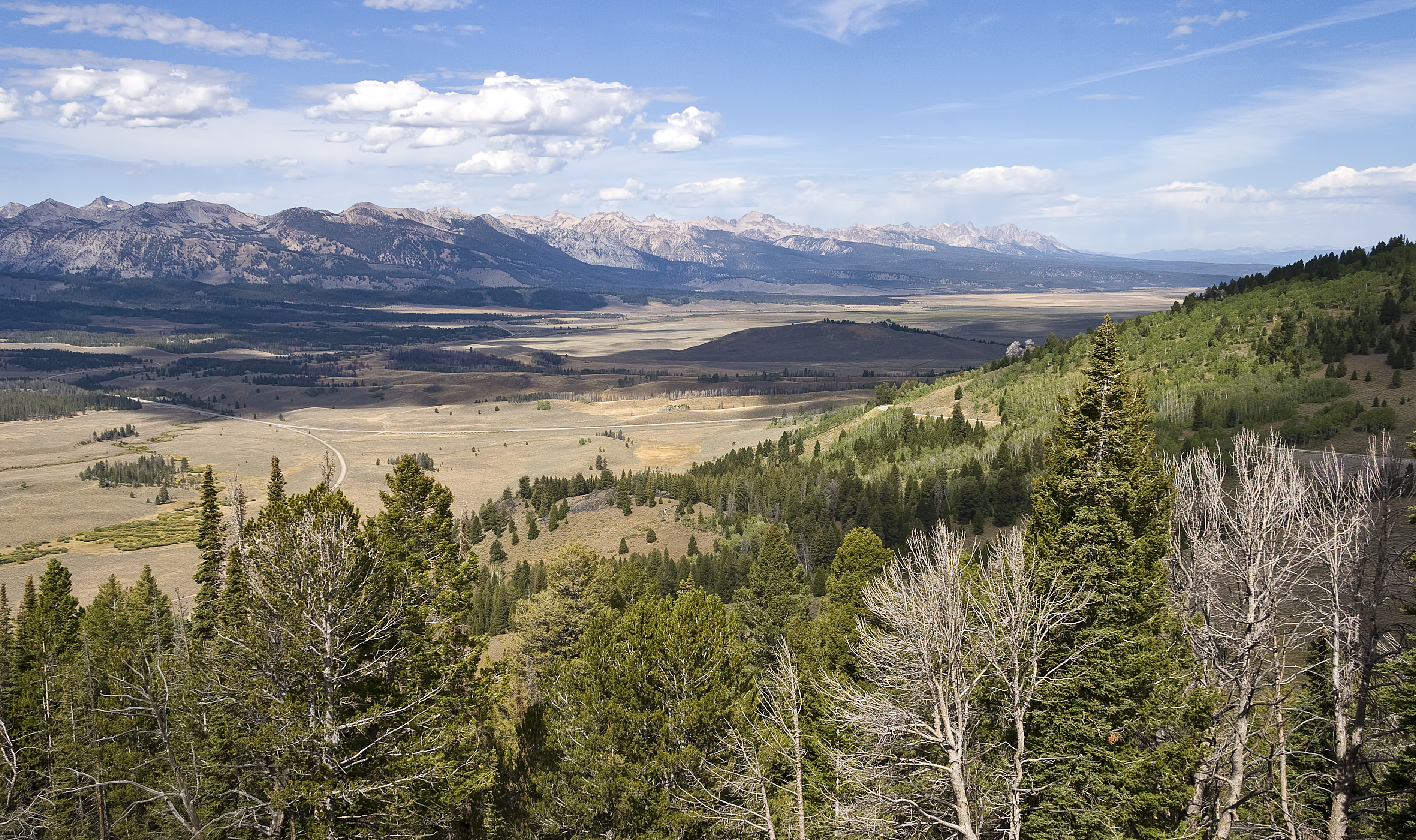
Idaho has stirred complaints with controlled hunt adjustments and tighter pressure on some popular over-the-counter options. Hunters who prized Idaho for straightforward opportunity now say they are seeing more complexity creep into the process, especially in zones that draw heavy resident and nonresident demand.
For many families, Idaho represented a dependable annual hunt without years of point building or lottery heartbreak. Any move that limits that accessibility tends to spark an outsized reaction. Hunters understand the state needs to respond to crowding and wildlife concerns, but they still resent losing the simplicity they once counted on.
The result is a familiar frustration across the West. Sportsmen are willing to adapt, but they want changes explained clearly and implemented in ways that do not make them feel priced out or pushed aside.
Washington

Washington hunters have pushed back against a mix of season adjustments, weapon restrictions, and shifting wildlife management priorities. In a state where policy debates often spill into larger cultural fights, even modest hunting rule changes can trigger a major response from sportsmen who already feel politically outnumbered.
Many say the frustration comes from cumulative pressure. It is not just one new restriction, but years of shrinking confidence in the direction of wildlife policy. When access gets harder, predator debates intensify, and equipment rules change, hunters can feel like their concerns are treated as secondary.
That mood has made recent updates especially unpopular. Outdoorsmen want conservation, but they also want agencies to recognize hunting as an active management tool, not a tradition to be gradually regulated into irrelevance.
Oregon
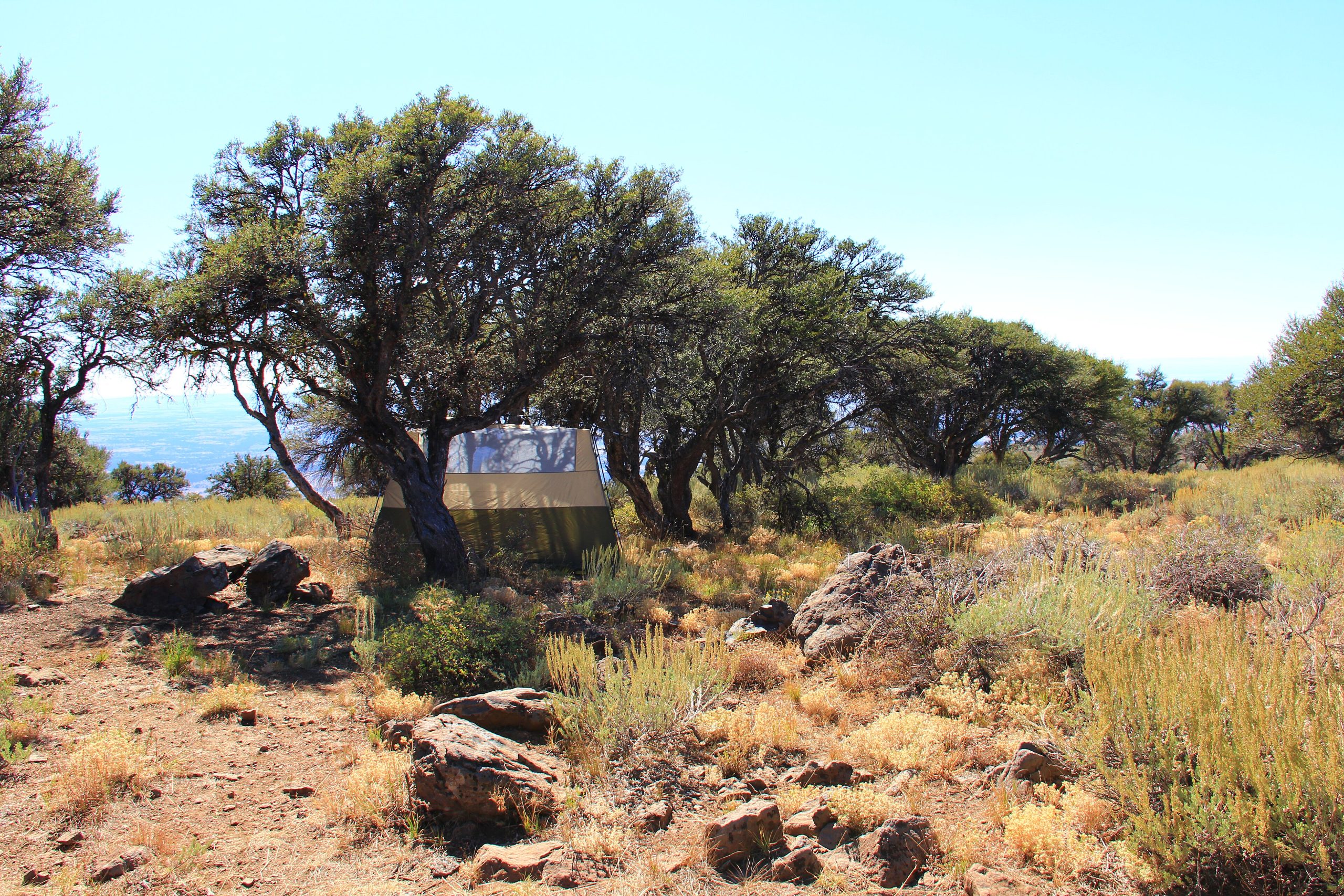
Oregon sportsmen have voiced frustration over tag changes, predator policy debates, and regulatory revisions that they say make hunting more complicated without improving opportunity. Hunters there often describe a sense of drift, with rules changing incrementally while confidence in game management remains shaky.
The complaints tend to center on access and practicality. If hunters are seeing fewer animals, more pressure, and more administrative hurdles, they want clear evidence that new restrictions are helping. Without that, each change can come across as another burden placed on people already paying for licenses, travel, and gear.
Oregon’s divided geography also shapes the reaction. What works west of the Cascades may not satisfy eastern hunters at all, and statewide rules can leave both sides feeling misunderstood and underserved.
California

California hunters are no strangers to regulation, but recent changes have still generated sharp criticism. Between ammunition rules, season structures, and management decisions that can feel especially complex, many outdoorsmen say hunting in the state has become a maze of compliance concerns layered on top of already limited opportunity.
For some, the biggest irritation is practical. Hunters feel they spend too much time keeping up with legal details and not enough time actually hunting. When every season comes with new caveats or shifting conditions, participation can start to feel intimidating, especially for newcomers.
That matters because California already struggles with hunter retention. Critics argue that when rules grow denser and access remains difficult, the state risks pushing ordinary hunters away from a tradition that still supports conservation funding and wildlife stewardship.
Minnesota
Minnesota has seen backlash around deer management changes, especially where season frameworks and localized restrictions affect hunters differently from one area to the next. In a state where deer camp is a cultural institution, even targeted rule updates can feel like a direct hit to family tradition.
Hunters often accept that disease management and herd balancing require action. What they do not like is feeling blindsided by changes that alter long-standing routines, reduce flexibility, or make planning camp harder. When local rules vary more from zone to zone, the learning curve can frustrate casual participants.
The result is a lot of coffee-shop debate and cabin-country grumbling. In Minnesota, hunters want responsive management, but they also want stability. Once that stability starts slipping, trust becomes much harder to maintain.
Wisconsin

Wisconsin hunters have reacted strongly to deer regulation changes tied to herd goals, disease concerns, and unit-specific management. Because the state has such a deep hunting culture, policy shifts quickly become kitchen-table issues, especially when they affect the annual rhythm of gun season.
A recurring complaint is that regulations can feel too technical for ordinary hunters trying to do the right thing. When season dates, harvest rules, and local conditions grow more complicated, frustration builds fast. Hunters say they want clear guidance and commonsense rules, not an annual homework assignment.
There is also a trust factor at play. If hunters are asked to accept tighter rules or changing harvest expectations, they want confidence that agencies are listening to field experience, not just relying on distant models and administrative logic.
Pennsylvania

Pennsylvania remains one of the country’s most tradition-heavy hunting states, which is exactly why regulatory changes there can set off such intense reaction. Adjustments to season timing, harvest rules, or management priorities are often judged not only by biology but by whether they preserve the experience hunters grew up with.
That emotional stake is huge. For many families, opening day is less a recreational outing and more a ritual passed through generations. When the rules change, hunters may see more than a technical update. They see the possibility of a familiar culture slowly being reshaped.
Not every outdoorsman opposes change outright. Many simply want agencies to respect how deeply rooted these traditions are. In Pennsylvania, good policy still has to feel recognizable to the people heading into the woods before daylight.
New York

New York hunters have raised concerns over season changes, regional management decisions, and the growing complexity of hunting rules across different parts of the state. The Adirondacks, farm country, and suburban edges all present different realities, which can make statewide decisions especially contentious.
For hunters, the frustration often comes down to consistency and communication. When regulations evolve quickly or vary sharply by region, even experienced sportsmen can feel uncertain about what is changing and why. That uncertainty chips away at participation and patience in equal measure.
New York also reflects a broader national split between rural hunting communities and urban political influence. When outdoorsmen feel that policy is being shaped far from the places where hunting actually happens, resistance becomes almost inevitable.