Most people think the home defense question starts with the gun itself. Instructors will tell you it usually starts with where that gun lives at 2 a.m.
Instructors see the same storage mistakes again and again.
Spend enough time around firearms trainers, and a pattern appears quickly. Many say the average owner stores a home defense gun in one of two bad ways: completely inaccessible or dangerously casual. It is either buried under clothes in a closet, unloaded in a box, and effectively useless in an emergency, or it is shoved into a nightstand with no lock and no real plan.
What instructors dislike is not caution. It is inconsistent. A person may buy a quality pistol, mount a light, even take a class, then store the gun in a way that ignores the presence of children, guests, roommates, or a spouse who is not trained to handle it. Instructors often describe this as owning gear without building a system around it.
According to trainers who work with new shooters, many people also confuse secrecy with security. Hiding a gun under a mattress, in a dresser drawer, or on a closet shelf may keep it out of casual sight, but it does little to prevent unauthorized access. In a real household, especially one with kids or frequent visitors, that distinction matters more than people think.
Another common complaint is that owners imagine ideal conditions. They picture waking up calm, fully alert, with time to decide what to do. Instructors know real incidents happen in darkness, confusion, and fear. Storage that only works when a person is perfectly composed is not storage that truly works.
The speed versus safety argument is usually oversimplified
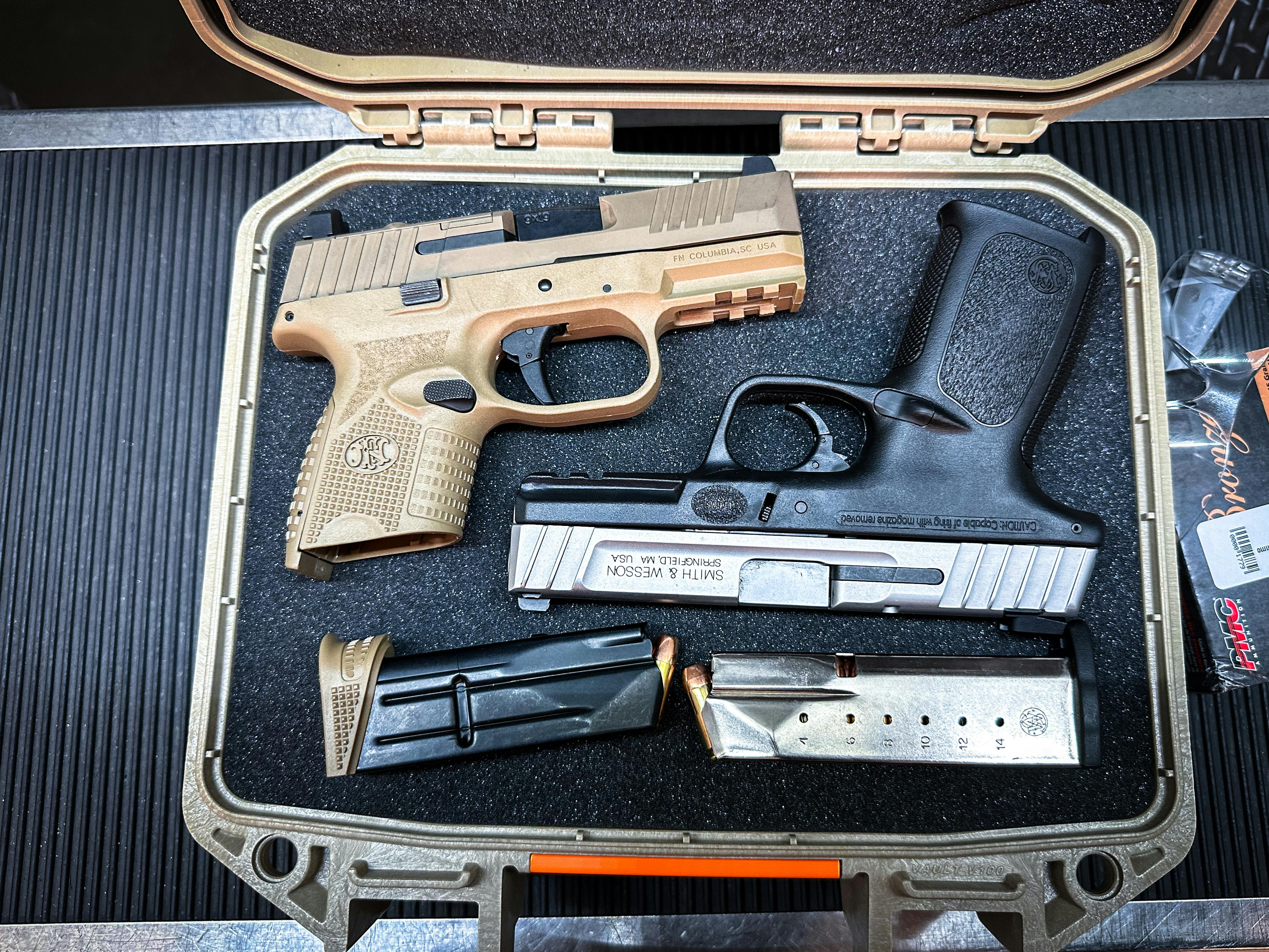
One of the biggest myths instructors push back on is the idea that fast access and secure storage are opposites. In their view, that is outdated thinking. Modern quick-access safes, lockboxes, and dedicated bedside vaults have made it possible to secure a firearm while still keeping it available within seconds to the authorized user.
The problem is that many owners still frame the issue emotionally. They say things like, “I need it right now,” as if any barrier at all makes the gun useless. Instructors tend to answer with a harder question: right now, for whom? If a teenager, a curious child, a burglar, or a distressed family member can reach that firearm as easily as the owner can, then the setup is not defensive; it is negligent.
Firearms trainers also point out that true access is more than physical reach. A loaded pistol in a drawer may be close, but if it shifts position, gets covered by clutter, or can be grabbed by someone else first, it is not reliably accessible. A gun secured in a biometric or mechanical quick-access safe in a known position may actually be faster under stress.
In classes on defensive use, this idea often clicks when students run timed drills. Fine motor skill loss under stress is real, and so is fumbling. Instructors consistently favor a repeatable process over a dramatic fantasy of instant action.
Why a nightstand drawer makes instructors nervous
If there is one storage location instructors mention with a sigh, it is the classic nightstand drawer. It feels convenient, which is exactly why so many people use it. But from a training perspective, it creates several problems at once: weak security, poor consistency, and too much faith in a routine that breaks down under pressure.
Drawers become junk zones. A gun ends up mixed with chargers, medications, wallets, flashlights, and loose papers. In low light, with adrenaline spiking, sorting through that mess is slower than owners expect. Instructors who teach home defense often recommend a dedicated storage device instead, not because it looks tactical, but because it removes variables.
There is also the issue of retention. If an intruder reaches the bedroom before the homeowner accesses the gun, a loose firearm in a drawer can become a weapon for the wrong person. Trainers emphasize that proximity alone is not control. A secured gun that opens only for the user is often the more defensible setup.
Households with children make the concern more urgent. Safe storage campaigns and pediatric groups have repeatedly warned that children are far better at locating hidden items than adults assume. Instructors tend to agree, and many say the phrase “my kids know not to touch it” is not a storage plan.
What instructors recommend instead of hiding places
Ask a broad mix of reputable instructors what they prefer, and the answer is usually some version of layered storage. That means a gun is stored in a way that matches the room, the household, and the owner’s skill level. In a bedroom, that often means a quick-access safe anchored to furniture or structure, placed in a consistent location, with a reliable opening method that the owner has practiced.
For some homes, instructors recommend more than one secured option. A full-size safe may hold the rest of the collection, while a smaller bedside vault manages the defensive firearm. The point is not buying more hardware for its own sake. It is reducing the gap between secure storage and practical access.
Trainers also care about the condition of the firearm inside the safe. They want owners to make a deliberate decision about whether it is loaded, whether a spare magazine is stored with it, whether a flashlight is immediately available, and whether everyone in the household understands the plan. Ambiguity is where mistakes live.
Many instructors favor simplicity over gadget obsession. A dependable mechanical lock, a quality biometric unit that has been thoroughly tested, or a simplex-style system is often preferred to cheap electronics. If a lock fails under stress, the owner does not care how advanced it looked in the store.
Training changes the storage conversation completely.

The most experienced instructors usually say storage cannot be separated from training. A person who has never practiced opening a bedside safe in darkness, retrieving the gun safely, and identifying a target with a light does not really know whether their setup works. Ownership alone does not answer those questions.
This is where many well-meaning gun owners get surprised. They assume that because they can access the gun during the day in a quiet room, they are ready. Then they try a simple drill, perhaps after being woken by an alarm or while wearing glasses they do not normally sleep in, and they realize the system has weak points everywhere.
Professional trainers often build scenarios around these realities. Can you open the safe one-handed if the other arm is occupied with a child or phone? Can your spouse operate it? Can you retrieve the firearm without muzzling yourself or another family member? These are practical, not theoretical, concerns.
Instructors also stress that storage should support judgment, not replace it. A well-stored firearm is part of a home defense plan that includes lighting, communication, medical readiness, and a clear understanding of when not to shoot. The storage method is one piece, but it shapes everything that follows.
Different households need different answers.
Gun instructors are quick to note that there is no universal setup that fits every home. A single adult living alone in a small apartment faces different risks than parents with three children in a suburban house. Storage advice changes when there are teens, elderly relatives with memory issues, frequent guests, or workers coming through the home.
This is why good instructors ask questions before making recommendations. Who lives there? Who has access to the bedroom? Is the owner a shift worker who sleeps at odd hours? Does the household already use alarms, cameras, or reinforced doors? Context matters because storage is really about managing specific risks, not following a generic slogan.
For example, instructors may steer one family toward a handgun in a bolted bedside safe and another toward a secured long gun in a rapid-access locker. In homes where unauthorized access is the dominant concern, they may accept slightly slower retrieval in exchange for much stronger security. In homes where the owner has mobility limits, placement and lock style may become the priority.
What remains constant is the principle. Instructors want the firearm to be inaccessible to anyone who should not touch it and quickly available to the person trained and legally allowed to use it. Everything else is customization.
What they wish more gun owners would understand
If you boil down the instructor’s view, it is less judgmental than many people expect. Most trainers are not mocking gun owners for using a drawer, a closet shelf, or a mattress hideaway. They are reacting to how often those choices are made without honest thought about the risks, the household, and the realities of stress.
They also wish more people understood that storage is not a one-time purchase. Families change. Kids get older. New relationships form. Sleep patterns shift. A setup that was adequate five years ago may be irresponsible now. Instructors see responsible ownership as an ongoing review, not a box checked at the cash register.
Another point they repeat is that confidence should come from tested habits, not assumptions. If you have not timed access, practiced in low light, verified the lock’s reliability, and pressure-tested the plan with everyone relevant in the home, you are guessing. Guessing is exactly what good instructors try to remove.
So what do gun instructors actually think about the way most people store home defense firearms? Usually, this: people mean well, but too many are relying on convenience, secrecy, and hope. Instructors prefer intention, repetition, and a storage method that stays safe when real life gets messy.