Some firearms were everywhere for a stretch, then slowly slipped out of catalogs, dealer cases, and everyday conversation. Whether changing laws, shifting tastes, manufacturing costs, or simple bad timing did the damage, these guns became reminders of how quickly the market can move on. Here are 13 models and platforms that once had real momentum, but never truly found their way back to the shelves.
Winchester Model 100
The Winchester Model 100 looked like exactly what many postwar hunters wanted: a sleek semi-auto deer rifle with classic lines and familiar branding. For a while, it had genuine appeal, especially for shooters who wanted faster follow-up shots without stepping into something that felt too tactical or too modern.
But recalls, especially surrounding the firing pin, cast a long shadow over its reputation. Even though many examples were fixed, the rifle never fully escaped that baggage. Today it has collectors and loyal fans, yet it remains more of a remembered chapter than a true retail comeback story.
Remington Model 8

Long before detachable-magazine sporting rifles became common, the Remington Model 8 offered American shooters a semi-auto rifle with serious style and mechanical ambition. Designed by John Browning, it stood out for its long-recoil action and distinctly elegant appearance, making it feel advanced in an earlier era of sporting arms.
Its disappearance was less about one fatal flaw and more about time marching on. Production methods changed, tastes shifted, and newer rifles were easier to build and market. The Model 8 still fascinates enthusiasts, but its kind of old-world craftsmanship is not something modern shelves have really embraced again.
Savage Model 99
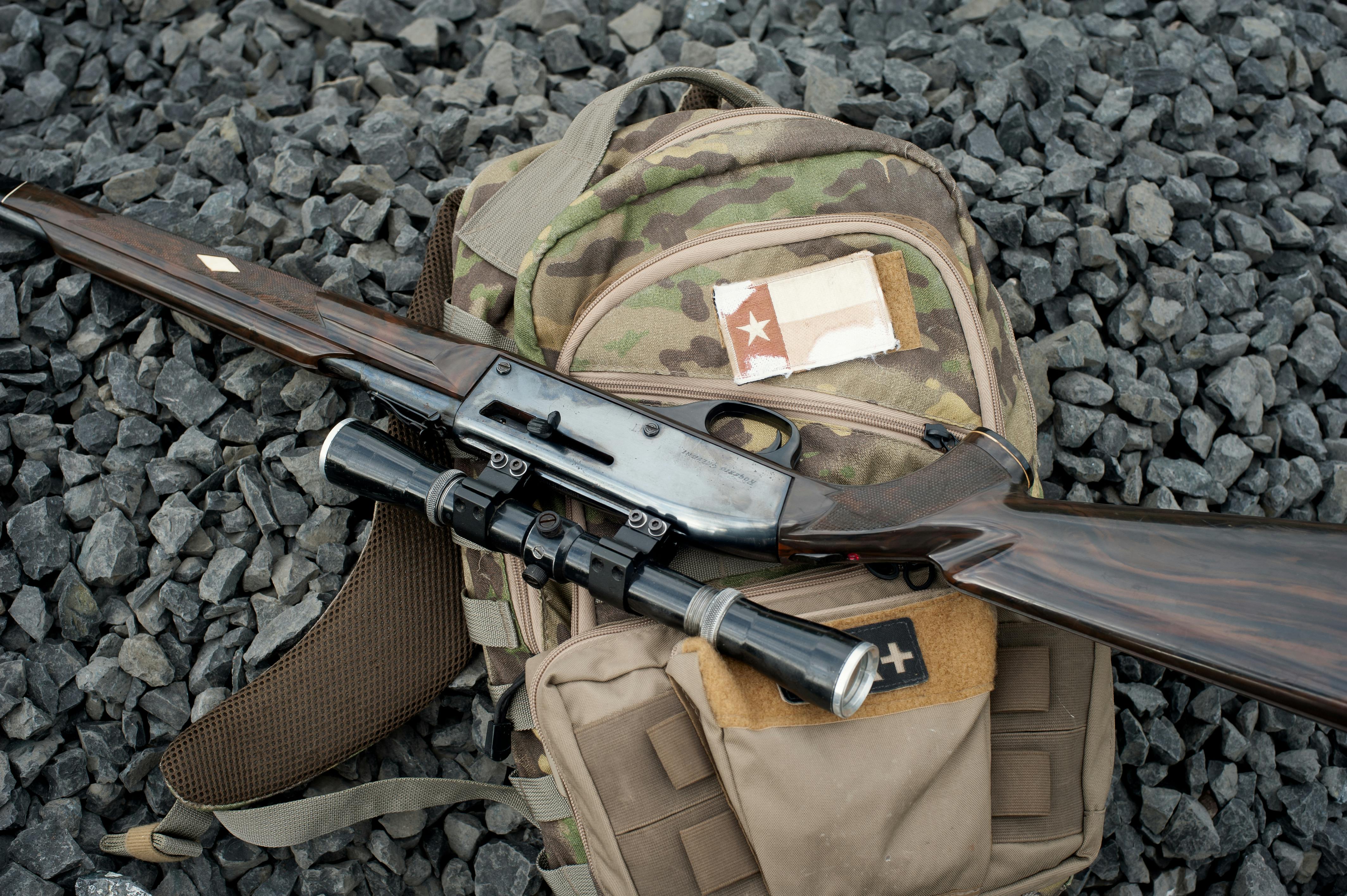
The Savage Model 99 was once a remarkably smart answer to the lever-action question. Its rotary magazine allowed pointed bullets, which gave hunters performance advantages over more traditional tube-fed designs. For decades, it had a loyal following among people who wanted something both classic and quietly innovative.
Even so, the rifle became a casualty of manufacturing realities and changing buyer habits. Bolt actions were cheaper to produce and easier to standardize, while tactical-style rifles began pulling attention elsewhere. The Model 99 never lost its charm, but it drifted from being a practical store staple to becoming more of a prized used-gun counter discovery.
Marlin Camp Carbine

The Marlin Camp Carbine had the kind of simple appeal that seems obvious now. It was a light, handy pistol-caliber carbine that felt approachable, practical, and well suited to camp use, plinking, or home defense before those categories became crowded with endless options.
Its end came before the current boom in pistol-caliber carbines really took off, which makes its disappearance feel especially ironic. Liability concerns, market shifts, and changing corporate priorities all seemed to push it aside. Today, it has a cult following, but what should have been a lasting product line instead became a neat idea that vanished too early.
Ruger Deerfield Carbine

Ruger’s Deerfield Carbine delivered a compact, powerful package that appealed to hunters and woods walkers who wanted serious .44 Magnum punch in a handy rifle. It was short, quick to shoulder, and distinctly Ruger in both styling and feel, which gave it a built-in audience from the start.
Still, niche guns can be hard to sustain, especially when ammunition costs rise and broad consumer trends move toward either budget bolt guns or black rifles. The Deerfield never became a permanent fixture in the way some expected. It survives in the used market and in memory, but not as a gun-store regular with renewed momentum.
Colt Double Eagle

The Colt Double Eagle arrived with a lot of expectations attached to the name on its slide. It tried to blend the familiar 1911 profile with double-action operation, aiming at shooters who wanted Colt heritage with a more contemporary manual of arms.
What it got instead was a mixed reception from a market that often prefers clear identities over hybrids. Traditional 1911 fans were not always convinced, and buyers wanting a modern duty pistol had many other choices. The result was a gun that never truly settled into a lasting lane, and once it faded, it stayed mostly in collector conversations.
Walther P5

The Walther P5 had pedigree, clean lines, and a thoughtful design that reflected European police and service-pistol thinking of its time. It felt like a serious sidearm, the kind of gun built with institutional use in mind rather than pure commercial flash.
But institutional demand can vanish quickly when agencies standardize around lighter, higher-capacity pistols. That shift hit many metal-framed service guns, and the P5 was no exception. It remains admired for its engineering and style, yet its place today is mostly among collectors and enthusiasts who appreciate an era when sidearms were expected to feel substantial in the hand.
Heckler & Koch P7

The H&K P7 built a reputation that bordered on legendary. Its squeeze-cocker system, fixed barrel, and excellent accuracy gave it a mystique few handguns ever achieve. People who loved it really loved it, and even those who did not own one usually respected what it represented.
The problem was never prestige. It was cost, complexity, and the reality that mass markets rarely reward expensive mechanical sophistication forever. As simpler, cheaper polymer pistols took over, the P7 became harder to justify as a shelf staple. It never lost its aura, but aura alone does not keep a production gun widely available.
Star Model BM

The Star Model BM occupied a very specific sweet spot for a time. It offered an all-steel, compact 9mm pistol with strong 1911-like vibes, often at prices that made it especially attractive to budget-conscious buyers who still wanted something with heft and old-school appeal.
When the Spanish gunmaker disappeared, so did any realistic path to a sustained return. Surplus examples lingered and earned a following, but a following is not the same thing as a living product line. The BM remains one of those handguns people discover, praise, and recommend, while quietly acknowledging that the market already moved on without it.
Browning BDA 380
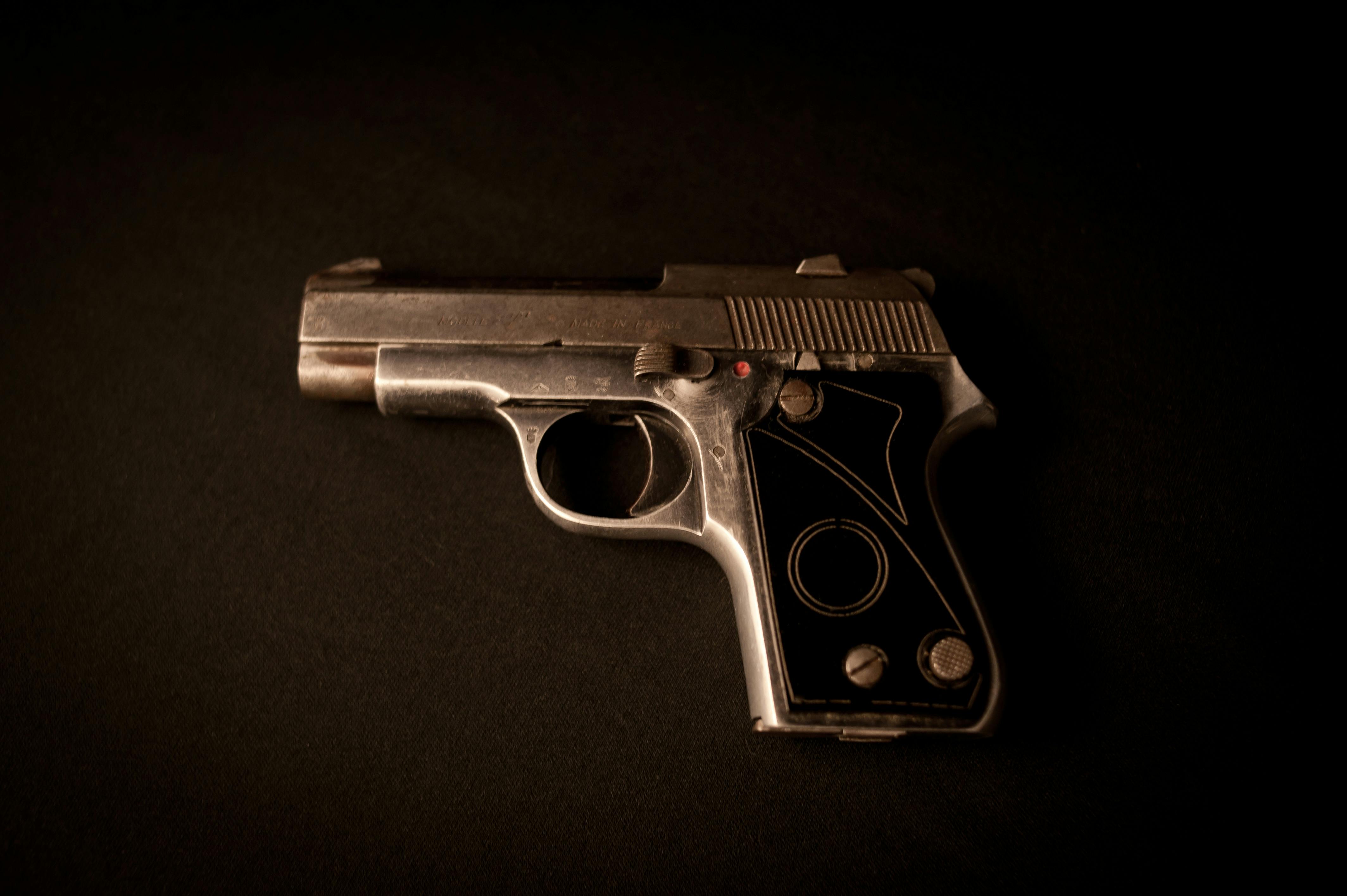
The Browning BDA 380 was one of those pistols that carried more polish than the average compact handgun. Built on the Beretta 84 pattern, it combined shootable ergonomics, attractive styling, and a level of fit that made it feel a little more upscale than many pocket-size options.
Then the concealed-carry market changed shape. Buyers started favoring thinner pistols, lighter frames, and designs easier to hide in everyday clothing. A double-stack .380 with traditional styling became harder to position, no matter how pleasant it was to shoot. The BDA 380 still earns admiration, but mostly as a relic of a different carry philosophy.
Ruger P-series pistols

For years, the Ruger P-series was everywhere. These pistols developed a reputation for being sturdy, affordable, and a little overbuilt, which many owners considered a compliment. They were not trying to be sleek status symbols. They were trying to work, and often they did.
That same tank-like character became a liability once the industry pivoted hard toward lighter polymer frames and trimmer carry guns. Compared with newer designs, the P-series started to feel bulky and old-fashioned. Ruger wisely evolved, but in doing so left behind a line that once occupied a very real place on dealer shelves across the country.
Winchester 190
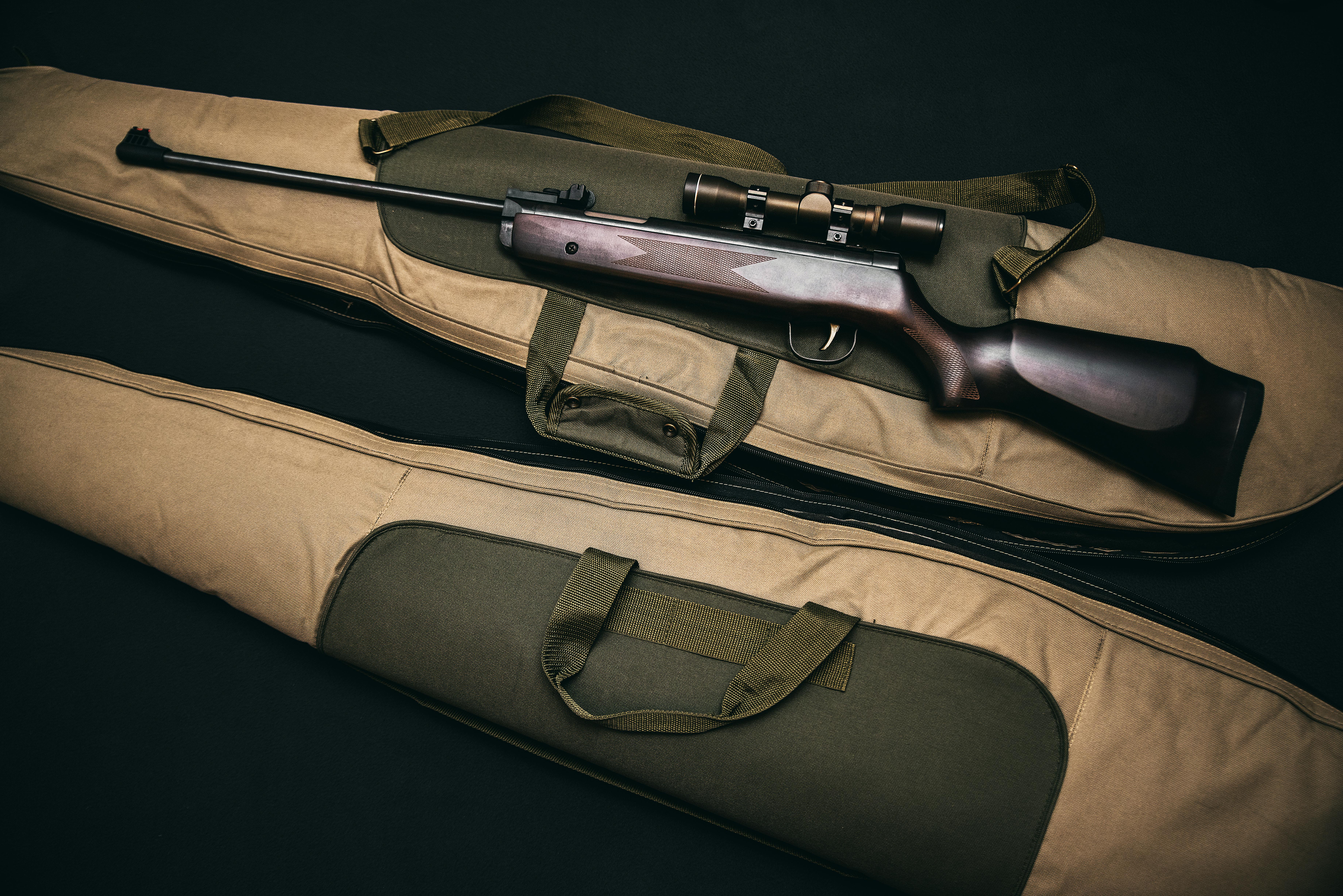
The Winchester 190 was never glamorous, but that was part of the point. It was a straightforward semi-auto .22 that introduced generations of shooters to rimfire fun without requiring a big investment. Guns like this used to be common, especially for casual target shooting and first-time buyers.
As manufacturing economics changed and the entry-level market became more crowded, many humble utility .22s faded from view. The 190 did not disappear because it was iconic enough to be revived with fanfare. It disappeared because practical, affordable guns are often the easiest to overlook once production stops and nostalgia shifts elsewhere.
Remington Nylon 66

The Remington Nylon 66 once looked like the future had arrived early. Its synthetic stock and light weight made it stand out in a sea of wood-and-steel rimfires, and it earned respect by actually performing well rather than merely looking futuristic for showroom effect.
Even successful designs can become victims of changing production priorities and a company searching for its next chapter. The Nylon 66 built a huge legacy, yet no true mainstream revival followed in a way that restored it to everyday shelf presence. What remains is admiration for a gun that was both ahead of its time and very much of it.