State parks across the country are adjusting their camping rules as visitor numbers rise and outdoor impacts become harder to manage. Many travelers notice tighter limits on fires, group sizes, backcountry routes, and wildlife access. These changes are not meant to ruin the camping experience but to protect fragile ecosystems and ensure that parks remain safe, clean, and enjoyable for future visitors. Each reason below reflects the challenges that parks face today.
1. Overcrowding During Peak Seasons
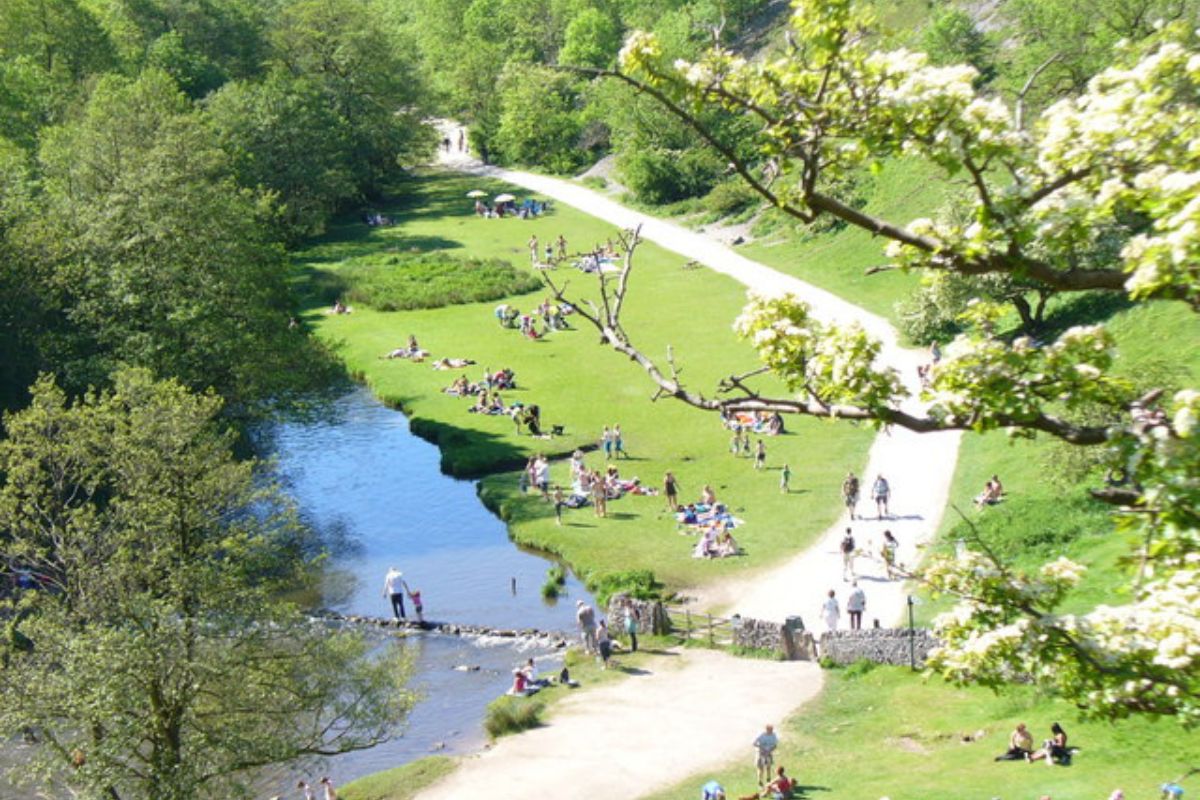
Many state parks have seen record visitor counts, especially during holidays and summer months. High numbers of campers lead to packed trails, overused campsites, and pressure on facilities that were never built for such heavy traffic. To manage this surge, parks often limit campsite availability and enforce reservation systems. These measures help reduce conflict between visitors and prevent severe wear on sensitive camping areas that need time to recover.
2. Damage to Sensitive Vegetation
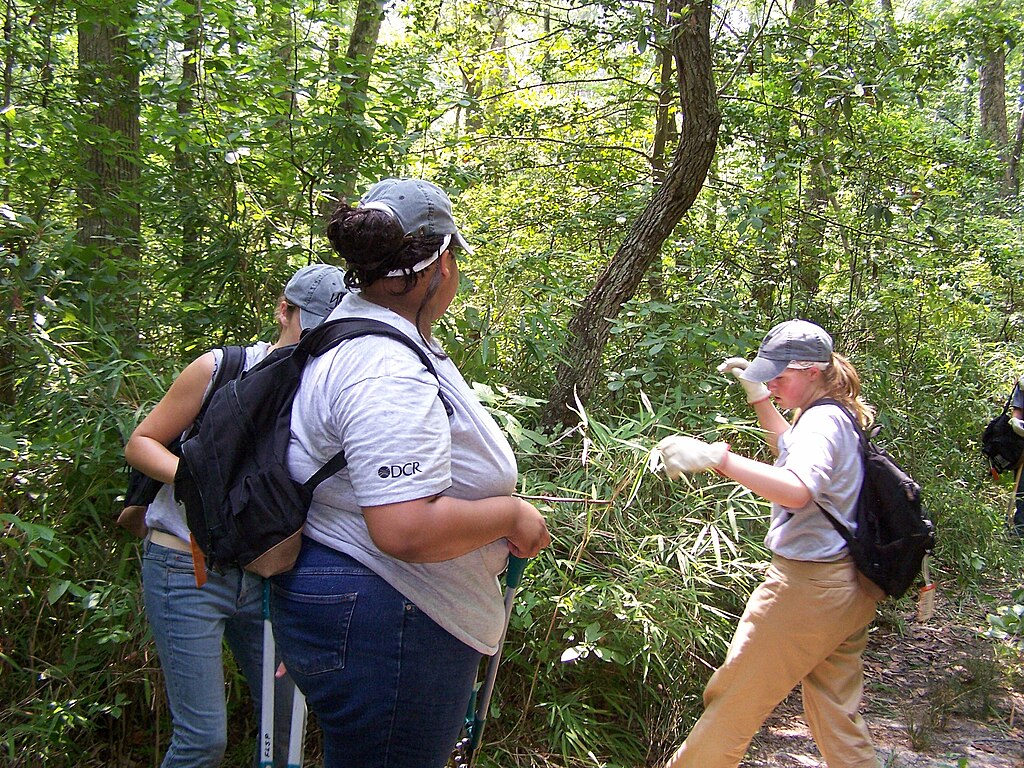
Camping off established pads can harm delicate grasses, young trees, and wildflowers that take years to recover once trampled. Some areas also host rare plant species that are easily damaged by foot traffic, tent stakes, or cooking gear. To reduce harm, parks may close certain meadows, riverbanks, or hillside zones during recovery periods. Restrictions help ensure that vegetation has time to regrow so the natural character of the landscape stays healthy.
3. Campfire Safety Concerns
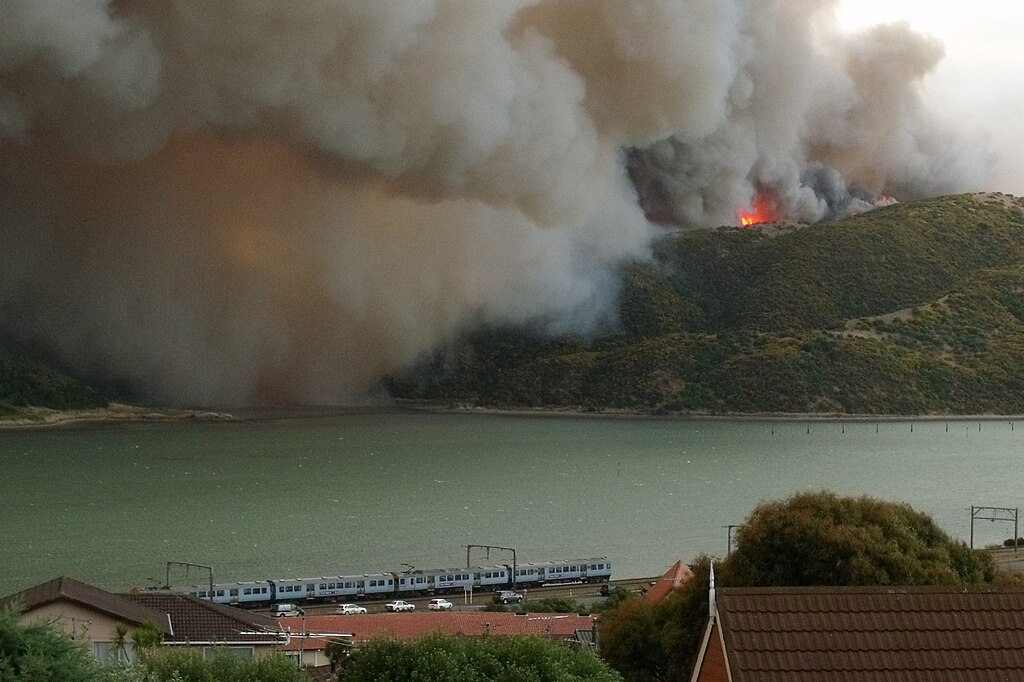
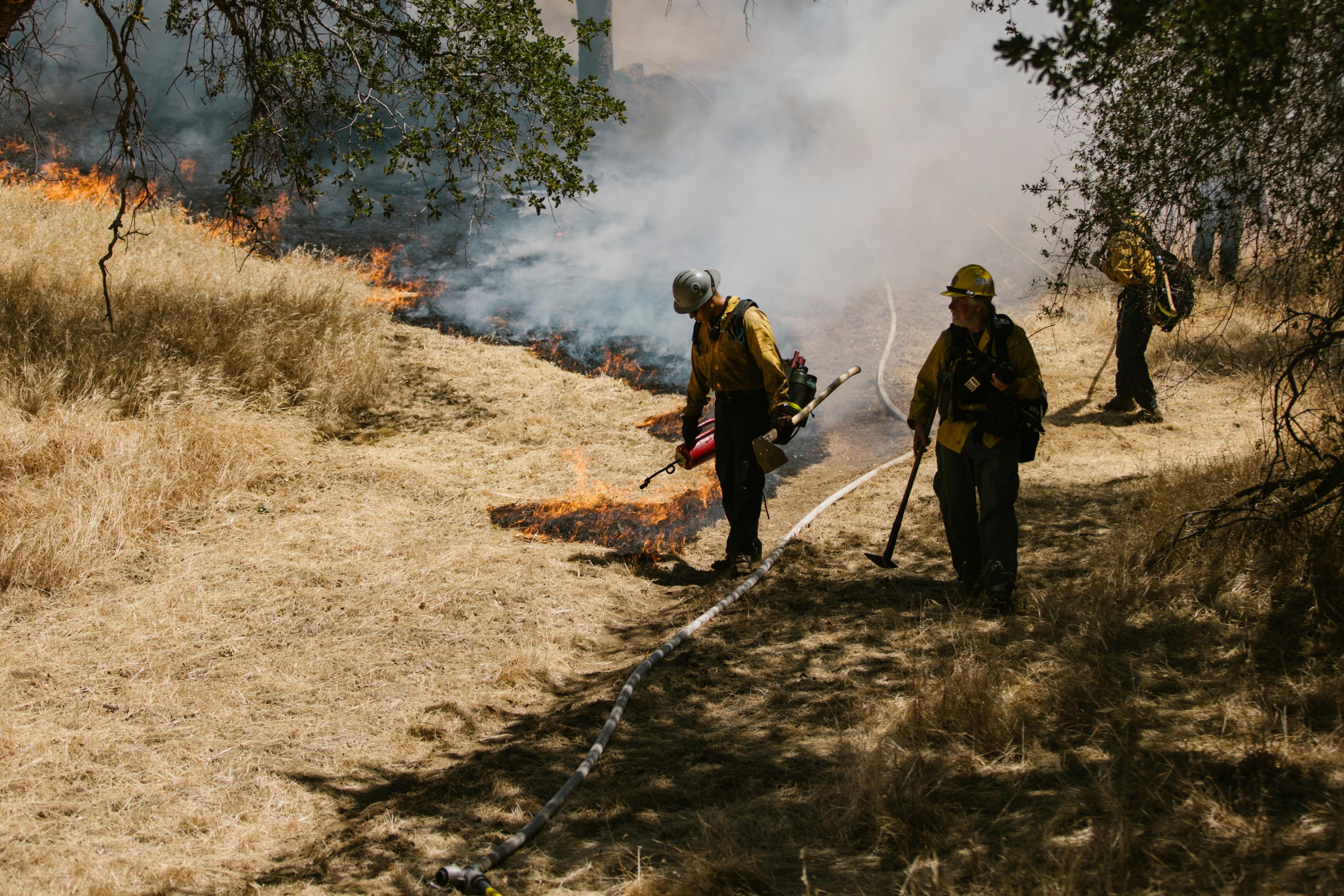
Dry conditions, shifting winds, and rising wildfire risks have pushed parks to adopt stricter fire rules. Even small campfires can send sparks into dry brush or deadfall, putting entire forests at risk. Many parks now require visitors to use enclosed fire rings, follow seasonal bans, or switch to portable stoves during high-risk months. These rules protect both campers and the surrounding communities from accidental fires that spread too fast to be controlled.
4. Wildlife Encounters Increasing
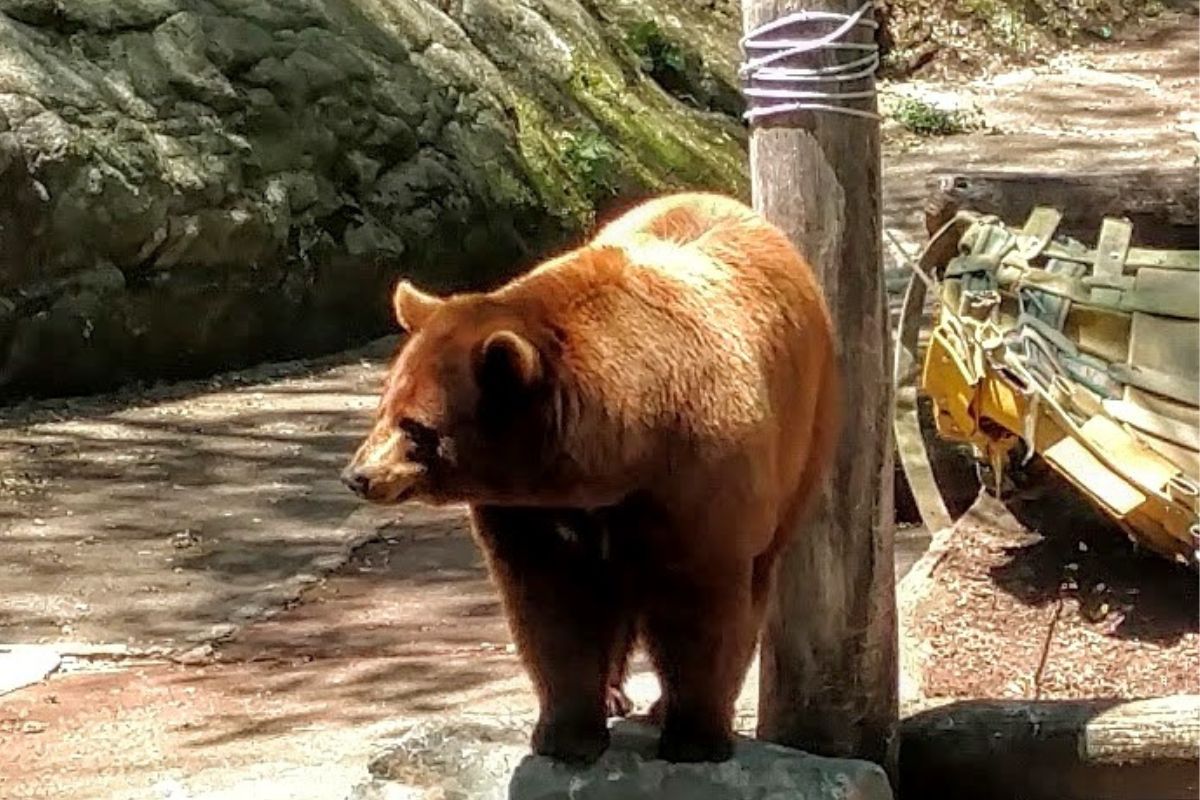
When more campers enter wildlife habitats, encounters with bears, coyotes, and other animals become more common. Improper food storage and leftover trash teach wildlife to approach campsites for food, which puts both humans and animals at risk. To break this pattern, parks may close certain loops or enforce strict bear canister rules. Restrictions help wildlife remain wild and reduce the need for dangerous animal relocations.
5. Soil Erosion on Popular Routes
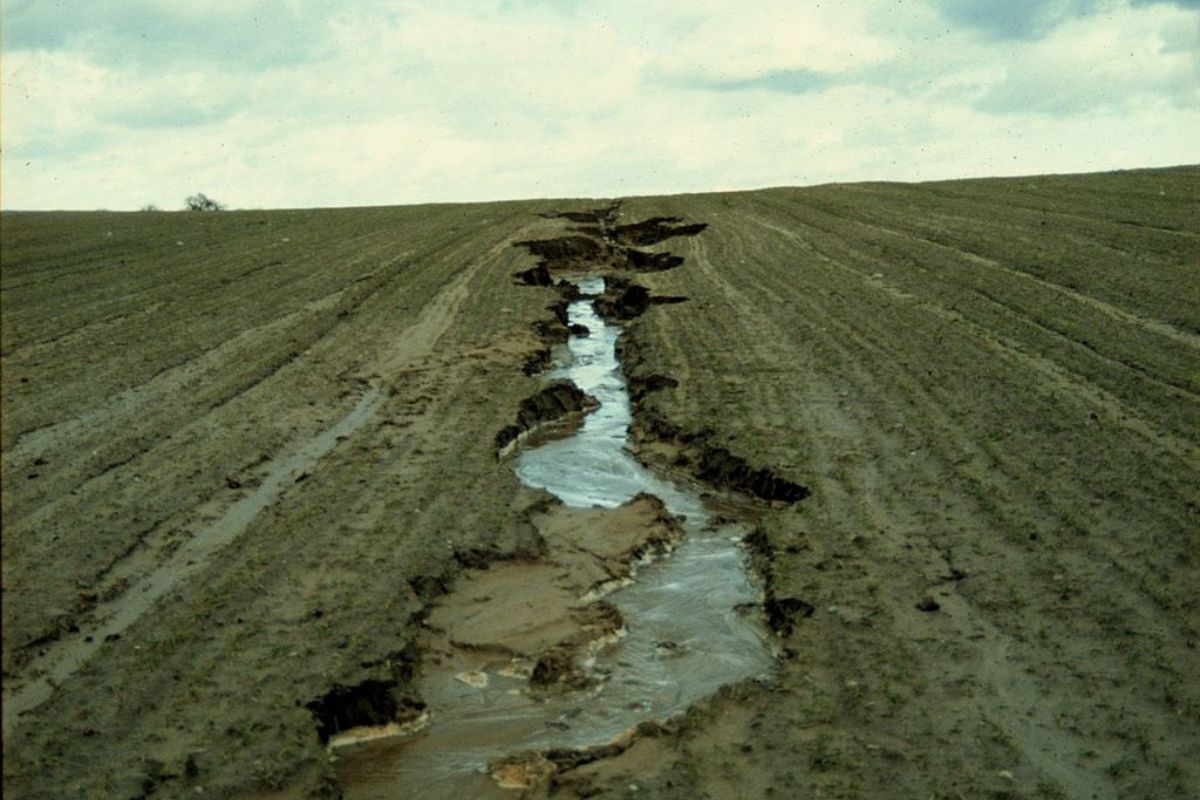
High foot traffic, especially in wet seasons, causes soil to loosen and wash away from hillsides and riverbanks. Once erosion starts, it spreads quickly and can make trails unsafe or damage plant life along the edges. Parks now restrict camping near fragile slopes and encourage visitors to stay on marked paths. These measures help stabilize the land and protect waterways that rely on steady banks to support aquatic life.
6. Water Resource Protection
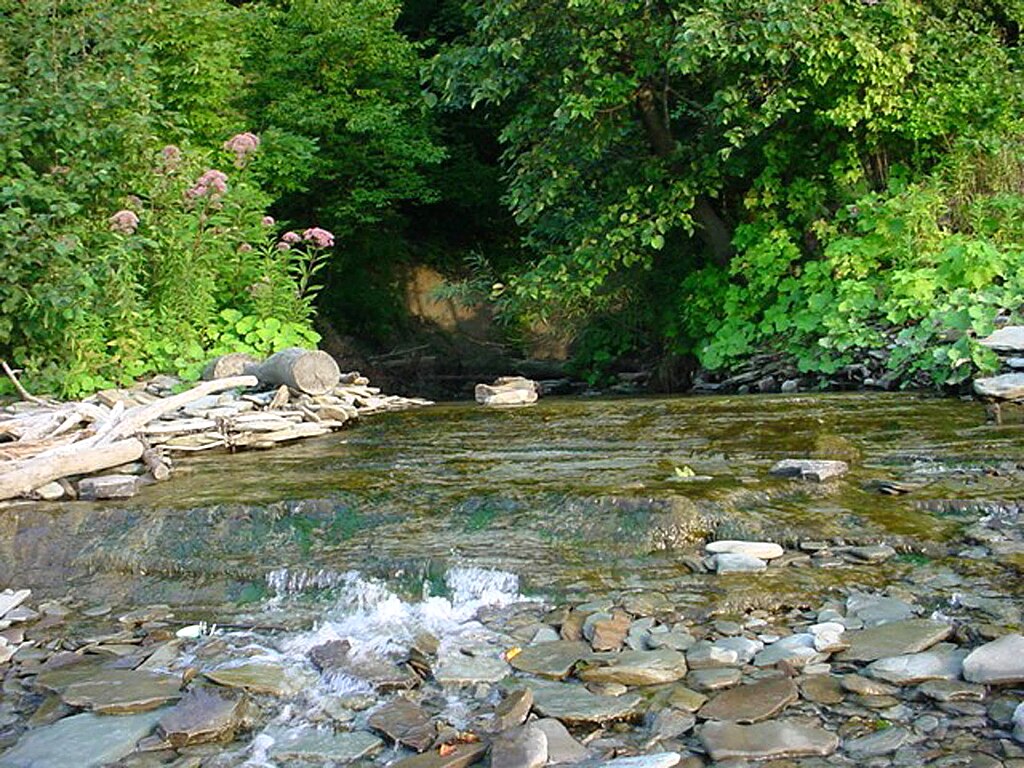
Streams, lakes, and springs near campsites often become polluted when too many campers gather in one area. Soap residues, food waste, and even sunscreen enter the water and harm fish and plant life. Parks may close waterfront campsites or enforce greater setback distances from water sources. Limiting camping numbers helps ensure clean water for wildlife and for communities that depend on park watersheds downstream.
7. Noise Control in Shared Spaces
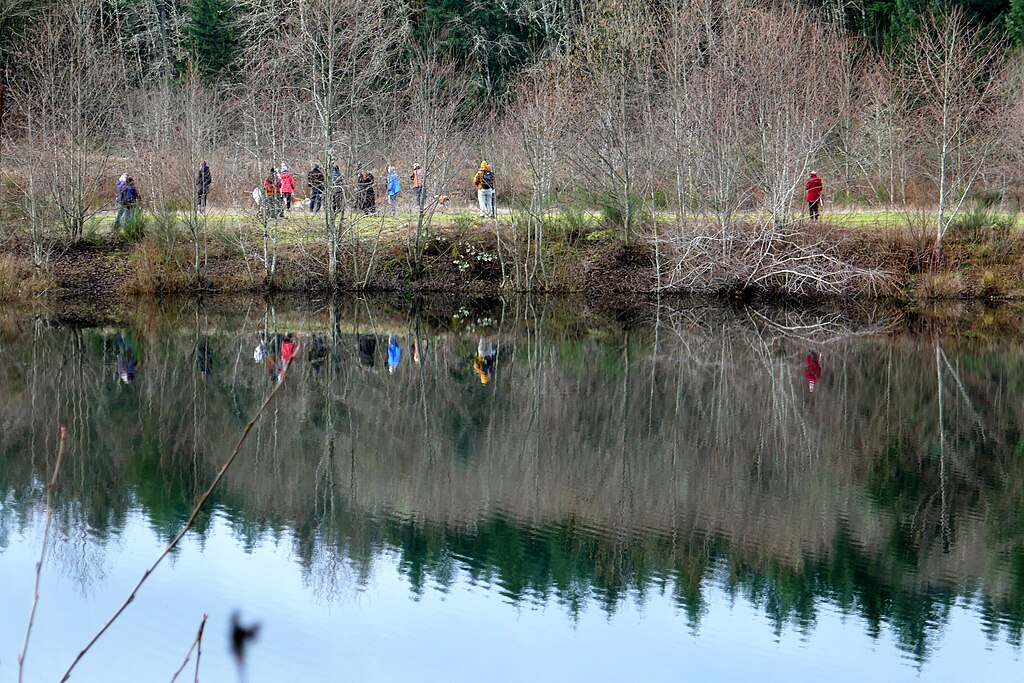
Some parks introduce quiet hours or restrict large group campsites because noise carries easily across valleys and lakes. Visitors seek peaceful outdoor experiences, but crowded loops with loud music or group gatherings disrupt that environment. Restrictions help maintain a balance between recreation and relaxation. Quiet rules also protect wildlife that rely on low noise levels for natural feeding and mating behaviors.
8. Protecting Cultural and Historical Sites
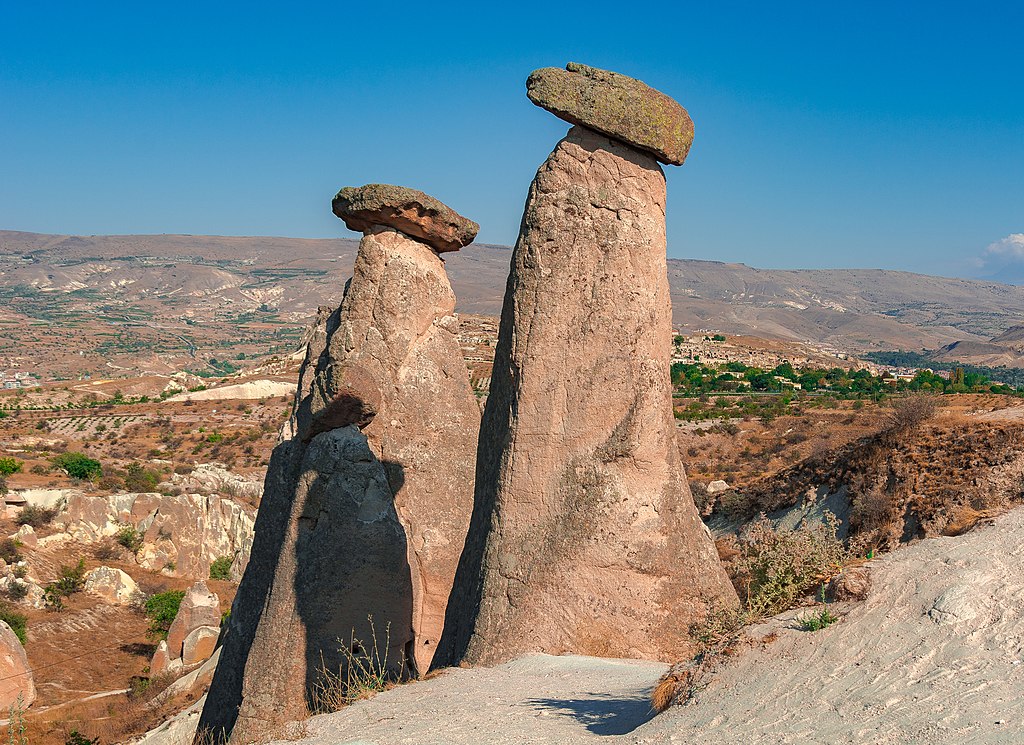
Many state parks contain old structures, archaeological remnants, or cultural sites that can be damaged by nearby camping. Foot traffic and tent placement may disturb artifacts or fragile foundations. Parks often fence off sensitive areas or prohibit camping within specific zones to protect these historical features. These restrictions help honor the heritage of the land and preserve valuable records of past communities.
9. Overuse of Restroom and Waste Systems
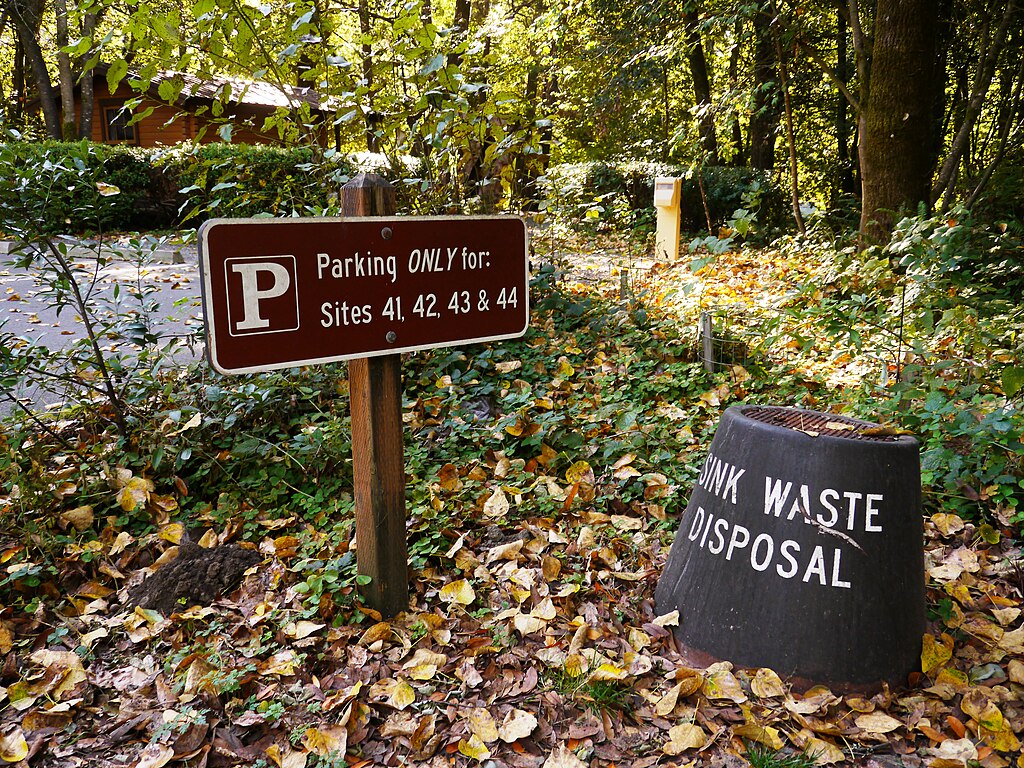
As visitor numbers increase, many parks struggle to manage waste. Restrooms fill quickly, septic systems become overloaded, and some campers leave trash behind when bins are full. Parks may reduce campsite capacity or require pack-in in pack-out rules to avoid sanitation breakdowns. These measures ensure cleaner campgrounds and help maintenance teams keep facilities functioning properly during busy months.
10. Protection of Night Sky Environments
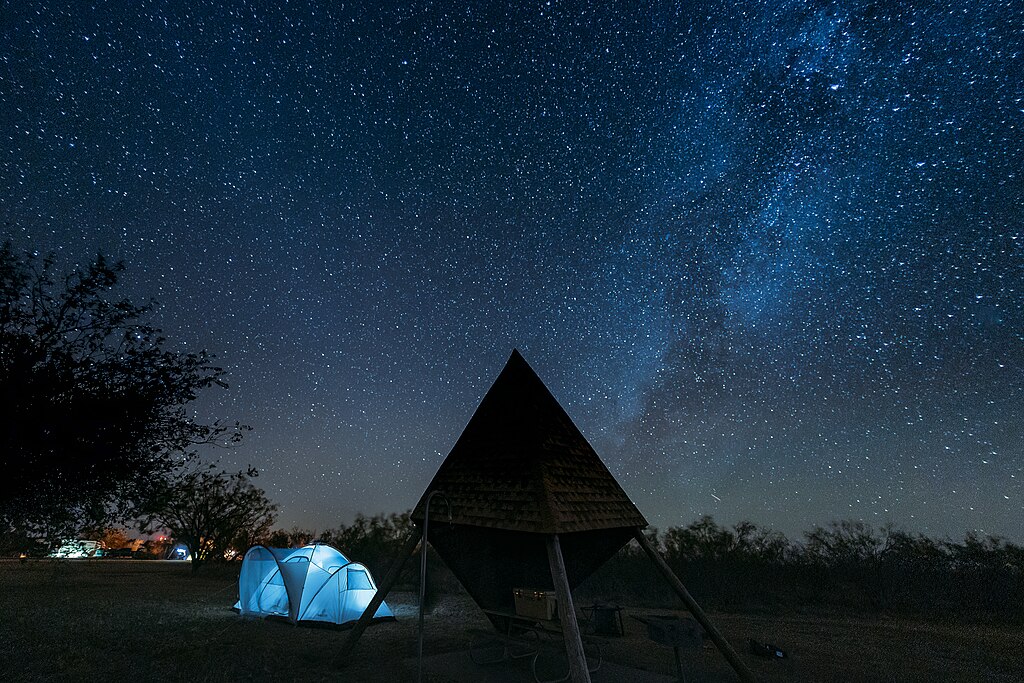
Light pollution from headlamps, lanterns, and late-night campfires can disrupt the natural dark sky that many parks are trying to preserve. Stargazing areas and nocturnal wildlife habitats depend on minimal artificial light. Restrictions on campsite lighting or fire hours help reduce glow across the landscape. These rules also create a better experience for visitors who travel specifically for clear night skies.
11. Increased Human Waste Issues in Backcountry
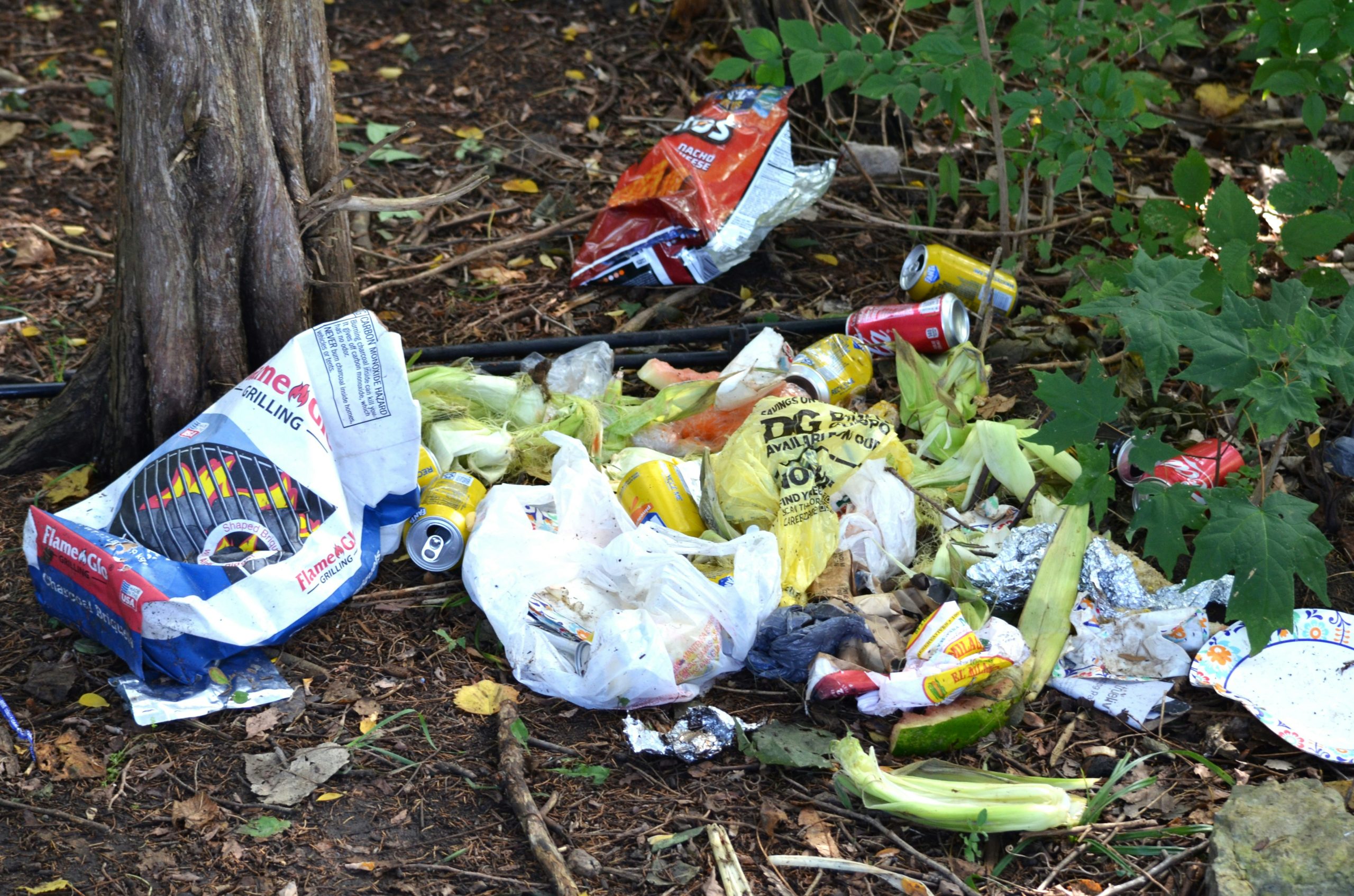
Backcountry zones lack restrooms, and improper waste disposal has become a growing problem as more campers head off-trail. Unburied waste contaminates soil, attracts animals, and damages the outdoor experience for others. Parks may close certain backcountry corridors or require portable waste systems. These rules help maintain clean and usable routes for hikers and protect water sources from contamination.
12. Vandalism and Resource Theft
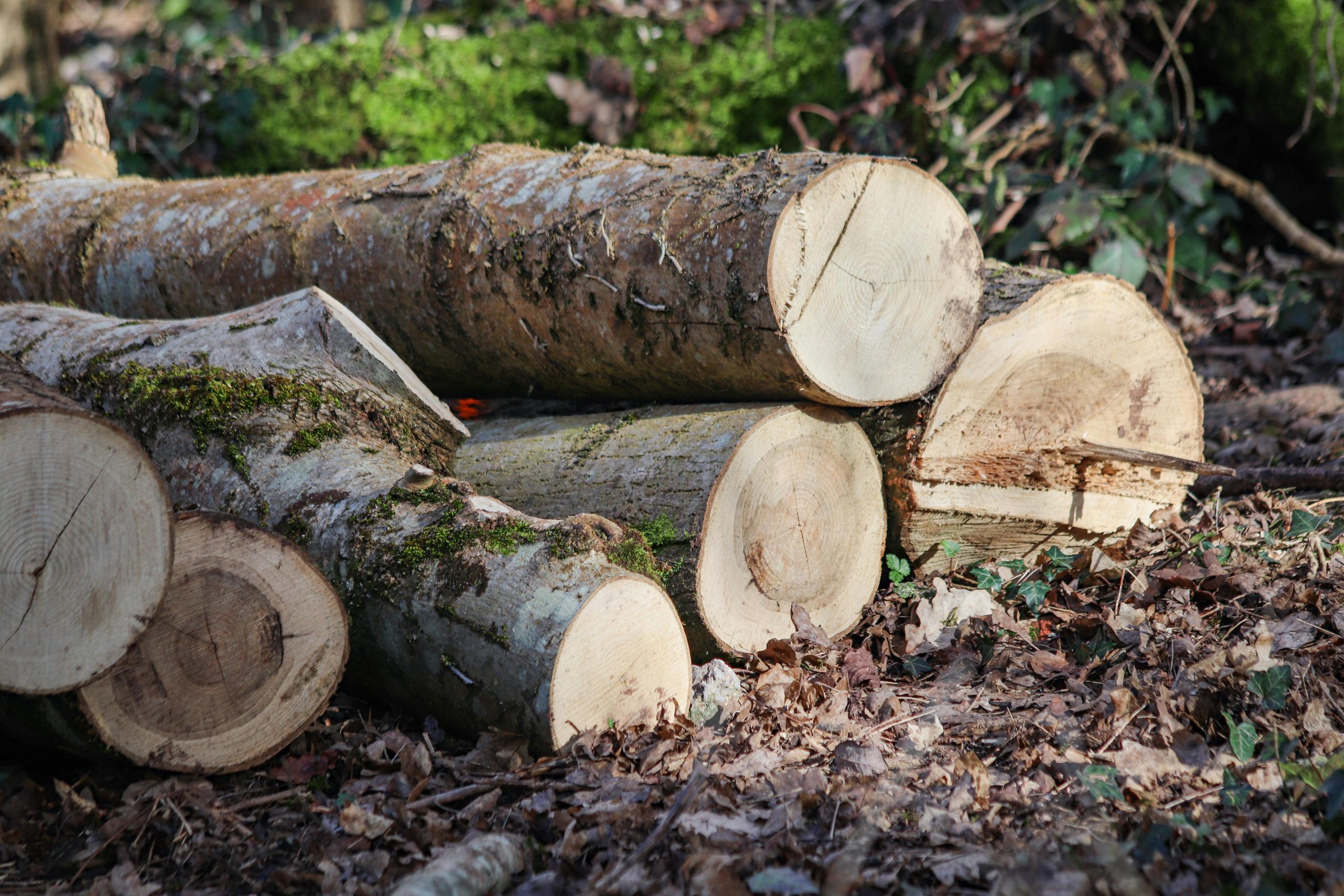
Graffiti, carved trees, campsite destruction, and stolen natural materials are increasing in some parks. These actions harm the environment and require expensive repairs. To counter this, parks may add surveillance, close specific loops, or limit access after dark. Restrictions also help rangers monitor problem areas so that preserved landscapes remain intact for responsible visitors who want a genuine outdoor experience.
13. Trail Maintenance Backlogs
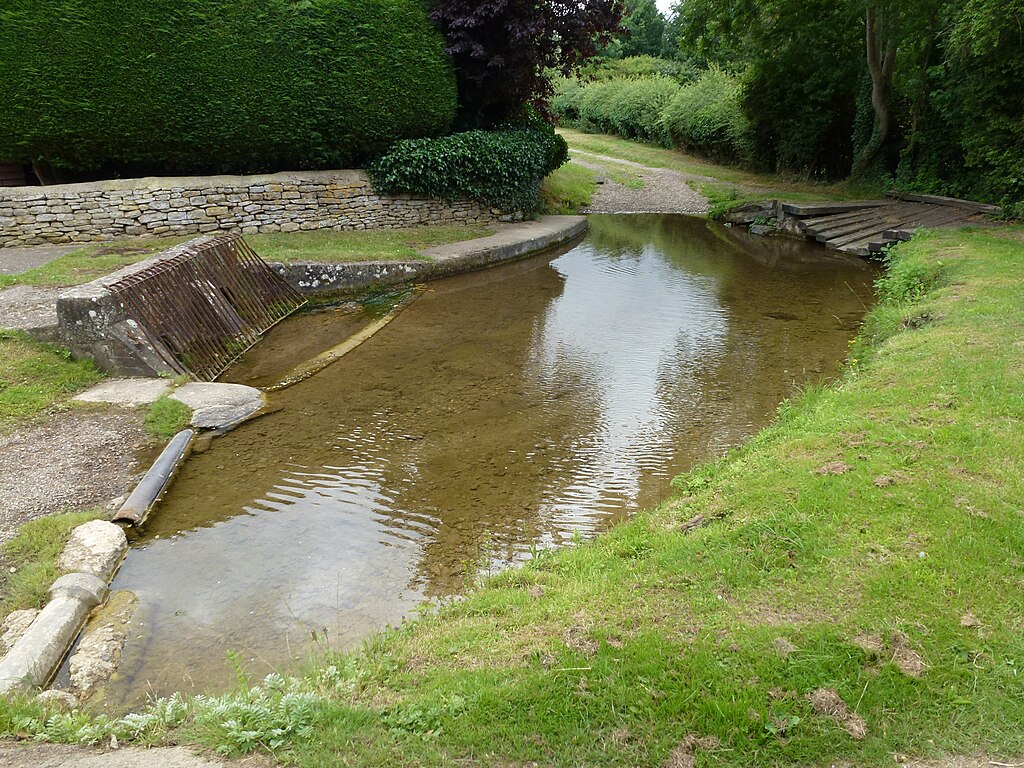
When parks have more visitors than staff, trails deteriorate faster than crews can repair them. Damaged bridges, unstable steps, and washed-out slopes create safety hazards for campers. Some parks add restrictions to reduce foot traffic while repairs are underway. Limiting access gives maintenance teams time to restore trails so that hiking remains safe and enjoyable for everyone who visits.
14. Habitat Restoration Projects
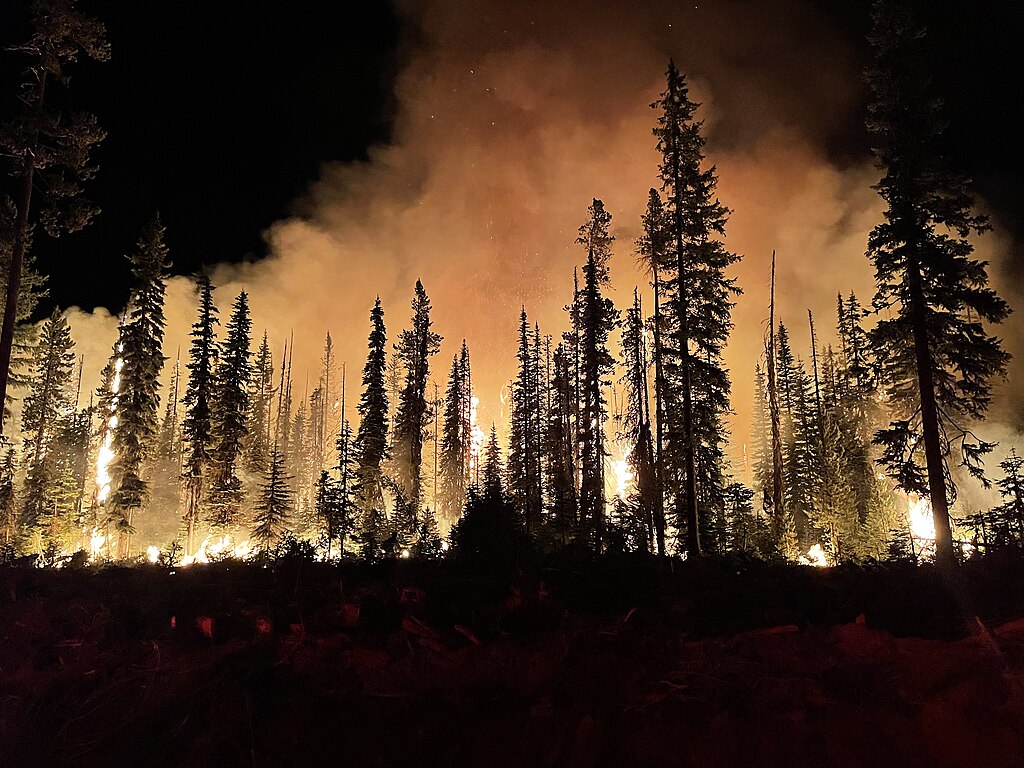
Certain regions need time to recover after wildfires, storms, or long-term overuse. Park teams plant native seeds, repair soils, and rebuild damaged habitats, but these efforts require undisturbed space. Restrictions keep people away from active restoration areas so the land can heal without interference. Temporary closures often lead to healthier landscapes that eventually reopen with stronger natural resilience.
15. Rescue Response Limitations
High rescue call volume puts strain on park rangers who must manage emergencies with limited staff and equipment. Overcrowded or rugged areas create more accidents, from falls to heat exhaustion. Parks may restrict access to remote zones or require permits to ensure that rangers can reach people quickly. These rules help reduce dangerous situations that stretch rescue teams beyond their limits.
16. Protecting Bird Nesting and Breeding Zones

Certain birds nest on open ground or low branches where campers may accidentally disturb them. During sensitive breeding seasons, even quiet activity can cause birds to abandon nests. Parks sometimes close entire loops to give wildlife space. These seasonal restrictions help protect young birds and preserve healthy populations for the future.
17. Managing Invasive Species Spread
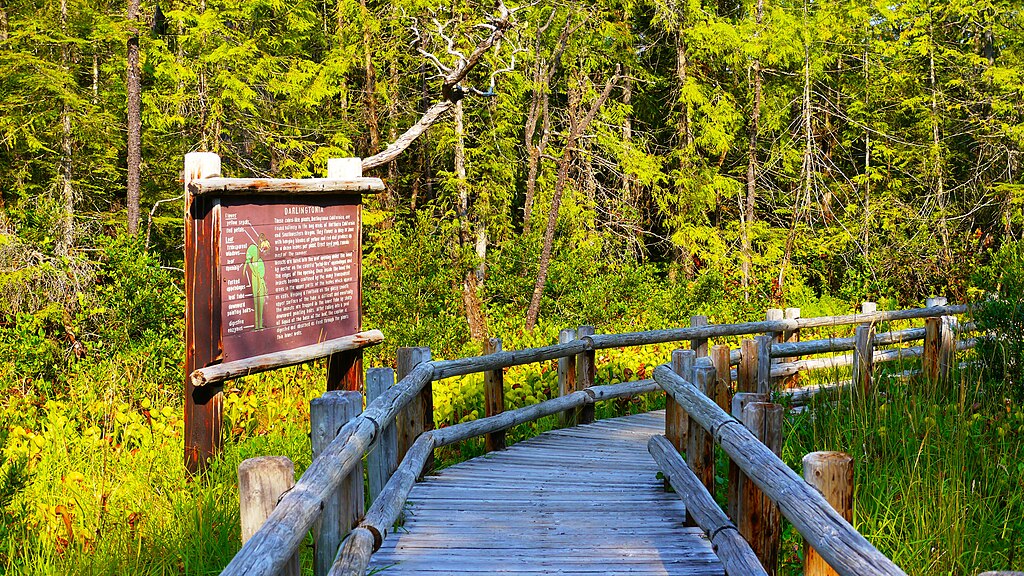
Campers unintentionally carry invasive seeds on shoes, gear, and vehicles. These species can spread into new environments and push out native plants. Parks may close access roads or limit off-trail travel to control this risk. Restrictions help protect plant diversity and keep ecosystems from being overwhelmed by aggressive species that thrive with little competition.
18. Reducing Human Impacts on Desert Crusts
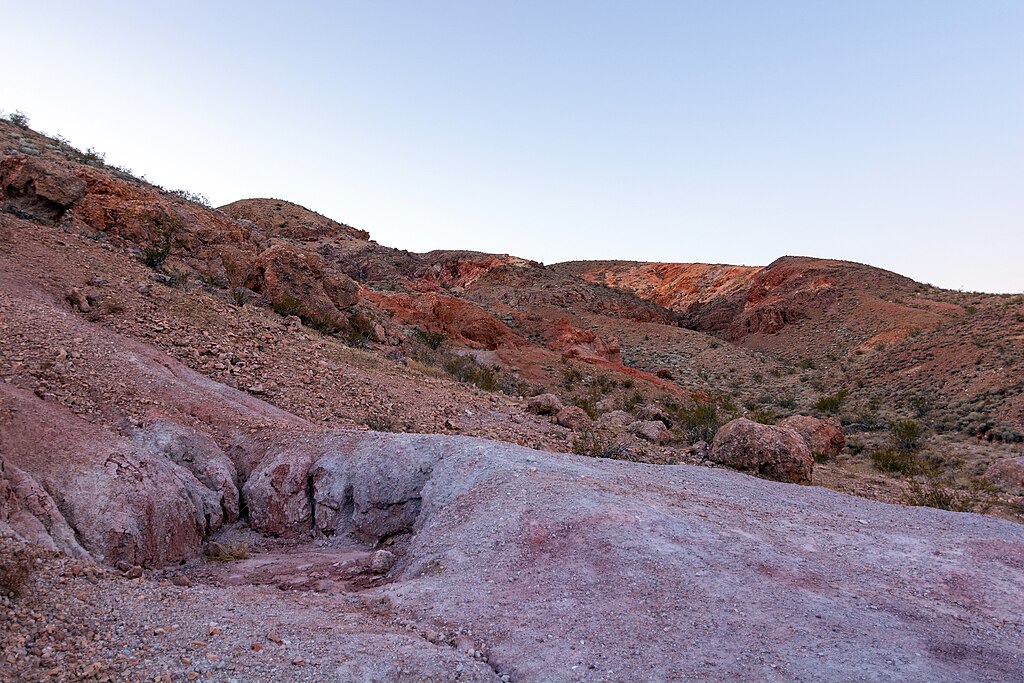
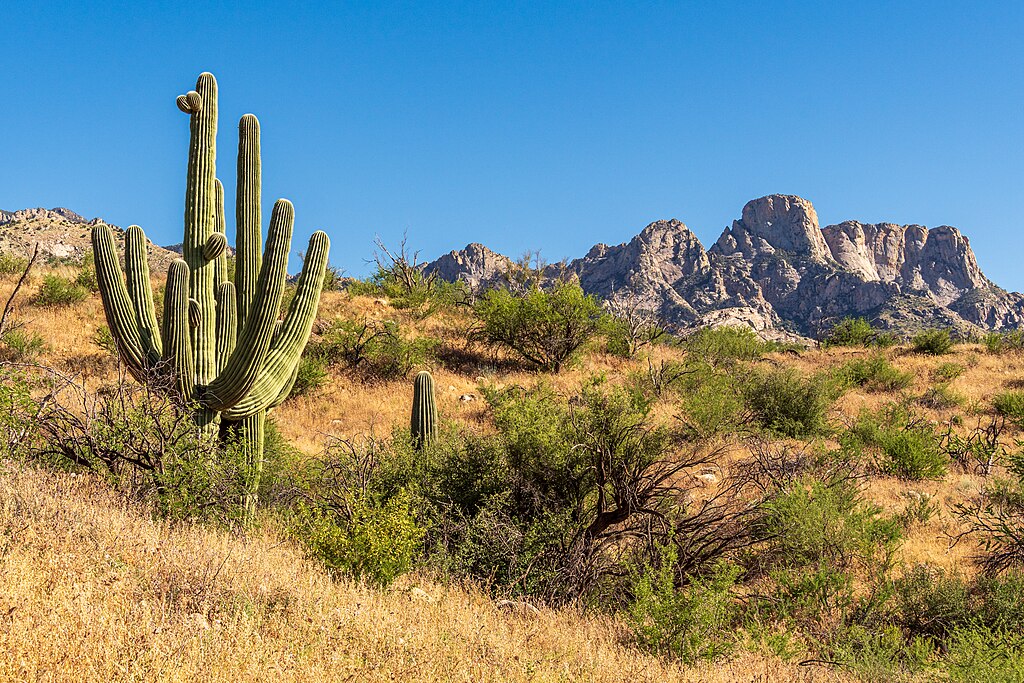
Some western state parks contain fragile desert biological crusts that take decades to form. Even a single footprint can destroy them and lead to long-term erosion. Parks often close off crust-rich zones or confine campers to hardened pads. These rules help preserve living soil structures that support plant growth and prevent dust storms.
19. Upgrading Infrastructure and Campground Facilities
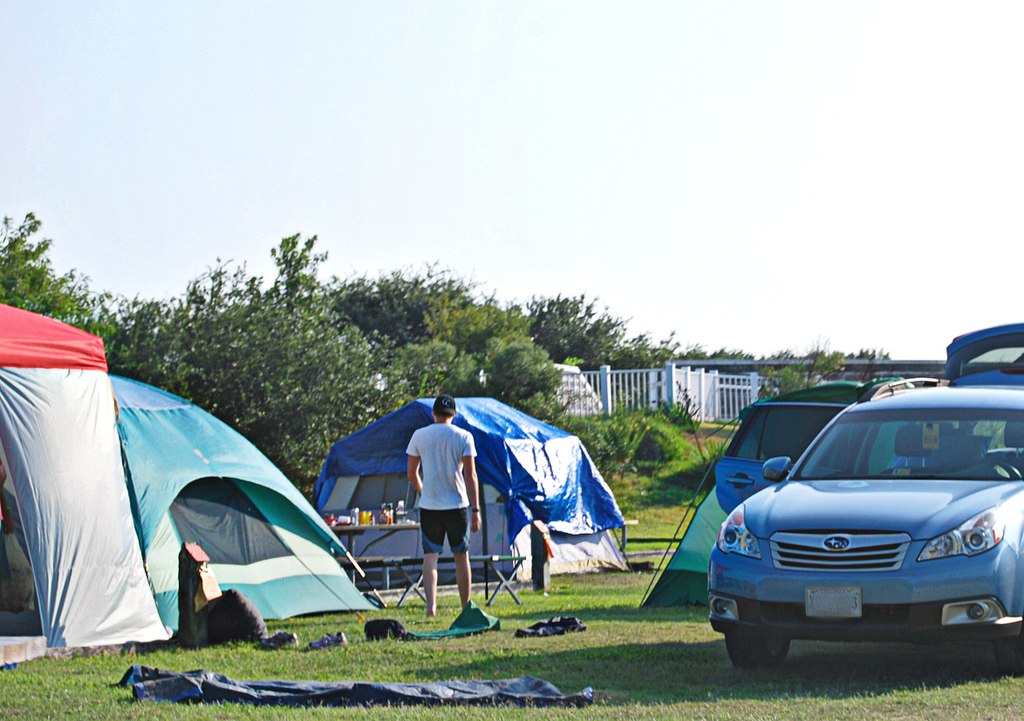
Many parks undergo renovation projects to install better water lines, improve roads, or replace aged campsites. During upgrades, parks restrict entry to protect workers and prevent accidents. Temporary closures help teams finish repairs faster and ensure that new facilities provide safer, more comfortable camping experiences for guests once the work is complete.
20. Balancing Recreation With Conservation Goals
State parks aim to provide recreation while protecting natural landscapes. When visitor pressure threatens wildlife, water quality, or scenic resources, restrictions become a necessary tool. By adjusting rules thoughtfully, parks maintain a balance between enjoyment and preservation. These limits help ensure that outdoor spaces remain clean, healthy, and available for families to explore for generations to come.