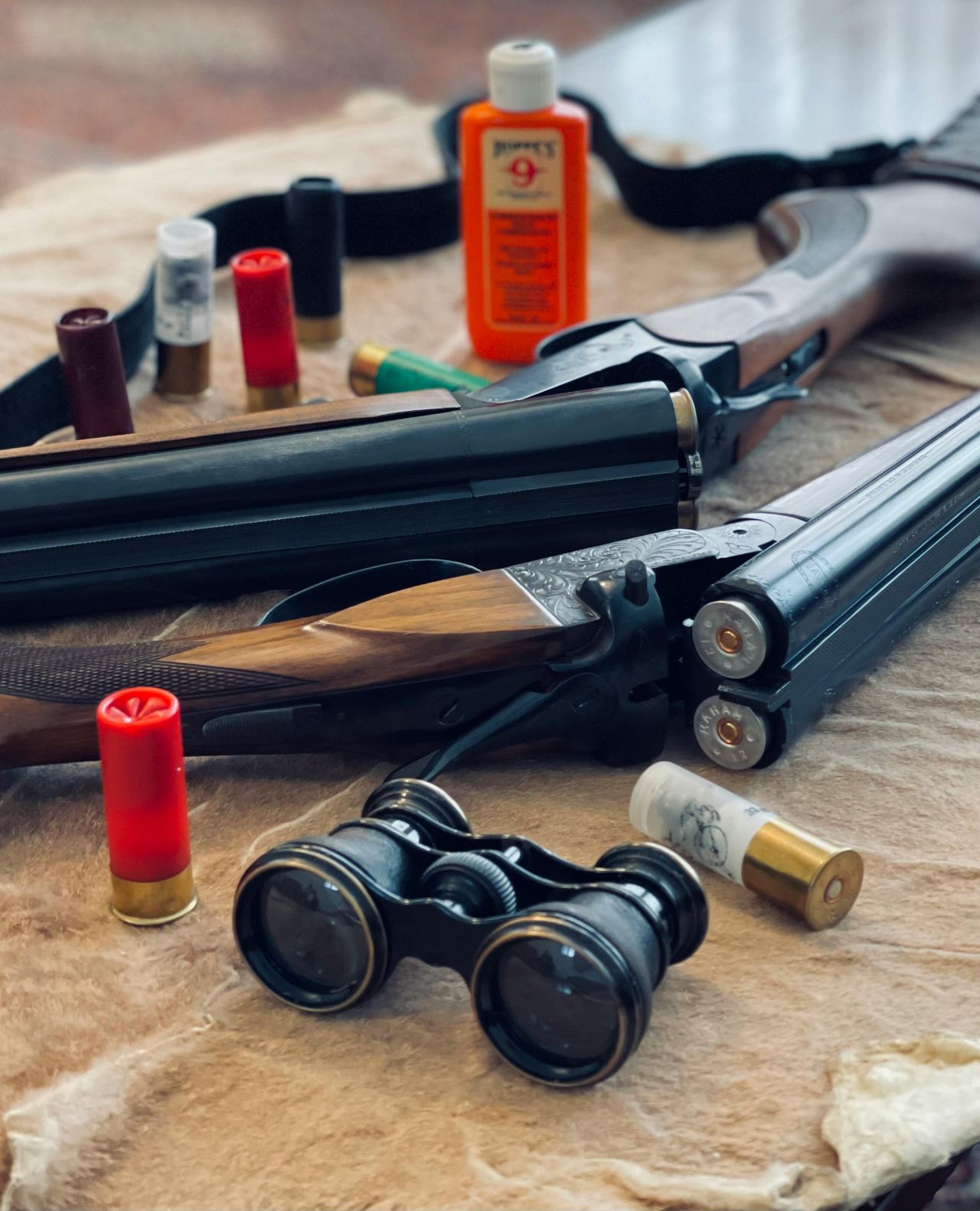
For decades, modern sporting rifles dominated conversations about hunting technology, promising modularity, lightweight materials, and cutting-edge ergonomics. Yet across gun stores, ranges, and hunting camps, a different trend has quietly gained momentum. Classic bolt-action and lever-action rifles, many based on designs more than a century old, are finding renewed popularity among experienced hunters and first-time buyers alike. This shift is not driven by nostalgia alone. Practical advantages, changing regulations, and evolving hunter preferences have all played important roles. Understanding why these traditional firearms are resurging requires a closer look at performance, reliability, culture, and real-world hunting conditions.
Proven Reliability Builds Lasting Trust

One of the most compelling reasons old school hunting rifles are regaining favor is their reputation for reliability. Traditional bolt-action and lever-action systems have been refined through generations of field use, harsh weather, and demanding conditions. Hunters value equipment that functions predictably when opportunities are brief and the stakes are high. Mechanical simplicity reduces the likelihood of malfunctions, while robust steel components withstand years of recoil and exposure. Unlike highly complex platforms, these rifles rarely depend on specialized parts or sensitive tolerances. This durability fosters deep confidence. For many hunters, trust earned through decades of performance outweighs the appeal of newer, less time-tested designs.
Regulations Often Favor Traditional Designs
Legal frameworks and hunting regulations frequently shape firearm choices more than enthusiasts realize. In many jurisdictions, magazine capacity limits or restrictions on certain rifle features make traditional hunting rifles an uncomplicated option. Bolt-action and lever-action firearms typically comply without modification, avoiding legal ambiguity. Hunters appreciate this clarity, particularly when traveling between states or regions with differing rules. The straightforward configuration of older designs reduces concerns about compliance or interpretation. As regulations evolve, practical decision-making often leads buyers toward rifles that naturally fit within established guidelines. This regulatory compatibility quietly reinforces the enduring relevance of classic hunting platforms.
Lightweight Handling Enhances Field Comfort

Carrying a rifle across uneven terrain for hours places a premium on balance and handling rather than sheer innovation. Many traditional hunting rifles were designed specifically for portability, with slim profiles and well-distributed weight. Hunters navigating dense woods or mountainous landscapes often find these rifles more comfortable than bulkier alternatives. The absence of excessive accessories keeps the overall mass manageable. Familiar stock dimensions and natural pointing characteristics further improve usability. These qualities translate directly into reduced fatigue during long hunts. As hunters increasingly prioritize mobility and endurance, the ergonomic strengths of classic rifle designs have become newly appreciated advantages.
Mechanical Simplicity Appeals to Practical Users
Old school hunting rifles attract users who value straightforward mechanics and ease of maintenance. Bolt-action and lever-action systems rely on clear, intuitive operation that even novice shooters quickly understand. Cleaning and upkeep rarely require specialized tools or advanced knowledge. Fewer moving parts mean fewer potential failure points, enhancing long-term dependability. This simplicity aligns with the realities of hunting, where conditions may be wet, dusty, or remote. Hunters often prefer equipment that they can diagnose and service independently. In an era defined by complex technology, the functional transparency of traditional rifles offers reassuring practicality that resonates strongly with many firearm owners.
Accuracy Remains a Defining Strength

Despite advances in firearm technology, traditional bolt-action rifles continue to deliver exceptional accuracy: their rigid actions, consistent lockup, and inherently stable design support precise shot placement at varied distances. Hunters pursuing game ethically recognize that accuracy directly influences humane outcomes. Many classic rifles pair easily with modern optics, combining heritage engineering with contemporary sighting systems. This hybrid capability preserves relevance without abandoning tradition. Skilled shooters often report that familiar triggers and predictable recoil characteristics enhance consistency. As precision remains central to responsible hunting, the enduring accuracy of old-school rifles ensures they remain competitive and respected choices.
Aesthetic Craftsmanship Creates Emotional Value
Visual appeal and craftsmanship play subtle yet powerful roles in firearm preferences. Traditional hunting rifles often feature walnut stocks, polished metal finishes, and balanced lines that emphasize artistry alongside function. Owners frequently describe a stronger personal connection to such firearms compared to purely utilitarian designs. This appreciation extends beyond appearance, reflecting pride in materials and manufacturing heritage. Many hunters view these rifles as lasting possessions rather than disposable tools. The tactile warmth of wood and the visual character of classic styling contribute to satisfaction that transcends performance metrics. Emotional resonance, though rarely quantified, significantly influences purchasing decisions.
Cultural Heritage Strengthens Modern Interest
Hunting traditions are deeply intertwined with family history, storytelling, and shared experiences. Old school rifles carry symbolic significance, often linked to generational knowledge and memorable hunts. Younger shooters introduced to these firearms through relatives or mentors may develop a lasting appreciation for their heritage. This cultural continuity fosters renewed interest even among those drawn to modern equipment. Classic rifles evoke narratives of exploration, craftsmanship, and outdoor identity. As hunting communities emphasize mentorship and legacy, equipment reflecting those values gains renewed relevance. The resurgence of traditional rifles, therefore,e reflects cultural dynamics as much as technical considerations.
Modern Manufacturing Revitalizes Classic Platforms

Contemporary production techniques have enhanced the quality and consistency of traditional rifle designs. Advances in metallurgy, machining, and quality control deliver stronger actions, improved barrels, and refined triggers while preserving familiar operating principles. Buyers benefit from modern reliability without sacrificing the characteristics that made these rifles popular originally. This quiet evolution attracts shooters seeking both heritage and performance. Manufacturers recognize sustained demand and introduce updated variants that blend classic aesthetics with current standards. The resulting products challenge assumptions that older designs are inherently outdated. Instead, they demonstrate how timeless concepts can thrive through careful modernization.
Practical Hunting Needs Drive Equipment Choices
Real-world hunting rarely resembles controlled range conditions. Encounters are often brief, distances unpredictable, and environments challenging. Traditional hunting rifles align closely with these realities, emphasizing dependability, manageable recoil, and intuitive handling. Many hunters prioritize a single accurate shot over high capacity or modular features. Classic designs support this philosophy naturally. Their straightforward controls reduce cognitive load during high-pressure moments. Equipment decisions grounded in field experience frequently favor reliability and familiarity. As hunters reassess priorities based on practical outcomes rather than trends, traditional rifles increasingly appear as logical, purpose-driven tools rather than relics.
Longevity Encourages Sustainable Ownership
Durability and long service life distinguish many old-school hunting rifles from more transient consumer products. Properly maintained, these firearms often remain functional for decades, sometimes passing through multiple generations. This longevity appeals to buyers mindful of value and sustainability. A rifle built to endure reduces replacement costs and fosters deeper ownership satisfaction. Hunters may invest in a single trusted firearm rather than pursuing frequent upgrades. The perception of permanence contrasts sharply with rapidly changing technology cycles. As consumers increasingly value lasting quality over novelty, the enduring serviceability of traditional rifles contributes significantly to their renewed popularity.