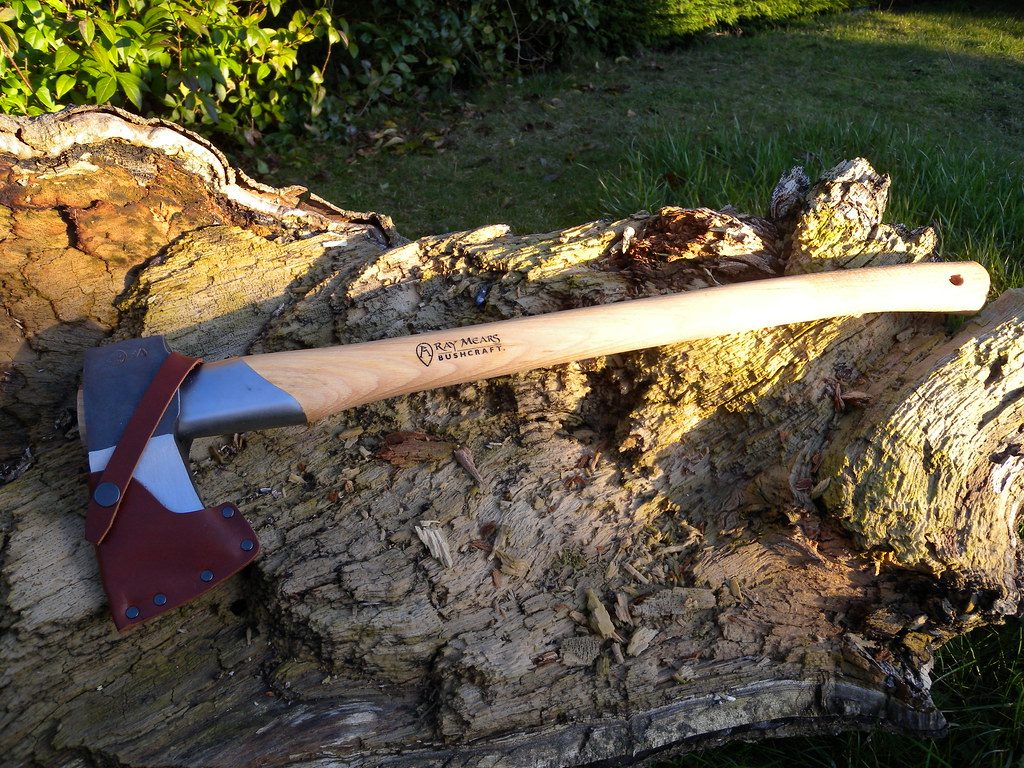
An axe is one of the most versatile tools you can carry into the wild, but its usefulness depends on how well you handle it. Beyond chopping wood, mastering axe skills helps you build shelter, prepare kindling, and even craft tools for survival. With the right techniques, you can work more efficiently while staying safe in the outdoors. These essential skills ensure you get the most out of your axe on every adventure.
Safe Grip and Stance
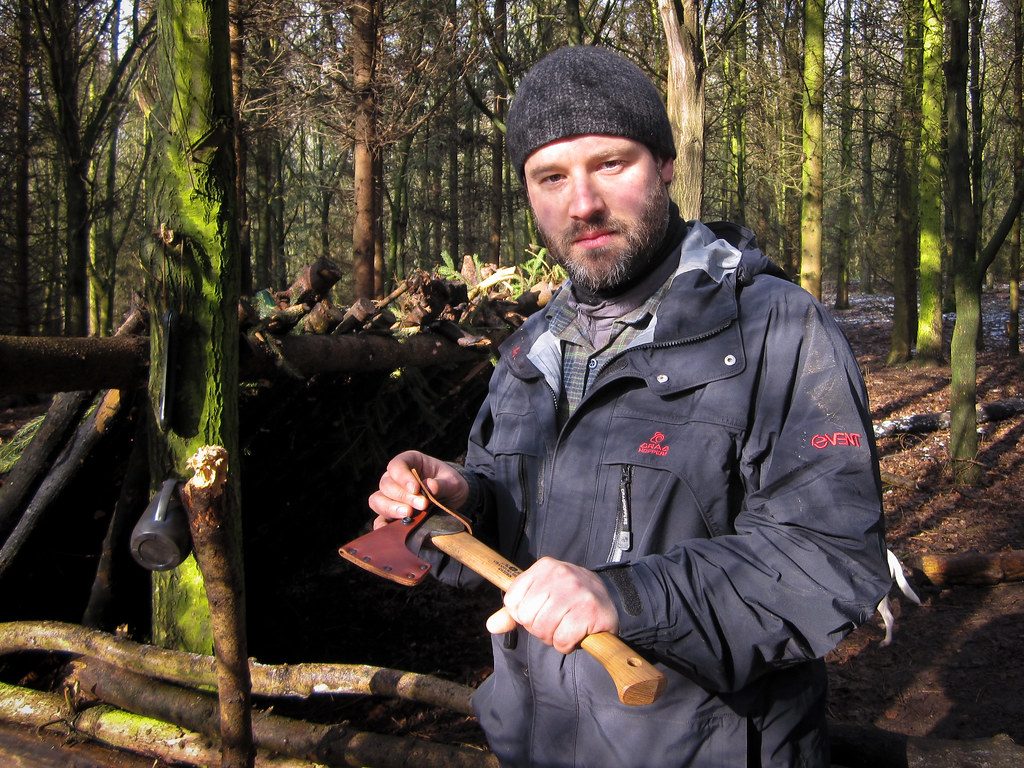
Before swinging an axe, you need to understand how to hold it and position yourself. A firm grip with both hands and a stable, shoulder-width stance ensure control and accuracy. Always be aware of your surroundings and never chop toward yourself. Practicing safe handling prevents injuries and sets the foundation for every other skill.
Chopping Firewood
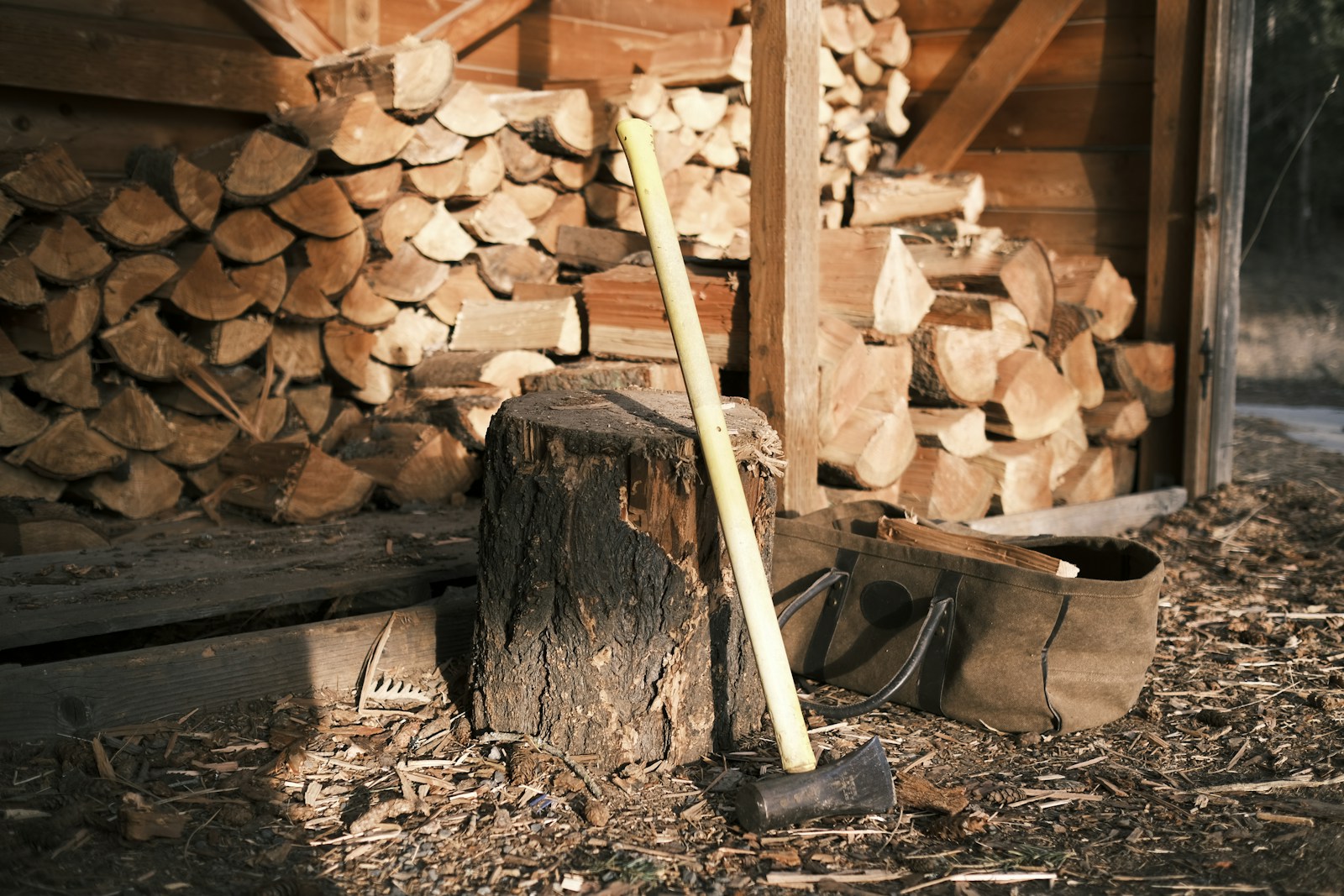
Chopping logs into usable firewood is one of the most common axe tasks. Position the log securely on a stable surface and aim your strikes toward the center. Work steadily rather than trying to split with one dramatic swing. This method saves energy while giving you consistent, usable pieces for your fire.
Splitting Kindling
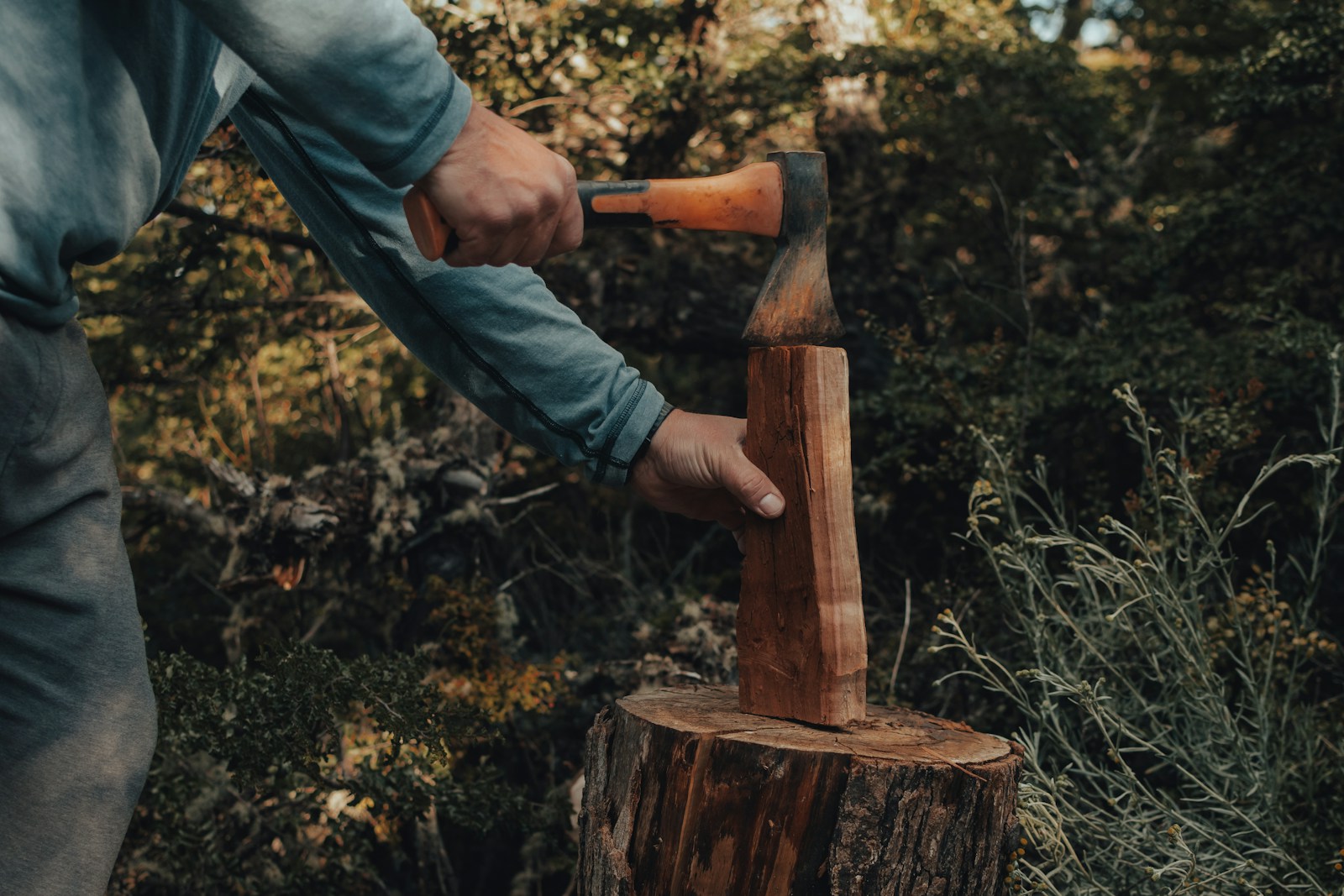
Splitting larger pieces into thin kindling is essential for starting fires. Use controlled, shorter strikes or place the blade carefully into the wood and tap it through with another stick. This helps create small, dry pieces that catch flame quickly. Kindling preparation ensures you can start a reliable fire in any weather.
Limbing Branches
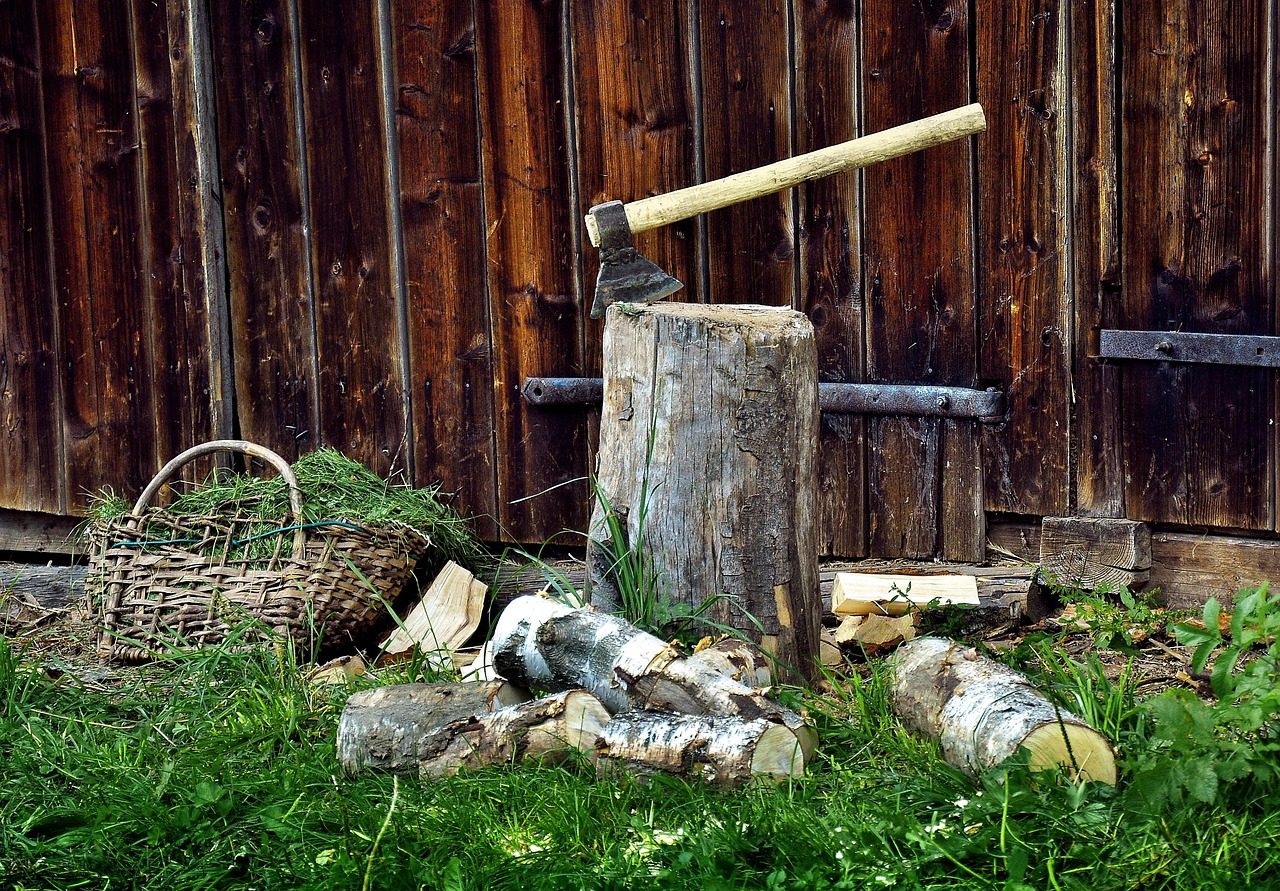
Removing branches, or limbing, requires precision and awareness. Position the log firmly and strike downward along the branch’s base. Controlled movements prevent the axe from glancing off unpredictably. This skill is key to clearing fallen trees or preparing logs for building.
Felling Small Trees

When building a shelter or gathering wood, you may need to fell small trees. Strike at a 45-degree angle on one side to create a notch, then cut from the opposite side until the tree falls. Always plan your escape route before the tree begins to lean. This careful method ensures safety while bringing down timber effectively.
Carving Stakes and Tools
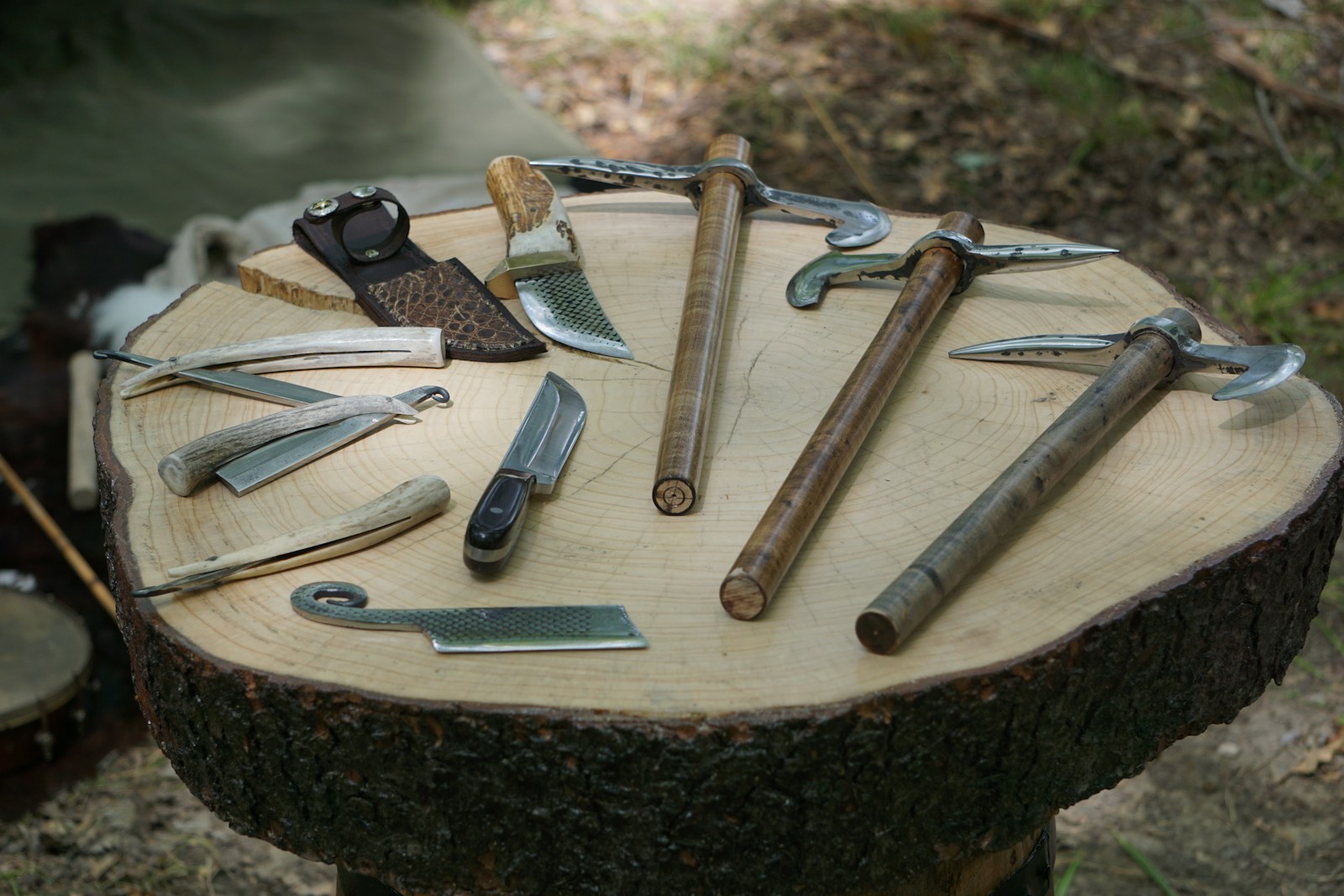
An axe is not just for heavy work; it can also handle detailed carving. By choking up on the handle near the head, you gain better control for shaping stakes, handles, or simple tools. This close work expands the axe’s role in bushcraft beyond chopping. It is a practical skill for building camp structures or traps.
Creating Feather Sticks
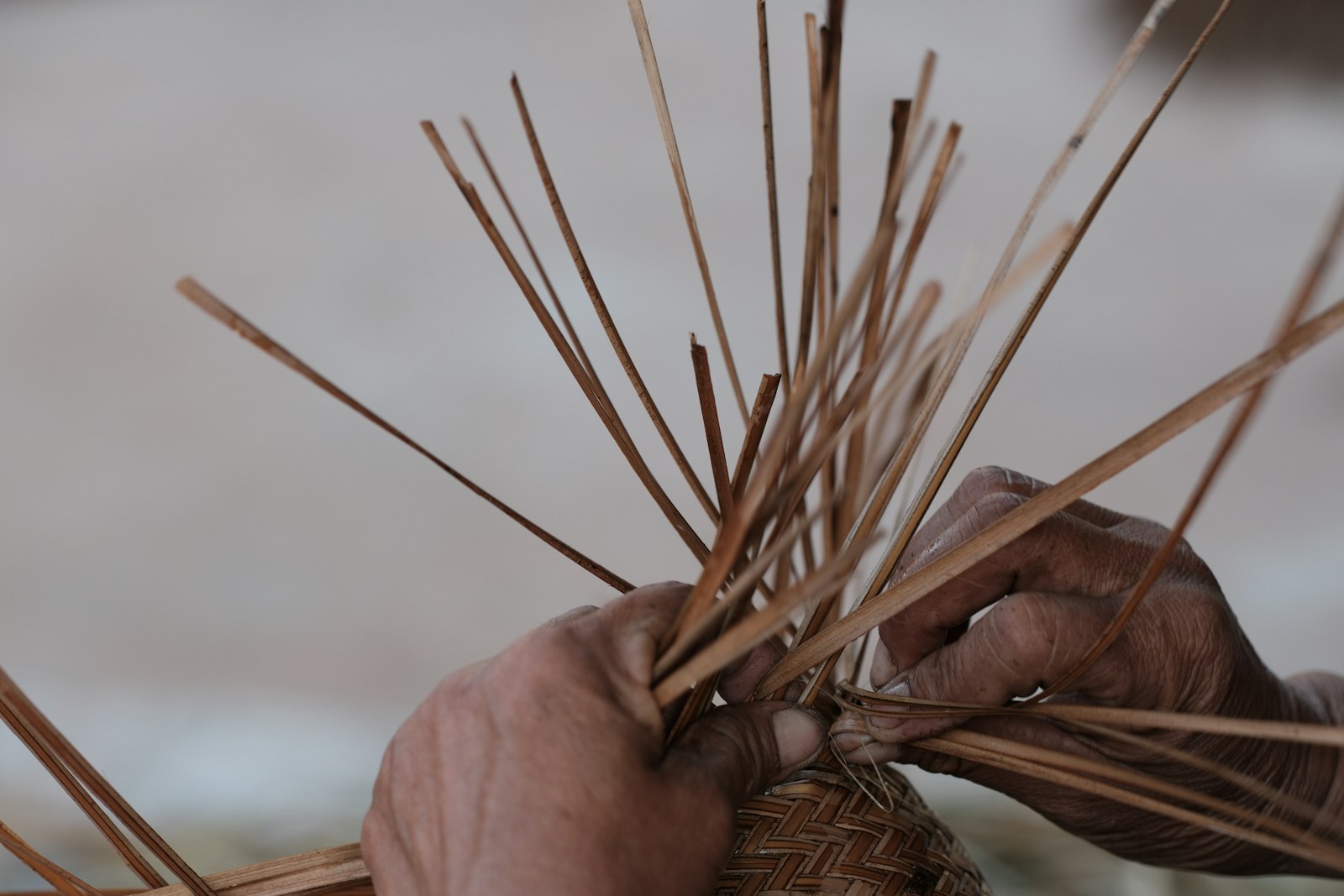
Feather sticks are thin curls of wood used to start fires when kindling is scarce. With a steady hand, shave the wood lightly to create curls that catch a spark easily. Holding the axe closer to the blade allows for controlled, delicate cuts. This skill is particularly useful in damp conditions when dry tinder is hard to find.
Splitting Large Logs with Wedges
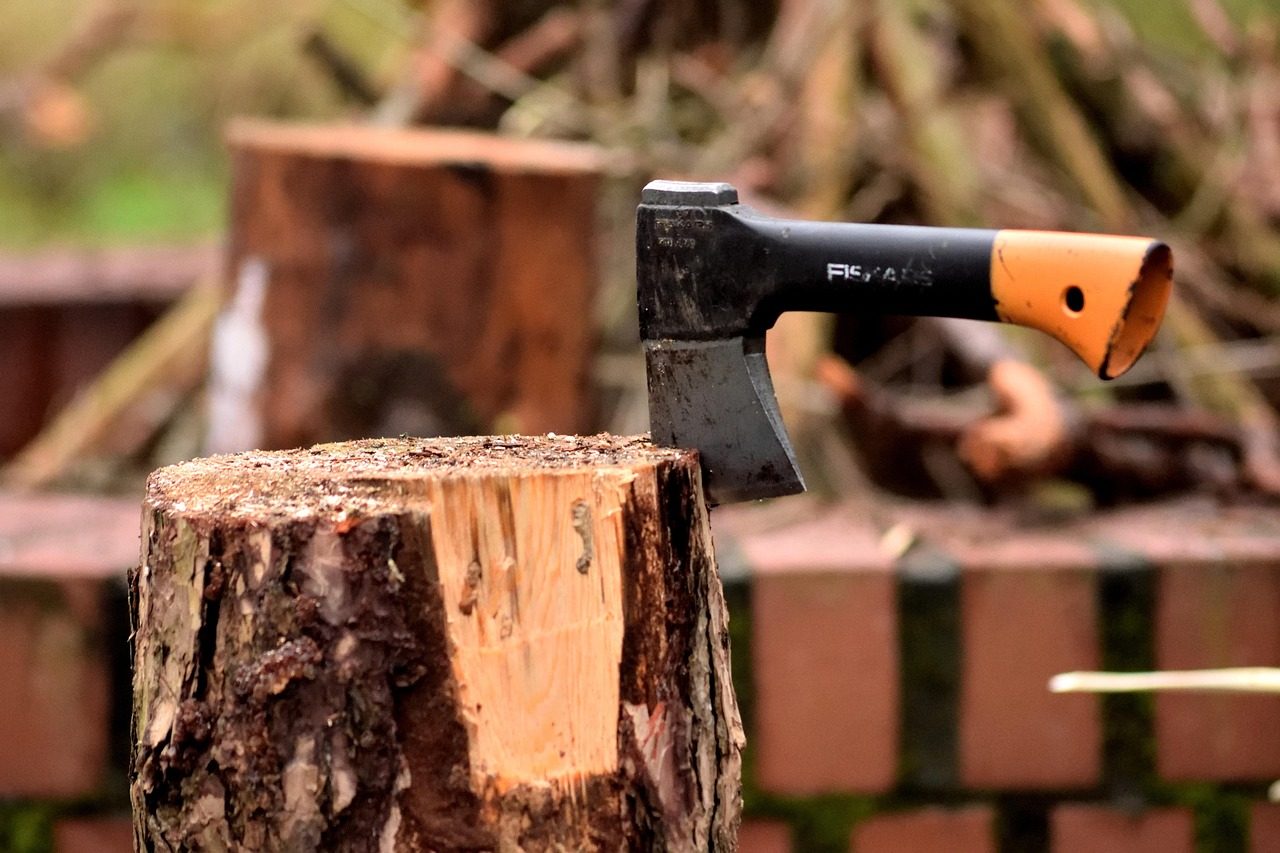
For bigger logs, using your axe alongside wooden or metal wedges makes the task easier. Place the wedge in the log and drive it in with the back of your axe or a mallet. This technique saves energy and helps split larger pieces without excessive swinging. It turns your axe into part of a more efficient system.
Maintaining a Sharp Edge
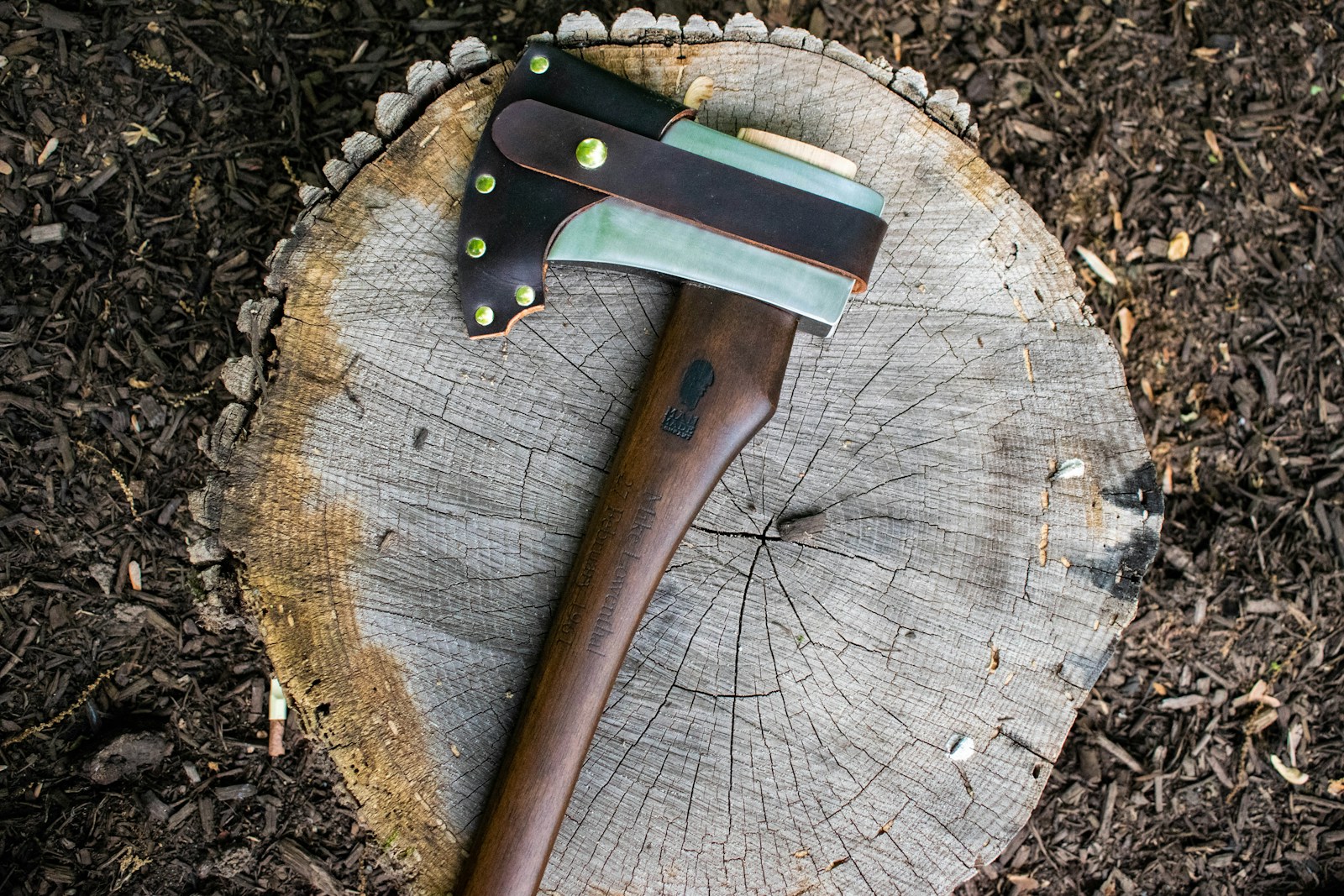
A dull axe is dangerous and inefficient, so learning to sharpen it is essential. Use a sharpening stone or file to keep the blade keen, and regularly oil the metal to prevent rust. A sharp axe cuts cleaner, requires less effort, and lasts longer. Maintenance is just as important as using the tool itself.
Practicing Energy Efficiency

Bushcraft often requires long hours of work, so conserving energy is vital. Focus on accuracy and controlled swings rather than power. Let the axe’s weight do most of the work instead of forcing every strike. This habit reduces fatigue, lowers the risk of injury, and allows you to get more done in the wild.