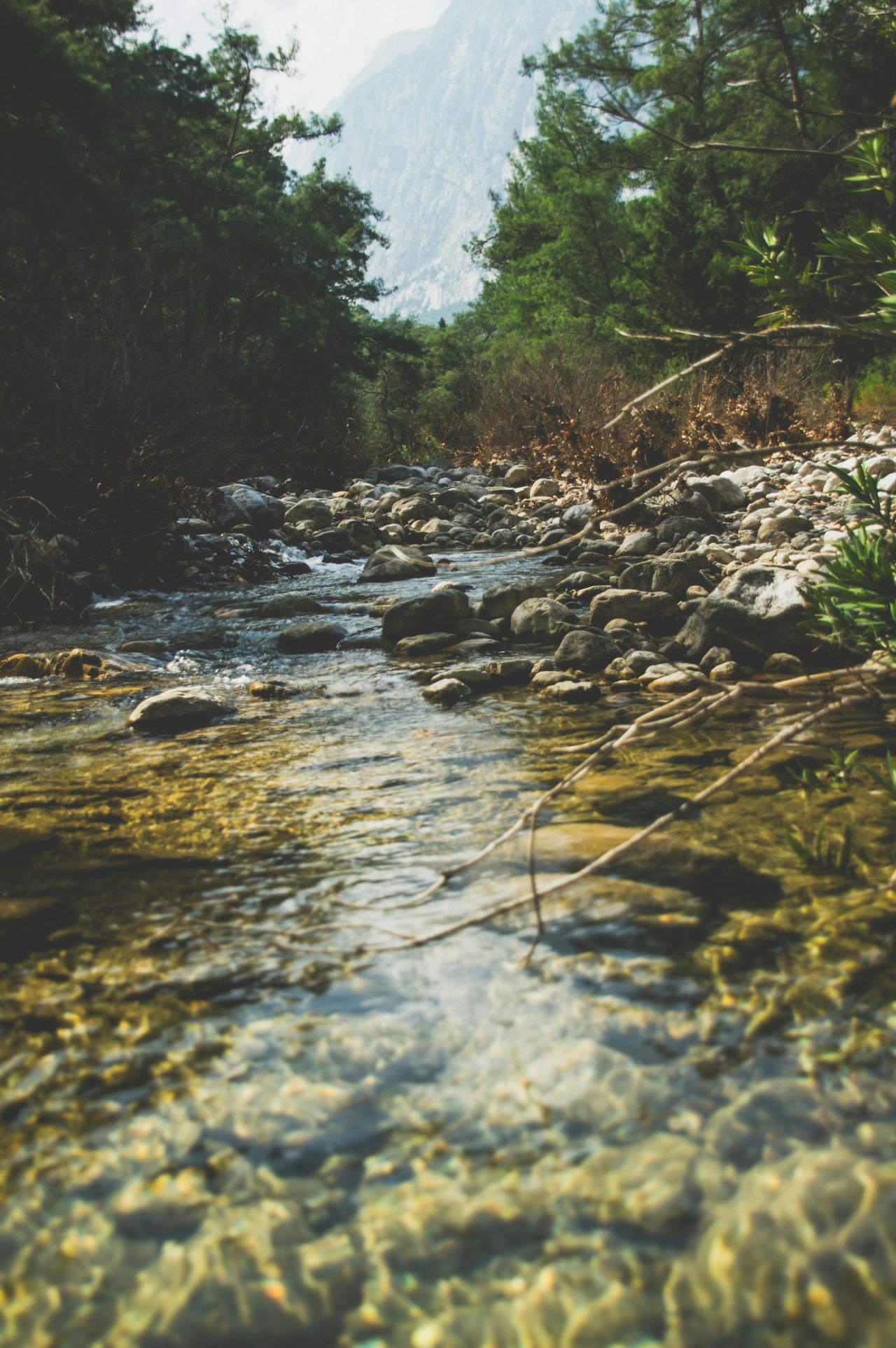
Clear water in the wild can be deeply misleading. A sparkling stream, a quiet pond, or a patch of fresh snow may seem safer than anything from a tap, but appearances say very little about what is actually in the water. This gallery looks at common outdoor water sources that often seem clean at first glance, and why drinking from them untreated can lead to a very bad trip home.
Fast-Moving Mountain Streams
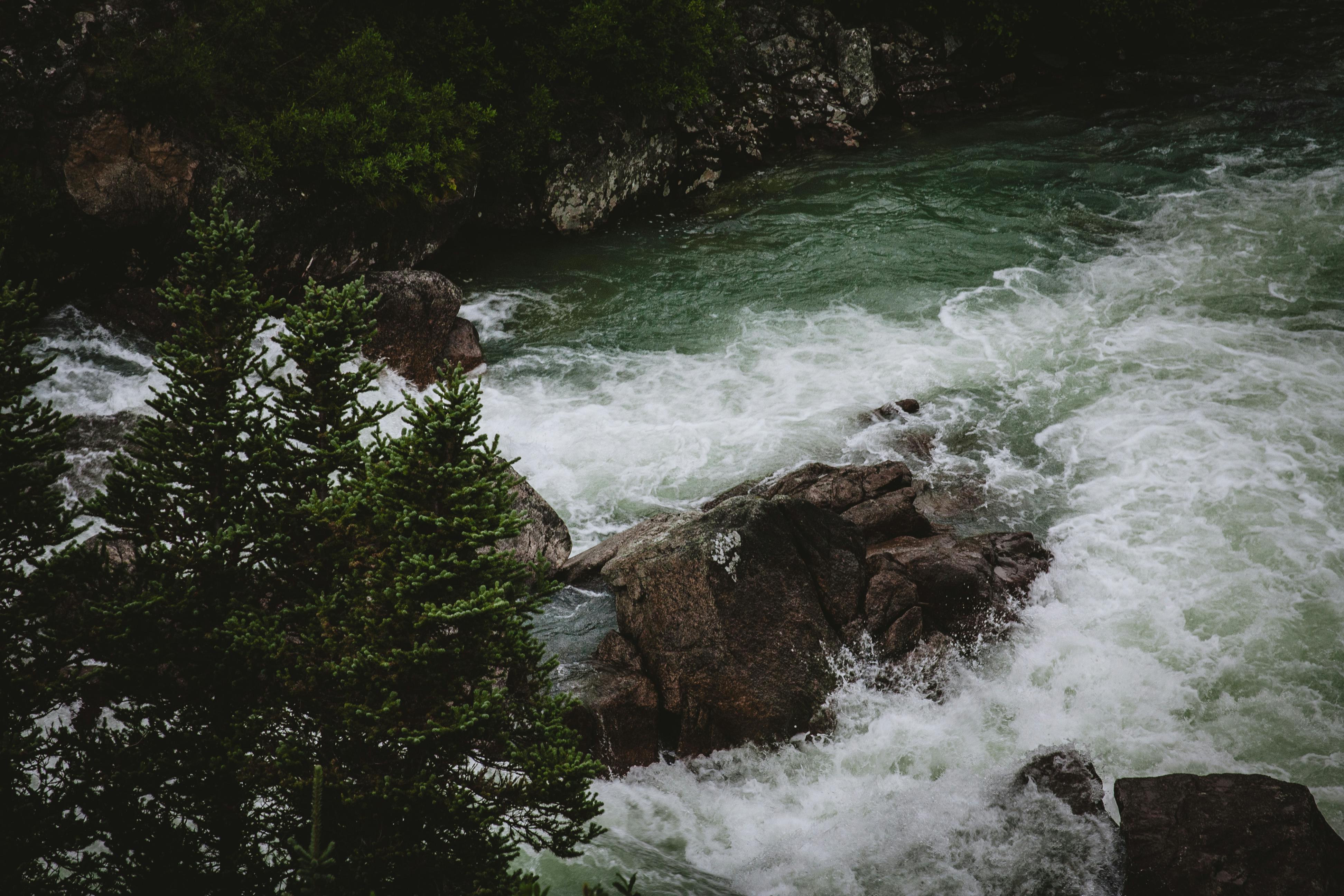
Nothing says safe quite like icy water tumbling over clean rocks in the mountains. It looks filtered by nature, sounds fresh, and often appears miles away from any obvious pollution source. That visual can create a false sense of security for hikers who assume speed and clarity equal purity.
In reality, mountain streams can carry Giardia, Cryptosporidium, E. coli, and other pathogens from wildlife, livestock, or human activity farther uphill. A dead animal, an upstream campsite, or runoff from grazing land may be all it takes. Even water that tastes cold and clean can still leave you dealing with cramps, vomiting, or diarrhea days later.
Crystal-Clear Alpine Lakes
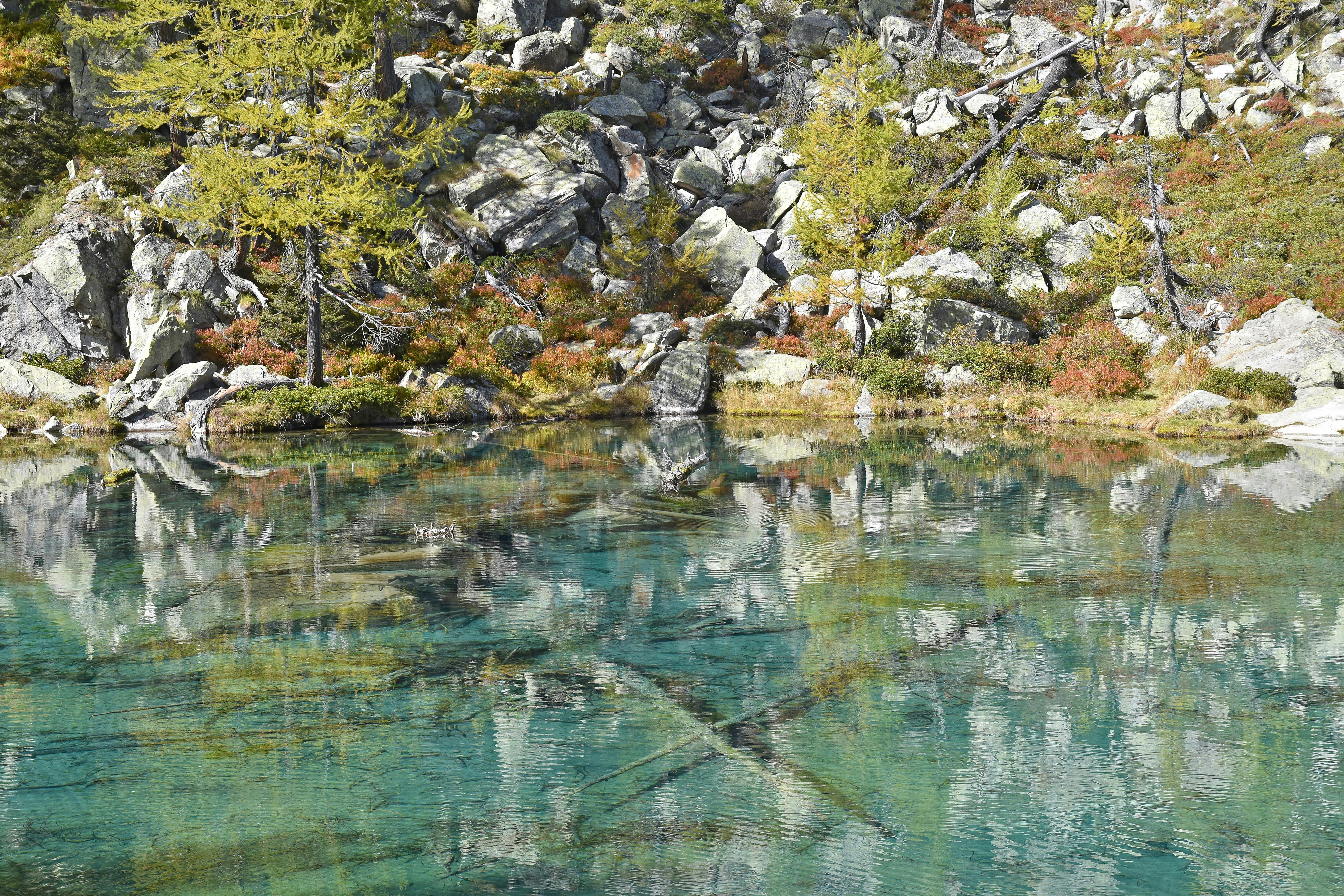
Alpine lakes often look like bottled water on a giant scale. Their glassy surfaces and blue-green color make them feel untouched, especially when they sit high above towns and roads. For many campers, that beauty reads as proof that the water must be safe.
But a lake is still a collection basin, meaning anything entering the watershed can end up there. Animal waste, parasites, bacteria, and even naturally occurring contaminants can linger in seemingly perfect water. Because lakes are relatively still compared with streams, harmful organisms may remain concentrated near shorelines where people are most likely to scoop and drink.
Snowmelt Trickles
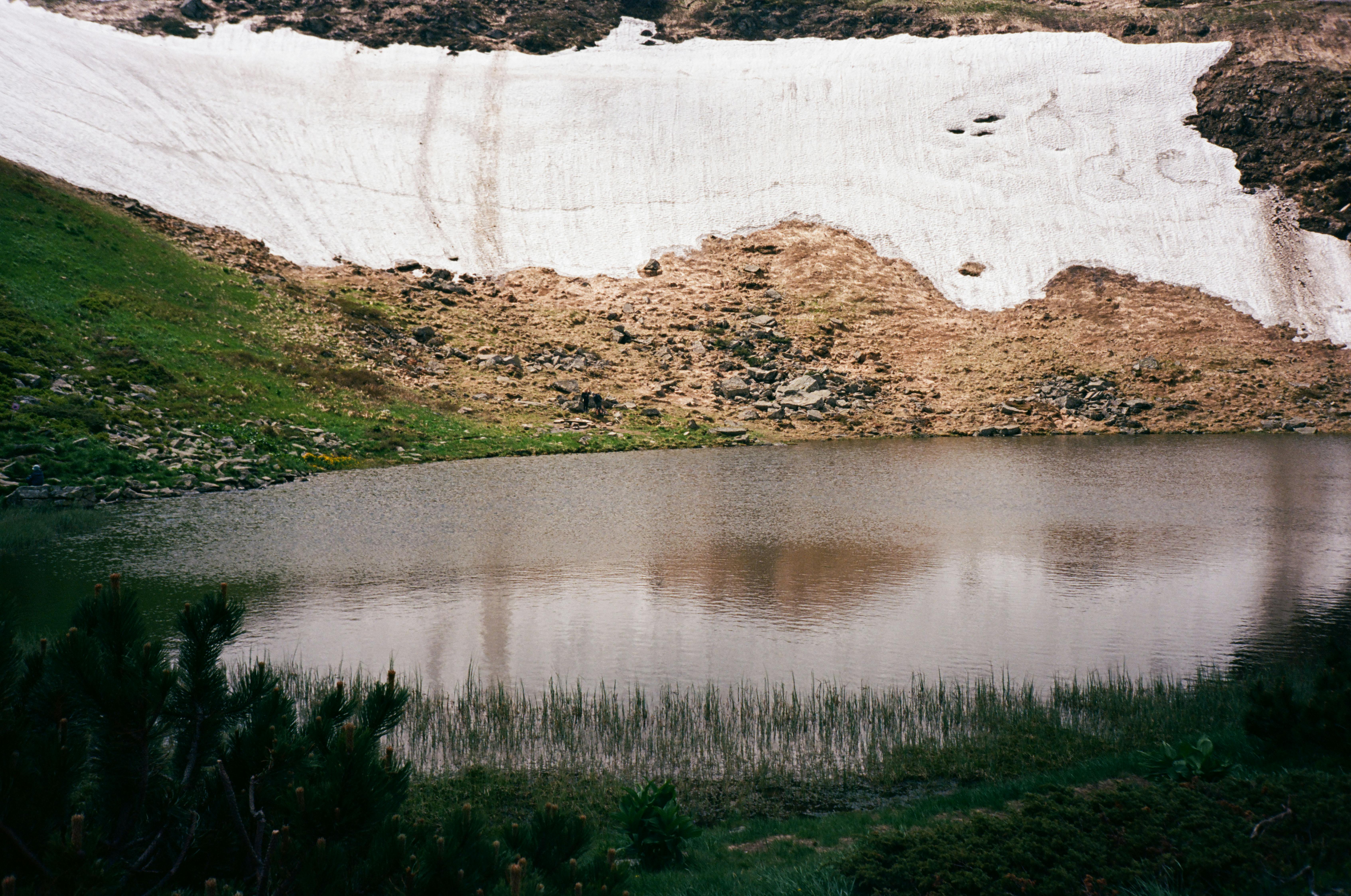
A tiny trickle of melting snow can feel like the purest water on earth. It is cold, often clear, and appears to come straight from a clean white snowfield. That image is powerful, and it convinces plenty of people that treatment is unnecessary.
The problem is that snow and ice can collect airborne pollutants, dust, and microbes long before they melt. Once the water begins running downhill, it can also pick up contamination from soil, animal droppings, and decaying material. Even fresh-looking snowmelt is not automatically sterile, especially lower on the slope where that small stream has already touched the landscape.
Natural Springs

People love the romance of a spring bubbling straight from the earth. It sounds ancient, pure, and somehow self-filtered. In many places, locals even treat springs as trusted drinking spots simply because the water emerges naturally and looks remarkably clear.
That confidence can be misplaced. Springs can be contaminated by septic systems, animal waste, agricultural runoff, or surface water entering underground channels. Clear spring water may also contain dissolved minerals or chemicals that are impossible to see. Unless a spring is regularly tested and protected, there is no reliable way to know if that inviting flow is actually safe to drink.
Beaver Ponds

Beaver ponds often look peaceful and surprisingly clean from a distance. The water can appear calm and reflective, framed by reeds and trees in a way that feels almost storybook-perfect. That surface beauty hides the fact that these areas are among the last places you want to drink untreated water.
Stagnant conditions, decaying organic matter, and heavy wildlife activity create a prime environment for bacteria and parasites. Giardia is frequently associated with watersheds used by mammals, and beaver habitat has long carried that reputation in outdoor lore for good reason. The pond may look quiet and fresh, but the microbial load can be anything but gentle.
Ponds With No Visible Algae
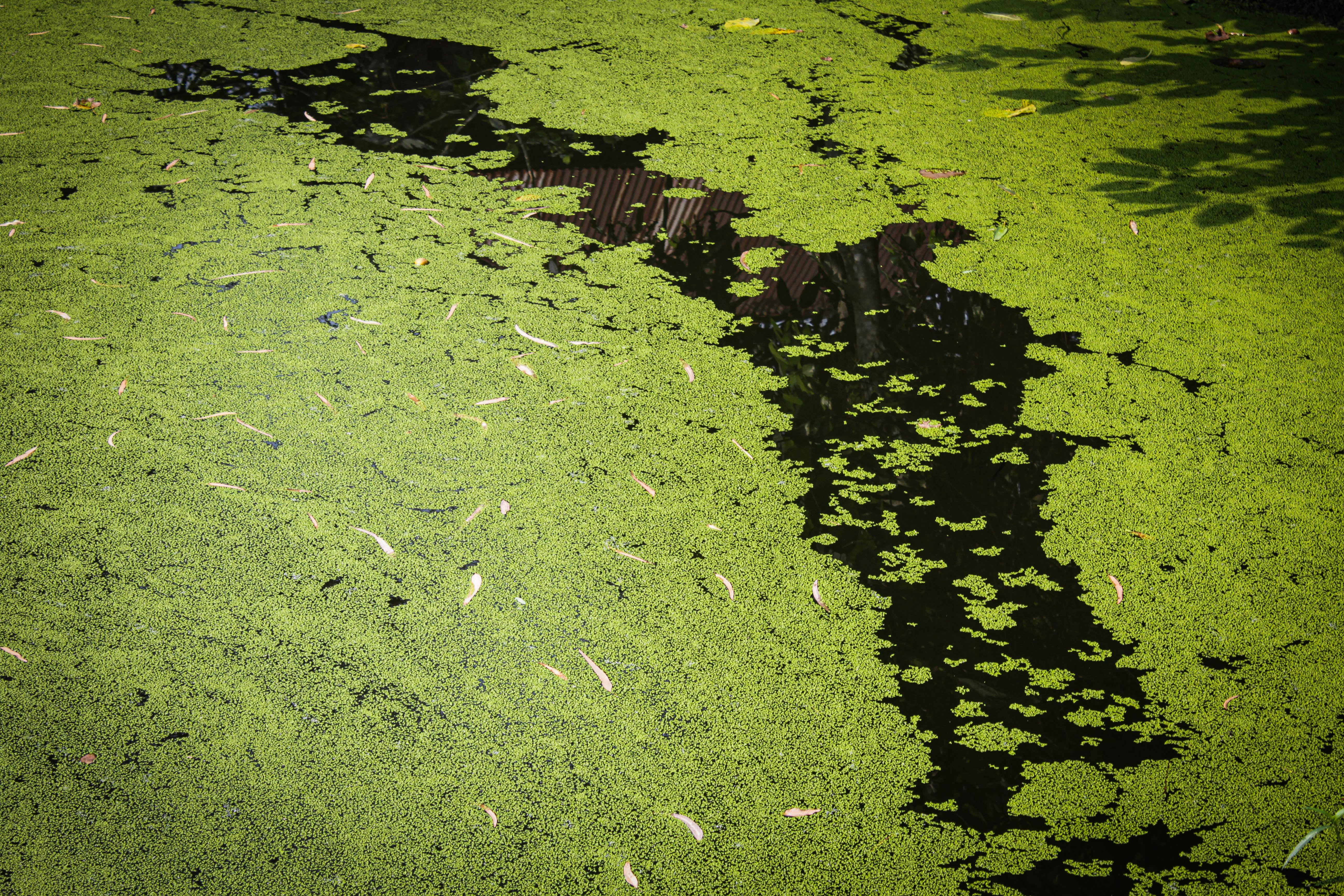
If a pond is not green, slimy, or foul-smelling, many people assume it is probably fine. A still pond with clear water and a clean shoreline can seem harmless, especially if there are fish, birds, or signs of other life nearby. The absence of obvious scum can be very misleading.
Ponds warm up quickly, collect runoff, and tend to hold whatever enters them. That means bacteria, protozoa, and chemical residues can remain in the water even when it looks perfectly normal. Some harmful algal blooms are not dramatic neon slicks either. Toxins and pathogens can be present before a pond looks visibly unhealthy.
Slow Rivers Near Farmland
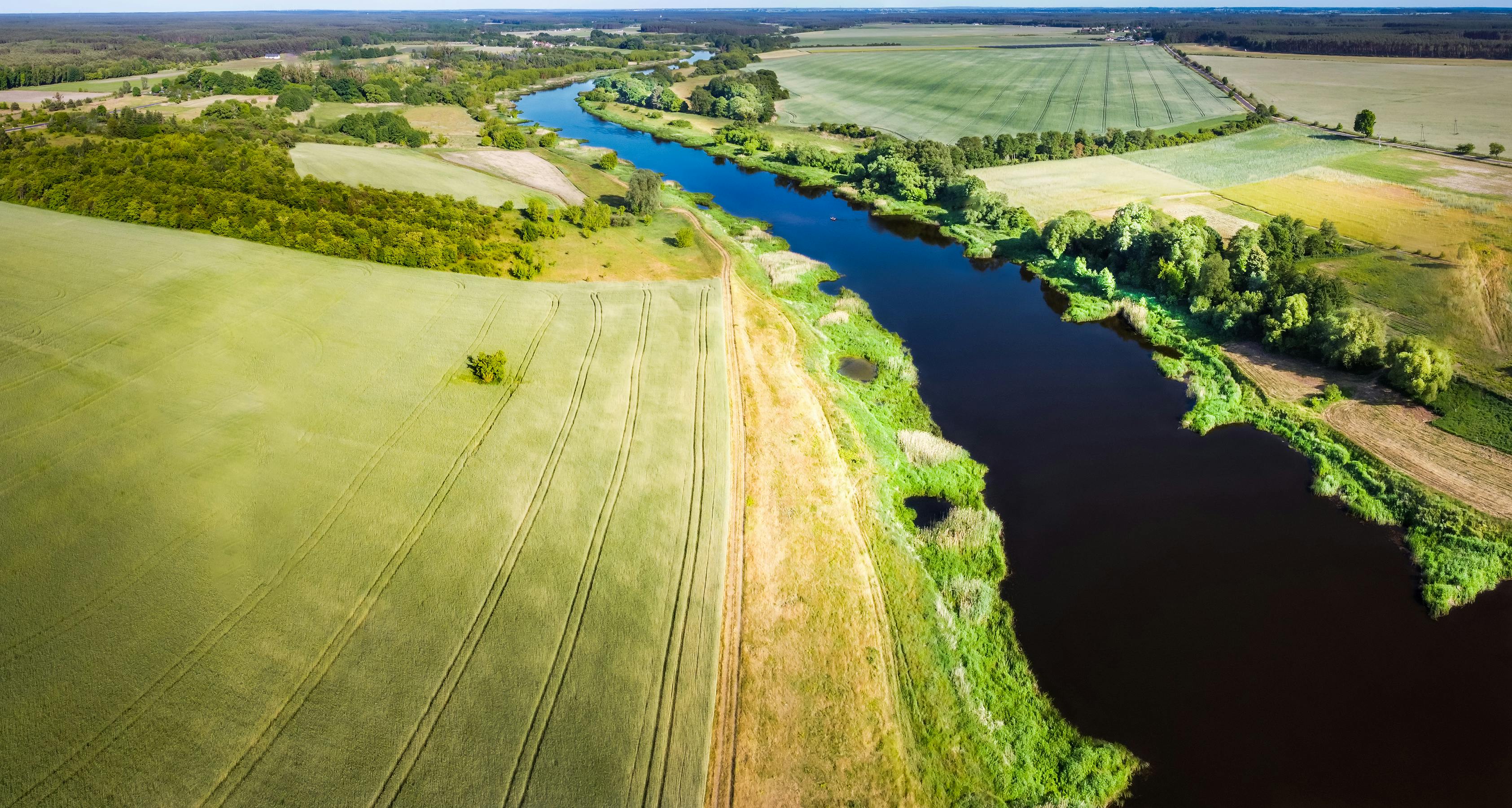
A broad, slow river winding through open country can look deceptively wholesome. It may appear fresh, natural, and constantly renewed, especially when the water is not muddy and there is no obvious industrial site in sight. That rural setting can make the risk feel lower than it really is.
Rivers near agricultural land may carry fertilizer, pesticides, manure, and disease-causing microbes washed in by rain. Even when contamination is diluted, it does not disappear. Slow-moving sections can also allow sediment and pathogens to linger. What looks like a peaceful country waterway may actually be transporting a whole mix of invisible hazards downstream.
Water Collected in Rock Basins
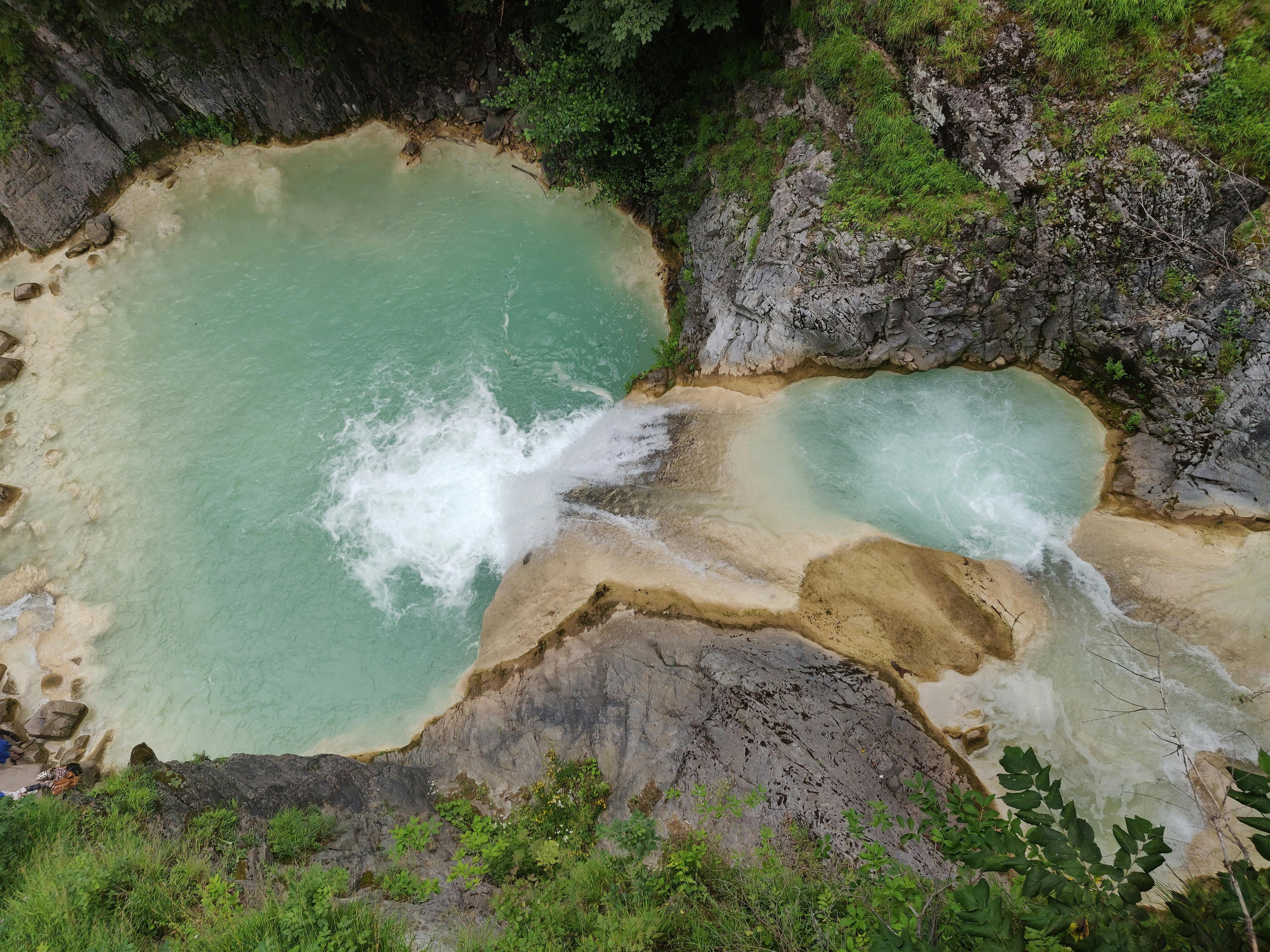
Natural depressions in stone often hold rainwater that looks surprisingly inviting. The basin itself seems clean, the water can be clear, and the setting gives the impression of a neatly contained little reservoir. For thirsty hikers, it can seem safer than a muddy puddle or marshy edge.
But water trapped in rock basins is still standing water, and it can collect insects, bird droppings, animal saliva, and windblown debris. Warm temperatures make matters worse by encouraging microbial growth. Because the volume is usually small, contamination can become concentrated quickly. A beautiful rain pool in a rock hollow is still a gamble if you drink it untreated.
Desert Tinajas and Pools
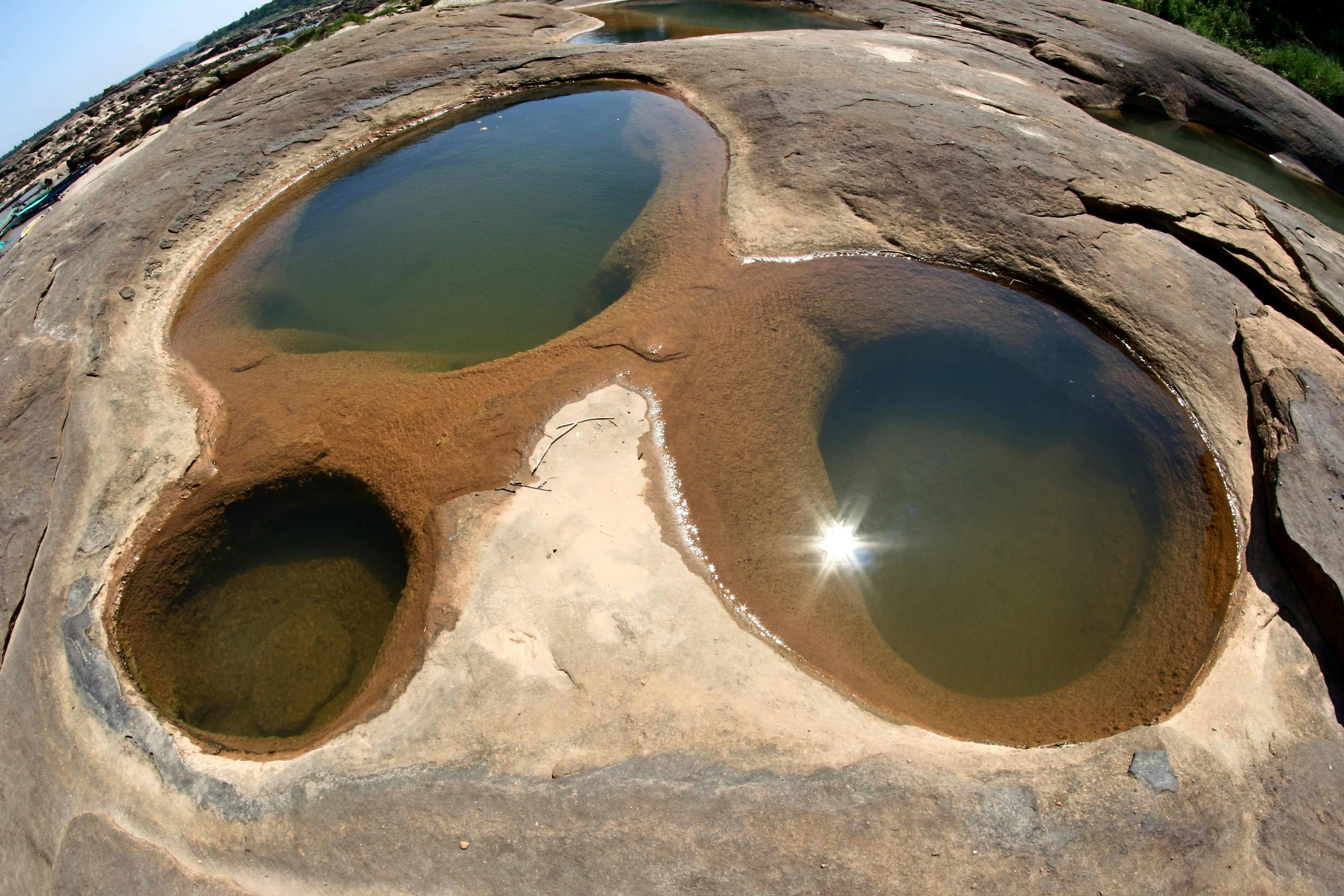
In dry landscapes, any water can feel like a miracle. Desert tinajas, slickrock pools, and shaded catchments often look clear because there is little soil suspended in them. That visual clarity can tempt travelers to think they have found a rare and reliable source in an otherwise harsh environment.
Desert water holes are often heavily used by wildlife, which means contamination can build up fast in a small volume. Heat, evaporation, and organic matter can make those pools even riskier over time. The fact that the water is precious does not make it clean. In many cases, it simply means every animal around depends on the same source.
Fresh Snow
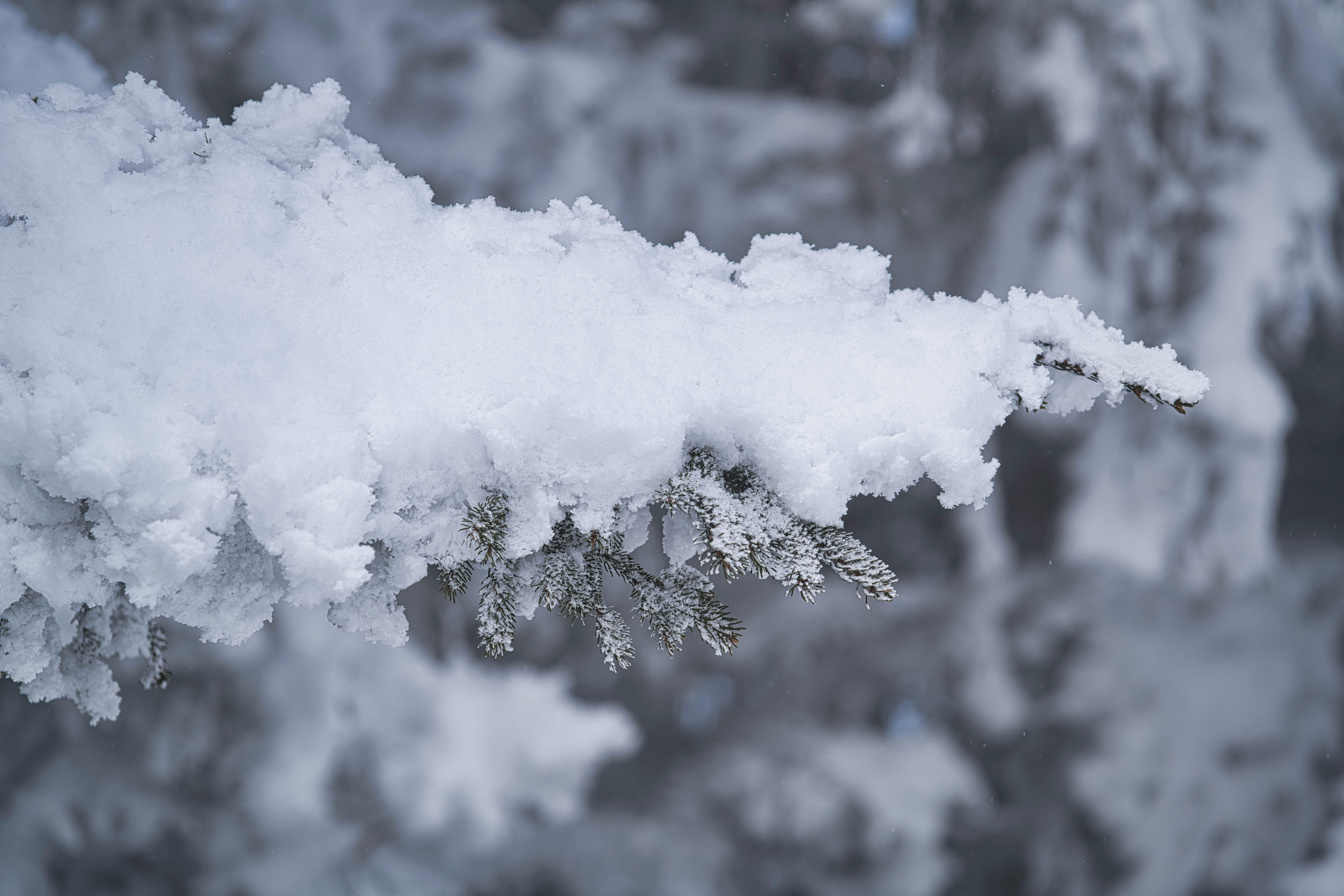
Fresh snow looks about as clean as nature gets. It falls from the sky, appears bright white, and feels far removed from mud, animals, and the messiness of the ground. That image leads many people to think they can simply melt and drink it without worrying much.
Snow can capture airborne pollutants, soot, bacteria, and tiny particles as it falls. Once on the ground, it can also pick up contamination from boots, animals, and surrounding surfaces. Melting it does not remove microbes or chemicals. It is also worth remembering that eating or melting snow without proper planning can chill the body fast, which creates a separate survival problem.
Rainwater Caught in Leaves and Tree Hollows
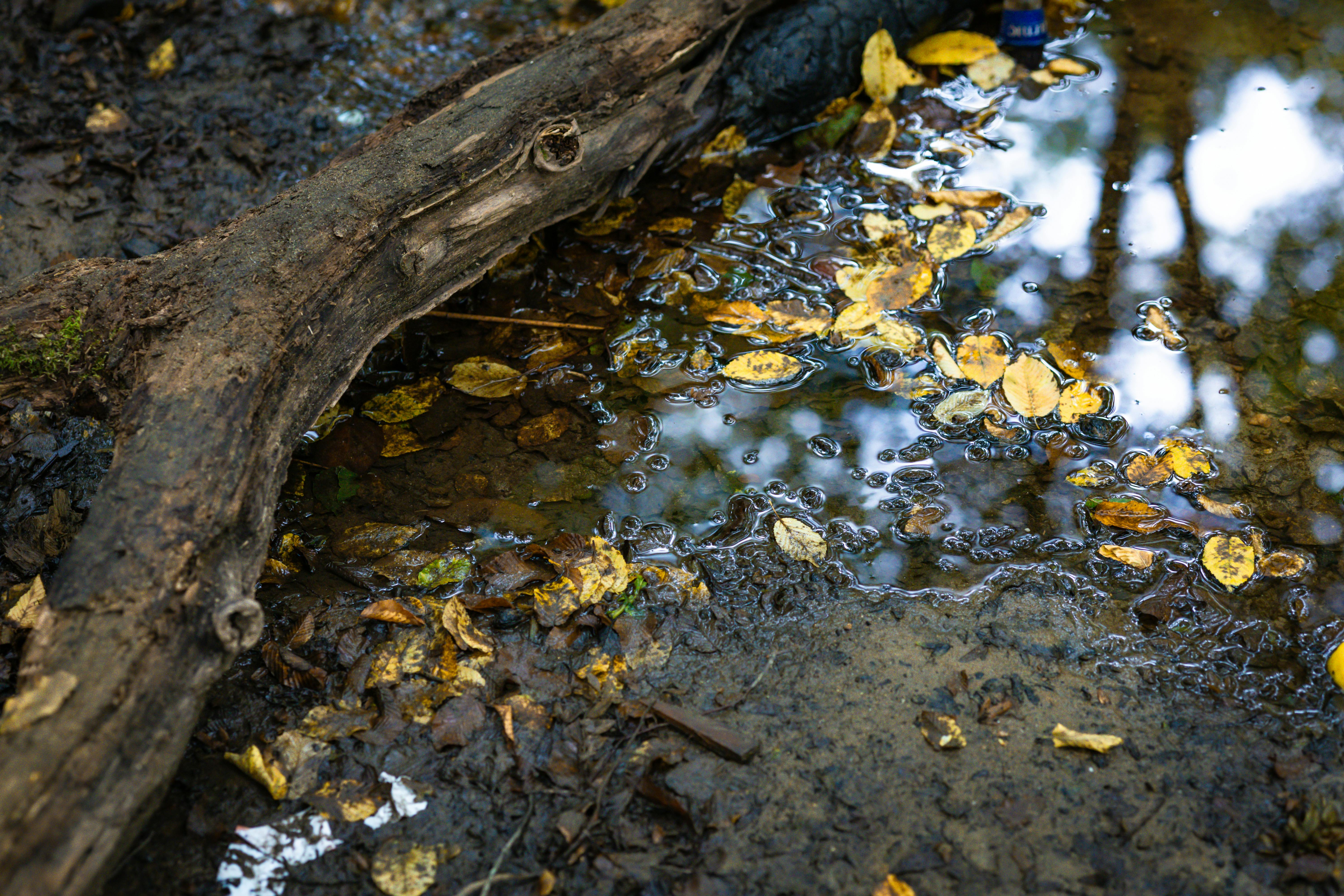
Water pooled in large leaves, fallen logs, or tree hollows often looks like a survival movie gift from nature. It may seem freshly collected and isolated from dirt, especially after a recent rain. In a pinch, that kind of water can look far cleaner than a stream bank churned up by animals.
The trouble is that these tiny reservoirs are magnets for insects, larvae, bird droppings, and decaying organic material. They also sit exposed to whatever lands in them between storms. Because the volume is so small, contamination becomes concentrated quickly. It may look delicate and refreshing, but biologically it can be surprisingly busy.
Cave Drips and Underground Pools

Water dripping inside a cave can seem naturally filtered and almost mystical in its purity. After all, it has moved through layers of rock and emerges clear, cool, and protected from surface debris. That setting makes underground water feel more trustworthy than exposed surface water.
Unfortunately, caves are not sterile environments. Water can carry bacteria from animal waste, especially in places used by bats or other wildlife, and it may also dissolve minerals or metals from surrounding rock. Underground pools can become stagnant as well. The water may look polished and pristine under a headlamp, but that does not mean it is safe without treatment.