Long before modern gear changed the field, hunters relied on dogs with sharp noses, steady nerves, and remarkable stamina. The breeds in this gallery have earned their reputations the old fashioned way, through generations of dependable work. From marshes and uplands to dense woods and open plains, these dogs continue to show why true ability never goes out of style.
Labrador Retriever
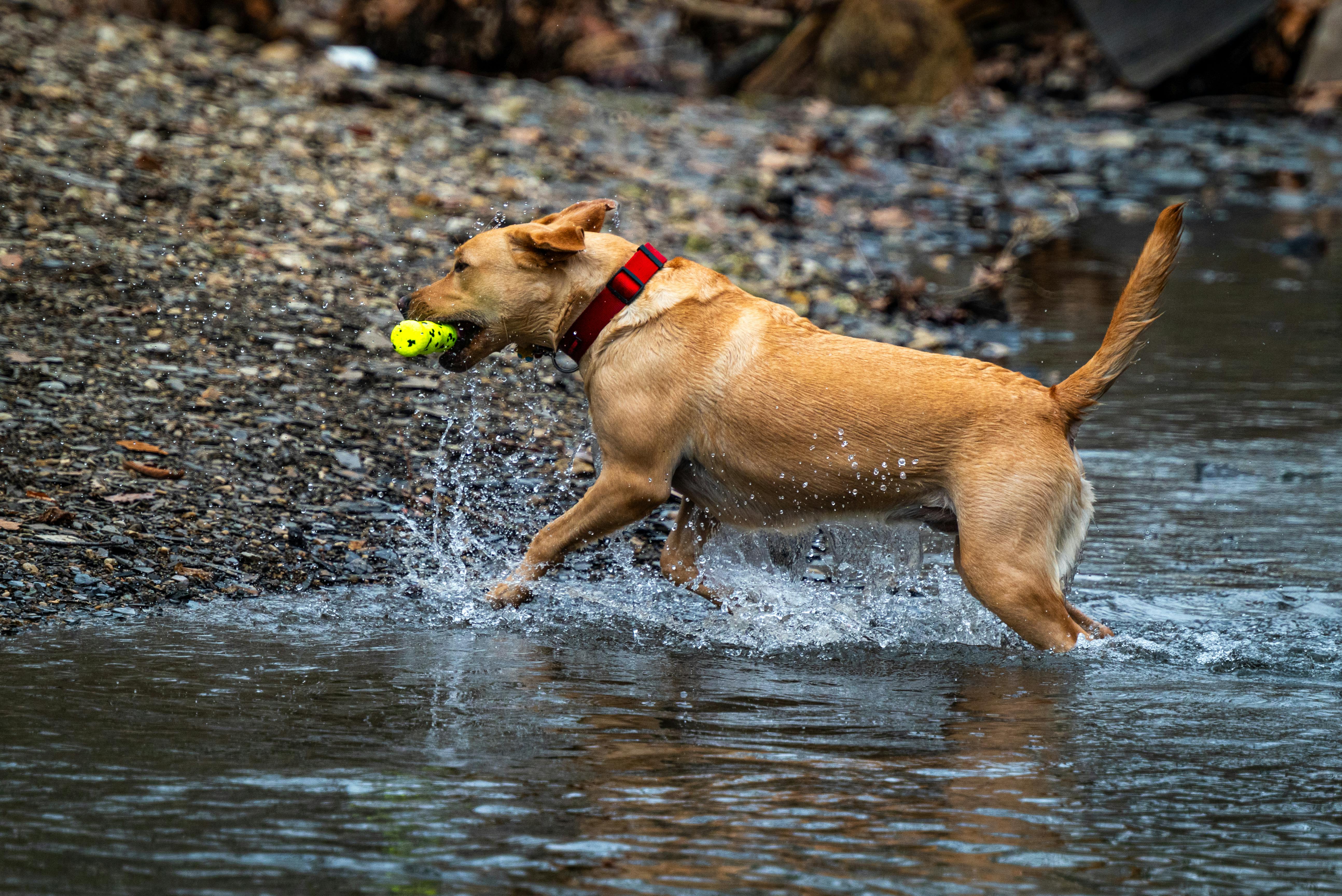
The Labrador Retriever has become a household favorite, but its field credentials are every bit as impressive as its family friendly image. Bred to retrieve game with a soft mouth and a willing spirit, the Lab is famous for handling cold water, thick cover, and long days without losing focus.
What keeps generations coming back is the breed’s rare balance of drive and steadiness. A good Lab is eager without being frantic, trainable without being timid, and athletic without being difficult to live with. That dependable versatility has made it one of the most trusted hunting companions anywhere.
German Shorthaired Pointer

Few breeds capture the image of an all around bird dog like the German Shorthaired Pointer. Built for speed, scenting, and endurance, it can point upland birds, track wounded game, and retrieve with enthusiasm. Its sleek frame and energetic style make it a standout in big country.
Hunters have prized this breed for generations because it brings intensity without losing cooperation. The German Shorthaired Pointer covers ground beautifully, yet still looks back to its handler for direction. That combination of athletic range and practical trainability is exactly why it remains a fixture in the sporting world.
Beagle
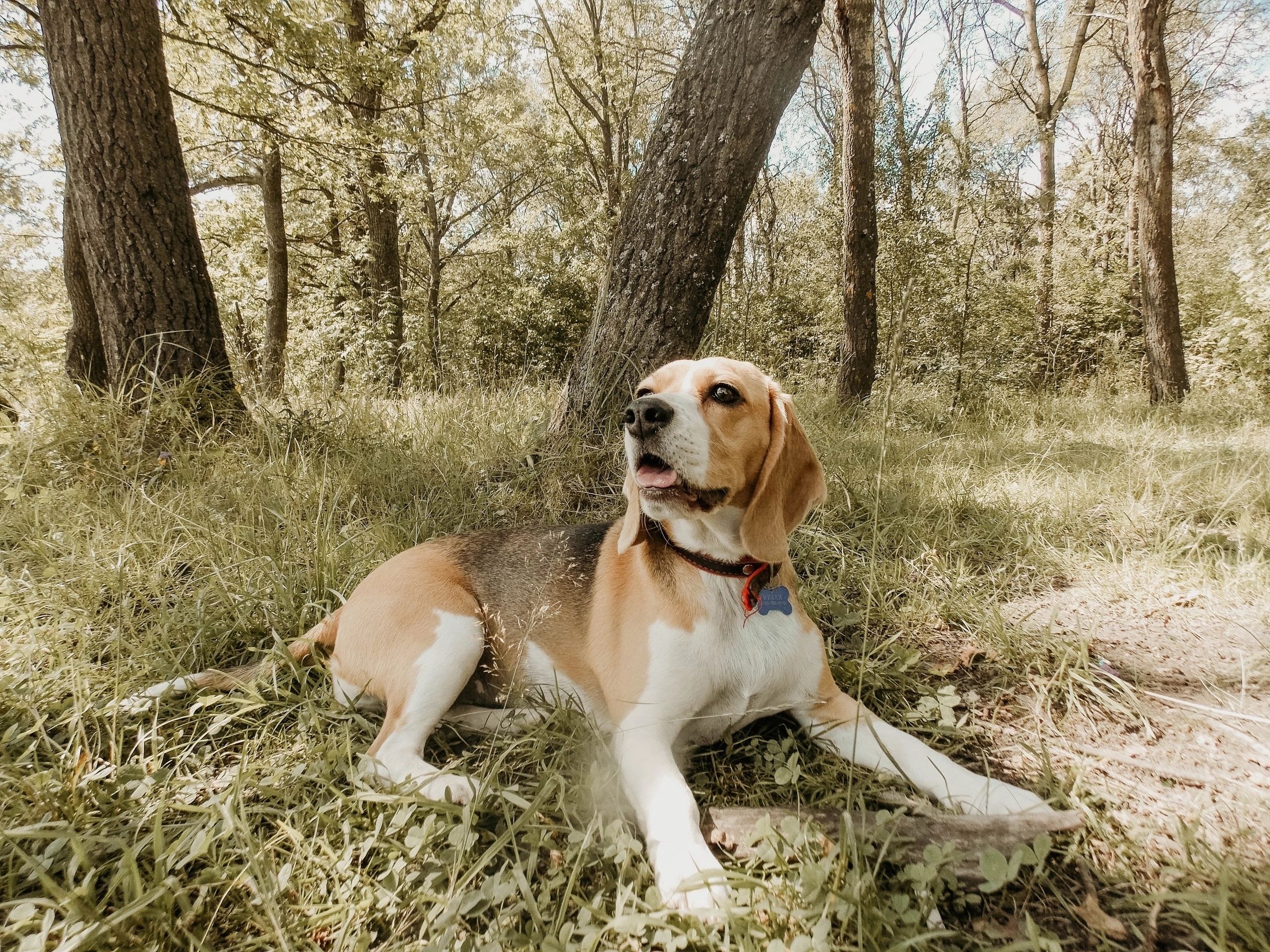
The Beagle proves that a smaller hound can deliver outsized performance. Best known for rabbit hunting, it works with a determined nose, a musical voice, and a level of persistence that has earned deep loyalty from hunters who appreciate classic scent hound style.
Its enduring value comes from honesty in the field. A Beagle follows the line, works patiently through changing scent conditions, and keeps the chase moving with admirable grit. Generations of hunters have trusted the breed not because it is flashy, but because it is reliable, hardworking, and wonderfully suited to its purpose.
English Springer Spaniel
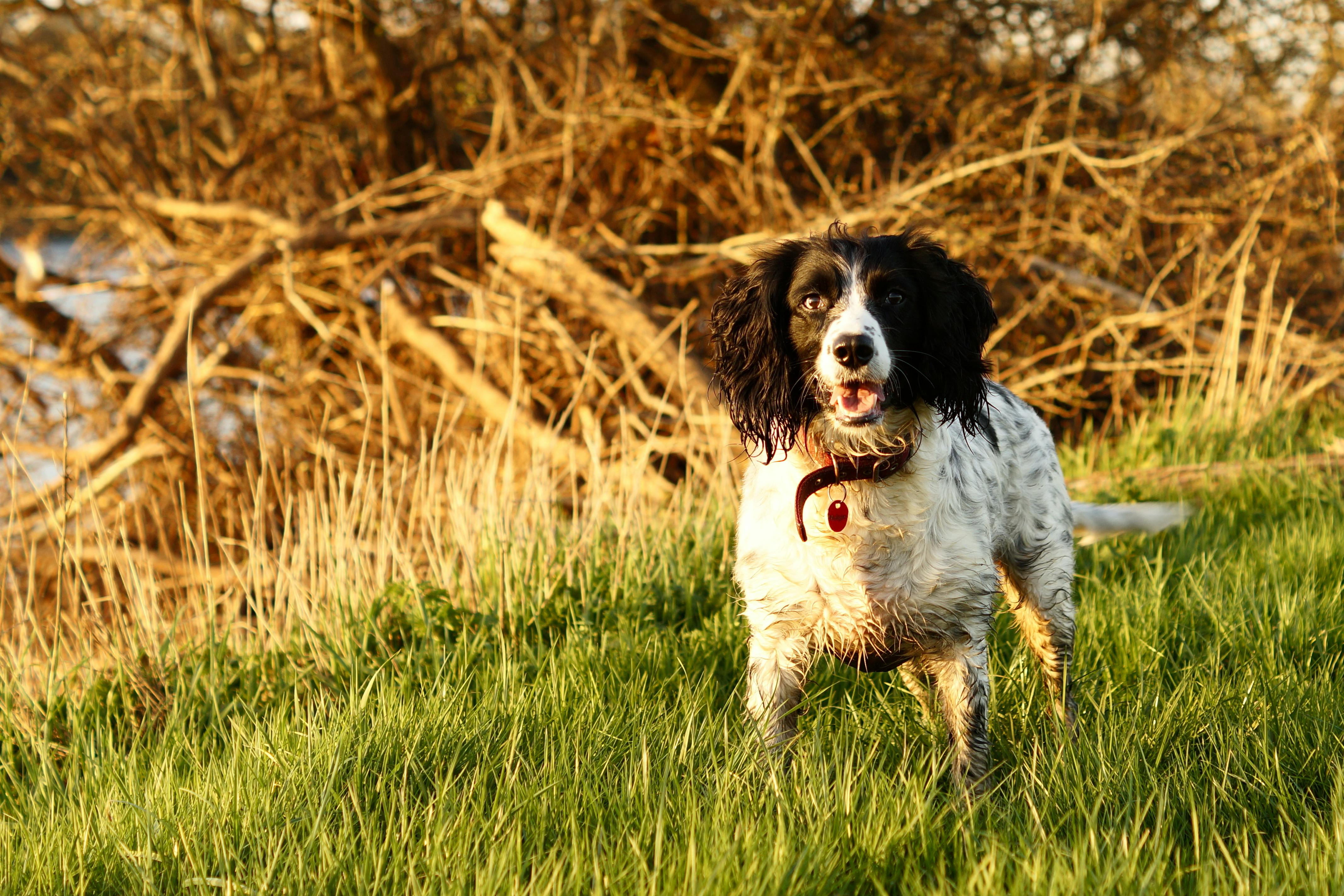
The English Springer Spaniel has long been cherished for the way it turns thick cover into opportunity. Lively, compact, and wonderfully game, it flushes birds with explosive energy and then shifts into retrieval mode with equal eagerness. In hedgerows, briars, and dense field edges, this breed shines.
What has preserved its reputation over time is its enthusiasm paired with genuine biddability. A Springer wants to work close, stay connected, and keep the action moving. That makes it especially appealing for hunters who value teamwork as much as raw instinct, and it explains why the breed still commands respect season after season.
Brittany
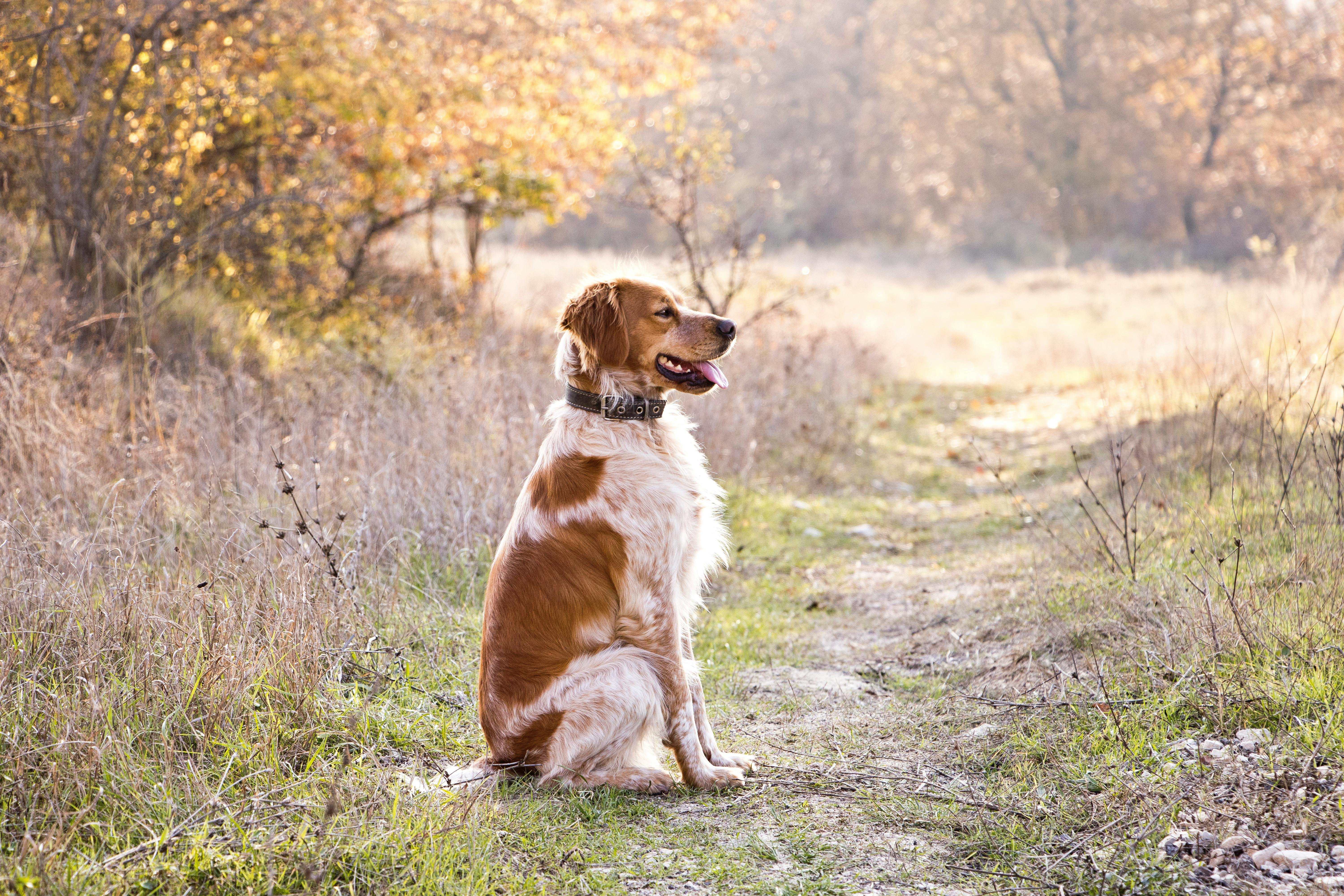
The Brittany has won devoted followers with its quick feet, bright mind, and natural bird sense. Though lighter and often faster than many traditional pointing breeds, it brings serious field ability to the uplands. Its style is animated, efficient, and full of purpose.
Hunters have kept the Brittany in their kennels for generations because it feels like a practical partner rather than a specialized challenge. It tends to mature into a close working, responsive dog that thrives on contact with its handler. That combination of stamina, intelligence, and approachable temperament gives the breed lasting appeal.
Bluetick Coonhound

The Bluetick Coonhound represents a rich American hunting tradition built on nose, voice, and determination. Known for trailing raccoons and other game through difficult terrain, it works with a deep commitment that has made it a favorite among hunters who respect stamina and grit.
Its appeal has lasted because the breed is honest about what it is meant to do. A Bluetick follows scent with confidence, announces the chase with its trademark bawl, and stays with the job when conditions get rough. That steadfastness, paired with unmistakable personality, has carried its reputation across generations.
American Foxhound

Lean, leggy, and built for distance, the American Foxhound is one of the great running hounds in sporting history. Developed to pursue foxes over varied terrain, it combines endurance, scenting ability, and a ringing voice that carries across open country.
What makes the breed endure is its efficiency in motion. An American Foxhound is made to keep going, to work as part of a pack, and to maintain purpose over long hours. For hunters who admire a classic hound with deep roots and serious staying power, its value has never really faded.
Chesapeake Bay Retriever
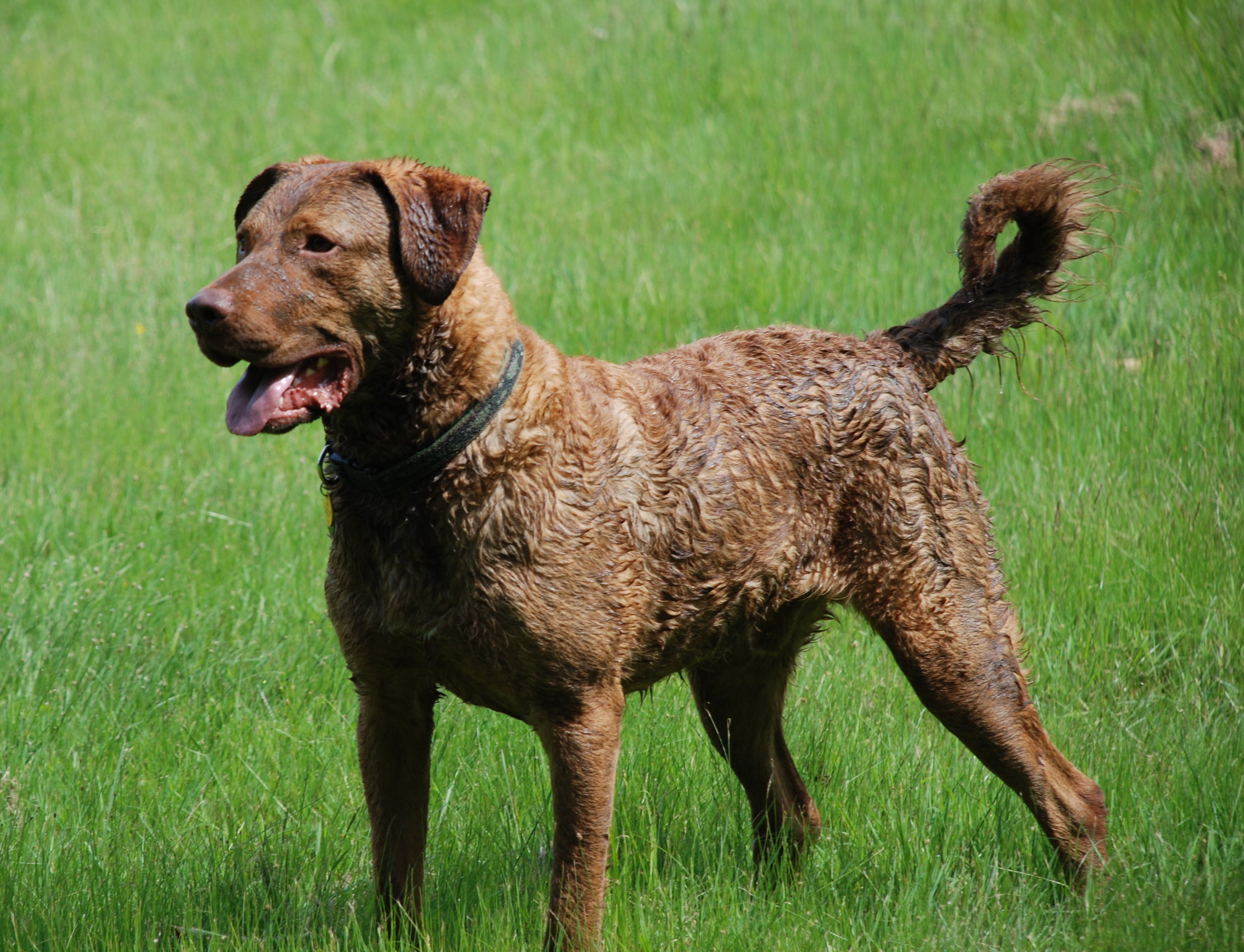
The Chesapeake Bay Retriever earned its name in hard conditions, and that heritage still shapes the breed today. Developed to retrieve waterfowl in cold, rough waters, the Chessie is powerful, weather resistant, and notably resilient. It is not a decorative retriever. It is a worker through and through.
Generations have respected the breed for its toughness and independence of mind. A Chesapeake Bay Retriever often brings a serious, determined approach to the job, especially where icy water and demanding retrieves test lesser dogs. That rugged competence is exactly why it continues to hold a special place among dedicated waterfowl hunters.
Irish Setter

Publicada por/Publish by: Luis Miguel Bugallo Sánchez/Wikimedia Commons
The Irish Setter is famous for its rich coat and graceful outline, but behind the beauty is a legitimate bird dog with a long field history. Bred to locate game birds with speed and style, it can cover ground elegantly while maintaining the instinct that made the breed valuable from the start.
Its reputation has survived because substance supports the showy silhouette. In the right hands, an Irish Setter brings flair, stamina, and a genuinely cooperative nature to the hunt. That blend of charisma and usefulness has helped the breed remain admired well beyond its striking appearance.
English Pointer

The English Pointer is often seen as the pure expression of pointing instinct. Clean lined, fast, and intensely focused, it is built to locate birds over wide stretches of country and freeze with unforgettable style. Few breeds look more natural doing the work they were born for.
Its lasting status comes from that singular excellence. Hunters who want a dog that can range boldly, scent accurately, and point with authority have trusted the English Pointer for generations. Even in a changing sporting landscape, its combination of elegance and effectiveness still feels timeless.
Cocker Spaniel
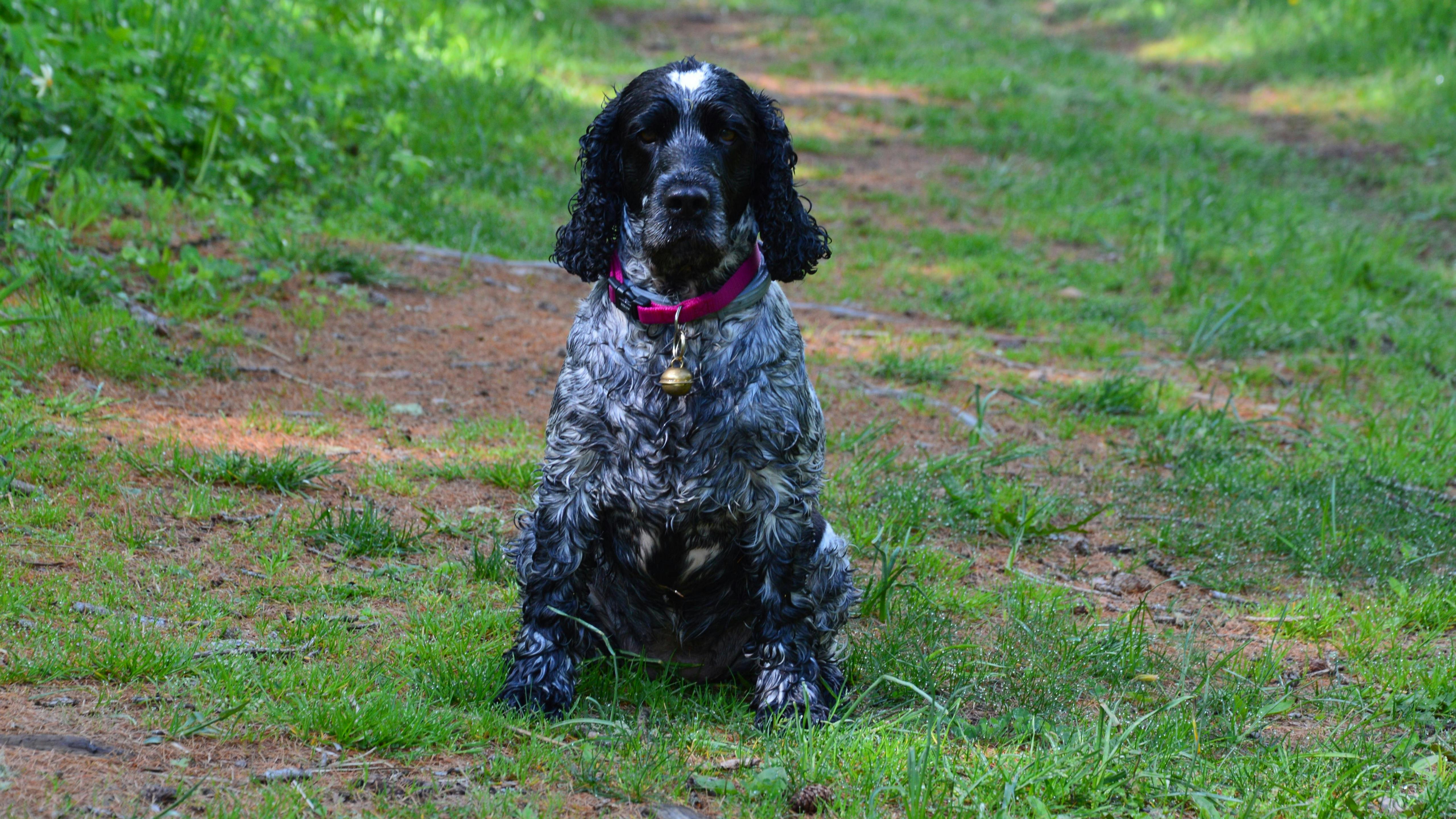
The Cocker Spaniel may be smaller than many field breeds, but it has carved out a proud hunting legacy of its own. Traditionally used to flush woodcock and other game from dense cover, it works close, moves quickly, and brings an eager attitude that keeps the hunt lively.
Part of the breed’s long appeal is how naturally it fits certain terrain and hunting styles. A good Cocker Spaniel turns brambles, thickets, and tight edges into productive ground without overwhelming the handler. Its cheerful temperament and genuine field usefulness make it easy to see why the breed has endured.
Weimaraner
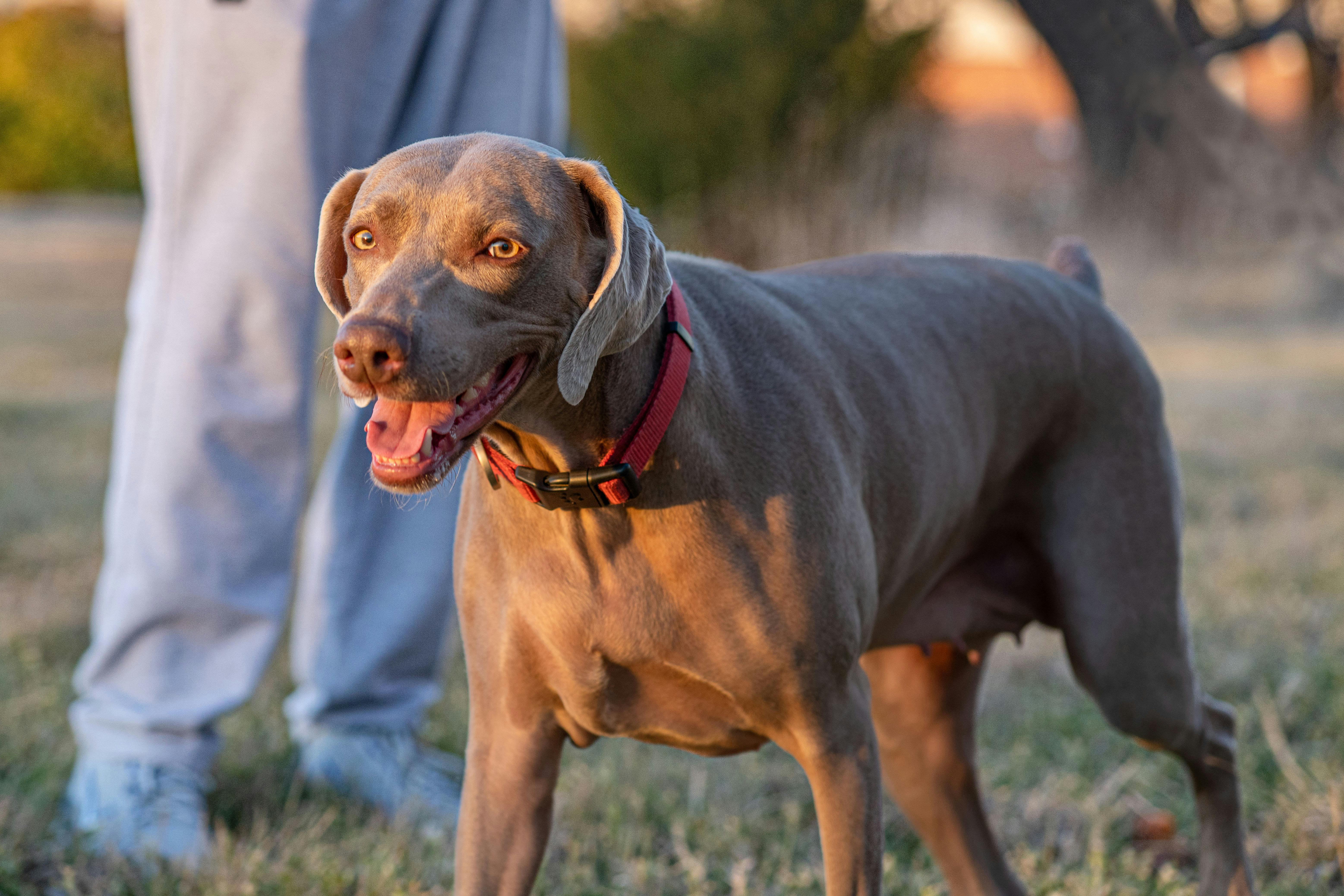
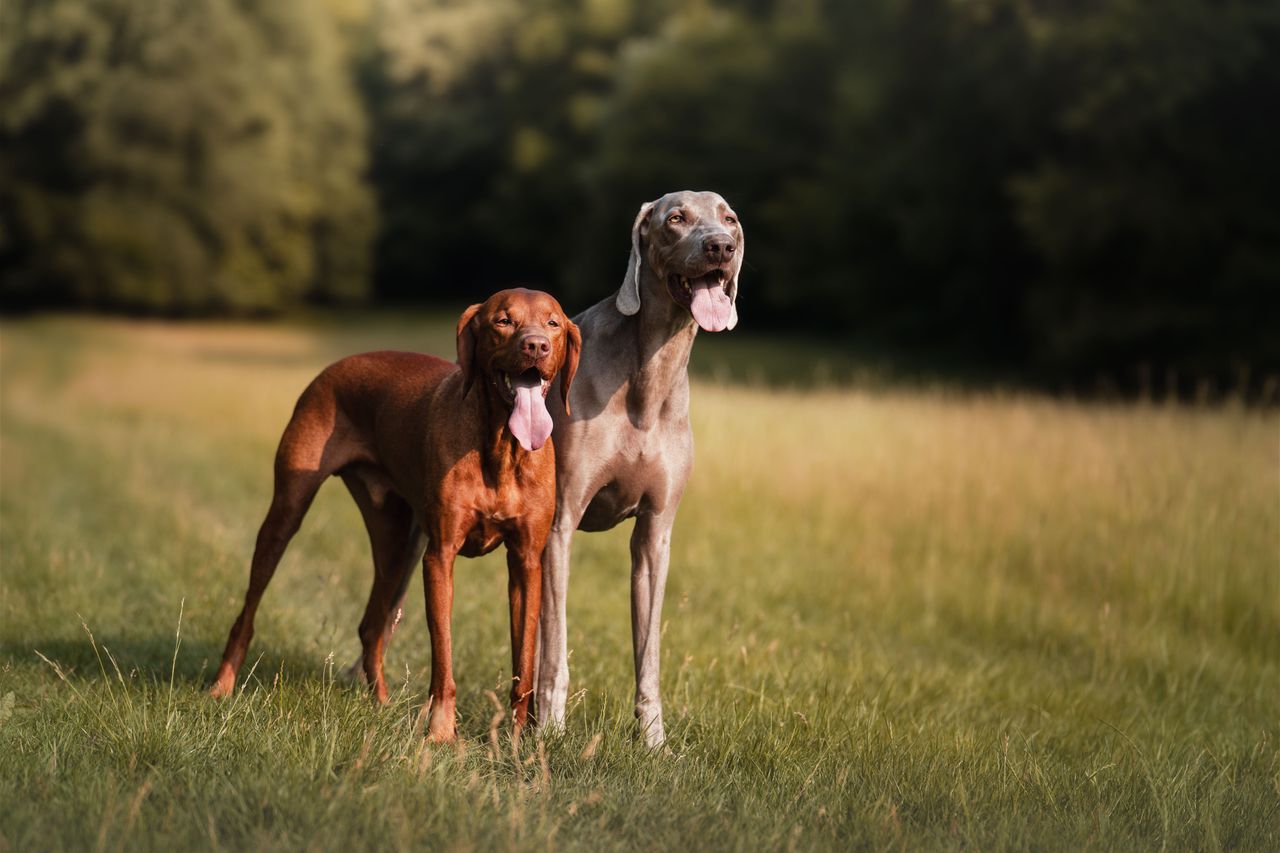
With its silver gray coat and striking eyes, the Weimaraner is hard to mistake, but the breed’s reputation was built on function before appearance. Developed in Germany for versatile hunting work, it has tracked, pointed, and retrieved game with a combination of speed, intelligence, and drive.
Its staying power comes from being more than just distinctive looking. The Weimaraner offers serious athletic ability and a strong desire to engage with its handler, especially when given structure and purpose. For generations, that versatility has kept it relevant to hunters who want one dog capable of many tasks.
Treeing Walker Coonhound

The Treeing Walker Coonhound is admired for speed, nose, and the thrilling way it drives a track. Bred to pursue game and tree it decisively, this breed has become a standout among American coonhounds for hunters who appreciate intensity with purpose.
Its value has lasted because the breed consistently delivers what the job demands. A Treeing Walker moves with urgency, handles changing scent conditions well, and gives voice in a way that lets hunters follow the action. That exciting combination of efficiency and determination has made it a mainstay across generations.
Vizsla

The Vizsla has long appealed to hunters who want a dog that is both elegant and deeply practical. Originally developed in Hungary, it is known for pointing and retrieving with speed, sensitivity, and a close working style that many handlers find especially rewarding.
The breed’s enduring reputation comes from its combination of heart and adaptability. A Vizsla tends to be responsive, affectionate, and highly engaged in the field, creating the sense of a true partner rather than a distant specialist. That warmth, paired with genuine sporting talent, has helped the breed remain treasured over time.
Plott Hound

The Plott Hound stands apart as a rugged American breed known for pursuing big game in demanding country. Muscular, tenacious, and bold, it has been trusted for tracking and treeing in terrain that asks a lot from any dog. This is a breed with real backbone.
Its worth has been proven through generations because it combines courage with practical hunting sense. A Plott Hound works hard, stays committed to the track, and brings the kind of durability that matters when conditions turn rough. For hunters who value toughness and tradition, it remains an impressive choice.