Crystal-clear water has a way of convincing people it must be clean. In reality, some of the most dangerous water sources look fresh, cold, and completely harmless at first glance. This gallery breaks down nine places people are tempted to drink from, and why that decision can lead to severe stomach illness, infection, or worse.
Mountain Streams
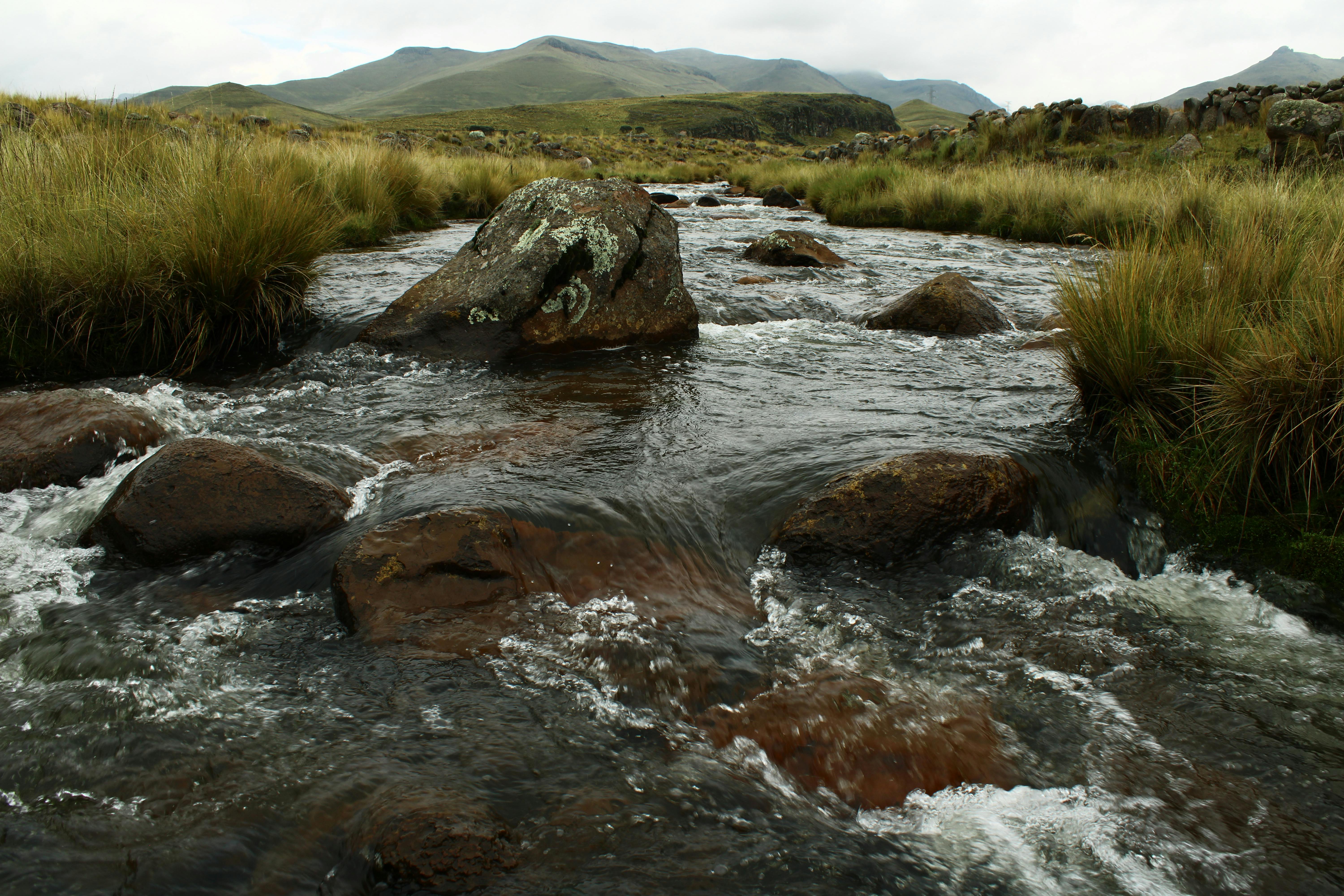
A fast-moving mountain stream often looks like the definition of purity. The water is cold, transparent, and flowing over rocks, which makes many hikers assume nature has already filtered it for them.
That confidence can be a mistake. Wildlife upstream can leave behind Giardia, Cryptosporidium, and other pathogens that are invisible to the eye. Even remote areas are not automatically clean.
Runoff from campsites, trail traffic, or decaying organic matter can also contaminate what seems like pristine water. If you are in the backcountry, clear water still needs treatment before it goes anywhere near your bottle.
Lakes With Clear Shorelines

A lake with glassy water and a clean-looking shoreline can seem perfectly safe, especially when you can see straight to the bottom. People often associate visibility with cleanliness, but that is not how water safety works.
Lakes can harbor bacteria, parasites, and harmful algal toxins even when they look beautiful. Because the water sits relatively still, contaminants can linger instead of being flushed away.
Animal waste, agricultural runoff, and warm temperatures can all make a clear lake a risky place to drink from. One swallow may not look dramatic in the moment, but the illness that follows can be intense and long-lasting.
Natural Springs by the Roadside
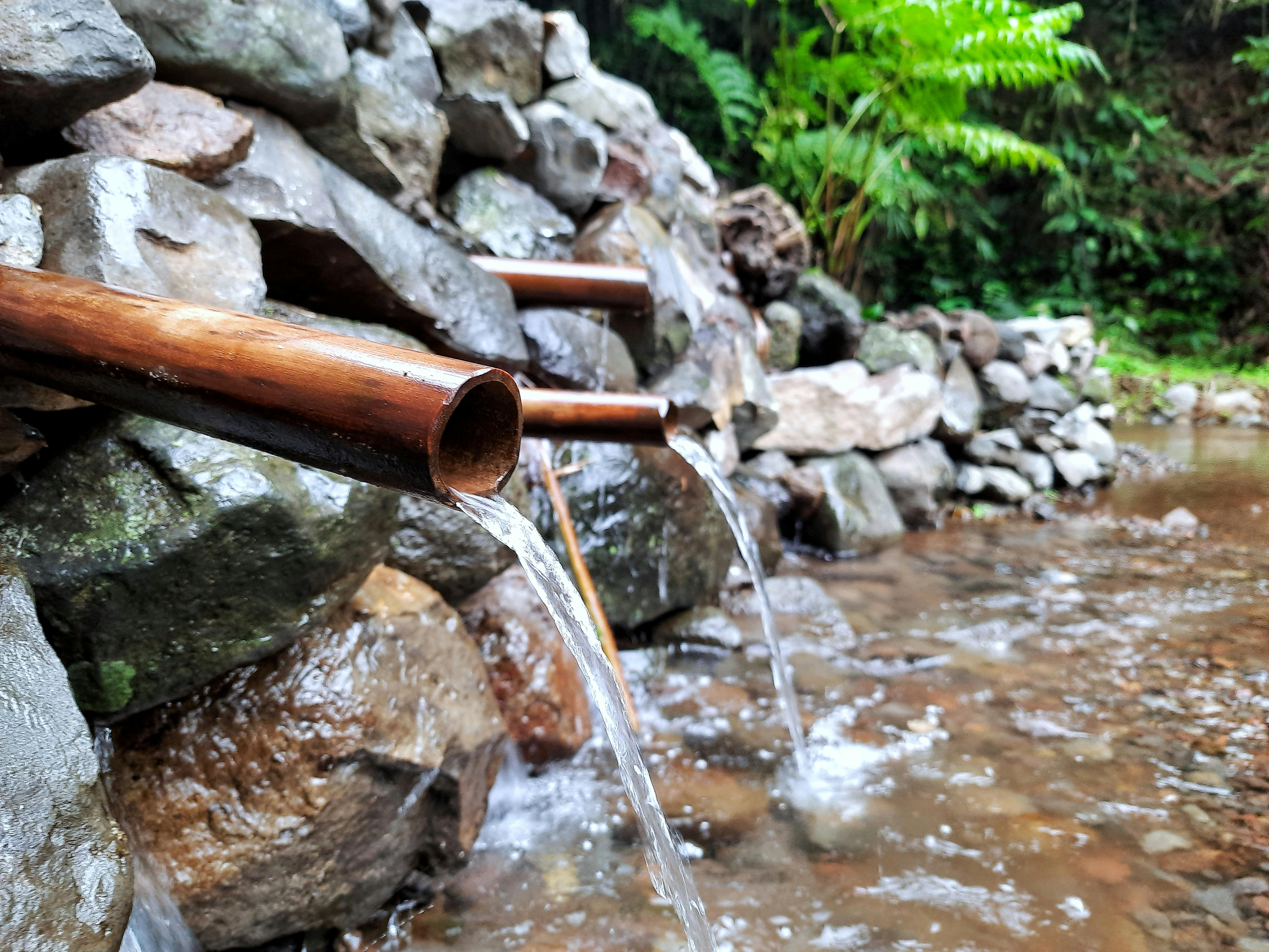
Roadside springs often attract drivers who fill bottles because the water seems fresh, local, and straight from the earth. The setting can feel old-fashioned and trustworthy, especially if others are lined up doing the same thing.
But unless the spring is tested regularly and clearly approved for drinking, there is no guarantee it is safe. Groundwater can pick up bacteria, viruses, or chemicals before it reaches the surface.
A pipe sticking out of a hillside is not proof of purity. Septic leaks, animal activity, and nearby land use can all affect what comes out, even if the water tastes cold and clean.
Rainwater Collected in Buckets

Rainwater seems like one of the purest water sources imaginable because it literally falls from the sky. That is why people often assume water caught in a bucket or barrel should be harmless in a pinch.
The problem is what happens during collection and storage. Rain can wash pollutants, bird droppings, dust, and roof debris into the container before you ever take a sip.
Once stored, the water can become a breeding ground for bacteria, mosquito larvae, and mold if the container is not properly maintained. Clean-looking rainwater may appear refreshing, but untreated collection water is not the same thing as safe drinking water.
Snow and Meltwater

Fresh snow has a reputation for being clean because it looks untouched and bright white. Meltwater dripping off rocks or gathered in a shallow pool can seem equally harmless, especially in cold environments.
Appearance is deceiving here, too. Snow can trap air pollution, ash, bacteria, and particles as it falls and settles. Once it melts, those contaminants can concentrate in the resulting water.
Meltwater may also pass through soil, animal areas, or decaying plant matter before collecting somewhere convenient. In survival stories it is often romanticized, but in real life, untreated snowmelt can still deliver a nasty case of gastrointestinal illness.
Streams Near Farms
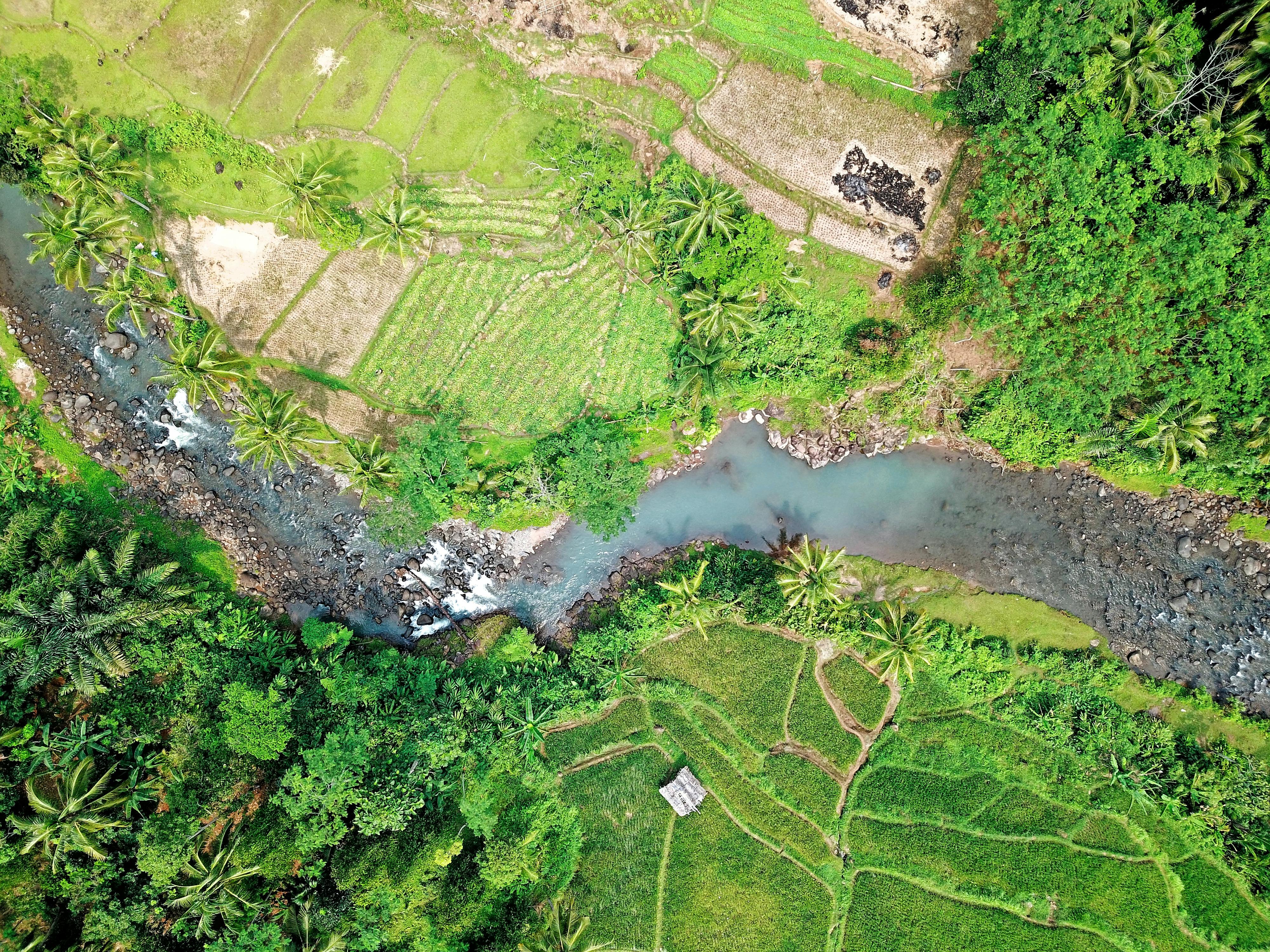
A small stream winding past open fields can look idyllic, almost like a postcard version of country life. Because the surroundings feel natural and peaceful, people may not realize how vulnerable that water is to contamination.
Agricultural areas often contribute runoff carrying manure, fertilizers, pesticides, and sediment. Heavy rain can wash all of it straight into nearby creeks and ditches, even when the water still looks clear.
That means a scenic rural stream may contain E. coli, nitrates, or chemical residues that can make you seriously sick. If farmland is anywhere upstream, the water deserves extra suspicion, not extra trust.
Waterfalls and Plunge Pools

There is something about a waterfall that screams freshness. The water is constantly moving, aerated, and often surrounded by dramatic rock, which makes it feel cleaner than a stagnant pond or muddy creek.
Unfortunately, motion does not equal safety. Everything happening upstream still matters, including wildlife activity, human waste, and polluted runoff. The plunge pool below can also collect microbes and debris.
People tend to trust waterfall water because it looks powerful and alive. But pathogens do not disappear just because the scene is beautiful. If you would not test the source above it, you should not assume the waterfall itself is safe to drink from.
Desert Seeps and Rock Pools
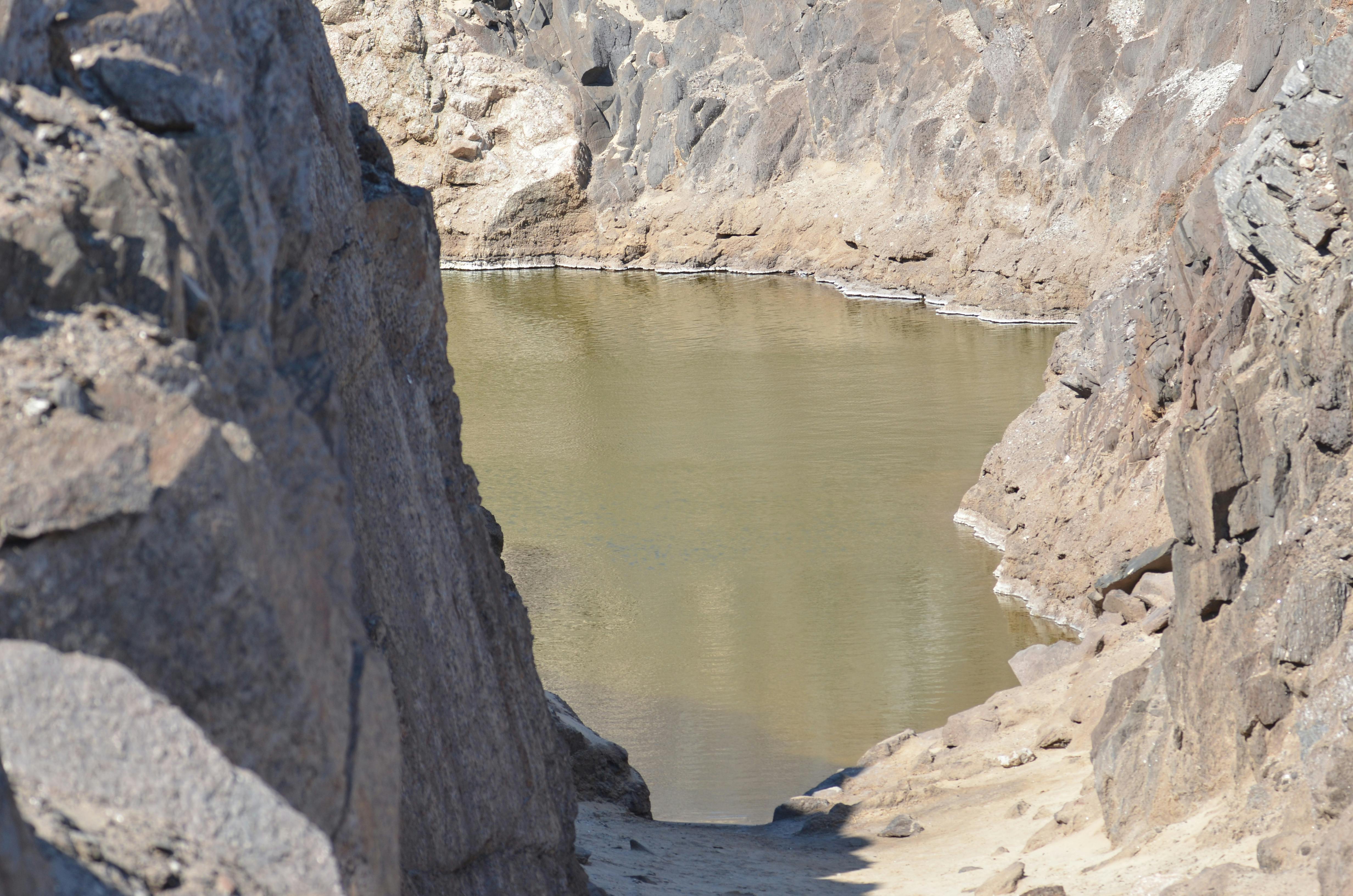
In dry landscapes, any visible water can feel like a gift. A shaded rock pool or tiny desert seep may look precious and untouched, especially if the water appears clear and still.
That scarcity is exactly why it can be risky. Animals often rely on the same source, leaving waste nearby or directly in the water. Because the volume is small, contaminants can build up fast.
Heat, evaporation, and mineral concentration can make the situation worse, turning a seemingly life-saving sip into a serious health problem. In arid environments, desperation can override caution, but these small water pockets are often far dirtier than they look.
Public Decorative Fountains
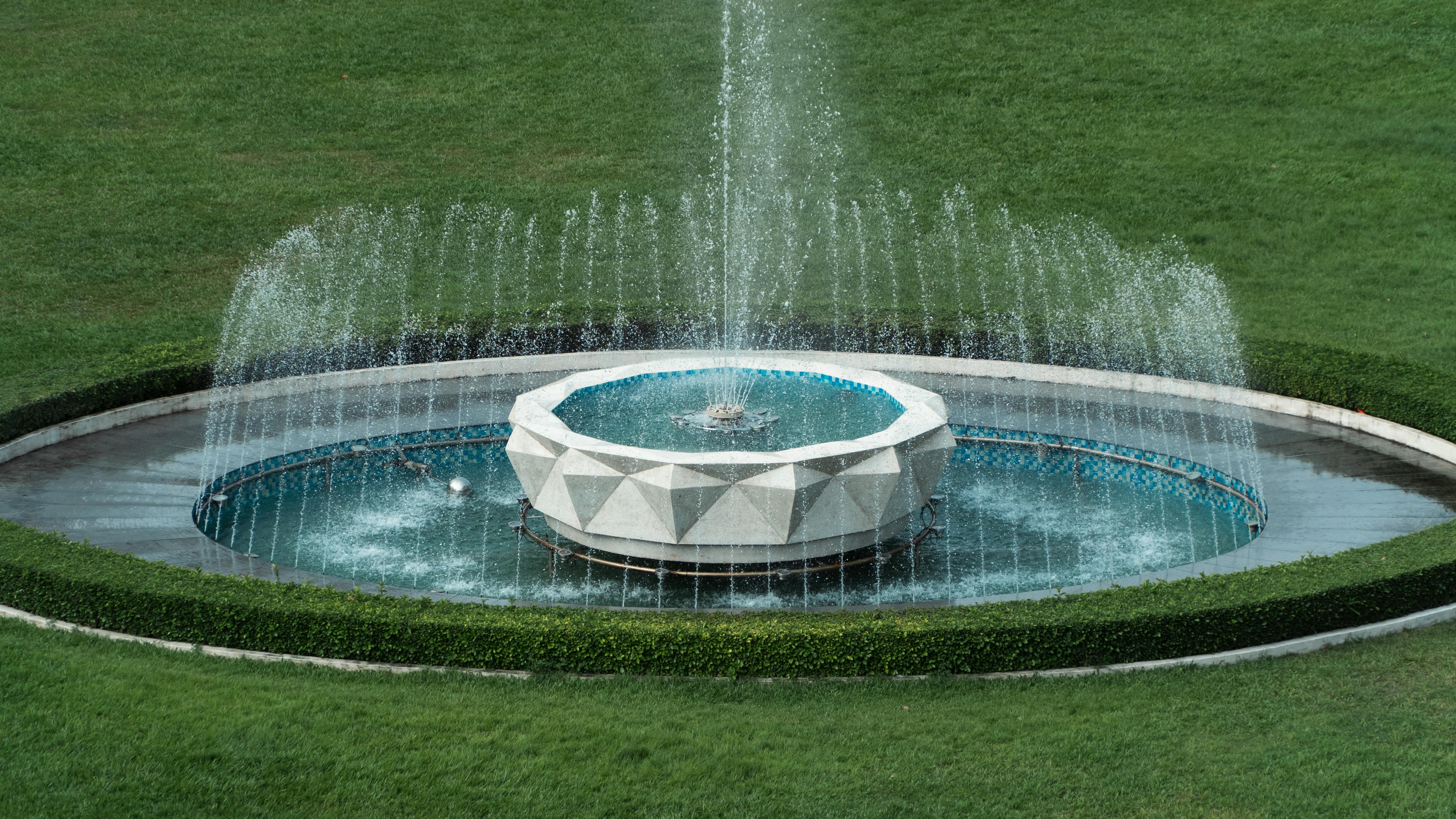
A decorative fountain in a park or plaza may use treated municipal water at some point, which makes people think a quick drink should be harmless. The water often looks clear, circulating, and surprisingly inviting on a hot day.
But once it is in the fountain, all kinds of contamination can happen. Birds bathe in it, children splash in it, and dirt, trash, and germs from the surrounding area can easily end up in the basin.
Maintenance focuses on appearance, not drinking safety. Some fountains also use chemicals or systems not meant for consumption. What looks like a convenient urban water source can be a shortcut to stomach trouble.
Tap Water After Flooding or Pipe Damage

Tap water is usually the most trusted source people have, which is why it can be especially dangerous when that trust continues after a flood, water main break, or major plumbing issue. It may come out looking perfectly normal.
The problem is that contamination is not always visible. Floodwater can introduce sewage, chemicals, and bacteria into damaged systems, while broken pipes can allow dirty water to enter the line under pressure changes.
If local officials issue a boil-water advisory, it is not a suggestion. Even clear tap water can be unsafe until the system is tested and declared restored. In emergencies, normal-looking water can become one of the biggest hidden risks.