Some of the most interesting rifle stories begin long before a designer had a factory, a military contract, or even formal engineering training. Several famous firearms were preceded by experiments made when their creators were teenagers. These early projects were rarely finished military weapons, but they revealed the mechanical instincts that later produced influential rifles. From John Browning’s spare-parts experiments to John Garand’s remarkably early patent work, these stories show how youthful curiosity could eventually develop into serious firearm engineering.
1. Winchester Model 1885
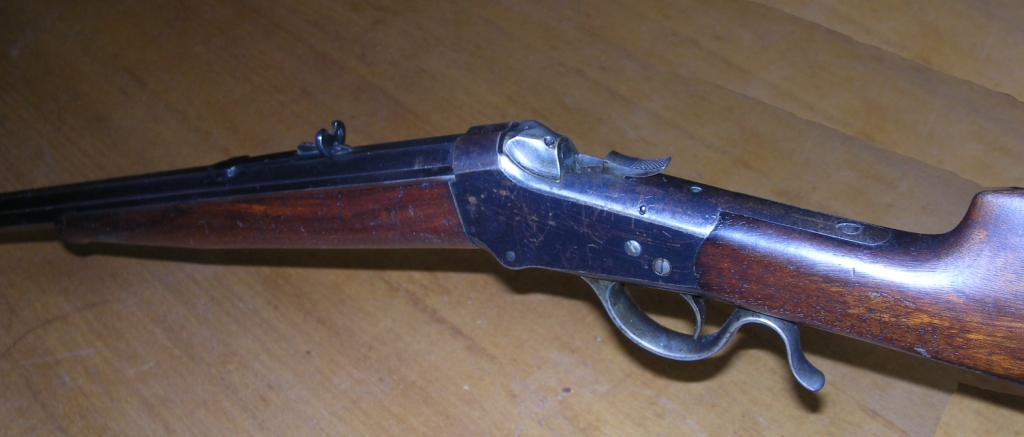
John Moses Browning’s first serious rifle work grew from an unusually early start. Browning’s company history records that he assembled a slide rifle from spare parts in 1869, when he was 14. His famous single-shot rifle, however, was designed in 1878, when he was 23, and patented in 1879. Winchester later bought the rights and introduced it as the Model 1885. The rifle became known for its strong falling-block action and broad chambering range. The teenage project was not the finished Model 1885, but it shows how early Browning’s practical firearm education began.
2. Lee Model 1879

James Paris Lee built his first firearm at only 12, using an old horse-pistol barrel, a walnut stock, and a priming pan made from a halfpenny. That homemade gun was decades ahead of his famous adult work, but it reveals where his interest began. Lee later developed the Model 1879, an early bolt-action rifle using a detachable box magazine. The combination was important because the magazine could be removed and replenished instead of relying on a fixed internal system. Lee’s teenage experiment did not become the military rifle, but it started a career that influenced later service rifles.
3. Spencer Repeating Rifle
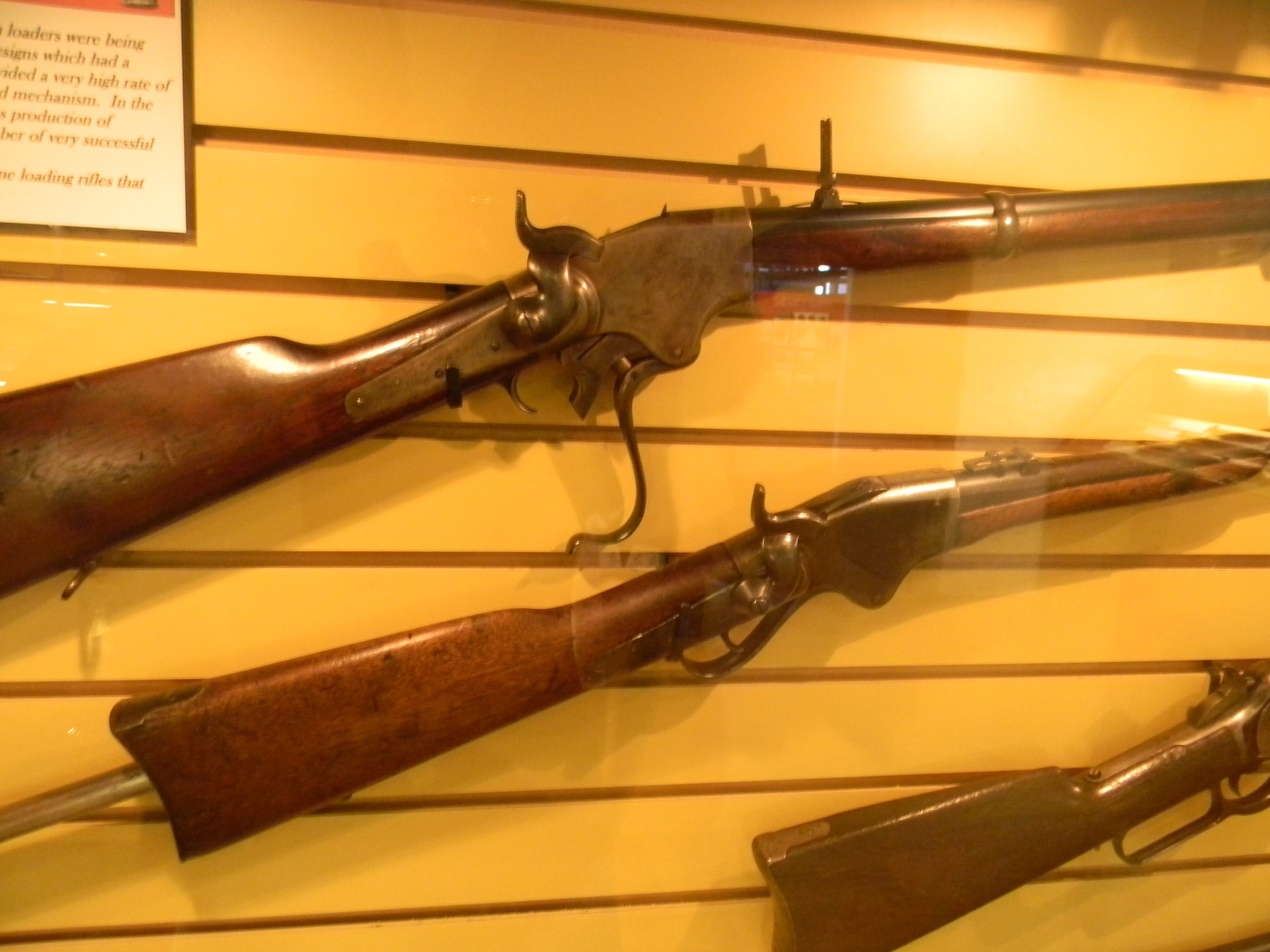
Christopher Miner Spencer began developing practical mechanical skills as a boy. At 11, he moved in with his grandfather, Josiah Hollister, who encouraged woodworking and metalworking. By 14, Spencer had entered an apprenticeship that gave him more machinery experience. His famous repeating rifle came much later, receiving a U.S. patent in 1860. It used a 7-round tubular magazine in the buttstock and a lever-operated action. The U.S. government adopted the rifle during the Civil War, making Spencer’s story a clear example of teenage workshop training eventually leading to military attention.
4. M1 Garand
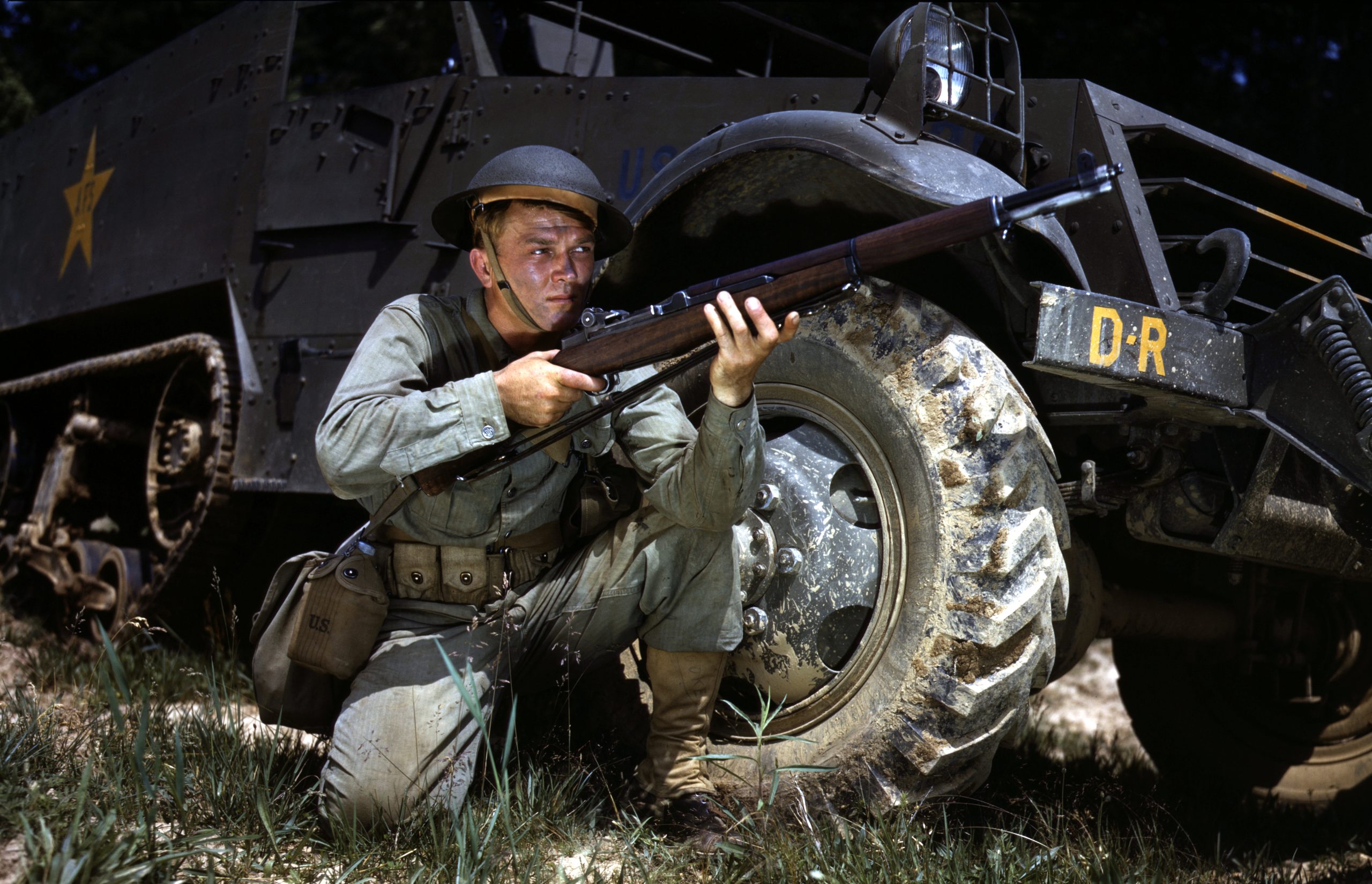
John C. Garand’s teenage years showed inventive ability long before his name became linked with the M1. U.S. Army history records that he applied for his first patent before he was 15. Garand later became a machinist, worked on firearm mechanisms, and joined Springfield Armory in 1919. His semiautomatic rifle went through years of Army trials before being standardized in 1936. The M1 was not a teenage design. What makes Garand relevant is the early start of his inventive career, followed by more than 20 years of engineering work before military acceptance.
5. Colt’s Revolving Firearm

Samuel Colt was 16 when a voyage aboard the brig Corvo helped spark the revolving-cylinder idea that defined his later career. He watched the ship’s wheel and its locking arrangement, then made a wooden model of a revolving pistol during the journey. The finished Colt was a handgun, not a rifle, so calling it a teenage rifle would be inaccurate. Yet the episode belongs in an honest list about young firearm innovators. Colt received U.S. Patent No. 138 in 1836, at age 21, and later developed manufacturing methods that helped turn his firearms into a major commercial and military product.
6. M1 Carbine’s Williams Connection
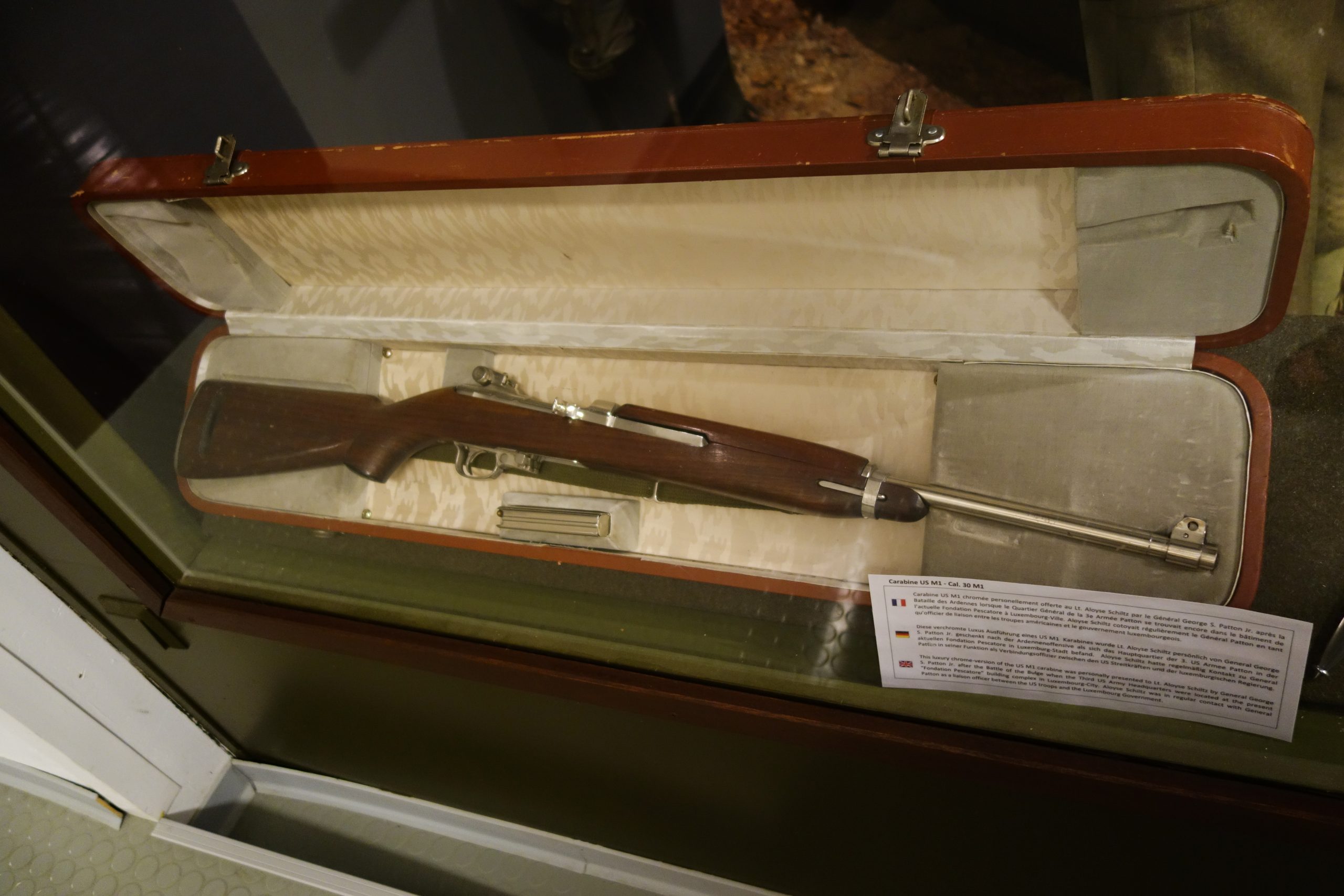
David Marshall Williams entered the U.S. Navy at 15 after claiming he was older, but he was discharged when his real age was discovered. His later firearm career was far more consequential. During imprisonment in the 1920s, he developed experimental self-loading rifles and refined the floating-chamber principle associated with his short-stroke ideas. His work eventually influenced the M1 Carbine, although he did not invent the finished military rifle alone. His teenage story is best understood as the beginning of a mechanically focused career, not proof of a youth-designed carbine.
7. Browning’s Early Rifle Experiment
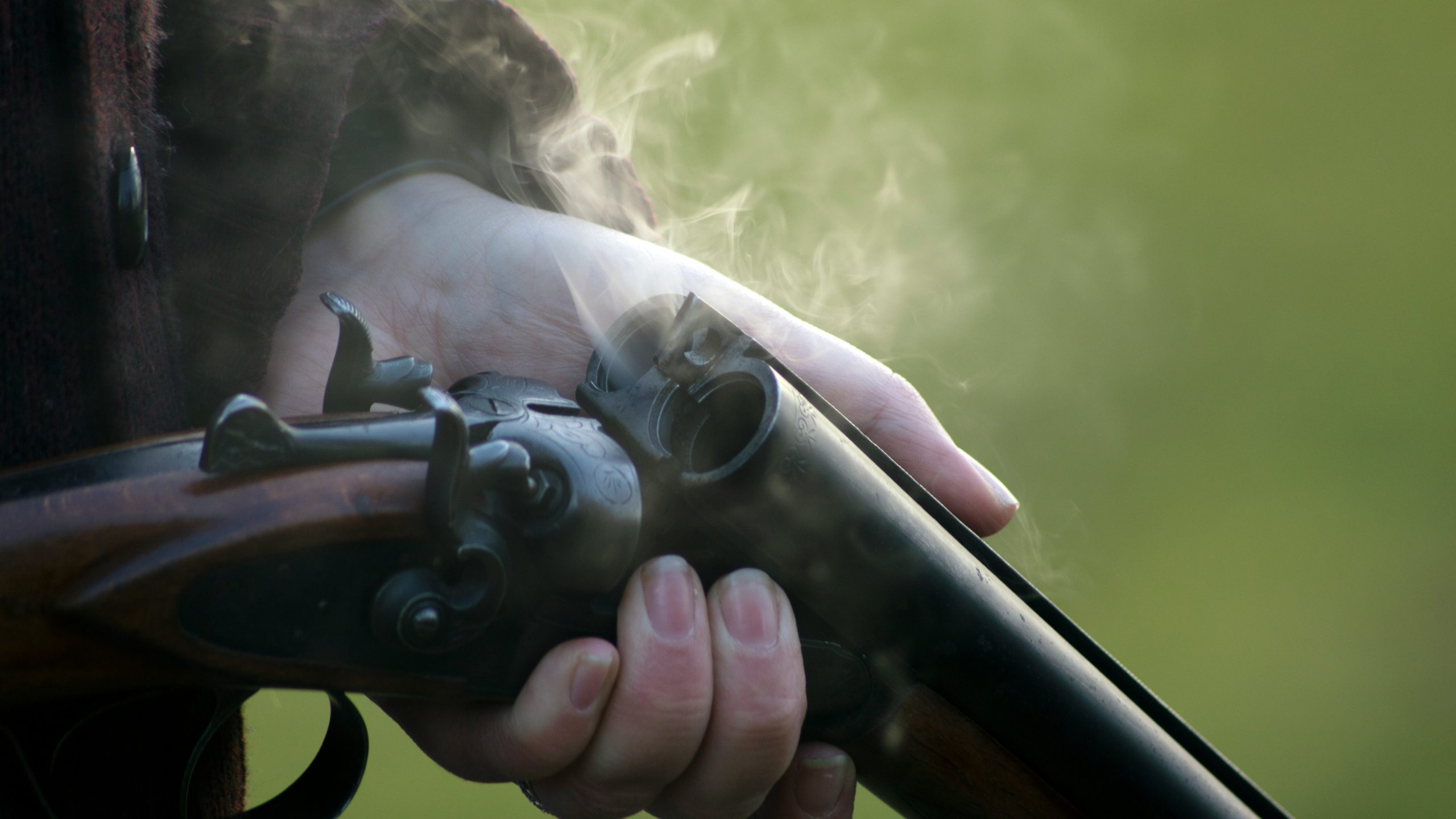
Browning’s early rifle experiment is one of the clearest documented examples of a teenager building a firearm before becoming a major designer. Browning’s historical timeline places a slide rifle assembled from spare parts in October 1869, when he was 14. He continued working in his father’s shop, learning repair, machining, and gunmaking. His first commercial rifle design came at 23 and later became the Winchester Model 1885. The teenage rifle was a learning project, while the adult design became a commercial success and established Browning’s long relationship with Winchester.
8. Garand’s Path From Youth to Military Service
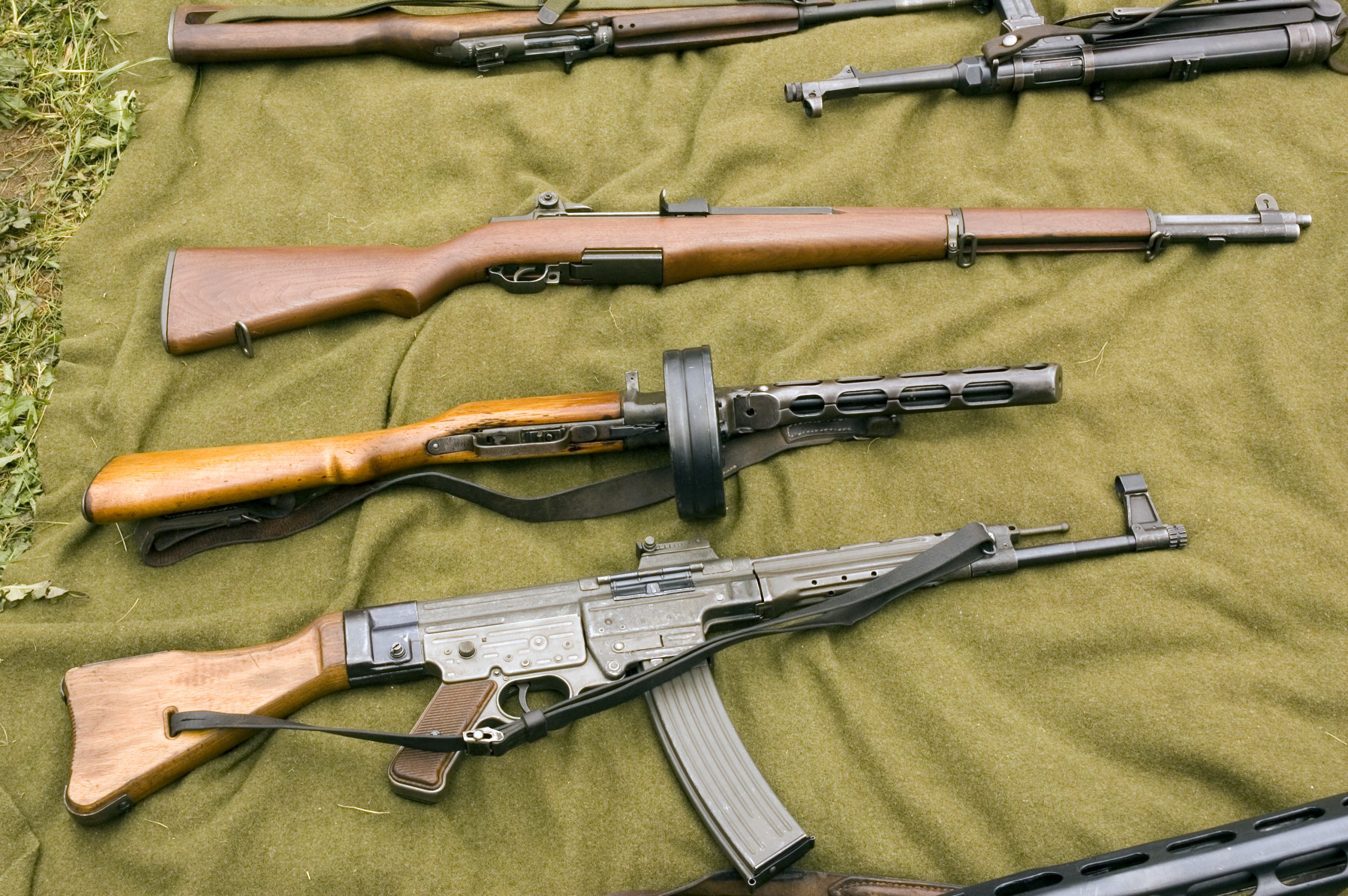
Garand’s story shows why “teenage-designed military rifle” can be misleading. He had already filed a patent before 15, but his famous semiautomatic rifle emerged much later from professional engineering and Army testing. Garand joined Springfield Armory in 1919 and spent the 1920s refining rifle concepts while the Army debated ammunition and requirements. The M1 was standardized in 1936, after years of evaluation. From first patent to service rifle, Garand’s path covered more than two decades, showing how youth experimentation can mature into military design only after sustained testing.