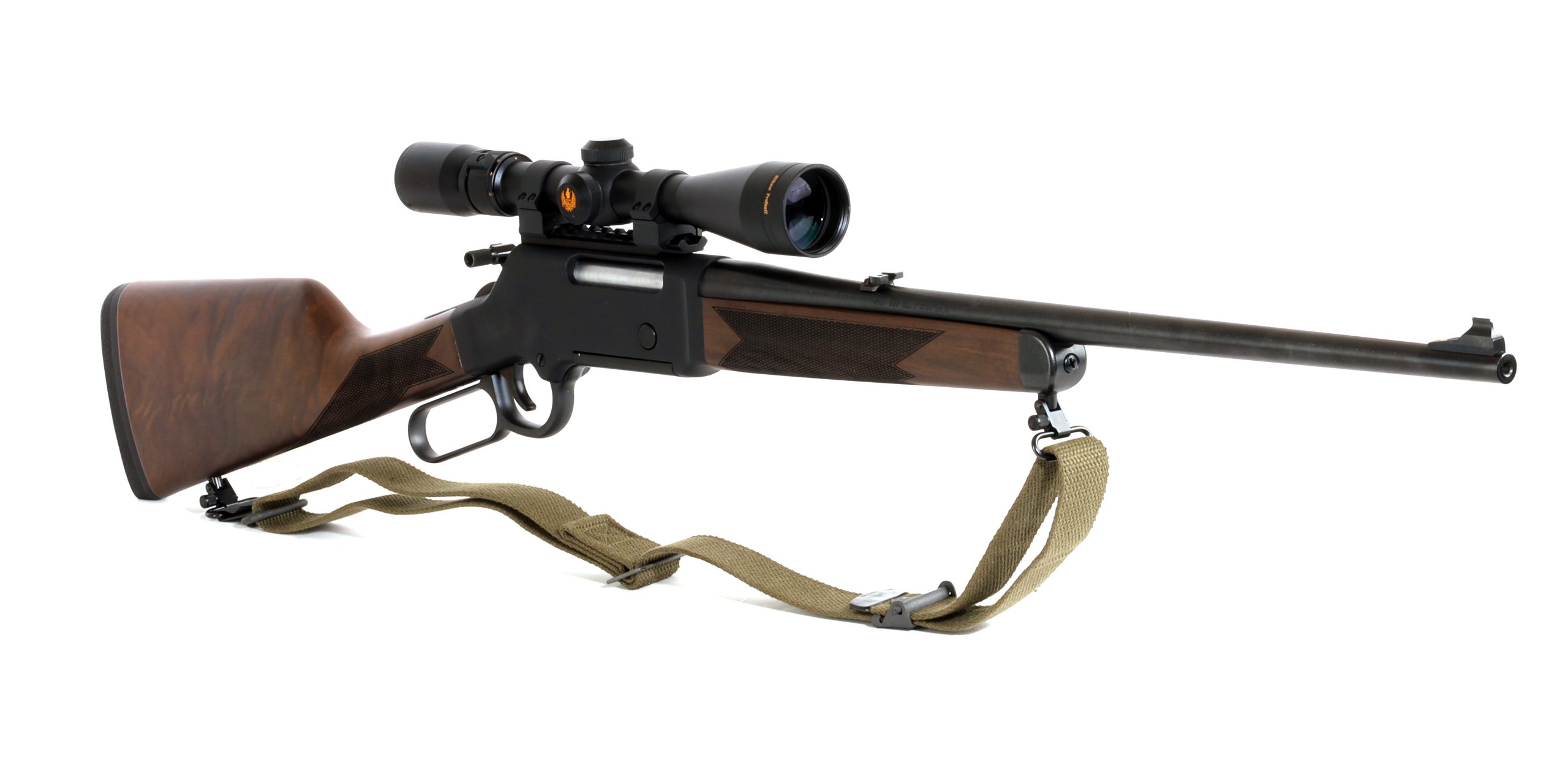
Lever-action rifles may look old-fashioned beside today’s precision bolt guns and semi-automatic platforms, but their design still offers several practical strengths. Their compact proportions, quick manual cycling, useful ammunition capacity, and broad selection of cartridges make them particularly interesting for hunters working in timber and other close-cover environments. They are not superior in every situation, especially at extreme range, but their advantages can become noticeable when portability, handling, and practical field performance matter most.
1. Compact Handling in Tight Cover
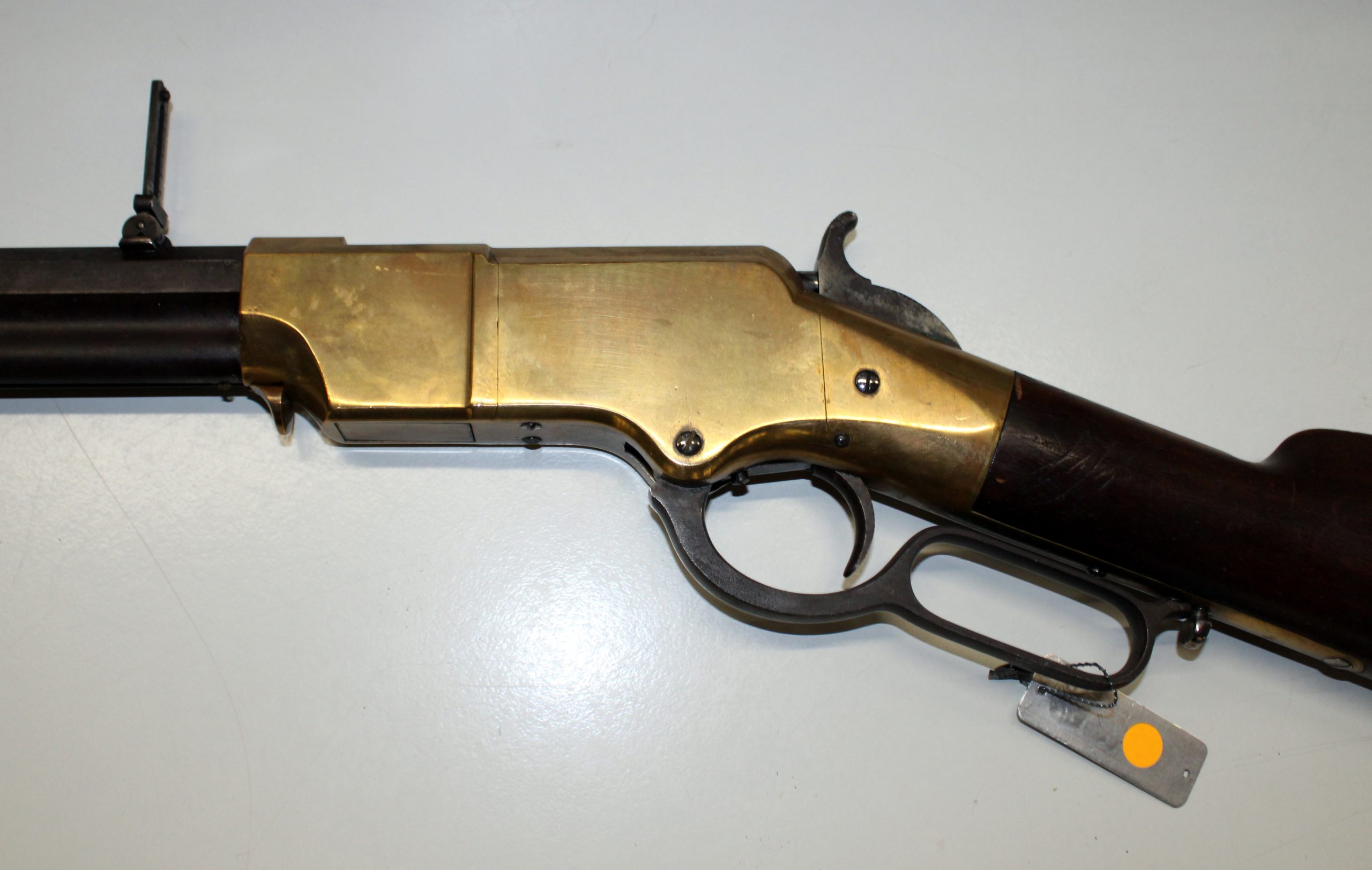
A lever gun can be remarkably easy to carry when the country is crowded with trees, brush, fences, or steep trails. Many classic carbines use barrels around 18–20 inches, giving them a shorter overall profile than many scoped bolt rifles. The action also keeps the receiver relatively slim, with no bolt handle projecting from the side. That can make the rifle feel less bulky when moving through timber or climbing into a blind. For deer hunters working Pennsylvania’s thick cover, this compact handling can matter more than extreme long-range capability. The advantage is not that a lever gun is always smaller, but that its proportions are often optimized for quick, practical field use.
2. Faster Manual Cycling
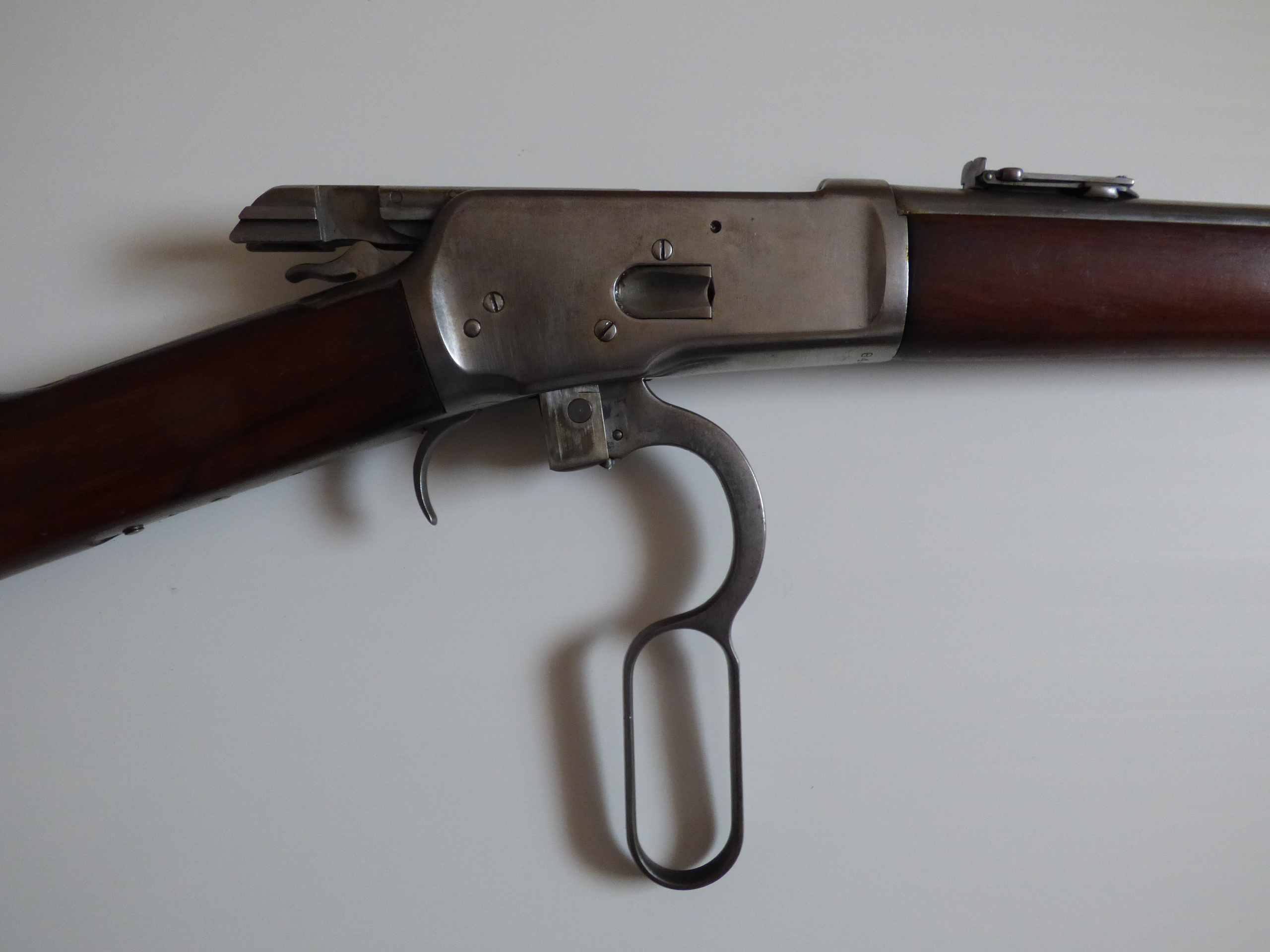
The lever action offers a quick way to cycle another cartridge without removing the rifle completely from the shoulder. A downward movement of the lever opens the action, extracts the fired case, cocks the mechanism, and chambers the next round as the lever returns. With practice, the motion can be smooth and repeatable, while a bolt action requires lifting, pulling, pushing, and locking the bolt. Many lever rifles also hold roughly 5–10 cartridges, depending on the model and chambering. This does not make them faster than every modern rifle, especially a semi-automatic, but it can make follow-up shots feel unusually natural in close and moderate-range hunting situations.
3. Strong Big-Bore Options
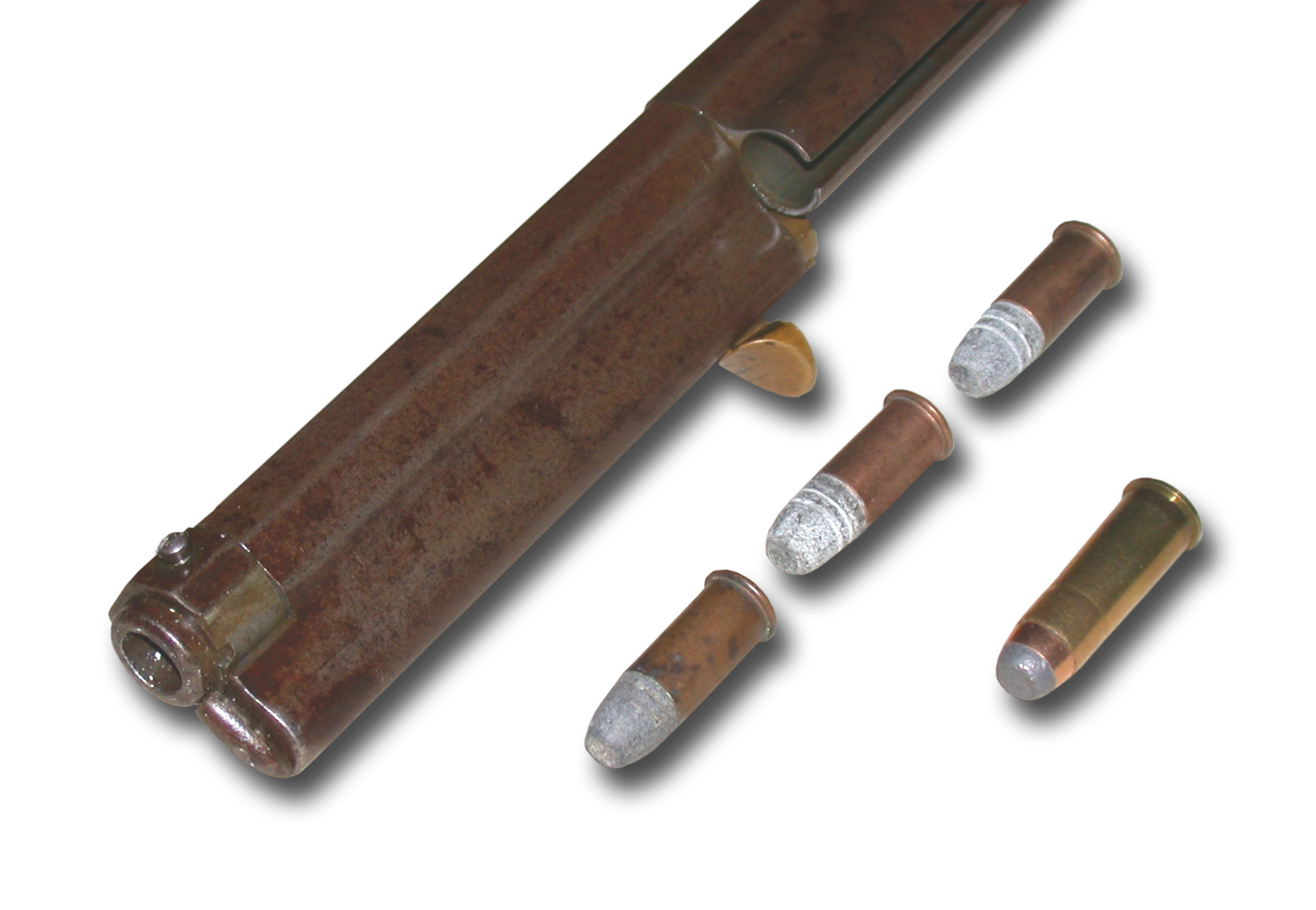
Modern lever rifles are available in cartridges that deliver substantial performance without requiring a long, heavy rifle. The .45-70 Government is a well-known example, with factory loads commonly using bullets from roughly 300 to 405 grains, although loads vary widely. Other lever cartridges include .30-30 Winchester, .44 Magnum, and .35 Remington, each serving different purposes. This variety lets hunters choose a traditional platform for deer-sized game or larger North American species where legal and appropriate. The key point is not raw power alone. A lever gun can combine useful cartridge performance with a compact package that remains comfortable to carry through difficult terrain.
4. Excellent Balance for Hunting
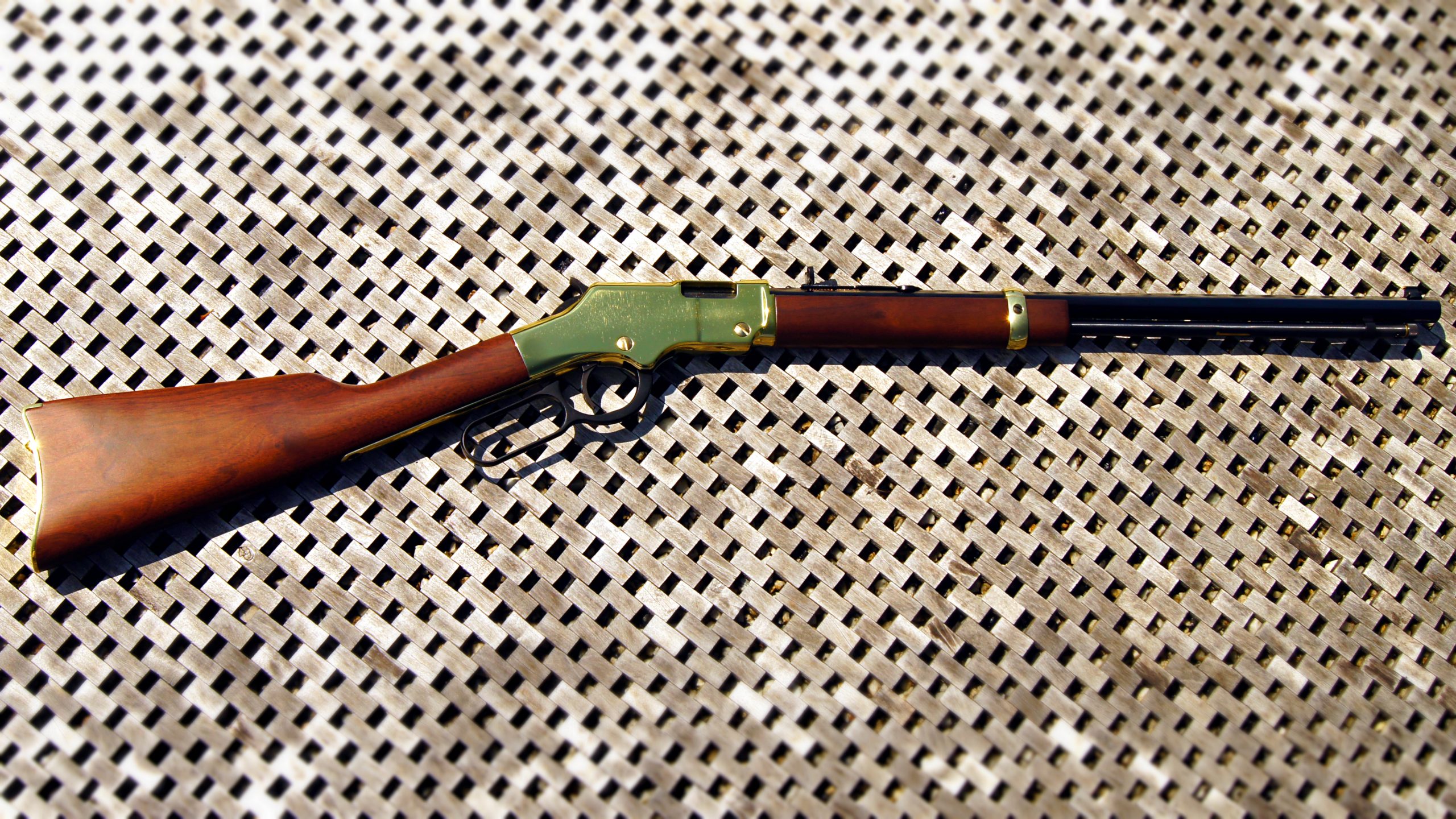
A lever rifle often carries a lively, centered feel because its action and magazine arrangement keep the rifle relatively compact. Many traditional hunting models weigh around 6.5–8 pounds, depending on barrel length, stock, sights, and chambering. That weight can provide useful stability without turning the rifle into a burden during a full day outdoors. The balance also helps when a hunter needs to bring the rifle from a carry position to the shoulder quickly. Modern precision rifles may be better suited to supported, long-range shooting, but a balanced lever gun can feel more at home during ordinary hunting where walking, standing, and short rests are common.
5. Natural Ambidextrous Operation
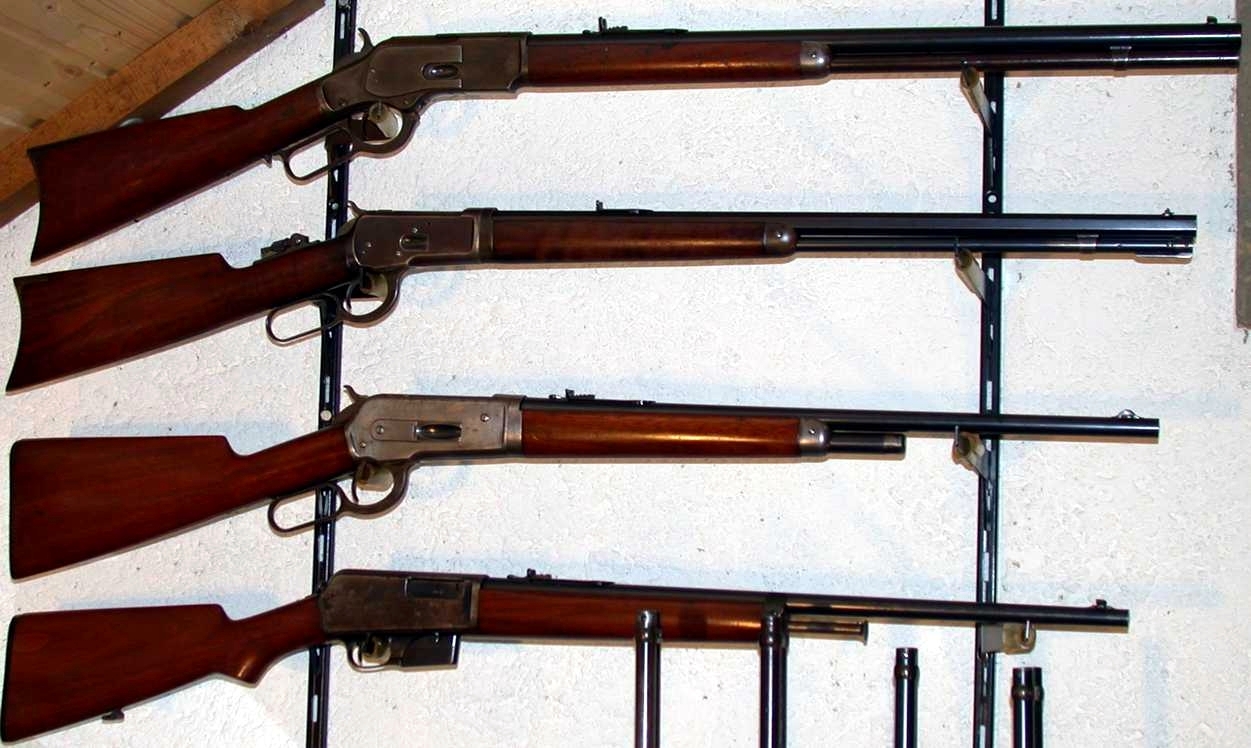
The lever is positioned beneath the action rather than being operated from one side like a conventional bolt handle. That makes the basic cycling motion less dependent on whether the shooter is right- or left-handed. It can also help when a hunting position does not allow a perfect conventional shoulder setup. Many lever rifles use cross-bolt, tang, or other safety arrangements, so controls vary by model and should be learned individually. The action itself stays centered along the rifle. With practice, shooters can cycle the lever without the pronounced side-specific movement associated with many bolt actions, giving the platform a naturally adaptable feel in the field.
6. Practical Capacity Without a Box Magazine
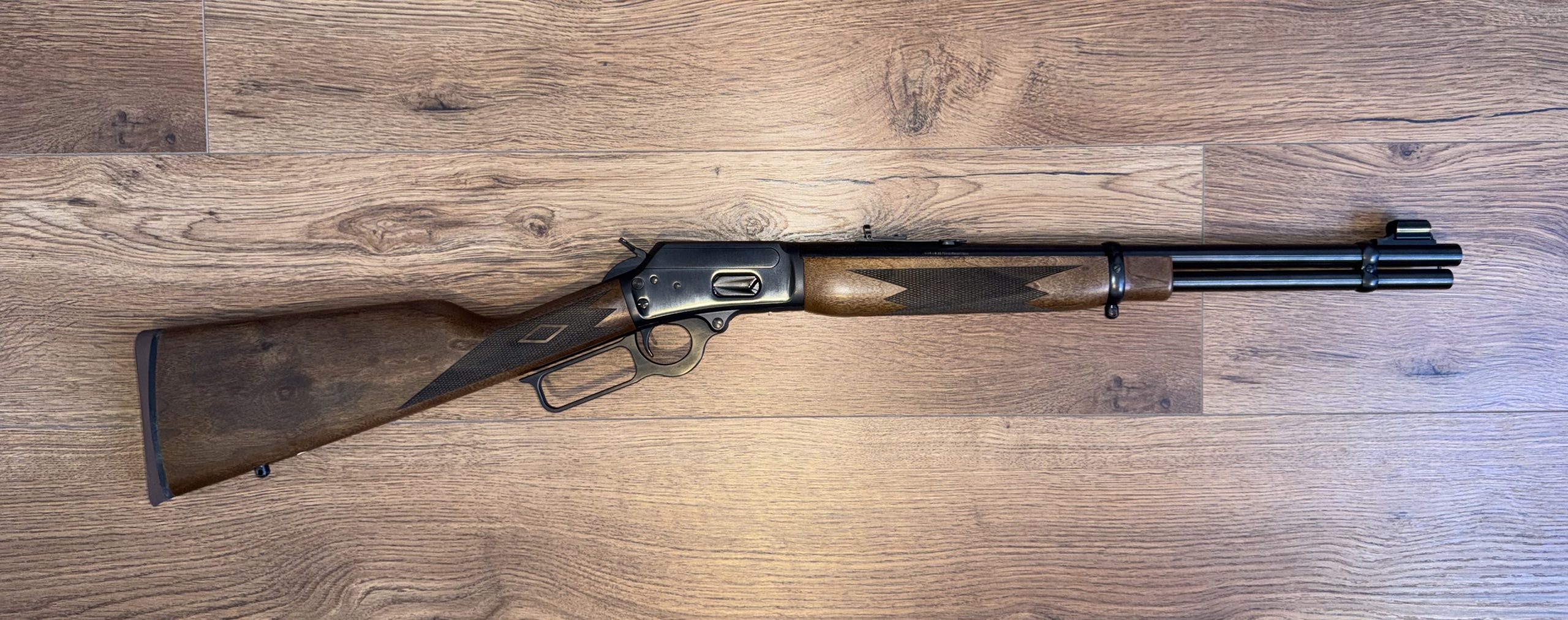
A tubular magazine gives many lever rifles useful ammunition capacity while keeping the rifle’s profile smooth. Depending on chambering and barrel length, common capacities can range from about 5 to 10 rounds, with some rimfire models holding considerably more. The .30-30 Winchester Model 94, for example, has historically appeared in configurations holding around 5 or 6 rounds in the magazine. Capacity is not everything in hunting, where one well-placed shot may be the goal, but extra cartridges can be convenient. Side-loading-gate designs can also allow cartridges to be added individually rather than requiring the shooter to remove a detachable magazine.
7. A Handy Fit for Deer Country
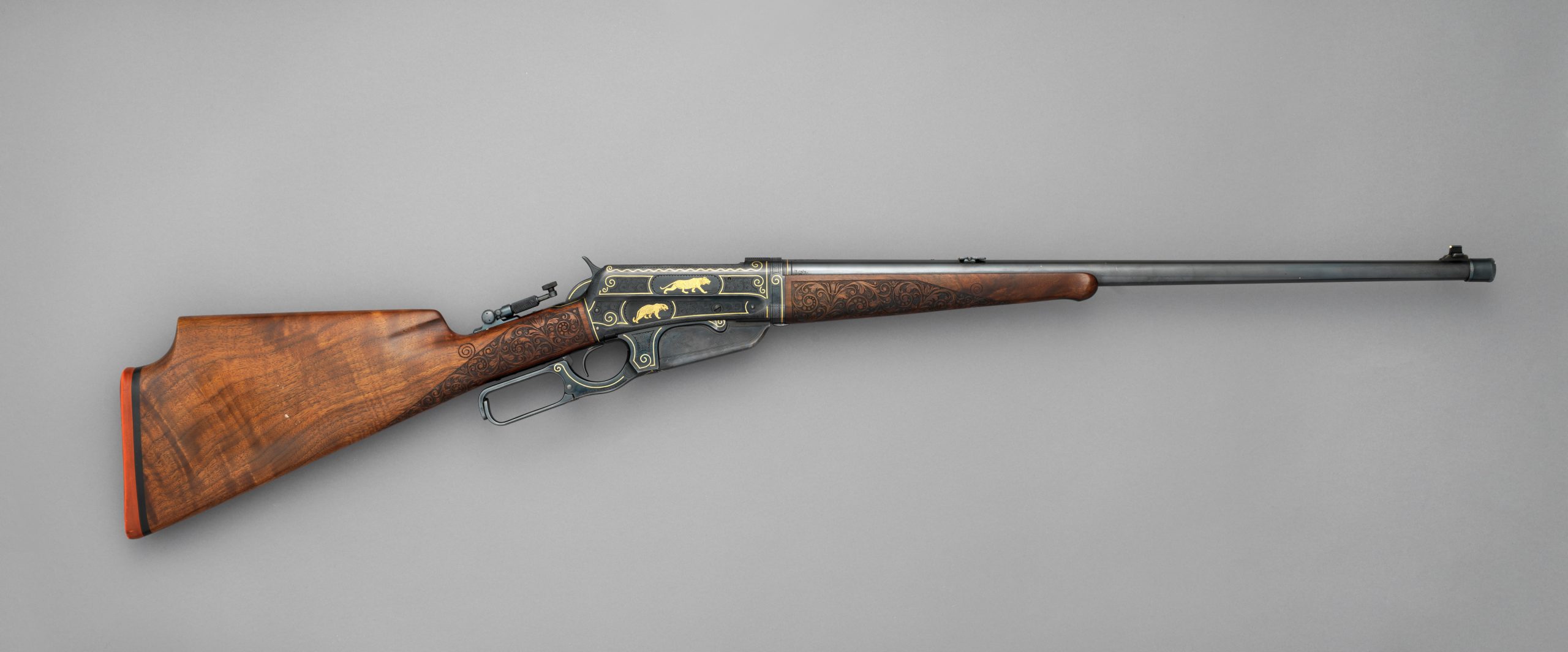
Lever guns have a long association with deer hunting because their dimensions suit the way many hunters actually move through the woods. A carbine with a roughly 18–20-inch barrel can be easier to maneuver around trees and stands than a long-barreled precision rifle. In Pennsylvania, for example, the listed 2026 regular firearm deer season runs from November 28 through December 13, giving hunters a defined period in which practical field handling can matter. Local rules still determine legal equipment, seasons, and game opportunities. The broader advantage is versatility: a compact lever rifle can serve as a hunting tool without being built around a single long-range specialty.
8. Modern Features Keep the Design Relevant
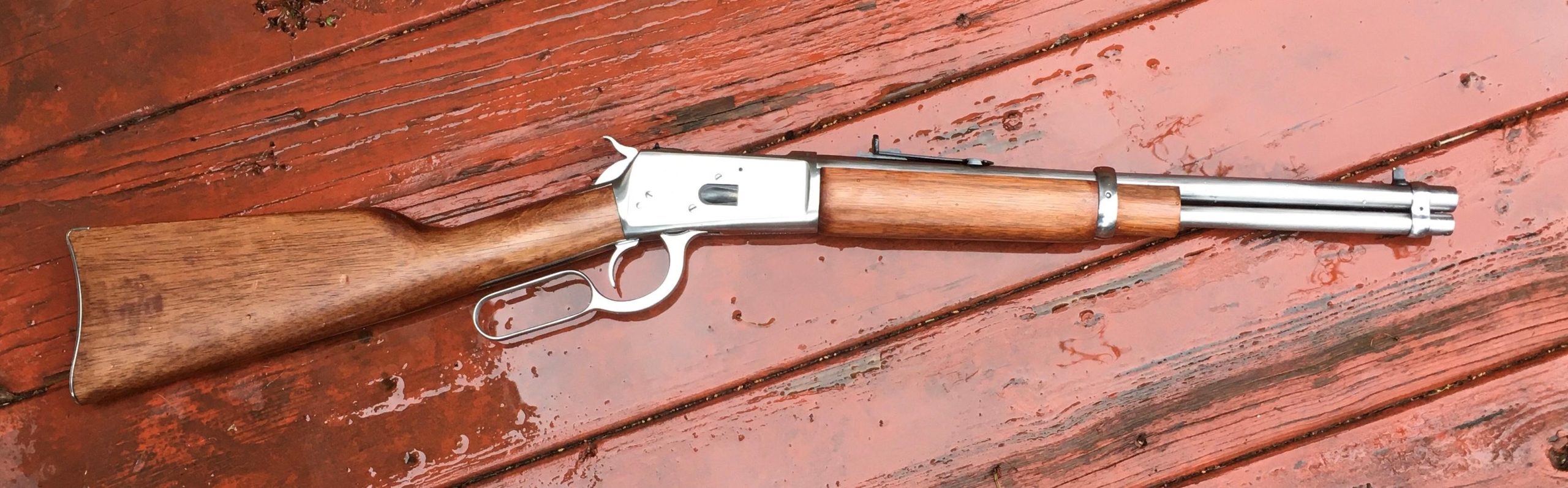
Today’s lever rifles are not limited to nineteenth-century configurations. Newer models can include threaded muzzles, improved sights, optics-ready receivers, adjustable stocks, stainless or corrosion-resistant finishes, and modern manufacturing tolerances. Some manufacturers offer versions chambered for .357 Magnum, .44 Magnum, .45-70, and newer centerfire options. These updates let the action fit contemporary hunting and sporting preferences without abandoning its manual operating system. The result is a rifle that looks traditional while incorporating features unavailable on classic designs. That helps explain why the lever action remains common more than 150 years after its rise.
9. Simplicity With a Distinct Field Character
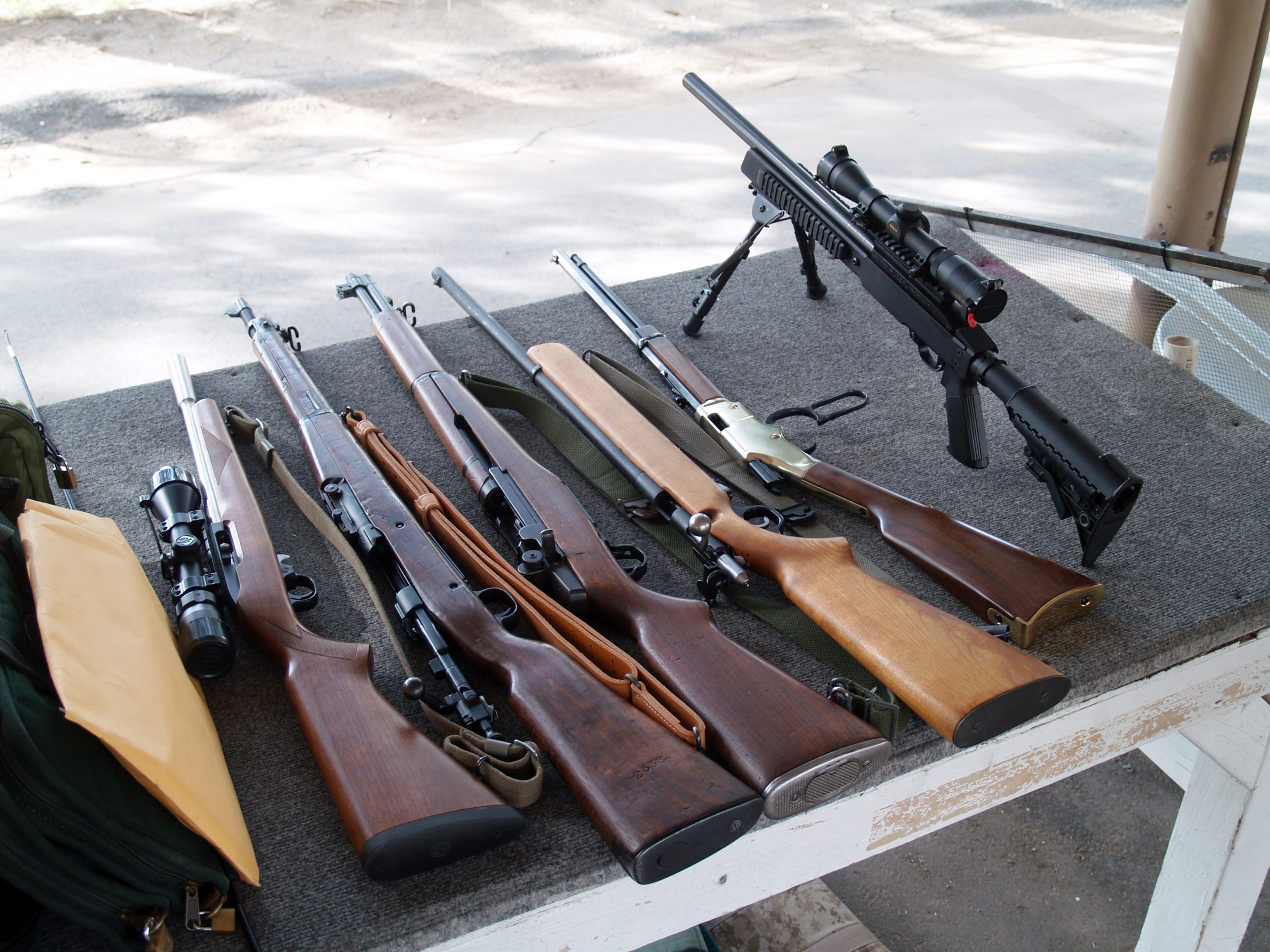
A lever gun can offer a straightforward shooting experience built around a manual action, conventional stock, and familiar iron sights or an optic. That simplicity can appeal to hunters who value a rifle that feels purposeful rather than specialized. The design has remained recognizable through more than 150 years of development, yet modern examples can use stronger materials and updated controls. Lever rifles are not automatically more reliable, accurate, or powerful than modern bolt or semi-automatic designs; each platform has trade-offs. Their appeal comes from combining useful capacity, compact handling, proven cartridges, and distinctive operation in one package.