Mule deer and whitetails may share parts of North America, but hunting them often requires different decisions. Mule deer are known for their oversized ears, forked antlers, and remarkable ability to use open, rugged country. Whitetails more commonly thrive in wooded cover, agricultural edges, and thick vegetation, although both species occupy a wide range of habitats. Differences in how they detect danger, move through terrain, and respond to hunting pressure can influence an entire outing. Understanding these seven traits helps hunters recognize why tactics that work for whitetails may need adjustment in mule deer country.
1. Open-Country Habitat Changes How You Search
Mule deer often favor sagebrush flats, broken foothills, open basins, and mountain slopes, while whitetails frequently use thick woods, river bottoms, and crop edges. Neither species is limited to one setting, but the difference changes how a hunt unfolds. In open country, a deer may be visible across a broad hillside yet remain difficult to approach without crossing exposed ground. Studying terrain from a distance and noting cover, feeding areas, and likely travel routes can be more useful than walking straight through promising habitat. Terrain reading is essential.
2. Oversized Ears Make Them Exceptionally Alert
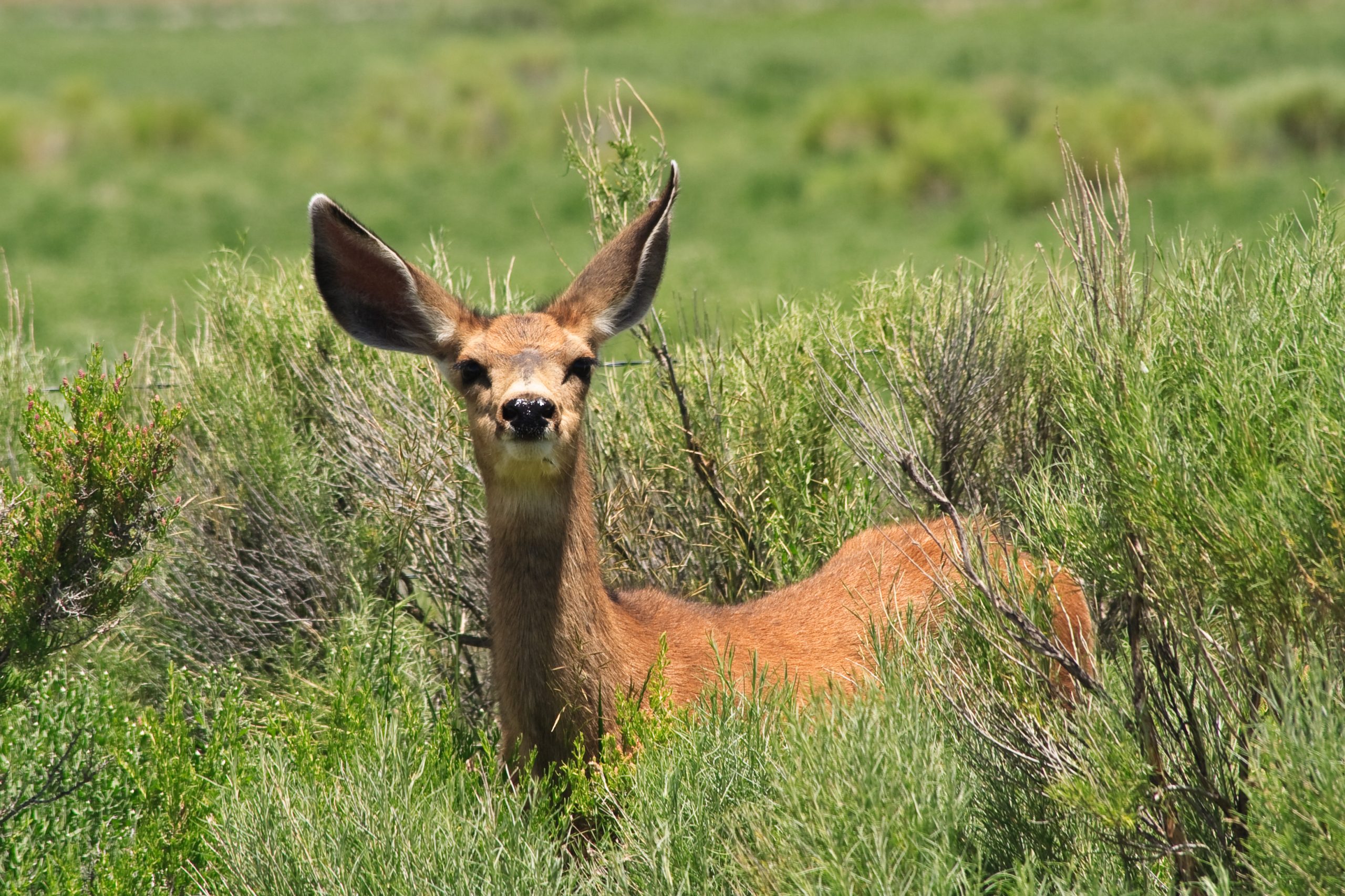
A mule deer’s ears are noticeably oversized, often approaching three-quarters of the head’s length, and can swivel to pick up faint sounds. Their hearing is only one part of a sharp warning system that also includes smell and vision. In open terrain, a small movement or an unfamiliar sound may draw attention before a hunter realizes the deer has noticed anything. Whitetails are equally alert, especially in thick cover, so neither species should be treated as easy to fool. Slow movement and careful observation matter more than relying on camouflage alone.
3. Forked Antlers Require Careful Identification
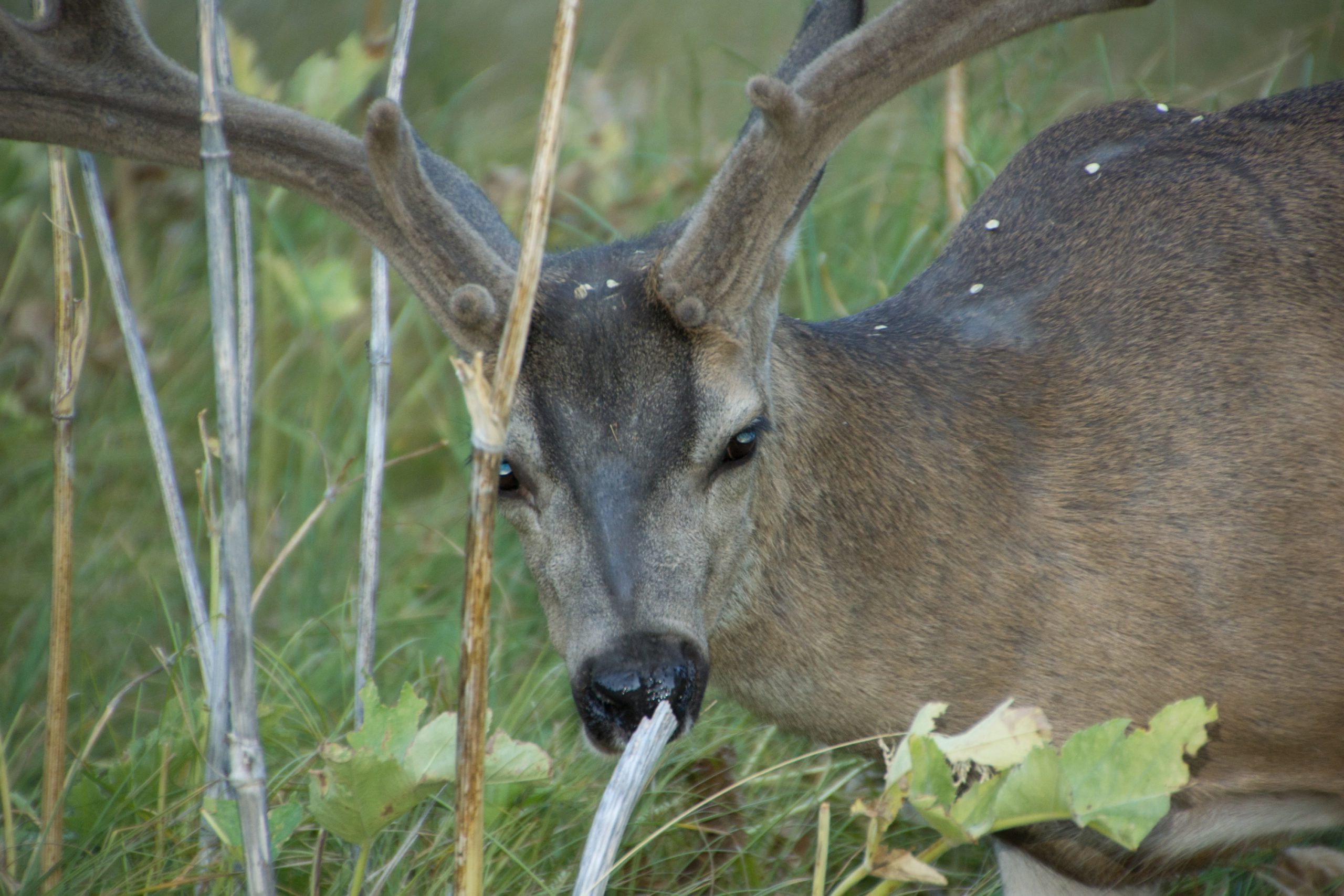
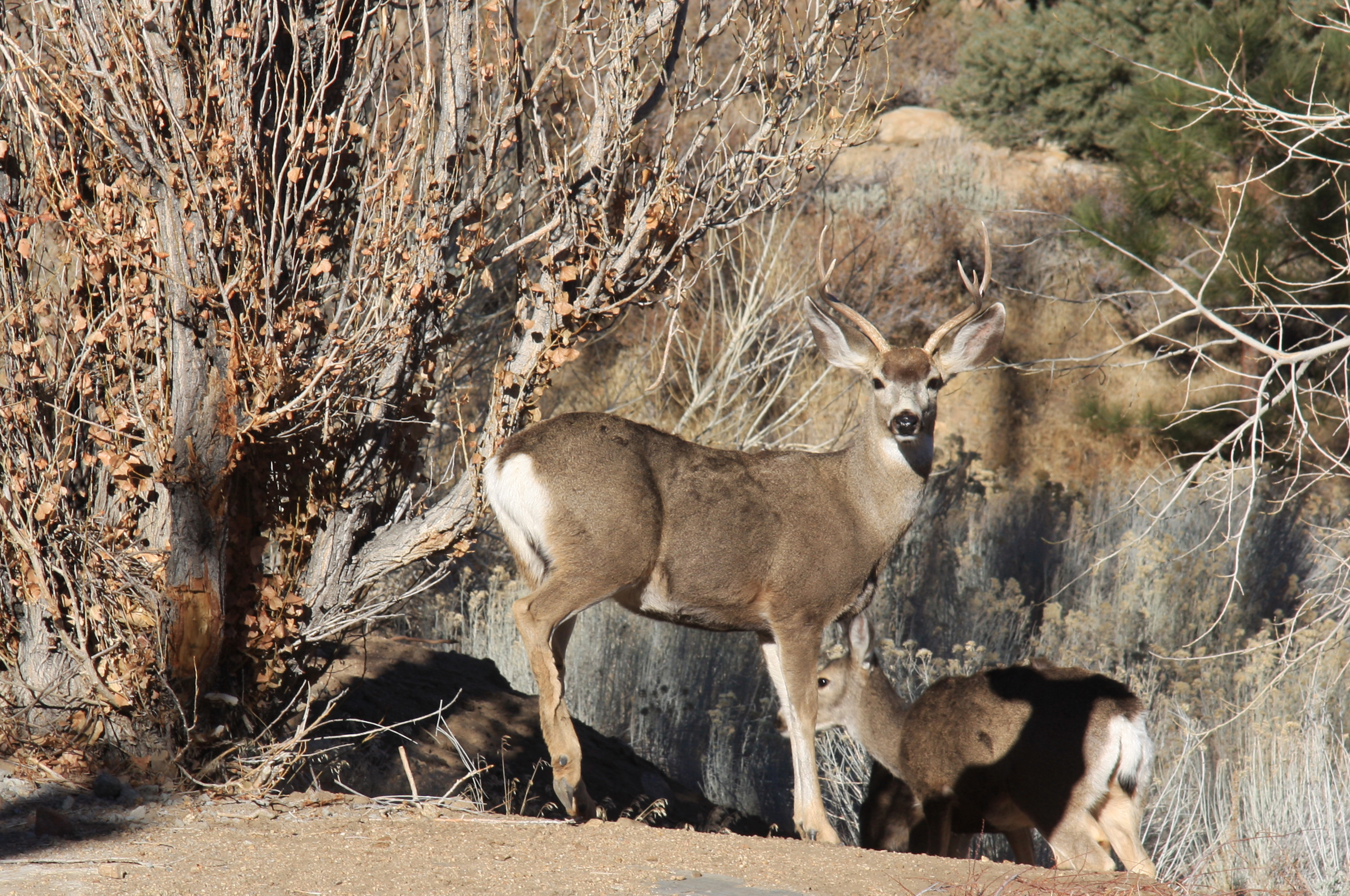
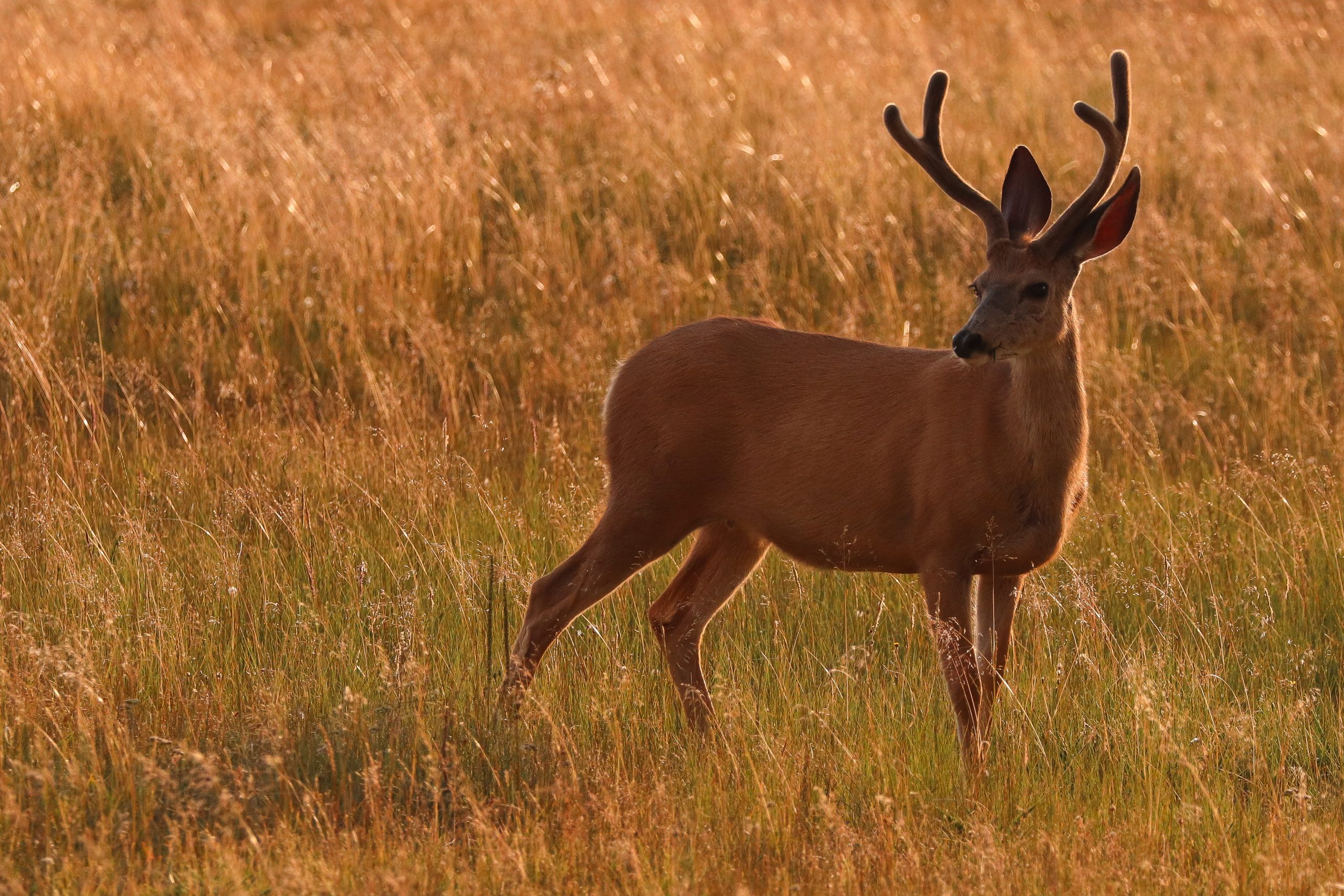
Mule deer antlers typically fork into branches, creating repeated Y-shaped divisions, while whitetail points usually rise from a single main beam. A mature mule deer rack may show several forks on each side, but antler shape varies with age, nutrition, genetics, and injury. Do not judge a buck’s age or legality from point count alone. In areas where both species live, antlers can help with identification, but they should be considered alongside the tail, rump, ears, and body shape before making any decision. Check local rules before hunting. Field marks are clues, not guarantees.
4. Their Distinctive Escape Gait Can Complicate Tracking
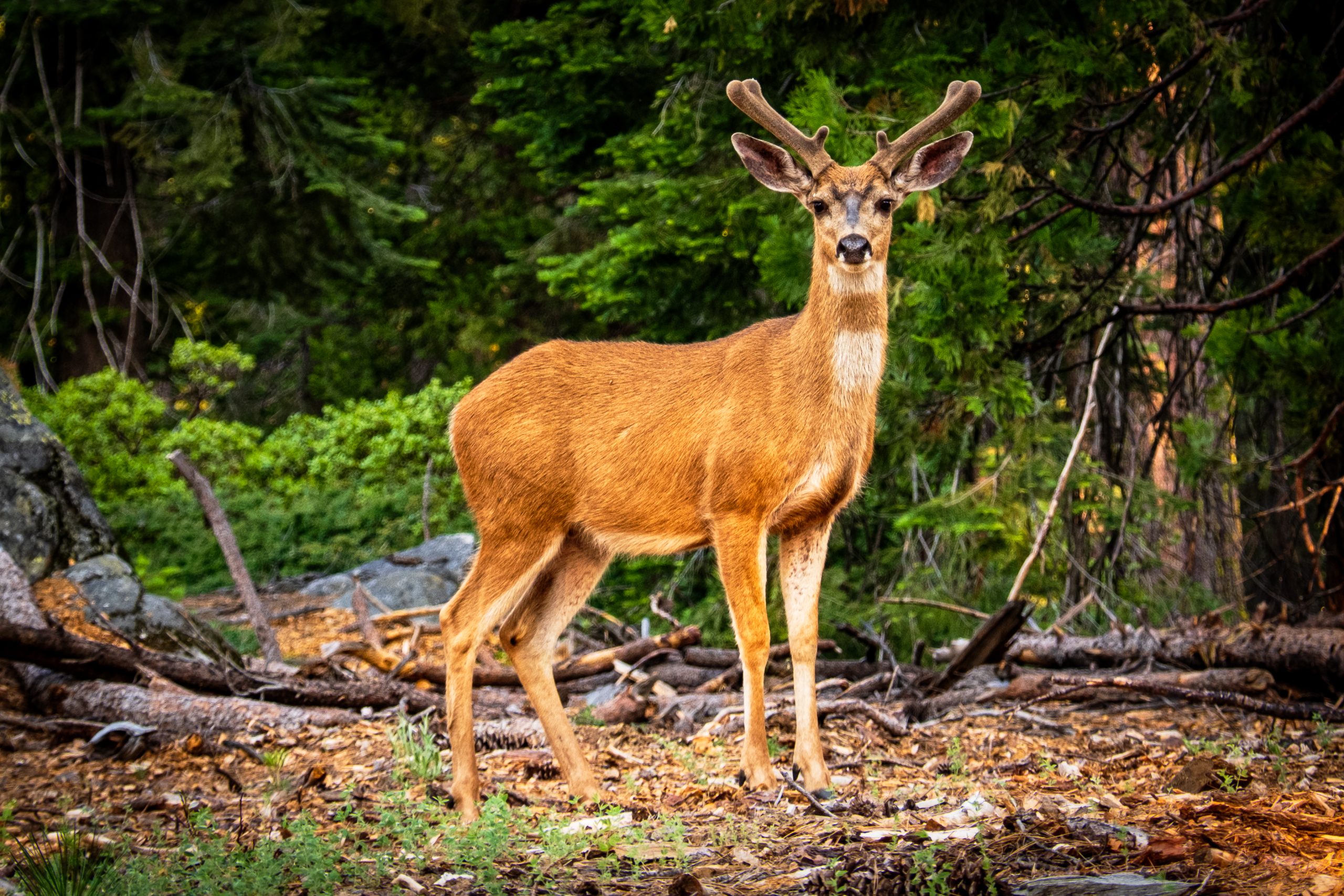
When alarmed, mule deer often escape with a stiff-legged, four-footed bounce called stotting or pronking. Whitetails more often flee in a running bound with the tail raised like a white flag. The mule deer’s springing gait can carry it across broken ground and briefly lift its body above low vegetation, making its direction harder to predict. A fleeing deer can cover ground quickly, so trying to follow it by memory alone may lead to a poor search. Watch the route carefully and mark the last confirmed location before moving. Avoid rushing after a startled animal.
5. Seasonal Migration Can Change Deer Locations
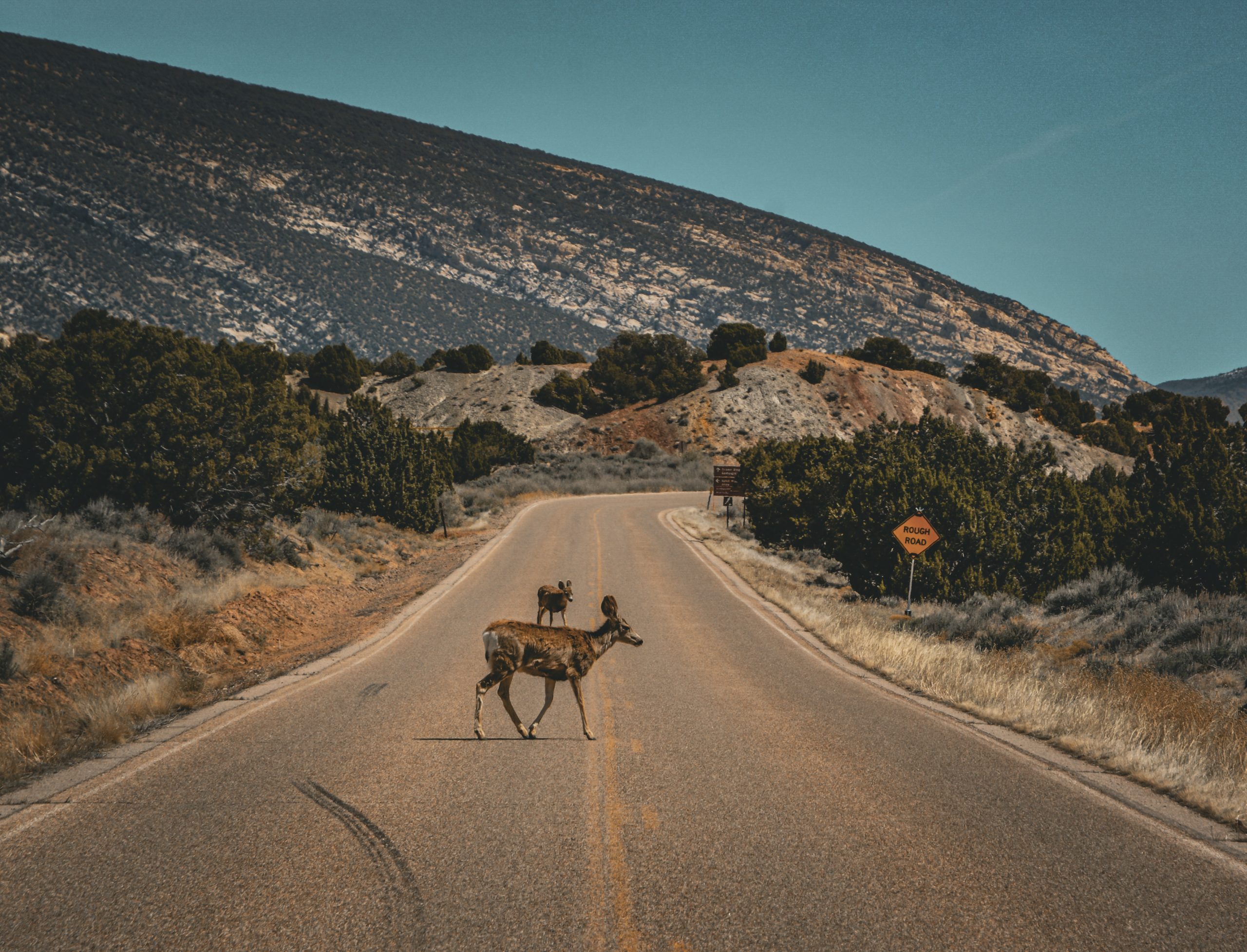
Many mule deer populations shift between seasonal ranges, moving from higher summer country toward lower winter habitat as snow and forage conditions change. The distance varies widely: some herds move only a few miles, while others travel dozens of miles along established corridors. Whitetails can also migrate, but many populations remain within smaller home ranges. For hunters, this means a familiar hillside may hold deer one month and be nearly empty later. Check current wildlife-agency information, seasonal access, and local conditions rather than assuming last year’s pattern will repeat.
6. Glassing Plays a Major Role in Open Terrain
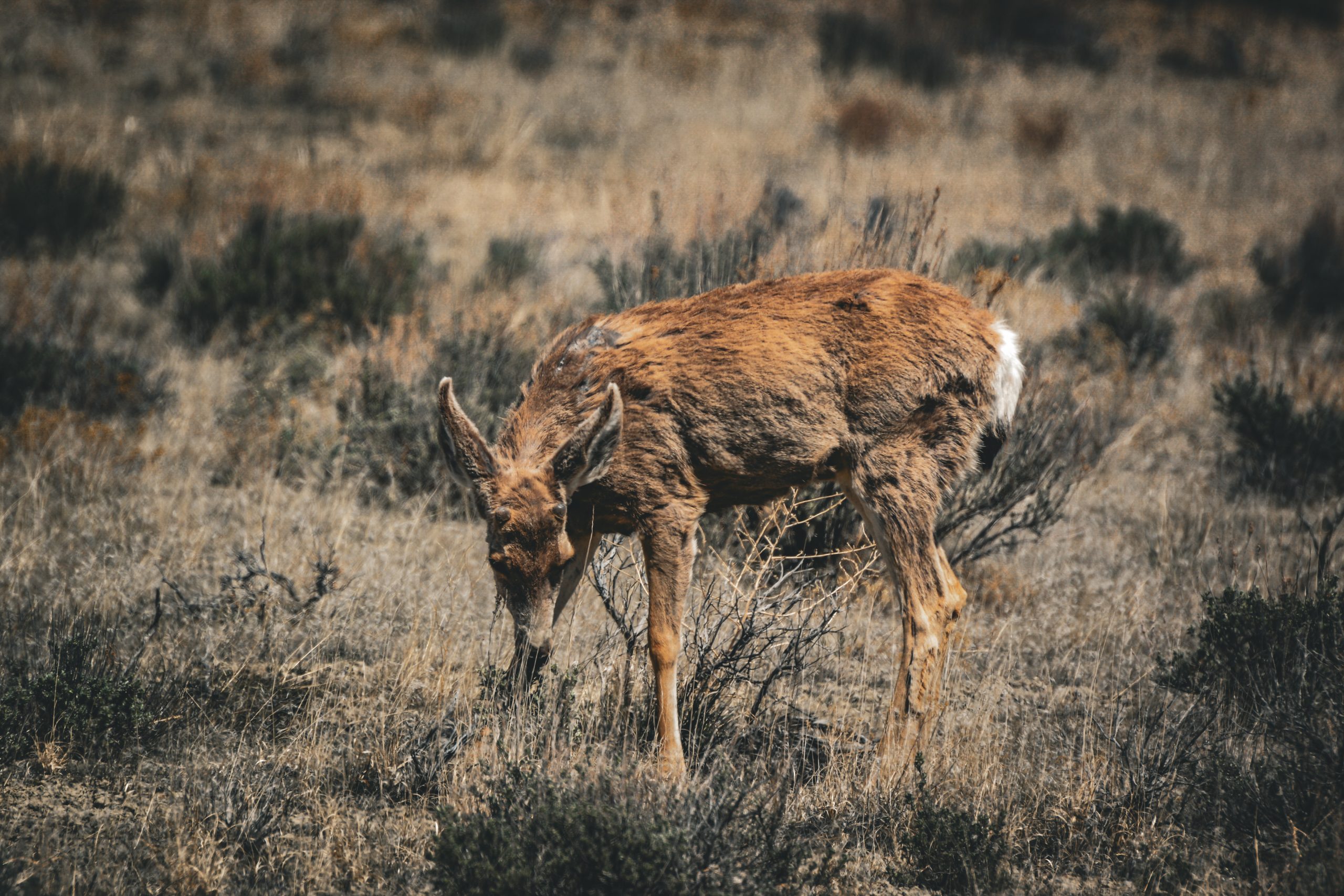
Mule deer often live in open landscapes where a spotting scope or binoculars can reveal animals far beyond comfortable viewing distance. A hunter may spend considerable time glassing ridgelines, benches, and brush patches before moving, rather than waiting beside a wooded trail. Whitetail hunting commonly emphasizes close-range encounters near funnels, field edges, or stands of cover, though methods vary by region. Open views can be deceptive: distance, wind, steep slopes, and the lack of concealment all complicate an approach. Use optics to observe without disturbing wildlife.
7. Group Behavior and Physical Markings Matter
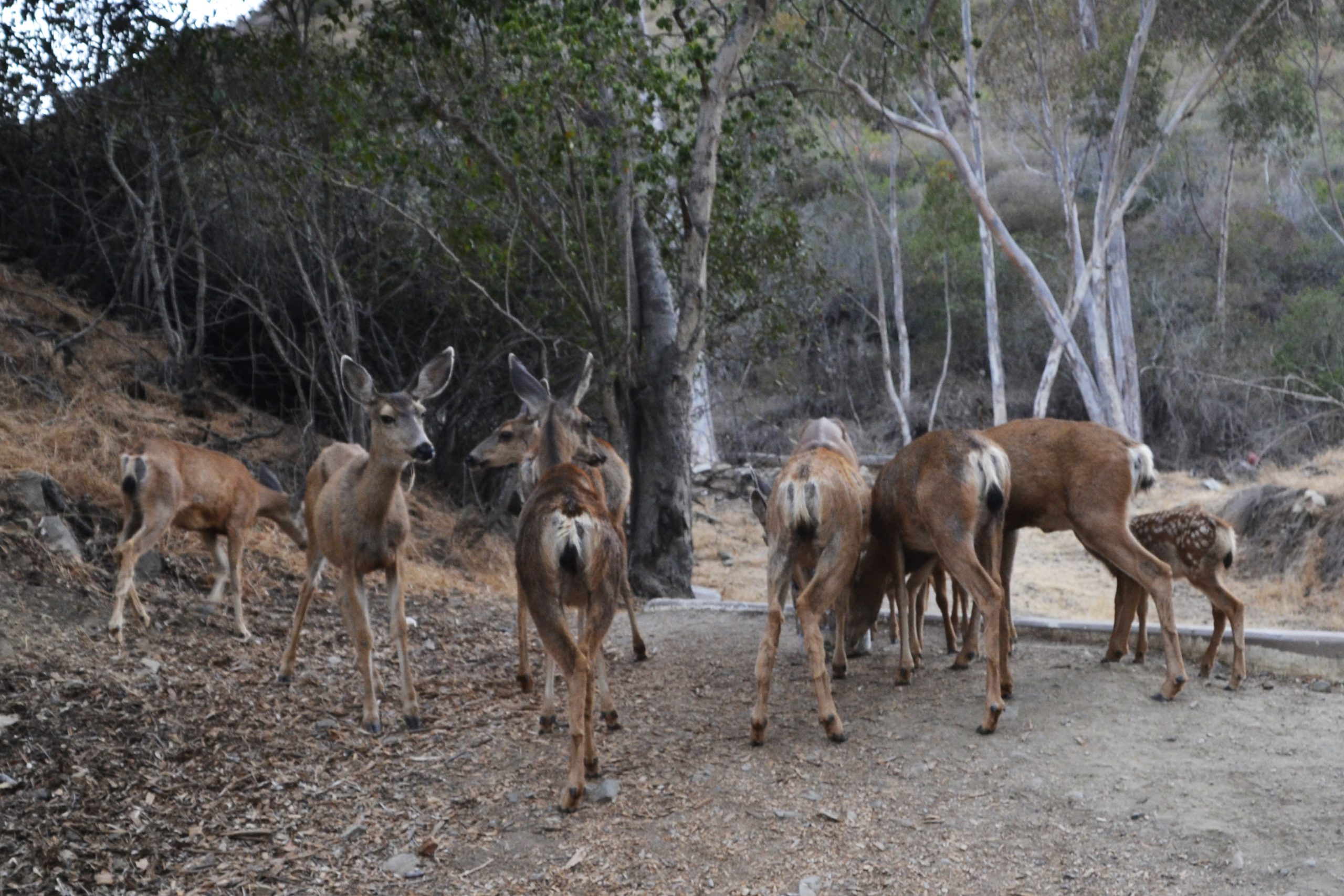
Mule deer frequently form groups, especially does and young, so spotting one animal may reveal others nearby. Their pale rump patch and short, black-tipped tail also differ from the broad white underside a whitetail flashes when alarmed. These signs are useful, but no single feature is foolproof, particularly where ranges overlap or hybrids occur. Confirm species carefully before taking a shot, and identify the target and what lies beyond it. Hunting seasons and tag rules can differ by species, unit, and sex, so consult the current regulations for the exact area