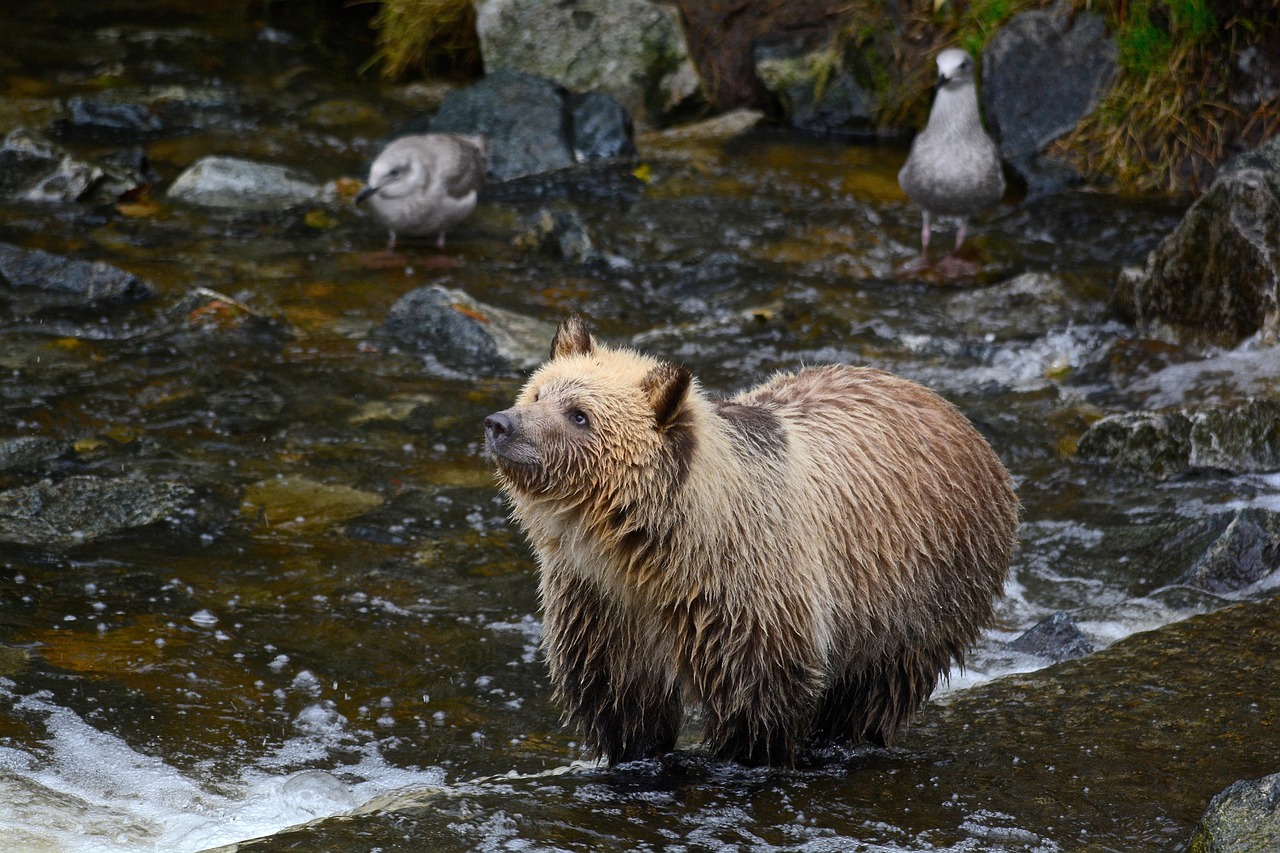
Bear country has a way of making gear debates feel very real. When the question is revolver or semi-auto, the honest answer is less about internet loyalty and more about what works under panic, recoil, and very little time.
Start with the hard truth about bear defense
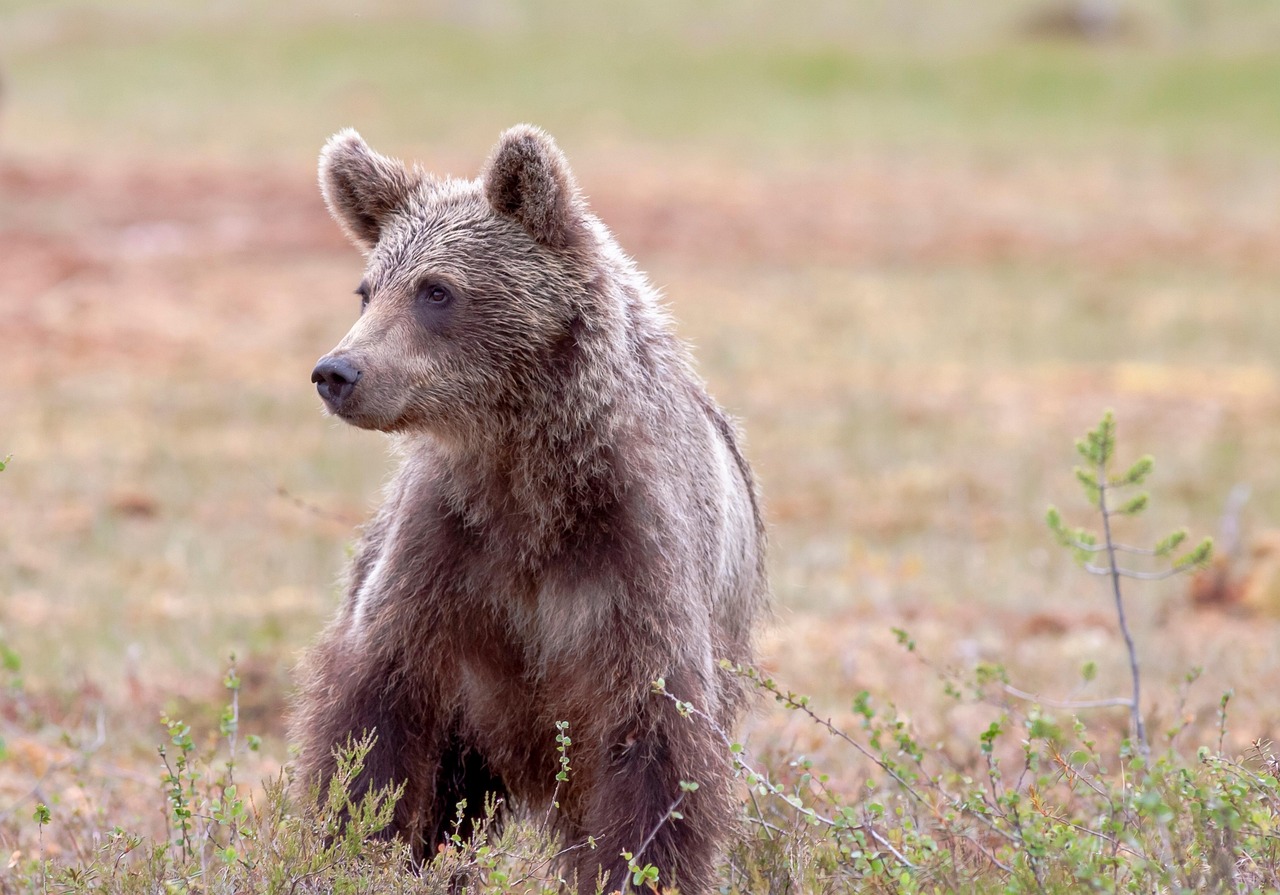
Before talking handguns, it matters to say this plainly: most wildlife agencies still push avoidance, clean camp habits, and bear spray first. The National Park Service says bear spray is highly effective and also notes that it is harder to hit a charging bear with a firearm than many people think. Alaska wildlife officials make a similar point, treating firearms as one tool rather than a substitute for good bear-country behavior.
That matters because handguns are backup tools, not magic wands. In real encounters, distance is short, adrenaline is high, and even practiced shooters can miss badly.
Research often cited in this space found firearms were successful in many bear-defense incidents, but not perfectly so. A Journal of Wildlife Management paper on Alaska cases reported that handgun users succeeded often, yet the broader takeaway was that simply having a gun did not guarantee better outcomes.
Why revolvers still have such a strong following
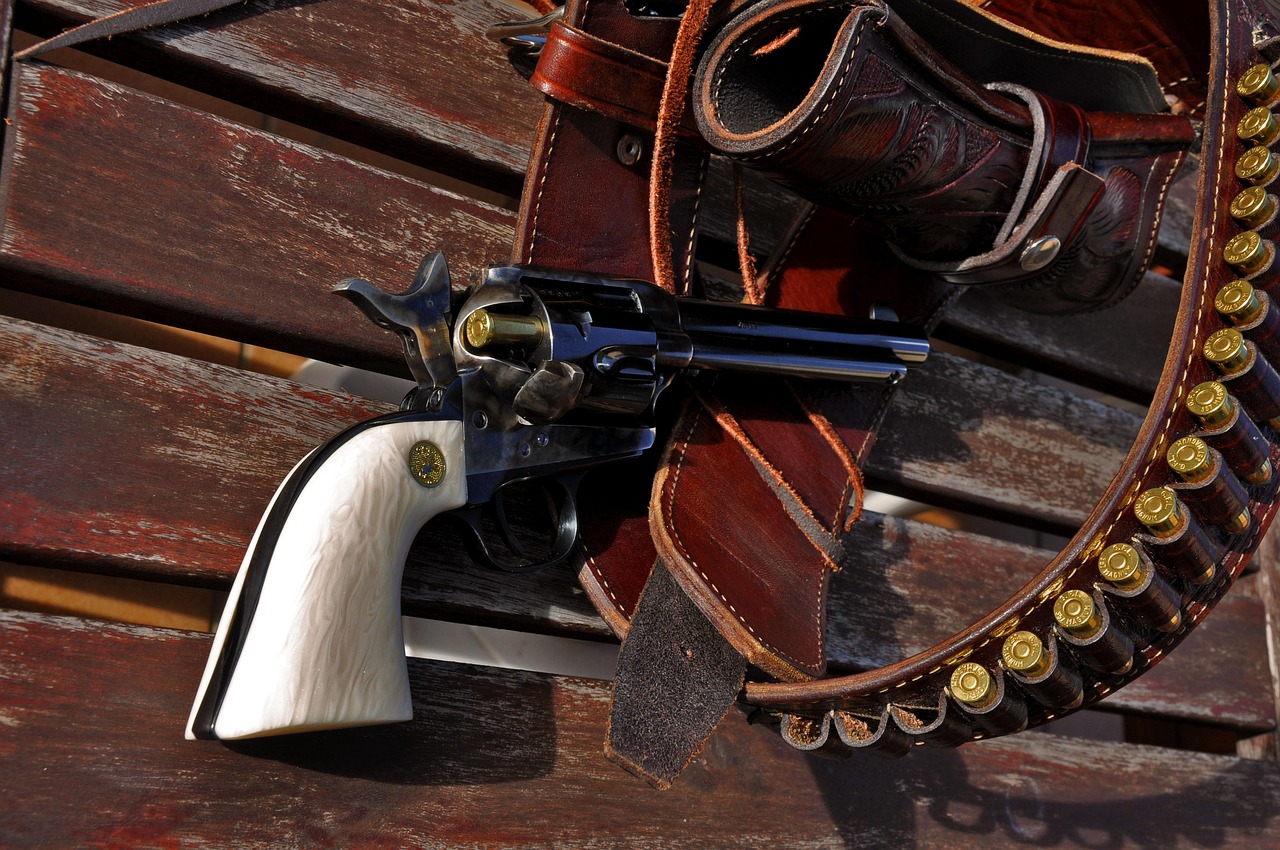
Revolvers remain popular in bear country for one simple reason: they handle powerful cartridges well. Traditional choices like .44 Magnum, .454 Casull, and similar big-bore loads offer deep penetration, which many hunters and guides still value when the target is heavy-boned and coming fast.
They also have a reputation for mechanical simplicity. A revolver is not dependent on magazine function, slide travel, or a perfect grip to cycle the next round.
That said, simplicity on paper is not the same as ease of use. Heavy double-action trigger pulls, stout recoil, and limited capacity can slow follow-up shots. A hard-kicking .44 that you dread practicing with is not automatically a better defensive tool than a milder gun you can run well and hit with repeatedly.
Why semi-autos have become serious bear-country options
Modern semi-autos, especially 10mm pistols, have changed this conversation. According to American Rifleman, full-power 10mm loads can approach .357 Magnum territory while producing less punishment than many heavy .44 Magnum revolvers, and that can matter when fast second and third hits are needed.
Capacity is the obvious advantage. A typical 10mm pistol gives you far more rounds on tap than a six-shot revolver, and for many shooters it is easier to shoot quickly and accurately.
There is also a carry comfort factor people underestimate. A lighter, flatter pistol worn every day is more likely to actually stay on your belt than an oversized revolver that gets left in camp, on the ATV, or in the truck when things get inconvenient.
Reliability is not just about the gun
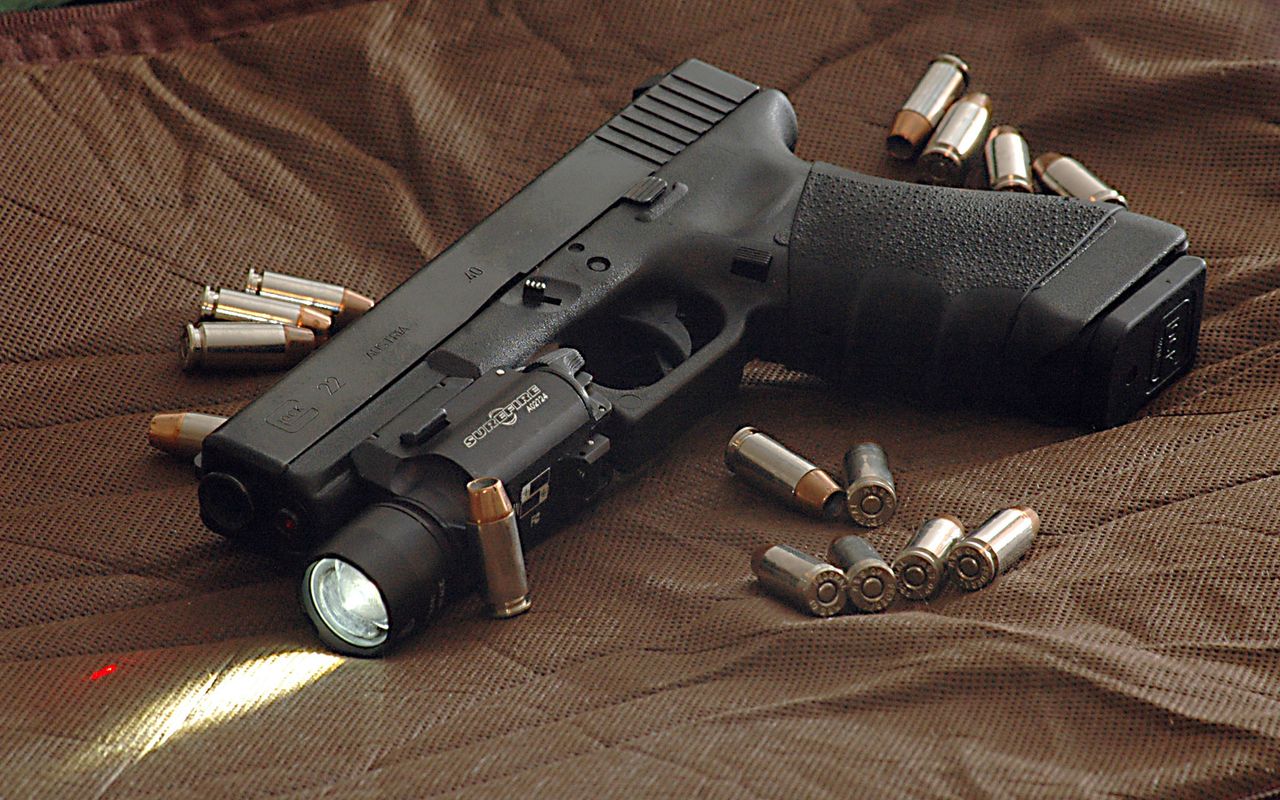
Revolver fans often say a wheelgun is more reliable, and in a narrow mechanical sense that can be true. A semi-auto can malfunction from weak grip, bad magazines, or marginal ammo.
But revolvers are not invincible. Dirt under the extractor star, bent ejector rods, debris, or a bullet pulling forward under recoil can lock up the gun hard. When a revolver stops, the fix is often slower than a quick tap-rack on an auto.
The bigger point is that reliability in bear country is really a system issue. Gun, holster, ammo, weather, gloves, draw stroke, and practice all matter. A rugged 10mm with proven magazines may be more dependable in your hands than a magnum revolver you only shoot twice a year.
So which one should most people choose?
For most general outdoorsmen, hikers, and anglers, I think the answer tilts toward a quality semi-auto in 10mm if they are committed to carrying a handgun. It offers workable power, faster follow-up shots, higher capacity, and usually better shootability for average hands.
For experienced shooters who are already fluent with magnum revolvers, a .44 Magnum still makes excellent sense. If you can draw it cleanly, control it under pressure, and place hits without hesitation, the old-school answer still works.
The wrong choice is buying around reputation alone. Bear-defense handguns are not won on paper ballistics or campfire stories. They are won by access, control, and accurate hits in seconds.
The smartest answer may be to carry both spray and a gun
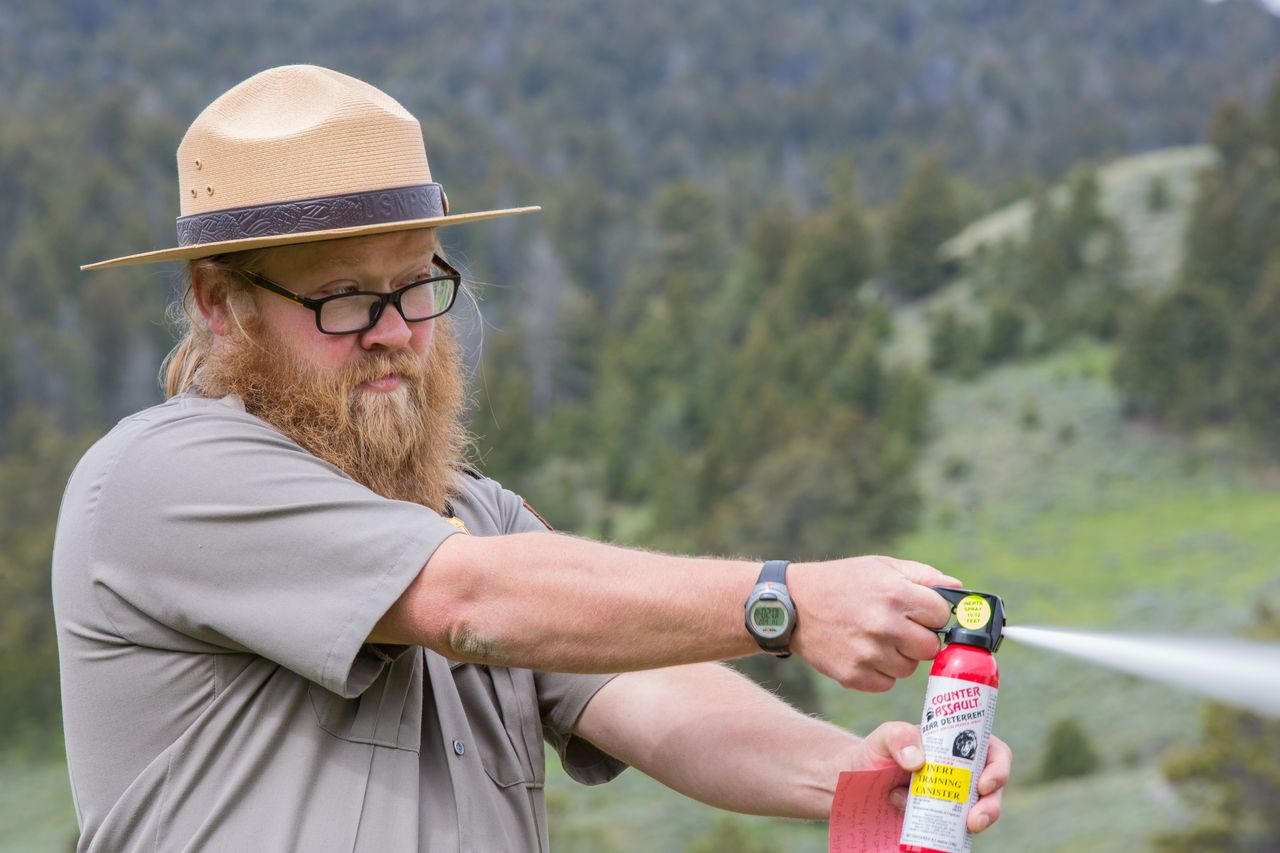
This is where the argument usually lands in the real world. Alaska Department of Fish and Game recommends accessible deterrents and common-sense prevention, while the USGS has described firearms as tools of last resort after less-lethal options are exhausted or impractical.
That is a sensible framework. Bear spray gives you a strong nonlethal option at close range without demanding pinpoint shot placement, while a handgun remains a last-ditch answer if things go fully off the rails.
So, revolver or semi-auto? If you shoot magnum revolvers well, carry one with confidence. If you want the best blend of shootability, capacity, and everyday carry practicality, a reliable 10mm semi-auto is probably the better choice. In either case, the real winner is training, realistic practice, and the humility to carry bear spray too.